Game superstitions existed long before strategy guides, YouTube tutorials, and data miners revealed how games actually worked. Back then, information traveled through schoolyards, arcades, sleepovers, gaming magazines, and the occasional friend who claimed his cousin worked at Nintendo. If something seemed to work once, it quickly became accepted wisdom.
Some of these beliefs were completely made up. Others survived because they occasionally appeared to work through sheer coincidence. Either way, generations of players treated them like proven science. These are 10 game superstitions that gamers swore were true.
The Arcade Machine In The Corner Was Easier

Regular arcade players often developed favorite machines and insisted certain cabinets were easier than others. Some believed the machine in the corner had looser controls. Others swore specific cabinets paid out higher scores. Most of the time, the only difference was familiarity, but that never stopped these game superstitions from spreading.
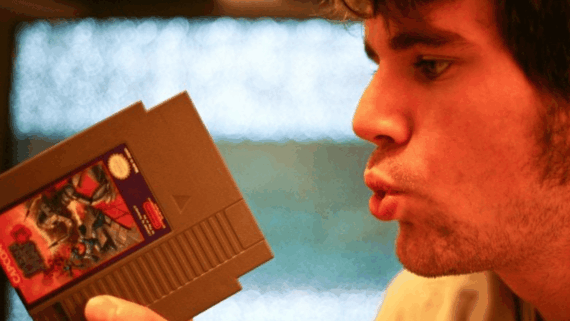
Blowing Into A Cartridge Fixed Everything
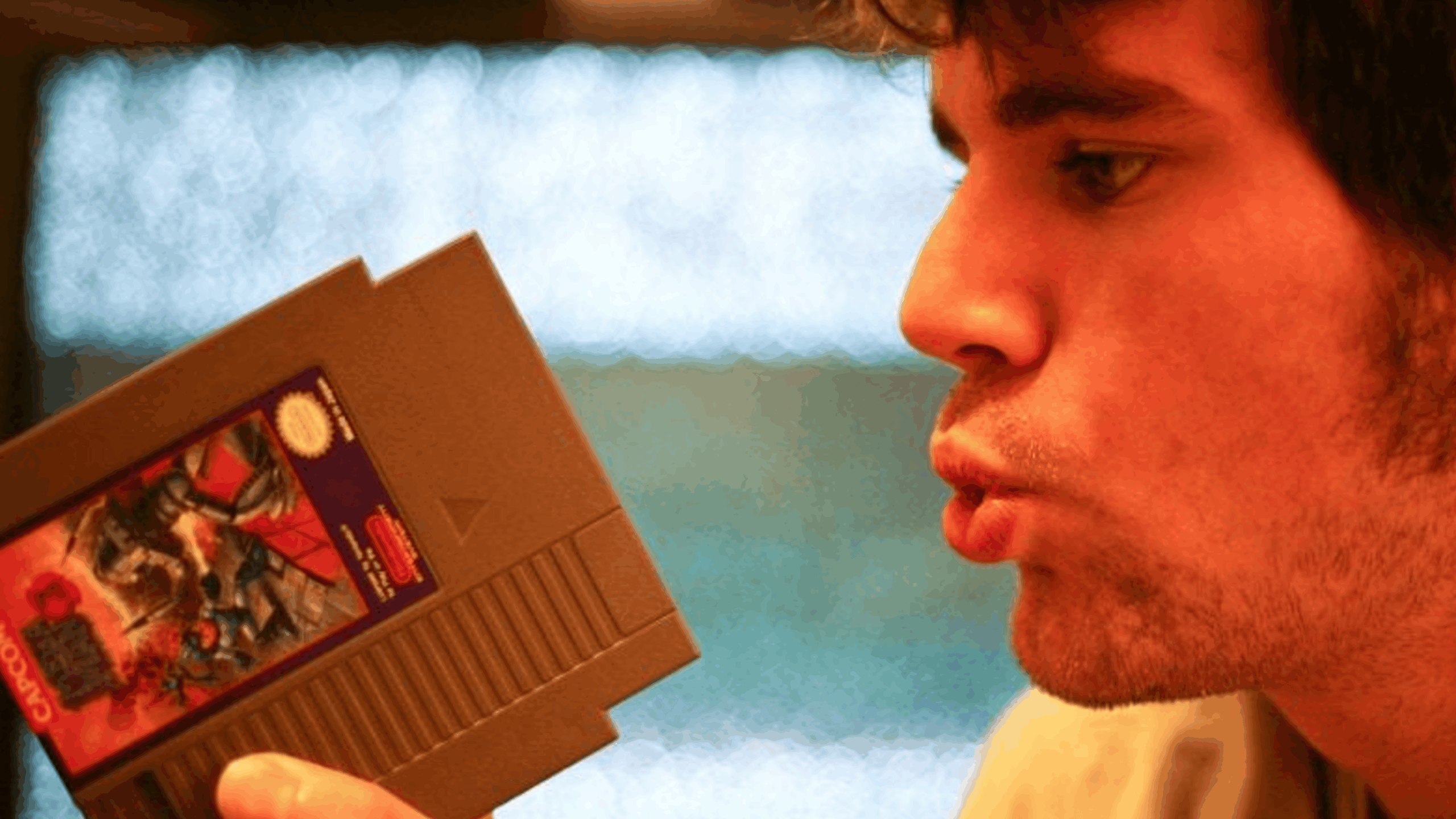
If a Nintendo game failed to load, there was only one acceptable solution. Remove the cartridge, blow into it dramatically, and try again. The ritual became so common that millions of players genuinely believed they were performing technical maintenance rather than simply hoping for the best.
Pressing A Increased Pokémon Catch Rates
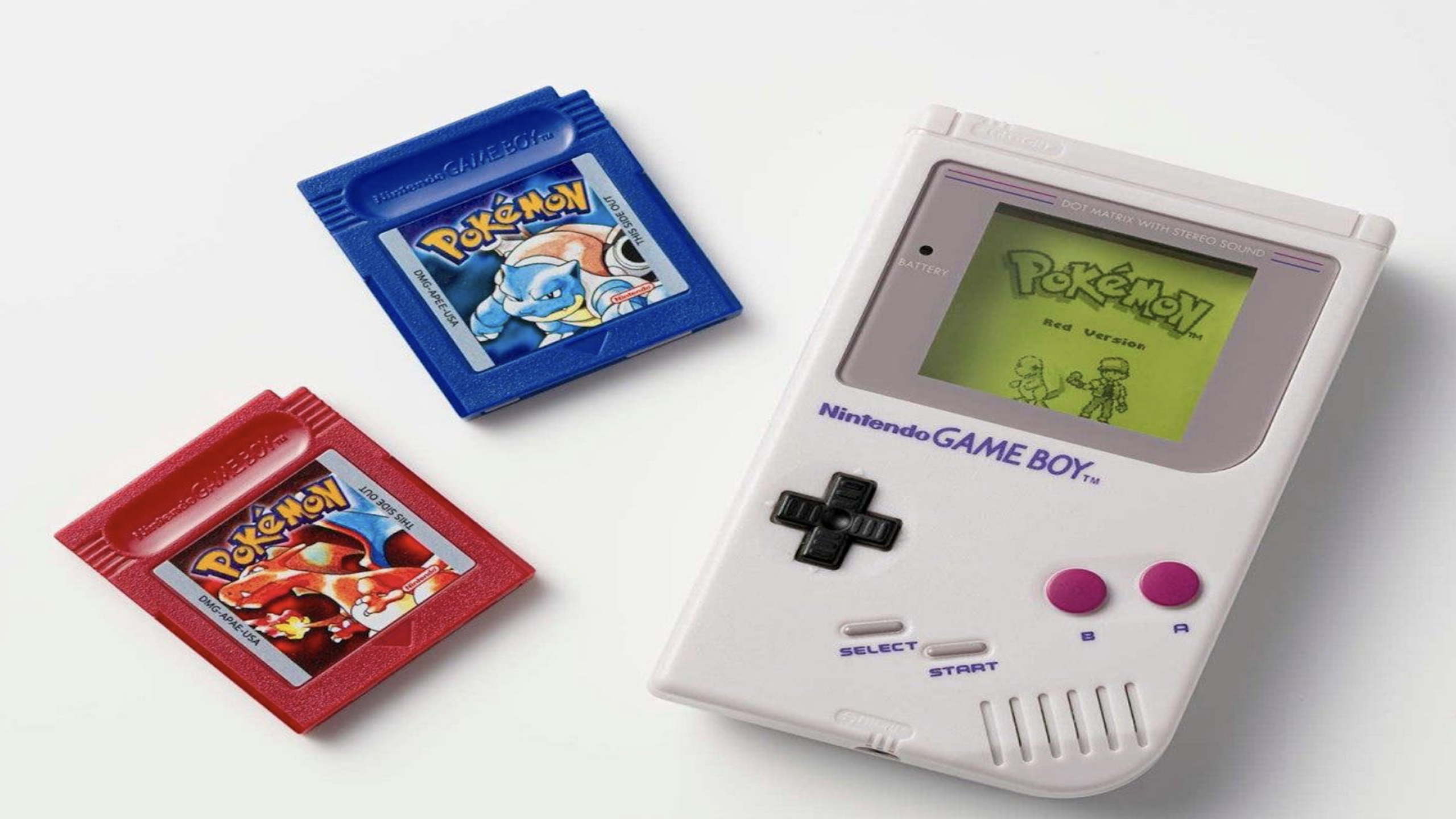
Every Pokémon player seemed to have a secret formula. Press A repeatedly. Hold Down and B. Tap Start when the Poké Ball closed. Nobody could prove these methods worked, but countless players treated them as sacred traditions during important catches.
Leaning Made Racing Games Easier
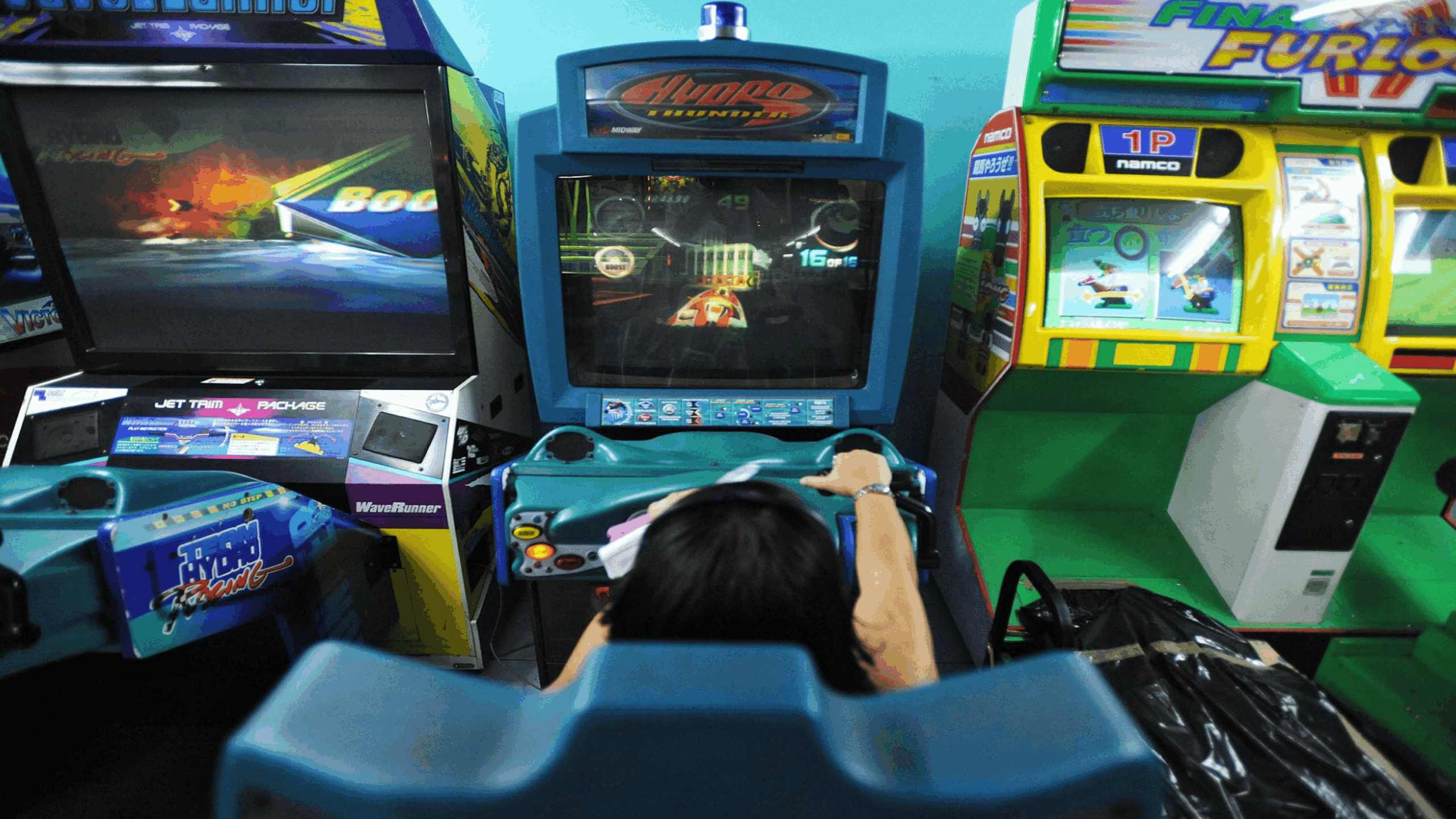
The sharper the turn, the further players leaned. It didn’t matter whether they were holding a Nintendo 64 controller or standing at an arcade cabinet. Somehow, moving your body felt like it gave your vehicle a better chance of making the corner.
Certain Controllers Were Lucky

Every friend group seemed to have one controller nobody wanted to use and another that supposedly carried magical powers. Some players refused to switch controllers during winning streaks, convinced their success was tied directly to a specific piece of plastic.
Trending on realmoneygamer.com


One Of The Most Persistent Game Superstitions Involved Secret Characters

The 1990s and early 2000s were filled with rumors about hidden fighters, secret Pokémon, and unlockable characters. Mew hiding under a truck and Luigi secretly existing in Super Mario 64 became playground legends that survived for years despite lacking evidence.
Button Mashing Made Loading Screens Faster

Nobody likes waiting. Players eventually convinced themselves that pressing buttons rapidly encouraged the game to load faster. It never changed anything, but it gave people the comforting illusion that they were helping.
Rare Pokémon Appeared More Often At Night

Before every game mechanic could be verified online, rumors spread quickly. Many players believed rare creatures appeared more frequently at specific hours or after completing strange rituals. These game superstitions often lasted longer than the games themselves.
The Last Quarter Was Always The Lucky One
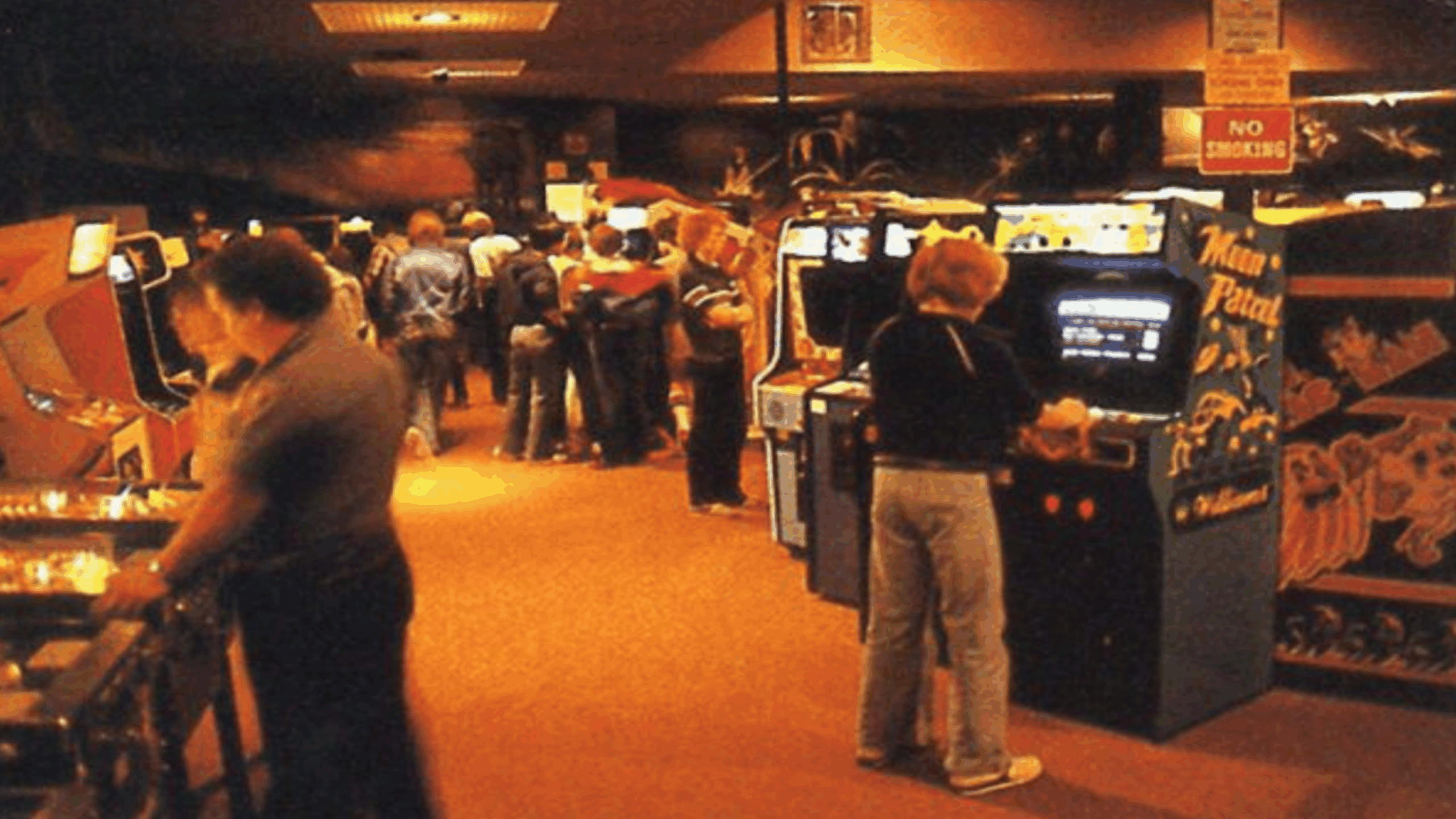
Arcade veterans often believed their final token or quarter would somehow produce their best run. Maybe it was confidence. Maybe it was desperation. Either way, countless players entered their last credit convinced it would be the magical one.
Looking Away Guaranteed Better Loot
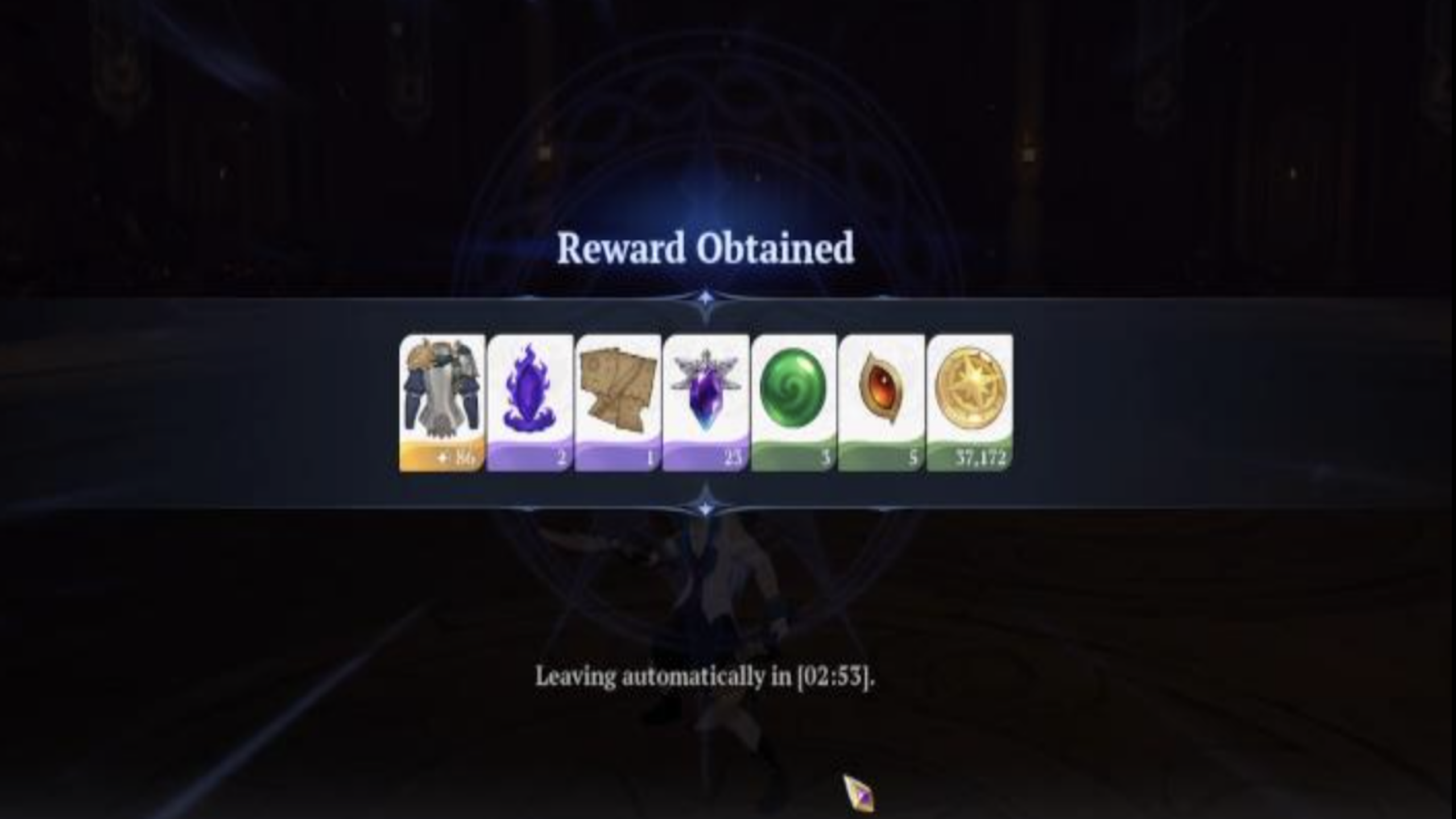
Long before loot boxes became common, players developed rituals around rare item drops. Some refused to watch treasure chests open. Others turned away from the screen entirely. It made absolutely no difference, but many gamers remained convinced that the game somehow rewarded humility with better luck.
The golden age of gaming mysteries existed because information wasn’t always available instantly. Rumors traveled through arcades, school buses, gaming magazines, and internet forums, creating an environment where almost anything seemed possible.