Games usually come out of teams, budgets, arguments, testing, and a long chain of people whose names most players never read. Still, every so often, one developer gets far enough into an idea that the whole medium bends around it. Sometimes the change is technical. Sometimes it is cultural, or just a new permission for other people to make stranger, smaller, riskier things. These stories are not clean myths about lone geniuses, but they do show how much one person can move when the idea is sharp enough.
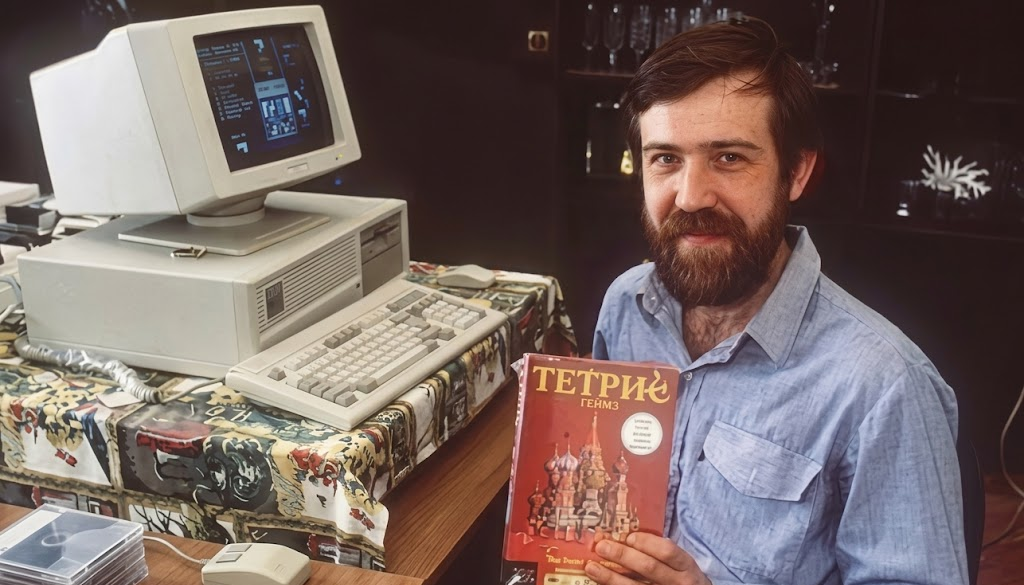
Alexey Pajitnov made falling blocks impossible to improve
r/the1980s
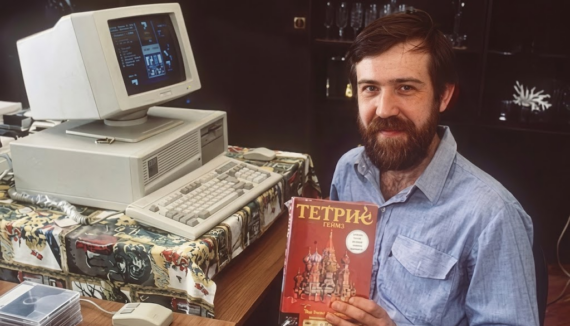
Tetris is almost irritatingly simple once you try to describe it. Blocks fall, you rotate them, lines disappear, and then somehow two hours are gone. Alexey Pajitnov created the game in 1984 while working at the Soviet Academy of Sciences, drawing from puzzle shapes called pentominoes before settling on the cleaner tetromino set. That small design choice made the whole thing legible. Tetris did not need characters, dialogue, or even much language. It traveled because the rules could be understood faster than they could be explained. A lot of later games would chase that same quality, the feeling that a design had been discovered rather than invented.
Jordan Mechner gave platformers a body

r/karateka
Prince of Persia did not move like most platform games around it. Jordan Mechner filmed his brother running, jumping, and climbing, then used that footage as reference for the 1989 Apple II game. The difference was obvious. The prince did not snap through the screen like a cursor with legs, he stumbled into motion, landed with weight, and took just long enough to make every jump feel slightly dangerous. That delay annoyed some players and fascinated others, which is usually a sign that something real has changed. After Prince of Persia, movement in games could carry mood, not just function.
Éric Chahi made silence feel expensive

Capital Video Games
Another World looked like it had been smuggled in from a different medium. Éric Chahi built the 1991 game with polygonal visuals, sparse sound, and almost no hand-holding. It opened with a lab accident and then left the player stranded in a hostile alien place without much explanation. That restraint was the point. Chahi trusted framing, timing, and confusion more than exposition, which made the game feel unusually adult without needing to announce itself that way. A lot of later cinematic games owe something to that confidence, even when they are much louder about it.
Chris Sawyer built a whole theme park from stubborn code

r/rct
RollerCoaster Tycoon is charming on the surface, little guests, tidy paths, colorful coasters, complaints about nausea. Underneath, it is a frighteningly dense simulation, and Chris Sawyer wrote most of the original game in x86 assembly. That fact still sounds unreal, but it helps explain why the game could run so much activity at once on ordinary late-1990s PCs. What made it matter was not only the technical flex. Sawyer made management readable. Players understood failure because they could see it walking around the park, getting lost, skipping rides, throwing up near a bench, or refusing to pay for a badly placed attraction.
John Carmack made the PC feel fast
r/techology
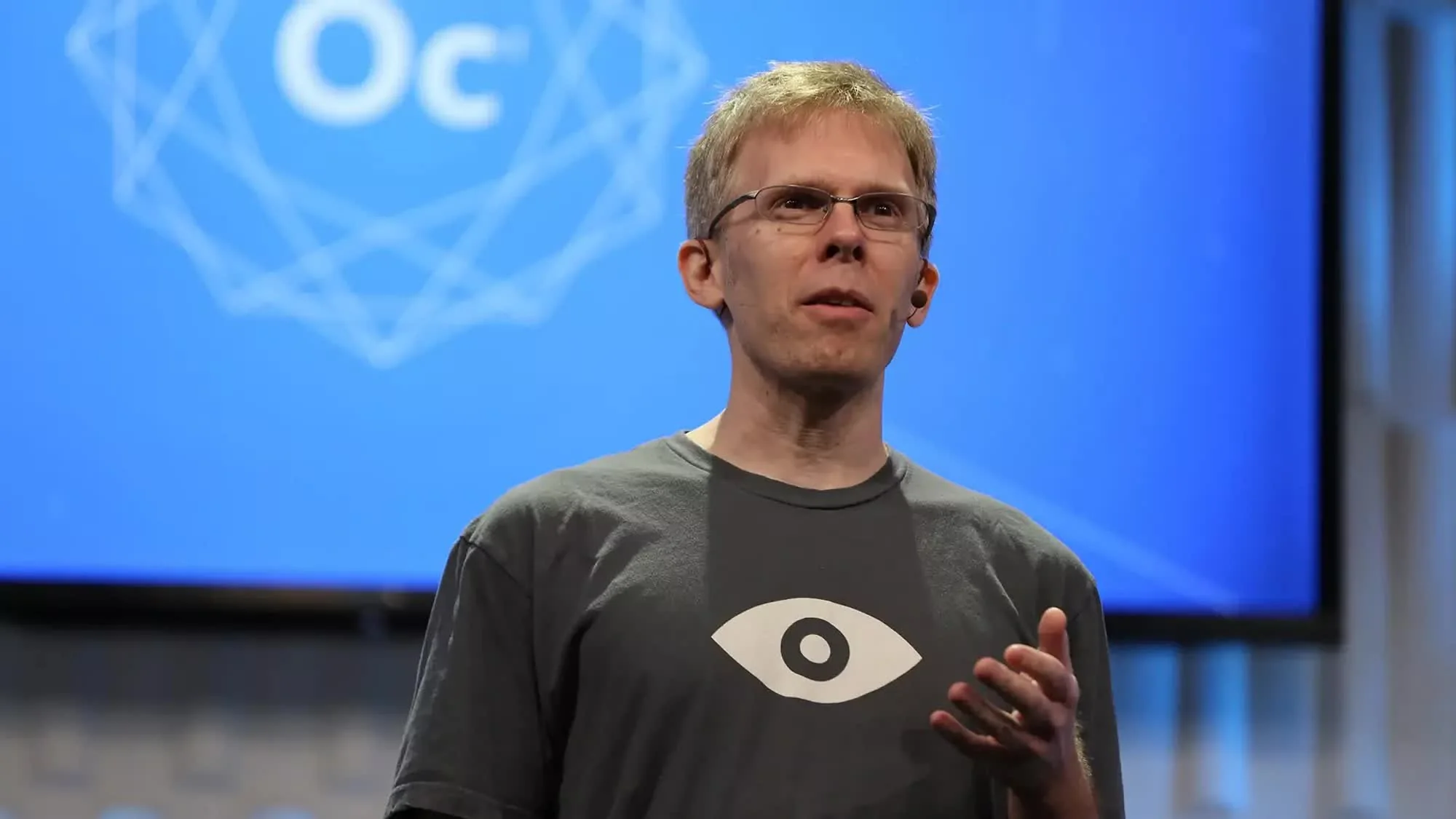
Doom was not a solo project, and it should not be remembered as one. But John Carmack’s engine work gave it the speed, texture, and snap that made people rethink what a home computer could do. When Doom arrived in 1993, the shock was physical before it was intellectual. You were not just seeing a new kind of shooter, you were moving through it at a pace that felt a little reckless. The level design, monsters, music, and multiplayer culture all mattered, but Carmack’s technology was the pressure point. After Doom, first-person games stopped feeling like experiments and started feeling like the future of PC gaming.
Trending on realmoneygamer.com
Daisuke Amaya made freeware feel personal
Vandal
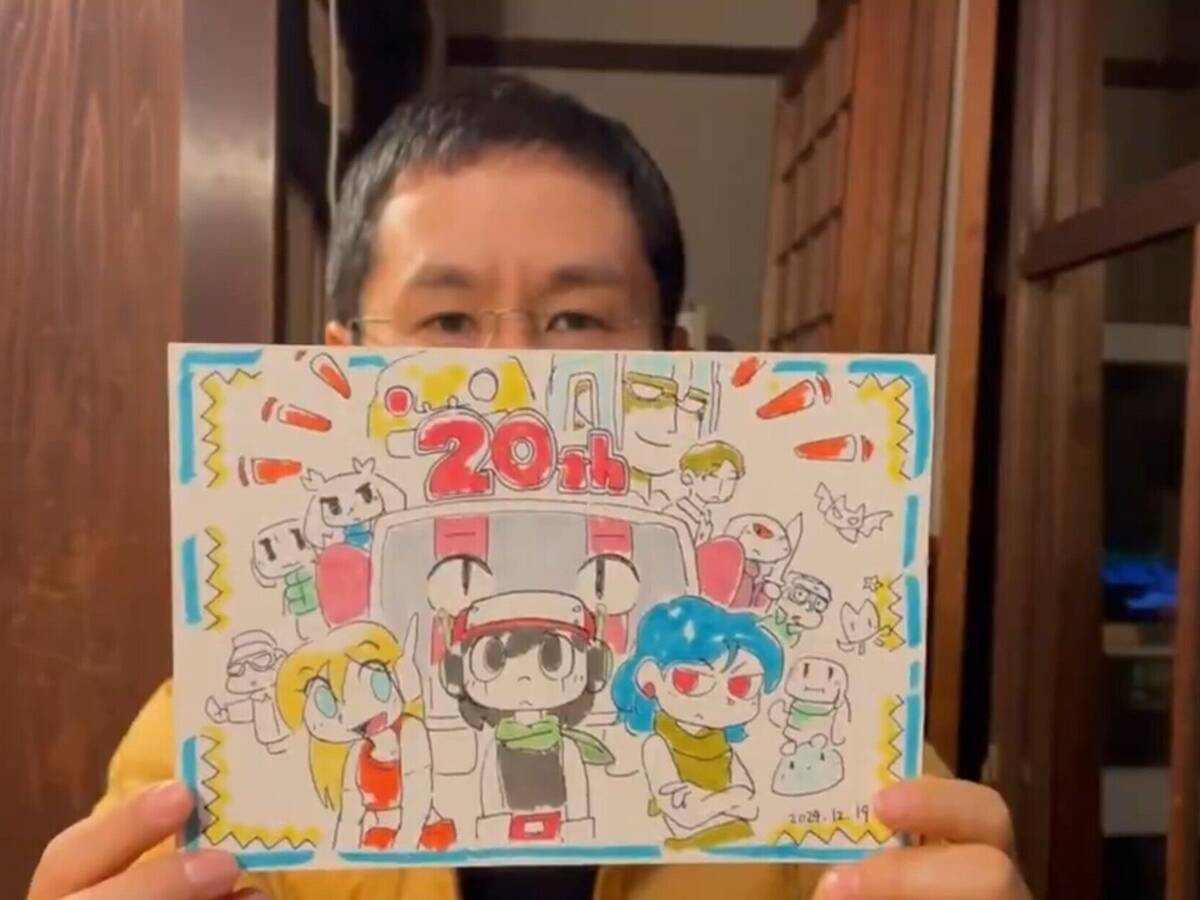
Cave Story spread the way good freeware used to spread, through recommendations, forum posts, and people insisting you had to try it. Daisuke “Pixel” Amaya spent years making the game himself, handling the art, music, writing, and design. It came out in 2004, before the modern indie scene had fully turned into an industry category. Its influence was quiet at first, then harder to miss. Cave Story showed that a one-person action adventure could feel complete, emotional, and generous without pretending to be a studio product. It gave a lot of later developers a useful kind of permission.
Jonathan Blow made the small game feel like an event
r/gaming
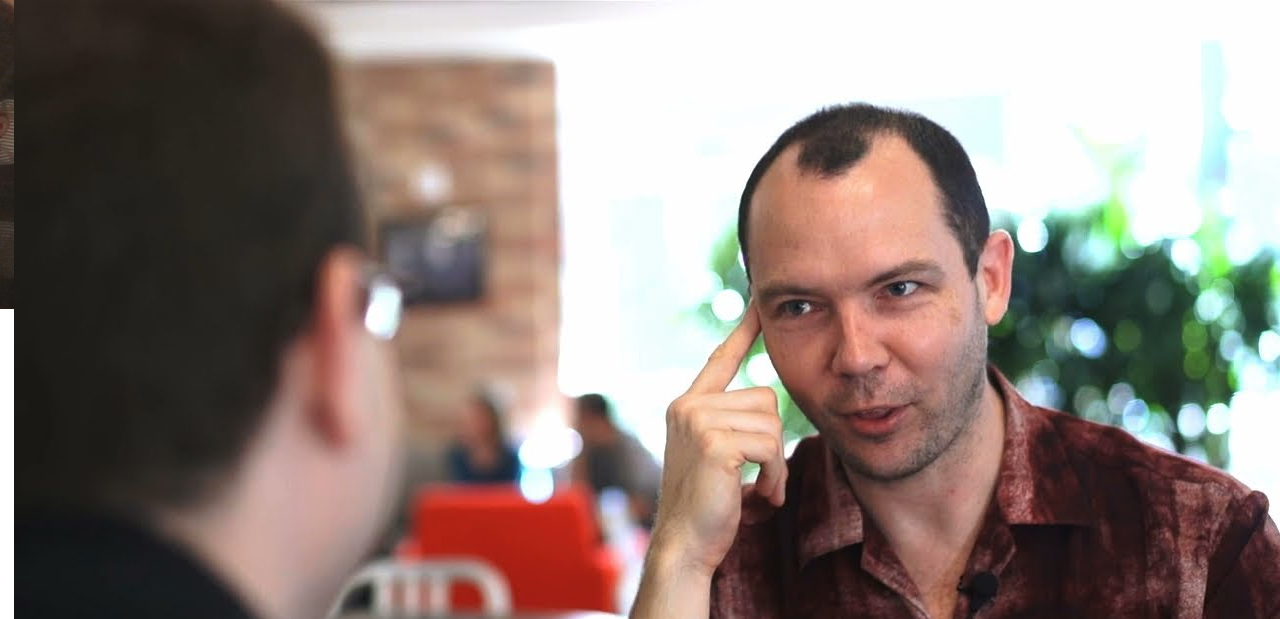
Braid arrived in 2008 with the strange pressure of a game people were already arguing about. Jonathan Blow’s time-bending platformer was elegant, prickly, and more self-conscious than most console releases around it. It was not just “an indie game that did well.” It became a reference point for what digitally distributed games could be when they were treated as authored works rather than side dishes. Some players loved its ambiguity. Some found it precious. Both reactions helped it matter.
Derek Yu made roguelikes move under your thumbs
Giant Bomb
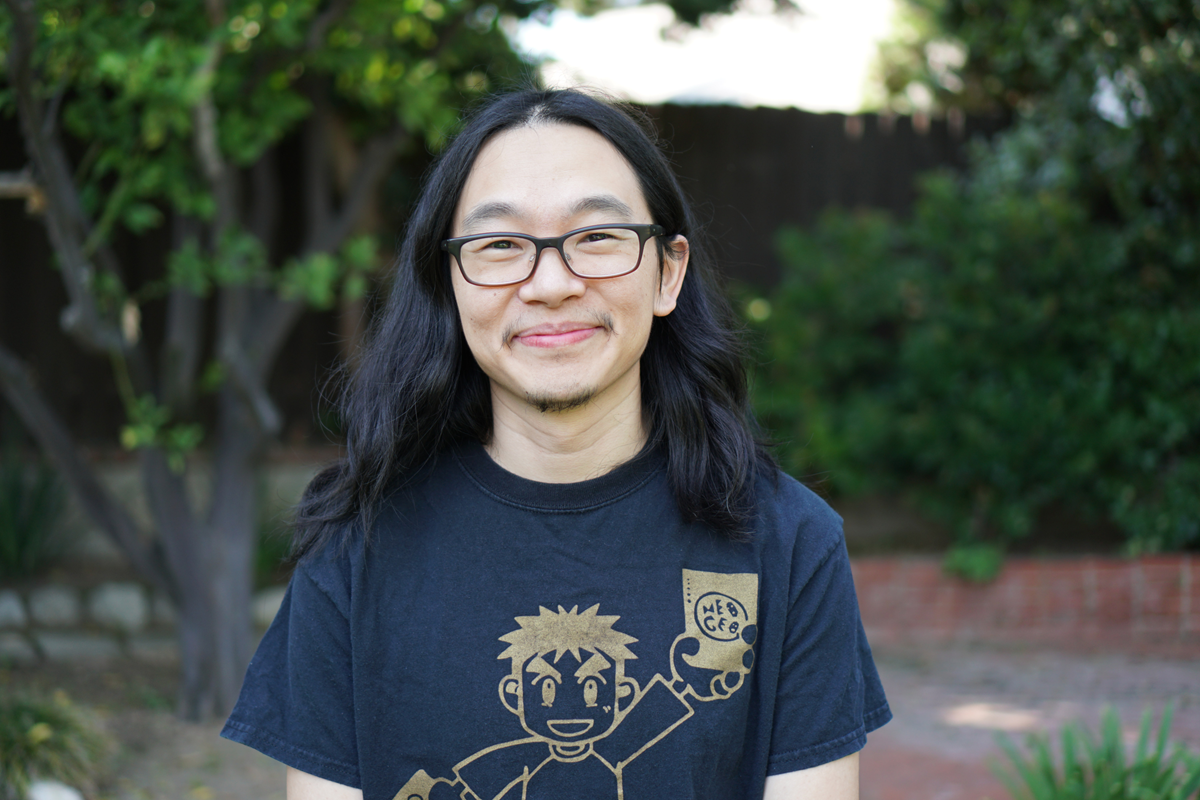
Spelunky took ideas that had lived for years in more intimidating corners of game culture and made them instantly playable. Derek Yu’s original freeware version came out in 2008, mixing procedural generation, permadeath, traps, treasure, and slapstick disaster inside a platformer. The trick was how natural it felt. You did not need to study a manual to understand why a run went wrong. A snake, an arrow trap, a dropped rock, one greedy choice near a shopkeeper, that was enough. After Spelunky, random generation in action games felt less like a gimmick and more like a story engine.
Markus Persson made the unfinished game exciting

r/erb
Minecraft did not feel finished when people first found it, and that was part of the pull. Markus Persson released early public versions in 2009, then kept changing the game while players built, tested, recorded, modded, and talked around it. The roughness gave it oxygen. That early openness changed expectations. Players were not just waiting for updates, they were helping define what the game was. Survival, building, servers, YouTube, mods, and childhood imagination all collided in public view.
Lucas Pope turned paperwork into pressure
El Bloj
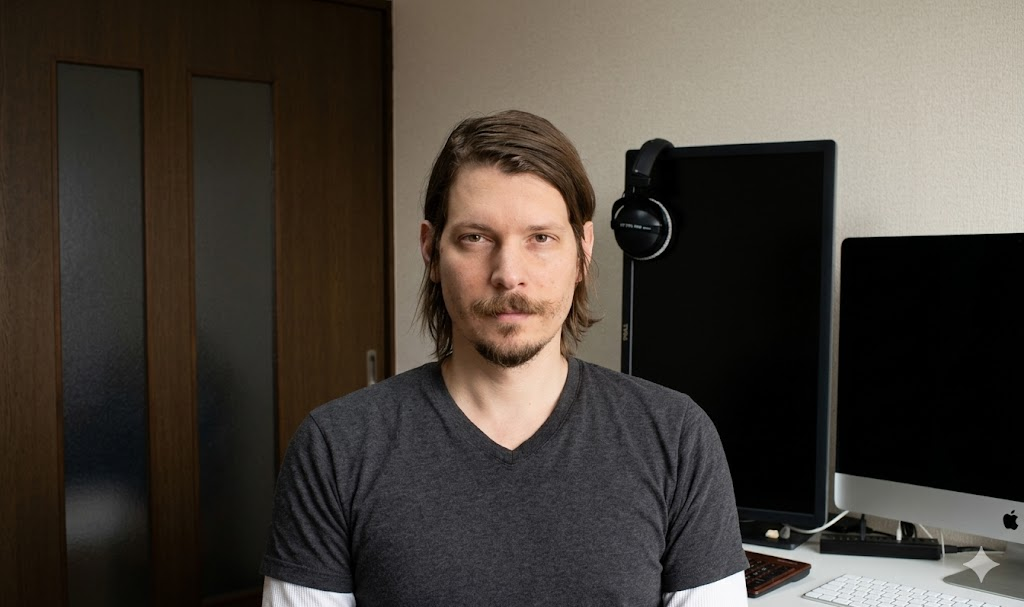
Papers, Please sounds like a joke until it starts working on you. Lucas Pope’s 2013 game puts the player at a border checkpoint, checking passports, permits, faces, dates, stamps, and increasingly ugly rules. It is not dramatic in the usual way. The drama comes from being tired, underpaid, watched, and still responsible for tiny decisions that can hurt someone. Pope made bureaucracy playable without making it cute. That was the uncomfortable part.
Dong Nguyen showed how violent mobile attention could be

r/games
Flappy Bird was not polished in the usual sense. It was blunt, repetitive, and mean enough to make players keep trying out of spite. Dong Nguyen made it quickly, released it in 2013, and watched it become a global obsession in early 2014 before removing it from app stores. The game changed less because of its design than because of the storm around it. It showed how a tiny mobile game could become unavoidable almost overnight, and how badly that kind of attention could fit the person who made it.
Eric Barone made cozy games impossible to dismiss
r/stardewvalley
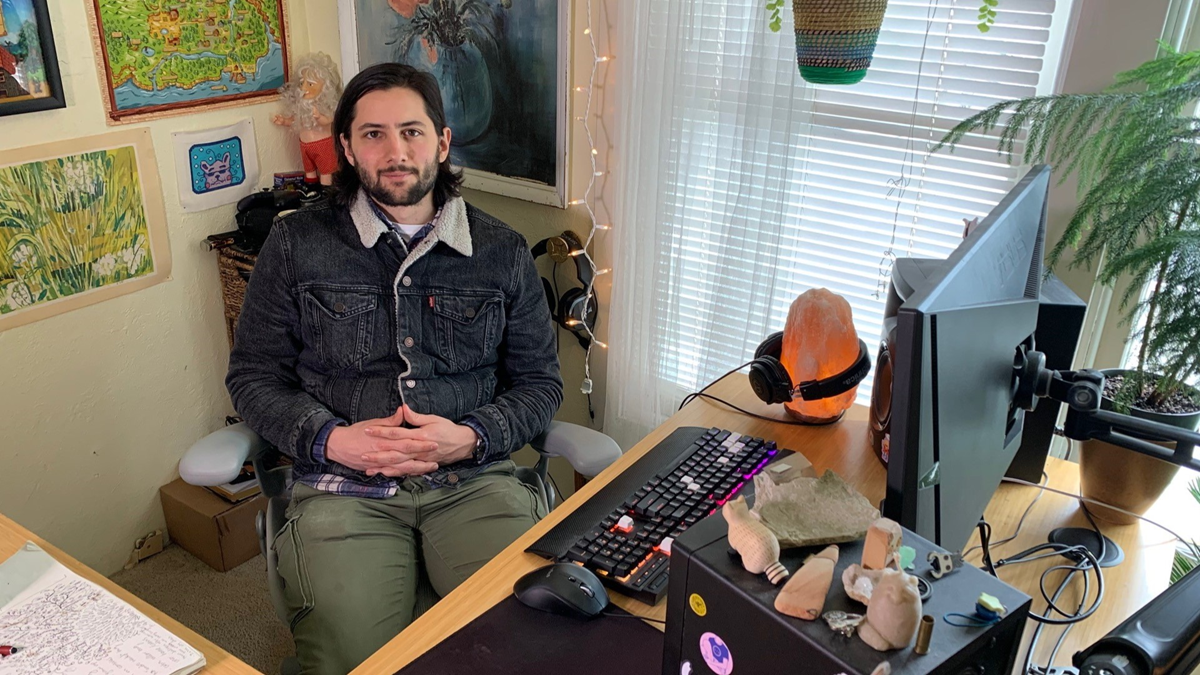
Stardew Valley looked familiar at first, especially to anyone who had played Harvest Moon. Then people kept playing, and the scale of Eric Barone’s work became harder to wave away. He spent years building the game largely by himself, handling programming, art, music, writing, and design before its 2016 release. The result was warm, but not thin. Farming, mining, fishing, romance, decorating, community routines, and small-town melancholy all had room to breathe. The change was not that Stardew Valley invented comfort. It proved comfort could be deep enough to carry a huge audience. After that, “cozy” stopped sounding like a minor mood and started looking like one of the industry’s most durable lanes.
The pattern is messier than the legend
The lone-developer story can get too neat if you let it. Games are carried forward by ports, communities, publishers, translators, modders, streamers, and players who keep them alive after release. But there is still something worth noticing here. In several important moments, the next direction of gaming began as one person refusing to let a strange idea stay small.
Continue Reading: 11 Indie Studios That Outperformed AAA Publishers in Revenue Without a Big Budget