There is still a tendency to treat indie success as a charming exception, something that happens on the margins while the real money stays with the biggest publishers. The last decade has made that harder to believe. Some of the most profitable and widely played games in the world came from small teams, solo developers, or studios working without anything close to AAA spending. These are not all identical stories, and that is part of what makes them interesting.
Mojang, Minecraft
Minecraft is the obvious starting point, but it still feels strange to put it next to traditional blockbuster games. Markus Persson began working on it in 2009, and what looked like a rough sandbox about blocks slowly became one of the biggest entertainment properties in the world. Mojang did not need photorealism, celebrity casting, or a giant launch campaign. It had something better, a game that players could explain in ten seconds and keep playing for years. By the time Microsoft bought Mojang for $2.5 billion in 2014, Minecraft had already proved that a small studio could build a business most publishers would have considered impossible without a huge budget.
Re-Logic, Terraria
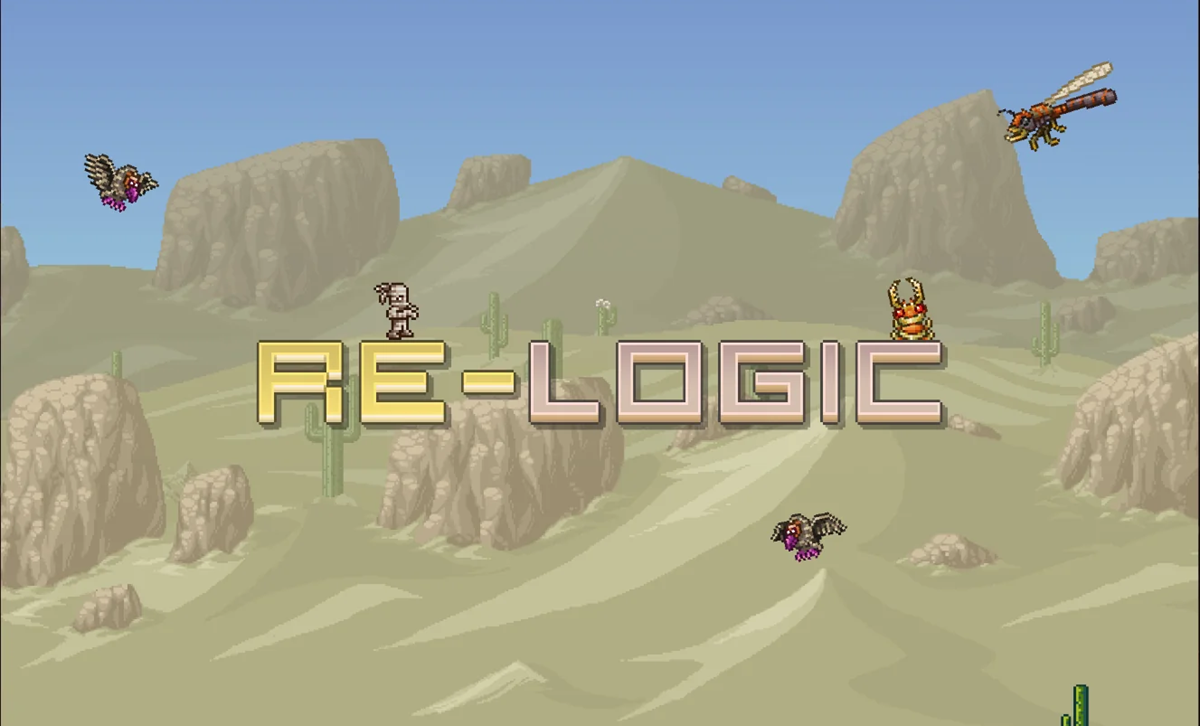
Terraria never really behaved like a normal hit. It launched in 2011, kept expanding, and somehow avoided feeling frozen in the era that produced it. Re-Logic built a game that people returned to in waves, partly because there was always another boss, biome, weapon, event, or odd little secret waiting somewhere below the surface. Its sales eventually climbed into the tens of millions, which is the sort of number usually attached to long-running corporate franchises. Terraria did it with a 2D look, a stubbornly generous update model, and a community that never seemed to fully leave.
ConcernedApe, Stardew Valley
Stardew Valley sounds almost too small on paper, one developer making a farming RPG inspired by Harvest Moon. In practice, Eric Barone created a game with the emotional durability of a comfort show. Players did not just buy it, they moved into it. The farms, marriages, festivals, mines, fishing trips, and quiet routines gave the game a life beyond its launch week. Its sales later passed 40 million copies, a figure that makes the “solo indie project” label feel almost misleading.
Pocketpair, Palworld
Palworld was not subtle, and that helped. The shorthand, “Pokémon with guns,” was everywhere before many people even understood what the game actually was. Pocketpair had rough edges all over the project, but it also had timing, curiosity, multiplayer chaos, and a concept that traveled faster than any polished marketing line. In early 2024, the game reached a level of attention that plenty of AAA publishers spend years trying to manufacture. It became a reminder that sometimes a messy, highly shareable idea beats a safer, more expensive one.
Innersloth, Among Us
Among Us is one of the funniest business stories in games because it did not explode when it was supposed to. It came out in 2018, did fine enough to exist, and then suddenly became everywhere in 2020. Streamers, lockdowns, Discord groups, memes, and the simple pleasure of accusing your friends of lying turned it into a social ritual. Innersloth was not operating like a major publisher, but for a while, Among Us had the kind of cultural reach that major publishers chase with huge advertising spends.
Trending on realmoneygamer.com
Facepunch Studios, Rust
Rust is not polished in the polite sense. It is cruel, funny, hostile, weirdly social, and often held together by the exact kinds of stories players tell afterward. Facepunch understood that the game’s tension came from people as much as systems. That made Rust difficult to copy, even for studios with more money. Years after launch, it continued selling in numbers that many full-budget survival games would envy.
Kinetic Games, Phasmophobia
Phasmophobia did not need elaborate horror writing to work. It needed a dark hallway, a few pieces of ghost-hunting equipment, and players who were brave until the first weird noise. Kinetic Games turned co-op fear into a simple, repeatable format, and that was enough for the game to sell tens of millions of copies.
Iron Gate Studio, Valheim
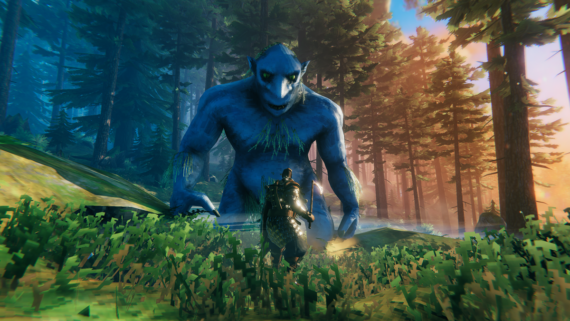
Valheim arrived looking modest, but the feeling was right almost immediately. The trees were dangerous, the seas were beautiful, the bosses were intimidating, and building with friends had a rough warmth to it. Iron Gate did not make the biggest survival game, at least not visually. It made one that understood why people like survival games in the first place.
Zeekerss, Lethal Company

Lethal Company looked cheap, and in a strange way, that became part of its charm. The game turned bad lighting, awkward movement, ugly monsters, and terrible workplace rules into comedy horror that worked especially well with friends. Zeekerss, working as a solo developer, created the kind of game that sold itself through clips. Every failed mission looked like an ad, except funnier.
LocalThunk, Balatro
Balatro is the sort of game that could have sounded unmarketable in the wrong room. Poker, roguelike scoring, strange jokers, escalating multipliers, no big story, no expensive art push. Then people played it, and the pitch no longer mattered. LocalThunk built something clean, dangerous, and extremely easy to recommend. By 2025, Balatro had sold millions of copies, not because it looked expensive, but because it made players lose track of time.
Team Cherry, Hollow Knight
Hollow Knight was not a loud launch in the way some modern hits are loud. It grew through trust. Team Cherry’s metroidvania had beautiful animation, sharp combat, a huge underground world, and a tone that felt melancholy without begging to be admired. The game kept selling for years as more players discovered it on PC, Switch, PlayStation, and Xbox. Its success was not about beating AAA at scale, it was about making something players kept passing along.
Poncle, Vampire Survivors
Vampire Survivors seemed almost too simple at first. You moved, weapons fired automatically, enemies flooded the screen, numbers went up, and then the next run somehow started before you meant to click again. Poncle turned a low-cost experiment into one of the most copied indie designs of the 2020s. The game was cheap to buy, but its reach became enormous.
Small Teams, Big Receipts
None of these studios followed the same path. Some had viral launches, some grew slowly, and some became bigger companies after the money arrived. What they share is more basic, they found a hook that money alone could not guarantee. Big publishers still have reach, staff, and marketing power, but these games showed that revenue does not always follow budget size. Sometimes it follows timing, taste, community, and one idea that players cannot stop explaining to other people.
Continue Reading: 13 Famous Game Studios That Shaped Online Gaming Trends