Overnight is doing a lot of work here. Some of these games blew up in a week, some took a little longer, and a couple spent months sitting quietly before the right crowd found them and everything changed. Still, the end result was basically the same, a small team, or sometimes one exhausted developer, suddenly making money on a scale that indie games were not supposed to reach. Not every hit turns into that kind of story. These did.
Minecraft
Before it became the safest example in this whole conversation, Minecraft looked like a weird little PC project with chunky visuals and barely any explanation. Markus Persson started selling early versions in 2009, and the response got big fast enough that Mojang stopped looking like a side venture and started looking like a machine. The later $2.5 billion Microsoft deal is the headline people remember, but the millionaire part came much earlier, back when alpha sales alone were already reshaping the studio’s future.
Braid
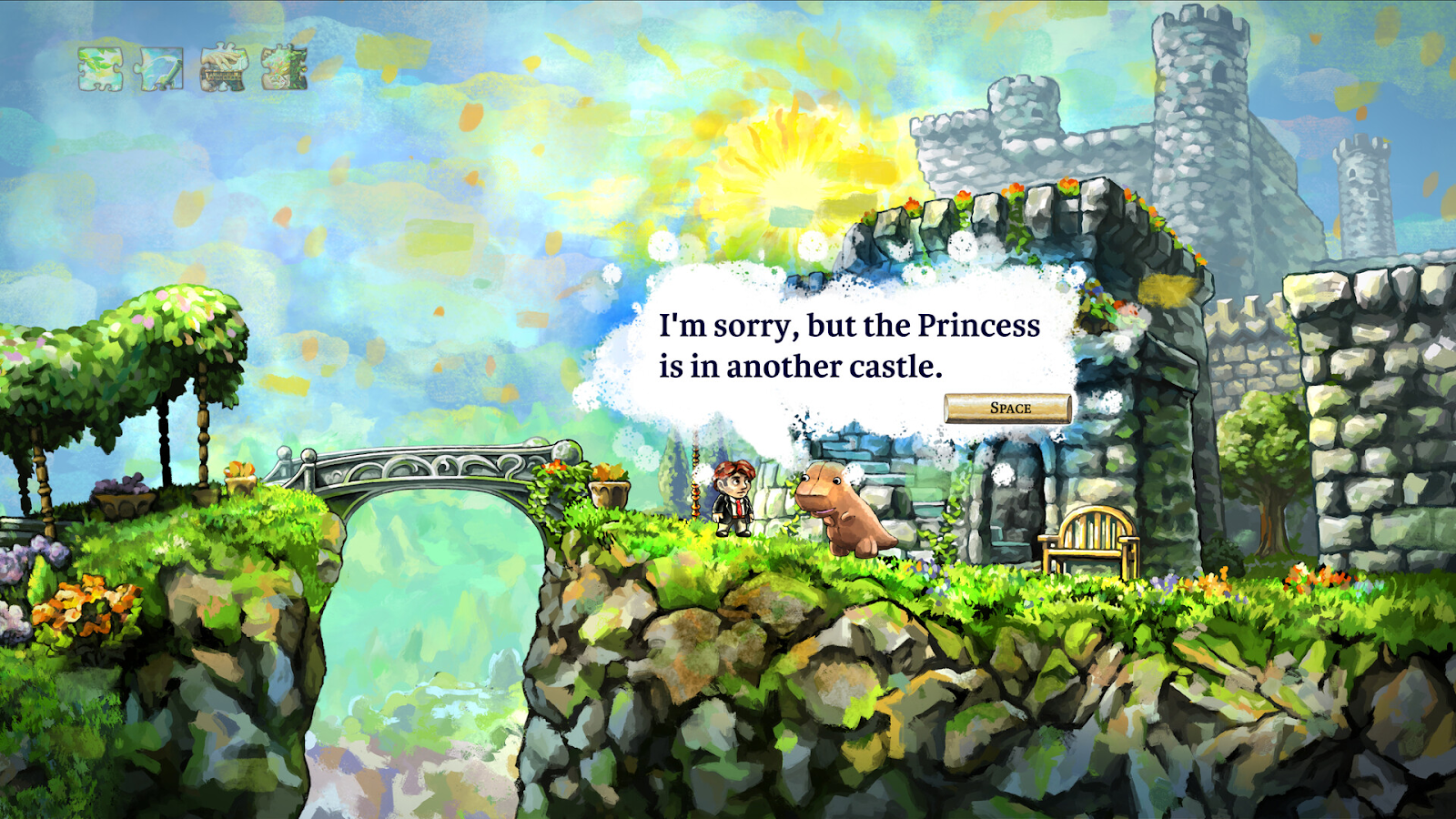
Braid landed in 2008, and at the time it felt like a corrective to what a lot of downloadable games were doing. Jonathan Blow made a puzzle platformer that trusted players to keep up, and enough of them did that it became one of the early breakout success stories of the Xbox Live Arcade era. It sold hundreds of thousands of copies, which now sounds modest until you remember what indie scale looked like back then.
Terraria
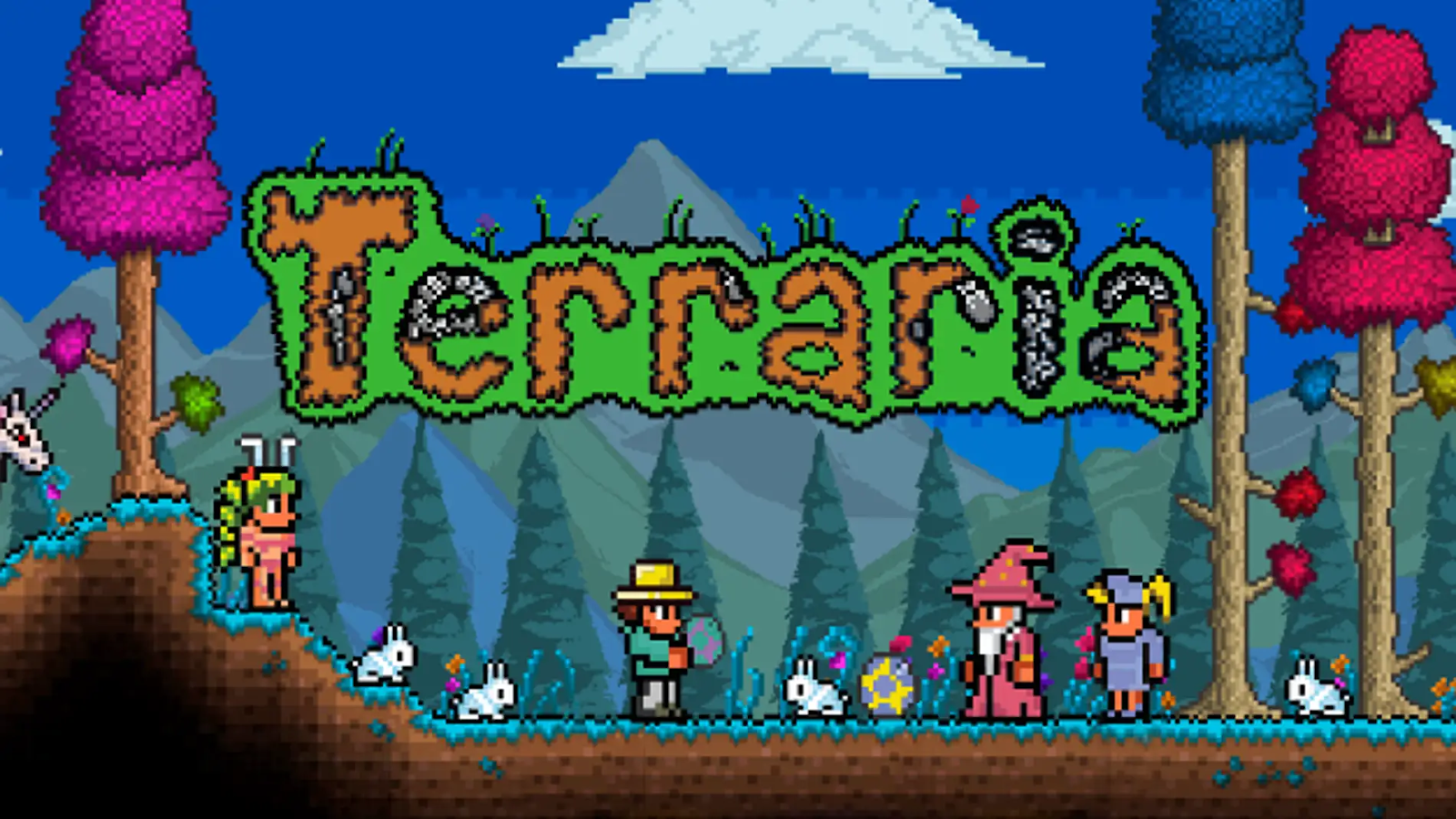
Terraria had the bad luck of being called “2D Minecraft” by people who had not really played it yet. That label helped at first, then the game easily outgrew it. Re-Logic launched it in 2011, and over time it turned into one of the best-selling indie games ever, passing 60 million copies by late 2024. For a studio that small, there is no delicate way to say it, that is absurd money.
Papers, Please
A game about checking passports should not have been this commercially viable. Lucas Pope released Papers, Please in 2013, and somehow a bleak immigration desk sim became one of the defining indie games of that stretch. It later passed 5 million copies sold, which is a pretty wild outcome for a game built around bureaucracy, tension, and deciding whether somebody’s paperwork is a lie.
Undertale
Undertale did not arrive with the usual signals of a massive hit. It looked odd, it was funny in a very specific internet way, and it asked players to buy into a tone that could have gone wrong instantly. Instead, Toby Fox’s 2015 RPG caught fire, then kept spreading through fan art, music, memes, and plain old word of mouth. More than 5 million copies later, it is hard to even talk about it as a small underdog release.
Trending on realmoneygamer.com
Stardew Valley
This one still feels slightly unreal. Eric Barone spent years building Stardew Valley mostly by himself, put it out in 2016, and watched a farming sim made outside the usual studio pipeline turn into a monster. By the end of 2024 it had sold over 41 million copies. That is not just “the game did well,” that is one developer accidentally creating a forever game and getting paid like it.
Hollow Knight
Hollow Knight was not an instant meme hit. It was more gradual than that, which almost makes the numbers stranger. Team Cherry released it in 2017, players kept pushing it on each other, the console audience showed up, and eventually it moved to somewhere around 15 million copies sold. A lot of games get praised for atmosphere and combat feel, not many turn that into this kind of return.
Cuphead
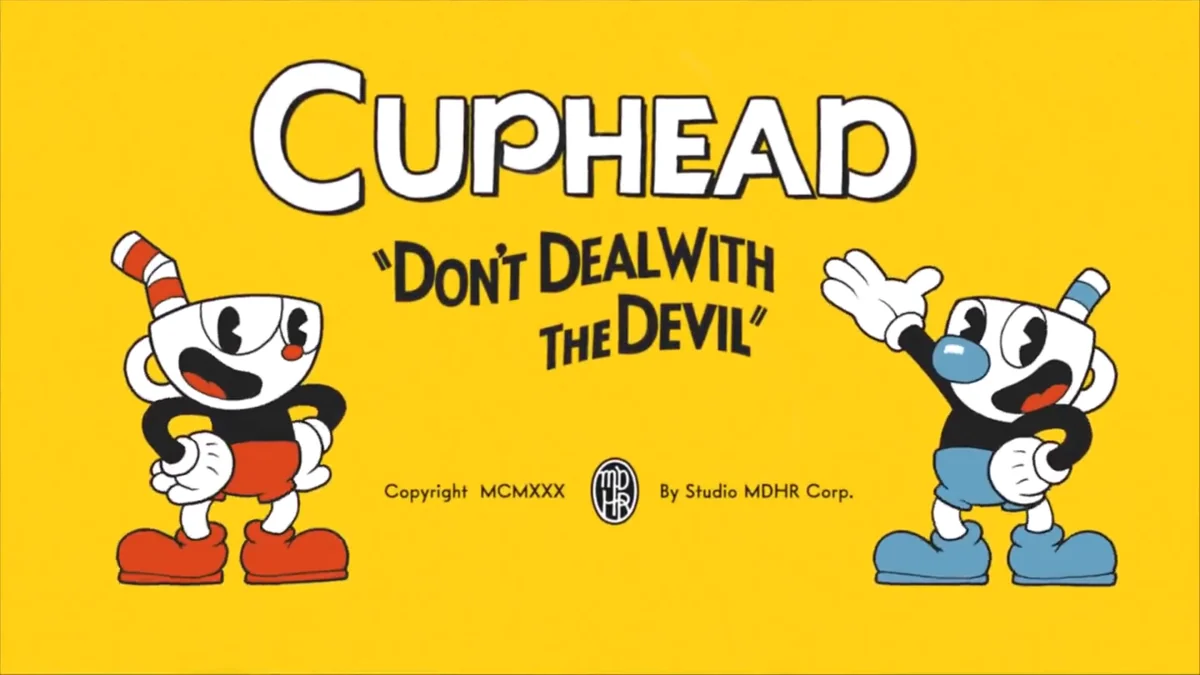
There was a point where Cuphead looked like the kind of game people would admire more than actually buy. The art was too labor-intensive, the bosses looked too punishing, and the whole thing had the vibe of a prestige risk. Then it sold over 2 million copies by 2019 and kept growing from there. Turns out plenty of players will pay for a game that lets them suffer beautifully.
Among Us
Among Us is the messy version of “overnight success.” It came out in 2018 and almost nobody cared. Then 2020 hit, streamers and friend groups got hold of it, and Innersloth suddenly had one of the biggest social games on the planet. That explosion translated into massive revenue, the kind that completely changes what a tiny team can do next.
Phasmophobia
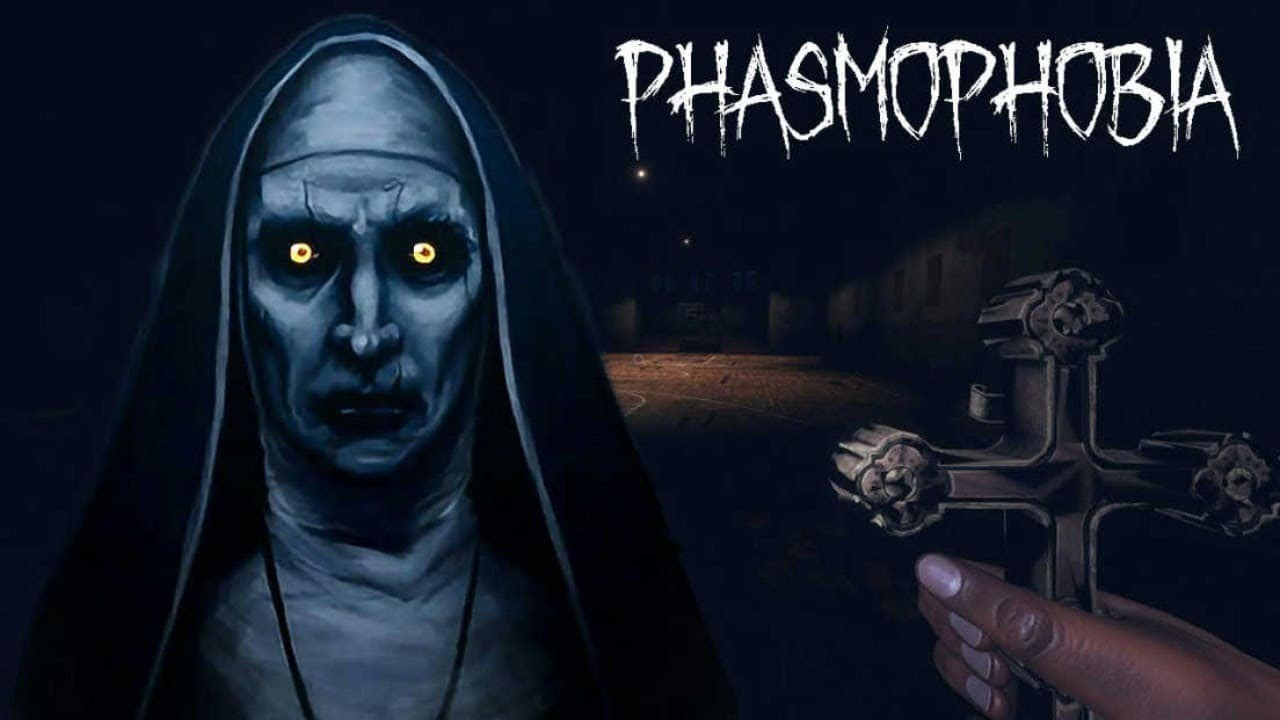
Some hits are easy to predict once you see them for five minutes. Phasmophobia was like that. Kinetic Games launched it in early access in 2020, and the mix of co-op voice chat, ghost hunting, and pure panic was perfect for Twitch and YouTube. It eventually passed 25 million copies sold, which is a ridiculous sentence for a first game from a small indie studio.
Valheim
Valheim did not waste much time. It hit early access in February 2021 and sold millions within weeks, immediately turning Iron Gate from a small Swedish team into one of the biggest success stories on Steam. The game later pushed past 12 million copies, but honestly, by the first month the financial part of the story was already settled.
Balatro
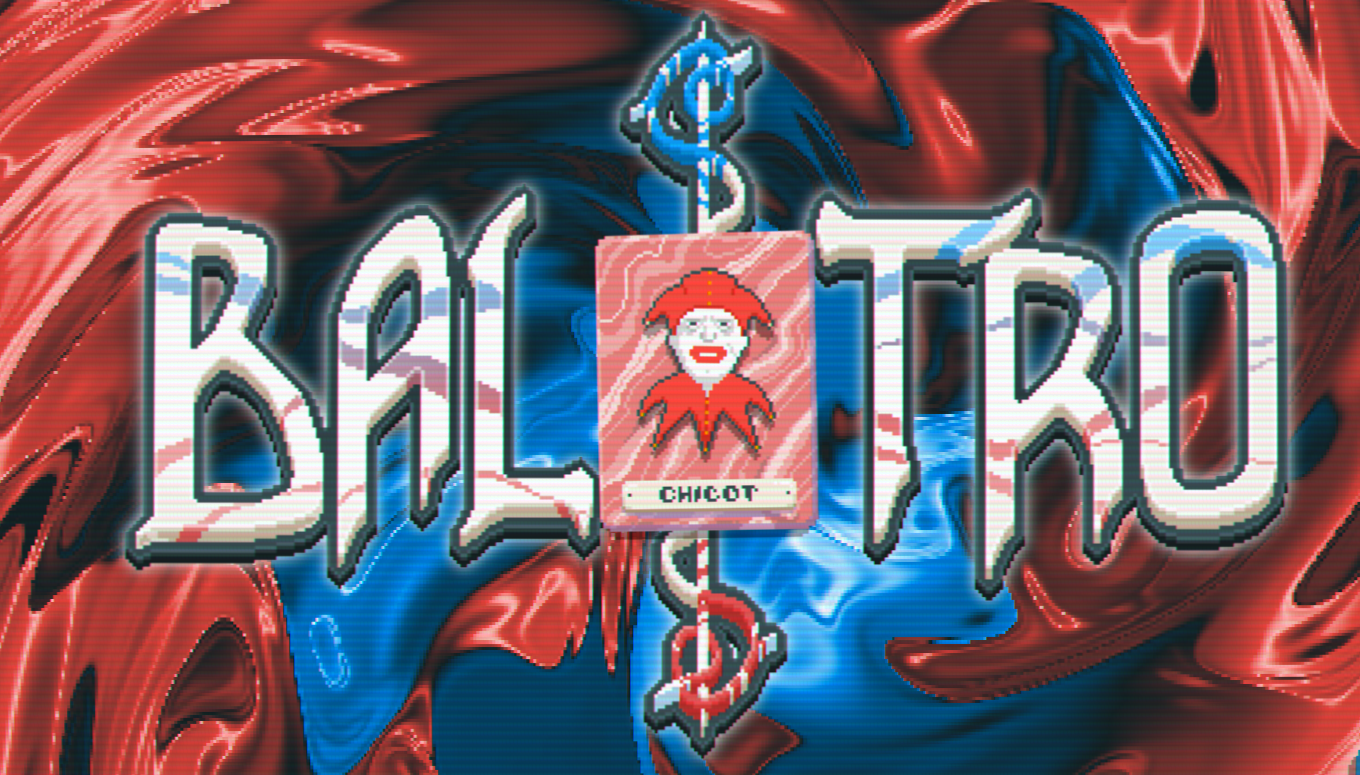
Balatro looked like a game that would make a certain kind of player very annoying for six months. That turned out to be true, but on a much larger scale than expected. LocalThunk’s poker roguelike became one of 2024’s breakout indie stories and reached 5 million copies sold in January 2025. Not bad for a game that, from a distance, can still be mistaken for “just cards.”
A lot of indie success stories get flattened into the same myth, one person with a smart idea, the internet notices, everybody gets rich. The real version is usually less neat than that, and more interesting. Some of these games were immediate hits, some had to wait, and some only looked obvious after the numbers were already impossible to ignore. That is probably why people keep chasing this kind of story. Not because it is common, but because every few years it happens again.