A broken launch is not just a technical problem. Once a game is out, players become reviewers, refund requests become accounting issues, and platform holders suddenly matter a lot more than marketing trailers. Some of these games clawed their way back after years of patches. Others never really got a second act.
Cyberpunk 2077
r/argaming
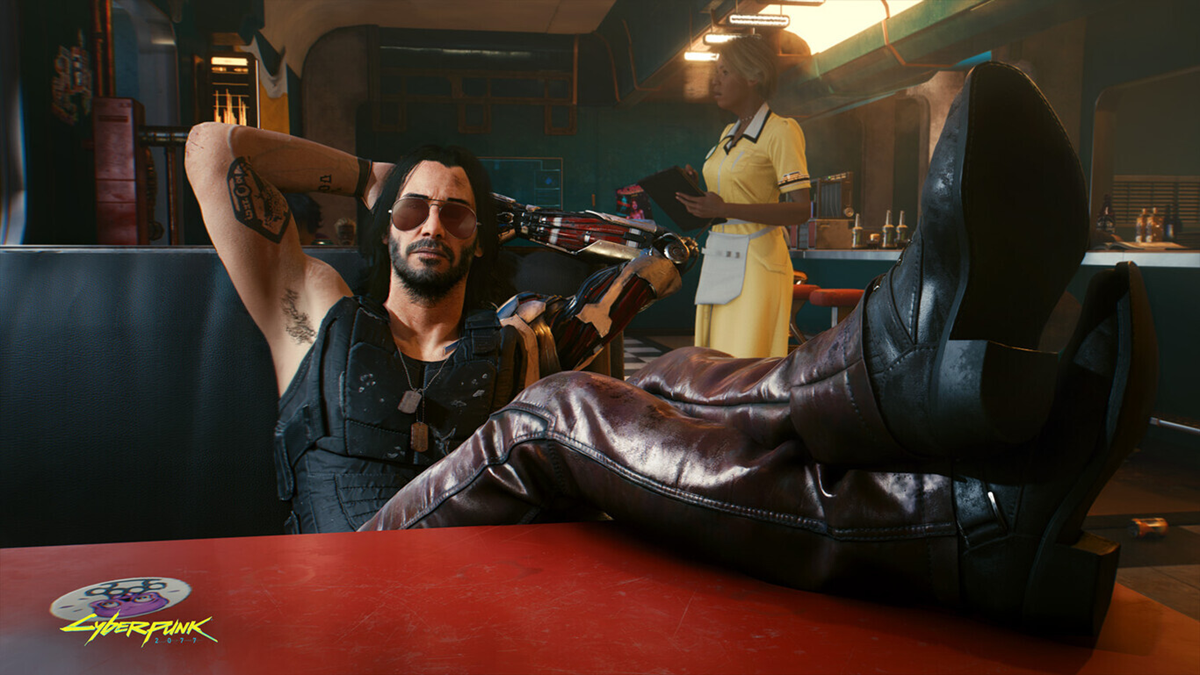
Cyberpunk 2077 was supposed to be CD Projekt Red’s jump from respected RPG studio to untouchable blockbuster maker. Instead, the December 2020 launch became a case study in what happens when one version of a game, mostly the PC one, is dramatically easier to defend than the console versions most people were buying. On PlayStation 4 and Xbox One, players ran into crashes, strange AI behavior, broken quests, and performance that made Night City feel less like a living city than a machine struggling to stay awake. Sony took the unusual step of removing the game from the PlayStation Store and offering refunds to digital buyers, while CD Projekt told disappointed players they could seek refunds if they did not want to wait for patches. The game later recovered, especially after major updates and Phantom Liberty, but the launch still turned into a costly reputational hit and a very public investor problem.
No Man’s Sky
r/games
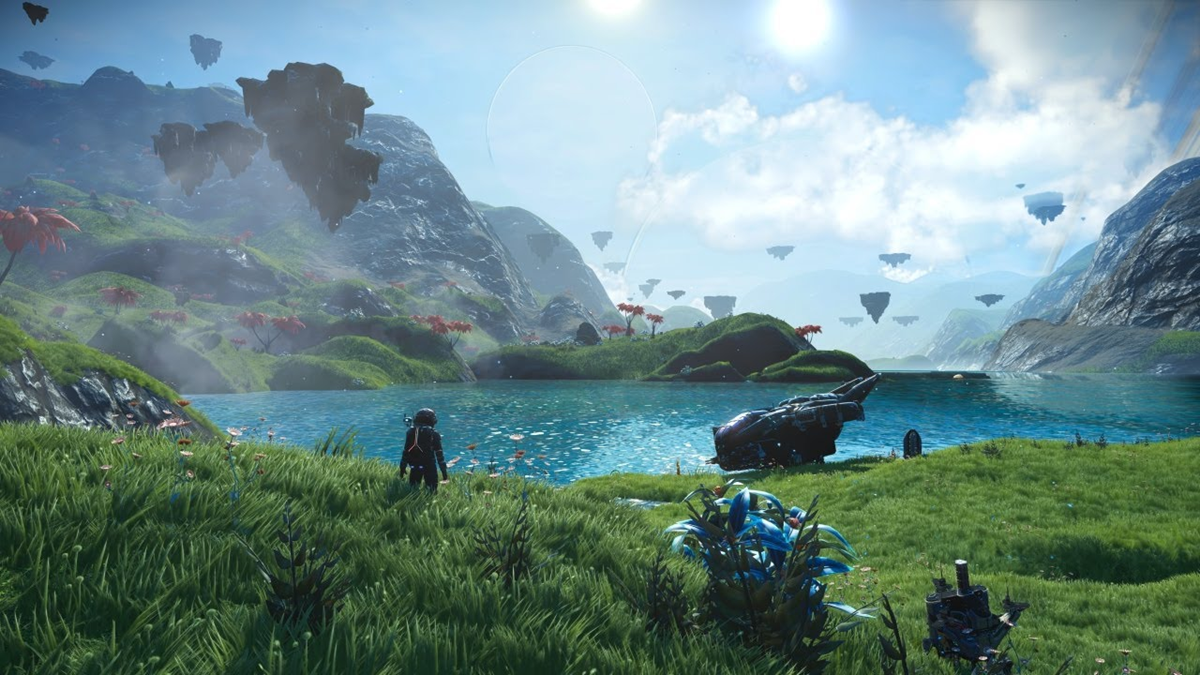
No Man’s Sky is the rare unfinished launch story that eventually became a redemption story, though that does not erase how rough the first weeks were. When it released in August 2016, many players felt the game did not match the sweeping pre-release picture they had been sold, especially around multiplayer, variety, and the sense of a truly strange universe. Refund requests became part of the launch conversation, and Hello Games went quiet before beginning the long, expensive work of rebuilding the game through free updates. Financially, the studio survived because the game sold extremely well upfront, but those early sales came with a debt of trust that took years to pay down.
Anthem
r/itsallaboutgames
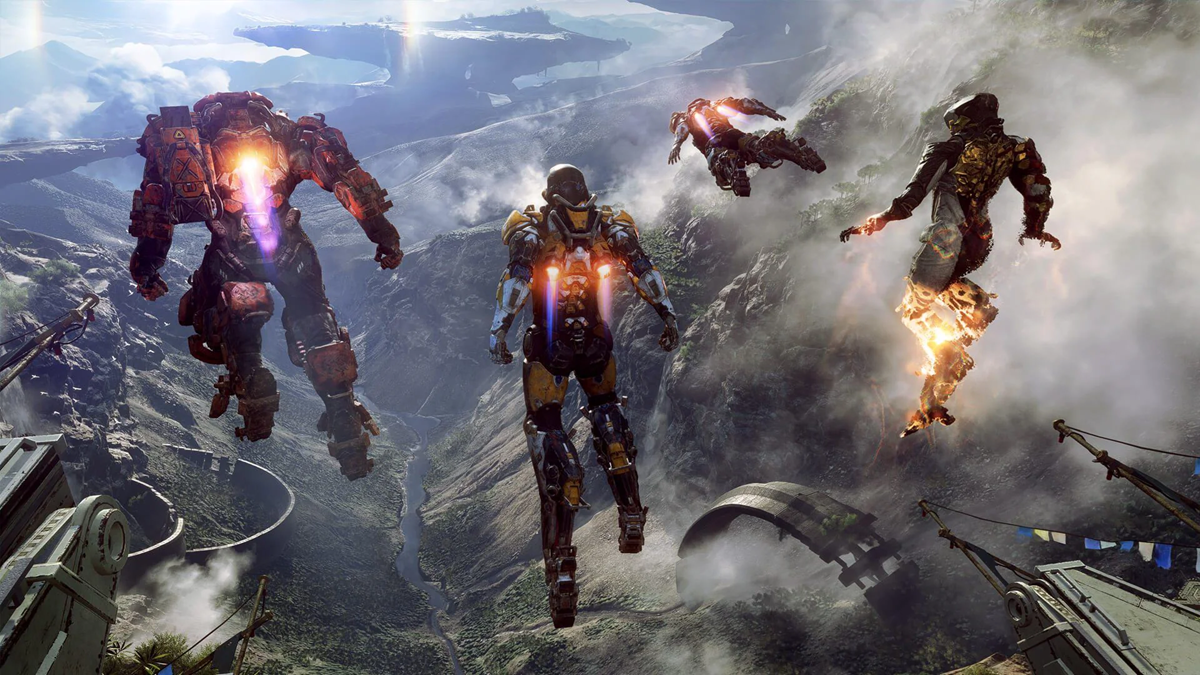
There was a moment when Anthem looked like it could be EA’s answer to Destiny, only with BioWare’s name on the box and those wonderfully satisfying flying suits. Then people reached the endgame and found a live-service game that felt like it had skipped several hard conversations during development. Loot problems, loading screens, repetition, crashes, and thin mission design all landed at once. BioWare later explored a major overhaul, usually referred to as Anthem NEXT, but EA and BioWare cancelled that plan in 2021, leaving the original game more or less as it was. EA has since confirmed that Anthem’s servers will shut down on January 12, 2026, which gives the whole release a blunt financial ending, years of upkeep for a product that never became the ongoing business it was built to be.
Fallout 76
r/fallout
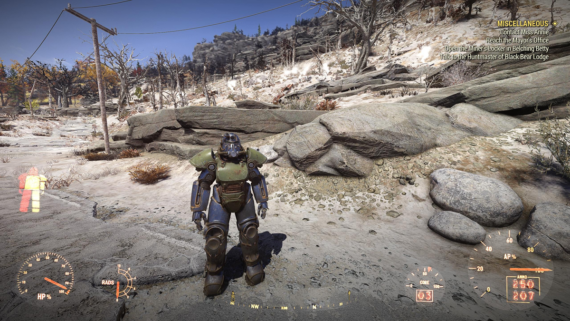
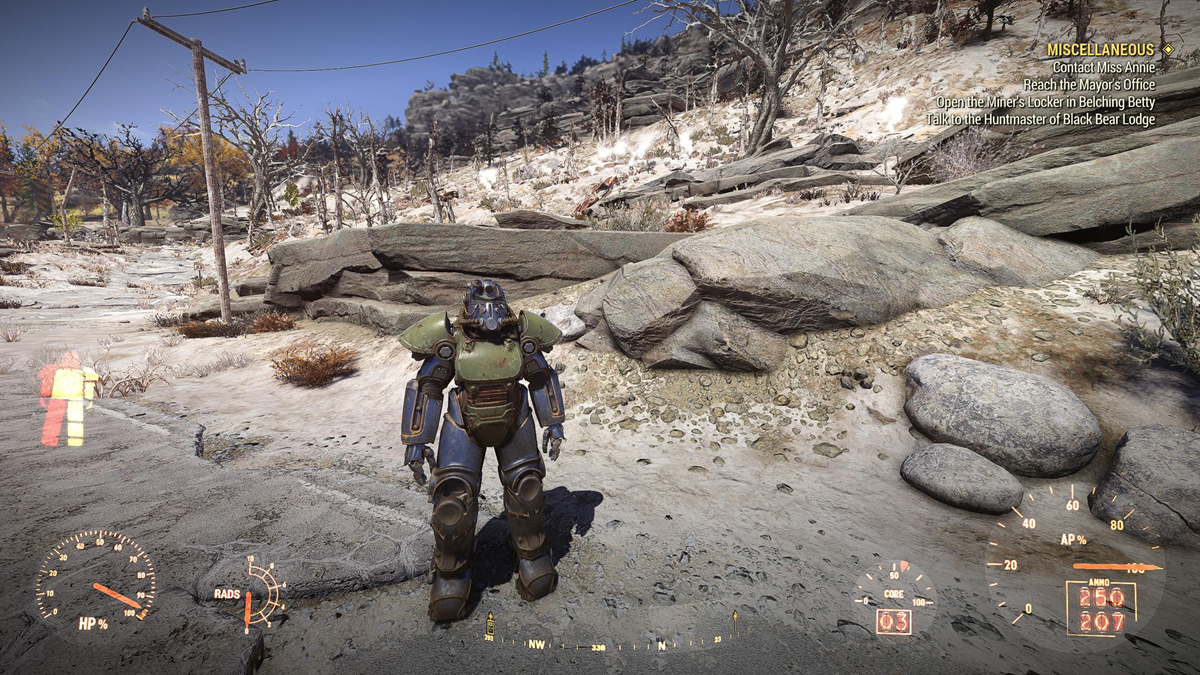
Fallout 76 did not just launch with bugs. It launched with the uncomfortable feeling that Bethesda had pushed Fallout into a shape it was not ready to hold. The world was online, the human NPCs were gone, the systems were brittle, and every technical problem felt larger because the series had trained players to expect dense solo role-playing. Then came the side controversies, including collector’s edition complaints and refund frustration, which made the whole thing feel worse than a standard buggy release. Bethesda kept supporting it, and the game did improve, but the early financial fallout was not limited to refunds or patches. It also meant spending years convincing people that Fallout online was not automatically a bad punchline.
SimCity
r/simcity
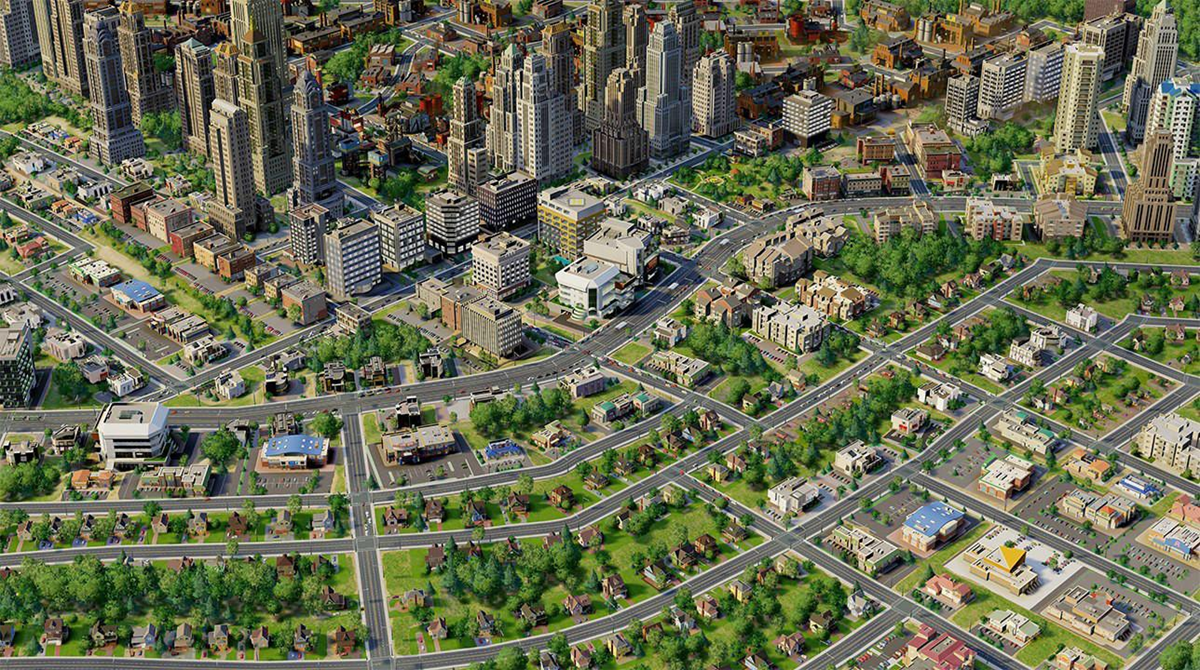
The 2013 SimCity reboot had a problem that still sounds ridiculous for a city-builder, a lot of people simply could not play it. EA’s always-online requirement turned launch-day server trouble into a full product failure, with players stuck in queues, locked out, or watching progress vanish. EA apologized and offered affected players a free game from its catalog, which turned public anger into a direct compensation cost. The game eventually got an offline mode, but by then the damage was done, and Cities: Skylines had a very open lane to become the city-builder people trusted more.
Trending on realmoneygamer.com
Batman: Arkham Knight on PC
r/games
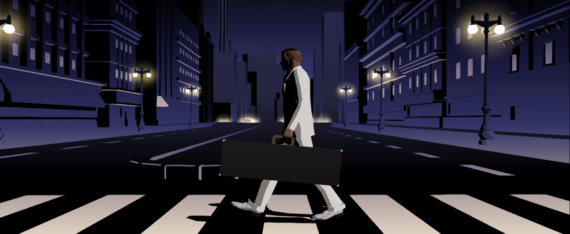
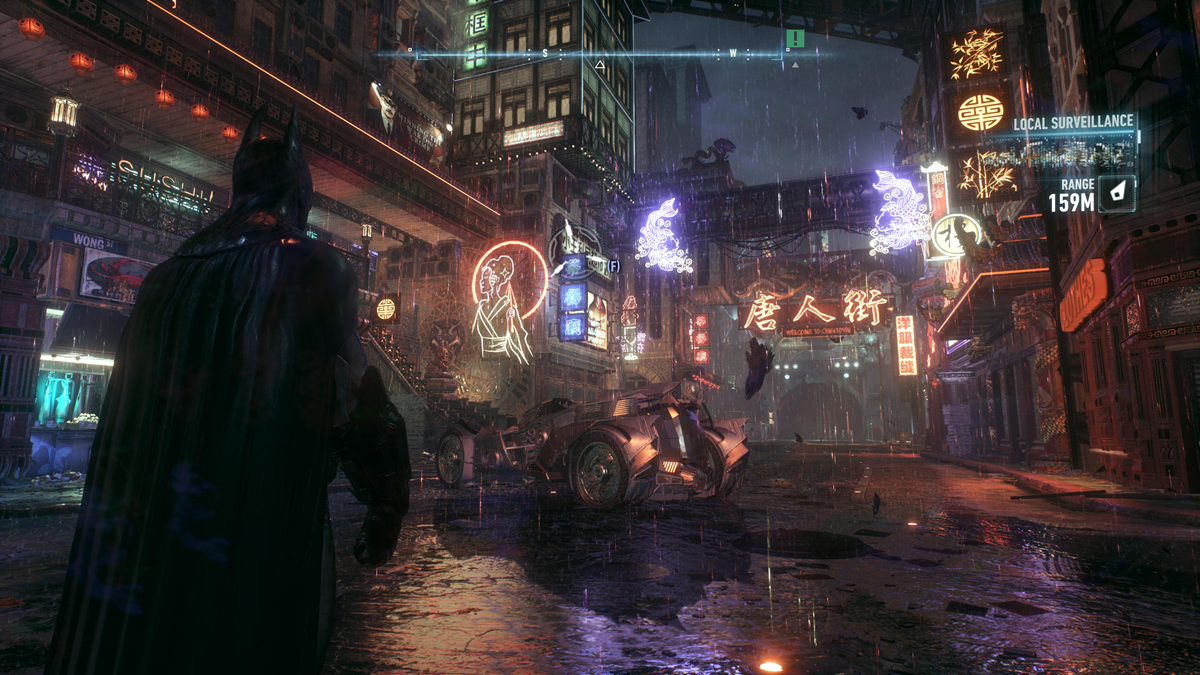
The awkward thing about Batman: Arkham Knight is that the console versions were not the disaster. On PC, though, the game arrived in June 2015 with serious performance problems, missing visual options, stuttering, and enough anger from buyers that Warner Bros. suspended sales of the PC version. That alone is the kind of move publishers try very hard to avoid, because launch week is usually when demand is hottest. After months of patching, Warner Bros. still offered refunds for PC buyers through the end of 2015, including season pass refunds when returned with the base game. It was not the end of Batman games, but it was a clean example of a publisher losing control of a premium release almost immediately.
Assassin’s Creed Unity
r/assasinscreed
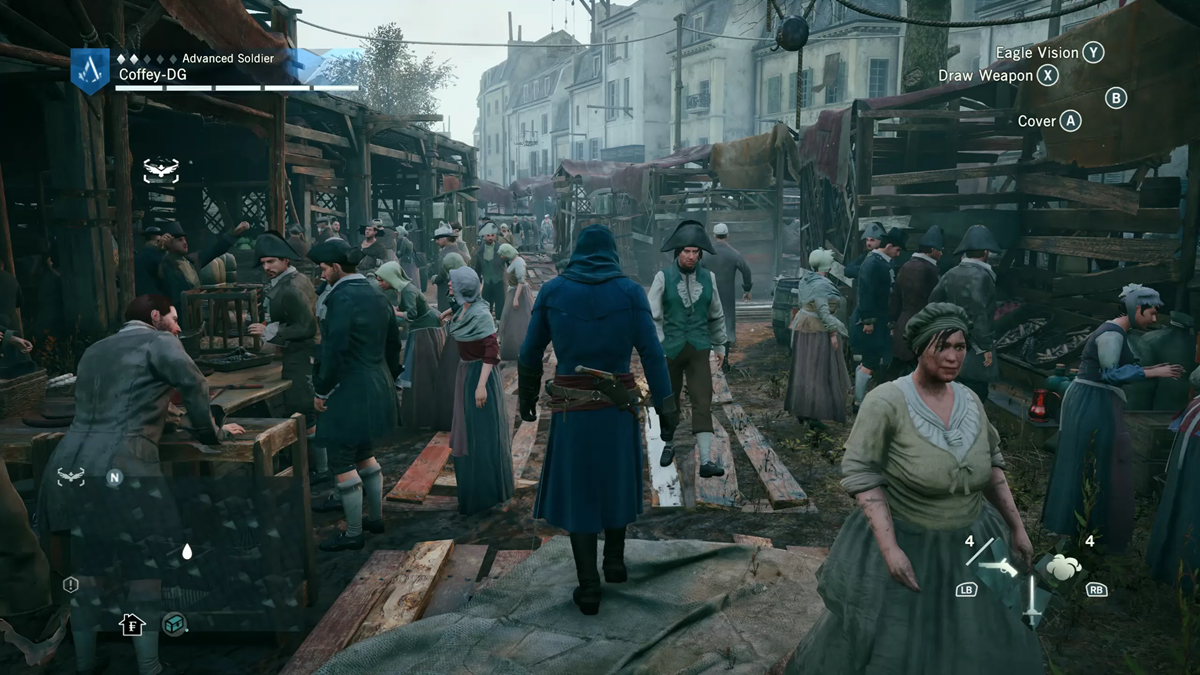
For a while, the most shared image from Assassin’s Creed Unity was not Paris, parkour, or Arno. It was a face that had failed to load properly, teeth and eyes floating where a person should have been. Unity was meant to show what Assassin’s Creed could do on newer hardware, but its launch was swallowed by bugs, frame-rate complaints, and clips that made the game look unfinished in a way casual audiences could understand instantly. Ubisoft responded by making the Dead Kings DLC free for all owners and offering a free game to season pass holders, including options like Far Cry 4, Watch Dogs, and Assassin’s Creed IV: Black Flag. The cost was not just the lost DLC revenue, it was Ubisoft having to spend part of a holiday release window apologizing for one of its biggest franchises.
Battlefield 2042
r/battlefield2042
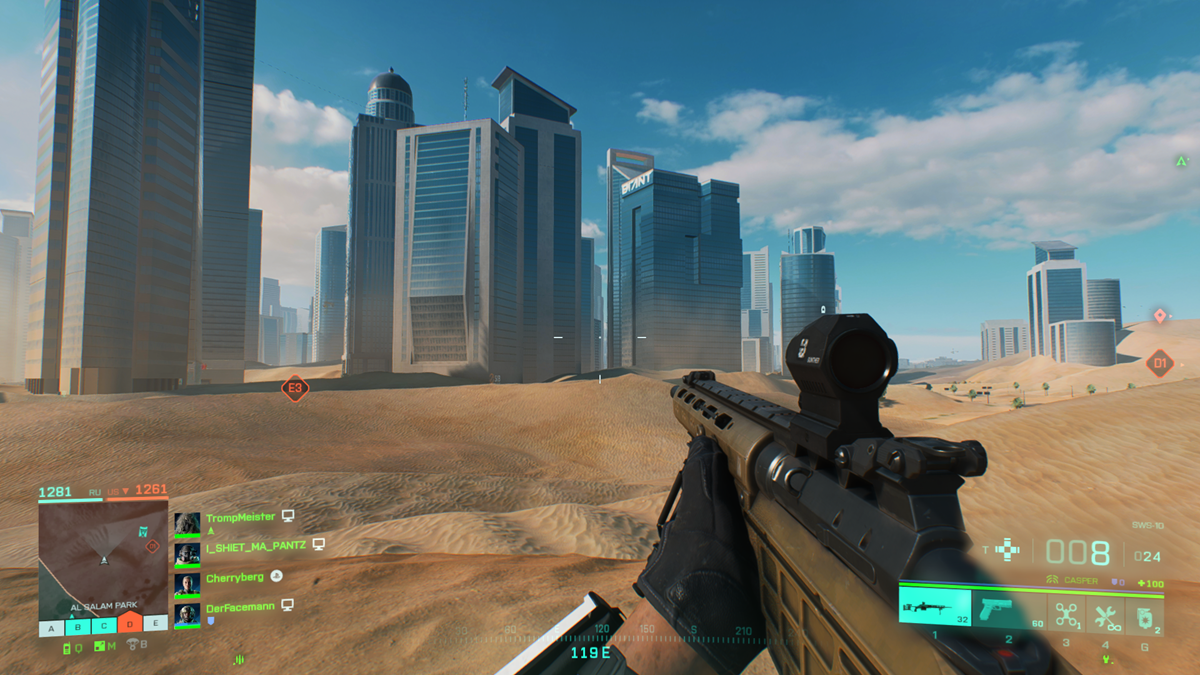
Battlefield 2042 had scale, noise, weather effects, and 128-player matches, but it was missing too much of what regular Battlefield players expected. At launch, the complaints were not only about bugs. Fans pointed to absent class structure, awkward specialists, messy maps, weak progression, and a general sense that the game had been pushed out before its identity was settled. EA later acknowledged that Battlefield 2042 did not meet expectations, and the team spent season after season reworking maps, systems, and basic features. The financial damage was quieter than a delisting, but it was still real, weak launch momentum, heavy discounting, delayed live-service plans, and a franchise that had to rebuild trust instead of expanding confidently from day one.
Redfall
r/xboxgamepass
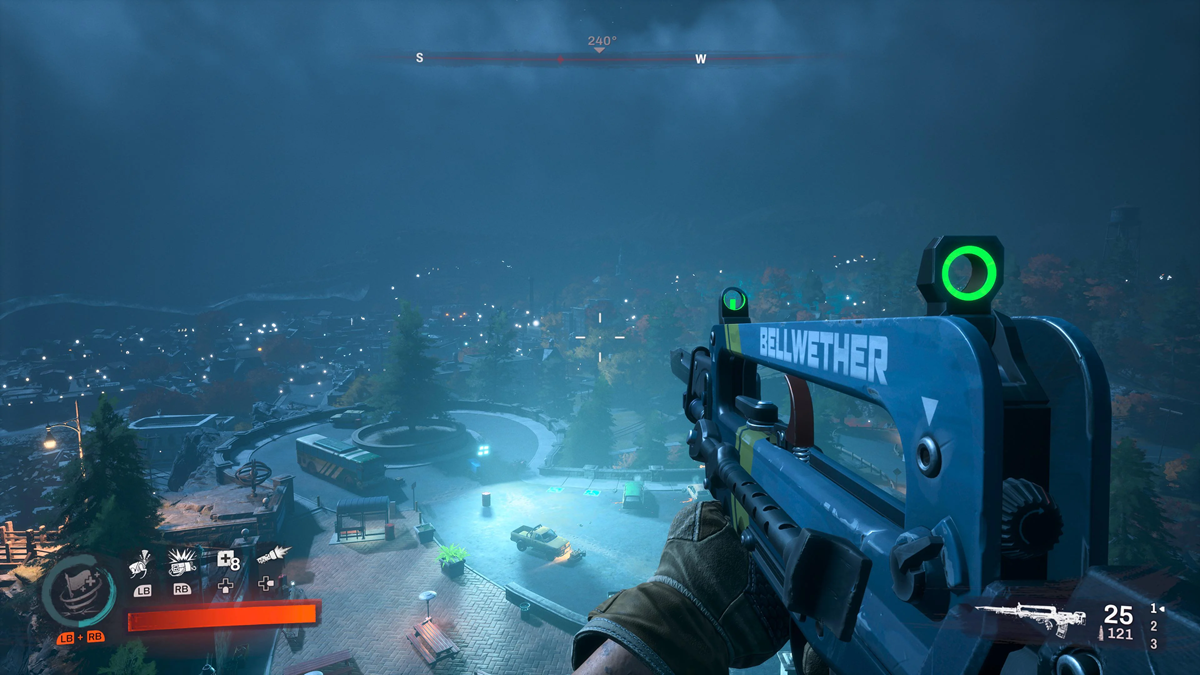
Redfall felt less like one giant technical collapse and more like a game that had been drained of conviction. The world was thin, the AI was unreliable, the co-op pitch felt undercooked, and even the parts that sounded good in theory rarely came together. After Microsoft closed Arkane Austin in 2024, planned DLC tied to the Bite Back Edition and Hero Pass was cancelled, and buyers began receiving refunds for that unreleased content. That is a particularly rough kind of fallout, because the bill comes after the audience has already moved on.
WWE 2K20
r/xboxone
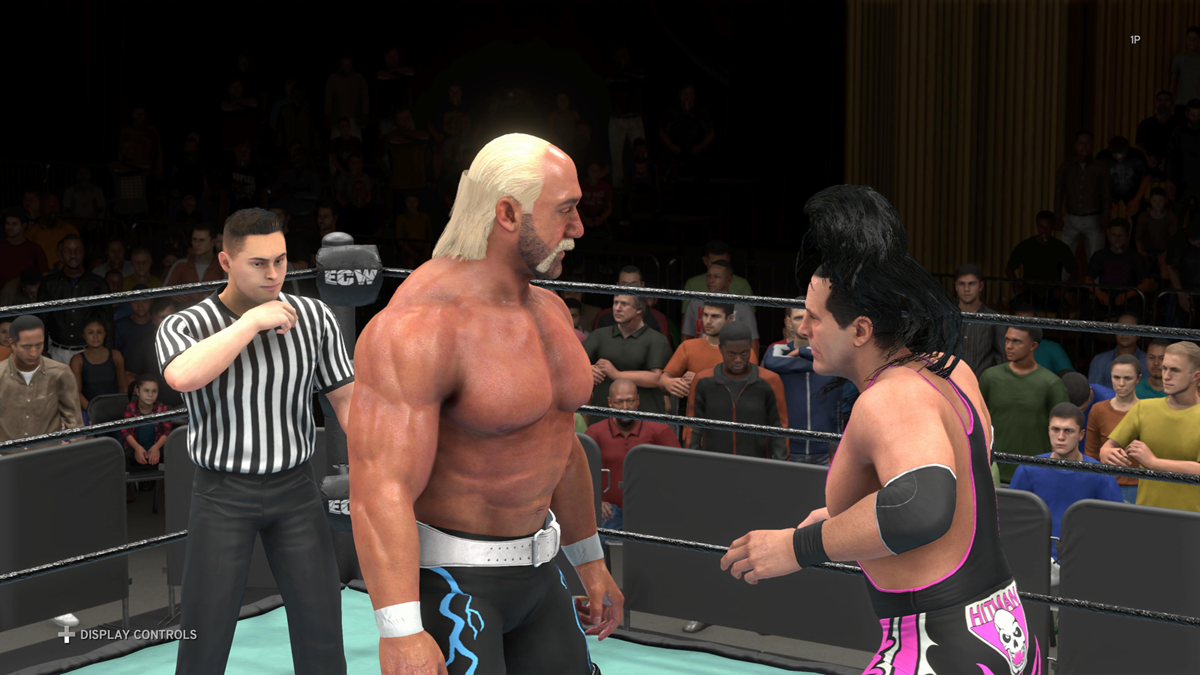
WWE 2K20 looked broken in ways that were almost too easy to mock. Wrestlers twisted strangely, animations misfired, crashes were common, and clips of glitches traveled faster than any marketing beat. The bigger business consequence came later, when WWE 2K21 was cancelled and the series broke its annual release rhythm. For a licensed sports franchise, losing a year is not a small correction, it is a sign that one release had gone badly enough to interrupt the machine.
The Day Before
r/pcgaming
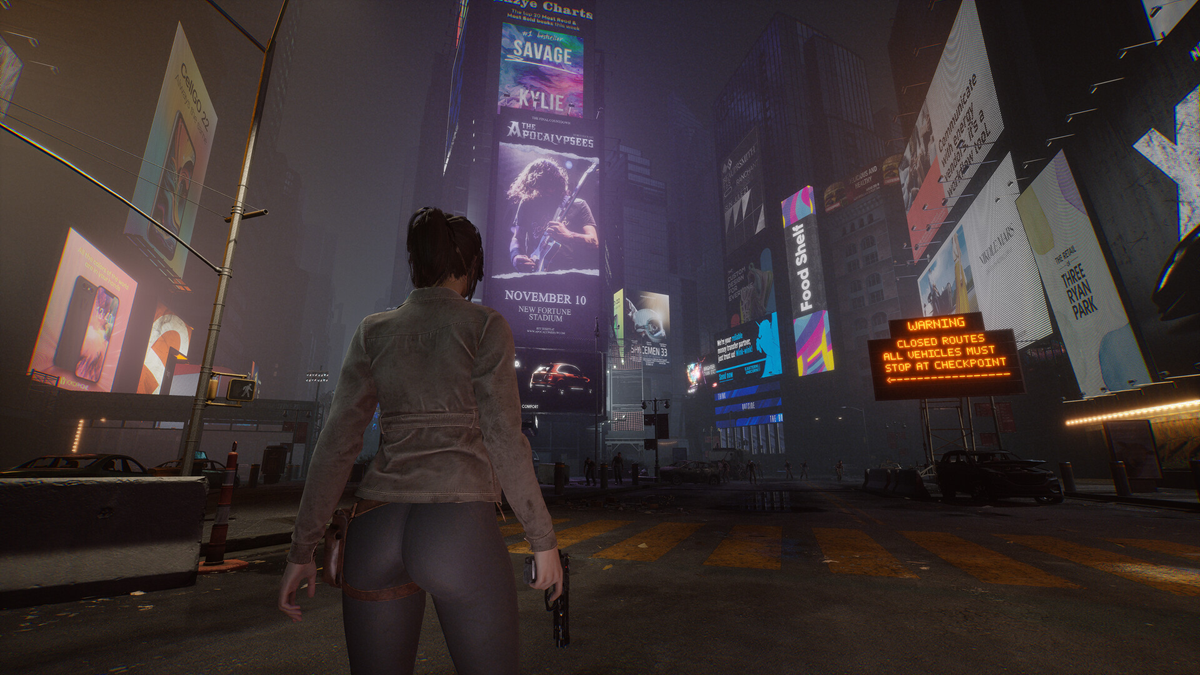
The Day Before barely had time to be a normal flop. It launched in early access in December 2023 after years of suspicion, delays, and arguments over what kind of game it actually was, and players quickly found something far smaller and rougher than the survival MMO many had expected. Fntastic announced it was shutting down just days after release, saying the game had failed financially, while Mytona and Steam moved to refund purchasers. The game was removed from sale, the servers were marked for closure, and the whole thing became less a troubled launch than a collapse in public view.
The common thread is not that every one of these games was doomed. A few became much better later, and some even turned profitable in the long run. But an unfinished release changes the conversation fast. Suddenly the question is not what the game could become, but who pays for the version that was sold first.
Continue Reading: 10 Game-Breaking Glitches That Were Kept as Official Features