For years, game studios had two basic options when dealing with piracy. They could block the game outright, or they could let the player in and make the copy slowly betray them. The second option led to some much stranger stories. A few of these tricks were annoying, some were funny, and a couple were mean enough that people still bring them up decades later.
Game Dev Tycoon
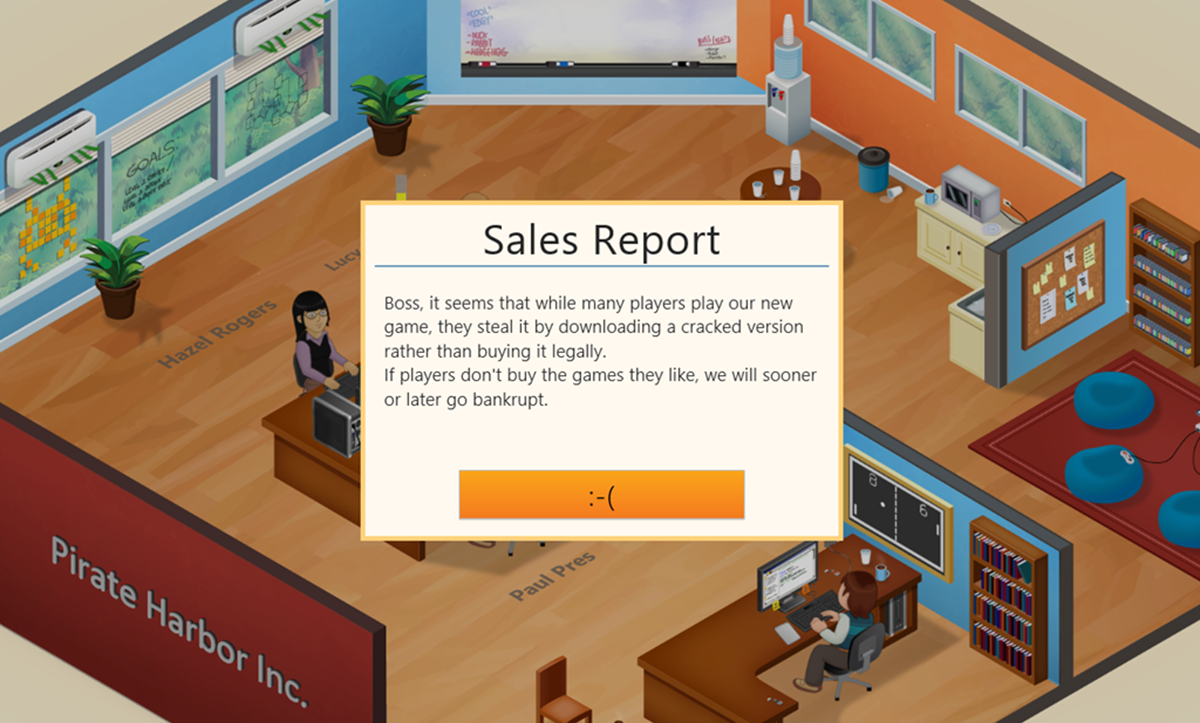
Game Dev Tycoon probably has the cleanest joke of the bunch, because the punishment matched the game so neatly. In 2013, Greenheart Games released its own cracked version of the game onto torrent sites, with one important change hidden inside. After a while, the player’s little studio would start losing money because, according to the game, too many people were pirating its titles. Some players then went online to ask how they could stop piracy from destroying their business, apparently without noticing the irony. It was less a technical trap than a mirror held up at exactly the right angle.
EarthBound
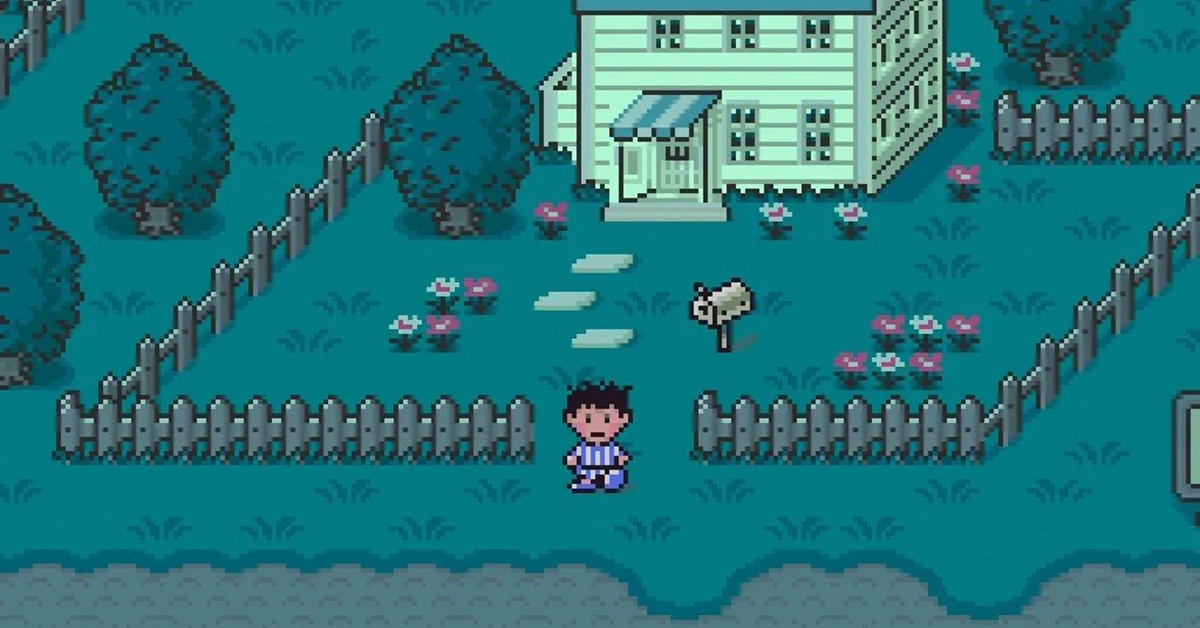
EarthBound’s anti-piracy measures were not cute. If the game detected a bad copy, it could flood the player with far more random battles than usual, which already sounds exhausting in an RPG. The real punch came much later, near the final fight, where the game could crash and erase the save file. That is not a prank you laugh off after five minutes. It is the kind of punishment that feels designed to waste as much of the pirate’s time as possible before finally dropping the hammer.
Spyro: Year of the Dragon
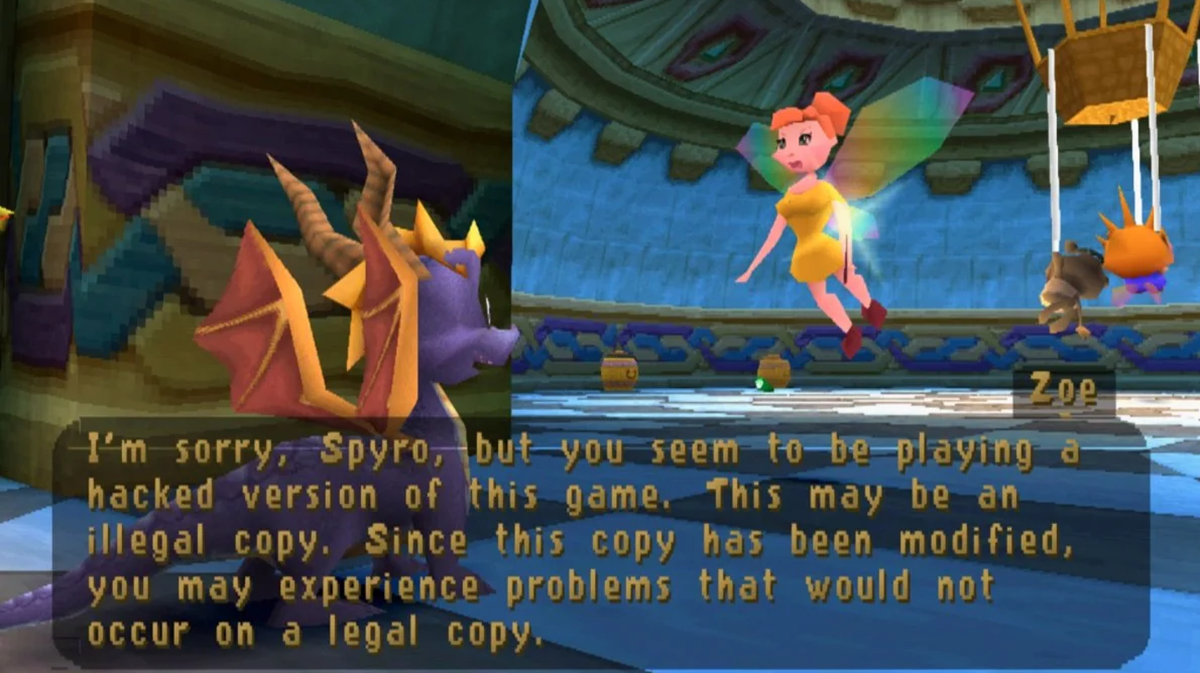
Spyro: Year of the Dragon had a more slippery approach. Instead of simply refusing to run, it let suspicious copies keep going while little things started going wrong. Gems could disappear, progress could become strange, and the game could eventually block completion. The clever part was that these problems did not always look like copy protection at first. They looked like bugs, which meant crackers had a harder time figuring out what had actually been broken.
Batman: Arkham Asylum
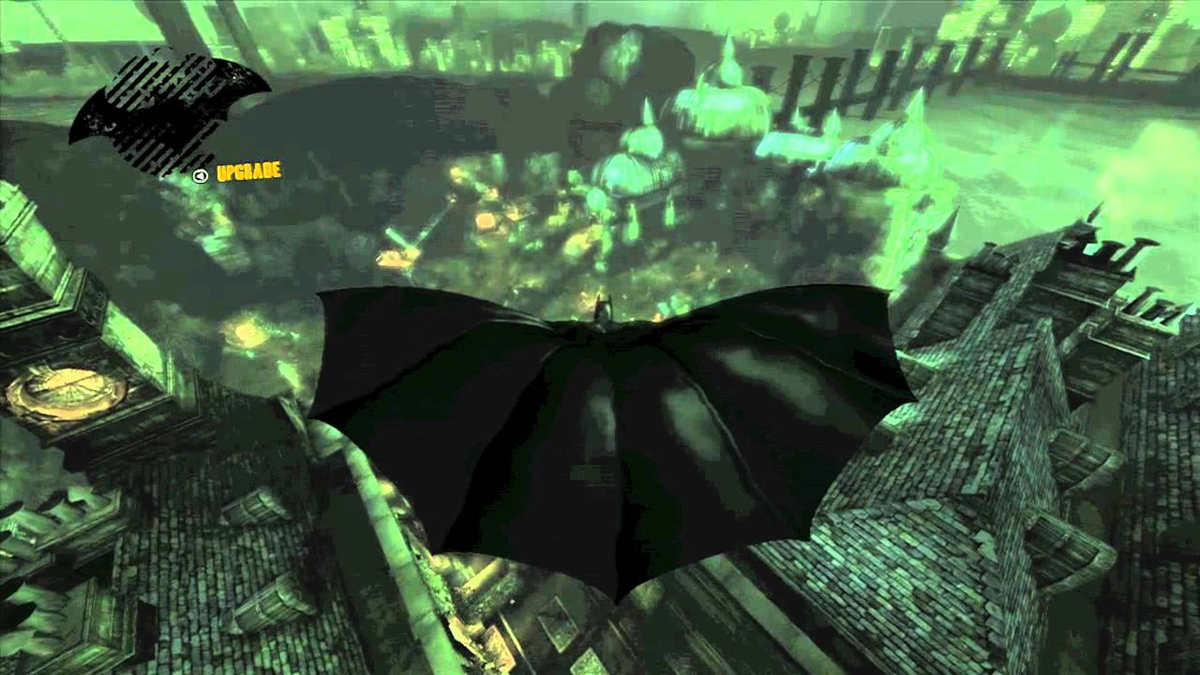
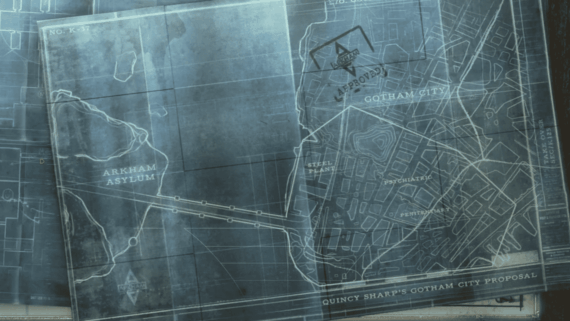
One of the funniest anti-piracy stories came from Batman: Arkham Asylum, because the punishment was so specific. In pirated PC copies, Batman’s cape would not glide properly. That sounds small until the game asks you to glide across a gap and the Dark Knight suddenly drops like a stone. A player complained about the issue on the old Eidos forums, only to be told that the problem was not a normal bug. In a Batman game, losing the cape’s function was basically the game removing your license to be Batman.
Serious Sam 3: BFE
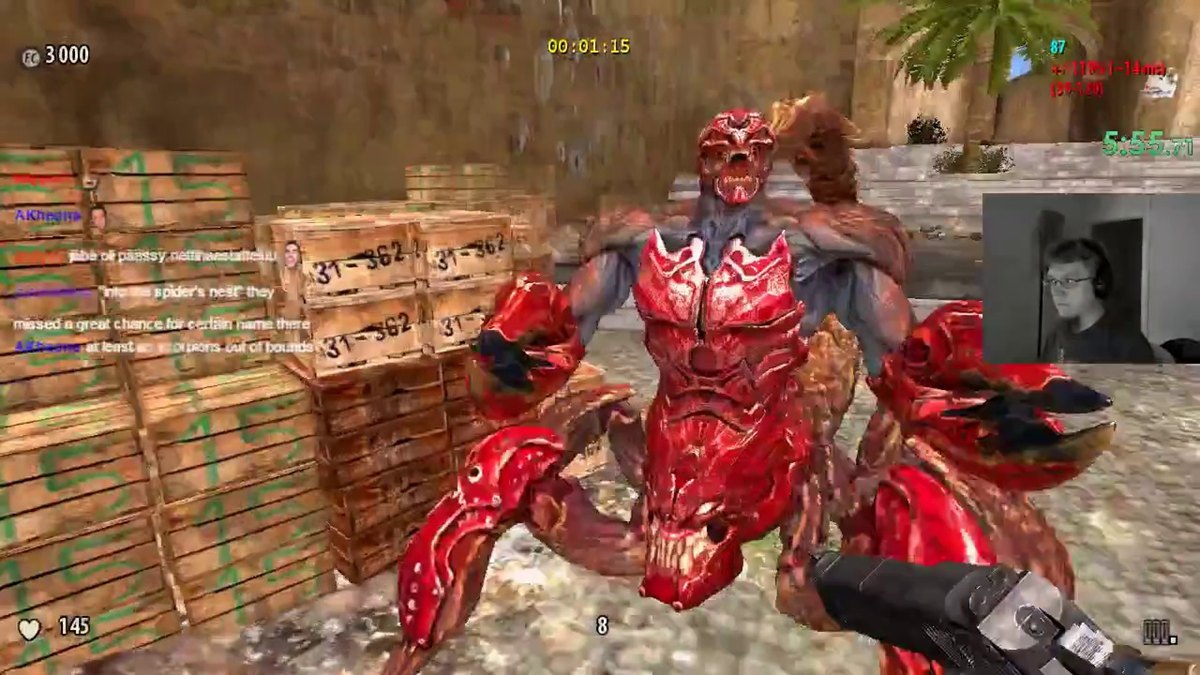
Serious Sam 3 did not try to be elegant about it. Pirated copies could spawn a fast, red, immortal scorpion enemy that chased the player around the level. You could shoot it, run from it, curse at it, whatever, it did not matter. It was copy protection with the subtlety of a fire alarm, which, to be fair, fits Serious Sam pretty well.
Trending on realmoneygamer.com
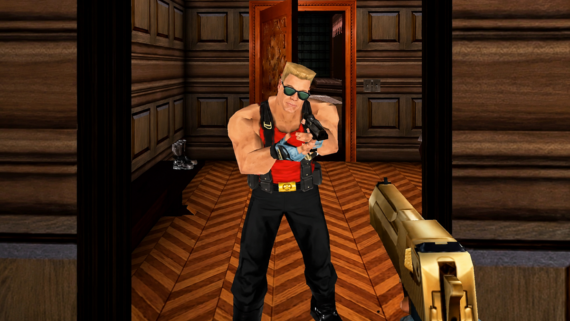
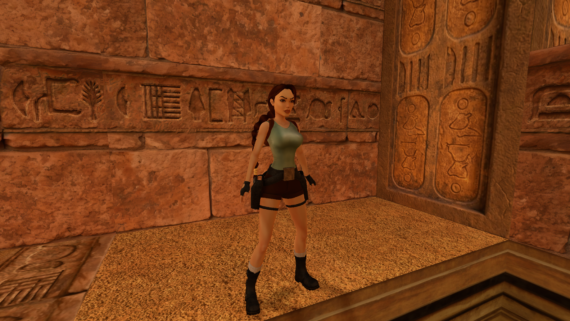
Crysis Warhead
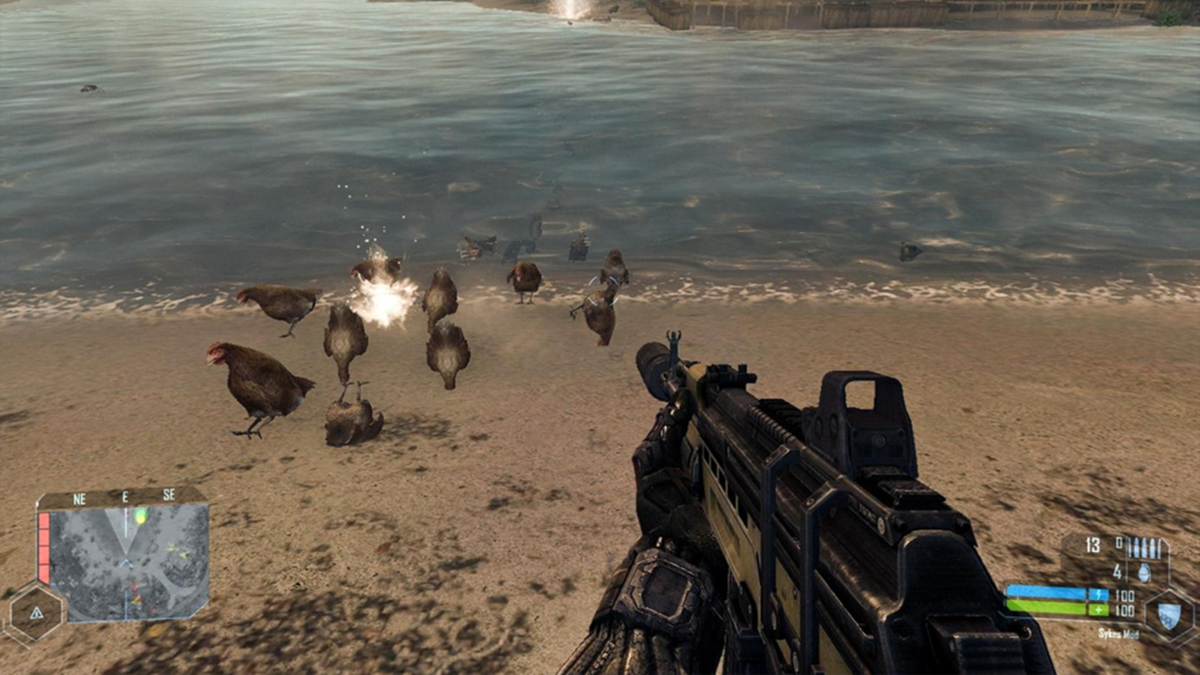
Crysis Warhead went for pure nonsense. Some pirated versions made guns fire chickens instead of bullets. For a few seconds, that sounds like a hidden comedy mode. Then you remember that Crysis is still a shooter, and poultry is not a very reliable ammunition type. It is hard to think of a more direct way to turn a high-tech power fantasy into a broken joke.
Alan Wake
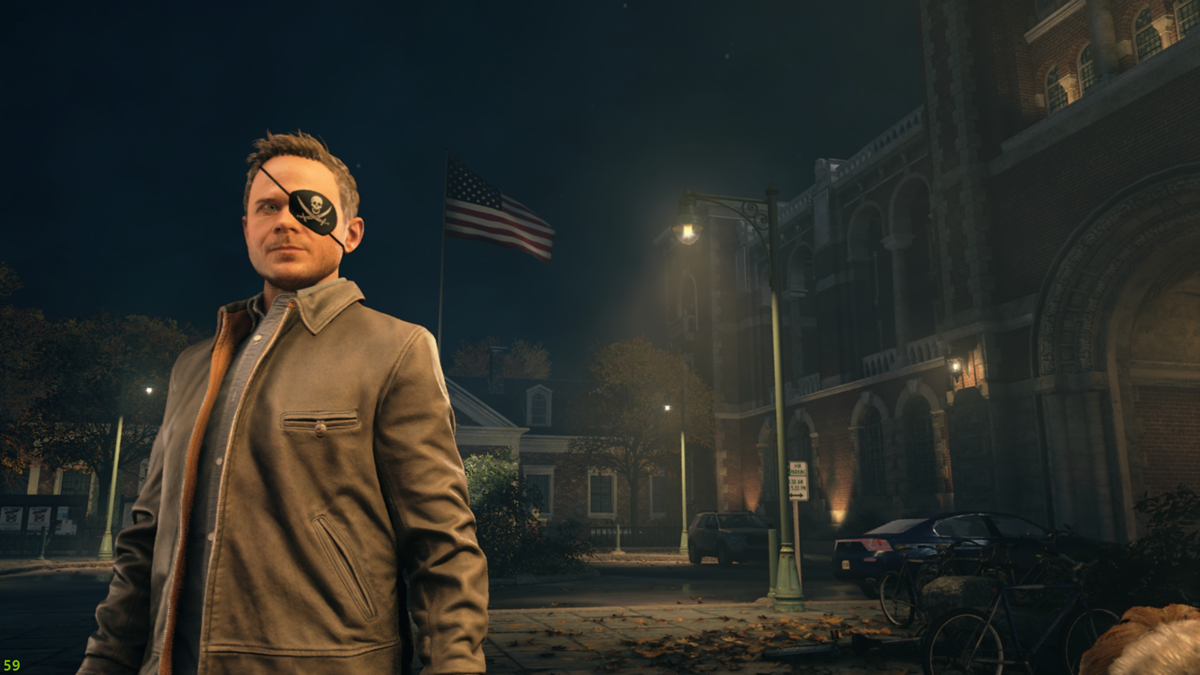
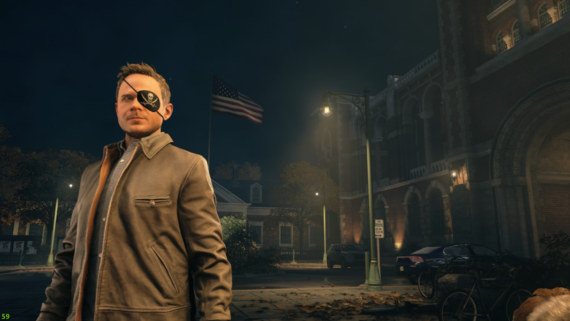
Alan Wake handled piracy with a lighter touch. In some pirated copies, Alan appeared with an eyepatch, making the whole thing more embarrassing than game-breaking. Remedy could have gone harsher, but the visual gag worked because it was so easy to spot. Anyone posting a screenshot of pirate Alan was, in a very literal sense, showing the evidence.
The Settlers III
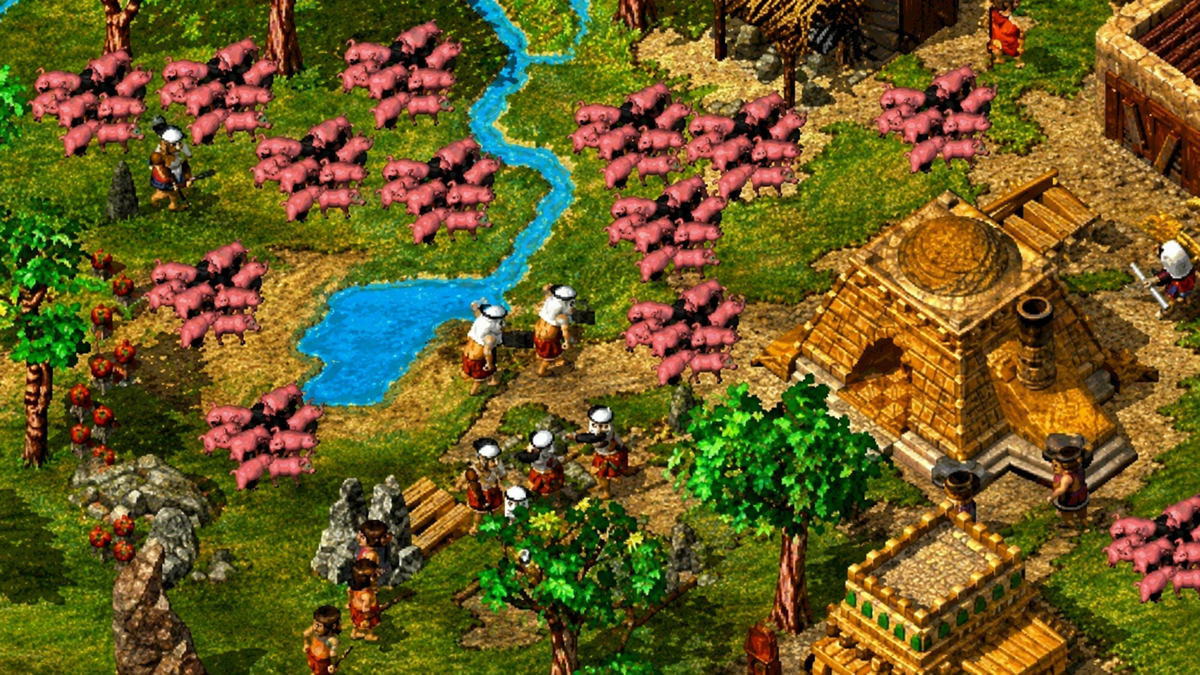
The Settlers III picked a punishment that only a strategy game could make truly painful. In a pirated copy, iron smelters could produce pigs instead of iron. That sounds almost charming until your economy needs weapons and your production chain is suddenly full of livestock. The best part is how slowly the damage could sink in. You might spend a while wondering why your settlement is failing before realizing the game has quietly turned industry into a barnyard.
Operation Flashpoint
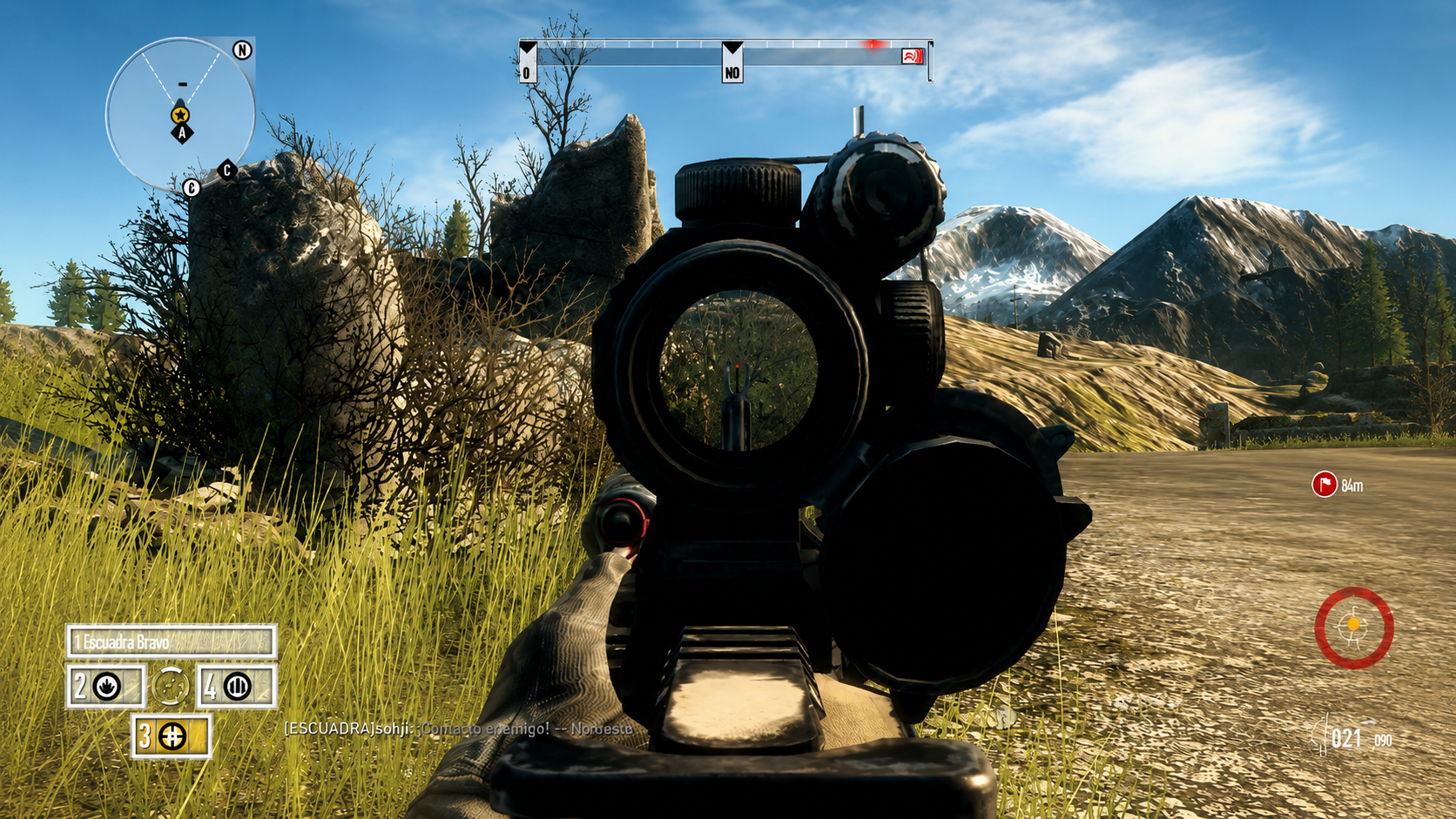
Operation Flashpoint used FADE, a system that could make the game degrade instead of stopping it at the door. That was a nasty fit for a military simulator. If your aim feels wrong, your shots miss, or the simulation starts behaving strangely, you might blame yourself before blaming copy protection. In a game built around precision and tension, making the player distrust the rules is a pretty sharp punishment.
Command & Conquer: Red Alert 2
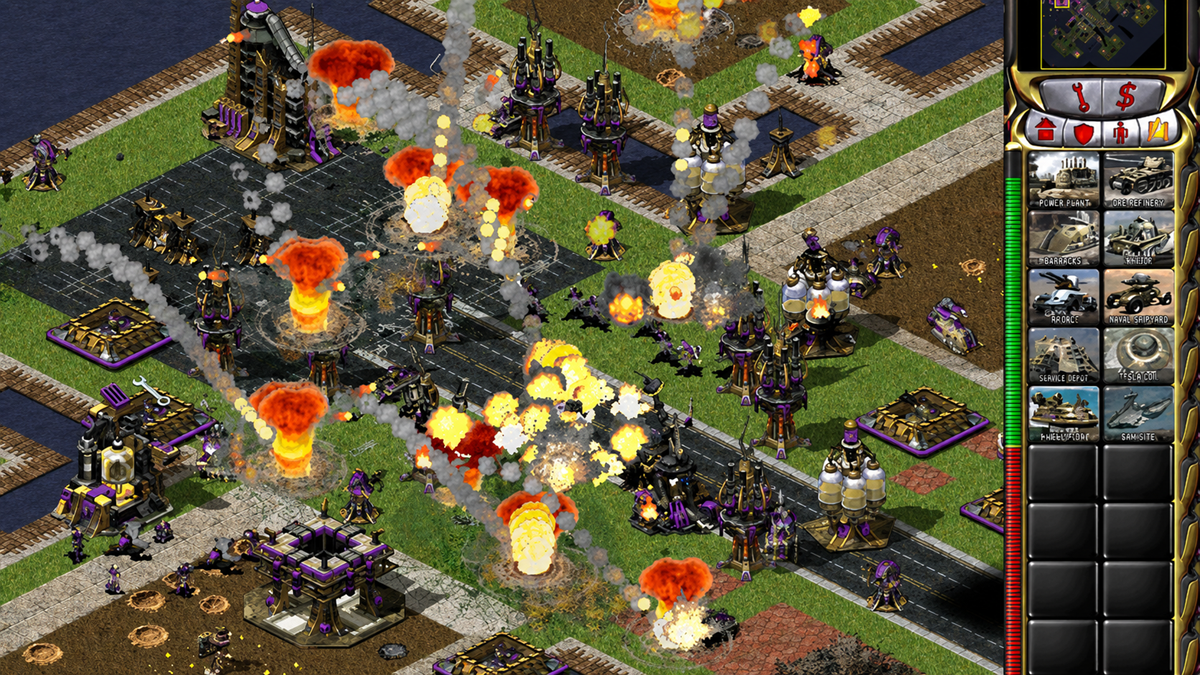
Red Alert 2 did not waste much time. One well-known copy-protection trigger caused a player’s units and buildings to explode shortly after a match began. There is something beautifully stupid about that as an RTS punishment. No warning, no lecture, just your base deciding it wants no part of this campaign.
Grand Theft Auto IV
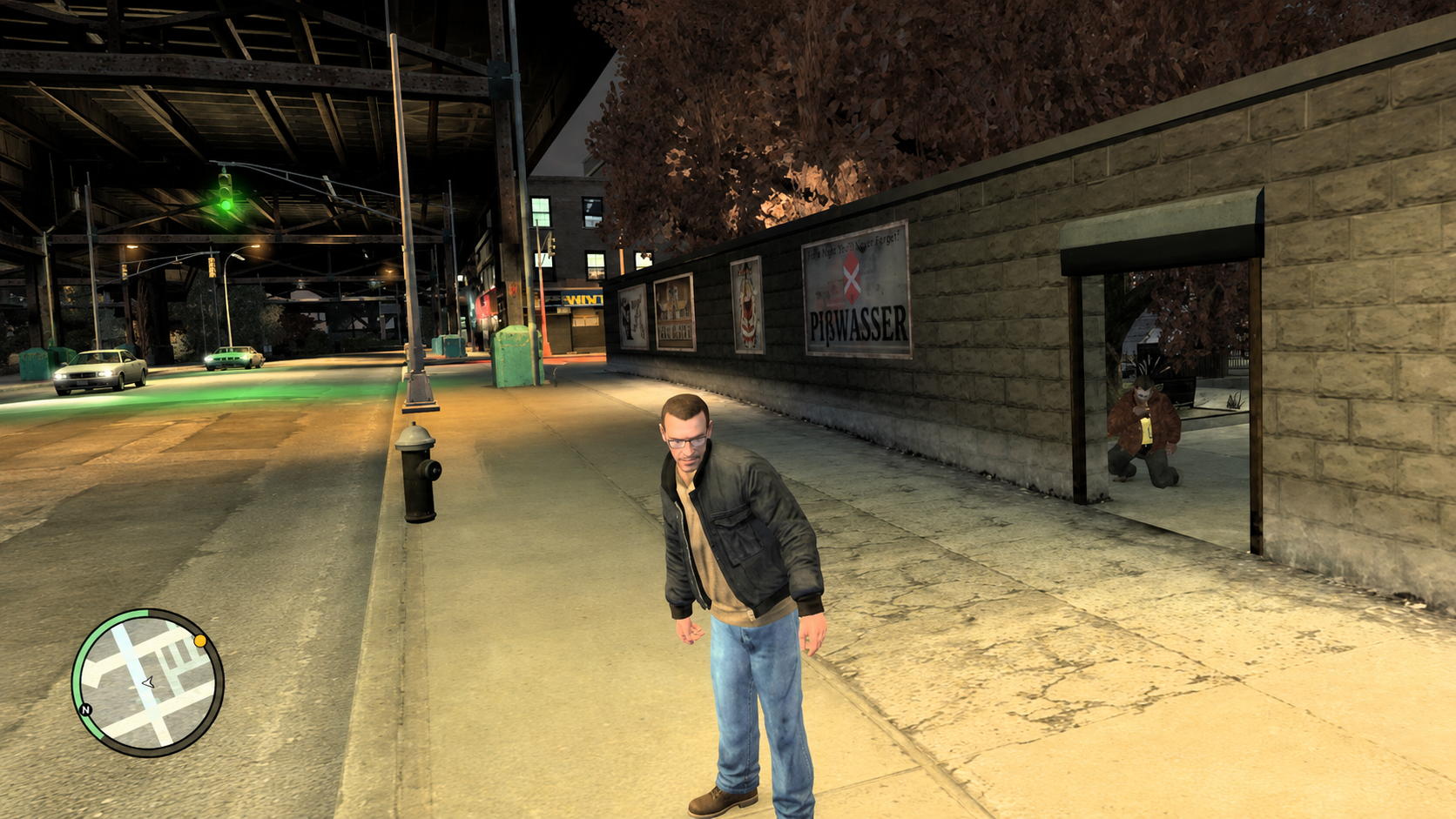
Grand Theft Auto IV already had messy physics and a deliberately woozy drunk-driving effect, so its anti-piracy behavior blended into the world in a strange way. Pirated or misdetected copies were linked to a shaking camera, broken car behavior, and other problems that made Liberty City feel almost unplayable. It was annoying rather than theatrical, but that was part of why it worked. Players would often go online asking why the game looked drunk all the time, which was not the best way to stay quiet.
A Strange Little Corner of Game History
These tricks belong to a very particular era of PC and console gaming, when developers were still experimenting with how far copy protection could go inside the game itself. Some of the punishments were clever. Some were petty. A few probably caused headaches for people who had bought the game properly, which is the part that always makes this topic less neat than it sounds. Still, as weird design choices, they are hard not to remember.
Continue Reading: 10 Times Game Developers Trolled Players Who Used Cheat Codes in Completely Unexpected Ways