There is a particular kind of disappointment that only happens after a game disappears from your library in every way that matters. Not because you lost the disc, or your console broke, or your save file got corrupted, but because the company behind it stopped keeping the lights on. Always-online games made that bargain feel normal for a while. Then a few shutdowns reminded players that buying access is not the same as owning a game.
The Crew
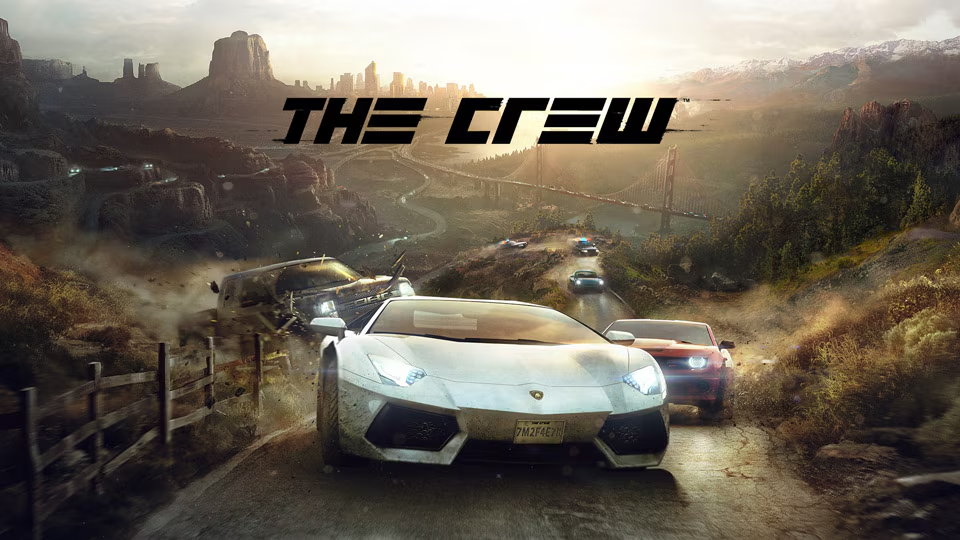
The Crew was the one that made a lot of people stop talking about this as a niche preservation issue. Ubisoft’s open-world racing game launched in 2014, sold as a full game, and stayed playable for nearly a decade before its servers were shut down on March 31, 2024. After that, the game was not just missing some multiplayer features, it was unplayable, even for people who mainly treated it like a solo road-trip simulator. The reaction got louder when players noticed the game being removed or hidden from their Ubisoft libraries, because that made the whole thing feel less like a server closure and more like a receipt being quietly overwritten. It became the cleanest example of a bad deal many players had accepted without looking too closely.
Battleborn
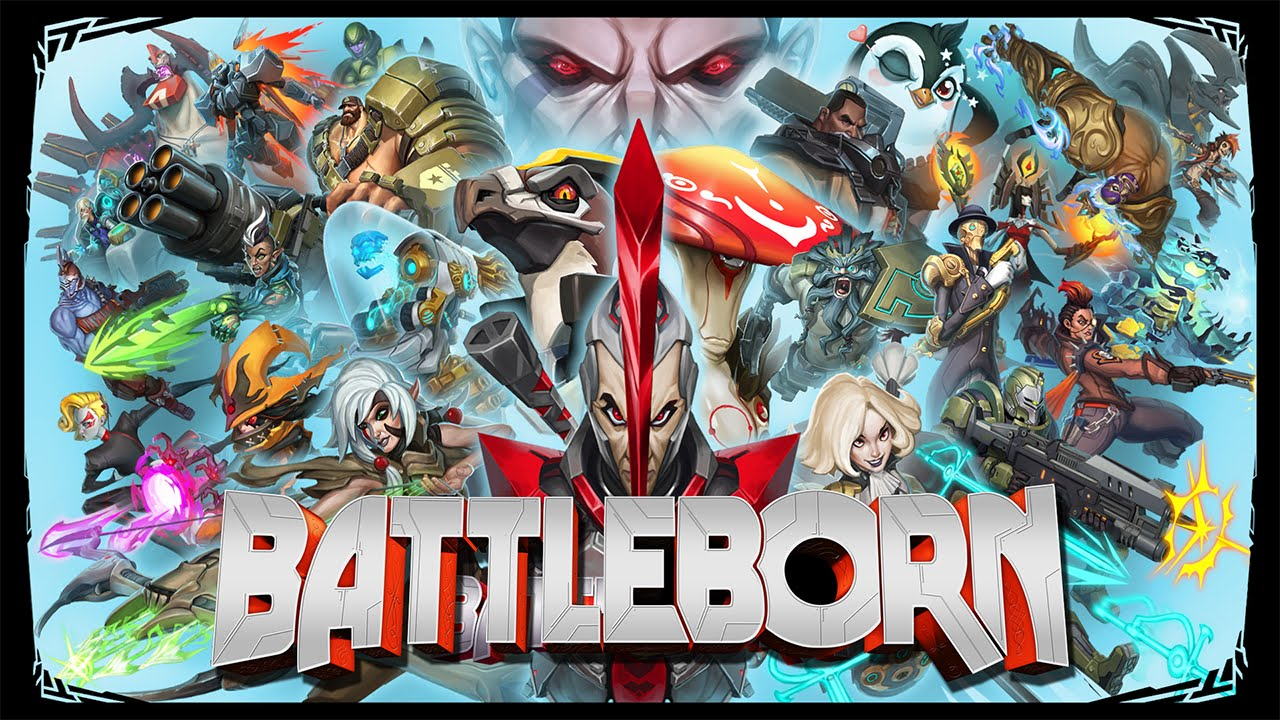
Battleborn never really got to exist outside the shadow of Overwatch. Gearbox’s 2016 hero shooter had a campaign, co-op missions, competitive modes, a strange sense of humor, and a small group of people who genuinely liked what it was doing. None of that mattered once the servers went offline in January 2021. Even the story content was tied to the online infrastructure, so the shutdown did not leave behind a lonely single-player mode or a museum-piece version of the game. It just left people remembering that they had bought something that needed permission to open.
Darkspore
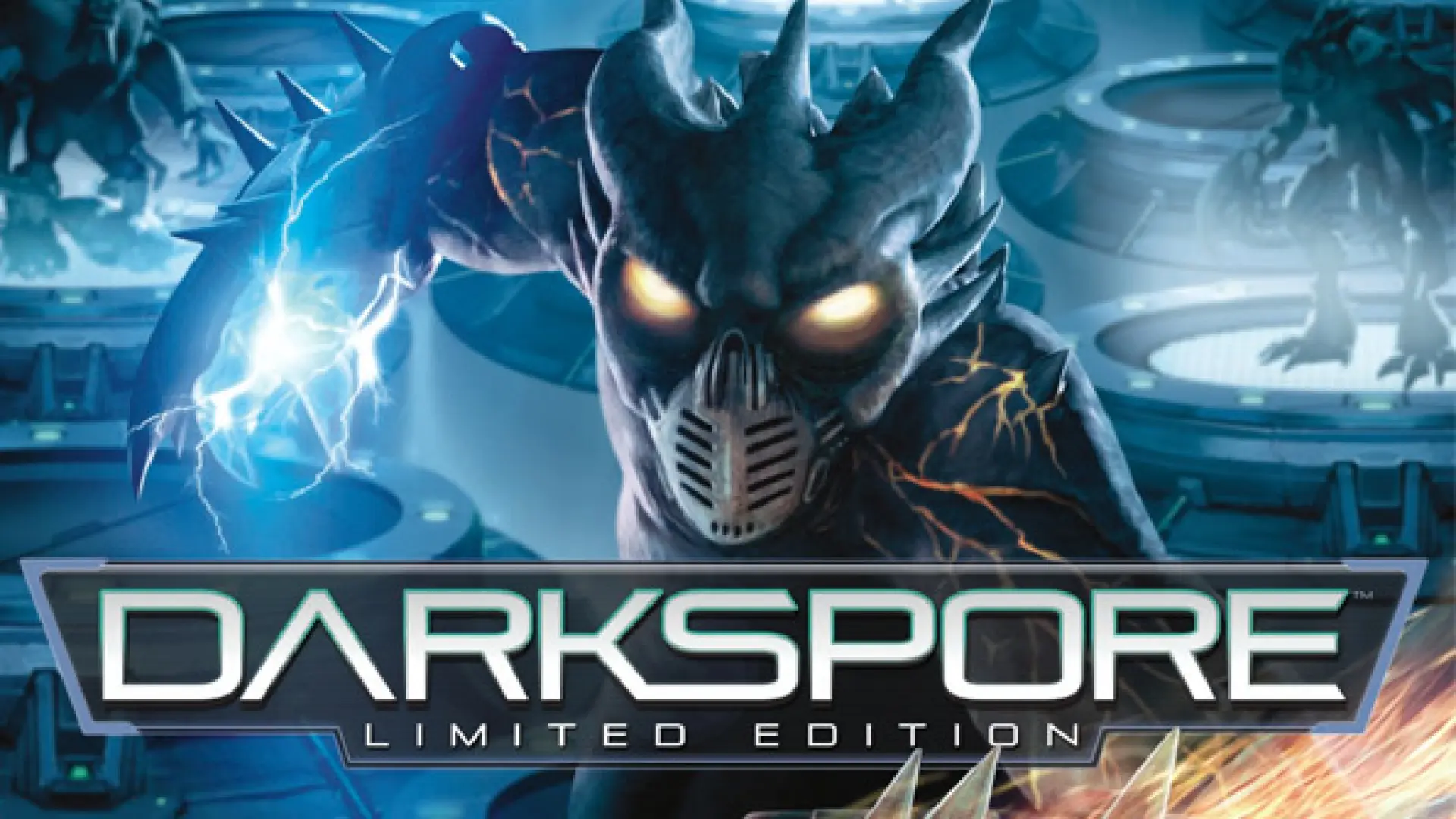
Darkspore is almost too perfect as a warning sign. It was a 2011 action-RPG from Maxis, built with online requirements that made sense to publishers at the time and aged terribly once the audience moved on. EA shut the servers down on March 1, 2016. After that, the game had no real offline form to fall back on, which made the box, the files, and the old store pages feel like props from a product that no longer existed.
Babylon’s Fall
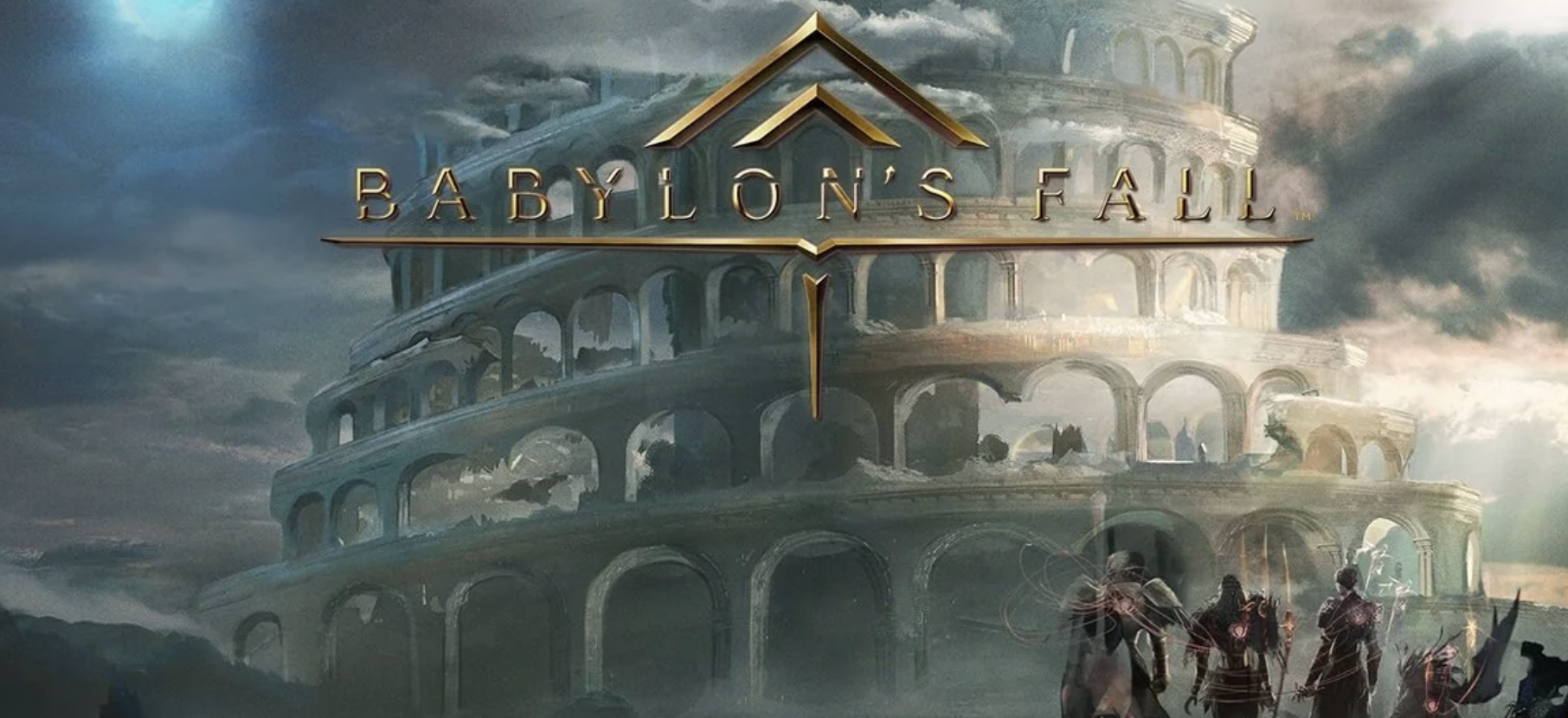
Babylon’s Fall did not fade slowly. It arrived in March 2022 with the names Square Enix and PlatinumGames attached, then had its shutdown announced that September. By February 28, 2023, the servers were gone. That gave the game less than a year as a live product, which was rough enough, but the stranger part was seeing physical copies turn into dead plastic so quickly. They still looked like games on a shelf. They just no longer did the main thing games are supposed to do.
Overwatch
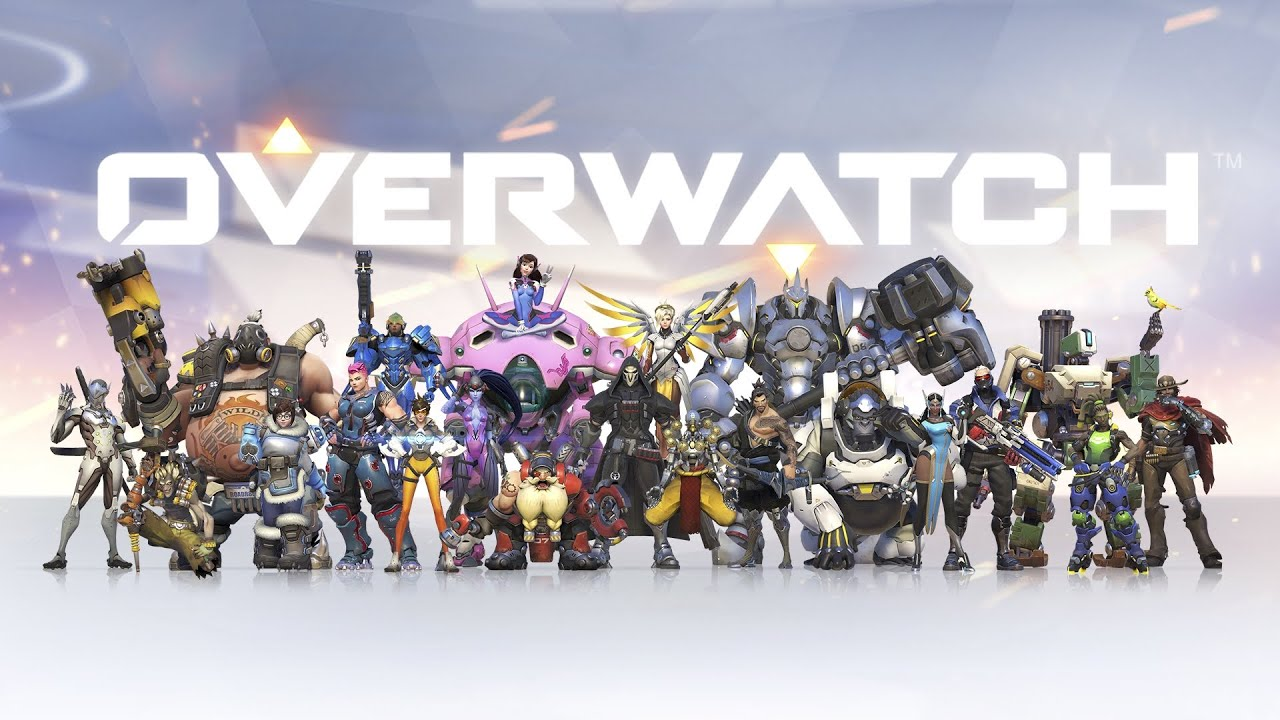
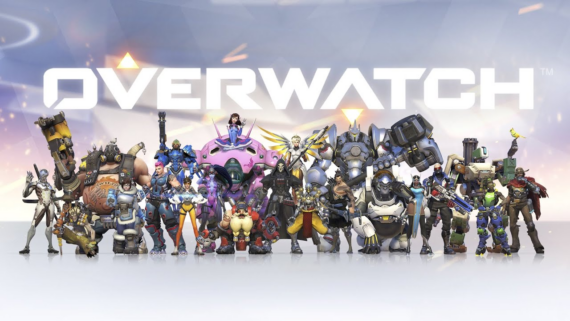
Overwatch was not a failure, which is what makes its disappearance feel different. The original 2016 release was huge, then Blizzard replaced it with Overwatch 2 in October 2022. Players kept many account items, but the first game, the one people had paid for and spent years with, was gone as a playable thing. It was not a shutdown caused by nobody caring. It was a reminder that even popular live games can be rewritten out from under their own audience.
Trending on realmoneygamer.com
Knockout City
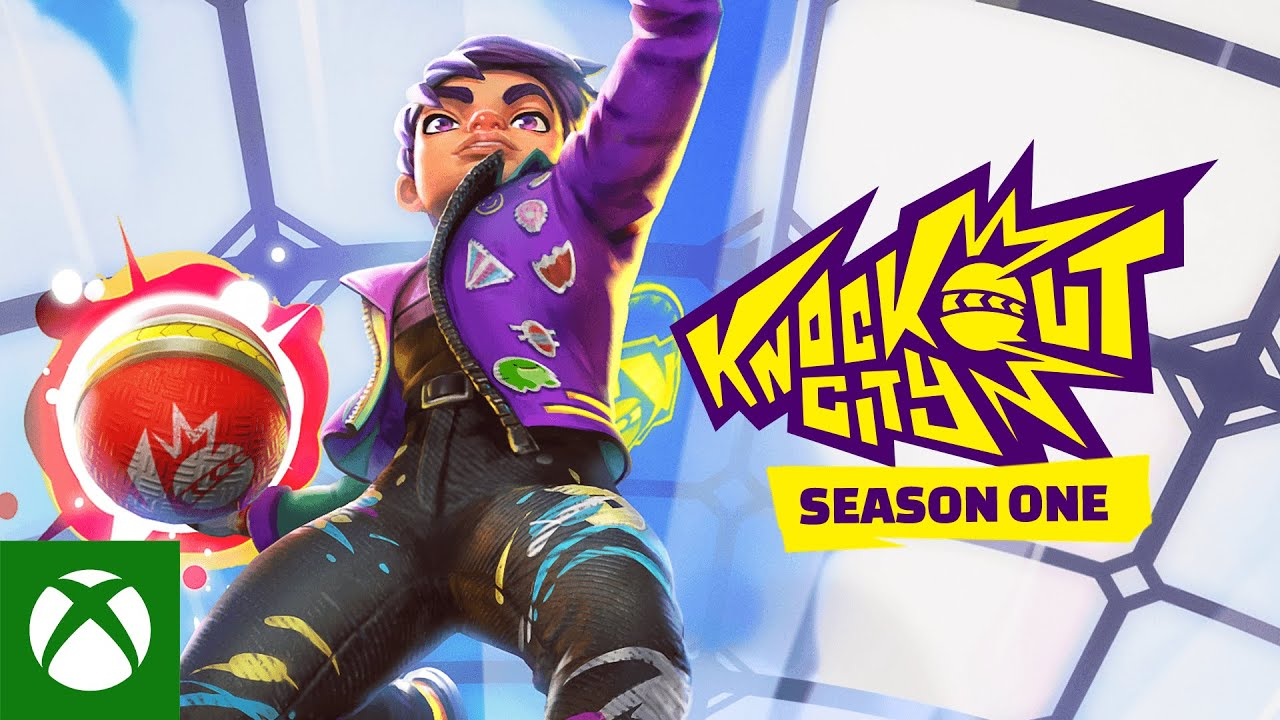
Knockout City handled its ending better than most. Velan Studios shut down the public servers on June 6, 2023, but released a Private Hosted Server Edition for PC, which gave players a way to keep some version of the game alive. That choice matters. It did not fully solve things for console players, and it did not preserve the live-service version exactly as it was, but it showed that “servers are closing” does not always have to mean “the game is gone.” The annoying part is how rare that still is.
Rumbleverse
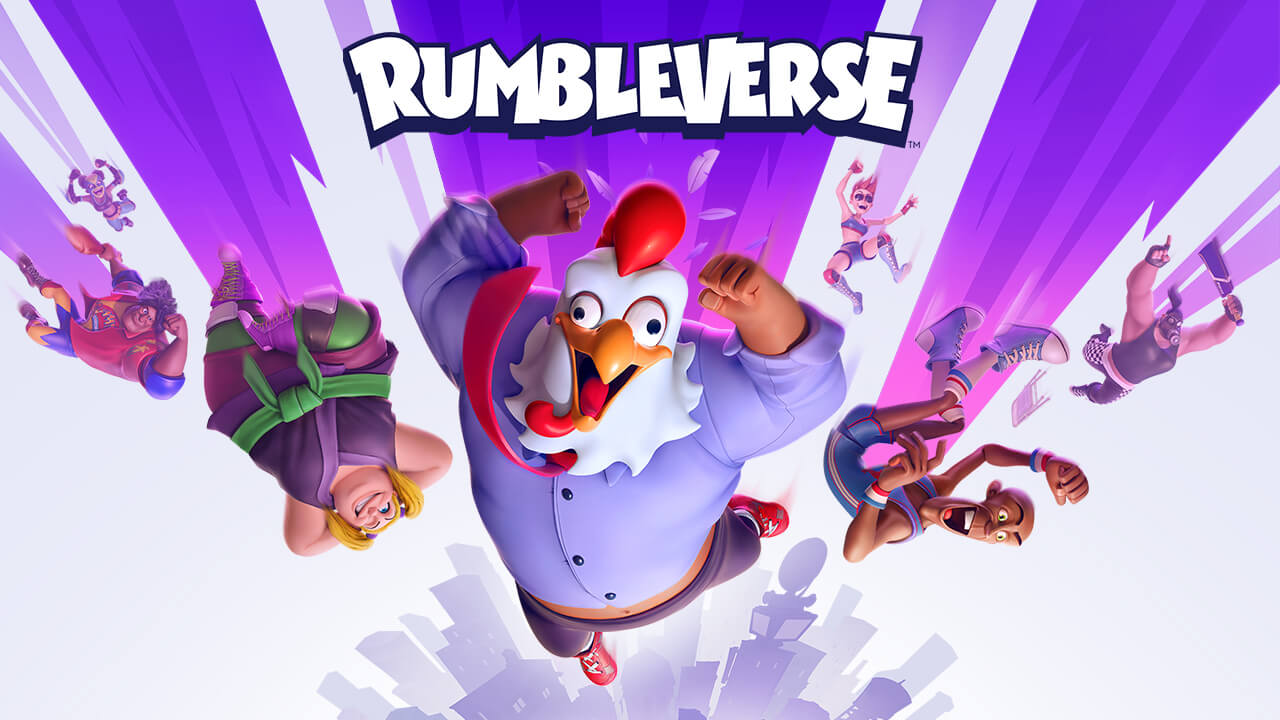
Rumbleverse had an idea that was easy to understand once you saw it in motion, a battle royale built around wrestling, rooftop fights, and ridiculous body-slam chaos instead of another set of guns. It launched in August 2022 and shut down on February 28, 2023. Refunds helped, but they did not keep Grapital City around. For anyone who enjoyed its odd little rhythm, the game became another reminder that originality does not protect a live service from vanishing.
Hyper Scape
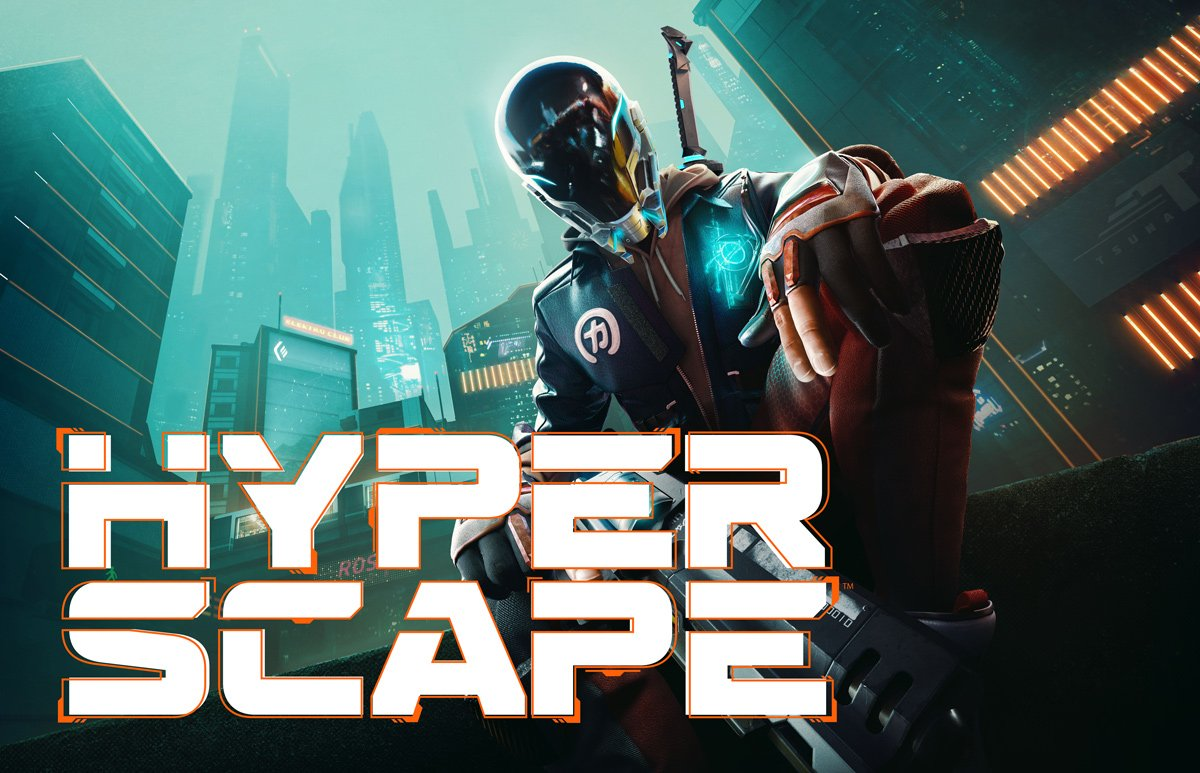
Hyper Scape felt like a company chasing a crowded moment. Ubisoft’s battle royale had speed, verticality, Twitch integration, and a clean futuristic look, but it never found the kind of audience a game like that needs. Its servers shut down on April 28, 2022. Once they did, the maps and movement systems were gone too, because there was no offline shell sitting underneath the live game.
LawBreakers
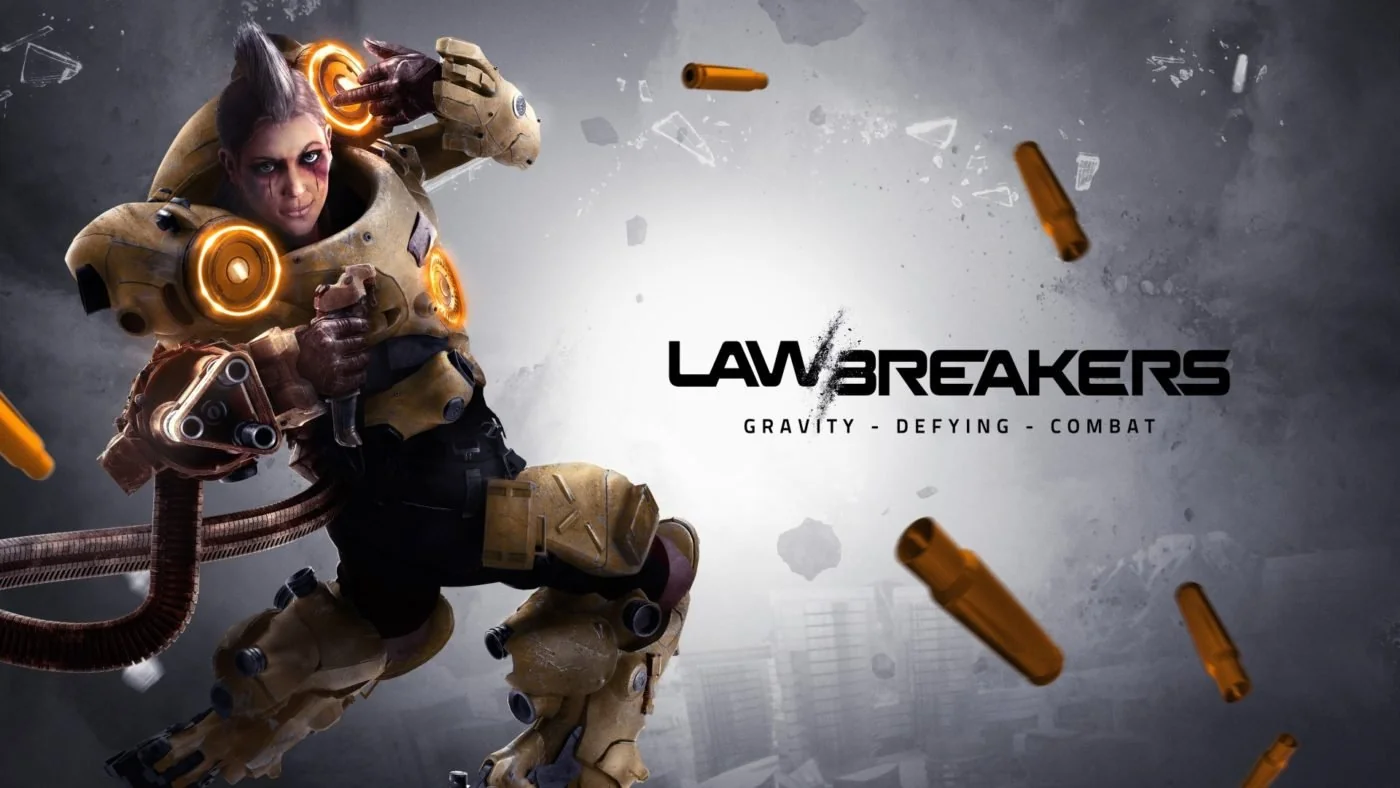
LawBreakers had the kind of defenders that make a shutdown sting a little more. Boss Key’s shooter launched in 2017, struggled almost immediately, then shut down on September 14, 2018. It was not perfect, but it had its own tempo, especially with the low-gravity combat and sharper-than-expected class design. The problem was simpler than taste. A multiplayer-only game with too few players becomes fragile very fast, and when the servers closed, even the people who still cared could not keep it alive.
Crucible
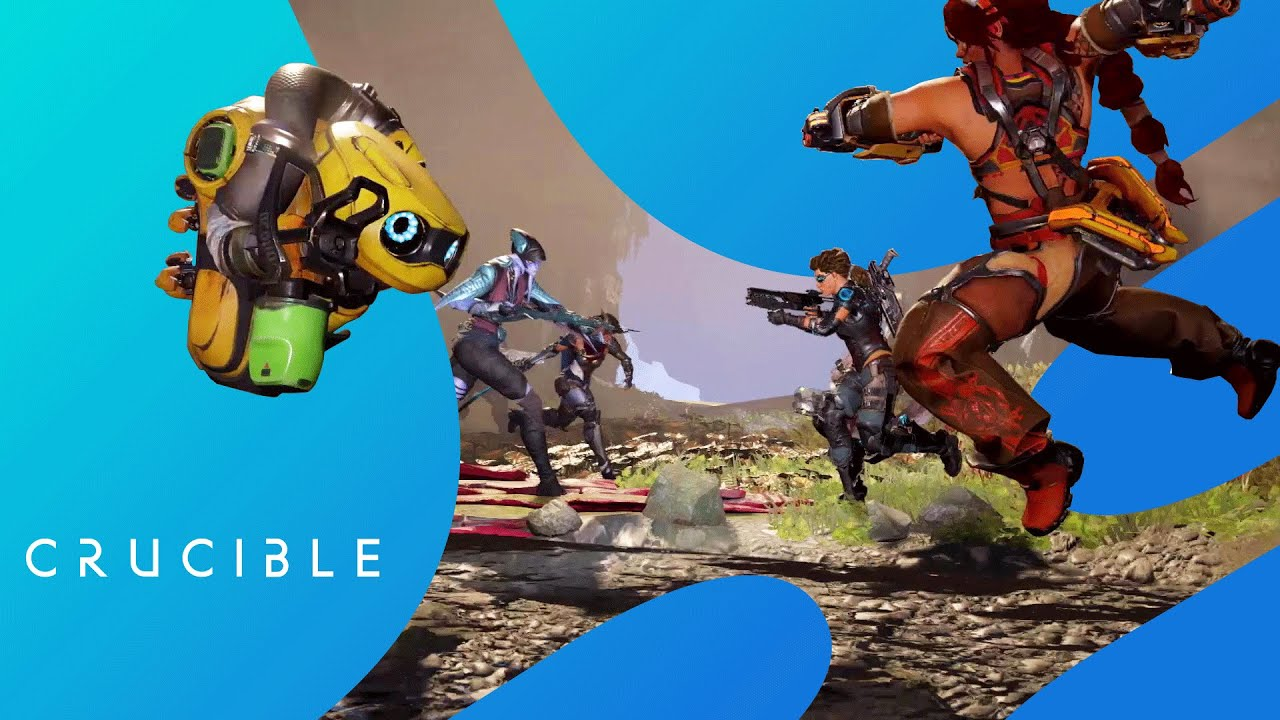
Crucible barely had time to become a real habit. Amazon released it in May 2020, pulled it back into closed beta not long after, then canceled it completely. The servers shut down on November 9, 2020. There were refunds, and that was the right move, but it still felt odd watching a released game get treated almost like a draft that had escaped too early.
PlanetSide Arena
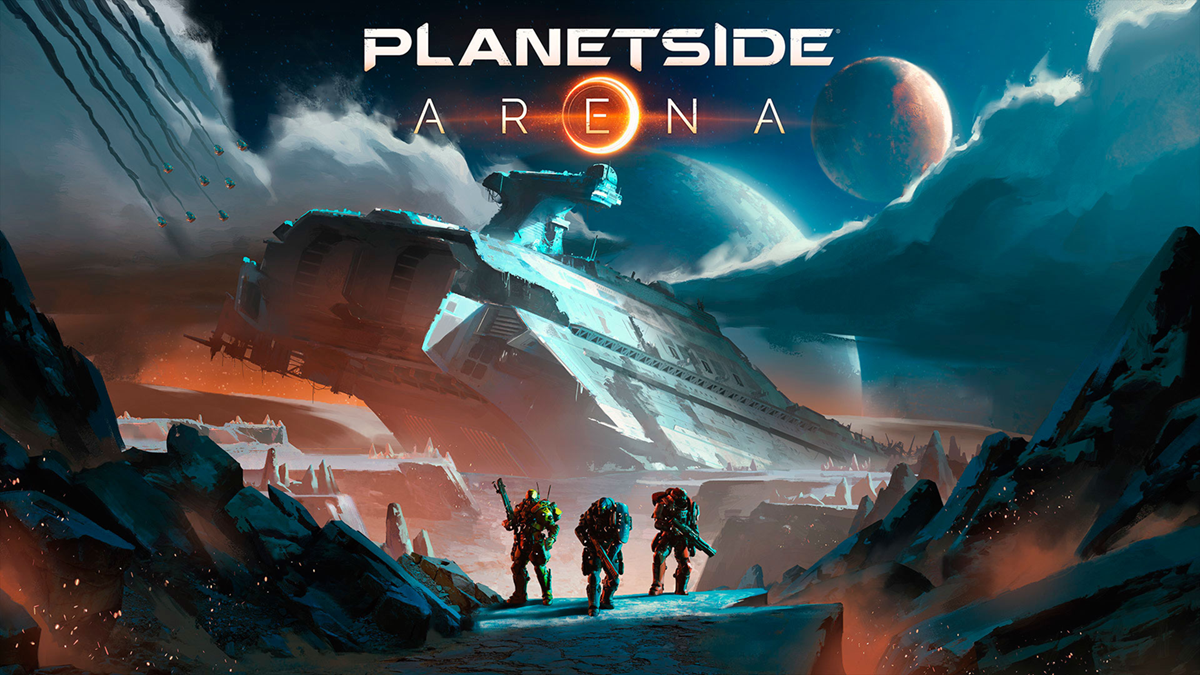
PlanetSide Arena carried a name associated with enormous online battles, which made its short life feel even stranger. It entered Early Access in September 2019 and was gone by January 10, 2020. Daybreak offered refunds, but the game itself did not have much of a second life once the servers closed. Some multiplayer games shrink. This one more or less evaporated before many people had even formed an opinion about it.
Concord
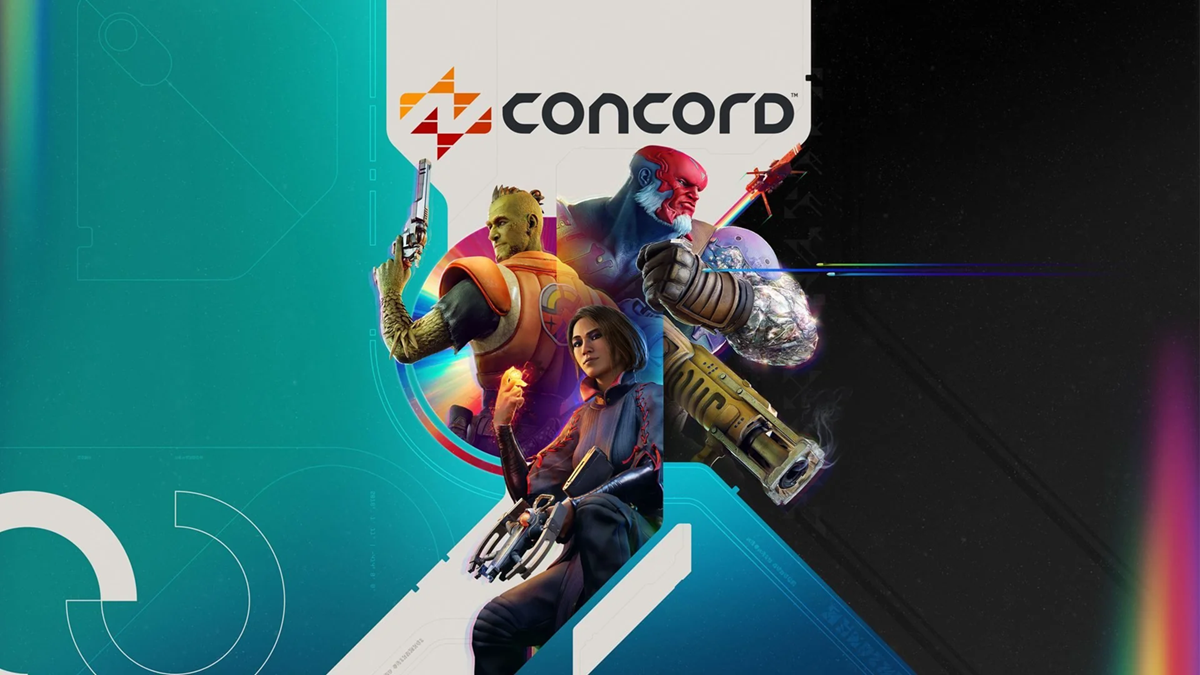
Concord became a punchline so quickly that it was easy to miss how weird the situation actually was. Sony launched it on August 23, 2024, then took it offline on September 6 and offered refunds. Two weeks is barely enough time for a live game to build habits, arguments, metas, or even proper nostalgia. Later, when Firewalk Studios was closed and the game was canceled for good, Concord stopped being just a failed shooter and became a strange little gap in the record, a major release that some people bought, briefly played, and then could not return to at all.
The point is not that every online game has to last forever. Servers cost money, audiences move, studios make hard calls, and some games simply do not work. What feels harder to defend is how often the ending leaves nothing usable behind. Players can live with a game having a lifespan. They are less willing, now, to pretend that a license buried in a storefront feels the same as owning the thing they paid for.
Related: 13 Famous Game Studios That Shaped Online Gaming Trends