Game streaming has always had a slightly awkward sales pitch. It asks players to care less about the box, the download, the specs, sometimes even the storefront, and to trust that the game will simply be there when they press play. The idea has produced some bad launches, some clever workarounds, and a few deals that looked odd at first but ended up pointing toward where the business was going. Not every agreement here paid off neatly, but each one nudged games a little farther away from the old path of buy hardware, buy game, install game, wait.
Sony Buying Gaikai
Sony Computer Entertainment Inc.
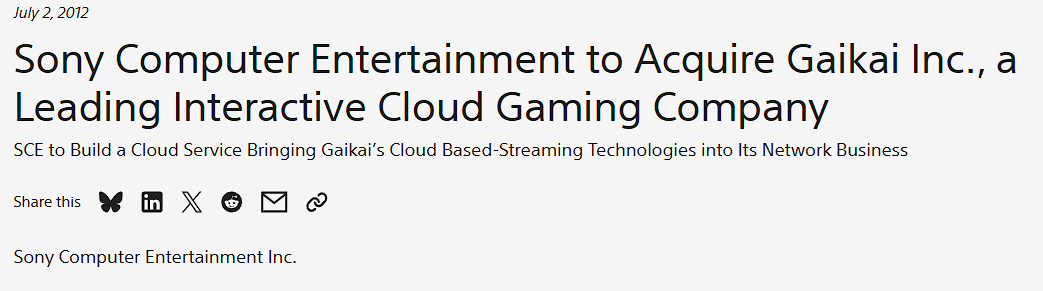
Sony’s 2012 acquisition of Gaikai was one of those moves that made more sense after the fact. At the time, cloud gaming still felt like a nice demo in a trade-show booth, impressive for ten minutes and hard to imagine as a daily habit. Sony paid about $380 million for the company, and the language around the deal was clear enough, Gaikai’s streaming tech was meant to become part of Sony’s network business, not sit around as a side project. PlayStation Now, and later Sony’s wider cloud ambitions, grew from that kind of thinking. It did not magically solve latency or convince every console player to stream games overnight, but it gave a major platform holder its own cloud foundation instead of letting that layer be built entirely by outsiders.
OnLive’s Patents Ending Up at Sony

Arstechnica
OnLive was too early, which is sometimes another way of saying it was right about the direction and wrong about the moment. In 2015, the company shut down its services and Sony bought assets that included a large cloud-gaming patent portfolio. It was not a glamorous consumer-facing partnership, but it folded one of game streaming’s first serious attempts into PlayStation’s long-term cloud stack.
Google and Ubisoft Testing Assassin’s Creed Odyssey in Chrome
r/projectstream
Project Stream worked because Google did not start with a tiny proof-of-concept game. It partnered with Ubisoft and put Assassin’s Creed Odyssey, a full open-world release, inside Chrome for a technical test in 2018. That was the useful part of the stunt. Players were not just watching a controlled slice under perfect conditions, they were trying a recognizable blockbuster through a browser on a laptop or desktop. Stadia later made much louder promises and ran into much bigger problems, but this Ubisoft test helped establish the basic cloud pitch in a form people could understand quickly, big game, no console, no install, just a browser session that had to hold up under pressure.
Larian Putting Baldur’s Gate 3 on Stadia’s Stage

IGN
There is a funny little footnote in Baldur’s Gate 3 history: before it became one of the defining RPGs of its generation, it was also part of Google’s Stadia story. Larian announced the game for PC and Stadia in 2019, giving Google a title with more weight among PC and RPG players than the usual cloud-service filler. Stadia did not become the natural home for Baldur’s Gate 3, obviously. But the deal gave Google something it badly needed at launch, a game that suggested cloud platforms could host serious, systems-heavy releases rather than only fast demos or disposable curiosities.
Cyberpunk 2077 Making Stadia Look Useful for a Moment
r/stadia
Cyberpunk 2077 was not supposed to become an advertisement for game streaming. Then the launch happened, and suddenly the Stadia version had an unexpected advantage: it did not depend on a struggling last-gen console or a massive local setup. CD Projekt Red launched the game on December 10, 2020, and the cloud version gave some players a cleaner route into Night City than the hardware they already owned. That did not save Stadia, and it did not erase the game’s launch problems, but for a brief stretch it made the practical case for streaming better than Google’s marketing ever did.
Trending on realmoneygamer.com

Amazon Luna’s Ubisoft Channel
r/lunacloudgaming
Amazon Luna arrived with a very Amazon sort of idea: not just one big library, but channels. Ubisoft was there early, with a dedicated Luna channel that let players stream Ubisoft games across Fire TV, PC, Mac, and web apps for iPhone and iPad. The model never became as clean or familiar as a standard console subscription, and Luna has kept shifting since then. Still, that Ubisoft arrangement showed one possible future for publishers, where a cloud platform works less like a single shop window and more like a bundle of rented shelves, each controlled by a different content owner.
Fortnite Coming Back to iPhone Through GeForce NOW
r/fortnitebr
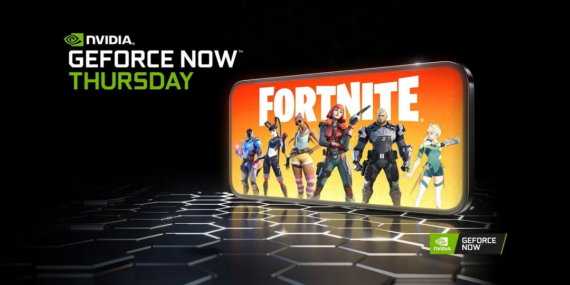
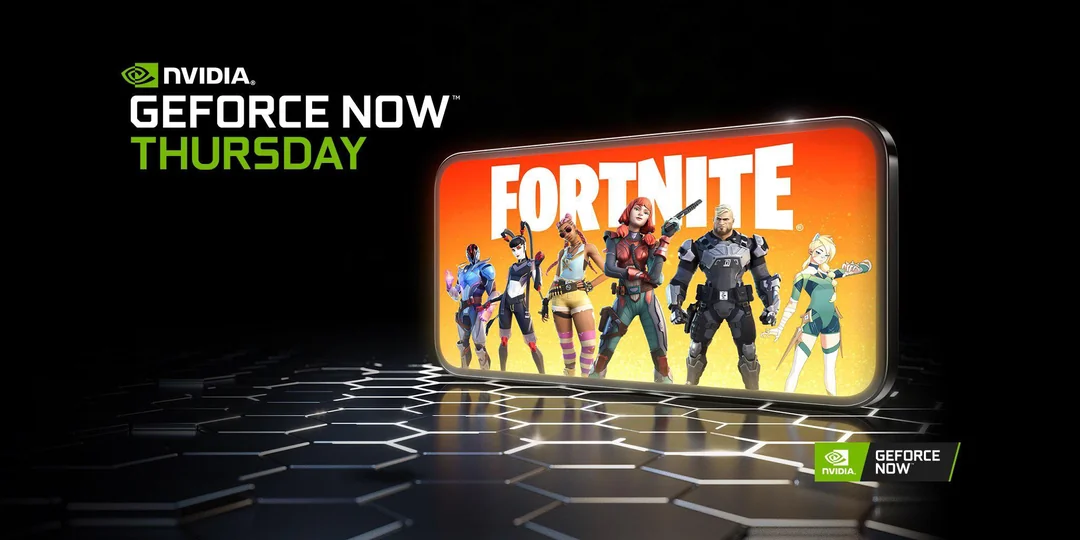
Fortnite’s return to iPhones through GeForce NOW was less elegant than an App Store listing, but that was exactly why it mattered. Nvidia’s cloud service let players use Safari on supported iOS devices, with touch controls, after Fortnite had been absent from Apple’s store. For Epic, streaming became a workaround. For players, it was mostly just a way to keep playing on the screen they already used.
MLB The Show 21 Landing on Xbox Game Pass
r/gaming
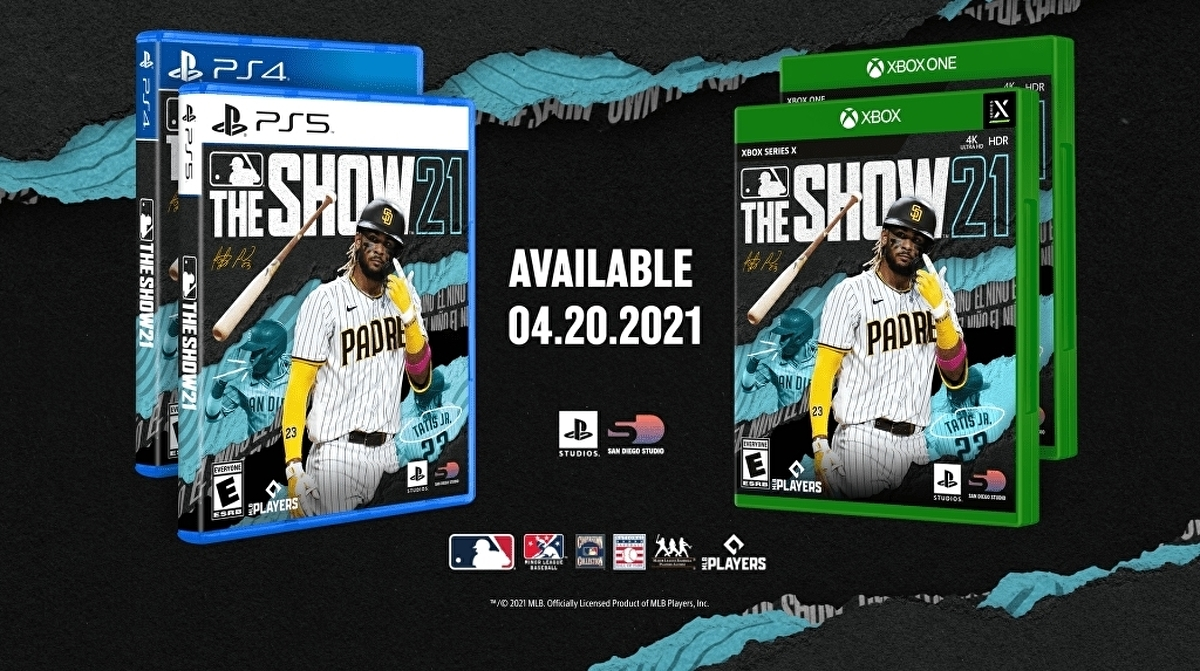
This one still looks a little strange on paper. MLB The Show 21, developed by Sony San Diego Studio, came to Xbox Game Pass on day one in April 2021, with access on Xbox consoles and Android devices through Xbox Cloud Gaming for Ultimate members. The deal blurred several lines at once: platform rivalry, sports licensing, subscription launches, and cloud access. It also showed that a game’s route to players could be shaped by the license holder as much as by the studio name on the credits. A former PlayStation-only series becoming a Game Pass cloud title was not just a novelty, it was a reminder that distribution deals can bend old loyalties faster than fans expect.
Outriders Using Game Pass as a Launch Ramp
Xbox Wire
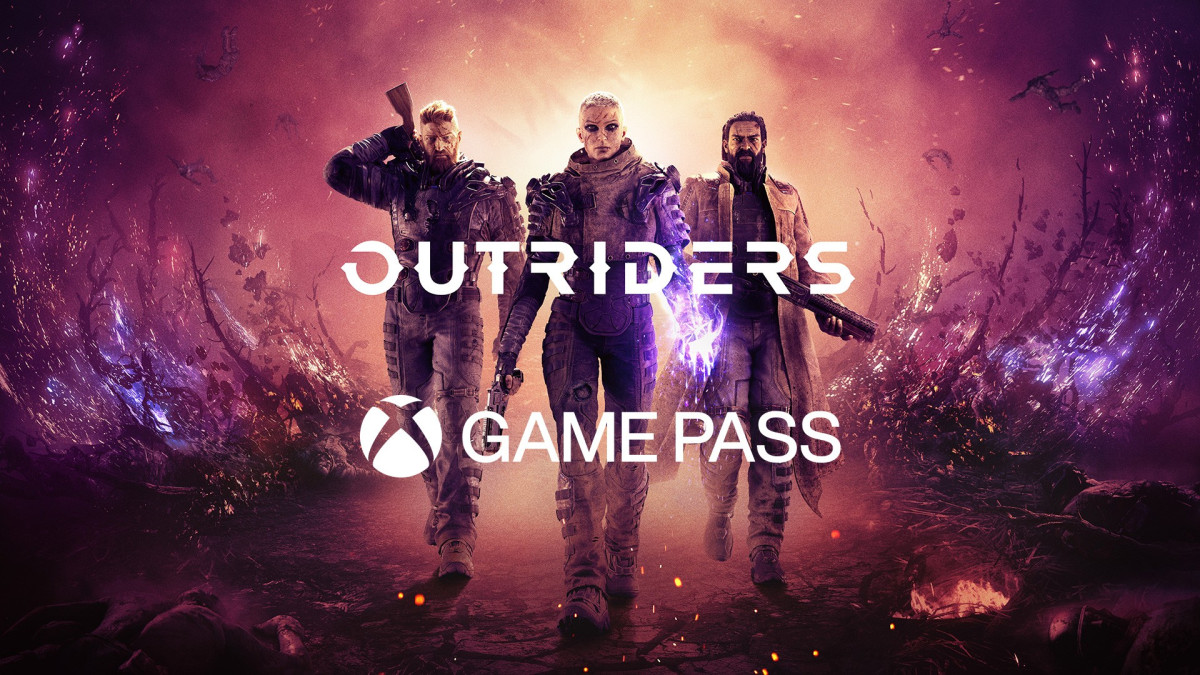
Outriders was not a Microsoft first-party showcase. That made its Game Pass deal more interesting. Square Enix and People Can Fly put the shooter into Game Pass at launch in 2021, with console access and Android cloud streaming included for eligible subscribers. For a new IP, that meant a large audience could try it without the usual day-one purchase decision. It did not turn Outriders into a permanently huge franchise, and the business debate around subscription launches did not go away. But for a moment, it looked like a practical answer to one of publishing’s oldest problems: how do you get enough players into a new multiplayer game before the conversation moves on?
Apple Arcade Giving Sayonara Wild Hearts a Different Kind of Opening
r/games
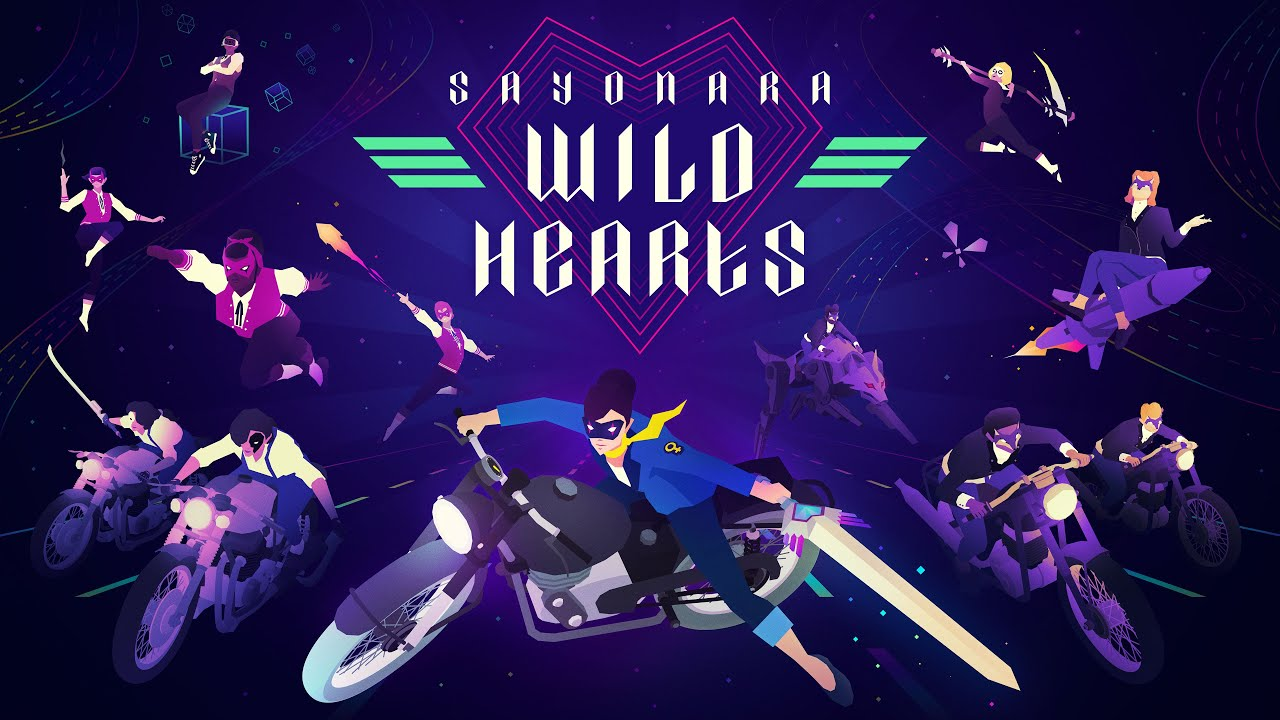
Sayonara Wild Hearts did not feel like an obvious subscription-service game, which helped it stand out. Simogo and Annapurna’s pop-album action game reached Apple Arcade as a launch-era title in 2019, alongside releases on platforms such as Switch and PlayStation 4. It gave Apple’s service a bit of taste, not just quantity. Instead of selling mobile gaming as something cheaper or lighter, the deal suggested that phones and tablets could be part of the same premium indie conversation happening on consoles. The game later moved through the industry like a cult favorite rather than a giant commercial tentpole, which honestly suited it better.
Netflix Buying Night School Studio
r/ps5
Netflix buying Night School Studio in 2021 was not cloud gaming in the strict technical sense, but it belonged to the same larger scramble around subscriptions and access. Night School, best known for Oxenfree, gave Netflix a studio with a clear narrative identity at a time when its games push still sounded abstract to many subscribers. The deal said something simple: Netflix did not only want licensed mobile games sitting quietly in a tab, it wanted developers that made sense next to its story-driven entertainment business.
Ubisoft Getting Activision Blizzard Cloud Rights

The Ubisoft and Activision Blizzard cloud-rights deal was born from regulatory pressure, not some clean creative partnership. As Microsoft worked to close its Activision Blizzard acquisition, the UK Competition and Markets Authority pushed hard on cloud gaming concerns, and the reworked deal transferred cloud streaming rights for current and future Activision PC and console games released over the next 15 years, outside the European Economic Area, to Ubisoft. That put Call of Duty and other major franchises in a stranger position than usual: Microsoft could own Activision Blizzard, but not simply control every cloud-streaming path for those games everywhere. It was dry, legalistic, and probably not something most players followed day by day. Still, it may end up being one of the more important streaming arrangements of the decade, because it treated cloud rights as a market powerful enough to regulate before it fully matured.