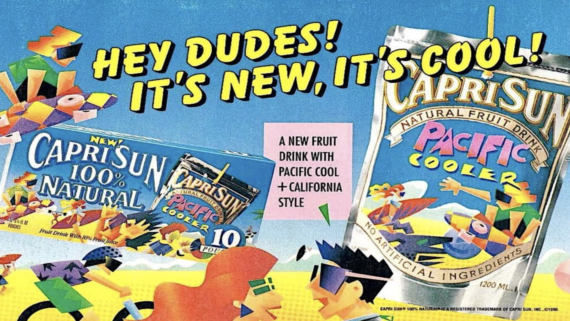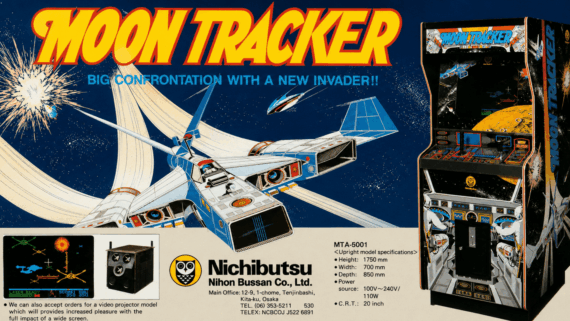
Arcade flyers were often more ambitious than the games they advertised. During the late 1970s and early 1980s, arcade hardware was still relatively limited, but the artwork used to promote new machines had no such restrictions. Publishers filled these promotional pieces with massive spaceships, alien invasions, futuristic cities, and heroic pilots that looked ready to star in blockbuster science fiction movies.
For arcade operators, flyers were sales tools. For modern collectors, they have become fascinating snapshots of gaming’s formative years. Many promised experiences far grander than what players actually saw on screen, helping transform simple pixel graphics into entire universes powered by imagination.
1. Kung Fu Master And The Birth Of Arcade Blockbusters
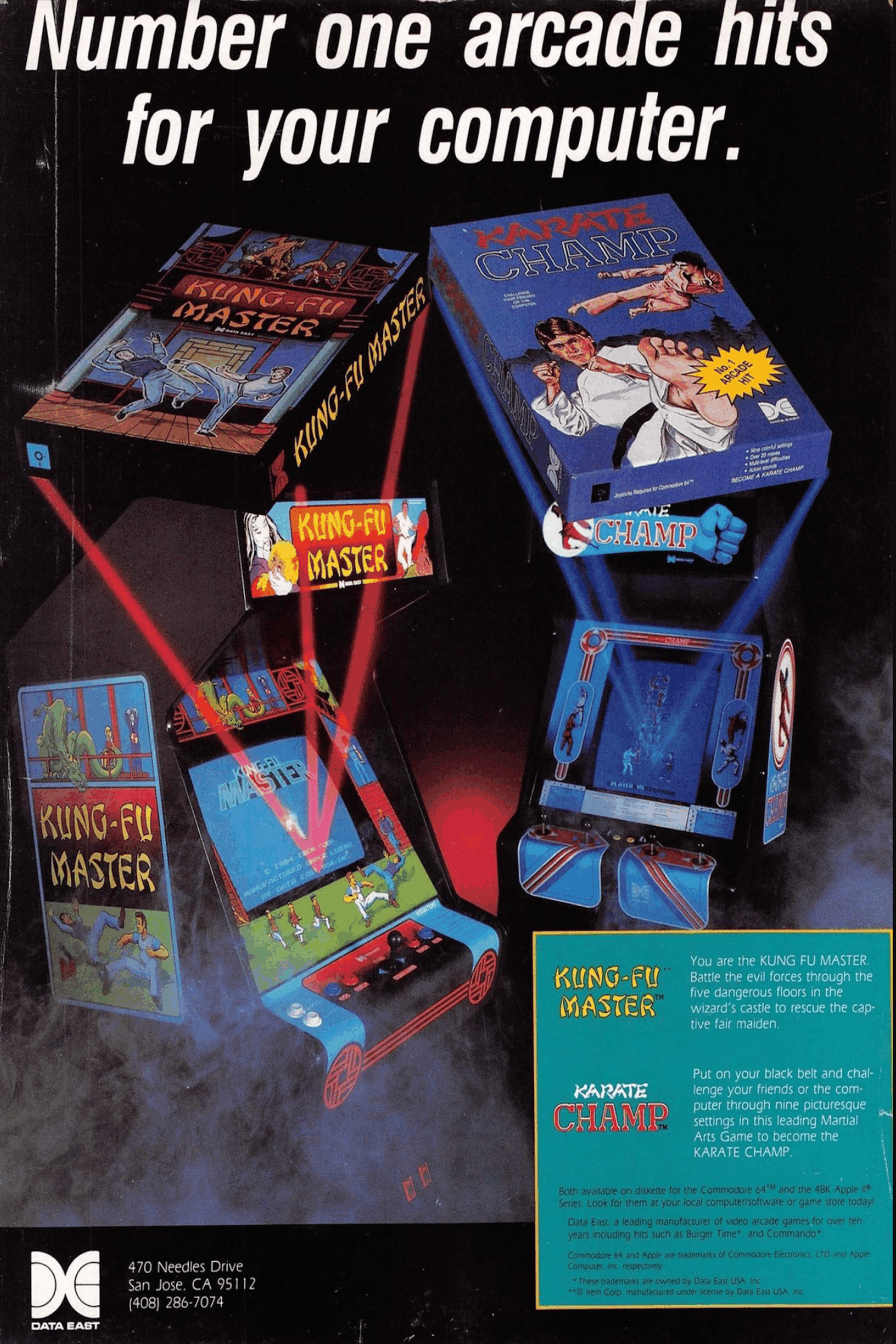
This advertisement sold more than a game. It sold the fantasy that your home computer could deliver the same larger than life excitement that made arcade cabinets impossible to ignore.
2. Arcade Flyers Knew How To Sell A Fight
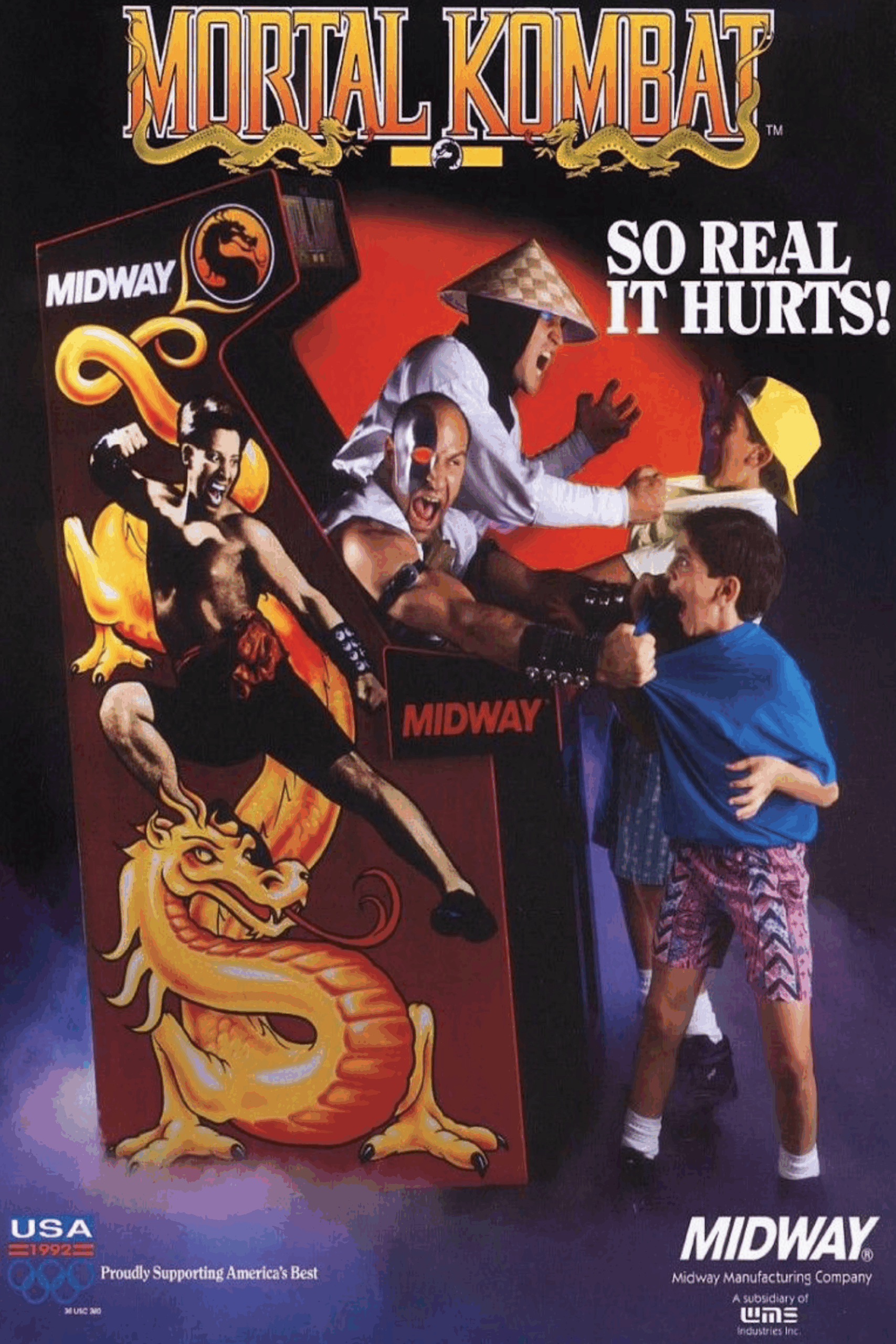
Among the most memorable arcade flyers of the early 1990s, this Mortal Kombat promotion leaned into the game’s shock value and helped turn an arcade cabinet into a cultural phenomenon.
3. When NBA Jam Felt Bigger Than The NBA

The flyer captured everything that made NBA Jam special, transforming a basketball game into a loud, colorful event that felt larger than any real world matchup.
4. Bret Hart Brings Wrestling To The Arcade
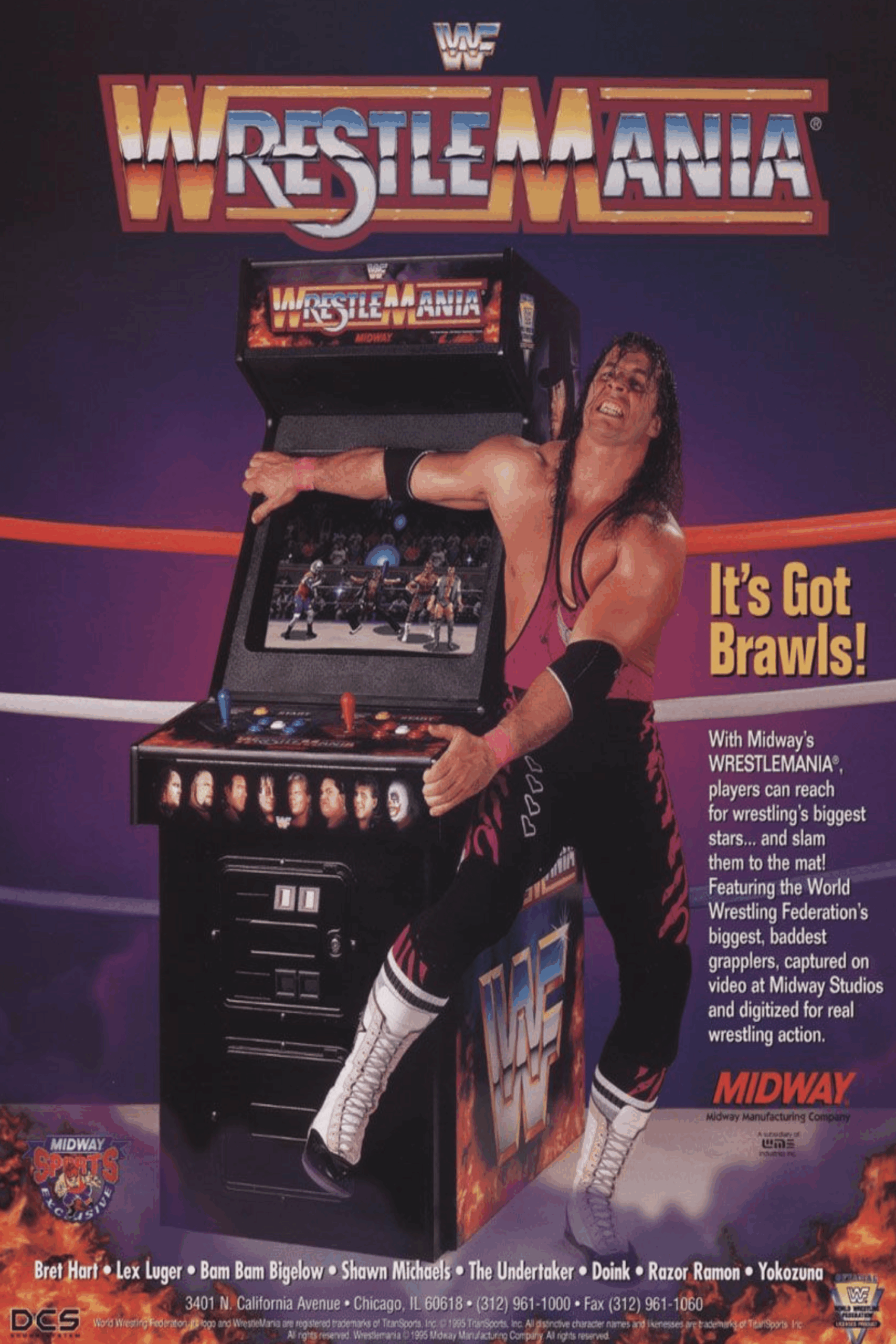
Unlike many arcade flyers that relied on painted artwork, this WrestleMania ad put one of wrestling’s biggest stars front and center, blurring the line between sports entertainment and arcade gaming.
5.When A TV Sitcom Became A Pinball Adventure
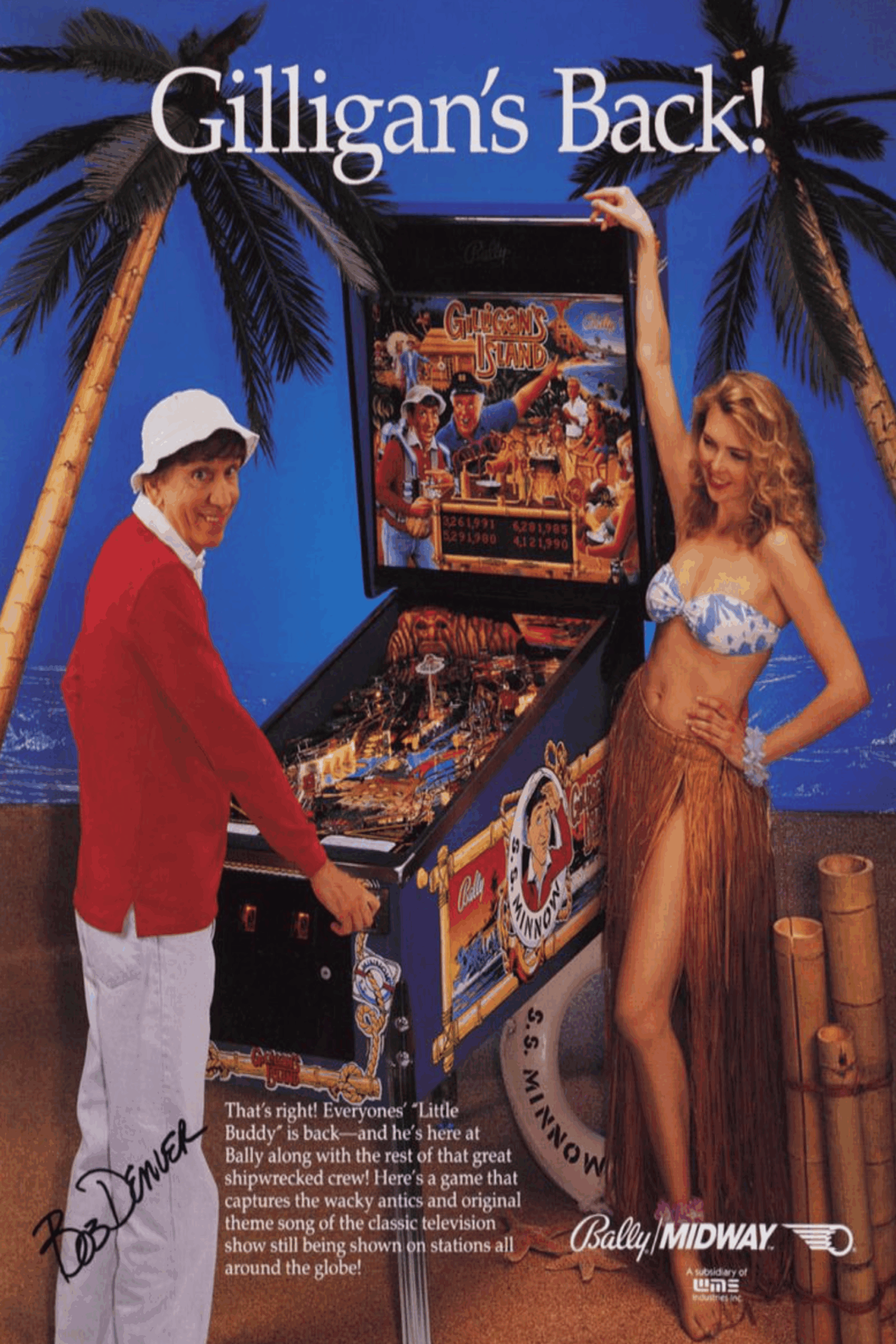
This Bally Gilligan’s Island advertisement perfectly captured an era when pinball manufacturers turned familiar television shows into colorful arcade attractions, banking on nostalgia long before nostalgia became a marketing strategy.
Trending on realmoneygamer.com

6. Spy Hunter Sold The Fantasy Of Being An Action Hero
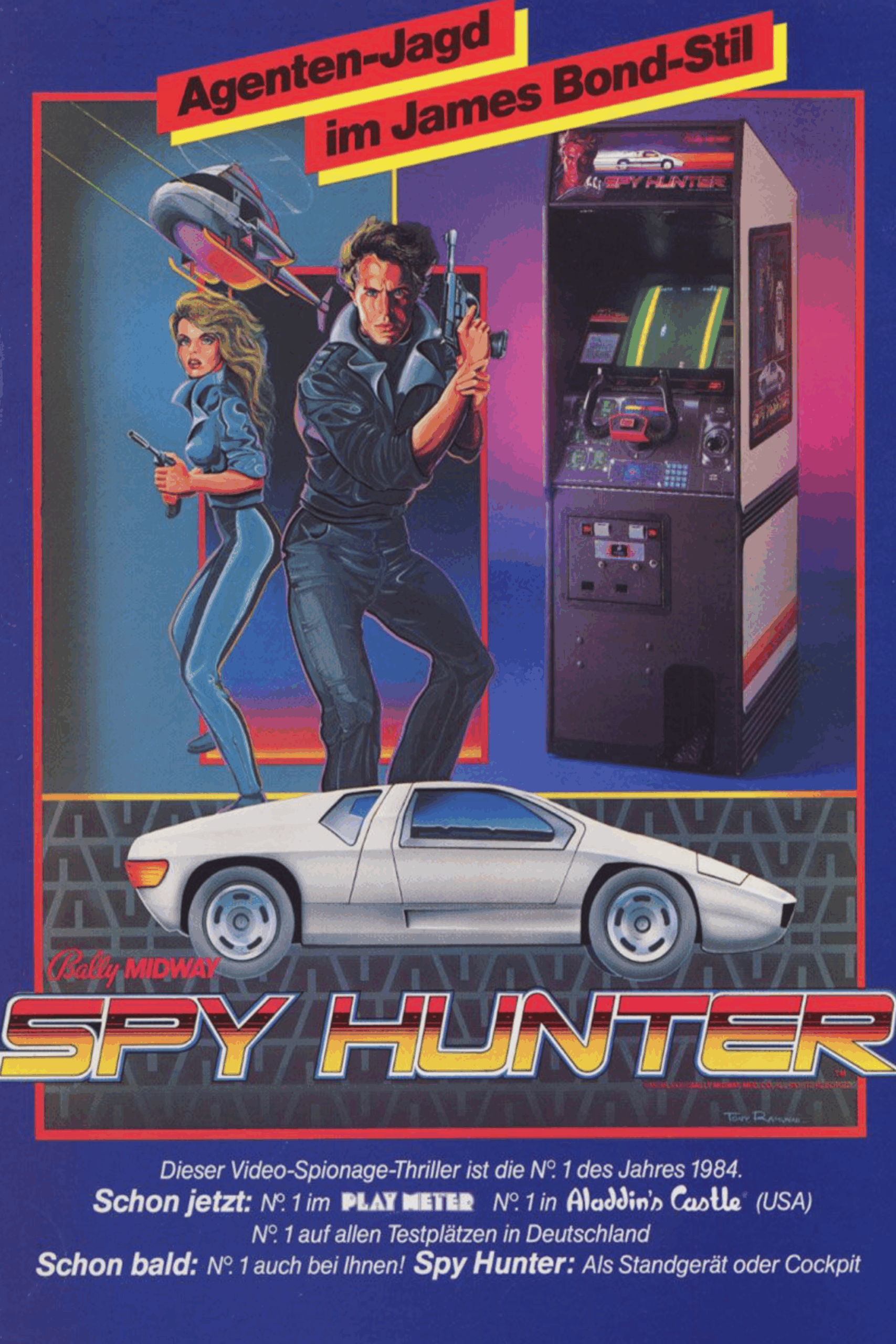
Few arcade flyers sold a fantasy as effectively as Spy Hunter. With sports cars, secret agents, and movie poster style artwork, it promised players a James Bond experience for the price of a single coin.
7. The Future Looked Like Xybots
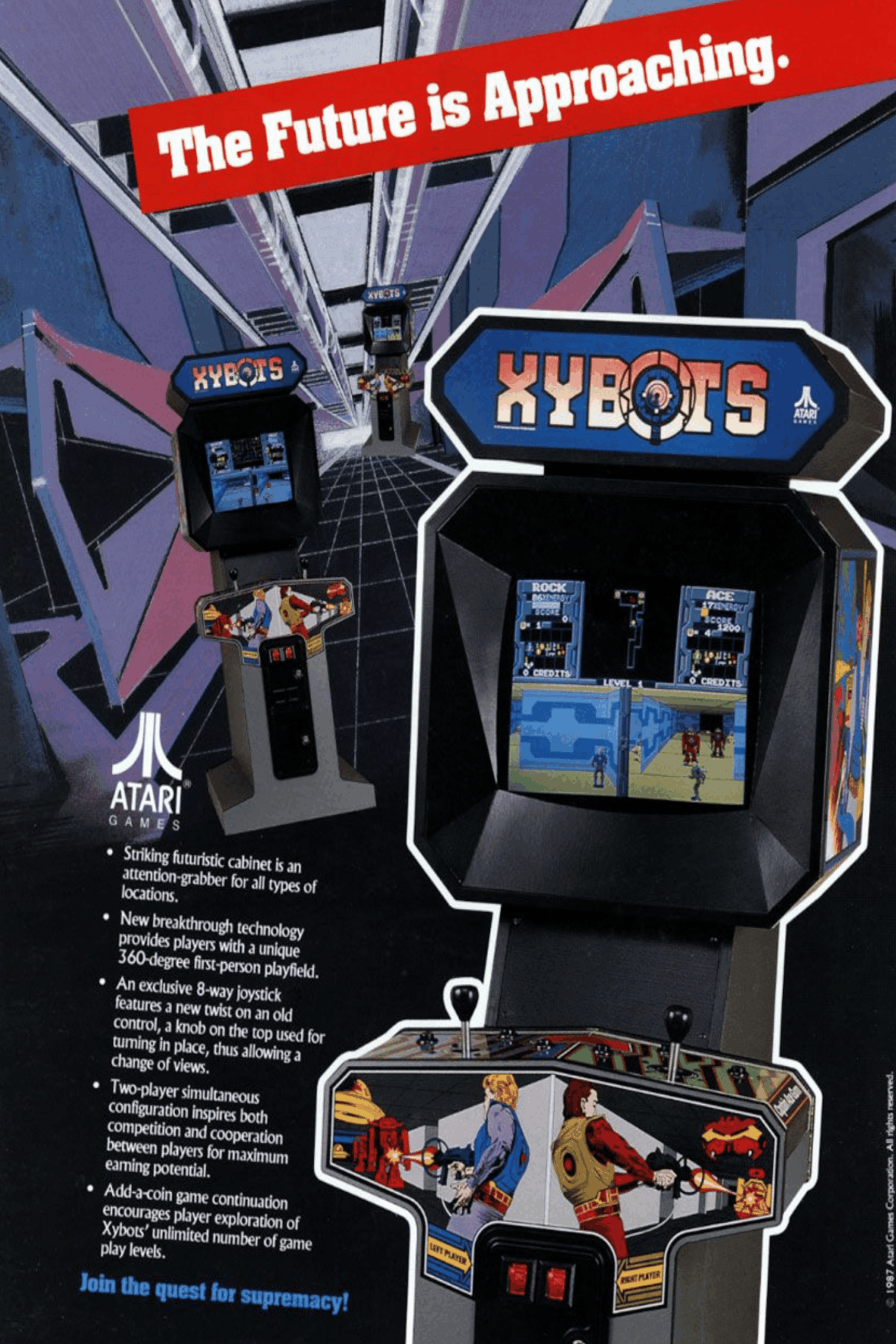
The Xybots flyer embraced the obsession with futuristic technology that defined the late 1980s, presenting the cabinet itself as a glimpse into tomorrow rather than just another arcade game.
8. When Home Computers Wanted To Be Arcades
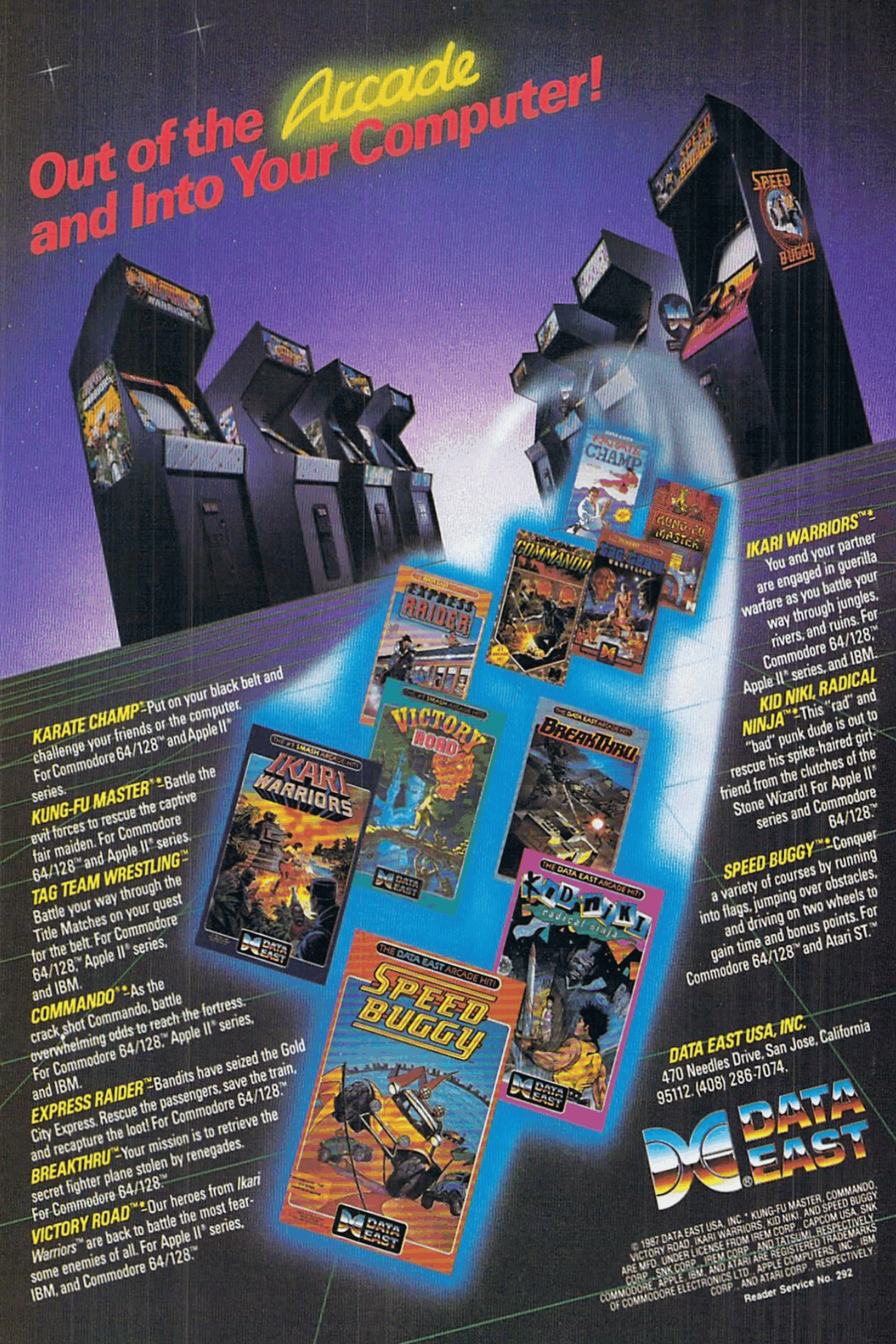
This Data East advertisement blurred the line between arcade cabinets and home gaming, showcasing a growing trend where players wanted to bring the excitement of the arcade experience into their living rooms. arcade flyers like this often sold an entire lifestyle rather than a single game.
9. Selling Imagination Before Gameplay
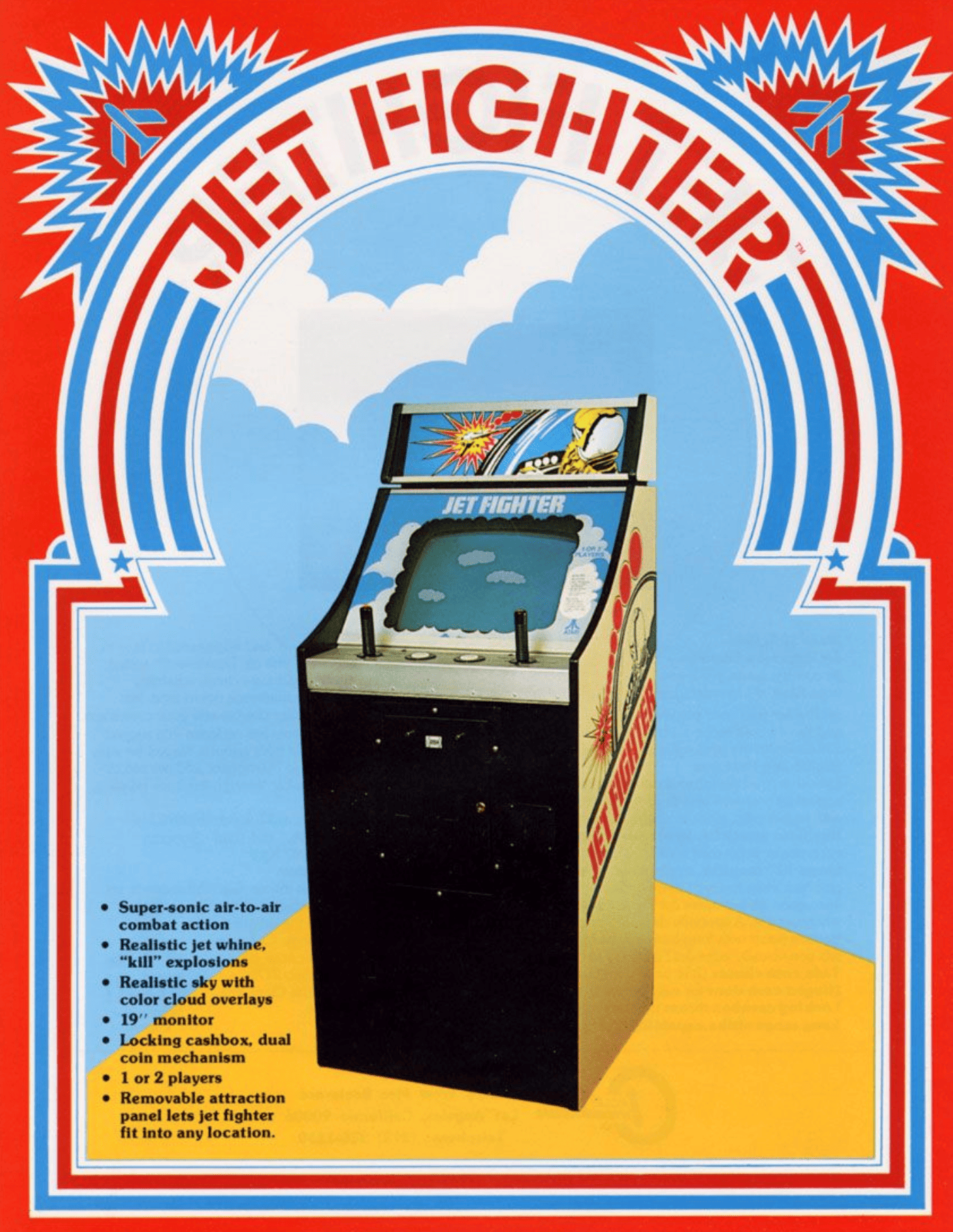
Long before trailers, YouTube videos, or social media campaigns, arcade publishers had only a single page to convince operators and players. The bold colors, oversized logos, and dramatic artwork seen here were designed to spark curiosity and make every game feel like the next big event.
10. A Space Battle Bigger Than The Screen
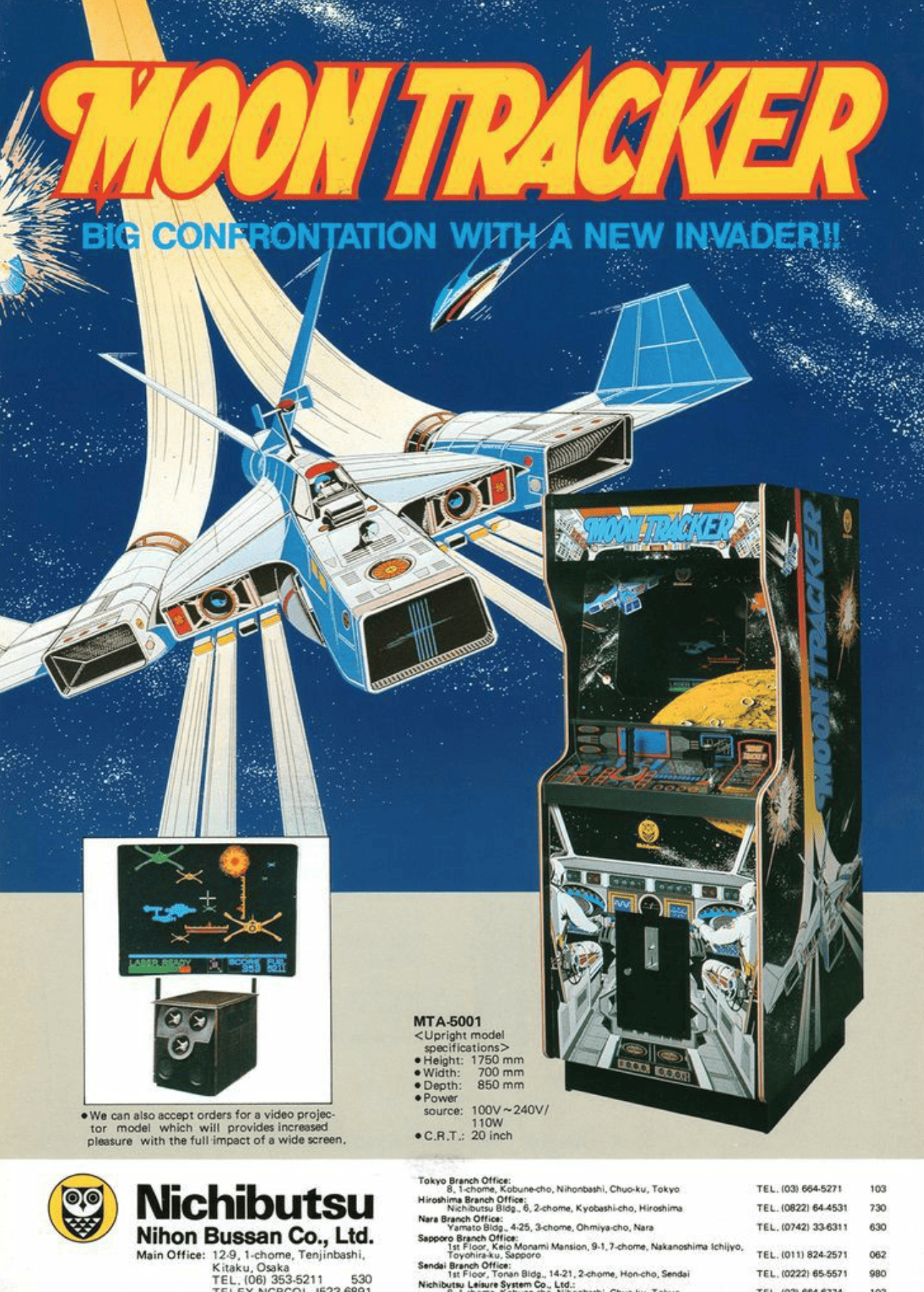
The artwork for Moon Tracker made the game feel far larger than what players would actually see on the monitor. Massive spacecraft, deep space backgrounds, and dramatic action scenes helped create the illusion of a blockbuster science fiction adventure. arcade flyers often relied on this technique, turning relatively simple games into epic interstellar conflicts.
The golden age of arcades produced countless memorable games, but the artwork used to sell them deserves recognition as well. These arcade flyers helped players envision worlds that technology could not yet fully create, turning simple cabinets into gateways to distant galaxies and futuristic adventures.