Gaming items come and go with every generation of hardware, but some disappear so gradually that most players never notice they’re gone. Walk into a gamer’s bedroom in 1999, 2003, or even 2007 and you’d find all kinds of accessories, gadgets, and odd little objects that felt completely normal at the time.
Many of these items weren’t expensive or particularly exciting. They simply existed because gaming setups worked differently before digital downloads, cloud storage, wireless accessories, and high speed internet changed everything. Looking back, these forgotten gaming items offer a surprisingly nostalgic snapshot of how people actually played games during the late 1990s and early 2000s.
1. CRT Screen Cleaning Wipes
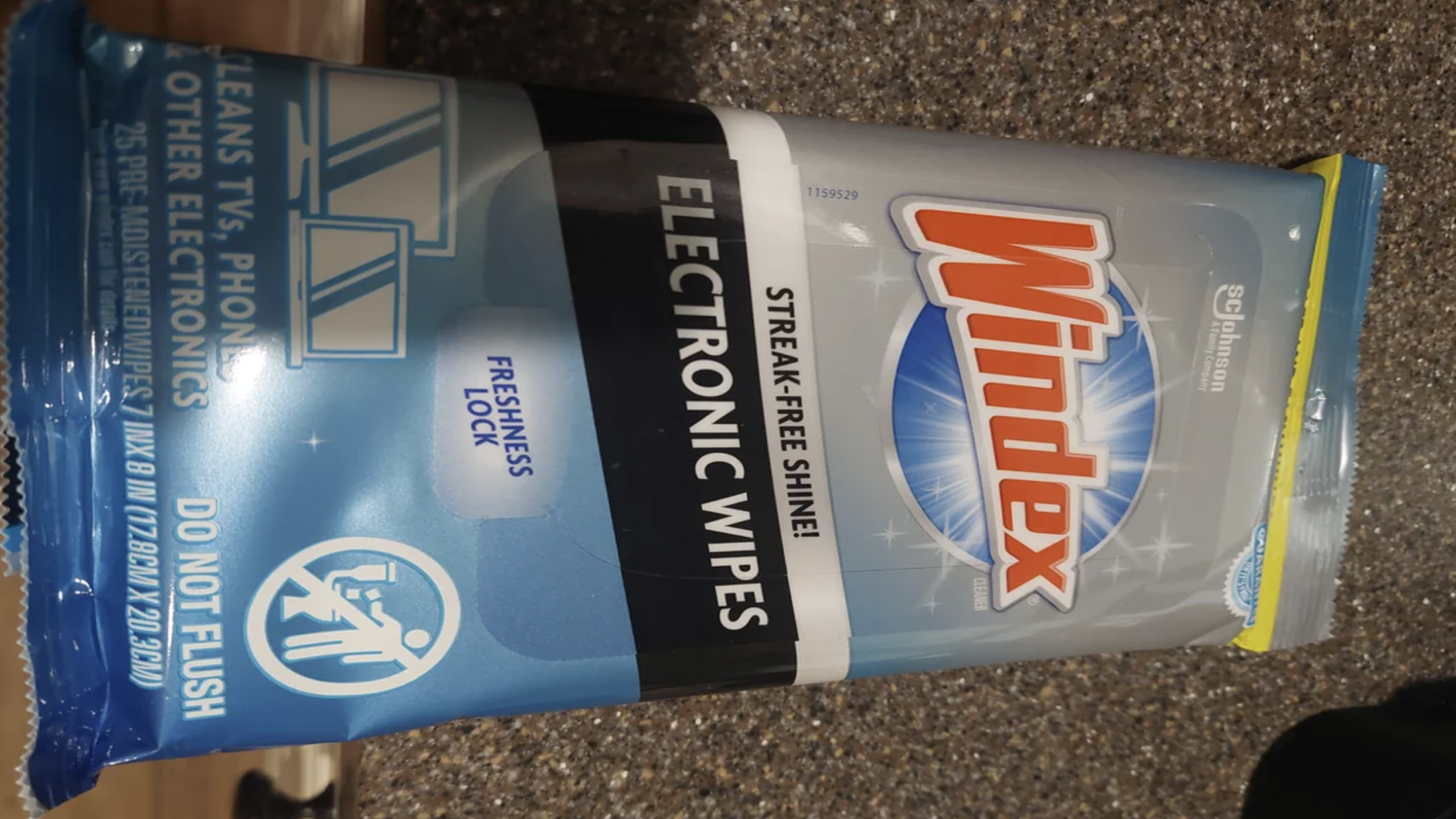
Every gamer with a bulky CRT monitor eventually had a pack of screen wipes nearby. Fingerprints, dust, and static buildup were constant battles, making these forgotten gaming items a surprisingly common sight on computer desks.
2. Hardware Brand Mousepads

Logos from NVIDIA, ATI, Sound Blaster, and LAN events appeared on mousepads that became permanent fixtures in gaming rooms long before RGB accessories dominated the market.
3. Gaming Magazine Demo Discs
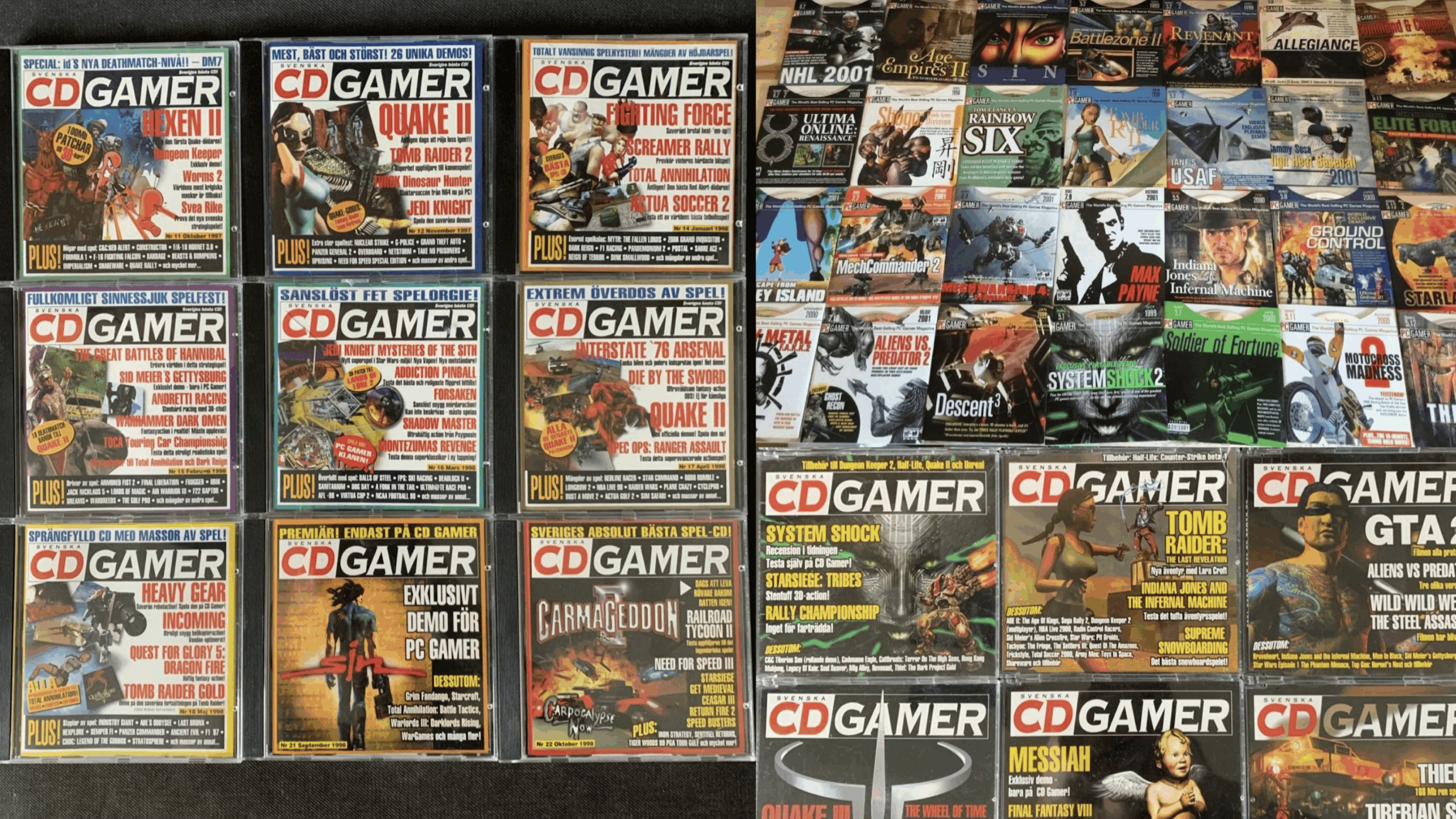
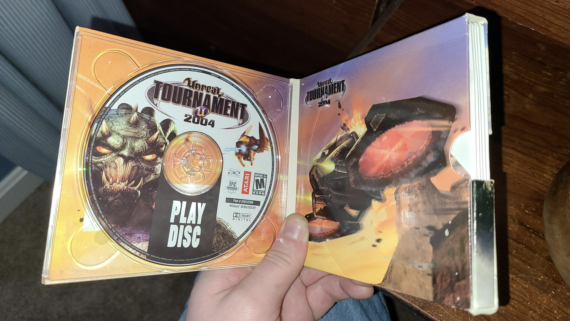
Few gaming items were more exciting than the latest demo disc arriving with a magazine. For countless players, these discs provided a first look at upcoming games and often delivered hours of entertainment on their own.
4. Dreamcast VMU Keychains
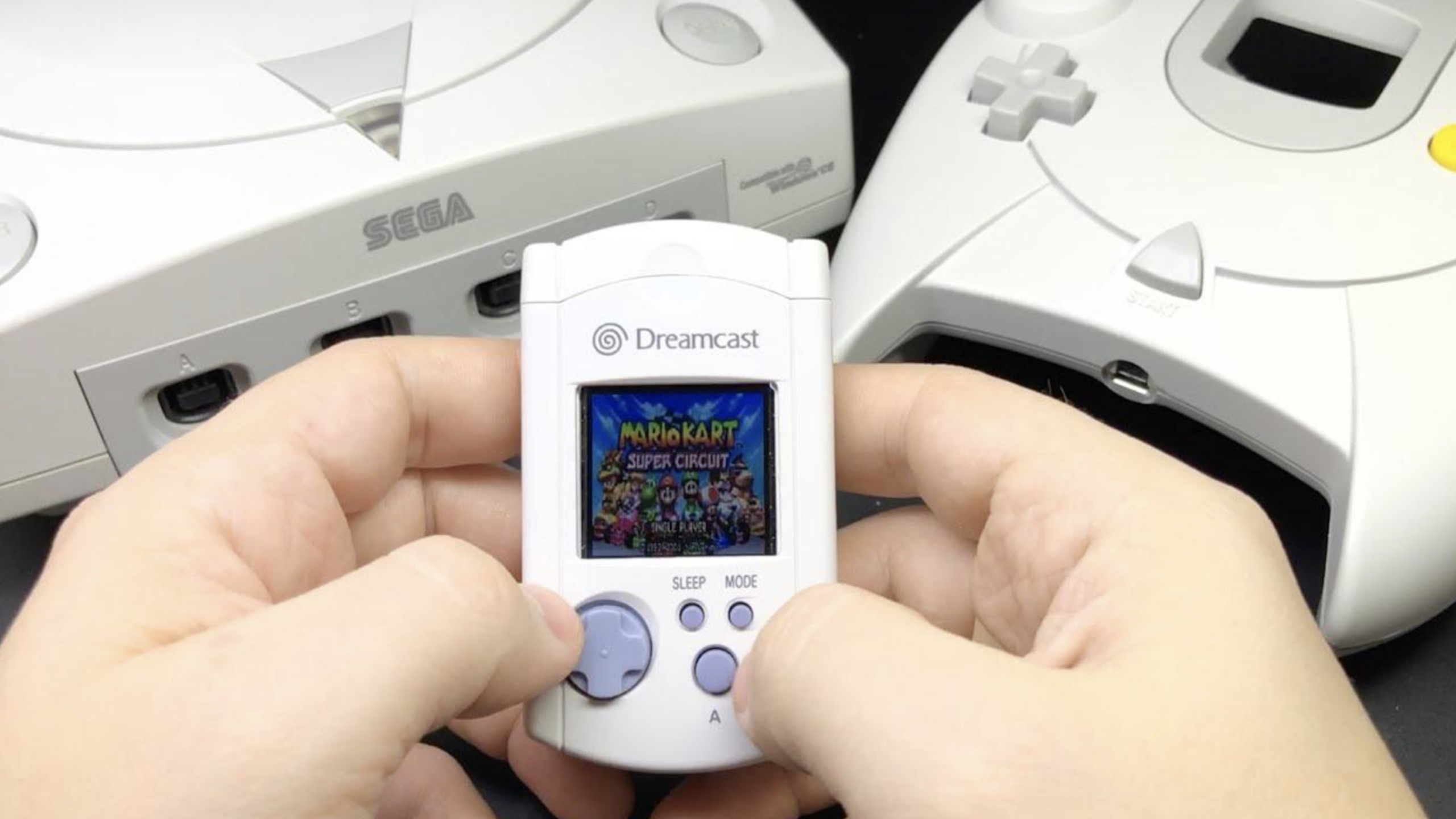
The VMU doubled as both a memory card and a portable gaming device, making it one of the most unusual gaming items ever bundled with a console.
5. Expansion Pack Boxes

PC gamers once filled shelves with physical expansion packs for games like StarCraft, Diablo II, The Sims, and Age of Empires, each packaged like a full retail release.
Trending on realmoneygamer.com

6. Memory Card Carrying Cases
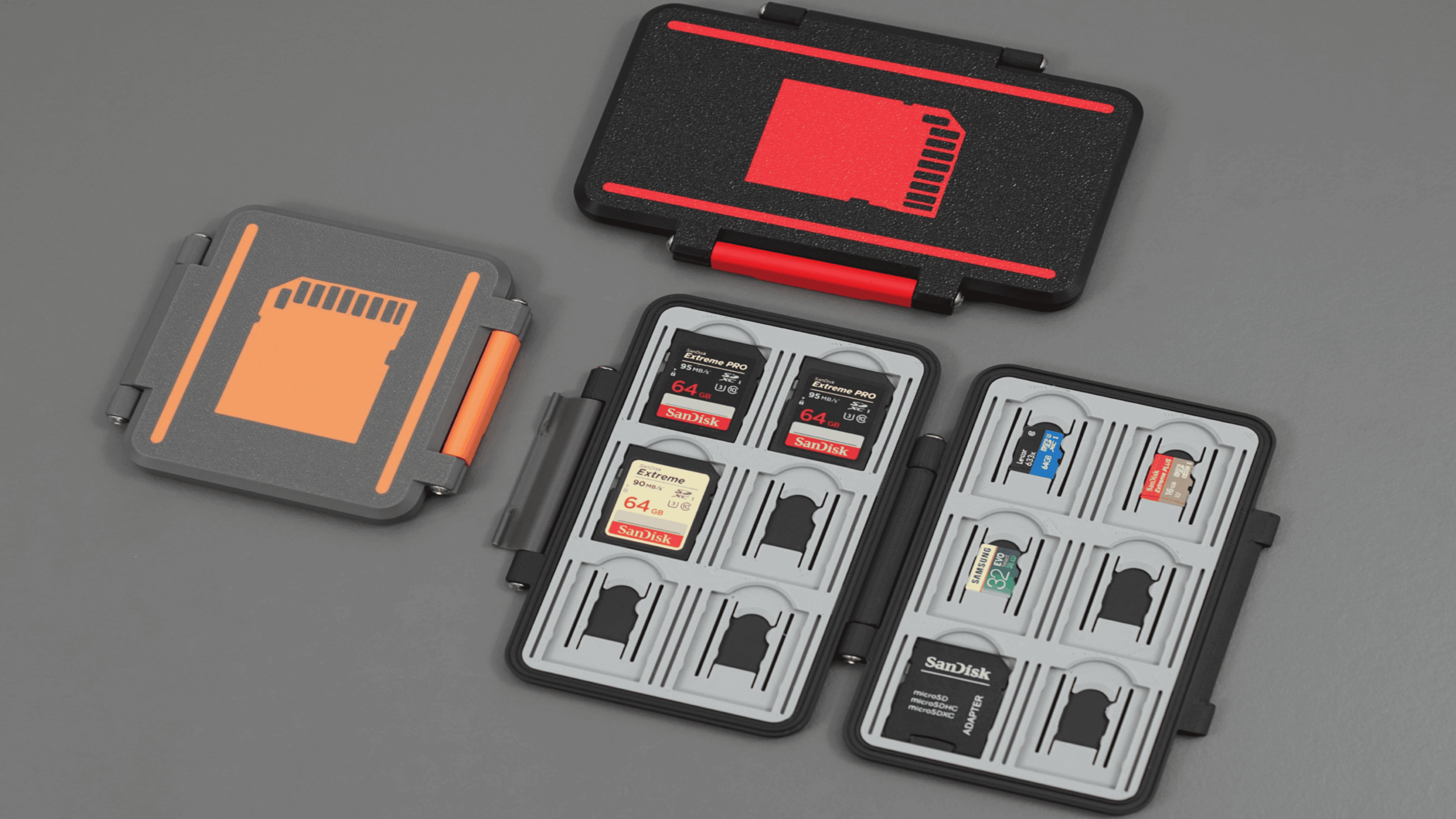
Many PlayStation owners kept multiple memory cards organized inside small plastic cases, making these gaming items surprisingly common in gaming rooms during the late 1990s.
7. LAN Party Badges

Large LAN events often required printed badges, labels, or identification cards so players could keep track of equipment and recognize competitors.
8. PC Gamer Cover CDs
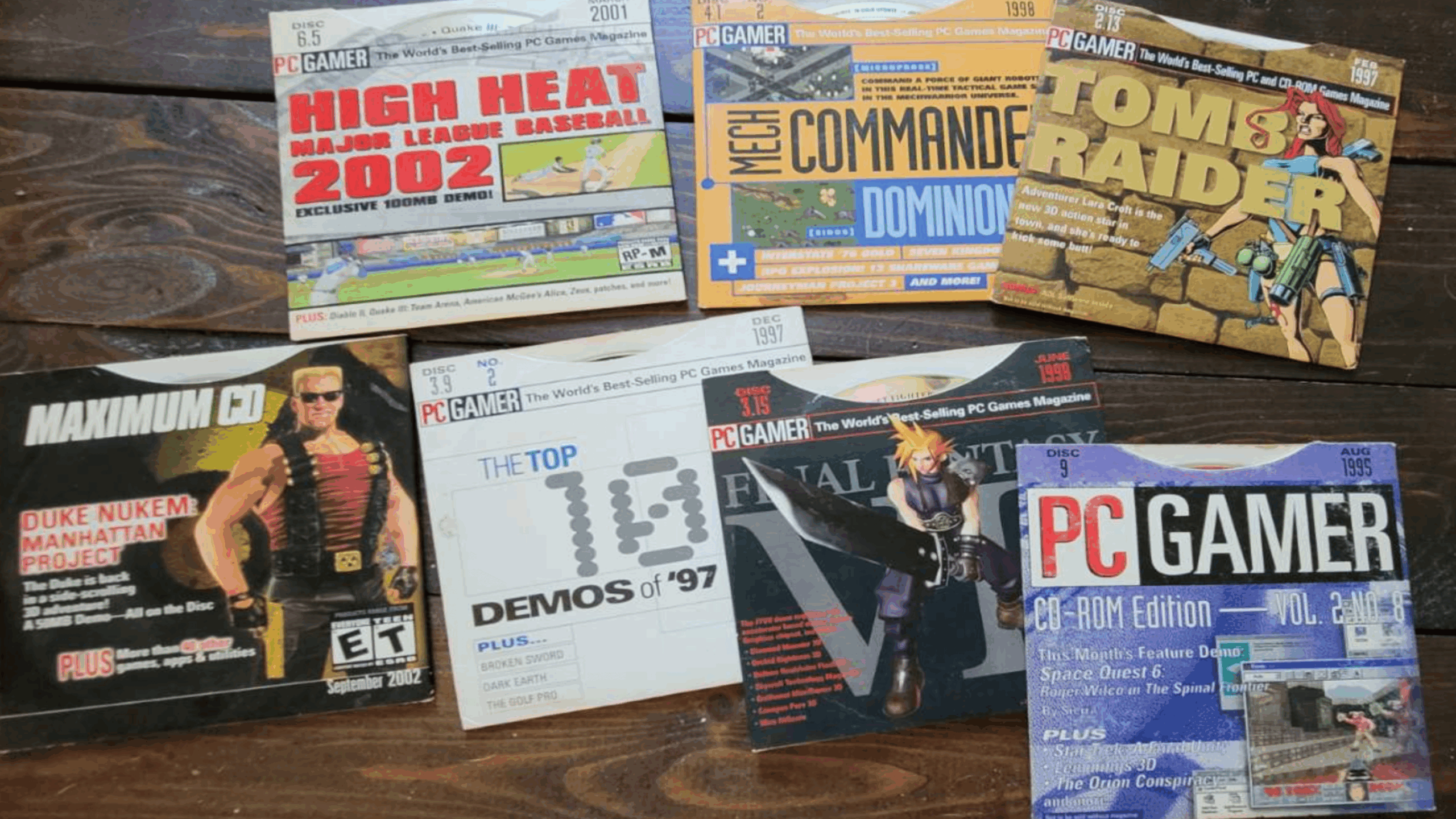
For years, magazines included discs packed with demos, patches, trailers, mods, and bonus content, turning them into some of the most valuable gaming items on a gamer’s desk.
9. Game Rental Membership Cards
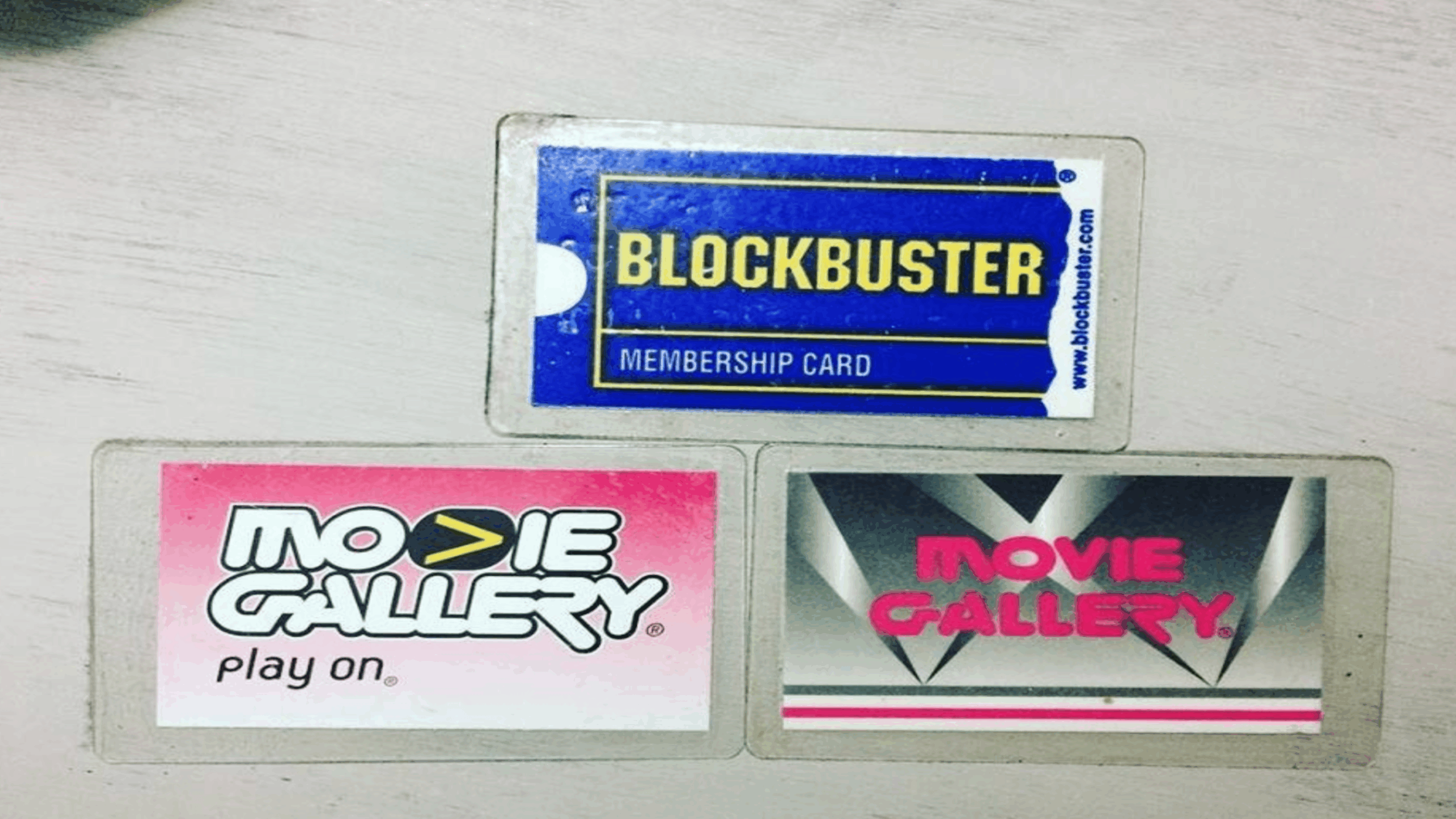
Weekend trips to Blockbuster, Hollywood Video, and local rental stores often revolved around a membership card that unlocked access to dozens of games.
10. Disc Repair Kits
Scratched discs were practically unavoidable during the PlayStation and Dreamcast years, making these Gaming Items essential tools for rescuing favorite games.
11. Gaming Magazine Posters
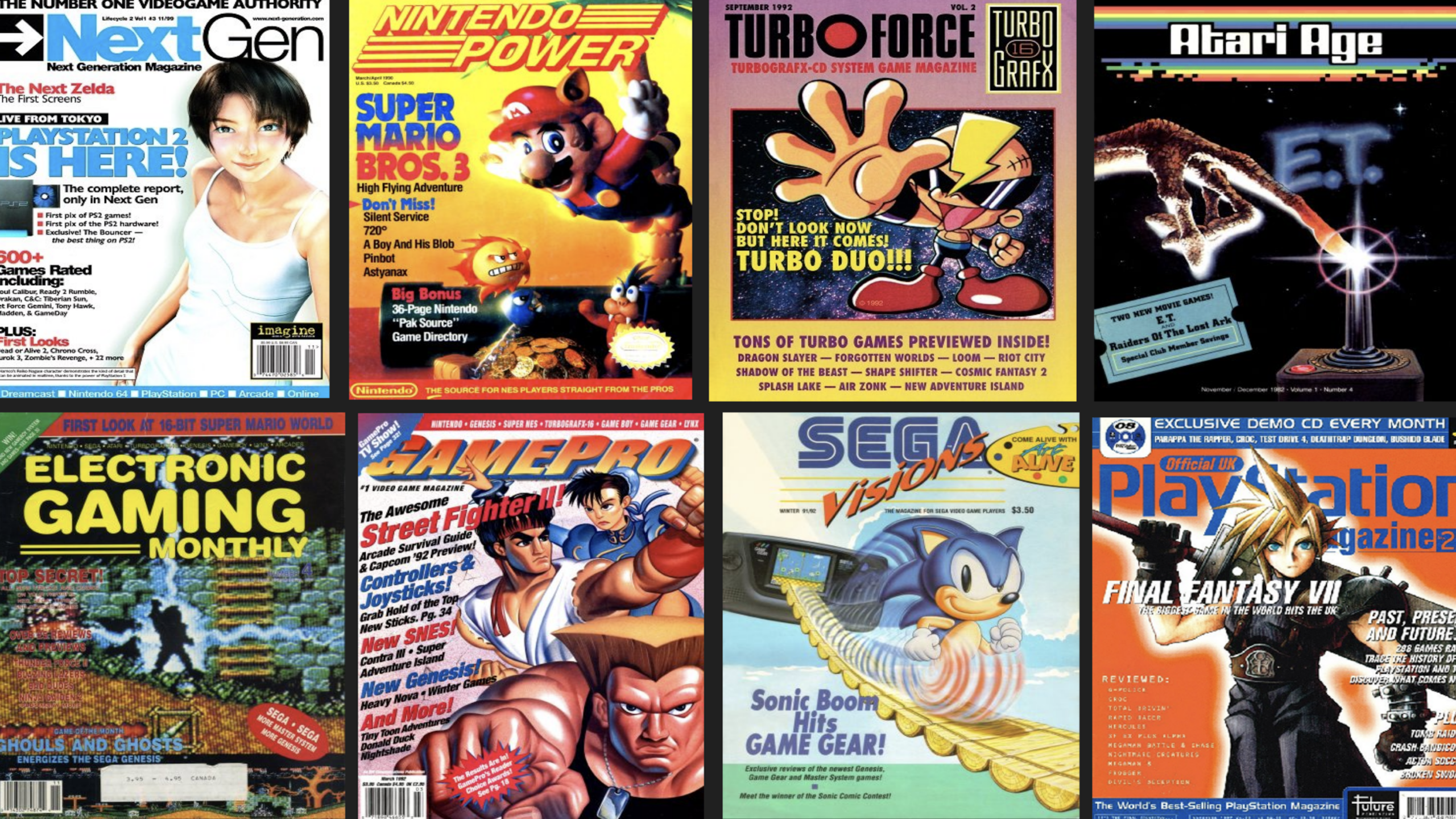
Many bedroom walls were covered with posters from Nintendo Power, GamePro, Electronic Gaming Monthly, and other magazines that gamers collected issue after issue.
12. Cheat Code Notebooks
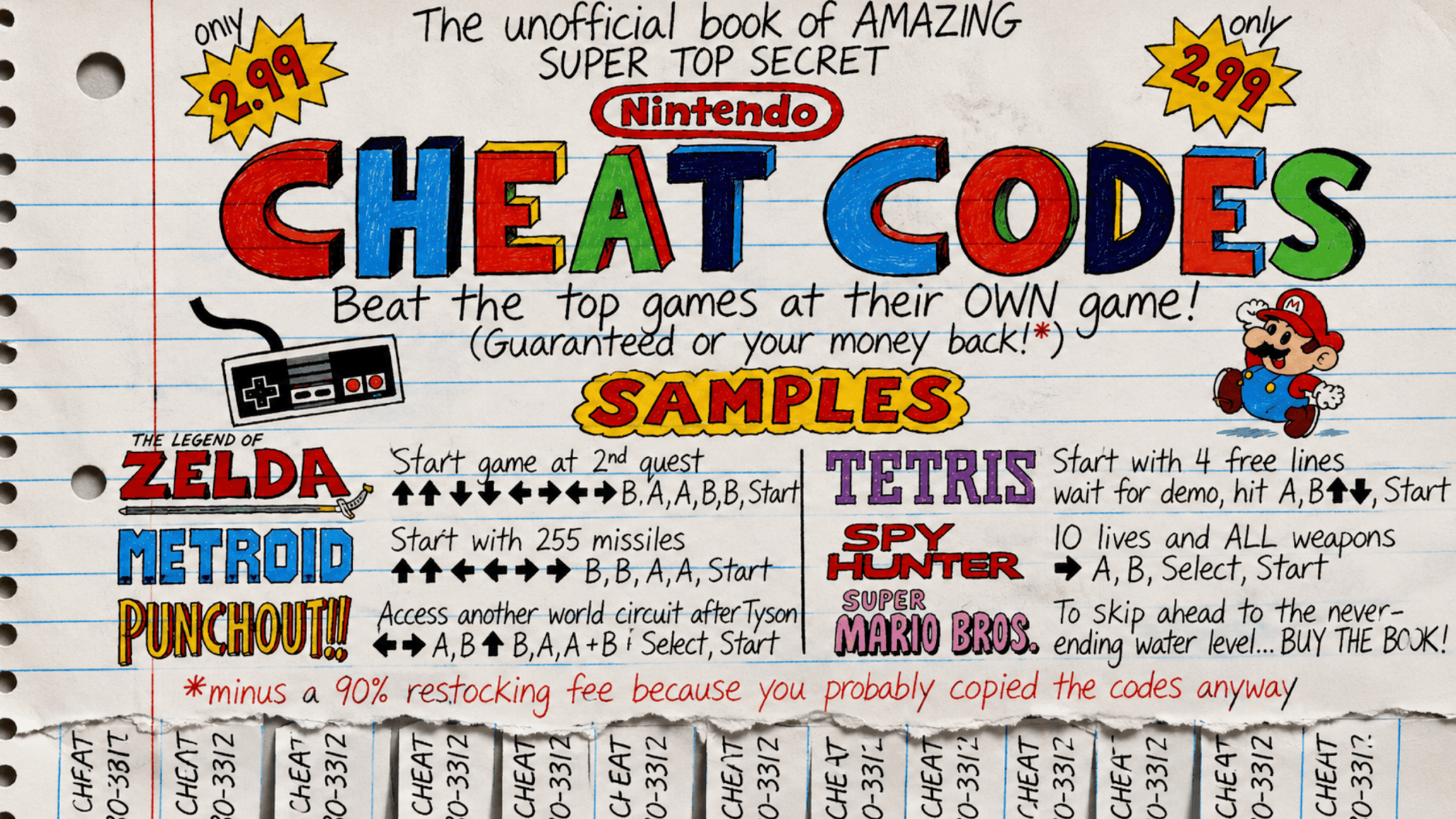
Long before smartphones, players wrote cheat codes, secret characters, unlockables, and button combinations inside notebooks that often became personal gaming survival guides.
13. CD Wallets Filled With Games
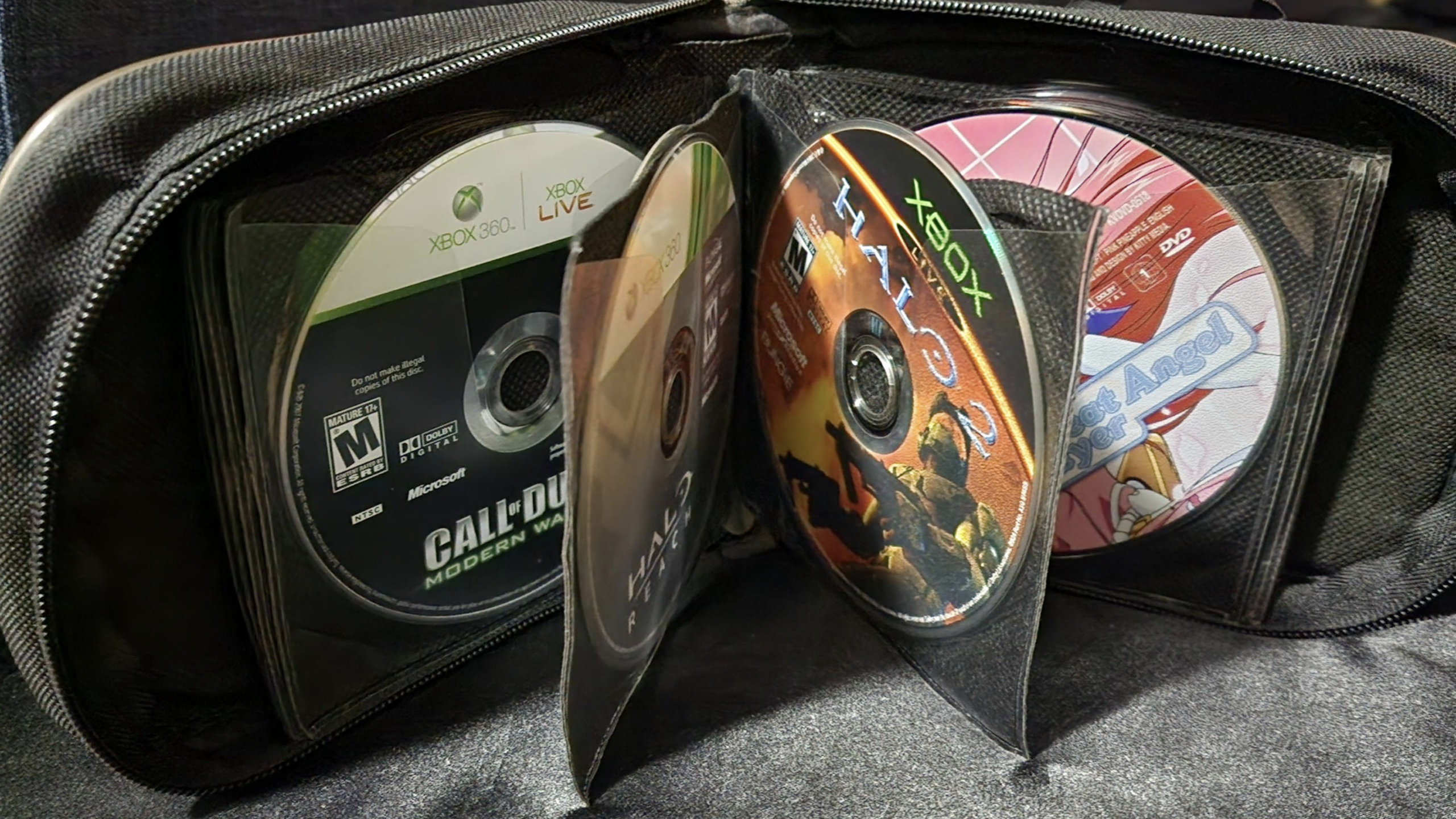
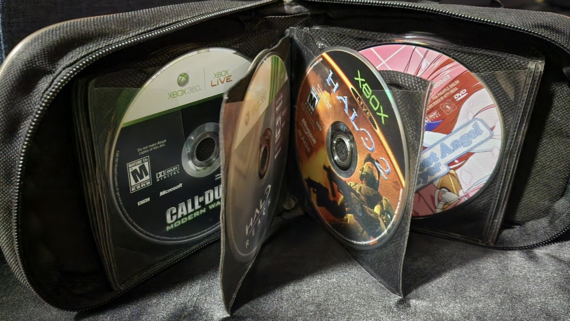
Many gamers stored dozens of PC games, expansion packs, patches, and burned discs inside bulky zippered wallets that traveled everywhere.
14. Gaming Items Like Printed GameFAQs Guides Were Once Everywhere
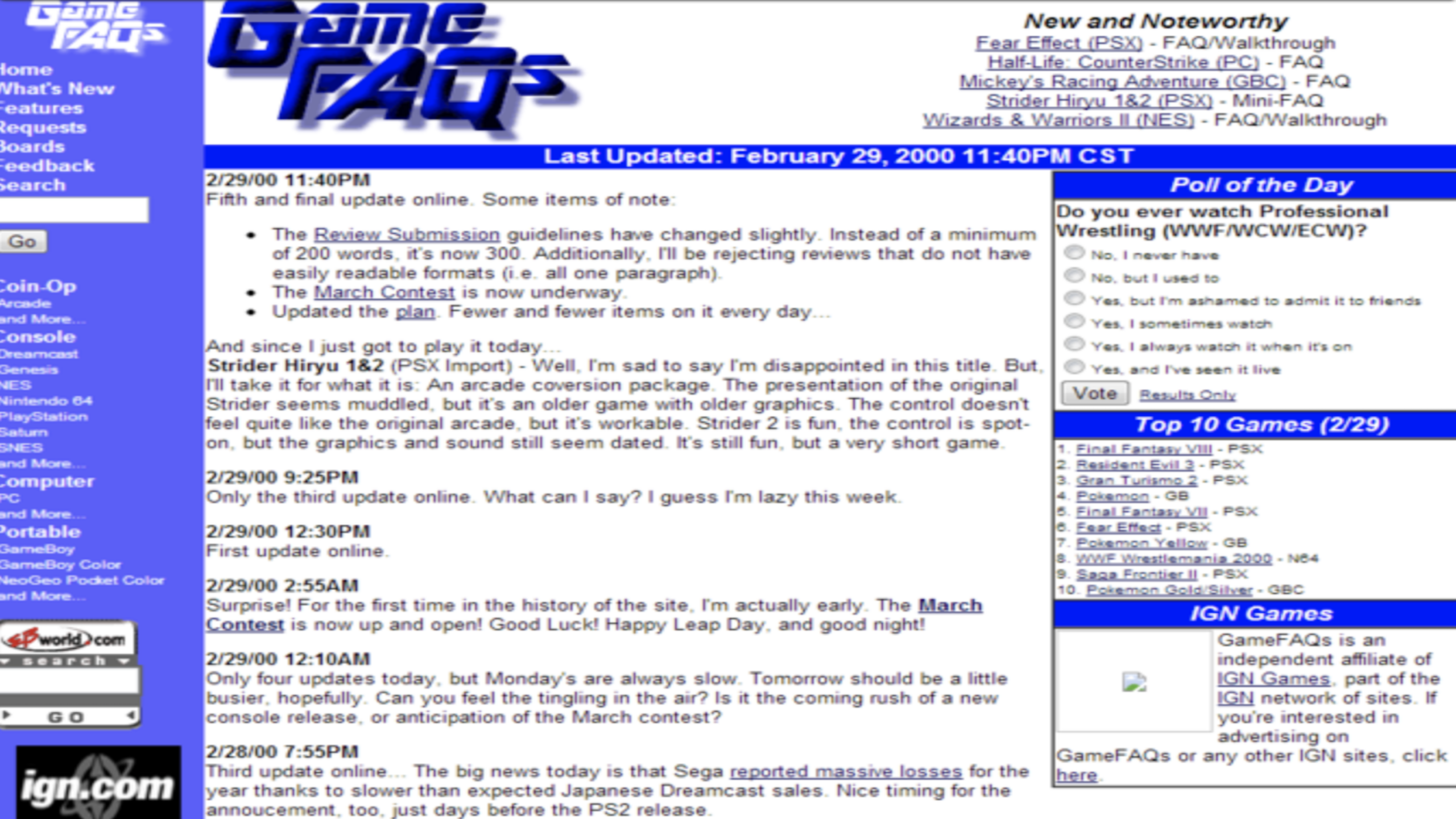
Among the most recognizable gaming items of the dial up era were massive stacks of GameFAQs guides printed at home, usually covered in notes, highlights, and coffee stains.
15. Demo Disc Sleeves
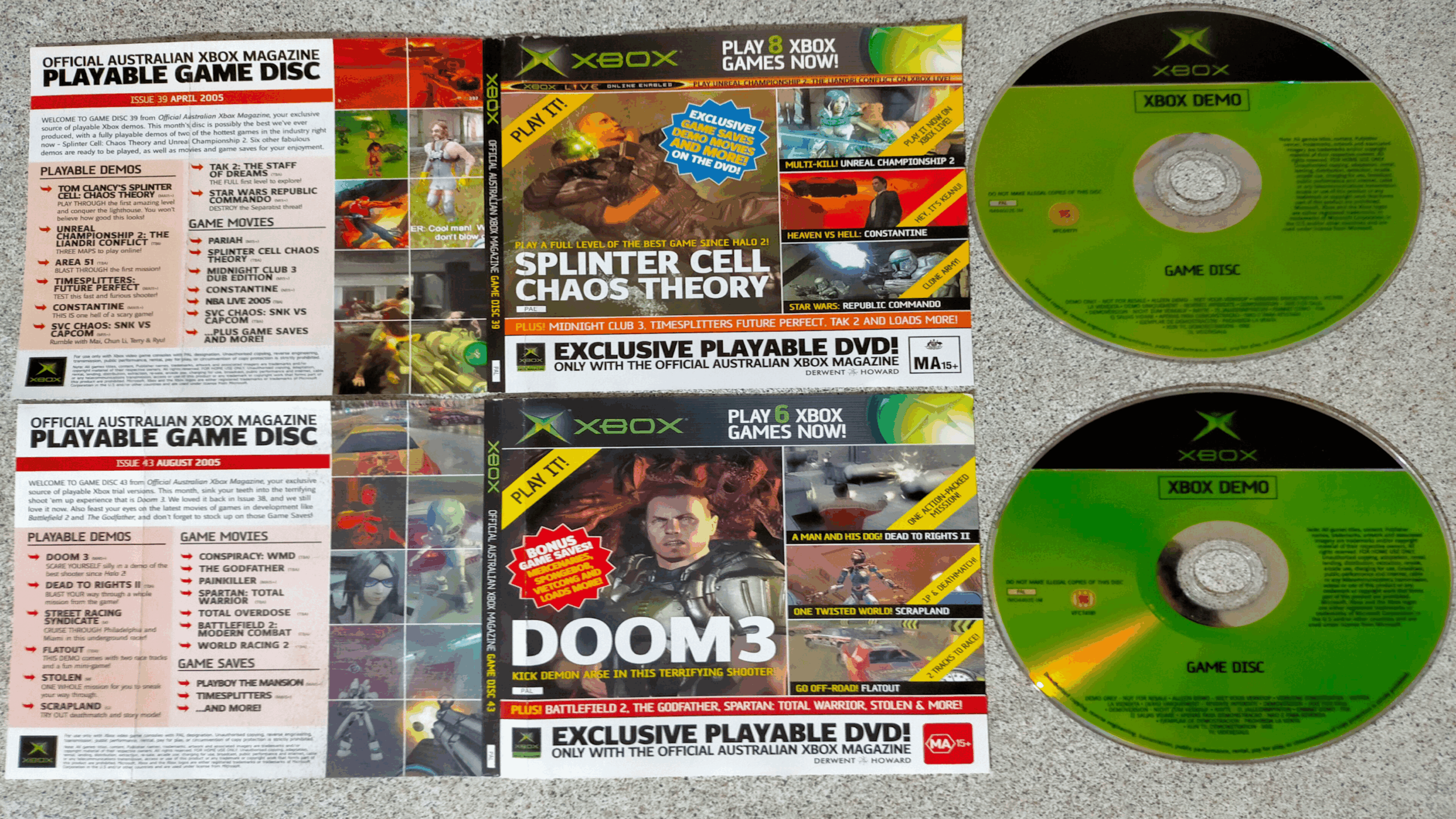
Before downloadable demos became standard, gamers collected paper sleeves packed with discs from magazines like Official U.S. PlayStation Magazine, often discovering new games months before release.