Some unreleased games disappear quietly, known only through old magazine scans, convention footage, or a few blurry screenshots. Others escape. A prototype gets copied, a dev build reaches a forum, a ROM appears on an archive, and suddenly a game that was never meant to be public has a life of its own. Exact player counts are almost impossible to verify with leaks, but these are the cases that traveled far beyond private collector circles and became playable folklore.
Half-Life 2 Beta
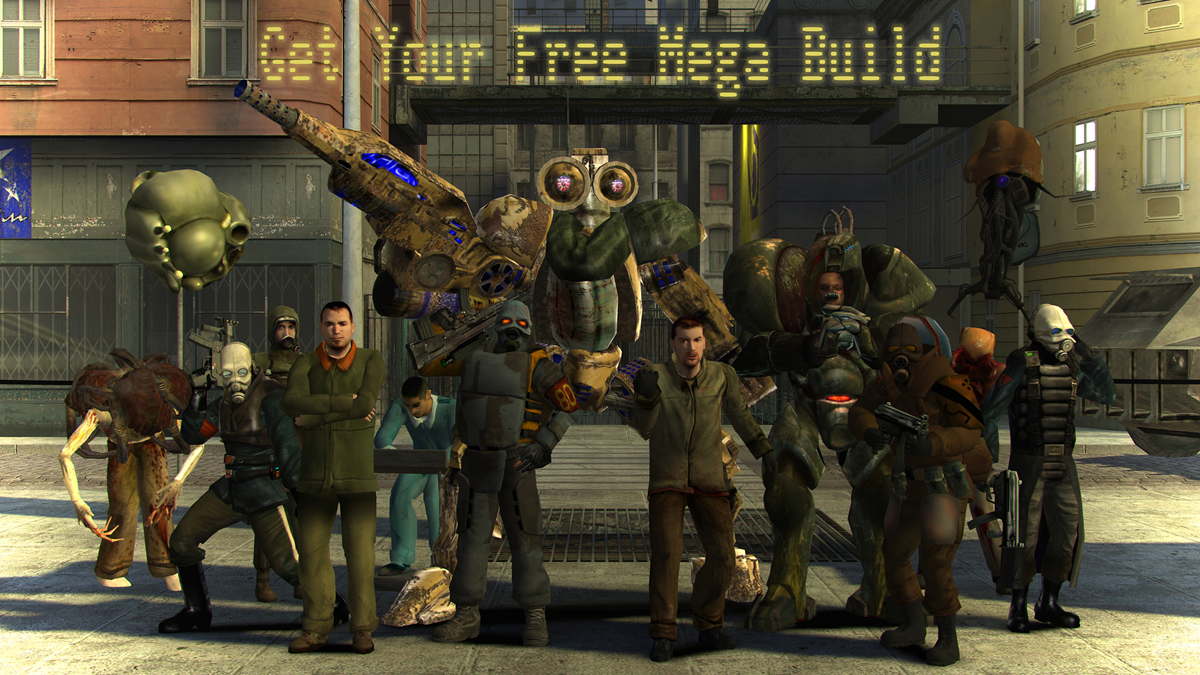
The Half-Life 2 leak was not just a preview that got out early. In 2003, before Valve had released the finished game, a large chunk of its source code and playable development material spread online, exposing unfinished maps, broken systems, test areas, old story fragments, and a version of City 17 that felt stranger and rougher than the one players eventually knew. The leak became a bizarre parallel version of Half-Life 2, passed around by fans who were desperate to see what Valve had been building after years of silence. It was messy, unstable, and obviously unfinished, but that almost made it more fascinating. For some players, the beta became less a stolen build than an archaeological site, a place where they could examine abandoned ideas, cut enemies, alternate layouts, and the scaffolding underneath one of PC gaming’s most anticipated sequels.
Doom 3 E3 Alpha
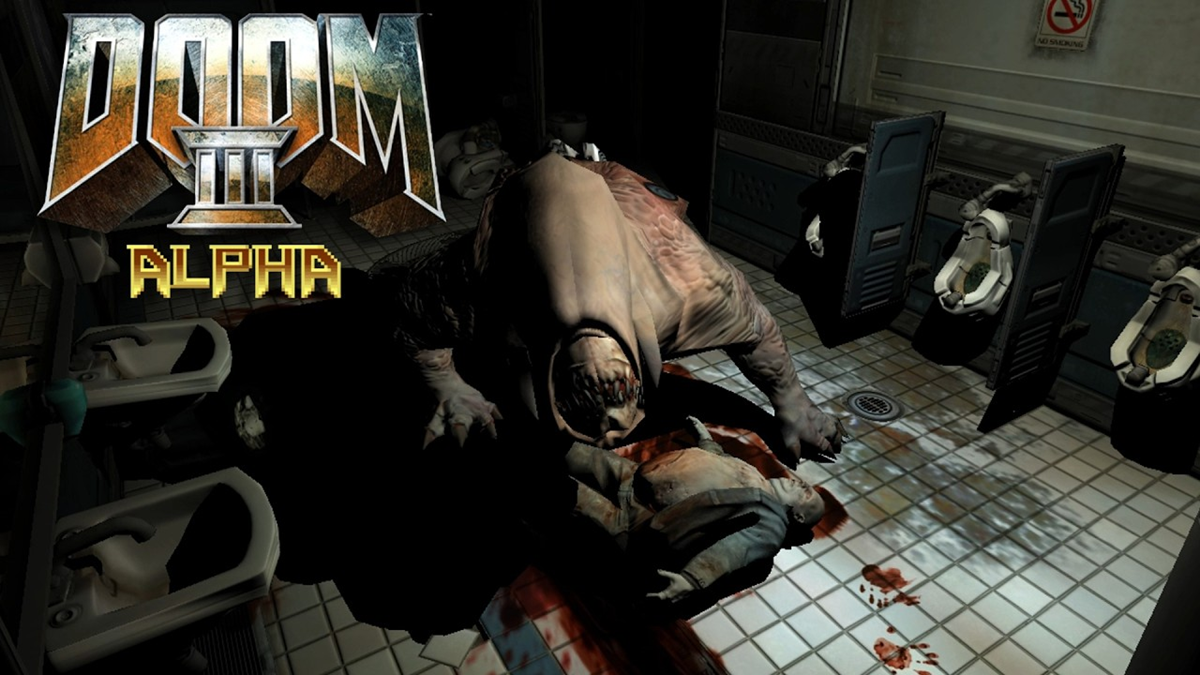
Doom 3’s leaked alpha had the odd power of arriving when screenshots alone could still make people argue about the future of graphics. The build came from around the E3 2002 demo period and was never intended to be played at home, but it quickly spread through file-sharing networks and became a hardware test, a horror curiosity, and a bragging-rights download all at once. It only contained a small slice of the game, and it was hardly polished, but it let players wander through id Software’s lighting-heavy vision before the studio had finished shaping it. Plenty of people treated it less like piracy and more like touching a forbidden tech demo. That distinction did not matter legally, of course, but culturally it explains why the alpha stayed in memory for so long.
Crysis 2 Beta
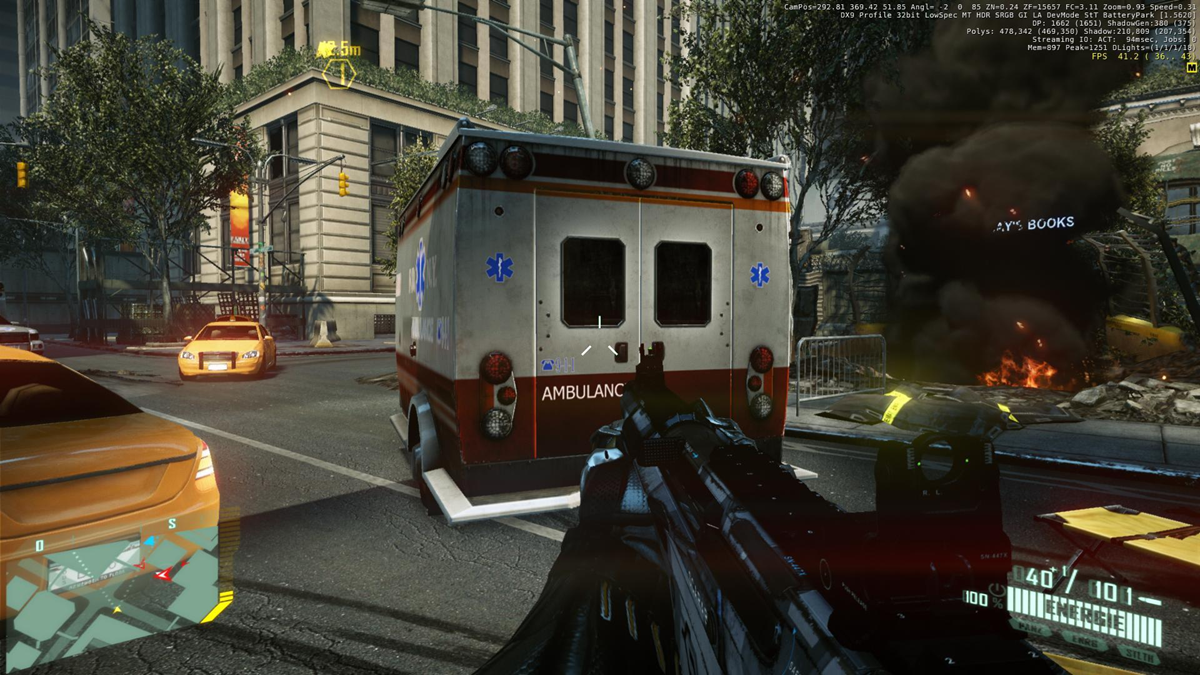
The Crysis 2 leak landed with a different kind of awkwardness. This was not a decades-old cartridge or a canceled game from a dead platform, it was a modern blockbuster that was still weeks away from release. In February 2011, a PC development version appeared online, reportedly playable from beginning to end and including multiplayer content. Crytek and EA were understandably furious, because the leak arrived at exactly the moment when the studio wanted to control impressions of the game’s performance, polish, and technology. For players, though, the temptation was obvious. Crysis had become shorthand for impossible PC requirements, and an unfinished copy of its sequel immediately became something people wanted to test, dissect, and compare against the final product.
Warcraft Adventures: Lord of the Clans
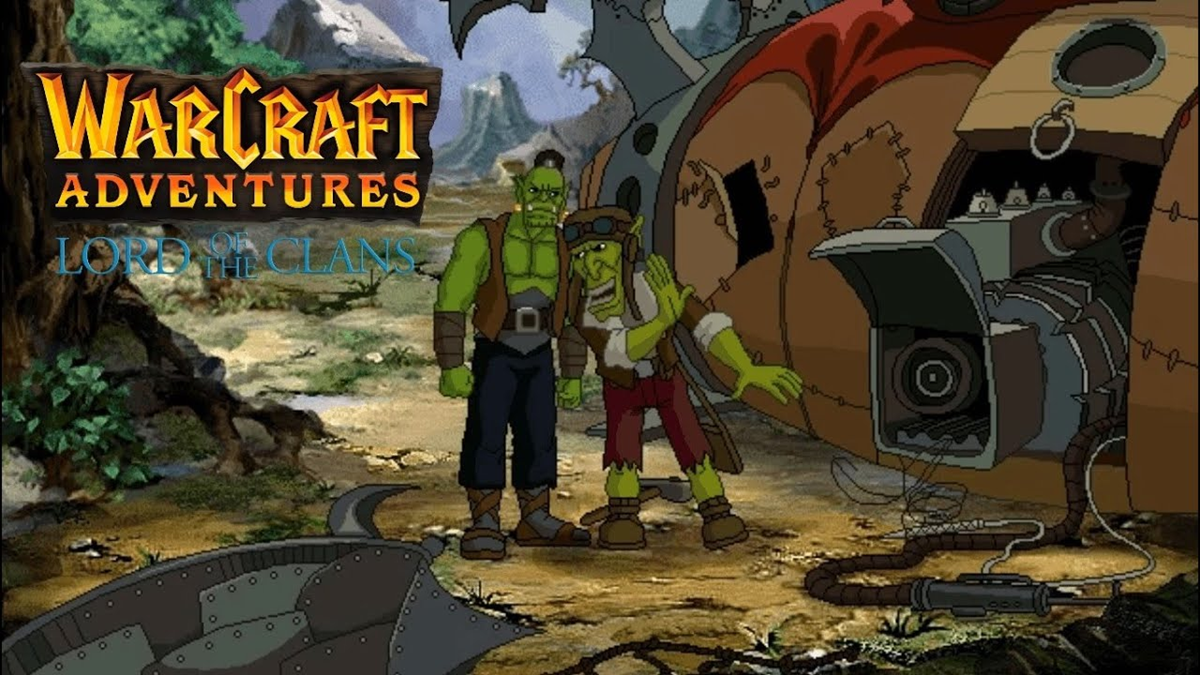
For years, Warcraft Adventures felt like one of those canceled games that existed mostly in retellings. Blizzard had built a point-and-click adventure about Thrall, then canceled it in 1998 because the company no longer believed it met its standards. When a near-complete version leaked in 2016, it was not some tiny prototype with two rooms and missing dialogue. It had animation, voices, puzzles, cinematics, and enough structure for people to actually play through the thing that Blizzard had buried. The strange part is that it did not feel like a disaster. It felt like a mid-90s adventure game, sometimes stiff, sometimes charming, very much from its time. That may be why the leak had such a long tail, it turned a corporate cancellation story into something players could judge for themselves.
StarCraft: Ghost
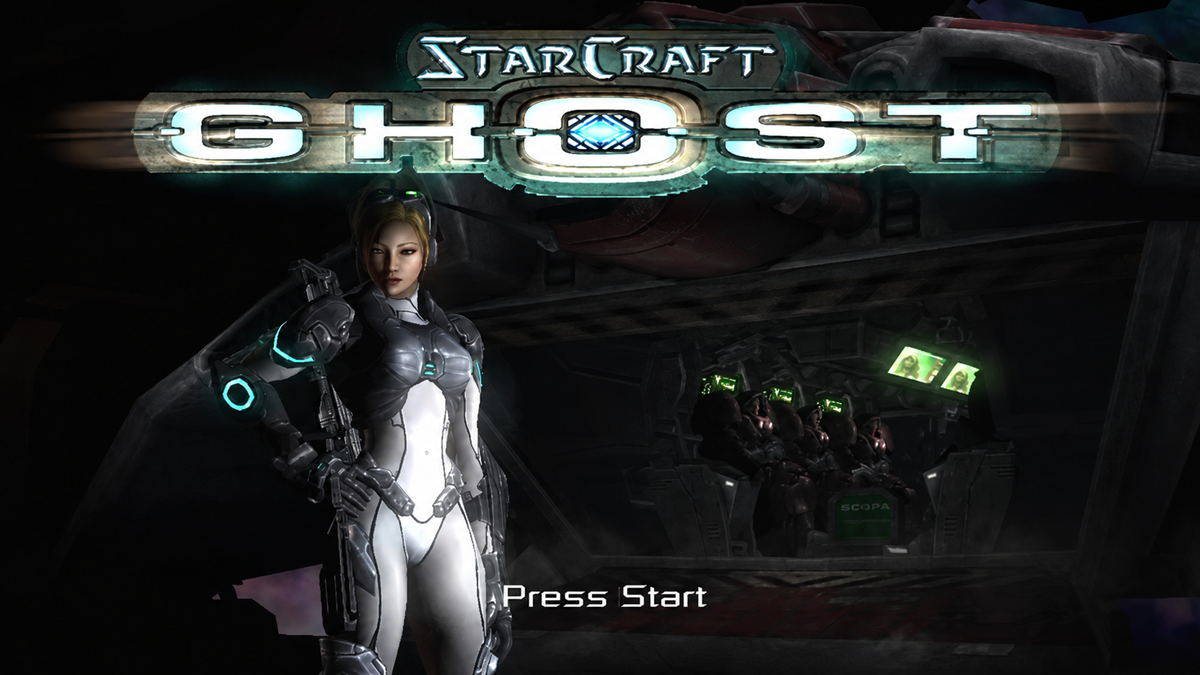
StarCraft: Ghost had already become a punchline by the time a playable Xbox build surfaced. Blizzard announced the stealth-action spin-off in the early 2000s, showed Nova sneaking around in third person, then gradually let the project fade into “indefinite hold” territory. When the leaked build appeared online in 2020, the reaction was not just excitement. It was relief, curiosity, and a little bit of “so this is what all the waiting was about.” The build looked like an action game from its era, with rough edges, familiar genre habits, and enough playable material to make the cancellation feel more concrete. It did not answer every old question about whether Ghost could have worked, but it gave fans something better than speculation.
Trending on realmoneygamer.com
GoldenEye 007 XBLA
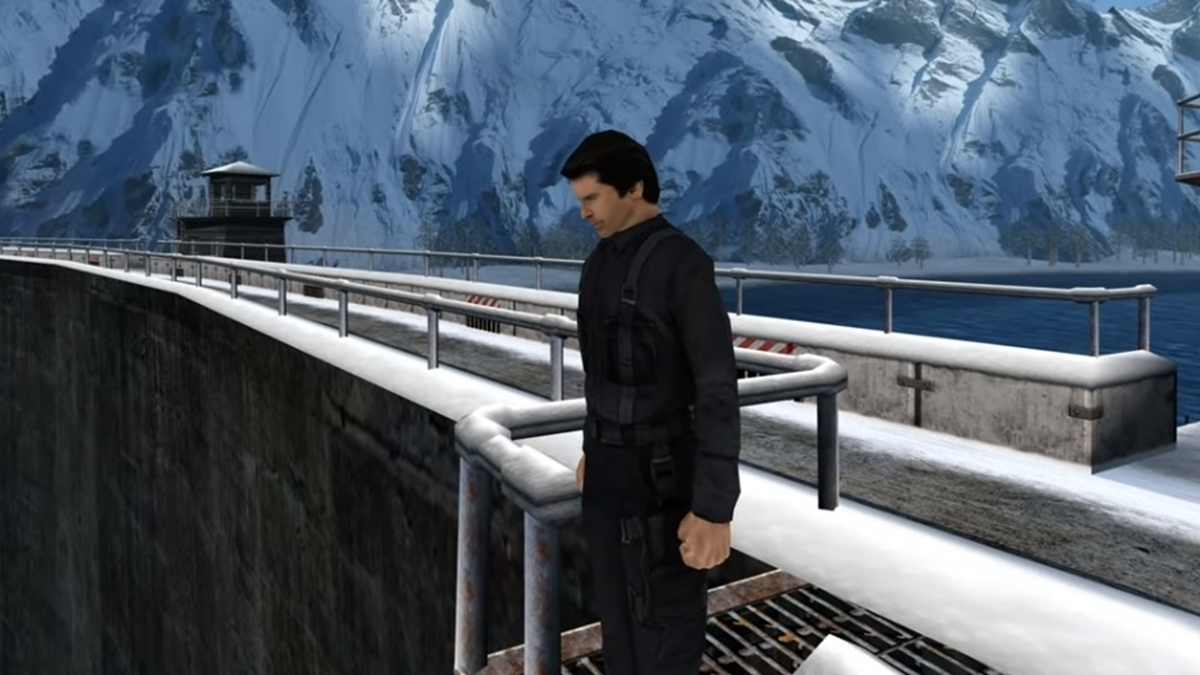
Few unreleased games have had a more frustrating afterlife than Rare’s Xbox Live Arcade version of GoldenEye 007. The remaster was real, it was playable, and it looked like exactly the kind of clean, convenient update fans had wanted, with the ability to switch between updated visuals and the original Nintendo 64 look. Licensing problems kept it from release, leaving the project trapped between companies, rights holders, and business arrangements that players could not do anything about. When the build leaked in 2021, it felt less like discovering a prototype and more like opening a locked cabinet. The game was not a vague concept anymore. It was there, running in emulation, making the years of “what happened?” feel even more irritating.
Dinosaur Planet
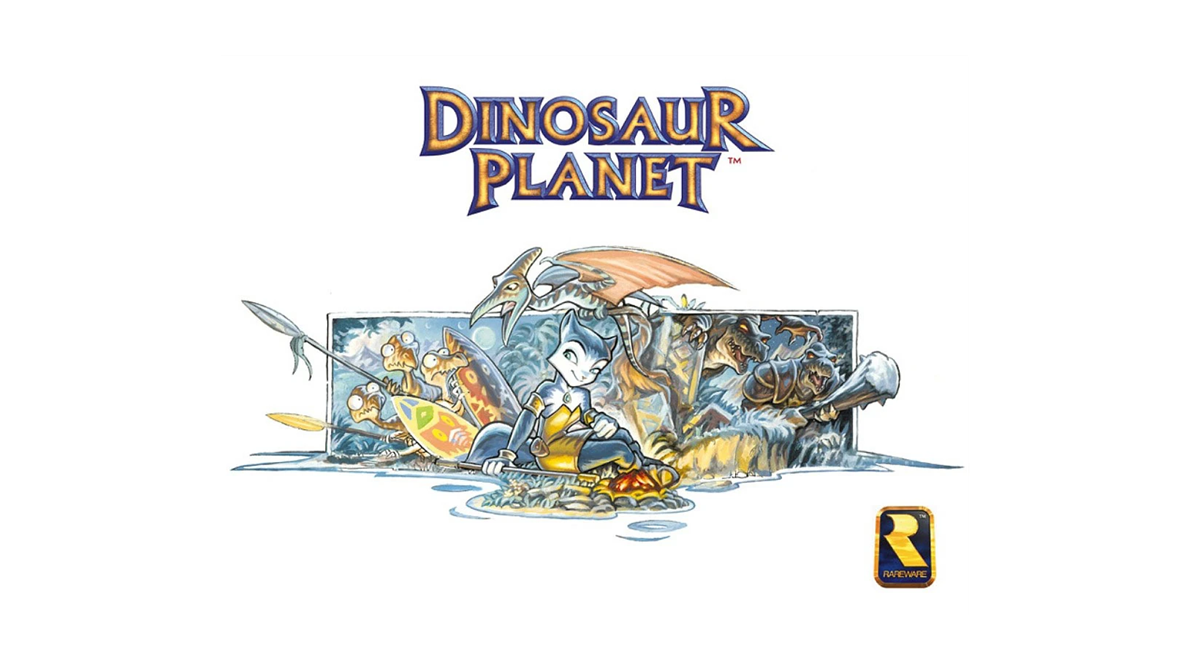
Before it became Star Fox Adventures, Dinosaur Planet was Rare’s ambitious late Nintendo 64 project, built around original characters, a large fantasy world, and the kind of late-generation polish that made people wonder how much more the hardware could take. The leaked build that appeared in 2021 was playable but incomplete, with crashes, unfinished sections, and traces of the transition toward Star Fox already visible. That made it especially interesting. Players were not just seeing a canceled game, they were seeing a game mid-mutation, with Krystal, Sabre, Fox McCloud, and Rare’s shifting plans all occupying the same awkward space. It is one of those leaks where the imperfections are the point. A clean final build would almost tell a less revealing story.
Resident Evil 1.5
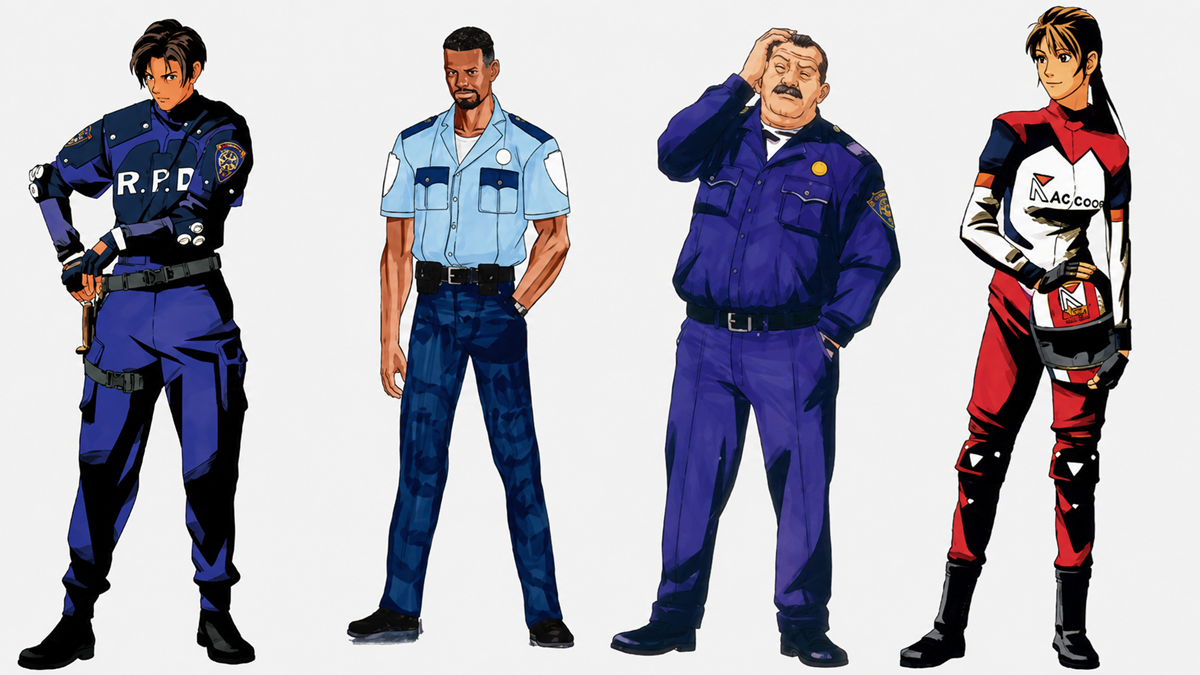
Resident Evil 1.5 is the name fans gave to the scrapped version of Resident Evil 2, the one with Elza Walker instead of Claire Redfield and a police station that looked much less theatrical than the final RPD. Capcom restarted development after the project was reportedly far along, and for years the canceled version survived through screenshots, rumors, and obsessive forum discussion. When a playable build finally leaked in 2013, it was not the complete lost masterpiece some people had imagined, but it was enough. Enough to explore rooms, understand the different tone, and see why Capcom may have decided the game needed a full rethink. Sometimes a leak does not prove that a canceled version was better. It proves that cancellation was complicated.
Thrill Kill
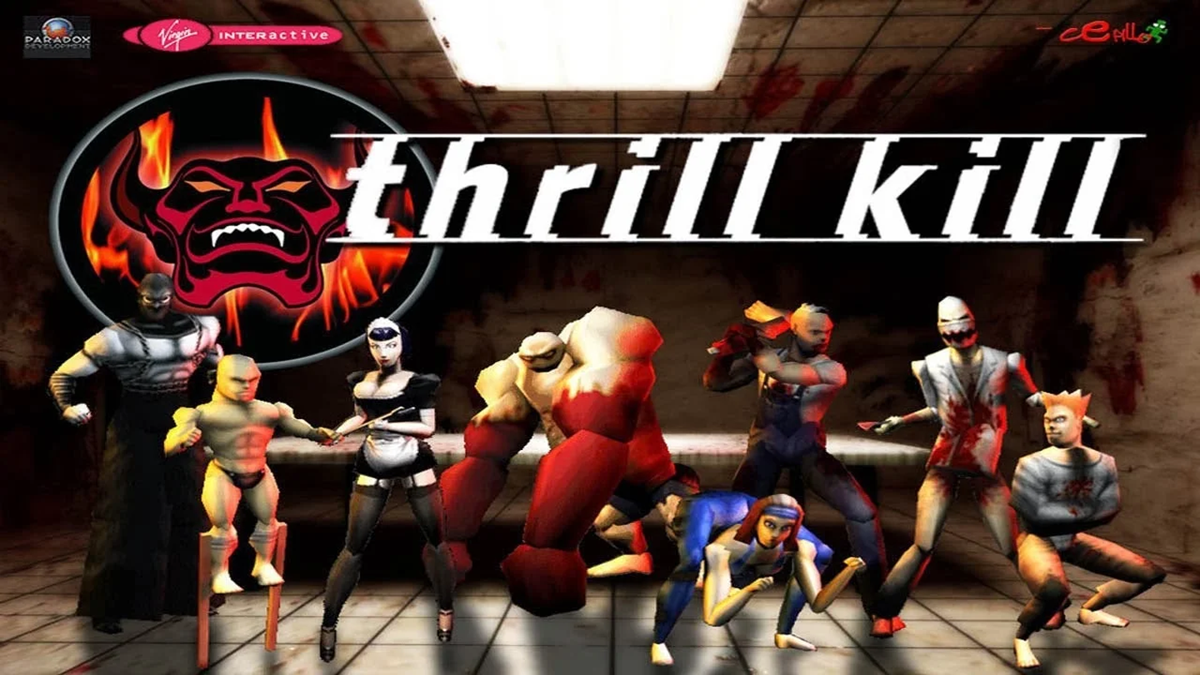
Thrill Kill had the kind of reputation that only a banned, unreleased PlayStation fighting game could have in the late 90s. It was violent, ugly, deliberately tasteless, and canceled after Electronic Arts acquired Virgin Interactive’s North American operations. Then it leaked, and the game became far more famous than it probably would have been as a normal retail release. Burned discs, emulator copies, and playground-level rumors gave it a second life. The funny part is that once people actually played it, the scandal was often more interesting than the mechanics. Still, that was enough. Thrill Kill became a fixture of “games they didn’t want you to play” lists for a reason.
Duke Nukem Forever 2001
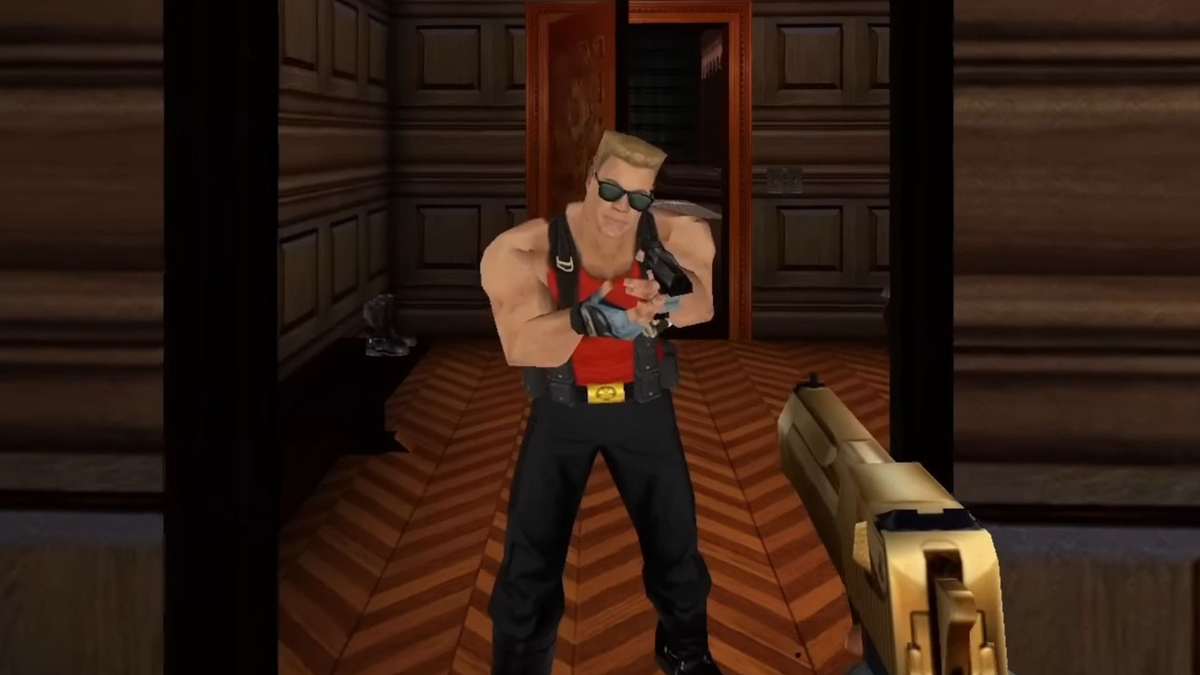
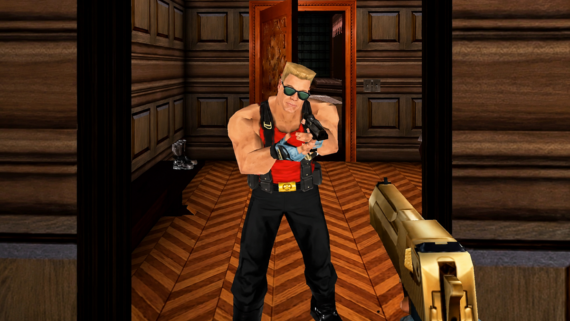
The 2001 build of Duke Nukem Forever carried an unfair amount of emotional baggage. It represented the version fans had imagined after the E3 trailer, before the endless delays, engine changes, lawsuits, studio trouble, and the eventually released 2011 game turned the name into shorthand for development hell. When the build leaked in 2022, it was playable enough to explore but unfinished enough to break the fantasy. There were interactive bits, atmospheric levels, interesting weapons, and signs of a shooter that might have landed well in its original era. There were also bugs, gaps, and half-implemented ideas everywhere. In a way, that made it more honest than the myth.
Sonic X-treme
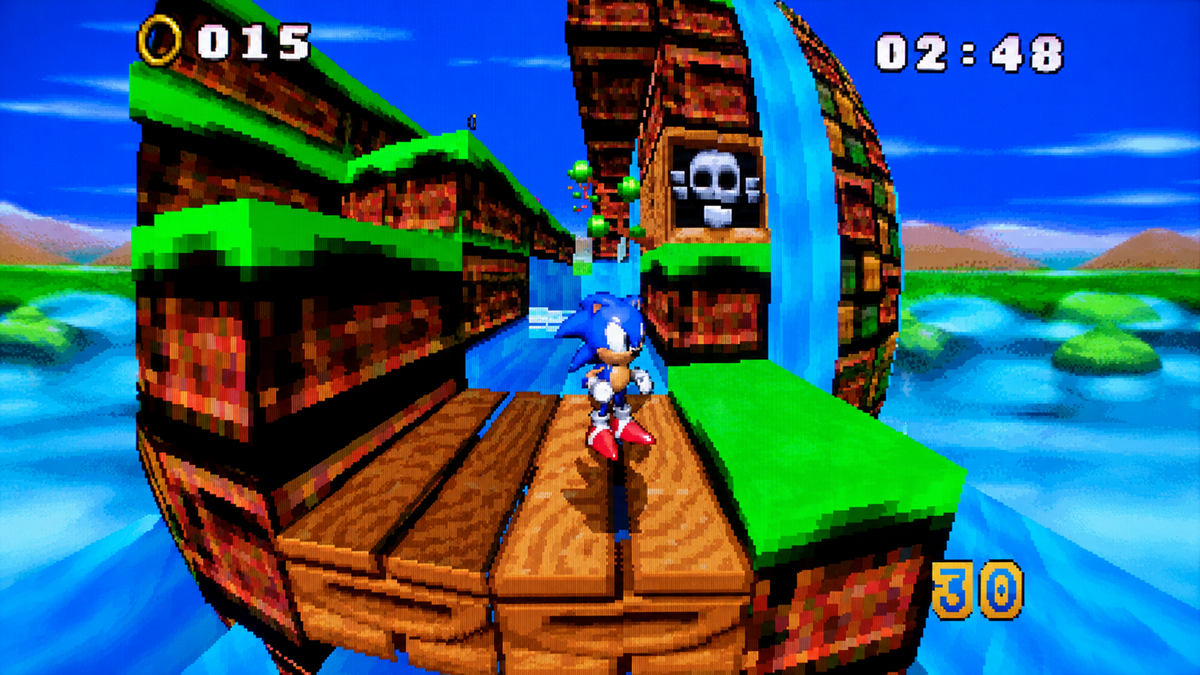
Sonic X-treme never had one clean, definitive leaked version that solved the mystery. Instead, fans got fragments, tech demos, prototypes, recovered discs, tools, and later fan efforts to make pieces run on modern machines. That fits the game’s messy history. Sega needed a major 3D Sonic title for the Saturn, but the project collapsed under technical problems, internal pressure, and shifting direction. The leaked and recovered builds do not offer a complete lost Sonic adventure. They offer glimpses of competing ideas, fisheye cameras, experimental movement, and a studio trying to solve a problem nobody had quite solved yet.
Rayman 4
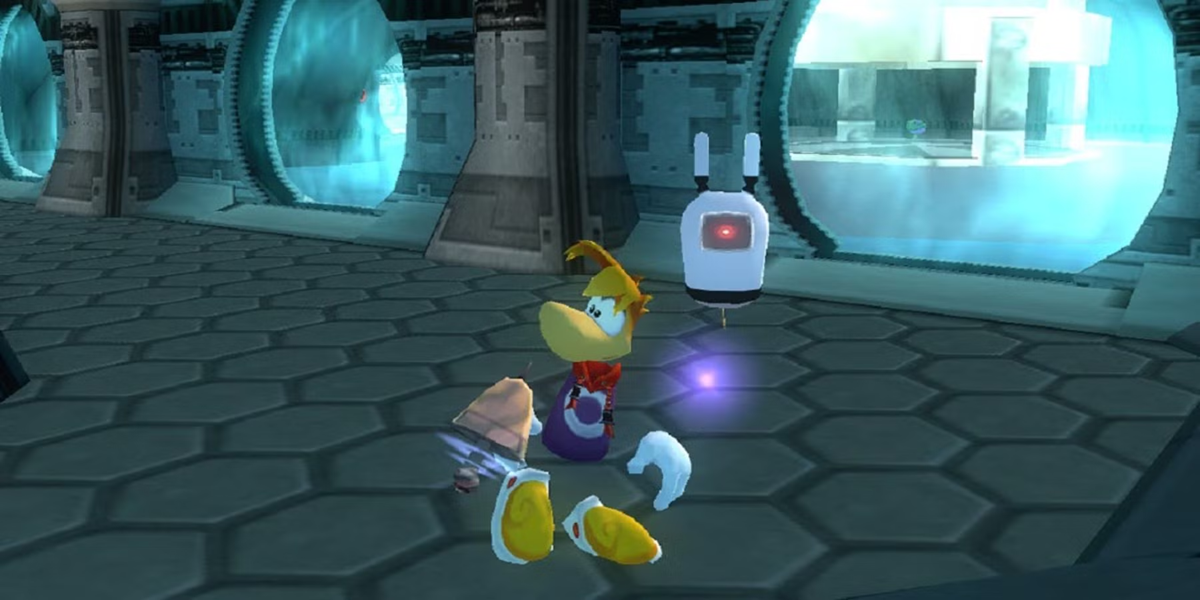
The canceled Rayman 4 prototype is one of the more recent examples of a familiar pattern, a mainline sequel disappears, then years later its remains show up and make fans wonder what kind of franchise path was lost. The leaked material revealed an unfinished 3D platformer with tools, levels, mechanics, and the early Rabbids before they became the center of a different game entirely. It is not hard to see why fans were fascinated. Rayman did not simply lose a sequel here, he lost a version of the future where the series kept moving as a character-driven platform adventure instead of being overtaken, at least for a while, by screaming rabbits.
A Small Note on Leaked Games
These leaks sit in an uncomfortable place. They preserve work that might otherwise vanish, and they let players understand game history in a way trailers and press releases rarely can. They also involve material that studios, developers, publishers, and rights holders did not authorize for public release. That tension is why unreleased games remain so compelling and so messy. The internet remembers them as discoveries, but for the people who made them, they were often unfinished drafts dragged into public view.
Continue Reading: 12 Times Game Studios Used Fake Leaks to Build Hype