Game industry flops are rarely just bad products. They are usually bad timing, bad pricing, bad logistics, overconfidence, or a company reading the market a little too late. Some losses were clean and measurable, a warranty charge, a write-off, a revenue miss. Others were messier, buried inside annual reports, layoffs, inventory liquidations, and strategic retreats that changed what those companies became.
Atari’s E.T. and the Crash That Took Warner Down With It
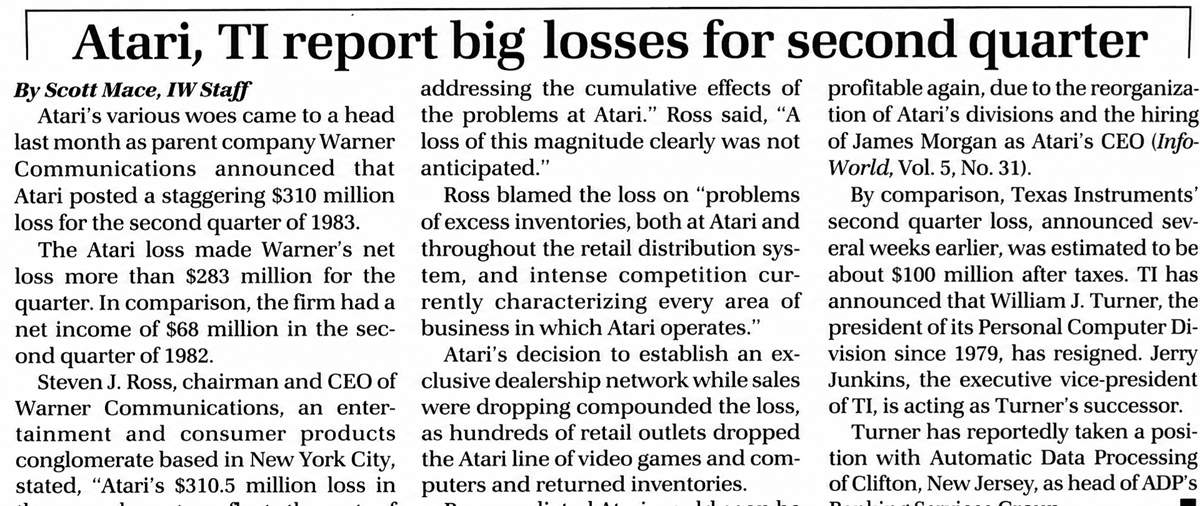
The famous landfill story makes Atari’s E.T. feel like a single-game disaster, but the financial wound was much wider than one rushed movie tie-in. Warner Communications, Atari’s parent company, saw the business collapse in 1983 as retailers returned unsold stock, consumers lost trust, and Atari’s earlier Pac-Man overproduction had already strained the channel. The figure usually attached to the damage is about $536 million in losses at Atari by the end of 1983, a staggering reversal for a division that had been treated as Warner’s growth engine only a short time earlier. E.T. did not single-handedly destroy the company, but it became the easiest symbol for a breakdown that included bad forecasts, too many cartridges, and a retail market that suddenly wanted nothing to do with them. Warner sold Atari’s consumer business to Jack Tramiel in 1984, which says more about the real cost than the landfill ever could.
Mattel Electronics and the Intellivision Comedown
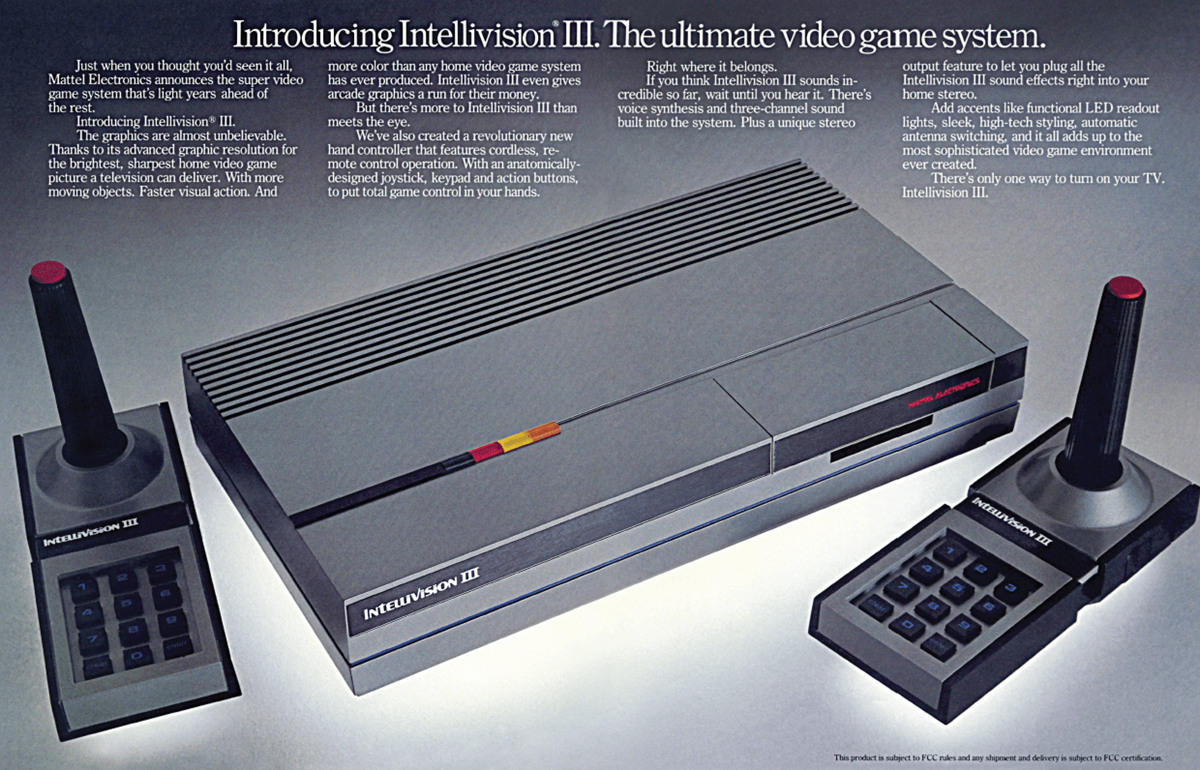
For a while, Intellivision looked like the more refined answer to Atari. The George Plimpton ads made the console feel smarter, more adult, almost respectable in a way early game marketing rarely managed. Then the 1983 crash hit, and Mattel Electronics found itself holding inventory, canceling hardware plans, cutting staff, and watching a once-promising division turn into a drag on the toy giant. Mattel’s video game losses for 1983 are commonly reported at roughly $394 million, which is the kind of number that makes corporate patience disappear fast. By early 1984, the Intellivision business had been sold off, and Mattel went back to being much more careful about where Barbie’s money was being spent.
3DO and the Console That Couldn’t Afford Its Own Business Model
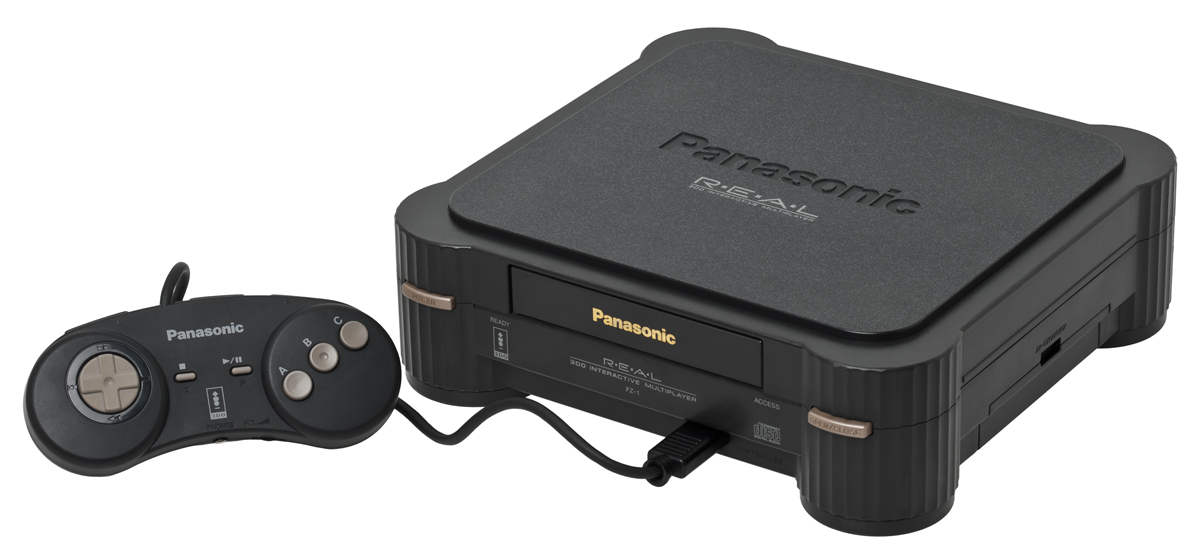
The 3DO Interactive Multiplayer had a strange problem for a console, its pitch made more sense in boardrooms than in living rooms. The company wanted to license the hardware model instead of manufacturing everything itself, but that meant partners needed to sell the machine at a profit rather than take the kind of hardware loss Sony, Sega, or Nintendo could absorb. The result was a high retail price, thin software momentum, and a platform that never became the standard Trip Hawkins had imagined. In 1997, 3DO sold its hardware business to Samsung in a deal reported at $20 million in cash and moved toward software. The exact total cost of the failed console strategy was never wrapped into one clean public number, but the retreat from hardware was the financial admission that mattered.
Sega Saturn and the Price of Losing Retail Trust
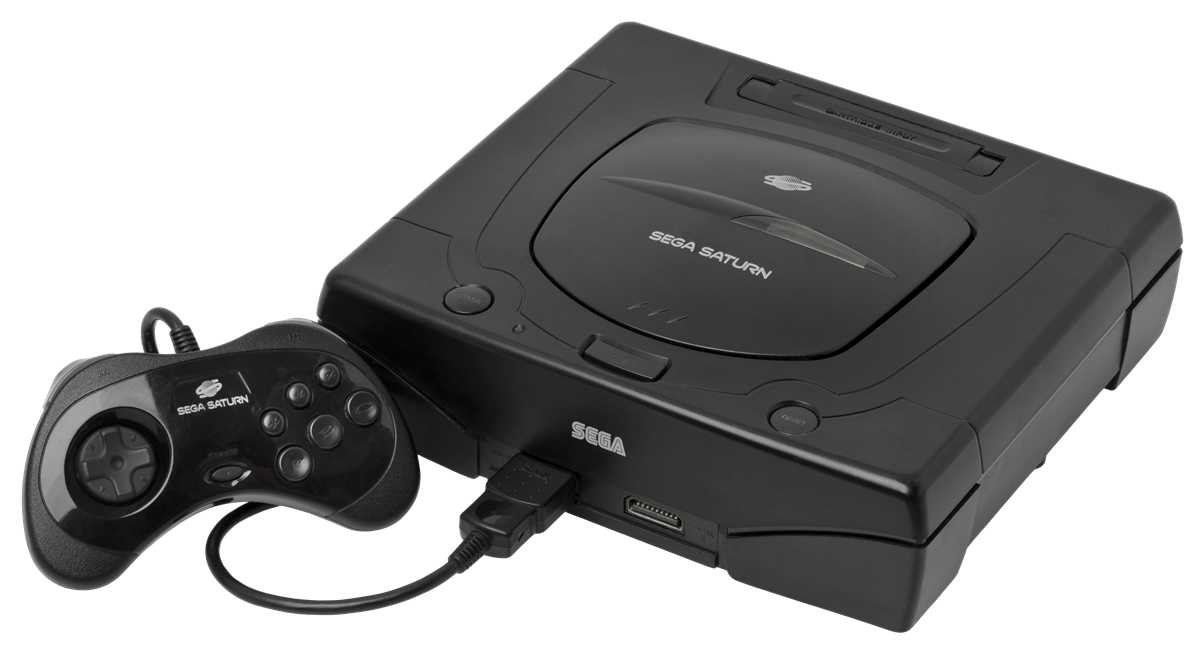
The Sega Saturn did not fail because it lacked good games. In Japan, it had real life, especially with arcade conversions and a loyal audience. The Western story was rougher, starting with a surprise U.S. launch in May 1995 that annoyed retailers left out of the early rollout and confused customers who were still waiting for the announced September date. Sega then had to fight Sony’s cheaper, cleaner PlayStation pitch while carrying the baggage of the Sega CD and 32X. By the late 1990s, the numbers had turned ugly, with Sega reporting a ¥43.3 billion net loss for fiscal 1998 as consumer product sales sank sharply. The Saturn’s commercial failure did not just cost Sega money, it made the Dreamcast start its life with less room for mistakes.
Sega Dreamcast and the Last Console Sega Could Afford
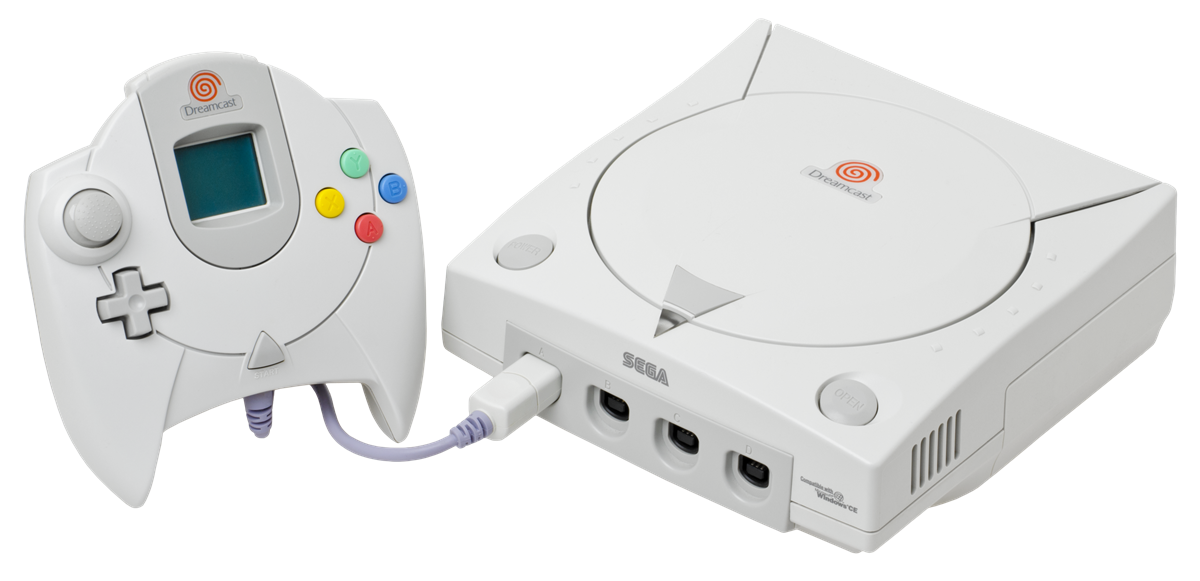
There is a strange sadness around Dreamcast because the machine itself was not a joke. It had online play before most console players cared, a sharp arcade identity, and a launch lineup that gave Sega fans reasons to believe again. But Sega was already weakened by the Saturn years, and the Dreamcast had to compete against the PlayStation 2 before Sony’s console even arrived, because DVD playback and brand momentum were already shaping the conversation. In January 2001, Sega announced it would stop Dreamcast hardware production and shift fully into software. The financial cost was not a neat single line, but the business cost was clear enough, Sega left the console market entirely.
Trending on realmoneygamer.com


Nintendo Virtual Boy and the Small Failure That Still Hurt
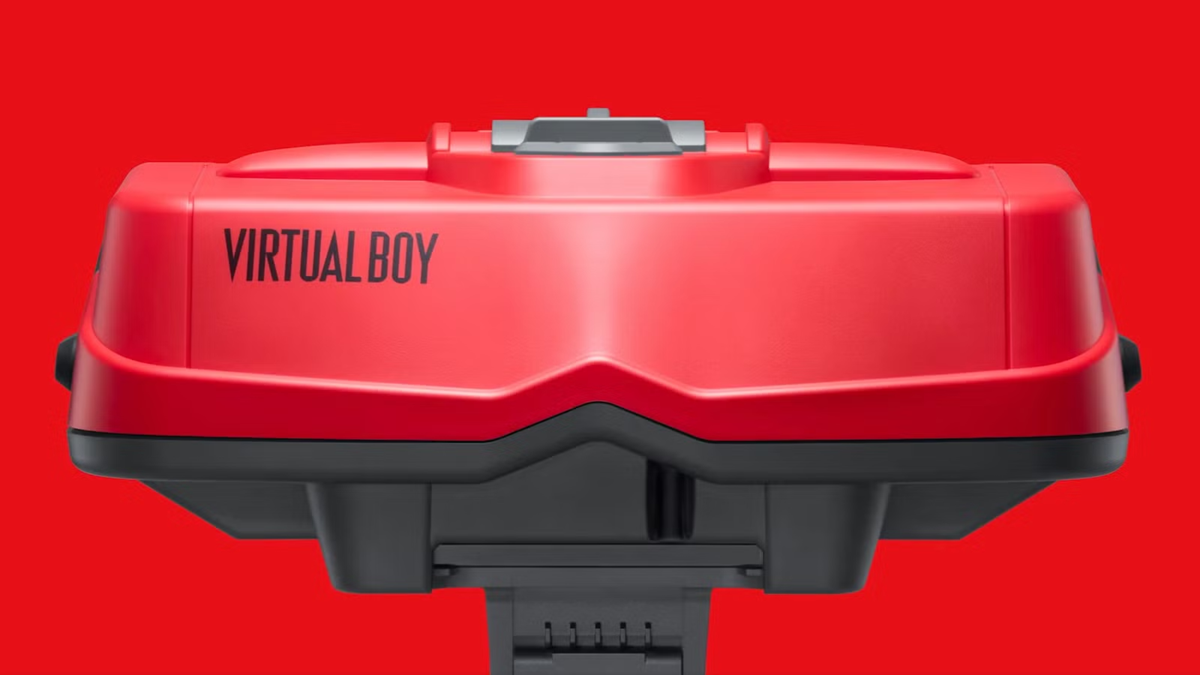
The Virtual Boy is sometimes treated like a quirky side note because Nintendo survived it so easily. That makes the flop sound gentler than it was. Released in 1995 and discontinued quickly, it sold only about 770,000 units worldwide, making it Nintendo’s lowest-selling standalone console. The company never published a clean loss figure for the project, but the cost showed up in price cuts, abandoned development, and the speed with which Nintendo moved attention back toward the Nintendo 64 and Game Boy.
Sony PlayStation 3 and the Expensive Bet on Blu-ray and Power
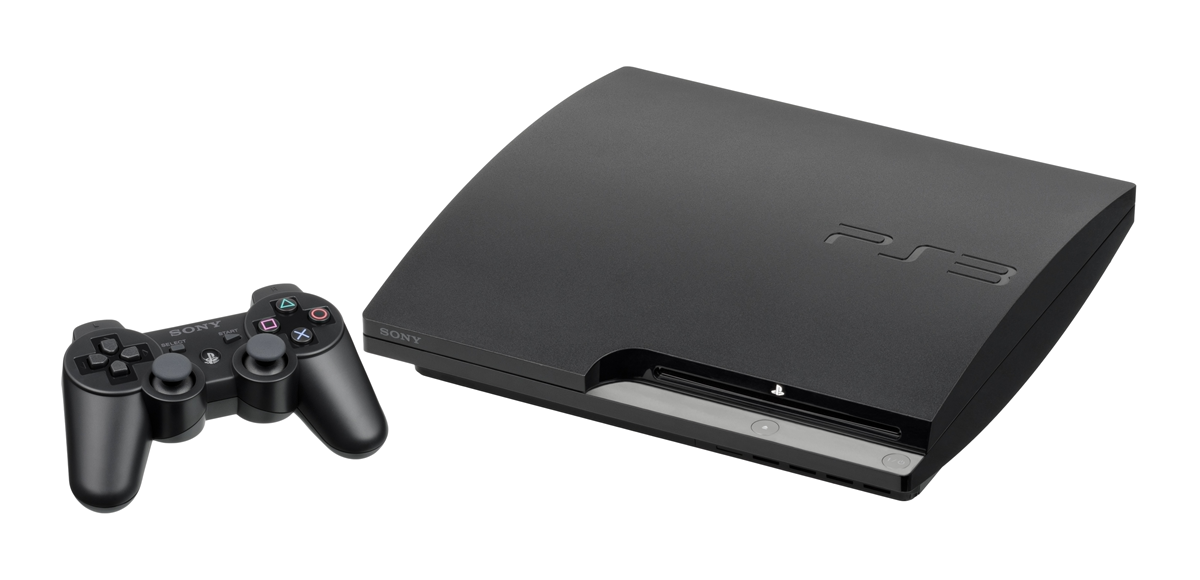
The PlayStation 3 was not a commercial failure in the final lifetime-sales sense, but financially, its early years were brutal enough to belong in this conversation. Sony launched with expensive hardware, a complex Cell processor, Blu-ray support, and a price that made the Xbox 360 and Wii look more approachable. The strategy was partly defensive, Sony wanted Blu-ray in homes and wanted PlayStation to remain a premium entertainment platform, but the console was sold at a loss while software momentum took time to build. Reports in 2008 put Sony’s PS3-related losses since launch at about $3.3 billion, driven by the gap between the machine’s manufacturing cost and its retail price. Later redesigns, better software, and a long tail helped PS3 recover reputationally, but the early financial hit was real and unusually visible.
Microsoft’s Original Xbox and the Bill for Buying a Seat at the Table
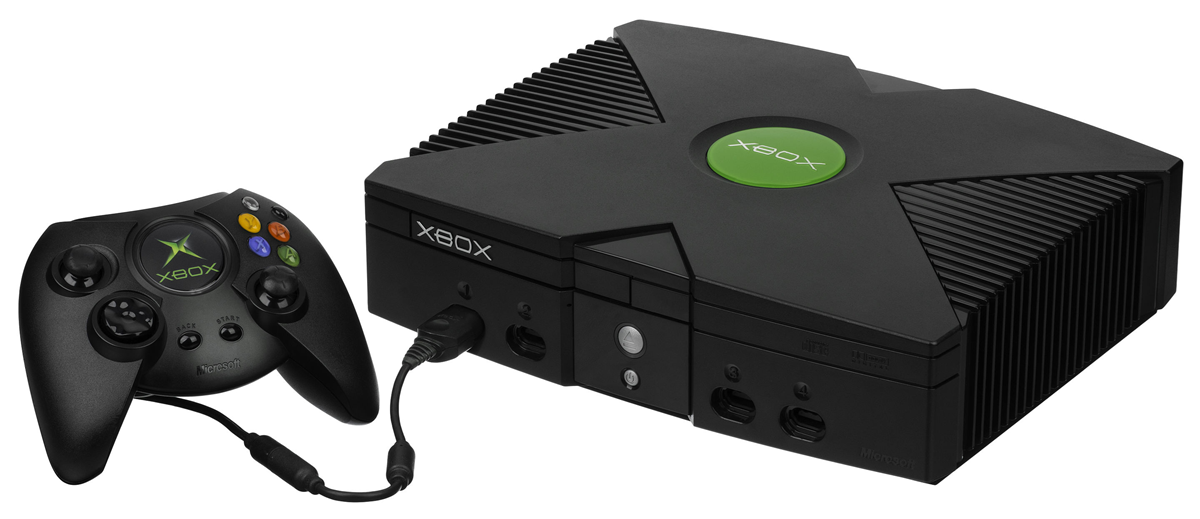
Microsoft entered console gaming with money, confidence, and almost no illusion that the first Xbox would be cheap. The company wanted to stop Sony from controlling the living room, and that meant building hardware quickly, subsidizing it heavily, and accepting losses that would have terrified a smaller firm. Former Xbox executive Robbie Bach later said the original Xbox lost billions, with reported estimates often landing around $5 billion to $7 billion across its first generation. A lot of that came from hardware economics, Microsoft designed a powerful machine, then discovered the market would not pay the premium needed to make each unit profitable. In a narrow accounting sense, the first Xbox was a huge commercial money-loser. In strategic terms, Microsoft bought itself a platform, a developer ecosystem, and the right to make the Xbox 360.
Xbox 360’s Red Ring of Death and the Billion-Dollar Repair Decision
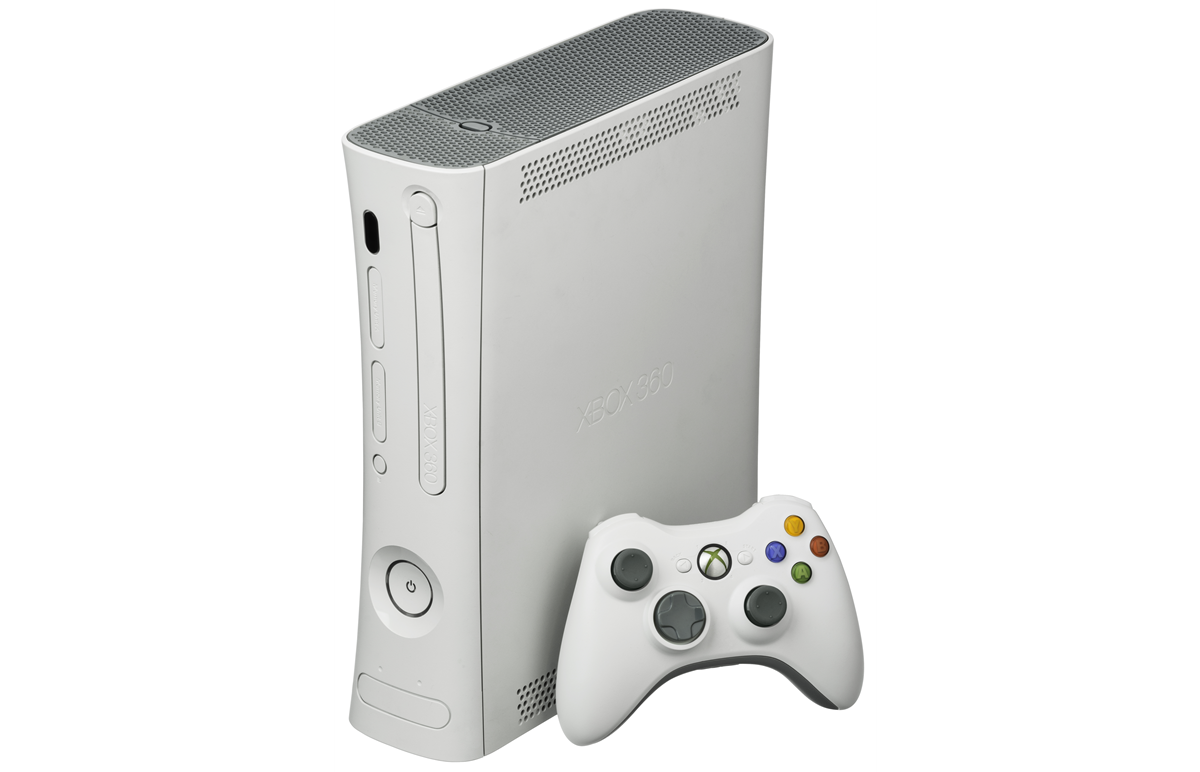
The Xbox 360 was a success with a very expensive defect sitting inside it. When hardware failures became impossible to brush aside, Microsoft extended the console’s warranty and took a charge of $1.05 billion to $1.15 billion in 2007. That money covered repairs, replacements, refunds for earlier repair bills, shipping, and the operational mess of keeping customers from abandoning the brand. The strange part is that the failure did not sink the console. Microsoft paid the bill, took the reputational hit, and the 360 still became the generation where Xbox felt culturally strongest.
Nintendo Wii U and the Cost of Confusing the Audience
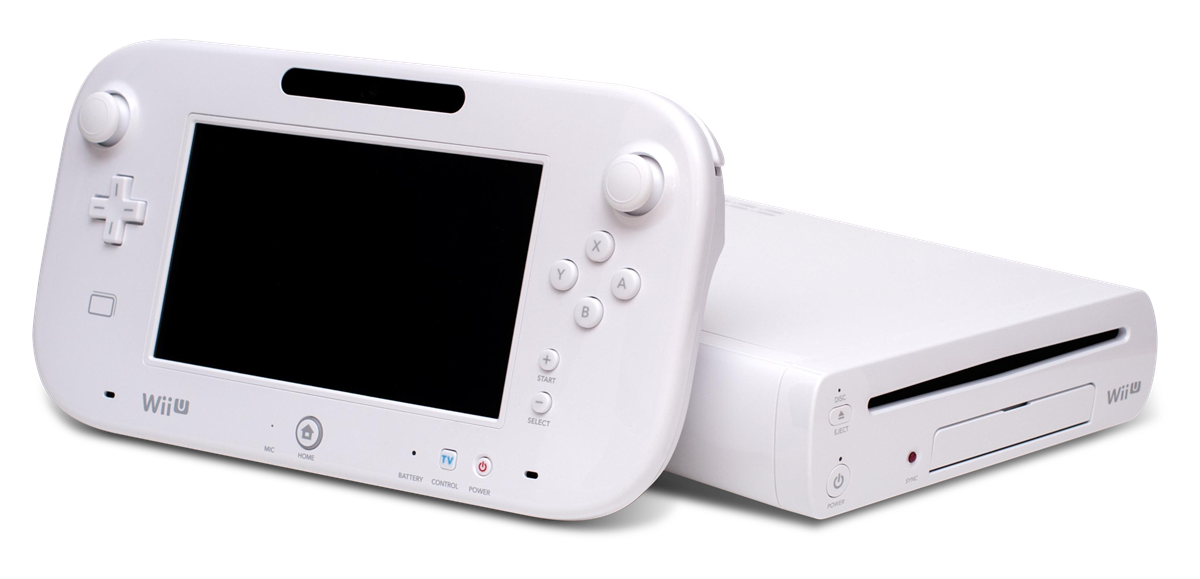
The Wii U had a problem that sounds simple only in hindsight, too many people did not understand what it was. Was the GamePad an accessory for the Wii? Was it a new console? Why did the most interesting screen in the room have to stay near the box under the TV? Nintendo eventually reported just 13.56 million Wii U hardware sales worldwide, tiny compared with the Wii before it and the Switch after it. The financial damage was not one dramatic collapse, but Nintendo’s annual reports during the period show the pressure clearly, including weak hardware sales, markdowns in the United States and Europe, and a negative impact from Wii U hardware on profits. It did not bankrupt Nintendo, and some of its best ideas came back stronger on Switch, but as a commercial product, Wii U spent most of its life explaining itself.
THQ’s uDraw and the Peripheral Bet That Backfired
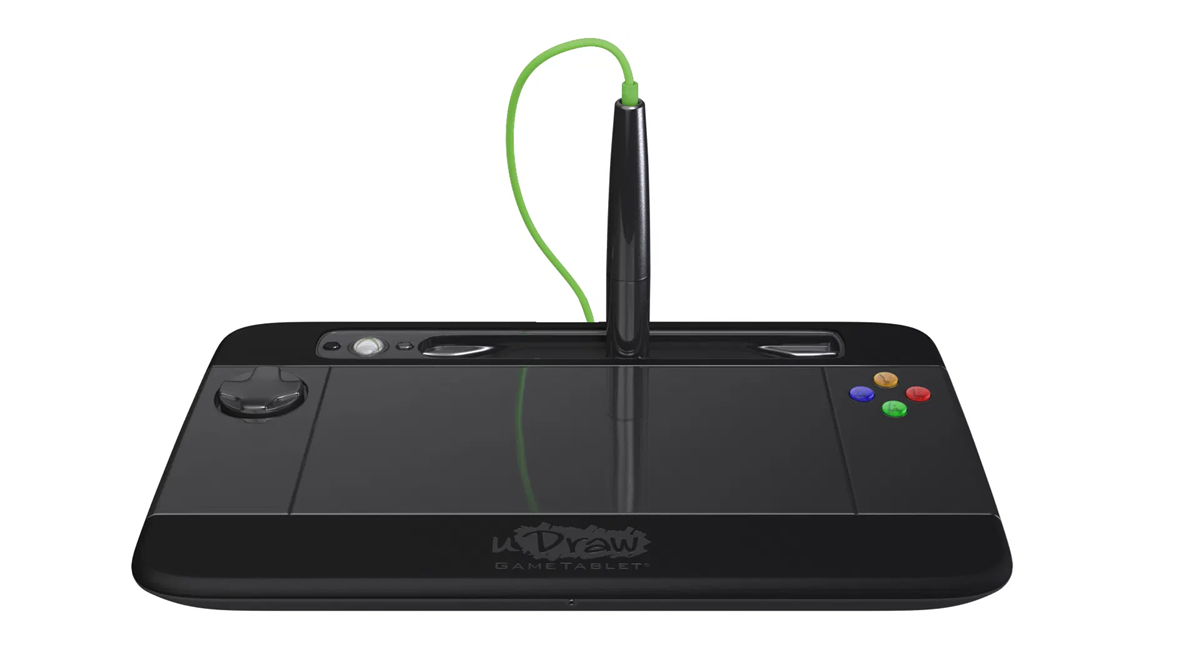
THQ’s uDraw tablet made sense on Wii, where families, kids, and novelty accessories could still move real units. Then THQ brought the device to Xbox 360 and PlayStation 3, where the audience was much less interested. The company later said revenue came in about $100 million below expectations, with around 1.4 million unsold units sitting in inventory. For a publisher already under pressure, that was not just a bad product cycle, it was one of the mistakes that pushed THQ closer to bankruptcy.
A Simple Pattern Behind Very Different Failures
These stories are not all the same kind of failure. Some products sold poorly from the start, some sold well but cost too much, and some helped their companies in the long run despite ugly early losses. The common thread is less dramatic than the myths around them, companies misjudged how much time, patience, or money the market would give them. In gaming, the bill often arrives before the lesson does.
Continue Reading: 15 Moments in Gaming History That Changed the Industry