Some gaming tournaments are remembered because of a final map, a shock upset, or a player doing something that still gets clipped years later. Others stick around for a simpler reason: they happened somewhere that made the whole thing feel slightly off-center in the best way. Esports has spent years moving into arenas, theaters, studios, and convention halls, but the odd venues often leave the sharper memory. A castle, a subway station, a ship, or a football stadium can change the way a match feels before anyone even touches a mouse, controller, or arcade stick.
Red Bull Wololo: Legacy at Heidelberg Castle
Inven Global
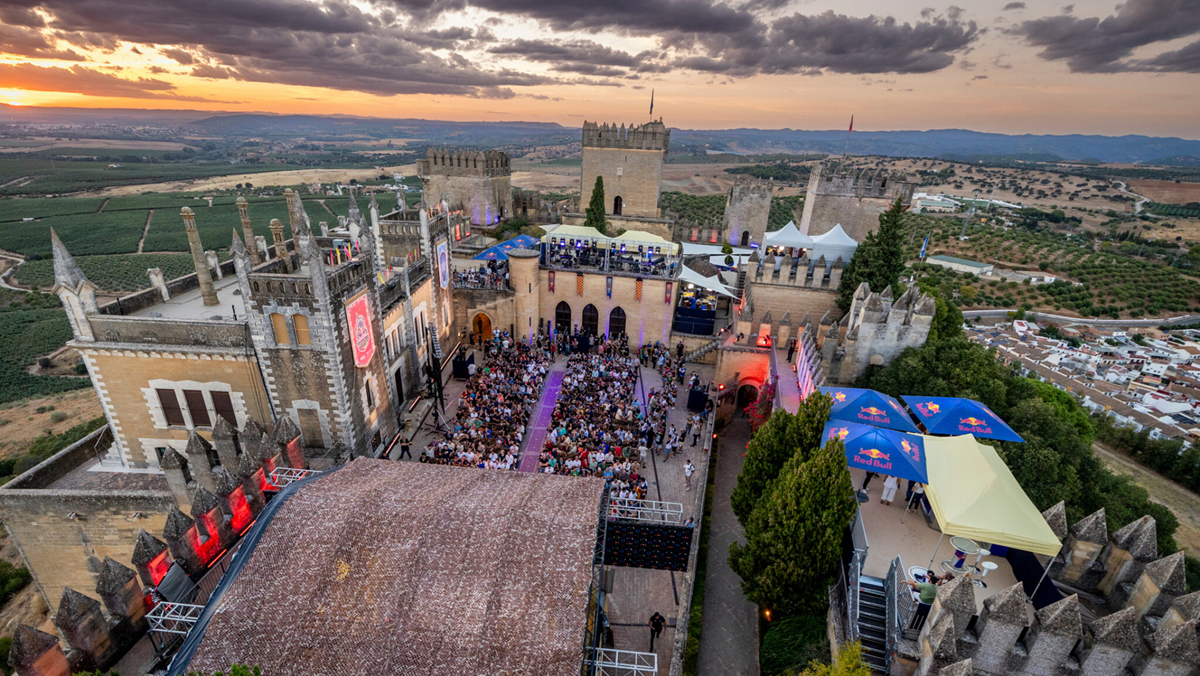
Red Bull Wololo: Legacy almost felt too obvious once it existed, Age of Empires inside a real German castle, with stone walls and old European scenery doing half the visual work. The 2022 event took place at Heidelberg Castle and tied neatly into the series’ 25th anniversary, which kept the setting from feeling like a random stunt. What made it work was the restraint: the broadcast did not need to turn the venue into a costume drama, because the game already carried kings, siege weapons, monks, and medieval geography in its bones. Watching elite Age of Empires players compete in a place that looked like it could have been referenced by the series itself gave the tournament a texture that a studio stage would have struggled to fake.
FiReLEAGUE Buenos Aires 2025 at Perú Station
Clarin
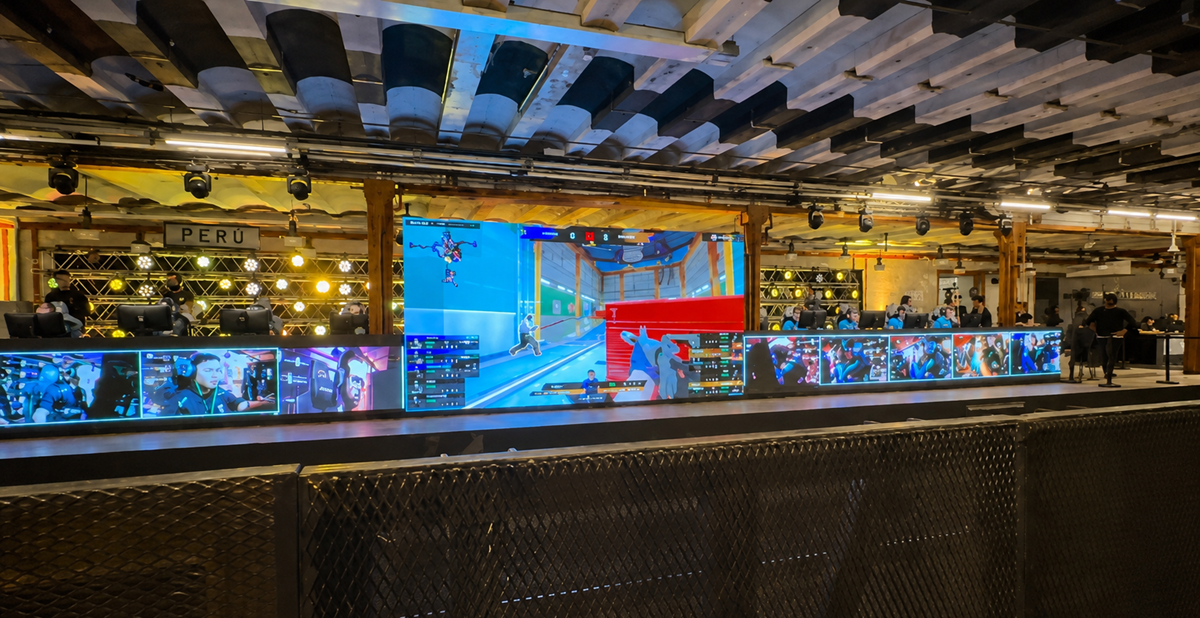
A Counter-Strike tournament inside a subway station sounds like a joke until you picture it clearly enough: the low ceiling, the platform feel, the city moving above and around it. FiReLEAGUE Buenos Aires 2025 used Perú Station on Line A of the Buenos Aires Subte, one of the city’s most recognizable underground spaces, and that alone gave the event a local identity most esports productions try very hard to design from scratch. The tournament brought in teams such as Imperial, 9z, BESTIA, and Sharks, but the venue was the hook people kept coming back to. It made the matches feel plugged into Buenos Aires rather than simply hosted there.
NVIDIA GeForce LAN 6 on the USS Hornet
Legit Reviews
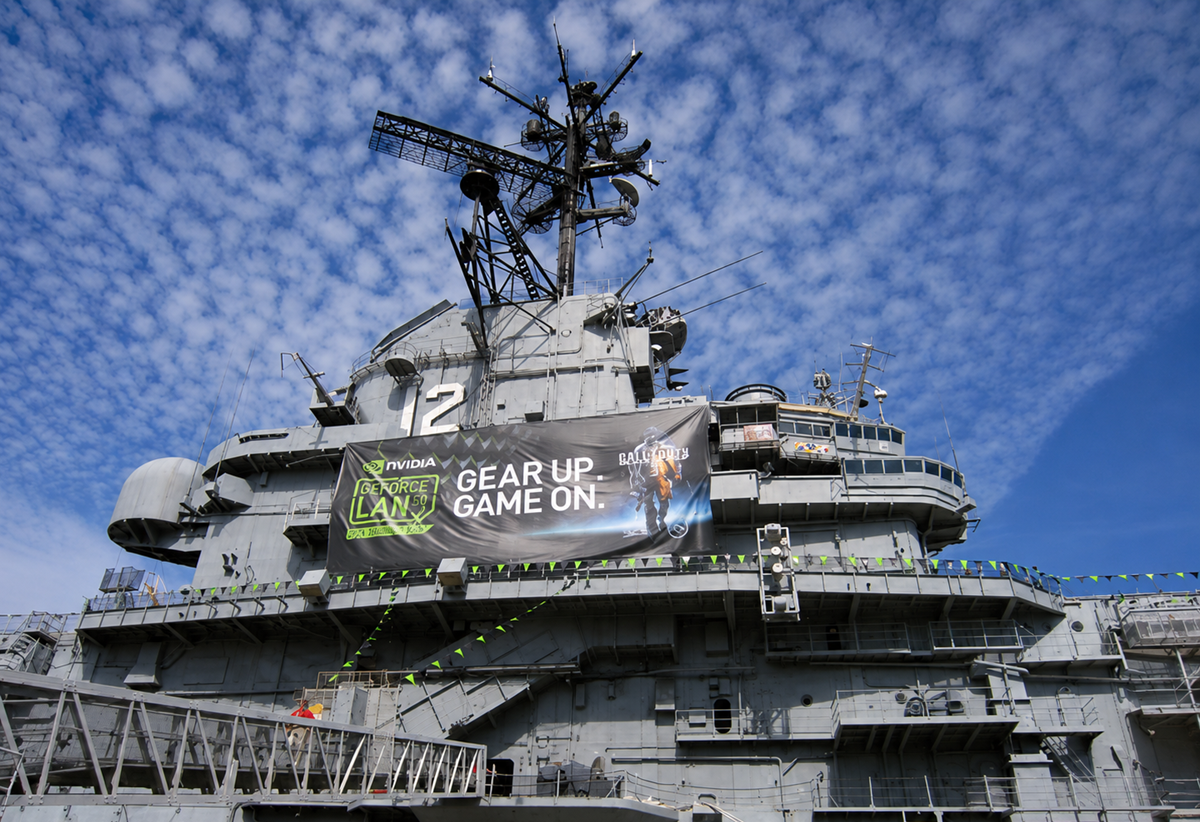
NVIDIA GeForce LAN 6 was held in 2011 on the USS Hornet, a retired aircraft carrier in Alameda, California, and the appeal is not hard to understand. Hundreds of players bringing PCs onto a naval ship for a LAN event is the kind of image that belongs to an older, rougher, more physical version of gaming culture. The venue made every monitor, cable, headset, and folding table look strangely fragile against the scale of the ship.
Red Bull Kumite 2015 at Salle Wagram
Insert-coin.fr
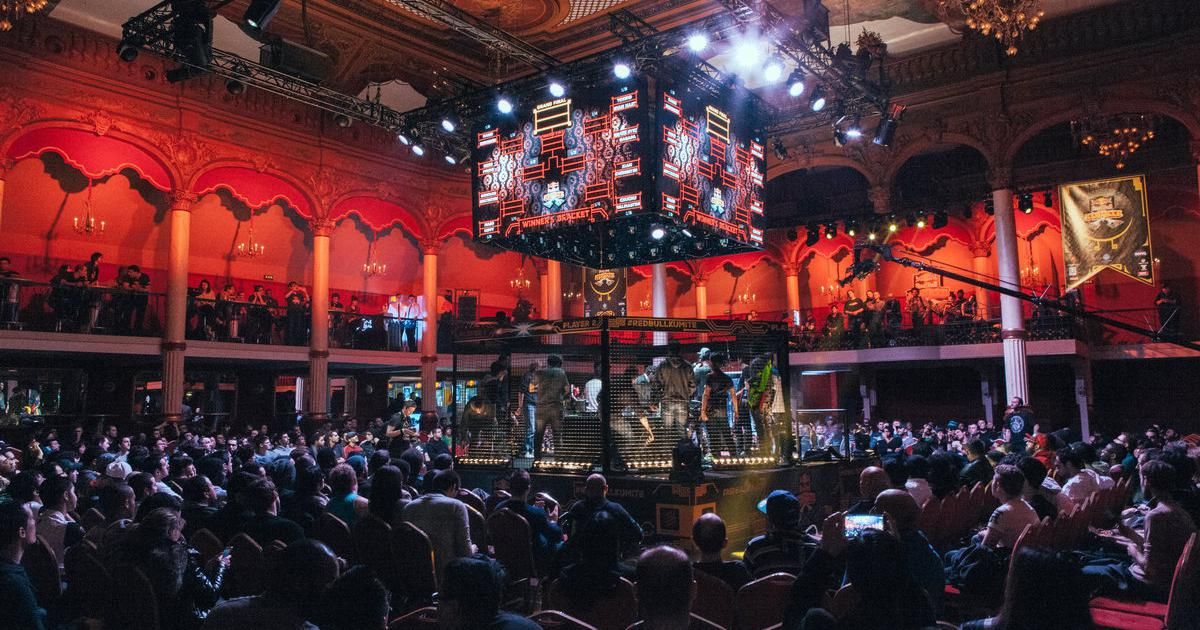
The first Red Bull Kumite did not look like a normal Street Fighter event with better lights. Held at Salle Wagram in Paris in 2015, it leaned into the atmosphere of an old theatrical space and turned Ultra Street Fighter IV into something closer to a private duel room than a standard tournament floor. The cage-like setup helped, but the room itself did plenty: shadows, balconies, tight focus, and a sense that the audience was watching something slightly forbidden. Bonchan’s win over Tokido mattered, of course, but the tournament’s visual identity was already doing its own work by then.
Battle by the Bay at Sunnyvale Golfland
Wikimedia Commons
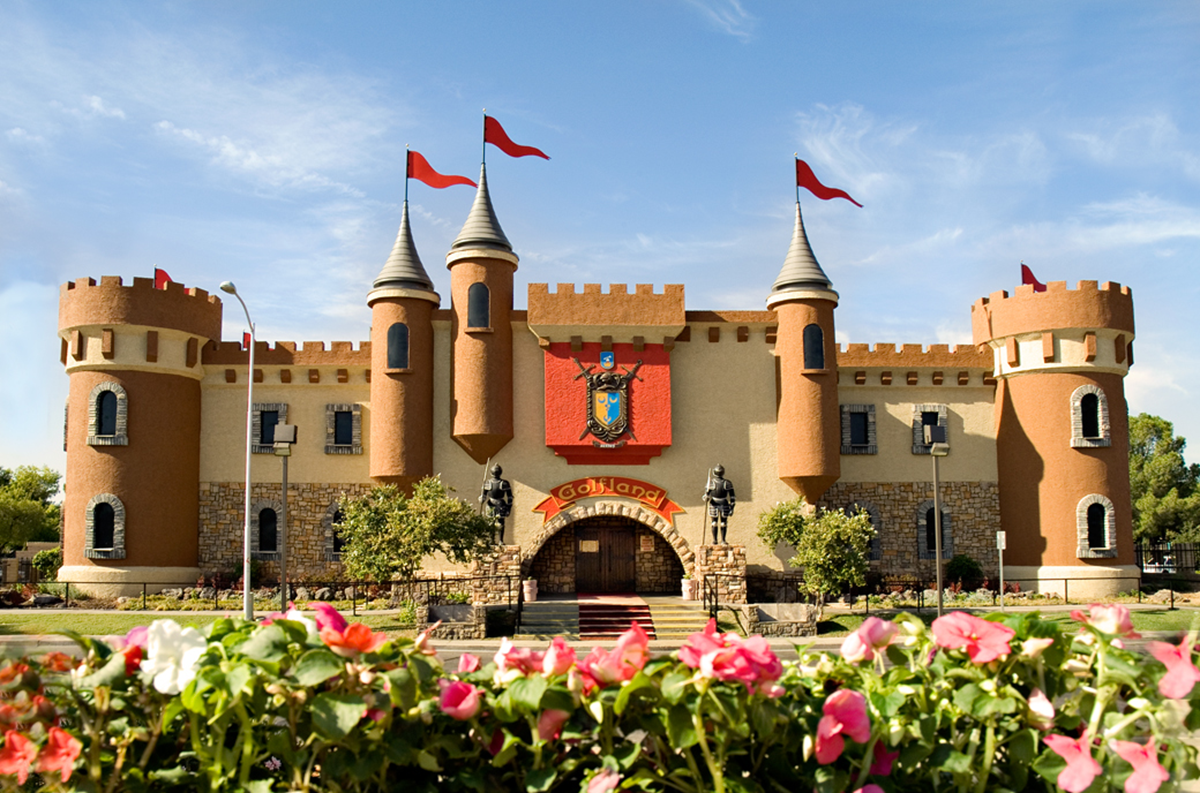
Battle by the Bay did not need an unusual venue because it was trying to impress outsiders. It happened at Sunnyvale Golfland in 1996 because arcades were where fighting games actually lived. That setting matters more now because the event became the starting point for Evo, but at the time it was simply players gathering around cabinets, reputations, and the kind of pressure that only a local scene can create.
Trending on realmoneygamer.com

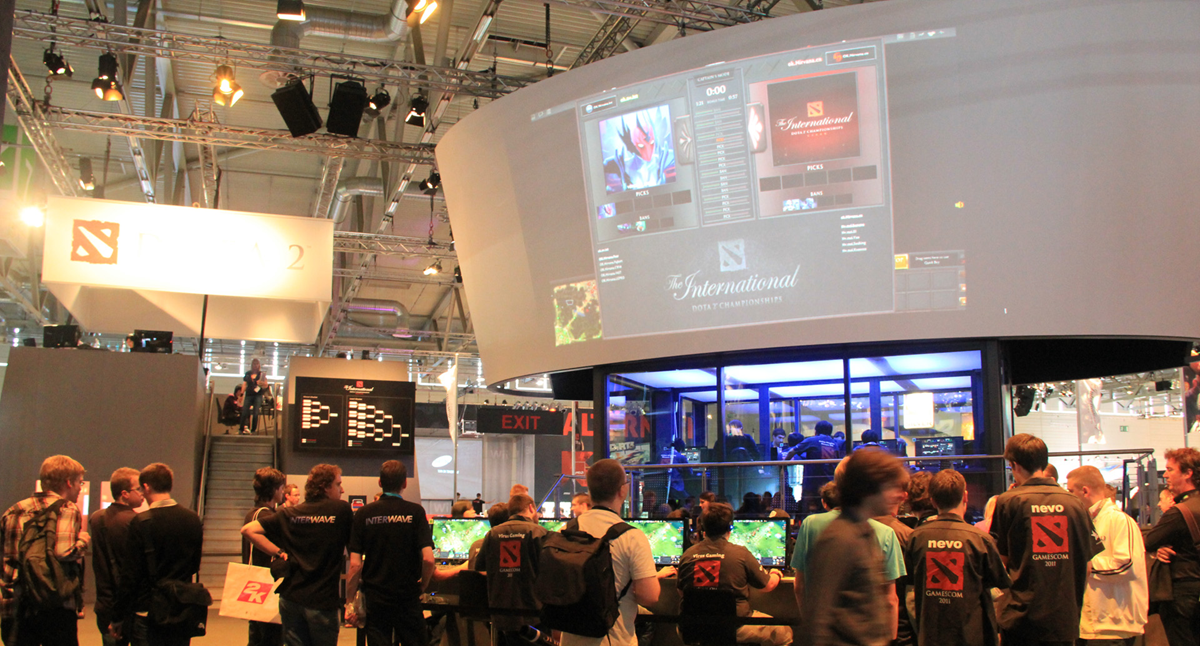
The International 2011 at Gamescom
Wikimedia Commons
The first International still feels odd in hindsight, not because it was small, but because it was huge in a place that did not yet know what it was witnessing. Valve revealed Dota 2 publicly at Gamescom in Cologne and attached a $1.6 million tournament to a game most spectators had barely seen. Instead of a dedicated esports cathedral, the event sat inside the noise and churn of a trade show, surrounded by booths, demos, wandering crowds, and the usual convention-floor distraction. That mismatch gave it a strange charge, as if the future of esports prize pools had been slipped into the middle of a gaming expo before anyone had time to adjust.
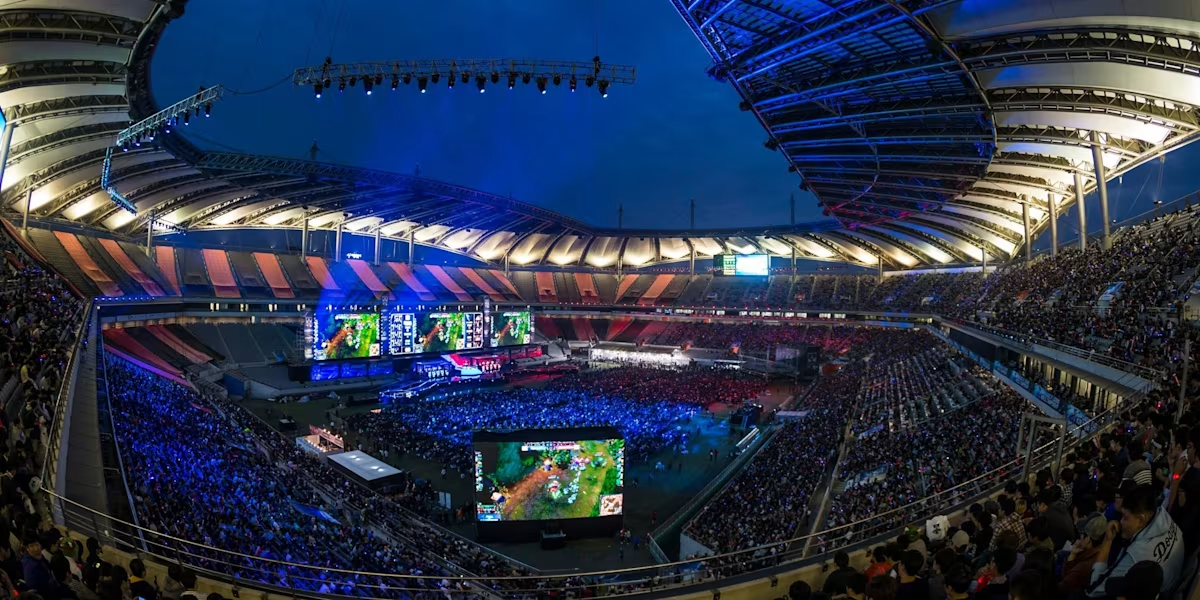
League of Legends Worlds 2014 at Seoul World Cup Stadium
Red Bull
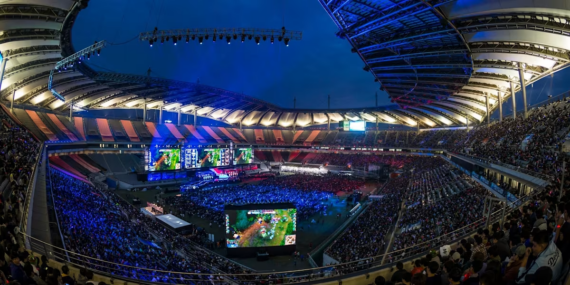
Seoul World Cup Stadium made League of Legends look enormous in a very literal way. The 2014 World Championship final between Samsung White and Star Horn Royal Club was not just staged in a large venue, it was staged in a football stadium built for national sporting spectacle. The crowd shots carried weight, the distance from the stage to the upper seats mattered, and the whole event felt like Riot was testing how far esports could borrow the language of traditional sports without pretending to be something else. It was not subtle, but it worked.
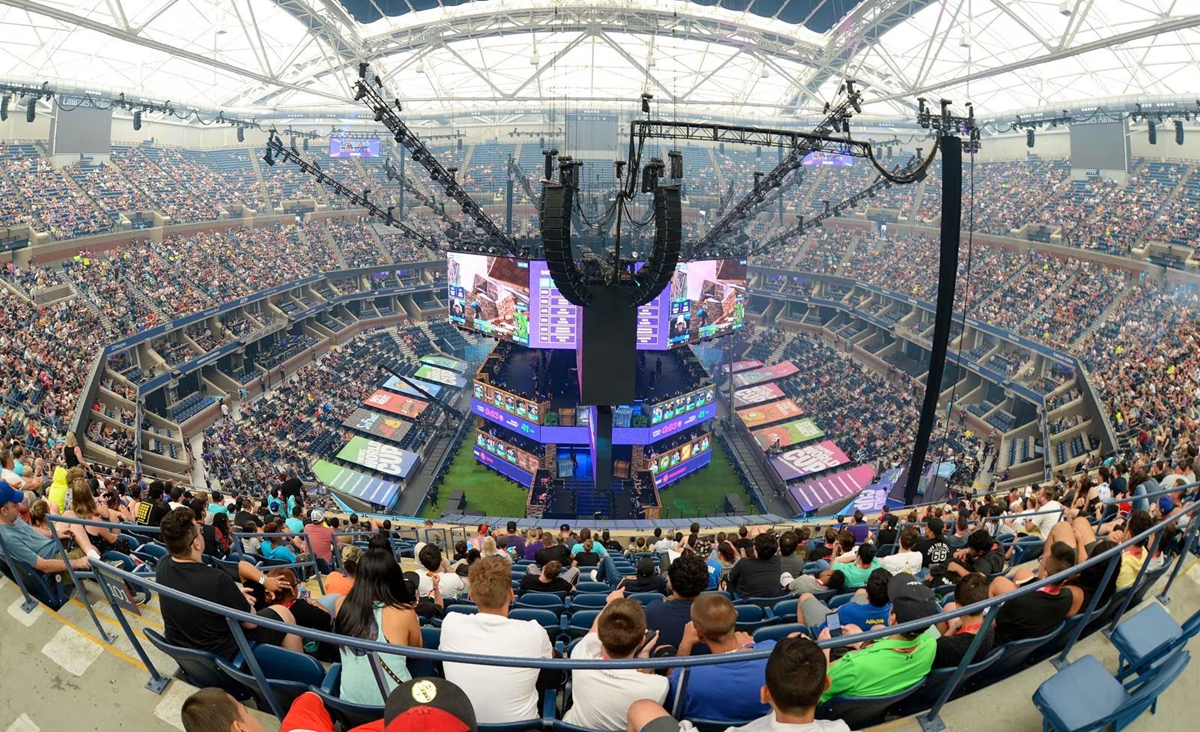
Fortnite World Cup 2019 at Arthur Ashe Stadium
The World Economic Forum
Arthur Ashe Stadium usually belongs to tennis, which made the Fortnite World Cup feel both strange and oddly sensible. Fortnite was already loud, commercial, colorful, and everywhere, so putting it inside the US Open’s main stadium did not feel as forced as it might have with a quieter game. Bugha’s solo win became the headline, but the venue helped turn the weekend into a mainstream spectacle rather than just another big gaming event.
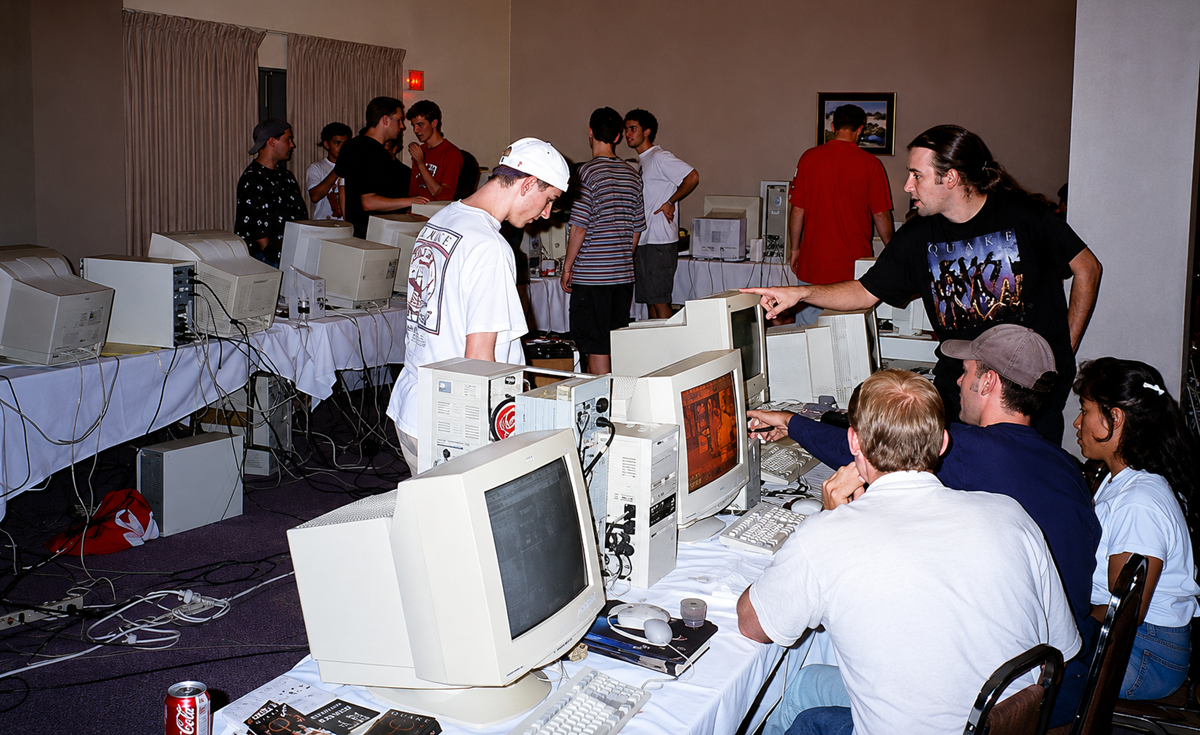
QuakeCon 1996 at a Garland Hotel
Donde Quake 2
QuakeCon began in the least arena-like way possible: a group of Quake and Doom players hauling computers into a hotel in Garland, Texas, in August 1996. Sources differ a bit on whether to name it as a Best Western or the later La Quinta Inn on the same site, but the shape of the story is clear enough: a small hotel meeting space, a loose gathering born from online chat, and a Quake tournament that helped turn a local fan meetup into one of PC gaming’s longest-running events. The venue matters because it feels so far from what esports would later become. Before the giant BYOC halls, sponsor booths, keynote stages, and polished broadcasts, there were players figuring out network cables in a hotel room and treating that cramped setup like the center of the gaming world.
Nanyang Dota 2 Championships Cruise Cup on the Sapphire Princess
No Game No Talk
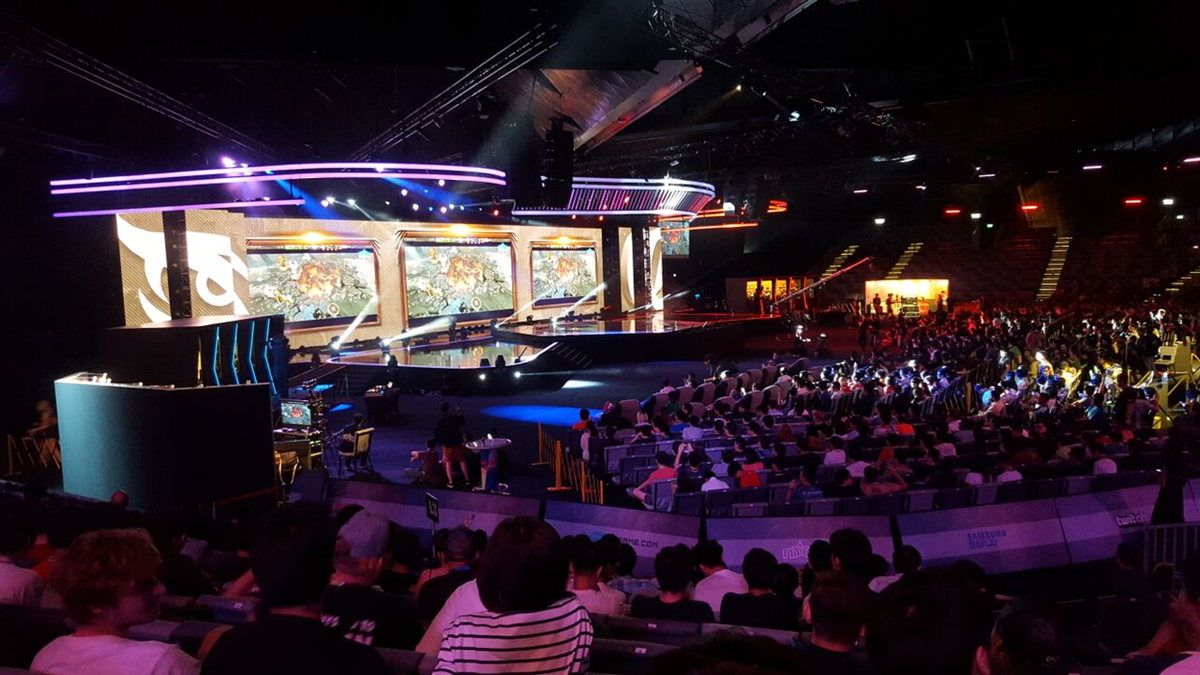
The Nanyang Dota 2 Championships Cruise Cup is one of those events that sounds like a novelty first and a tournament second, but that is also why it belongs here. Held in 2016 as part of an esports-themed carnival on the Sapphire Princess cruise ship, it put four Dota 2 teams into a setting more associated with buffets, decks, and vacation itineraries than draft strategy or patch debates. The prize pool was modest compared with the biggest Dota events of the period, but the venue did the heavy lifting. Competitive Dota on a cruise ship has a slightly absurd charm to it, and not every memorable tournament setting needs to look ancient, grand, or intimidating.
What These Venues Changed
Unusual venues do not automatically make tournaments better. They can create production headaches, awkward layouts, and a novelty factor that wears thin if the games underneath are forgettable. But when the match, the community, and the place line up, the venue becomes part of how people remember the event. Years later, a scoreline may blur, while the castle, subway station, aircraft carrier, or stadium still comes back instantly.
Continue Reading: 14 Milestones in the History of Gaming Clans Before Esports