Before esports teams had sponsors, media staff, salary announcements, and legal departments, they were mostly groups of players trying to organize better games. A clan was a tag, a shared channel, a homepage, and a promise, sometimes unreliable, that people would show up. The culture grew through LAN rooms, dial-up connections, IRC, forums, ladders, and a lot of homemade match reports. It was not professional yet, but it was already serious in ways that would later look familiar.
The MUDs Created the Social Habits First
r/roguelikedev
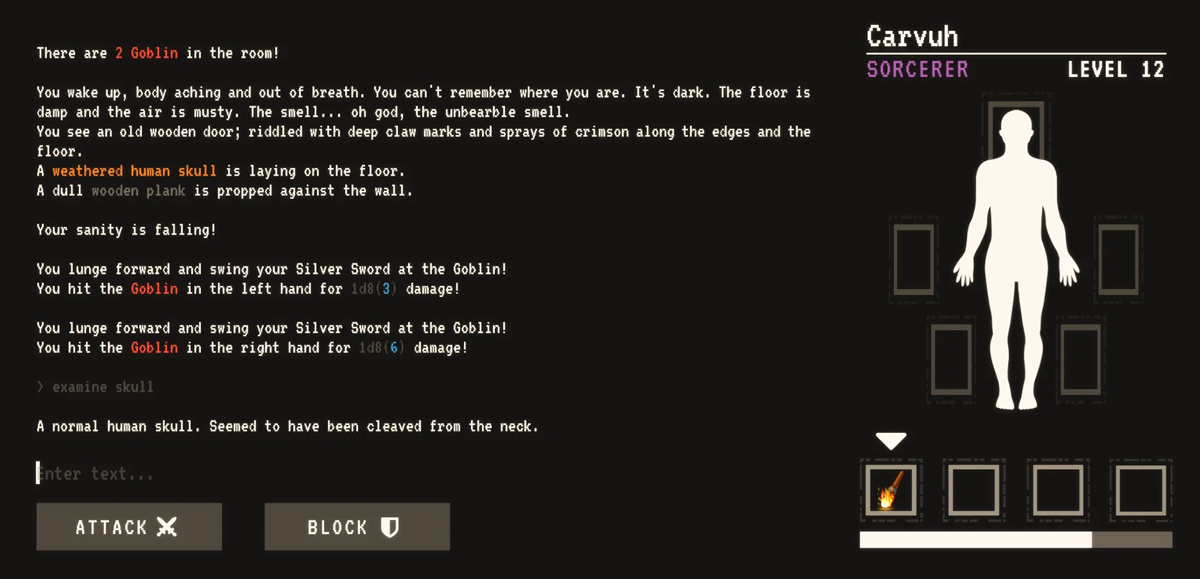
Before shooter clans became visible, text-based online worlds had already taught players how to gather around persistent identities. MUDs had regulars, rules, status, alliances, grudges, and informal authority. Nobody was calling that esports, but the basic social shape was already there. Players learned that an online name could carry history.
Doom Made Multiplayer Feel Personal
r/pcmasterrace
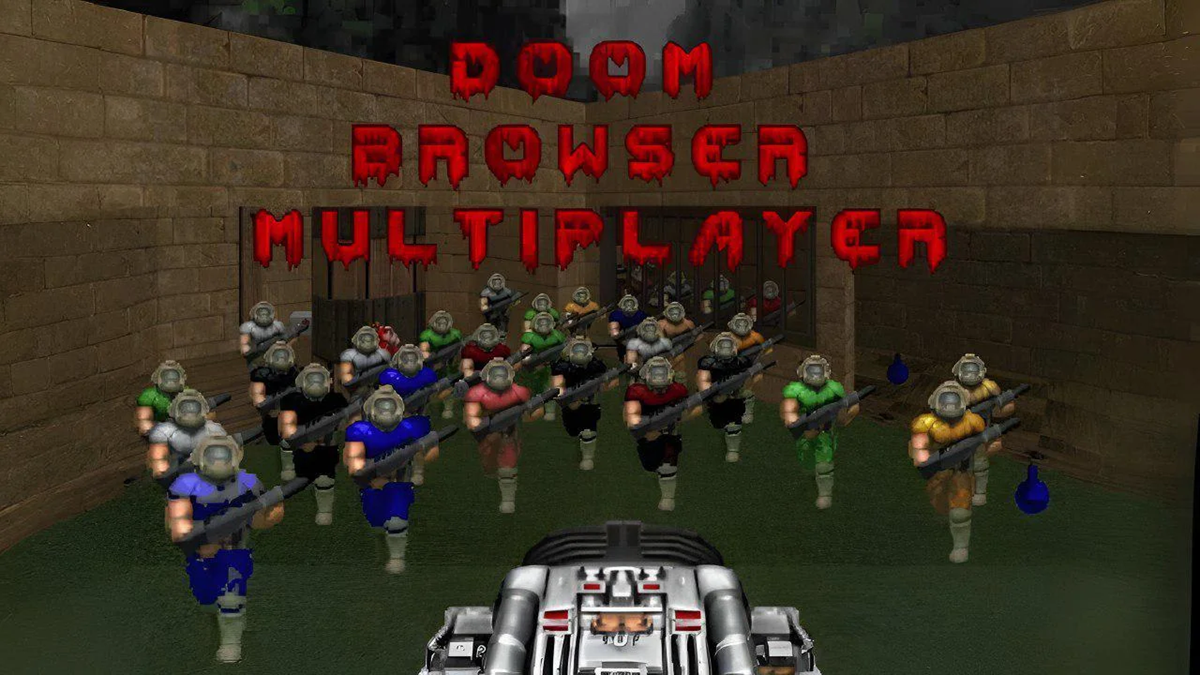
Doom’s 1993 release helped turn competitive play into something social and repeatable. Players connected through LANs, dial-up modems, university networks, and office setups where half the challenge was getting the machines to talk to each other. The clan idea was still loose, often just friends using similar names. But Doom made a shooter feel like an appointment, not just a solo game.
Quake Gave Clans a Public Shape
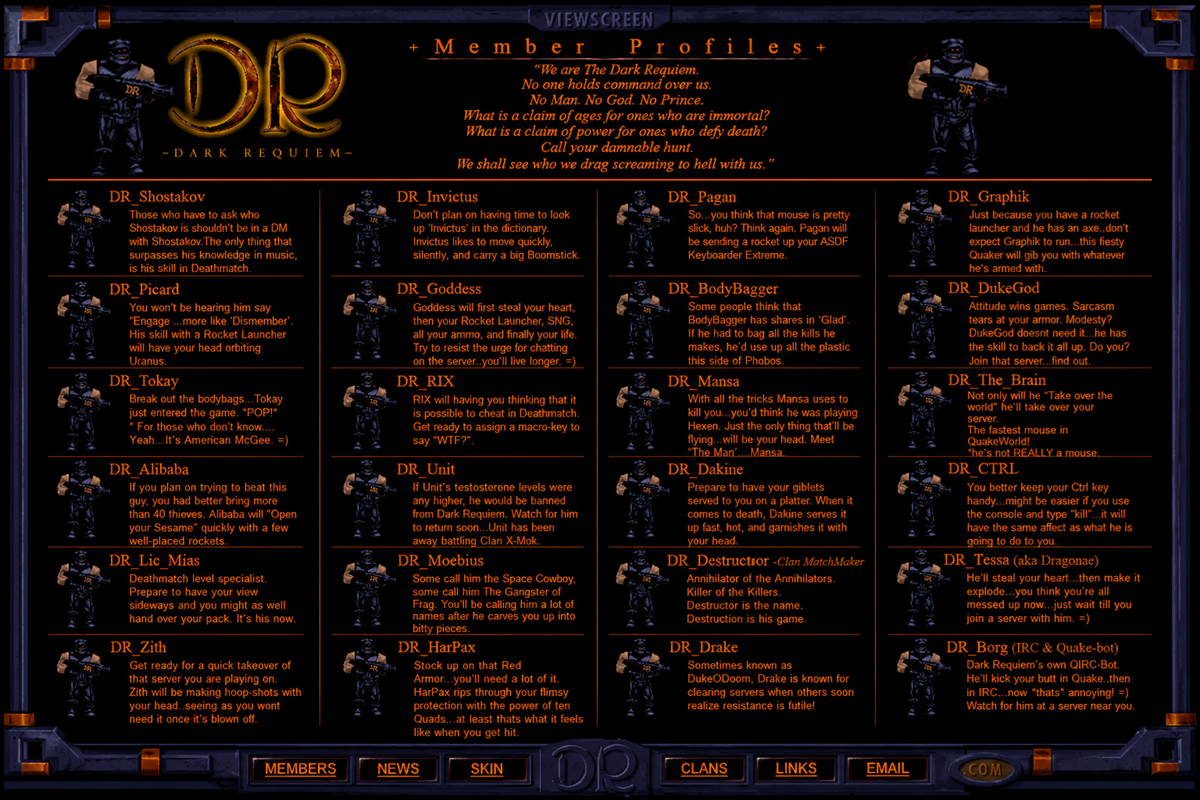
Quake changed the scale. After its 1996 release, clans became easier to recognize from the outside, with names, rosters, match pages, screenshots, demo files, and rivalries. Some of those websites looked rough even by late-1990s standards, but they mattered. They made a group feel public, searchable, and accountable. A clan could now have a record, not just a reputation.
Clan Tags Were Small, But They Carried Weight
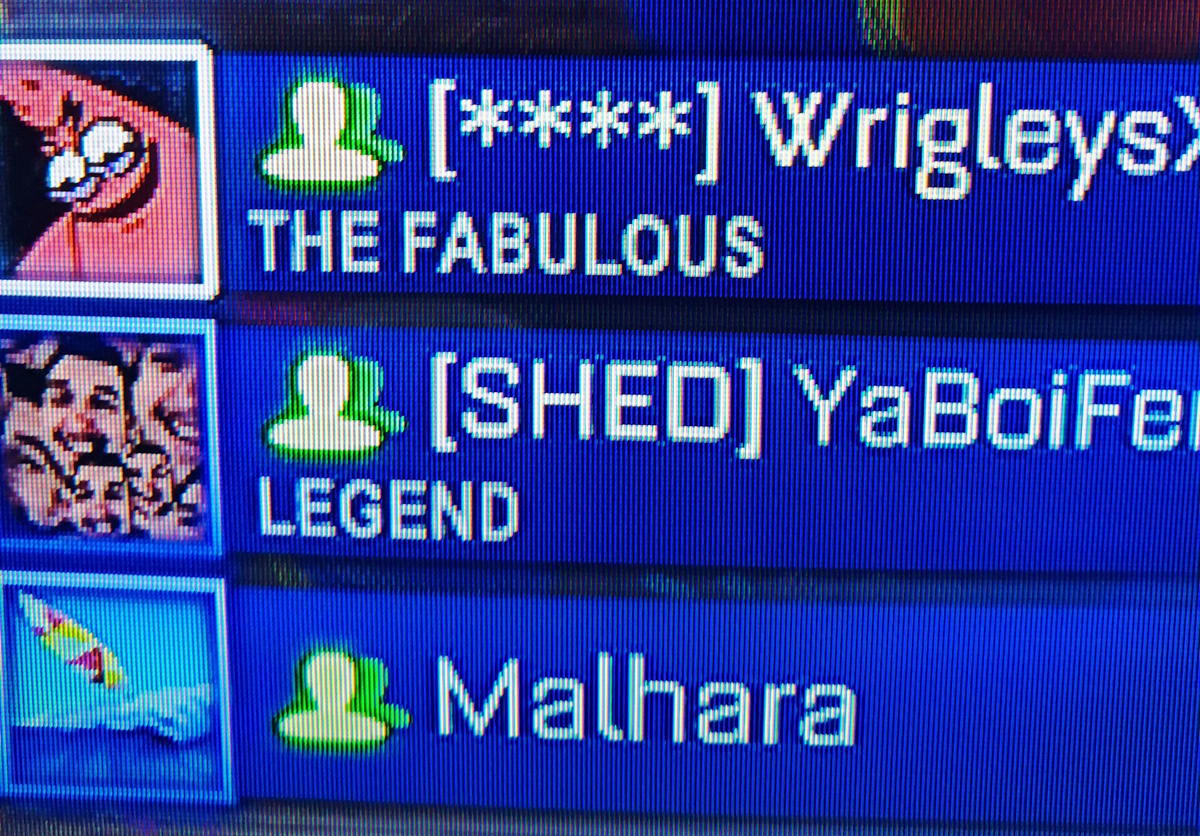
A tag in your nickname could change how people treated you on a server. It told other players who you practiced with, who might vouch for you, and sometimes who you were expected to dislike. In a time before modern matchmaking, reputation moved through names, servers, and message boards. A good tag made you recognizable before you even fired a shot.
IRC Was the Real Clubhouse
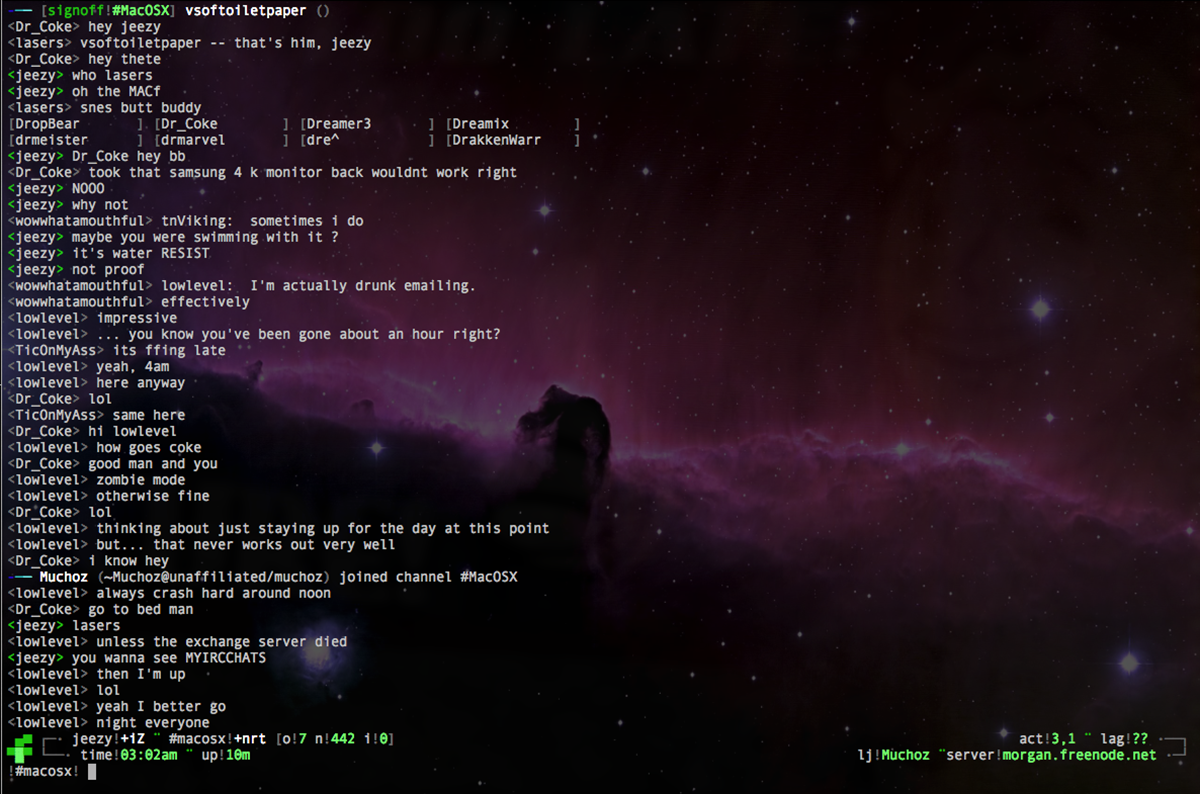
For many clans, the most important place was not inside the game. It was IRC, where players arranged scrims, recruited new members, argued about rules, shared server passwords, and waited for opponents who were late. QuakeNet and other networks became social infrastructure for competitive gaming before Discord, team apps, or built-in party systems existed. A clan without an active channel could feel dead even if its roster still looked full.
Trending on realmoneygamer.com
Deathrow Showed How a Clan Could Become a Name
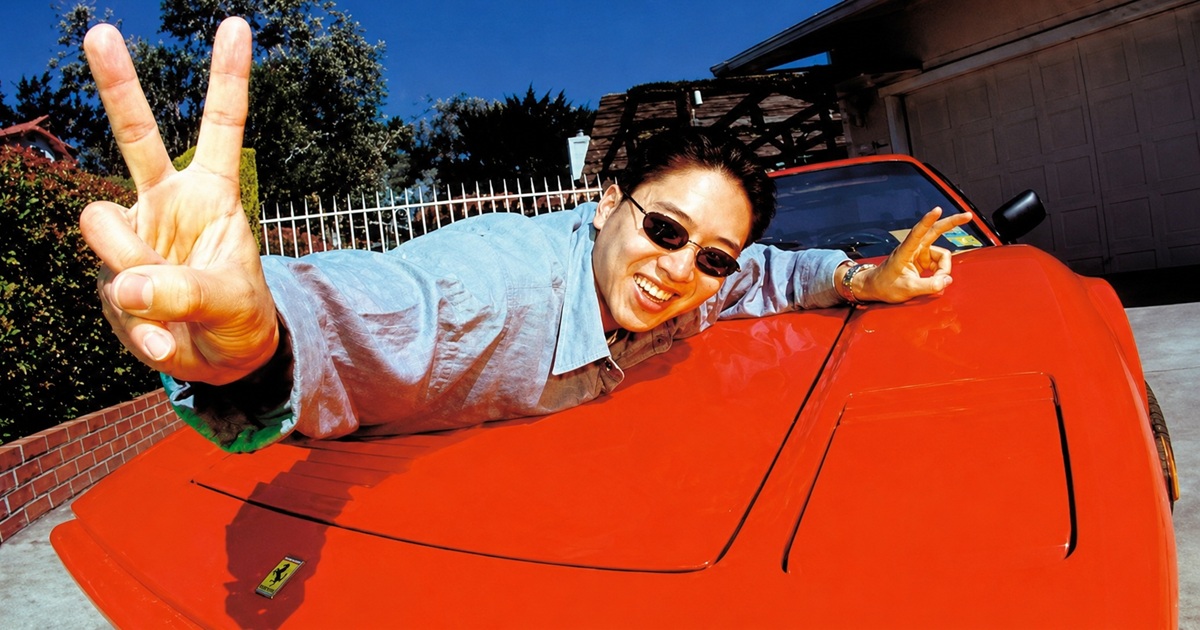
Deathrow became one of the best-known Quake clans of the late 1990s, helped by its connection to Dennis “Thresh” Fong. His 1997 Red Annihilation win, with John Carmack’s Ferrari as the prize, gave competitive gaming one of its first widely repeated stories. But Deathrow mattered beyond one tournament. Its name moved through demos, forums, and player memory in a way that felt close to branding, before esports branding had really arrived.
Women-Only Quake Clans Pushed Back Early
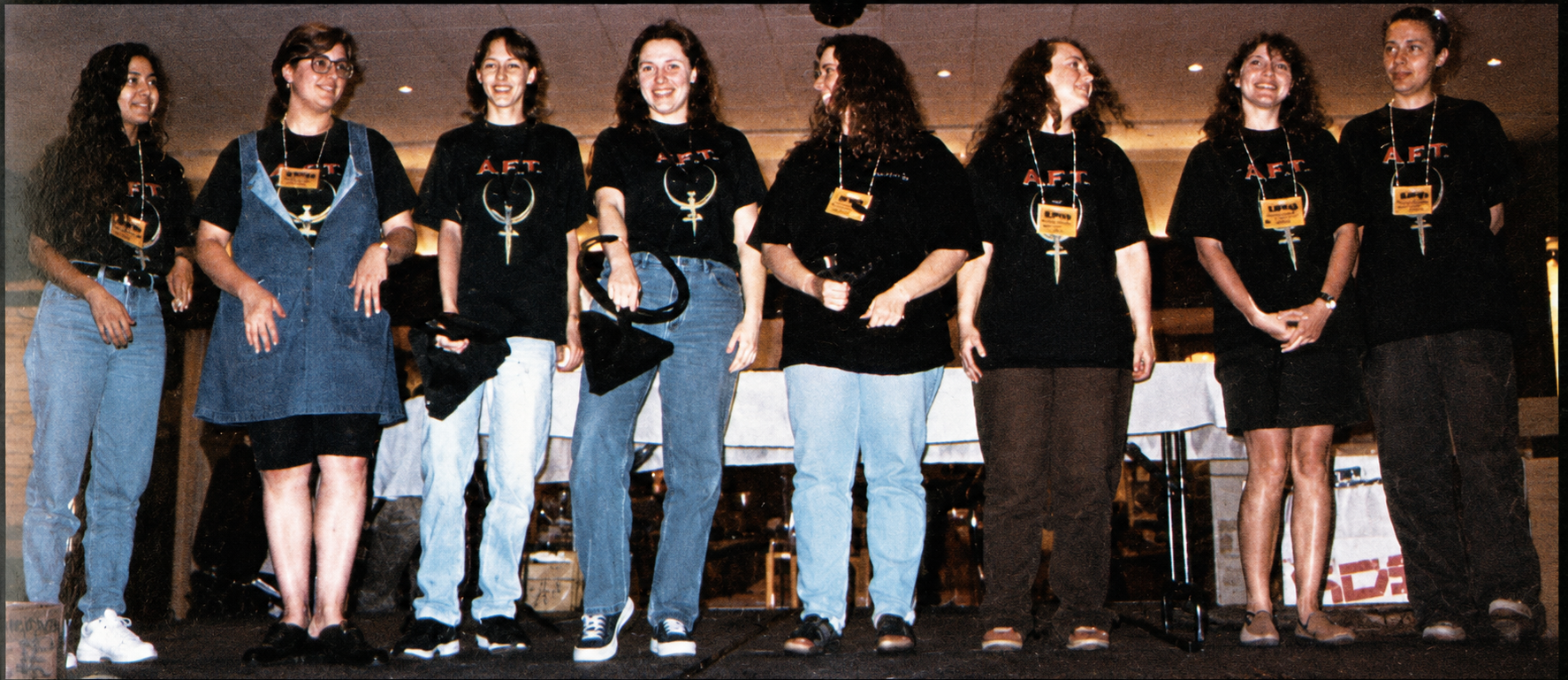
The early clan scene was not especially welcoming to everyone. Women-only Quake clans like PMS, short for Psycho Men Slayers, formed in the 1990s partly as a response to exclusion and harassment. These groups were competitive, but they were also protective spaces. Clans could be about skill, identity, and survival at the same time.
LAN Centers Gave Clans a Real-World Base
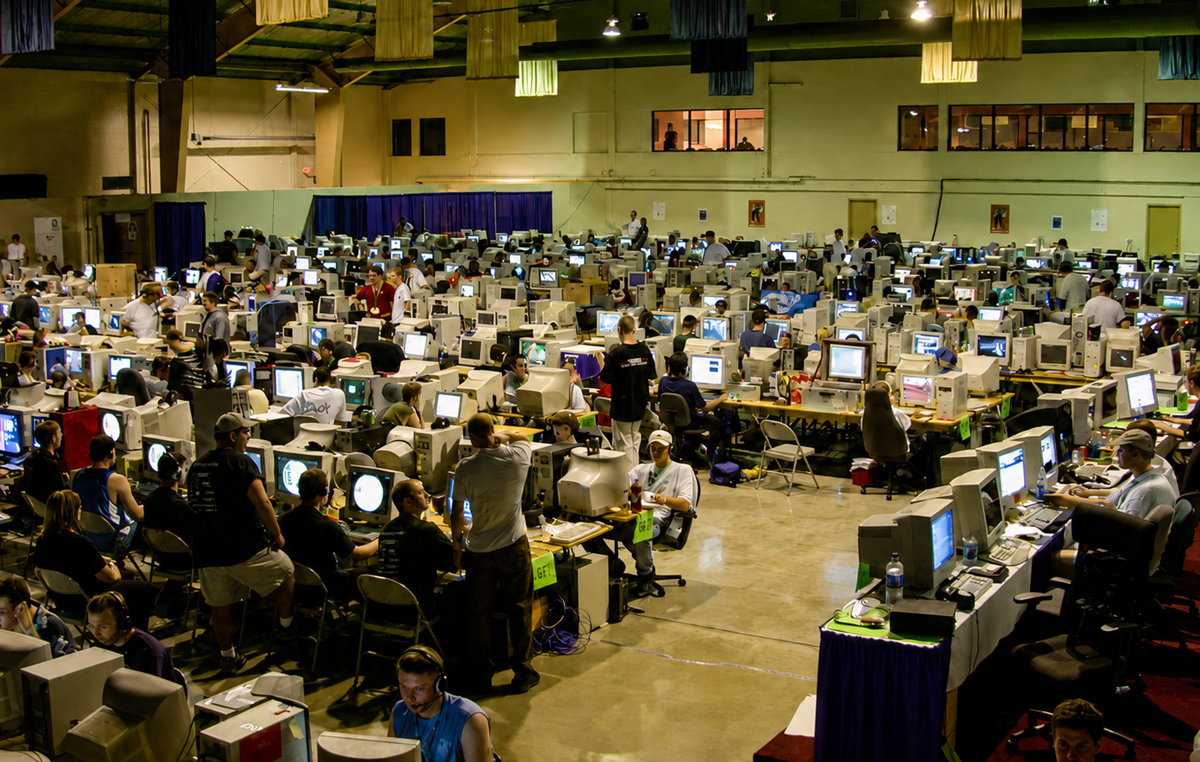
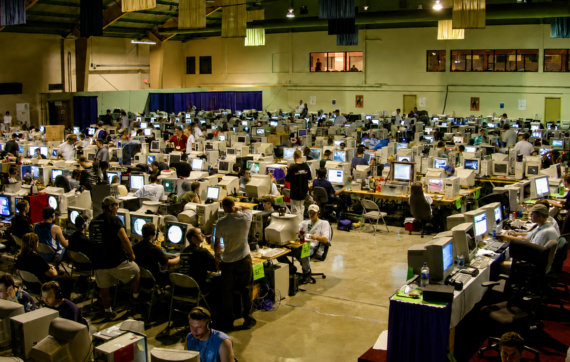
A lot of early clan culture had a physical side. Players met in LAN centers, cybercafes, computer labs, and bedrooms crowded with cables. These places solved practical problems, since home internet was often unreliable and hardware varied a lot. They also made competition louder, messier, and more social.
Server Browsers Made Finding Opponents Its Own Skill
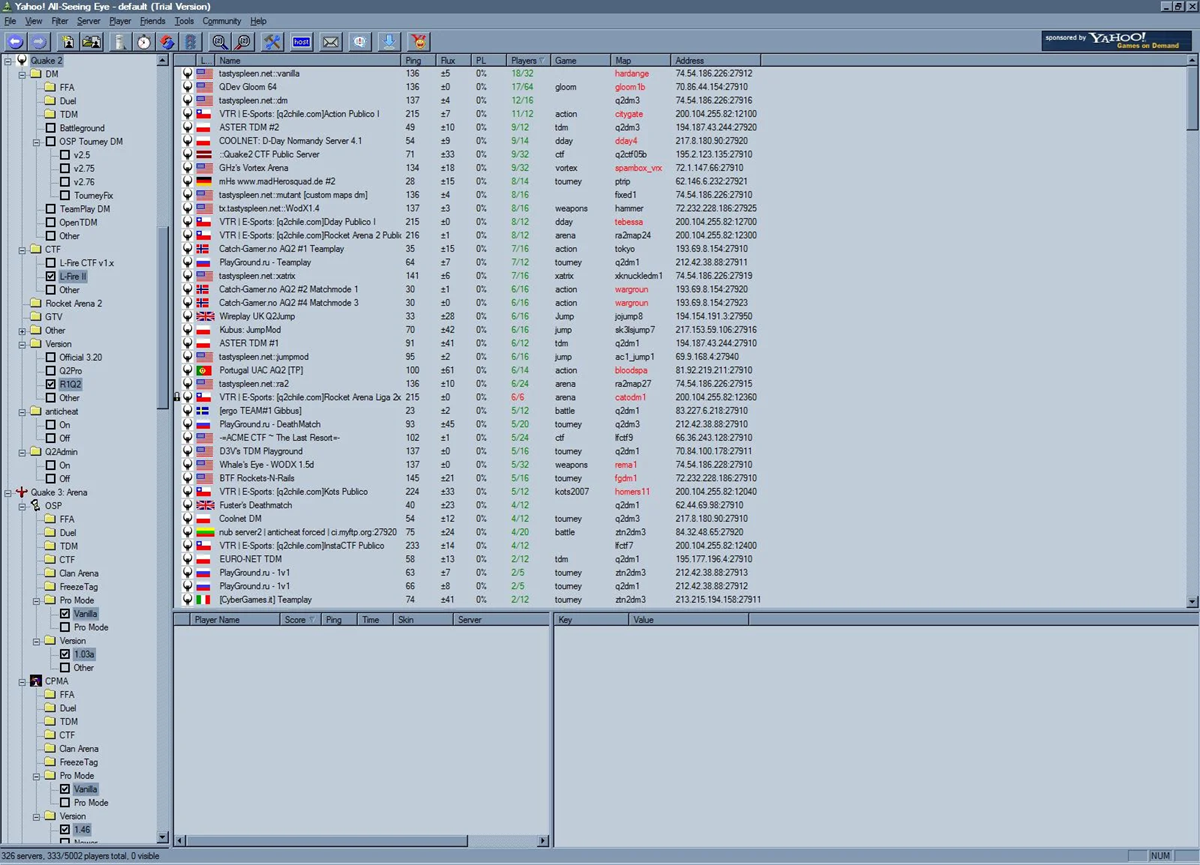
Before matchmaking became automatic, finding a decent game could take effort. Players used server lists, GameSpy-style tools, community pages, and word of mouth to locate active rooms and serious opponents. Clans helped reduce that friction. If you had a group, you had contacts, preferred servers, practice partners, and a better chance of avoiding random chaos.
ClanBase Turned Matches Into a System
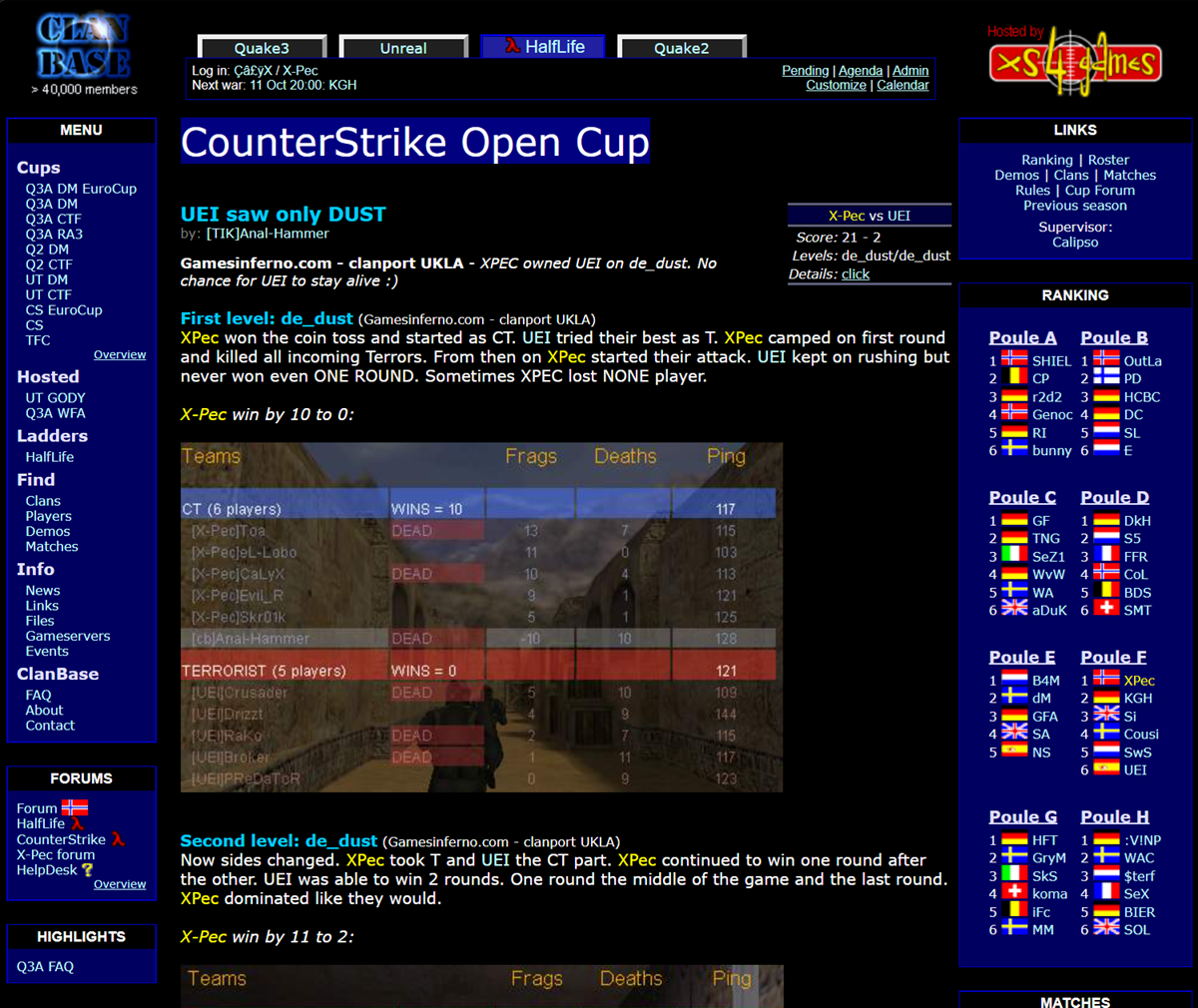
ClanBase launched in 1998 as a Quake II ladder and became especially important in Europe. It gave clans rankings, cups, match pages, and a place where results could live outside their own websites. That mattered. A clan was no longer just claiming it was good, there was now a public ladder saying where it stood.
Early Leagues Made Rivalries Feel Scheduled
The late 1990s also brought more formal competition around games that still depended heavily on clan culture. The Cyberathlete Professional League, founded in 1997, and the Professional Gamers’ League pushed competitive gaming toward events, prizes, rules, and sponsor attention. These leagues did not erase the clan scene. They gave it a calendar, and sometimes a stage.
Mods Built Their Own Clan Cultures
Team Fortress, Team Fortress Classic, and Counter-Strike changed what clans needed from players. These games were less about pure deathmatch and more about roles, timing, and coordination. A Counter-Strike clan could not just gather five sharp aimers and hope. Someone had to call, someone had to hold, and everyone had to understand the same plan.
Battle.net Clans Were Often More Social Than Formal
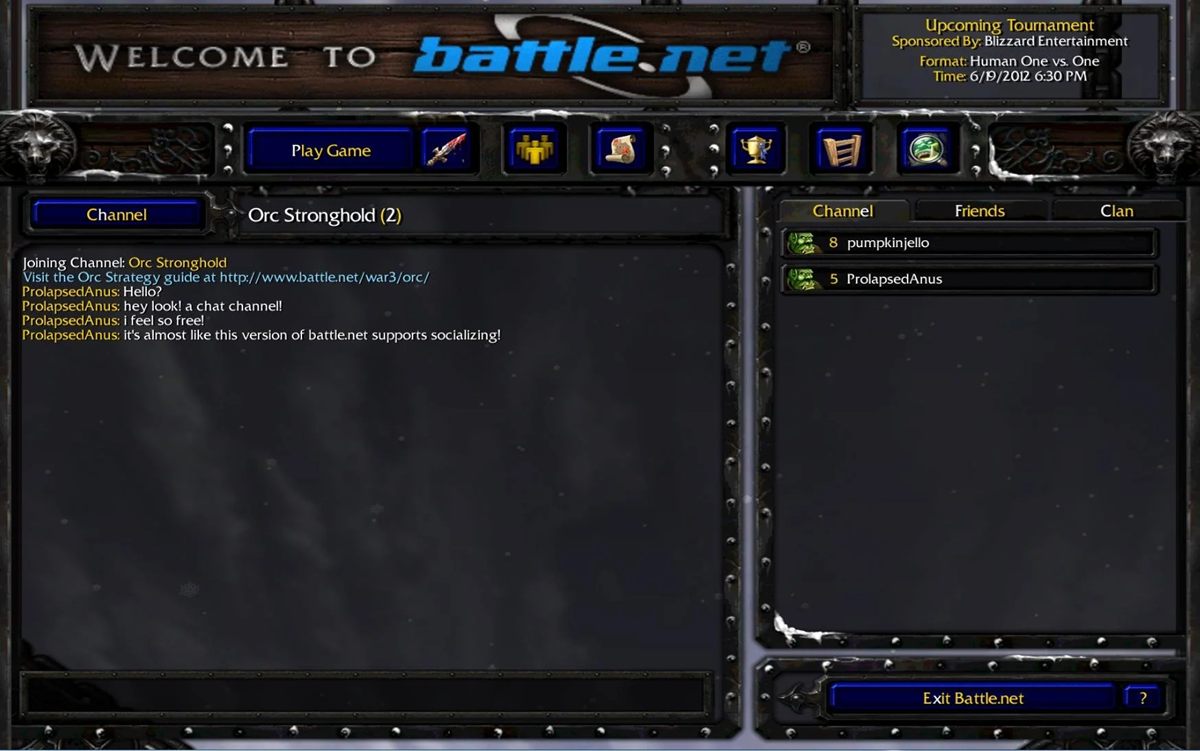
Not every clan was built around tournament results. On Battle.net, especially around StarCraft, Diablo II, and Warcraft III, clans often lived through chat channels, custom games, private lobbies, and long-running friendships. Some were competitive. Others were closer to social rooms with a tag attached. That was still part of clan history, even if it rarely appears in esports timelines.
SK Gaming and 4Kings Marked the Shift
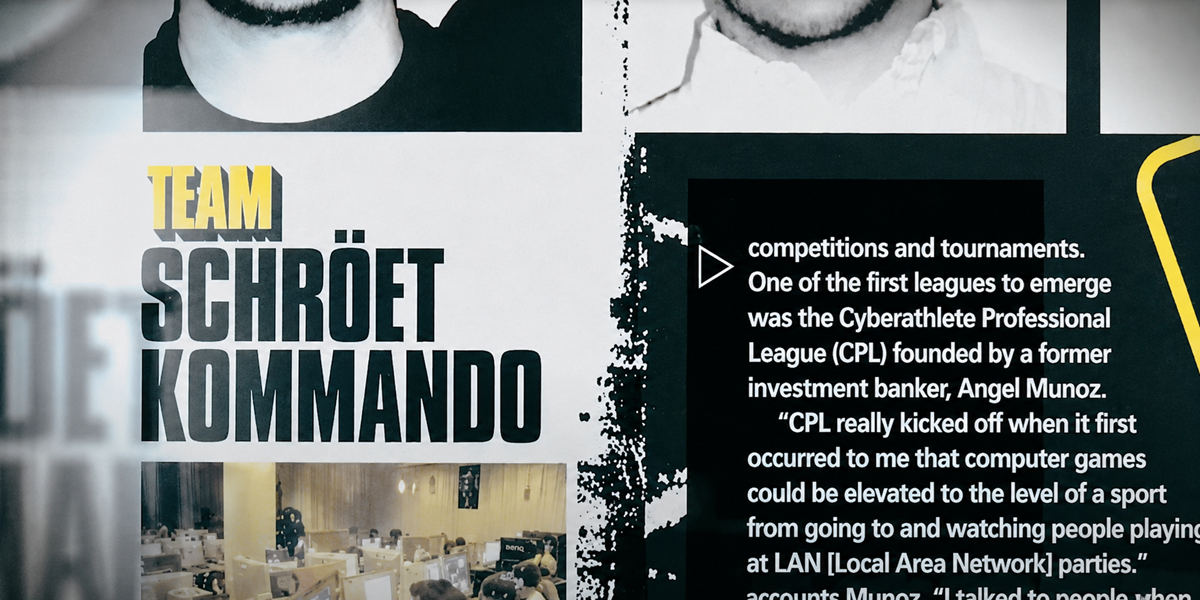
Some clans eventually became organizations in the modern esports sense. SK Gaming began as Schroet Kommando in Germany in 1997, while 4Kings also traced its roots to the late-1990s Quake scene. These groups moved through the awkward middle stage between hobby clan and business entity. Sponsors, contracts, managers, and multi-game rosters came later, but the structure had already started to form.
The clan era was not cleaner or better just because it came before the money. It had ego, bad organization, exclusion, unpaid labor, and endless arguments over rules. Still, it explains why esports did not appear out of nowhere. Players had already built the habits, rivalries, channels, ladders, and informal systems that professional organizations would later turn into business.
Continue Reading: 15 Early Esports Tournaments That Started It All