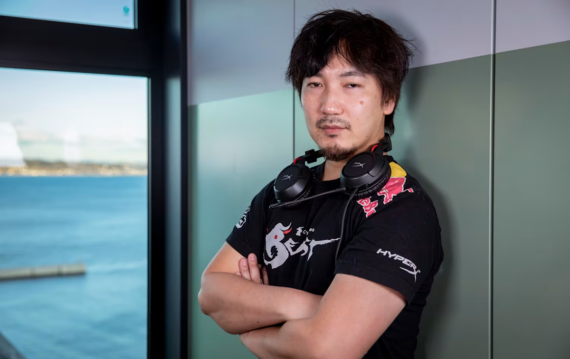
Esports has never been great at talking about age with much nuance. For years, players in their late 20s were treated as if they were already running out of time, especially in games built around speed, aim, and constant practice. That idea was never totally ridiculous, but it was too neat. Plenty of players kept competing into their 30s and showed that experience, discipline, and adaptation could still matter just as much as raw reaction time.
Tokido
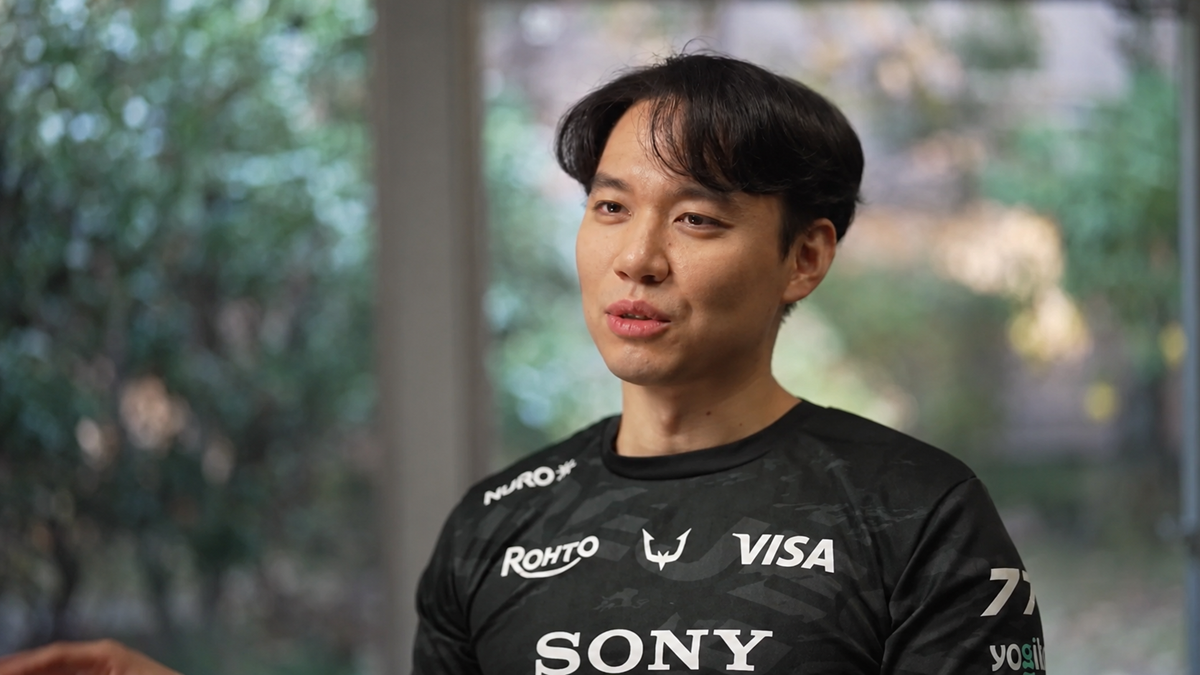
Tokido’s EVO 2017 win in Street Fighter V remains one of the cleanest examples of a veteran refusing to age out quietly. He was 32 at the time, facing a scene that had become faster, more studied, and less forgiving. His run worked because it did not look like nostalgia. It looked like preparation, calm decision-making, and a player who knew exactly when to stop forcing the old version of himself into a new game.
Daigo Umehara
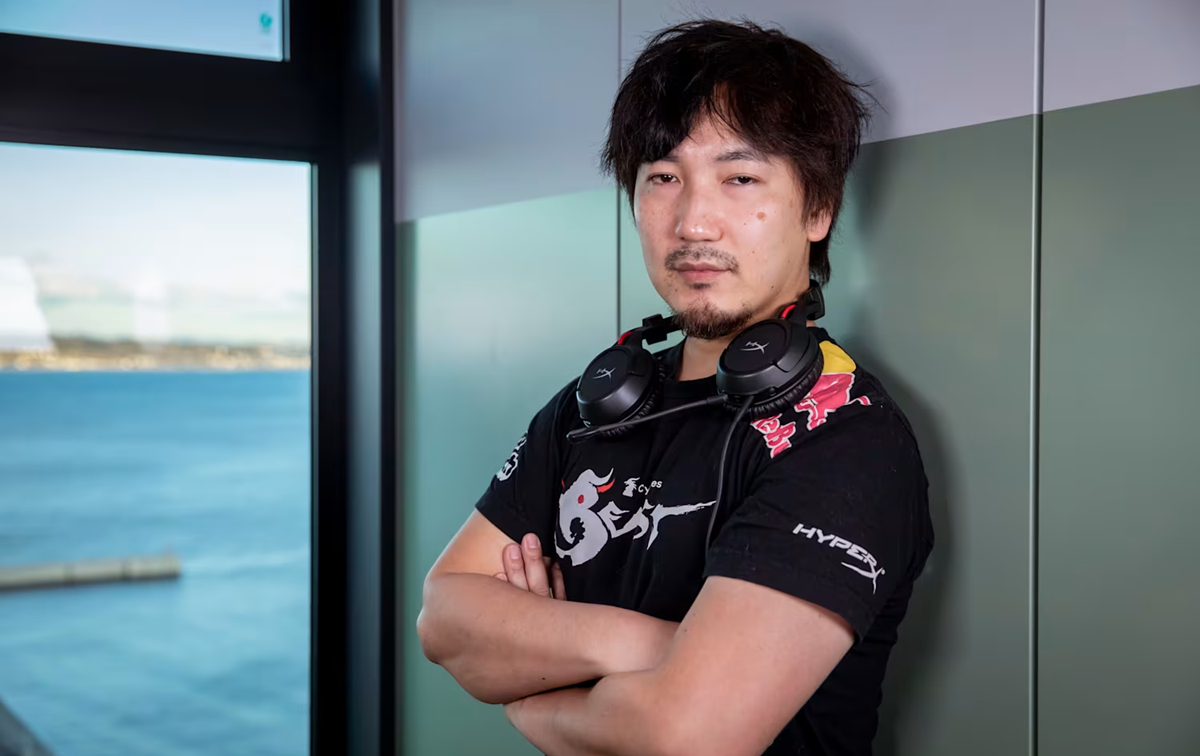
Daigo Umehara has been around long enough to make his career feel like several careers stacked together. Born in 1981, he was already a major name in Japanese arcades before modern esports had much of a global shape, and he kept competing well into his 40s. What made that longevity stand out was not just survival. Street Fighter changed around him again and again, and Daigo kept finding ways to stay dangerous without pretending he was the same player from his early years.
Karrigan
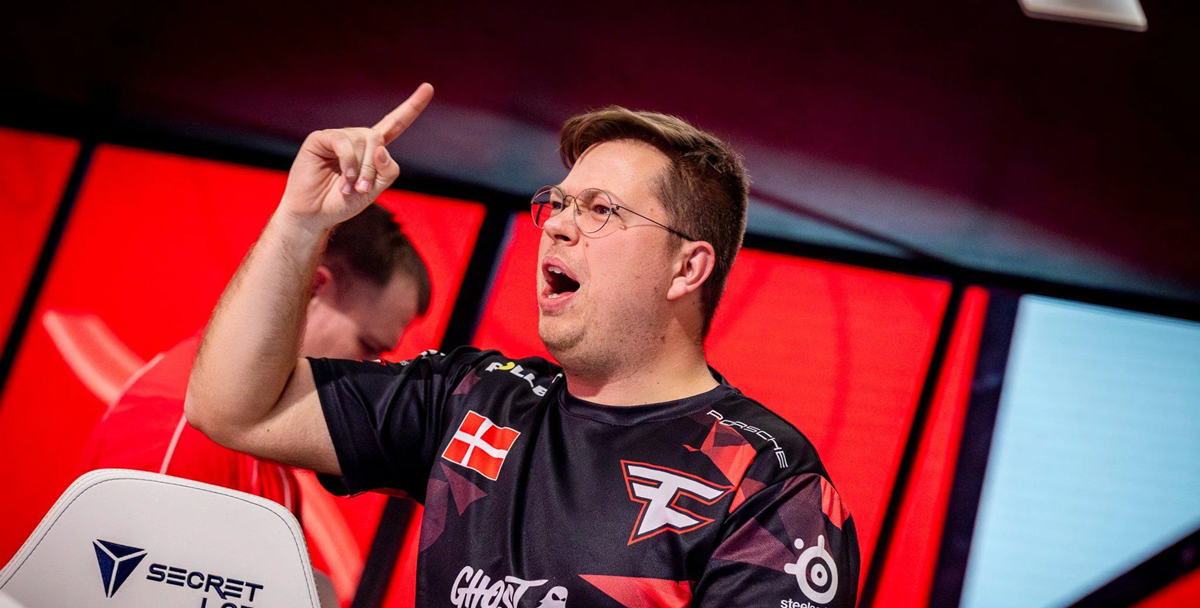
In Counter-Strike, not every contribution shows up neatly in the kill feed. Finn “karrigan” Andersen won the PGL Major Antwerp 2022 with FaZe Clan at 32, becoming the oldest CS:GO Major winner at the time. His value was built on calling, trust, pressure management, and mid-round judgment, all things that usually take years to develop properly.
F0rest

Patrik “f0rest” Lindberg did not need a late-career run to prove he belonged in Counter-Strike history. He had already done that. Still, the fact that he kept competing into his 30s mattered because it showed another kind of longevity, less about staying at a perfect peak and more about remaining useful after the scene has changed around you.
TaZ
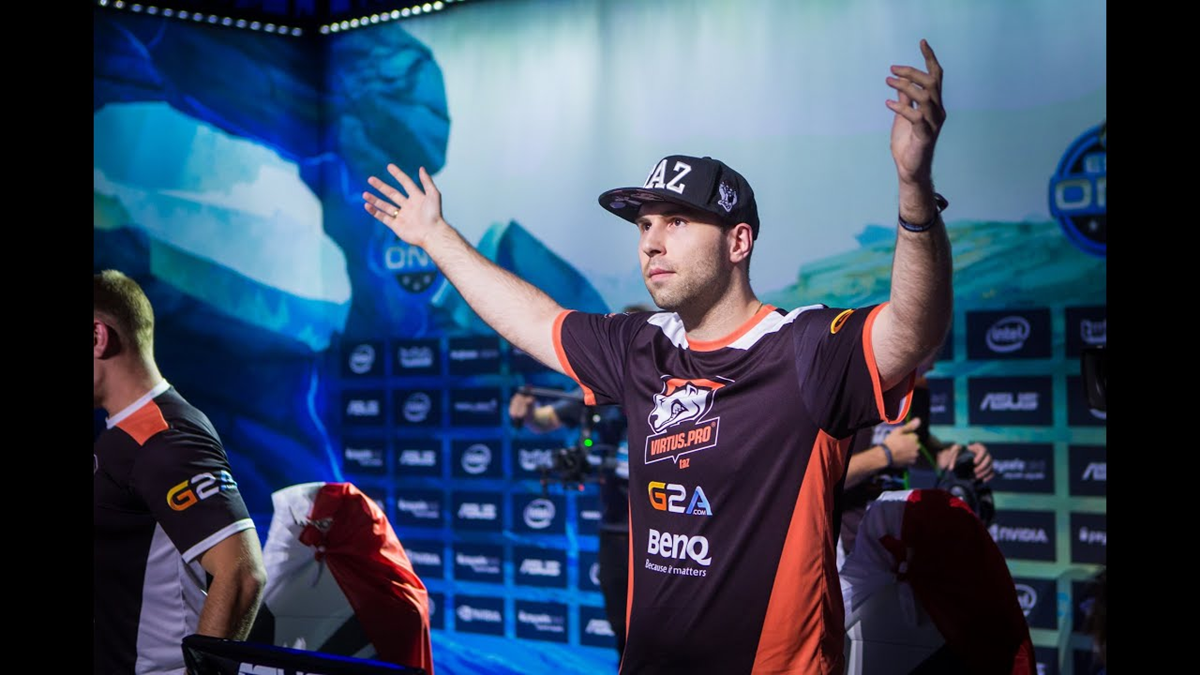
Wiktor “TaZ” Wojtas came from a rougher, older Counter-Strike world, and he carried that experience deep into the CS:GO era. His later years were not always clean or trophy-heavy, but they were still competitive years, not ceremonial ones. There is something revealing in that, because age in esports is often judged only when the ending is pretty.
Trending on realmoneygamer.com
Puppey
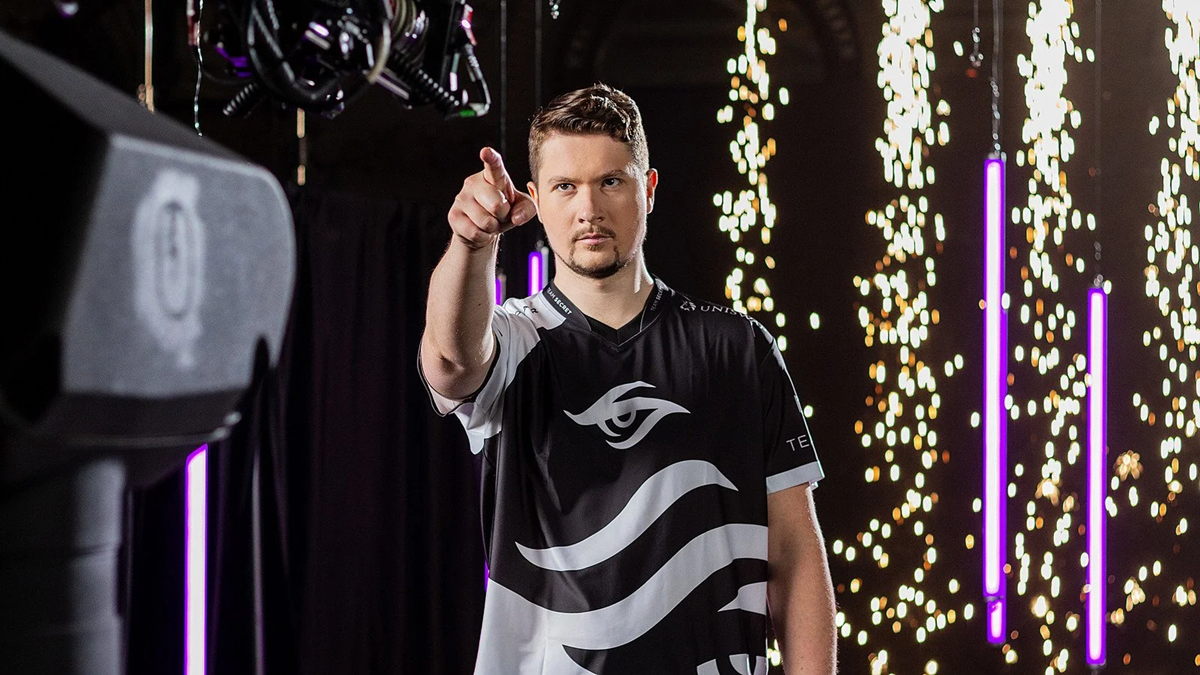
Clement “Puppey” Ivanov never seemed especially interested in fitting the normal career arc. He won The International 2011 with Natus Vincere, then stayed relevant in Dota 2 for years after most players from that first generation had disappeared from the top level. Dota changes constantly, and older captains can get exposed fast. Puppey kept drafting, rebuilding, arguing with the meta, and finding new versions of his teams.
Solo
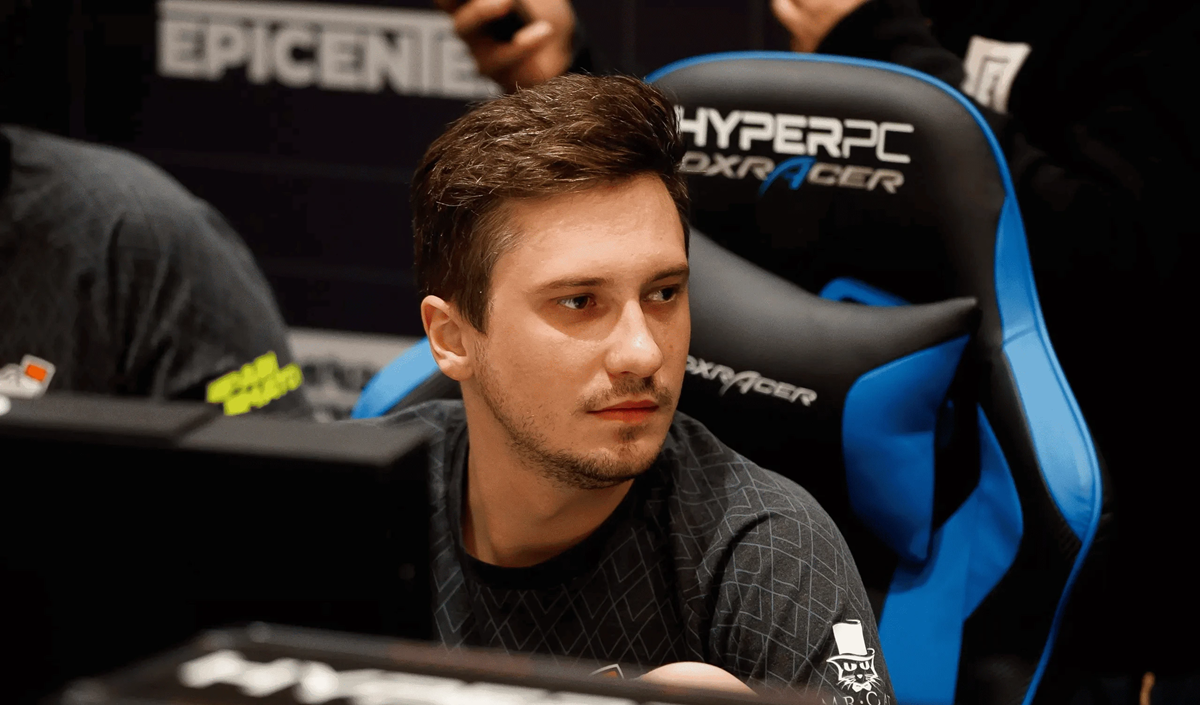
Alexey “Solo” Berezin’s career is not a neat inspirational poster, which is partly why it feels real. He stayed in professional Dota into his 30s by leaning on leadership, game sense, and a deep understanding of how teams break under pressure. Not every older player has to be the fastest person on the map. Sometimes the edge is knowing when the game is about to turn.
Rapha
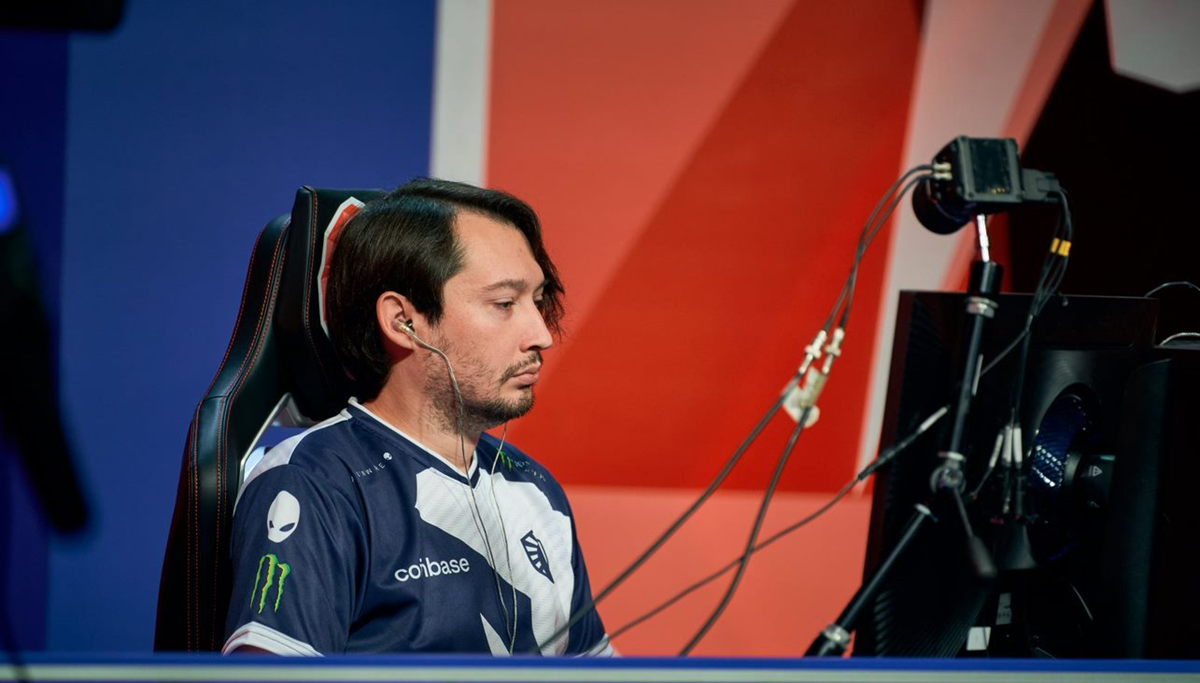
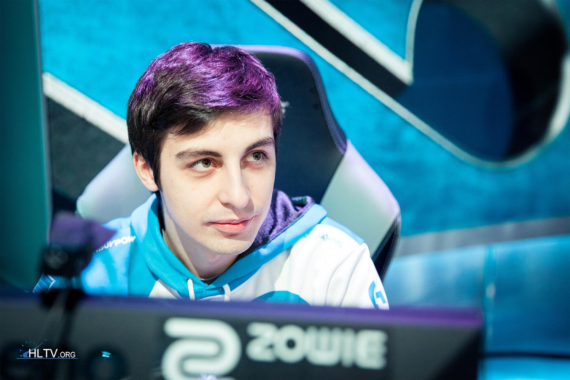
Quake sounds like a young player’s game on paper. It asks for aim, timing, movement, memory, and reactions, often all at once. Shane “rapha” Hendrixson kept competing into his 30s because his game was never only about speed. He controlled space, read habits, and made opponents feel late before they even realized they had made a bad decision.
Moon
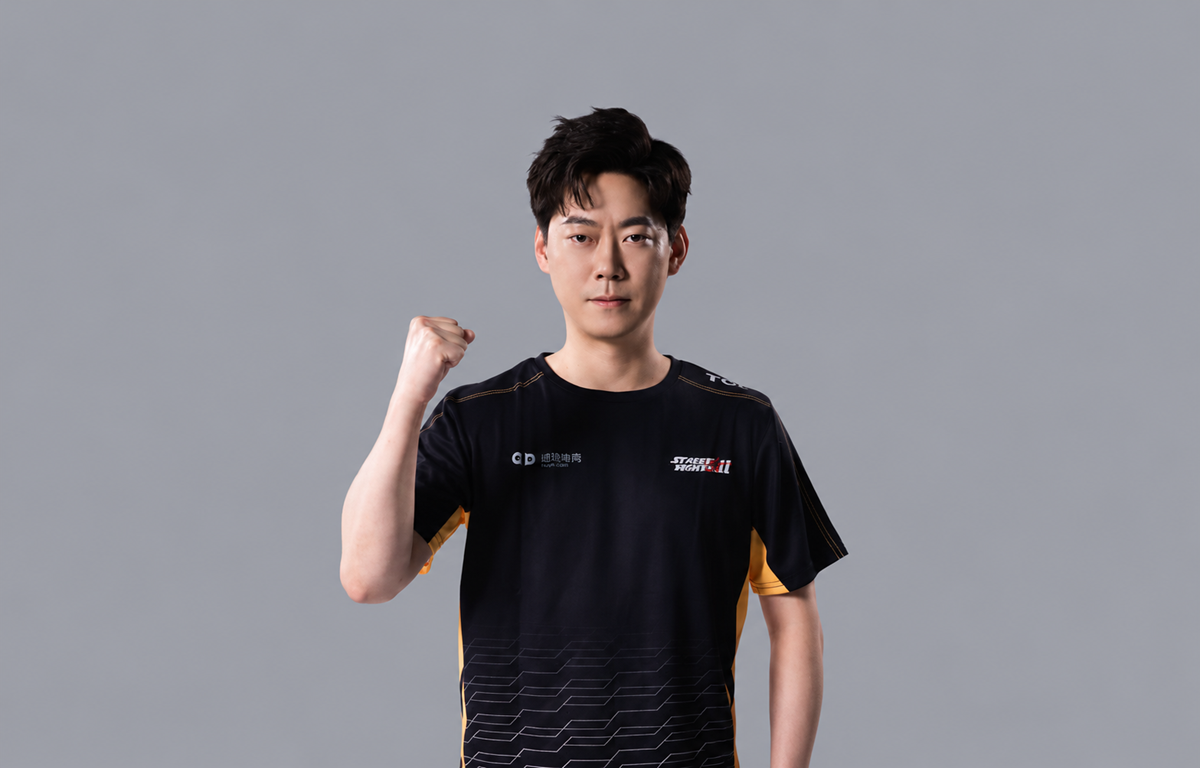
Jang “Moon” Jae-ho belongs to an older era of esports, when Warcraft III had its own stars, myths, and style of genius. Born in 1986, he kept competing long after his first wave of fame in the 2000s. That matters in a game where small choices build into huge consequences. Moon’s longevity came from feel, creativity, and an unusually sharp sense of when to bend the rules of a matchup.
BoxeR
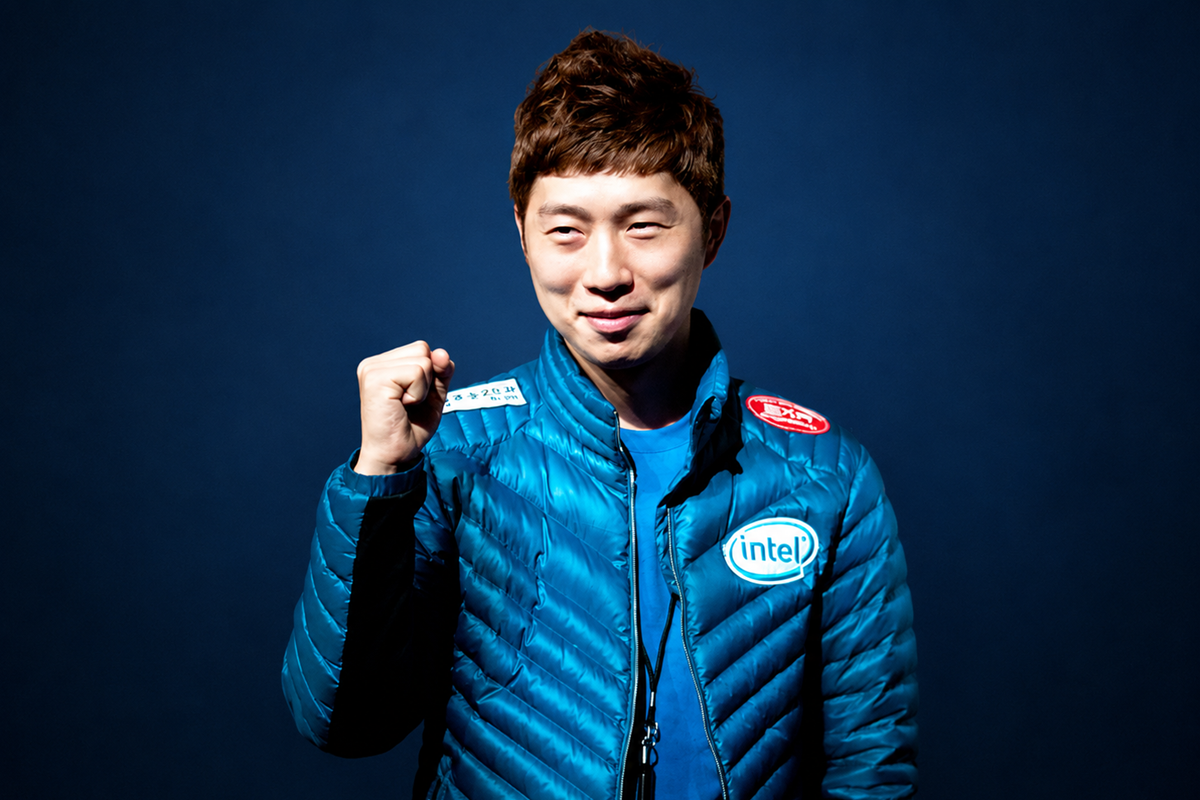
Lim “BoxeR” Yo-hwan was already famous before esports looked anything like it does now. After defining part of StarCraft: Brood War history, he moved into StarCraft II and competed professionally in his early 30s. Injuries eventually made the grind harder, but that late chapter still says something. A new game did not automatically erase the old guard.
A Smaller, More Honest Way to Talk About Age
Age matters in esports, but not in the lazy way people often say it does. Some games punish slower reactions more than others, and some roles give veterans more room to turn experience into value. The better lesson from these players is simple: 30 was never the cliff everyone made it out to be.