A lot of esports careers do not really end when a player leaves the stage. They just move into a less visible, more complicated part of the building. Coaching sounds like the natural next step for a veteran pro, but the job asks for a different kind of nerve. You are still close to the game, sometimes painfully close, only now your influence comes through preparation, trust, arguments, reviews and all the awkward little conversations that happen away from broadcast.
Danny “zonic” Sørensen
Pley.gg
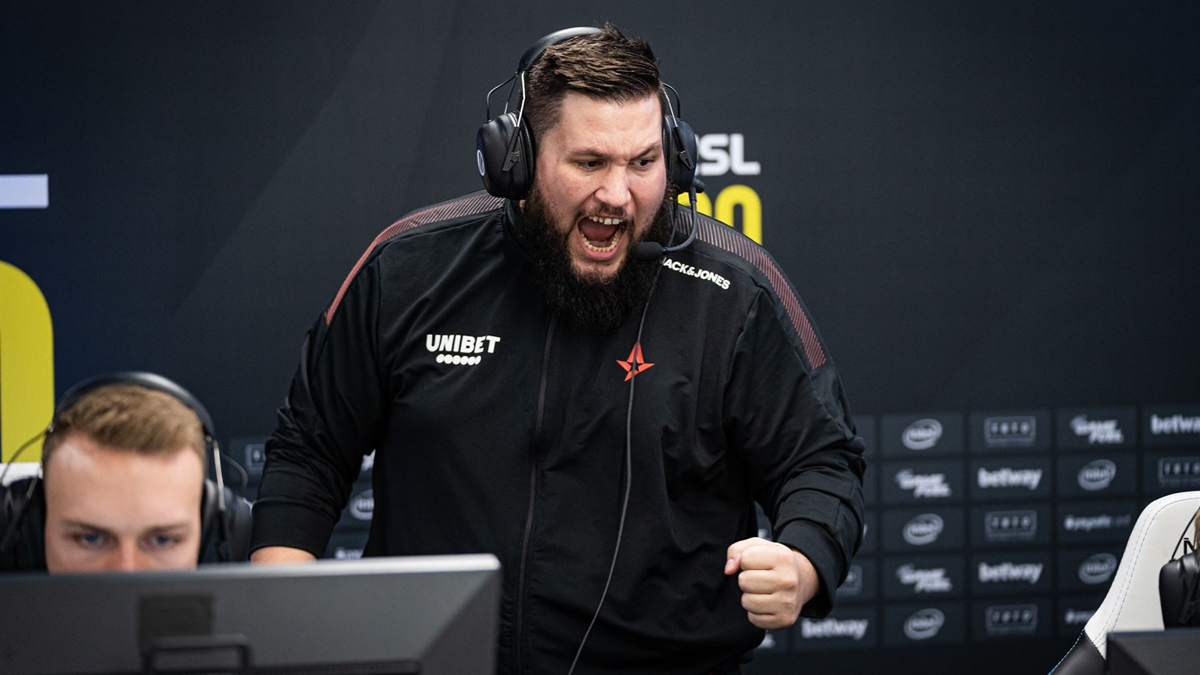
Counter-Strike has always made room for older heads, and zonic used that better than most. He was already a respected Danish player before coaching the Dignitas and Team Questionmark core, then Astralis. His impact was not just tactical. Astralis often looked prepared before rounds even began. For a former player, that is the hard part: you cannot take the duel yourself anymore, only help someone else get ready for it.
Kim “kkOma” Jeong-gyun
r/leagueoflegends
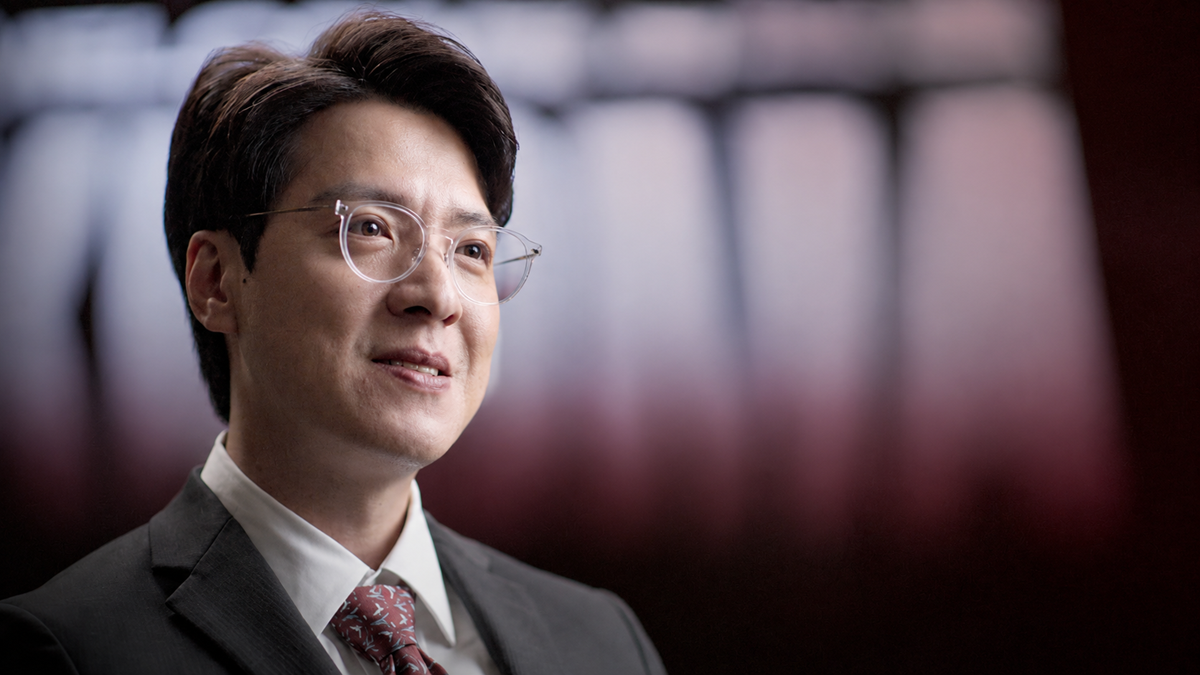
Before becoming one of League of Legends’ most recognizable coaches, kkOma had already been on the player’s side, competing in StarCraft II as “LittleBoy” and later playing jungle for StarTale. That background helped, but his real mark came with SK Telecom T1, where coaching meant more than understanding the map. With players like Faker, the job was about creating structure around enormous talent. His transition shows the trade former pros often make: less control inside the match, more responsibility for everything around it, from drafts and practice culture to pressure and bad weeks.
Andrii “B1ad3” Horodenskyi
r/globaloffensive
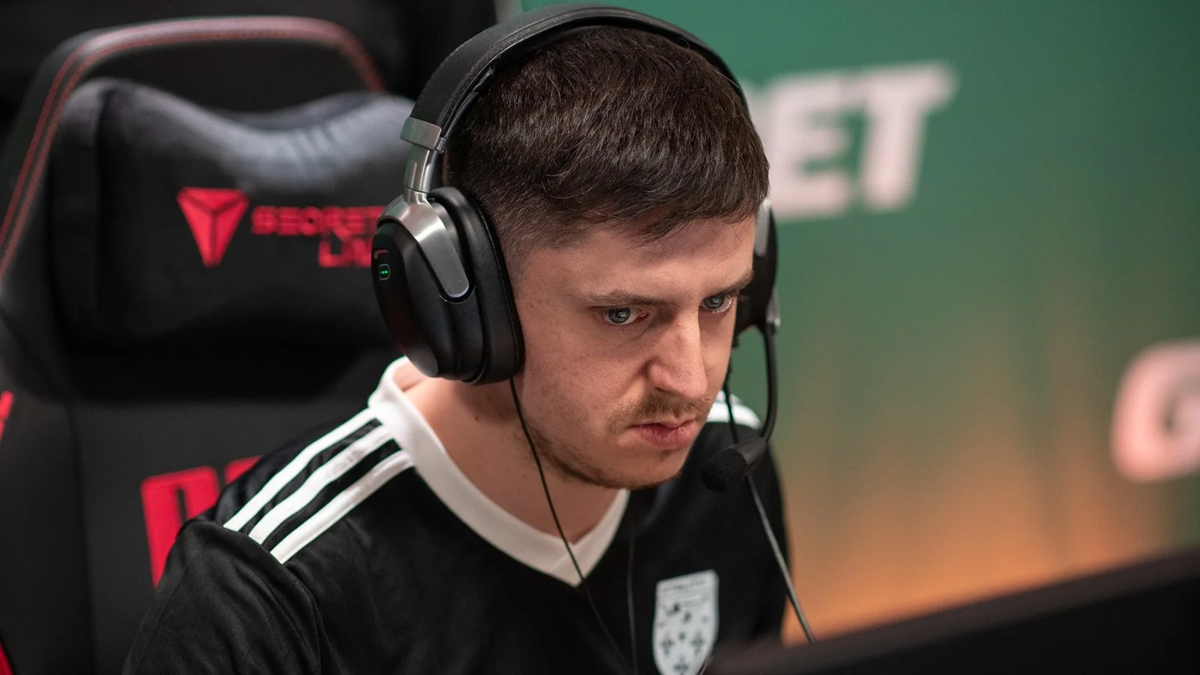
B1ad3 always made sense as a coach because his playing career already leaned toward leadership. He was an in-game leader, a planner, the kind of Counter-Strike mind people talked about even when he was not putting up the loudest numbers on the server. With Natus Vincere, that translated into a coaching style built around systems, spacing, demo work and clear roles. The transition here feels less like a reinvention than a change of tools. Instead of calling inside the match, he shapes how the team understands the match before it happens.
Bok “Reapered” Han-gyu
r/leagueoflegends
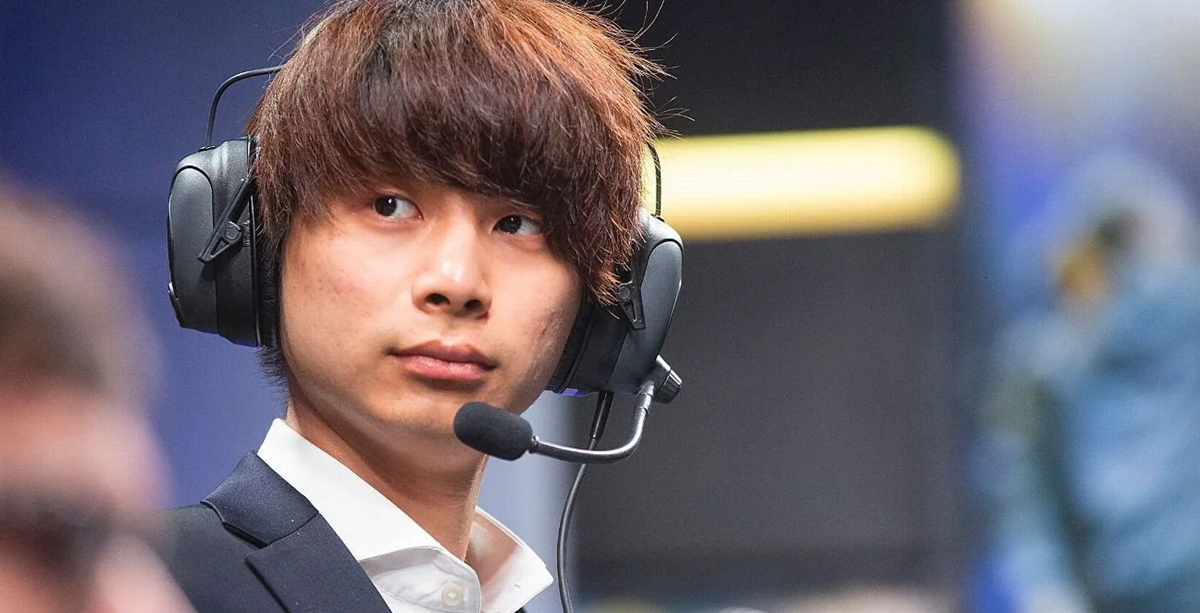
Reapered’s coaching career became closely tied to moving between regions. After playing professionally in Korea, he became a major figure in North America with Cloud9 and later 100 Thieves. Cross-regional coaching is rarely clean in practice: scrim habits, player independence, owner expectations and fan pressure all change. His best teams usually looked like they had a clear point of view, not just five talented players dropped into a draft.
Alfonso “Mithy” Aguirre Rodríguez
r/fnatic
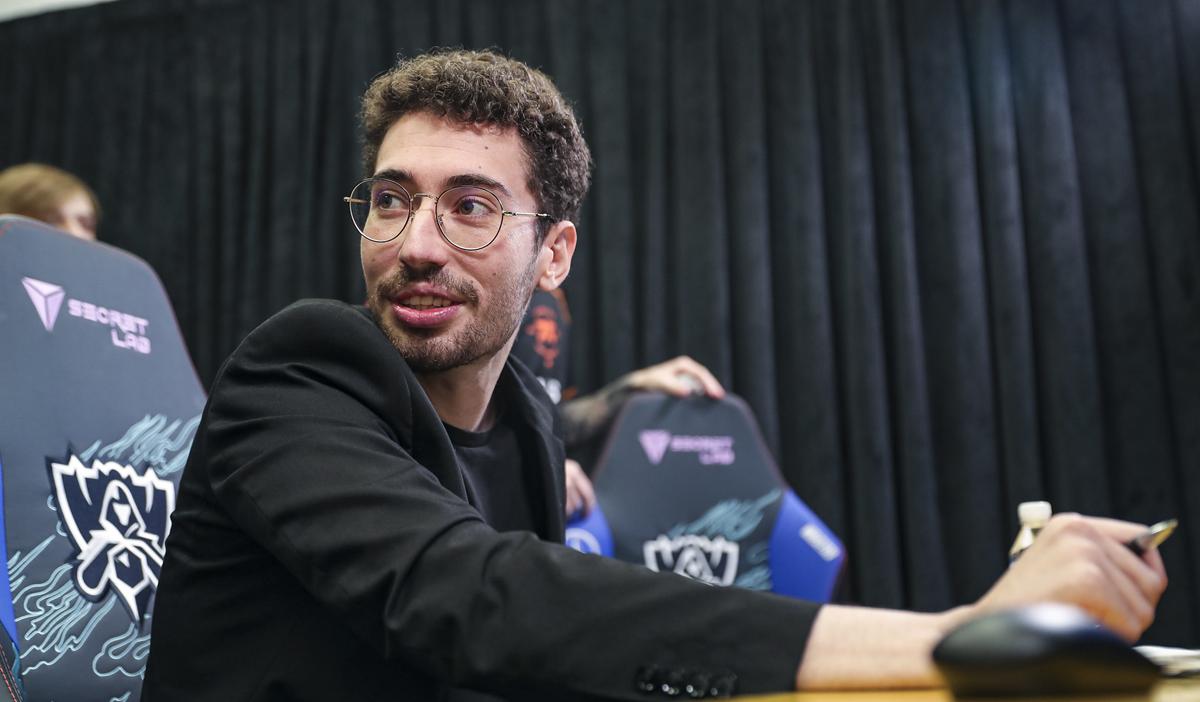
Mithy did not drift slowly away from competition. After a long career as one of Europe’s best-known supports, he moved into coaching with Fnatic for the 2020 LEC season. It is a sharp turn: one year you are talking through lane states and engages as a player, the next you are responsible for the whole team’s direction. Former supports can be good coaches because they are used to seeing more than their own champion. Still, the job is colder. Players get judged for one bad game, coaches get judged for patterns.
Trending on realmoneygamer.com
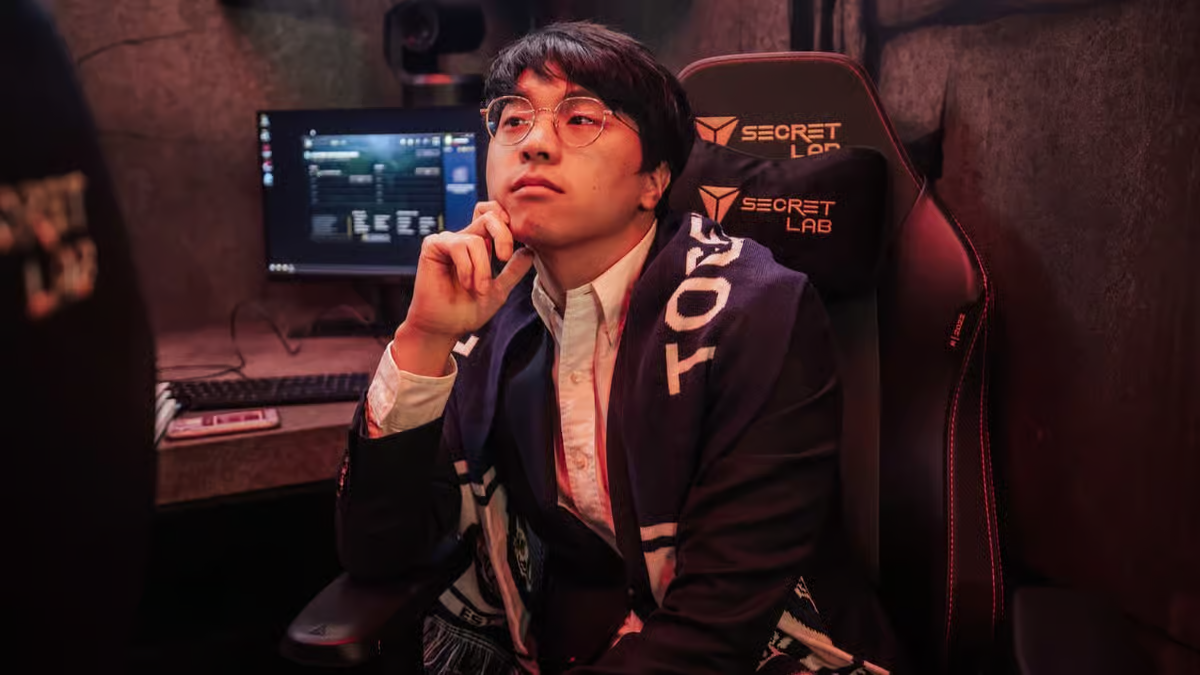
Bae “Bengi” Seong-woong
Dexerto
Bengi’s name carries weight because of what he did as a player with SK Telecom T1. Three world titles as a jungler create a kind of instant respect that most coaches never get. But coaching T1 later, including his run with T1 Challengers and then the main roster, showed that respect is only the entry ticket. A former champion still has to handle drafts, staff dynamics, player form and the mood of a team that is expected to win almost by default. That can be more uncomfortable than playing, because the audience remembers the trophies but judges the current week.
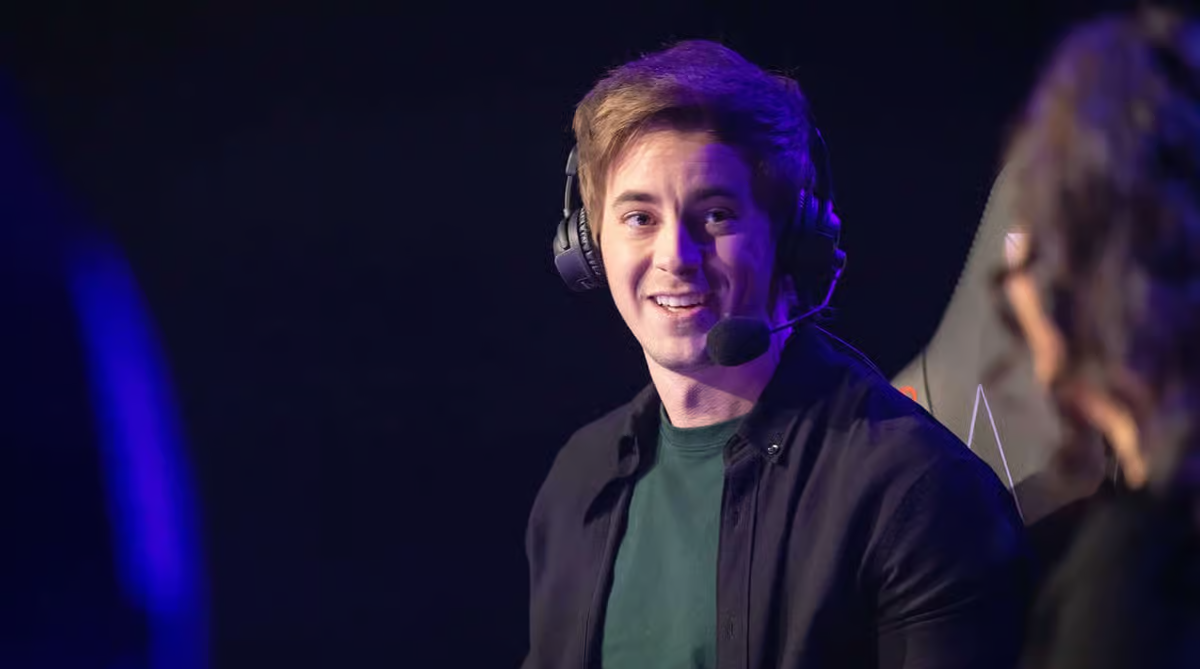
Sean “sgares” Gares
r/dexerto
Sean Gares brought a useful mix of player, leader and analyst experience into Valorant. After years in Counter-Strike, he coached 100 Thieves in a game that shared some CS habits but had its own problems: agent roles, utility layers, patch changes and ult economy. His coaching stint was not very long, but it made sense. Some former pros are valuable because they can explain the game clearly enough that players actually listen.
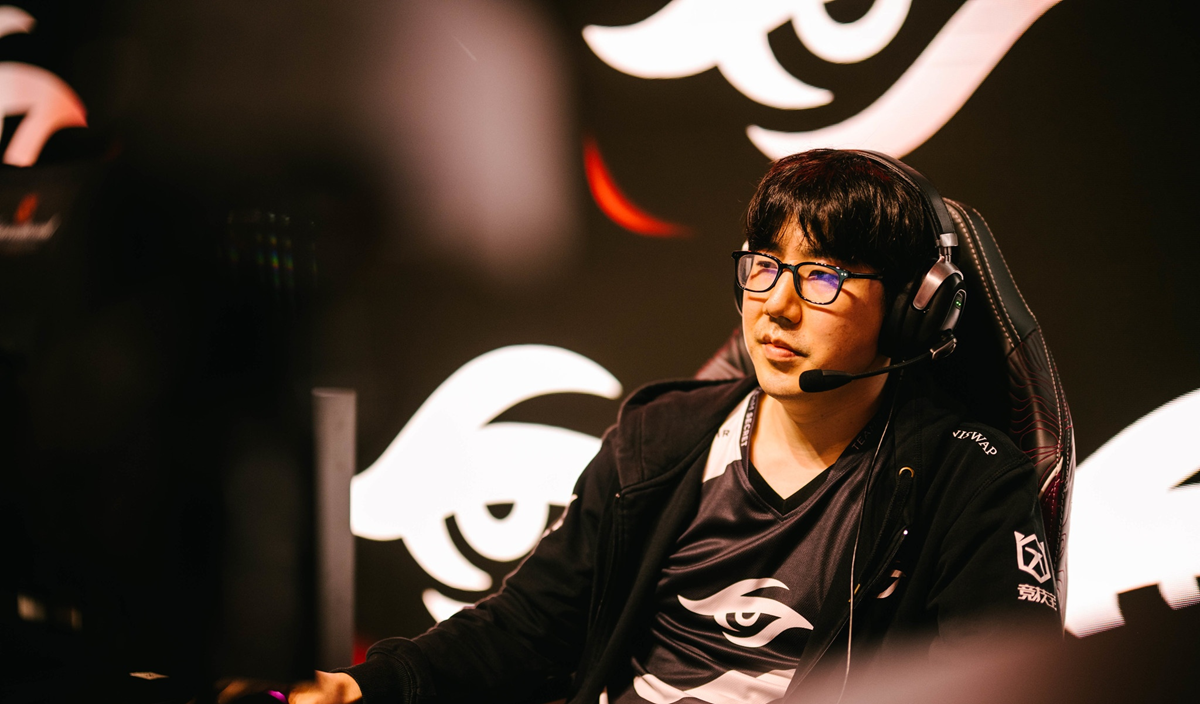
Lee “Heen” Seung Gon
r/liquipedia
Heen’s move from player to coach became most visible with Team Liquid in Dota 2. Dota coaching is a strange job because so much of the match belongs to players making live decisions in chaos. A coach can help with drafts, opponent prep, hero priorities and review work, but once the game starts, control slips away quickly. That is why the best Dota coaches often seem less like commanders and more like editors. They help a team cut away bad habits before those habits show up on stage.
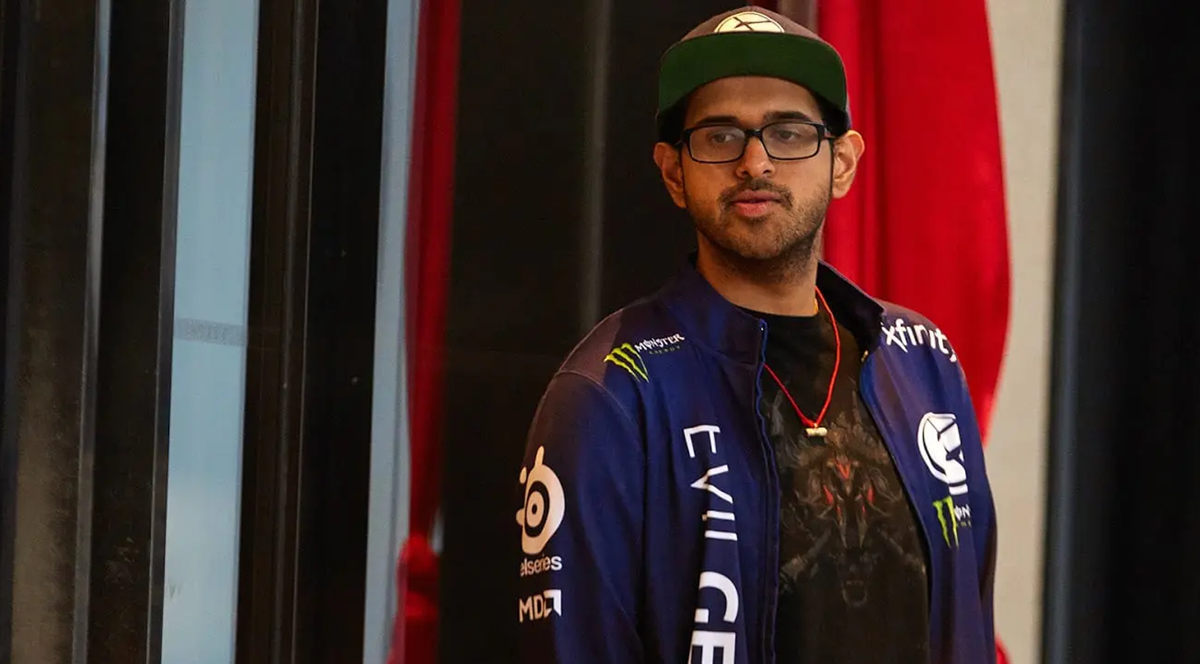
Kanishka “BuLba” Sosale
Esports.gg
BuLba spent years as a Dota 2 player before becoming better known to many fans as a coach. His coaching work with teams such as Evil Geniuses and Shopify Rebellion put him in one of the most thankless seats in esports. When a draft works, the players usually get the credit. When it fails, the coach becomes the easiest target. For a former player, that is a brutal shift. You know how many compromises go into a draft, but most of the public only sees five heroes and a loss screen.
Jake “Xmithie” Puchero
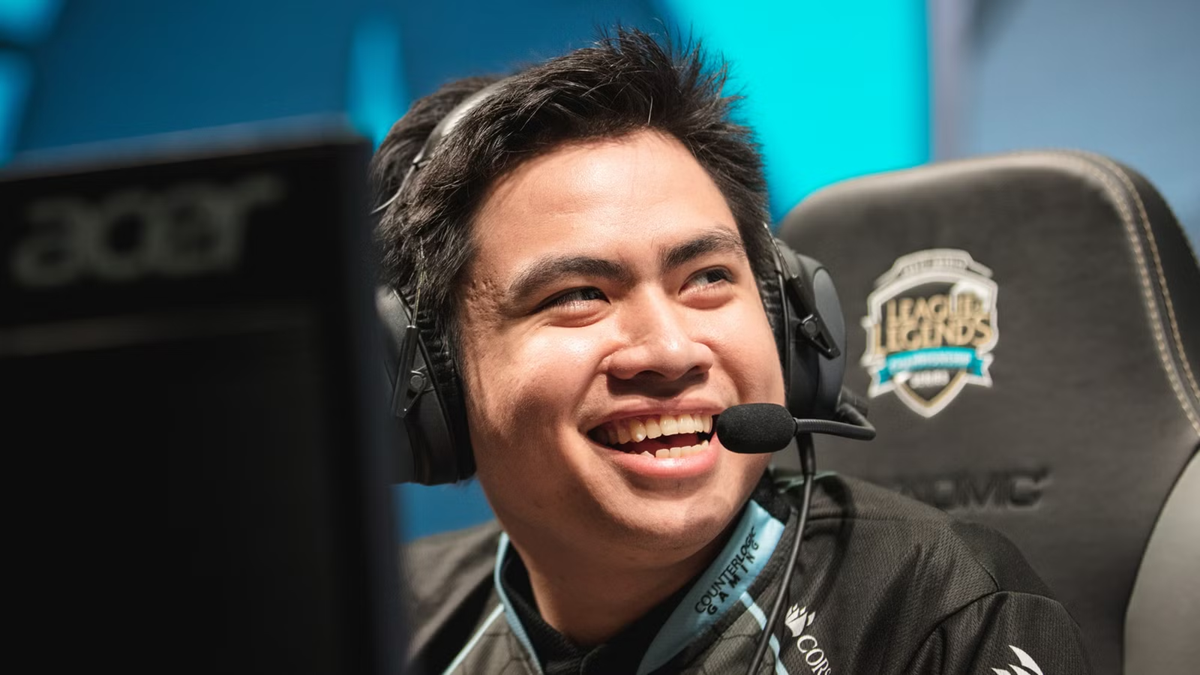
Polygon
Xmithie’s playing career was built on calm, timing and map sense more than noise. That made his later move into coaching feel fairly natural. As a jungler for teams like Counter Logic Gaming and Team Liquid, he had already spent years thinking about lanes, pressure and where a game was likely to break open. Coaching asks him to pass that understanding on without simply saying, “I would have done this.” That difference matters. A coach has to make the player better, not just prove that the coach still sees the angle.
Peter “ppd” Dager
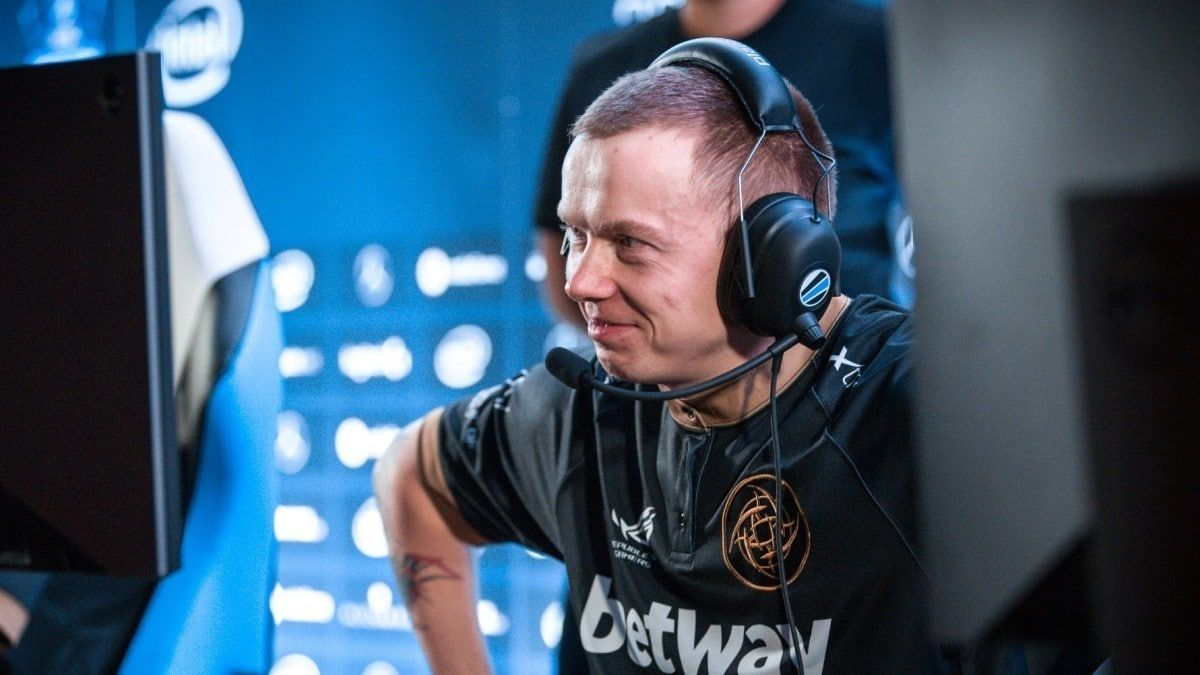
GosuGamers
Peter “ppd” Dager was never the standard long-term coach, but his career kept circling leadership. He captained Evil Geniuses to The International 2015 title, later worked in management, and spent time coaching Alliance. In a way, coaching was another version of what he already did: reading people, reading drafts and making hard calls. The difference is that a former captain has to learn when to step back.
A player who becomes a coach does not just carry old experience into a new job. Some of that experience helps, some of it gets in the way. The best ones learn how to speak through other people’s games instead of their own. It is a quieter career from the outside, but not necessarily an easier one.
Continue Reading: