Esports organizations can look flat from the outside: a logo, a few star players, a coach on stage, and a social team trying to turn every win into a clip. Inside, the structure is usually more layered. The jump from a young prospect to a main-stage starter is not just about mechanics, it is about contracts, scrim access, coaching trust, public pressure, and timing. Academy teams sit somewhere between scouting department, training ground, and insurance policy, which is why their role keeps changing as esports matures.
Scouting and Amateur Pipelines

The hierarchy usually begins before a player ever signs with a recognizable organization. Scouts watch ranked ladders, collegiate circuits, third-party tournaments, Discord communities, and semi-pro leagues, trying to separate a good week from a repeatable skill set. In games like League of Legends and VALORANT, publisher-backed systems have made this path more visible, with Riot maintaining official competitive databases for roster and staff information in both titles. The first step is rarely glamorous. It is often a trial block, a quiet invite to scrims, or a short conversation with an analyst who already knows the player’s habits better than the player expects.
Academy Development Teams
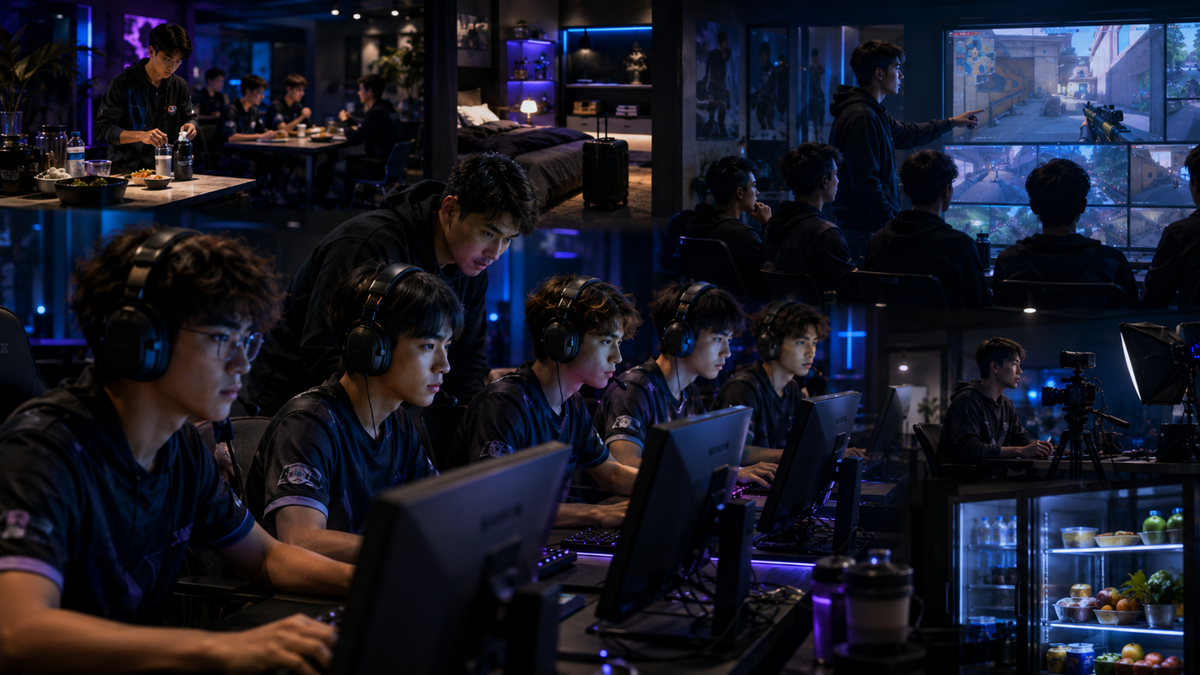
Academy teams are the most recognizable bridge between raw talent and the main roster. They are usually built to develop younger or less proven players inside the organization’s system without immediately exposing them to top-tier pressure. In VALORANT, partnered organizations have used academy rosters in Challengers as secondary squads, with teams such as Team Liquid Academy, Gen.G Global Academy, T1 Academy, ZETA DIVISION ACADEMY, and others appearing in regional circuits. The best academy programs are not just five prospects wearing cheaper jerseys. They mirror the habits of the senior team, from review culture to agent pools, communication standards, media training, and sometimes even diet, sleep, and travel routines.
Junior and Youth Rosters
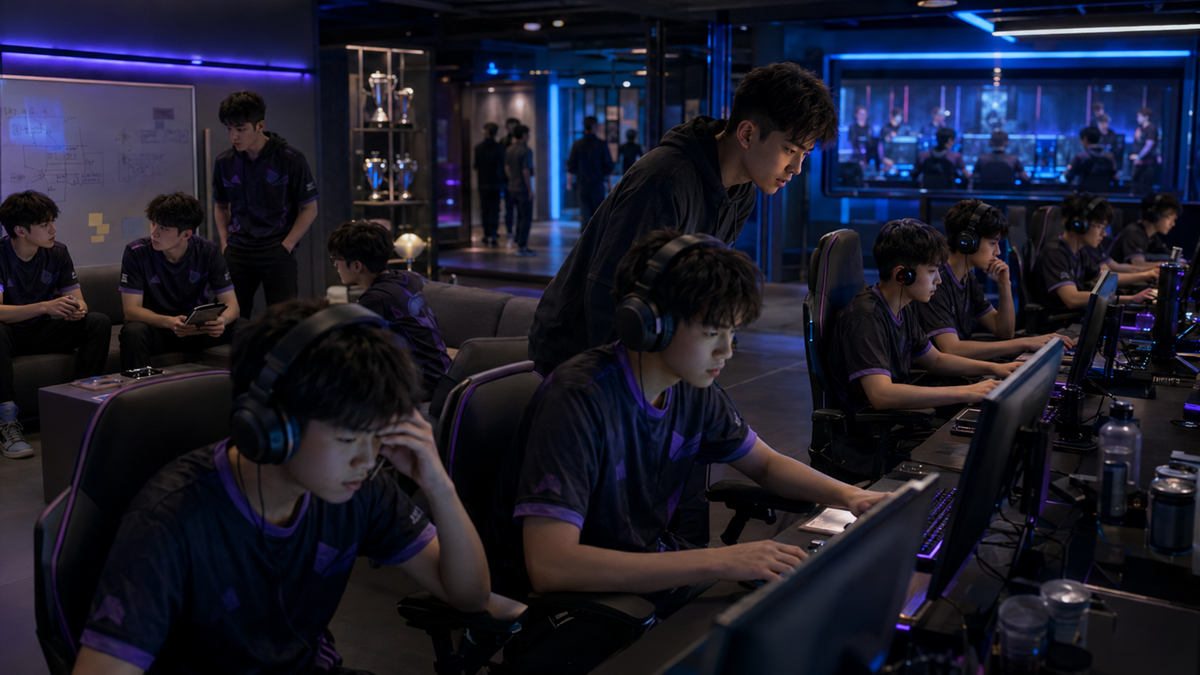
Some organizations prefer the word “junior” or “youth” because it gives the roster a slightly different identity. NAVI Junior in VALORANT, for example, fits into the same broad development idea as an academy side, but the branding carries a sense of internal continuity rather than a separate school team. These squads can be useful when an organization wants prospects to feel close to the main team while still giving them room to lose, rebuild, and learn in public without turning every mistake into a headline.
The Tier-Two Competition Layer

This is where the hierarchy becomes more real. A player can dominate internal scrims, but tier-two leagues expose different problems: strange schedules, uneven opponents, patch changes, lower broadcast polish, and pressure from players who are one good split away from taking someone’s job. Riot’s Americas Challengers tournament in 2024 brought together six tier-two teams from across the Americas and carried a $75,000 prize pool, a useful reminder that development circuits are not just practice rooms with cameras. For many prospects, this level is the first place where organizations learn whether their confidence survives officials, delays, comms breakdowns, and ugly wins.
Positional Depth and Emergency Substitutes
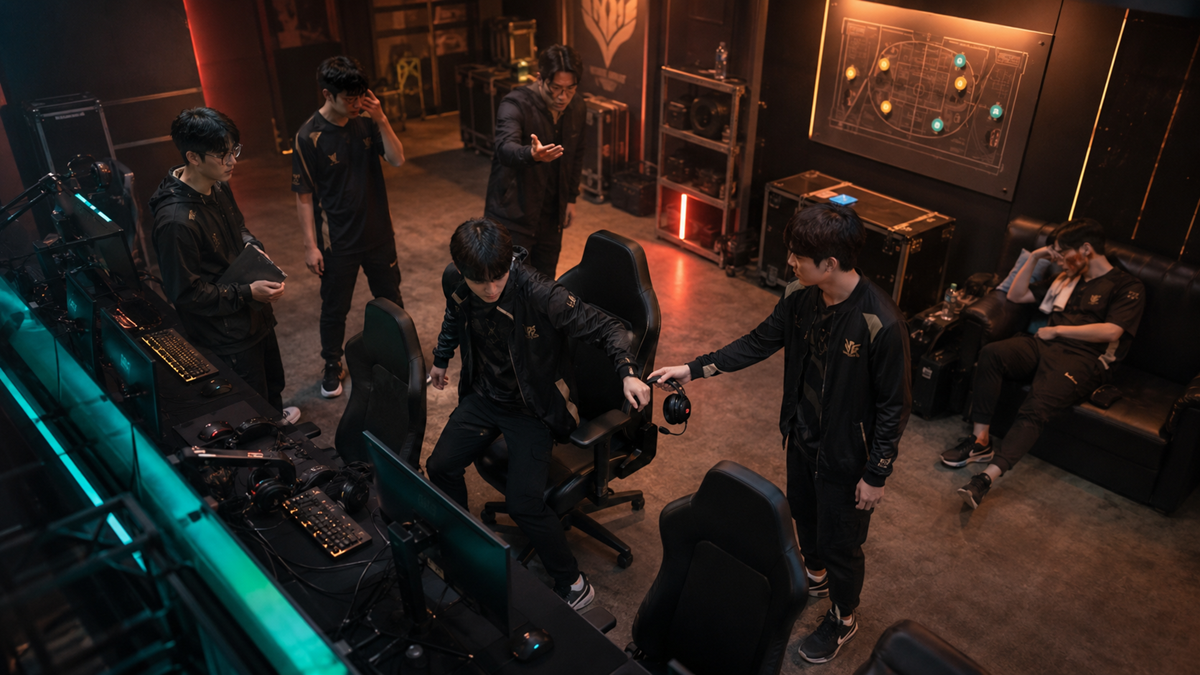
Not every academy player is being groomed as the next franchise face. Some are there because a team needs positional coverage. A substitute support, controller, IGL, entry player, jungler, or flex DPS can become essential during illness, visa delays, burnout, or sudden roster conflict. It is a less romantic role, but organizations that ignore depth often discover its value at the worst possible moment.
Trending on realmoneygamer.com

The Scrim Partner Function
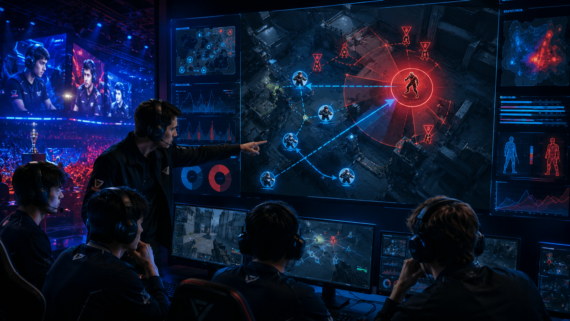
There is a slightly awkward truth about academy rosters: sometimes their most immediate value is helping the main roster train. They can test pocket strategies, imitate upcoming opponents, or run uncomfortable comps that outside scrim partners might not agree to practice. That does not mean they are treated as disposable, at least not in a healthy system, but it does mean their weekly work is not always reflected in match results. A good academy team can lose on broadcast and still make the senior roster sharper by Friday.
Analysts and Development Coaches
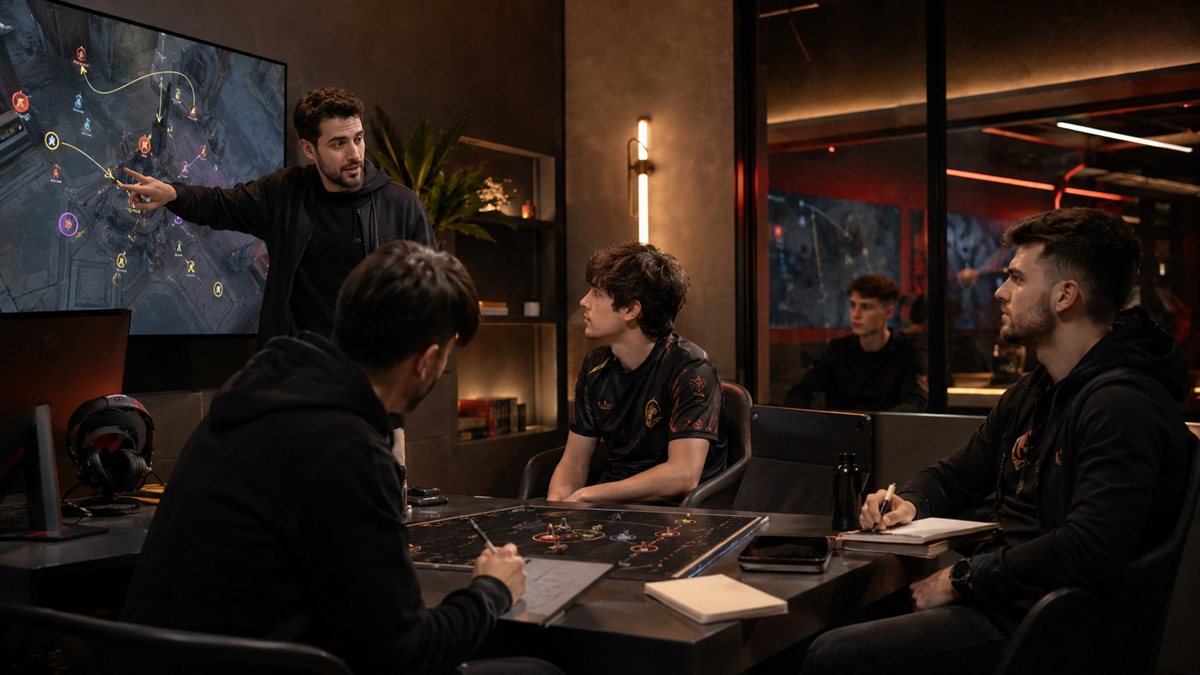
The climb from academy to main roster usually depends on staff as much as talent. Development coaches translate potential into habits, while analysts turn messy VODs into patterns a young player can actually fix. This layer often gets ignored because it is less visible than a promotion announcement, but it is where many roster decisions quietly take shape. A player who improves after review, communicates clearly, and accepts role changes is easier to trust than one who only looks good in highlight reels.
The Bench

The bench sits in a strange place in the hierarchy. It is above academy in status, but not always better for growth. A benched main-roster player may have salary, experience, and brand value, yet fewer official matches than an academy starter. For prospects, the question is not simply whether they are “closer” to the main roster, it is whether they are still playing enough meaningful games to keep improving.
Trialists and Temporary Call-Ups

A trial is the esports version of being invited into the room without being handed a key. It may last a few scrim days, a full week, or a small tournament, depending on the game and calendar. Staff are watching mechanics, of course, but also listening: how the player handles silence, criticism, mid-round chaos, and teammates with stronger resumes. Plenty of players never get an announcement out of it, but trials are often where the internal ranking starts to shift.
Main Competition Rosters
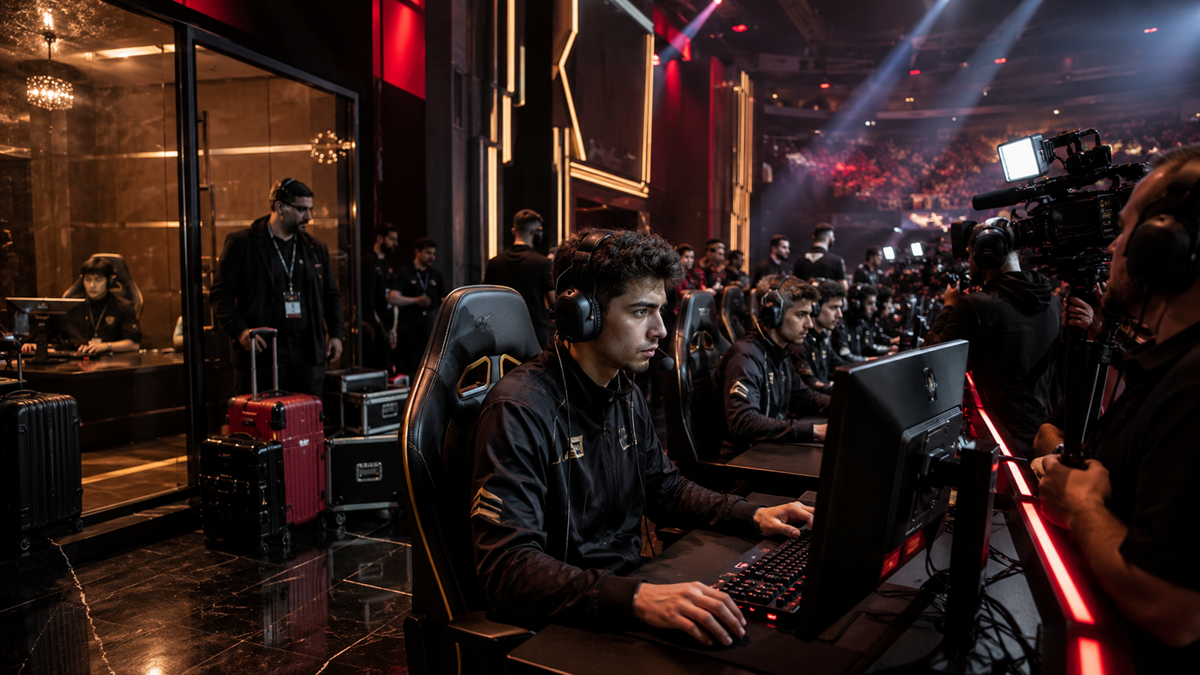
The main roster is where development stops being theoretical. Every role has consequences: a poor draft read, a bad pistol call, a missed smite, a late rotation, one impatient swing. In Riot ecosystems, the official Global Contract Database exists because rosters and staff are not just fandom trivia, they are part of the competitive infrastructure. Getting promoted to this level means the organization believes the player can handle more than the game itself, including travel, media, sponsor obligations, public criticism, and the uncomfortable knowledge that a replacement may already be training two rooms away.
Captains, IGLs, and Veteran Anchors

Hierarchy inside the main roster is not always written into contracts. A rookie may be the most mechanically gifted player on the server and still defer to a captain who understands tempo, opponent tendencies, and when a team is about to tilt. In Counter-Strike and VALORANT, the in-game leader can shape the entire roster’s personality. In League of Legends, a veteran jungler or support may become the practical voice of the team even if the star mid laner gets more attention. These informal ranks matter because young players rarely move up cleanly unless someone inside the main roster helps absorb the pressure.
Two-Way Movement Between Levels
Promotion is not always a straight elevator ride. A main-roster player can drop to academy to regain form, learn a new role, or keep match sharpness while negotiations happen. An academy player can be called up for one tournament and then sent back down with clearer expectations. Fans often treat those moves as verdicts, but teams usually see them as part of roster management. The difficult part is communication, because a developmental move can quickly feel like a demotion if the organization handles it badly.
Management, General Managers, and Competitive Directors

Above the rosters, the hierarchy becomes less visible but more decisive. General managers and competitive directors balance budget, contracts, buyouts, visas, coaching philosophies, and long-term roster windows. They decide whether an academy prospect is worth protecting, whether a veteran is blocking development, and whether a midseason change is worth the disruption. Their job is not only to find talent, but to avoid building a ladder that leads nowhere.
The Business Side Around the Competitive Core
Esports rosters do not exist apart from content, sponsorship, partnerships, and league economics. That pressure can affect hierarchy in subtle ways. A high-profile player might bring audience value beyond in-game form, while an academy prospect may need time before they can carry interviews, streams, or sponsor appearances. Riot’s 2025 shift allowing sports betting sponsorships in certain top League of Legends and VALORANT leagues showed how financial pressure around tier-one esports keeps shaping organizational decisions. Roster hierarchy is competitive, but it is also commercial.
Continue Reading: 12 Ways Esports Teams Scout and Recruit Players From Amateur and Semi-Pro Leagues