Patents are not the part of gaming most players notice first. They sit behind the obvious stuff, the characters, controllers, menus, and mechanics that feel natural once a game is in your hands. But when companies decide a rival has stepped too close, patents can become a very sharp tool. Some of these fights were about huge franchises, others were about surprisingly small pieces of design that ended up mattering a lot.
Nintendo and The Pokémon Company vs. Palworld
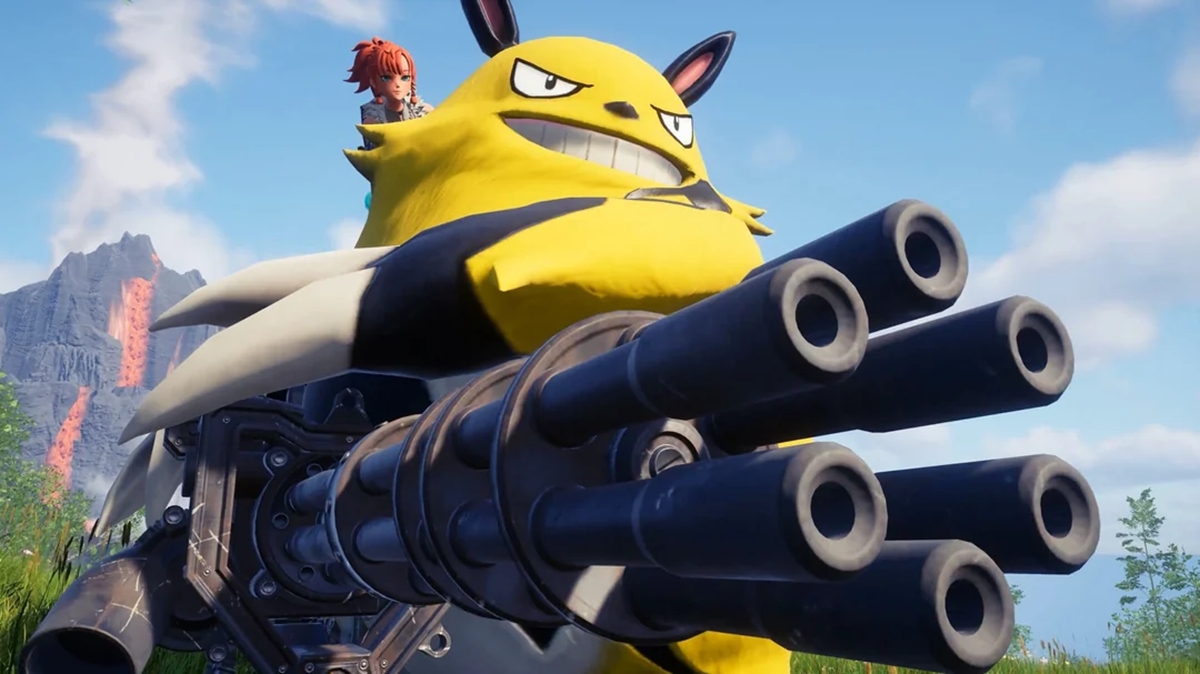
Palworld was already one of the loudest gaming stories of 2024 before the lawyers showed up. Players were arguing over its monster designs, its survival-game loop, and the obvious Pokémon comparisons, but Nintendo and The Pokémon Company went after Pocketpair through patent law rather than a simple visual-copying claim. The lawsuit, filed in Tokyo District Court in September 2024, accused Palworld of infringing patents tied to gameplay systems, including creature-catching and interaction mechanics. That made the dispute feel bigger than one game, because it raised an uncomfortable question for studios working in monster-taming games, how close can you get to a familiar design language before the mechanics themselves become risky?
Konami vs. Cygames over Uma Musume: Pretty Derby
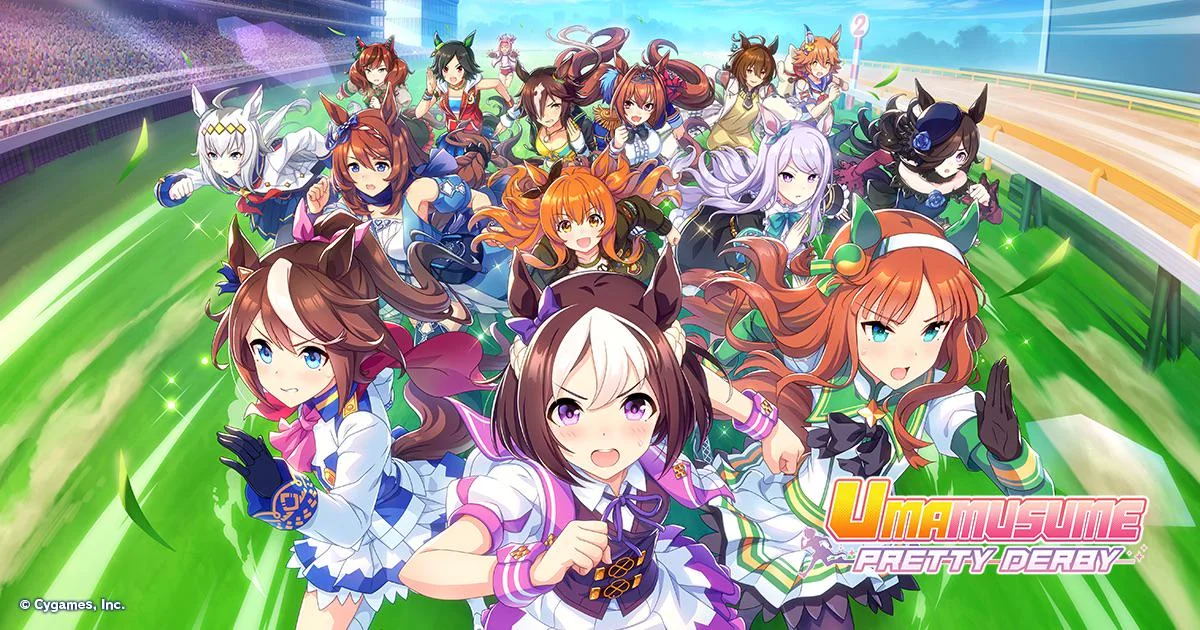
Uma Musume: Pretty Derby is a strange target if you only look at it from the outside. It mixes horse racing, idol culture, training systems, and gacha-style character collection in a way that feels very specific to Japan’s mobile market. Still, Konami sued Cygames in 2023, claiming the game infringed multiple patents and seeking roughly 4 billion yen in damages. Cygames eventually settled the dispute in 2025 while continuing to deny infringement, which is very often how these cases end, not with a clean moral victory, but with both sides deciding the fight has gone on long enough.
Nintendo vs. Colopl’s White Cat Project
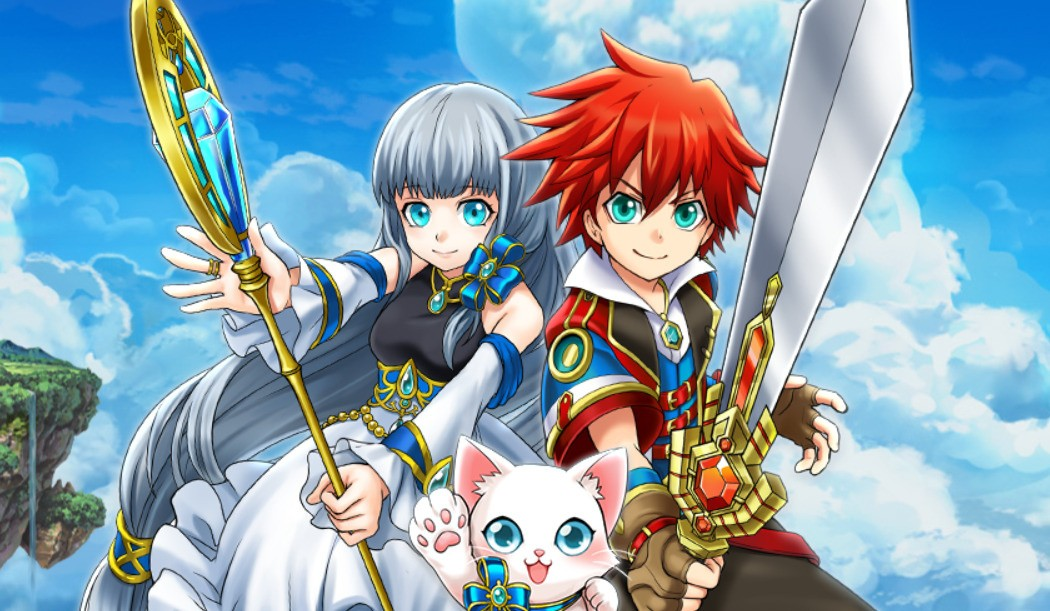
Nintendo’s lawsuit against Colopl showed that mobile controls could be just as legally sensitive as console hardware. The case centered partly on touchscreen joystick-style controls used in White Cat Project, a popular action RPG in Japan. After several years, Colopl agreed in 2021 to pay Nintendo and license the relevant patents going forward.
Sega vs. The Simpsons: Road Rage
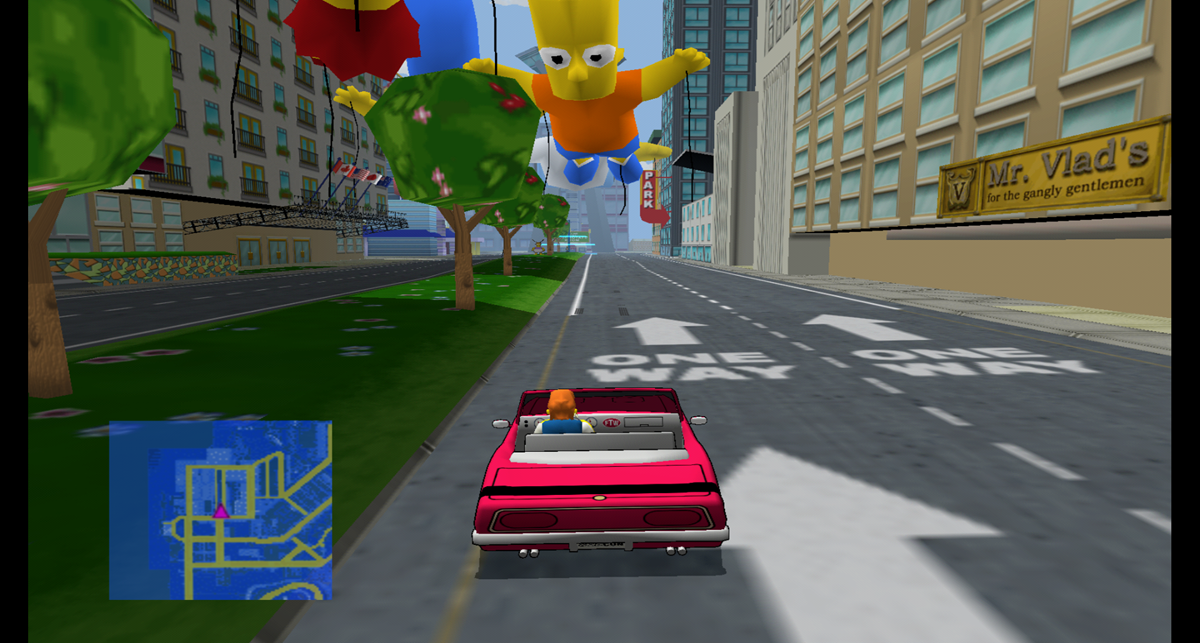
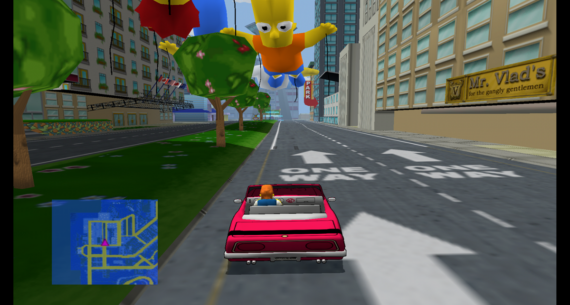
Anyone who played The Simpsons: Road Rage in the early 2000s could see why Sega was annoyed. The game had the same basic energy as Crazy Taxi, pick someone up, drive fast, follow the arrow, cause chaos, repeat. Sega sued Fox Interactive, Electronic Arts, and Radical Entertainment in 2003, arguing that Road Rage infringed patents connected to Crazy Taxi’s gameplay systems, including destination guidance. The case settled, but it still gets brought up because it is one of the clearest examples of a company using patents to challenge a game that looked less like inspiration and more like a reskin with different jokes.
Konami vs. Harmonix over Rock Band
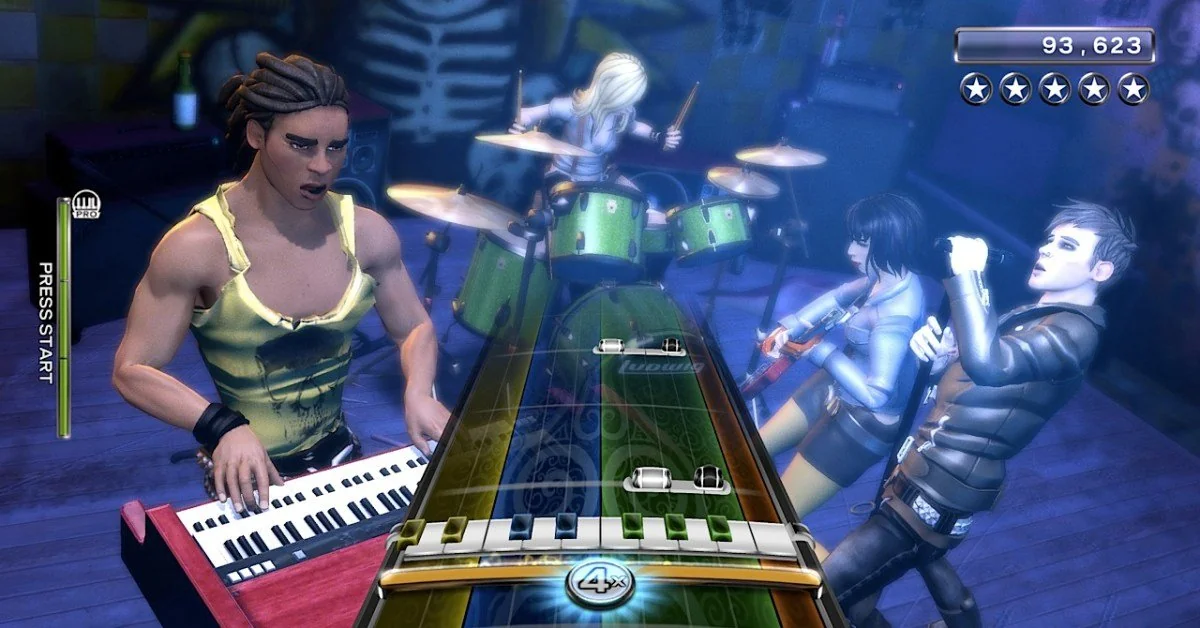
Before plastic guitars and living-room drum kits became a late-2000s party staple, Konami had already been deep in rhythm games through GuitarFreaks and DrumMania. When Rock Band exploded, Konami sued Harmonix, MTV Networks, and Viacom, claiming the game infringed patents related to instrument-based music gameplay and controllers. The lawsuit made sense in a cold business way, Rock Band was making a lot of noise in a space Konami believed it had helped define years earlier.
Trending on realmoneygamer.com

Capcom vs. Koei Tecmo
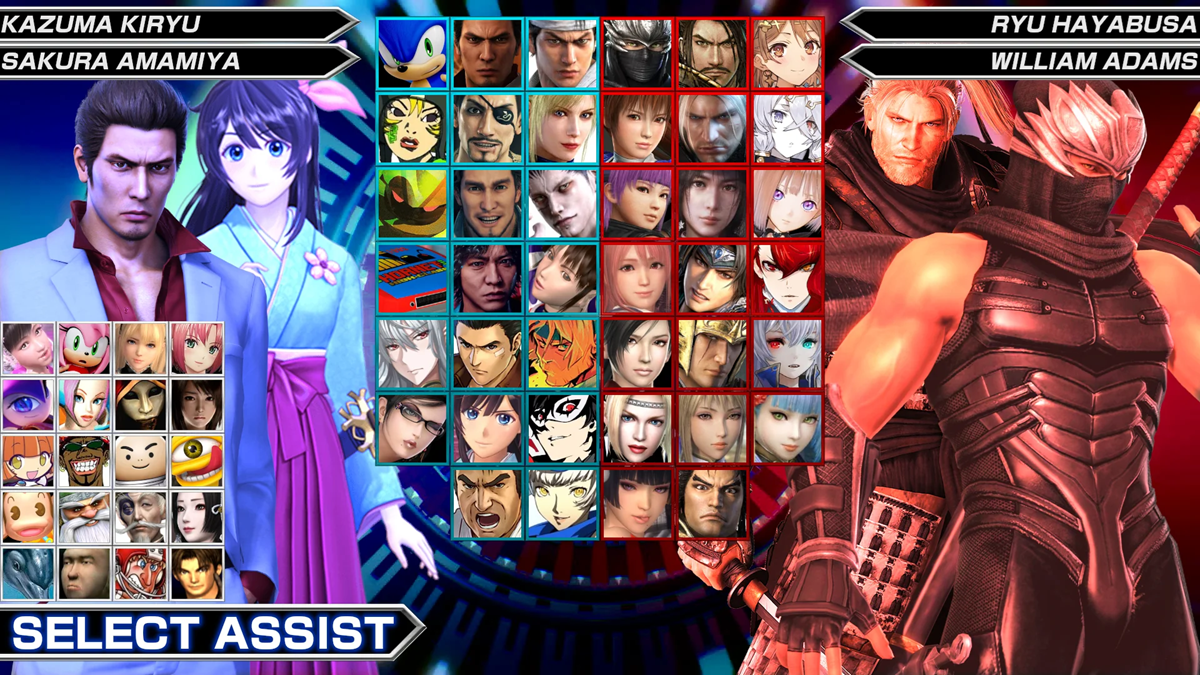
Capcom’s fight with Koei Tecmo was not about a flashy character or a copied art style. It involved patents covering things like unlocking content by combining software and using vibration to alert players to nearby enemies. In 2019, Japan’s Intellectual Property High Court sided with Capcom and ordered Koei Tecmo to pay more than 143 million yen, a reminder that even small-feeling systems can carry real legal weight.
Namco’s loading-screen mini-game patent
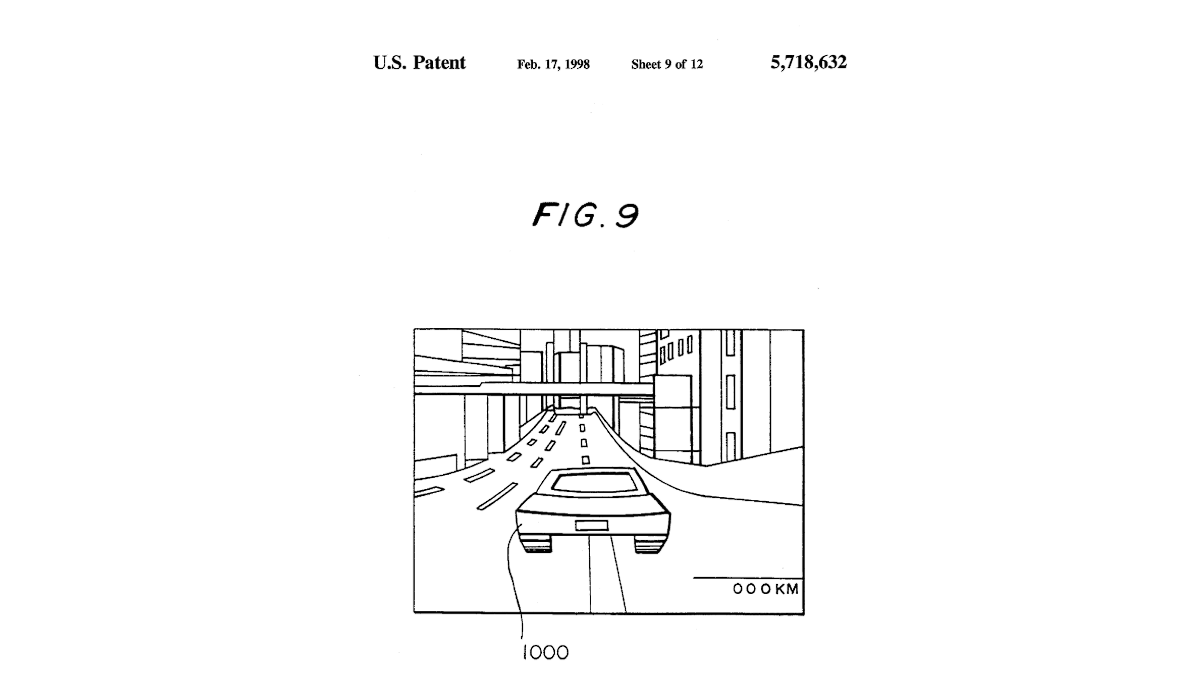
For a long time, loading screens were usually just static images, tips, or dead air. Namco held a patent on letting players play a separate mini-game while the main game loaded, an idea famously associated with Ridge Racer and Galaxian. The patent expired in 2015, and developers treated its expiration almost like a tiny design freedom had been returned to the medium.
Immersion vs. Sony over rumble
The original PlayStation 3 controller launching without rumble was not just a weird hardware choice. Immersion had sued Sony and Microsoft over haptic feedback patents, Microsoft settled, and Sony kept fighting until a 2007 agreement ended the dispute. The DualShock 3 eventually brought vibration back, but for a while one of the most basic controller sensations in gaming was caught in a patent fight.
Philips vs. Nintendo’s Wii motion controls
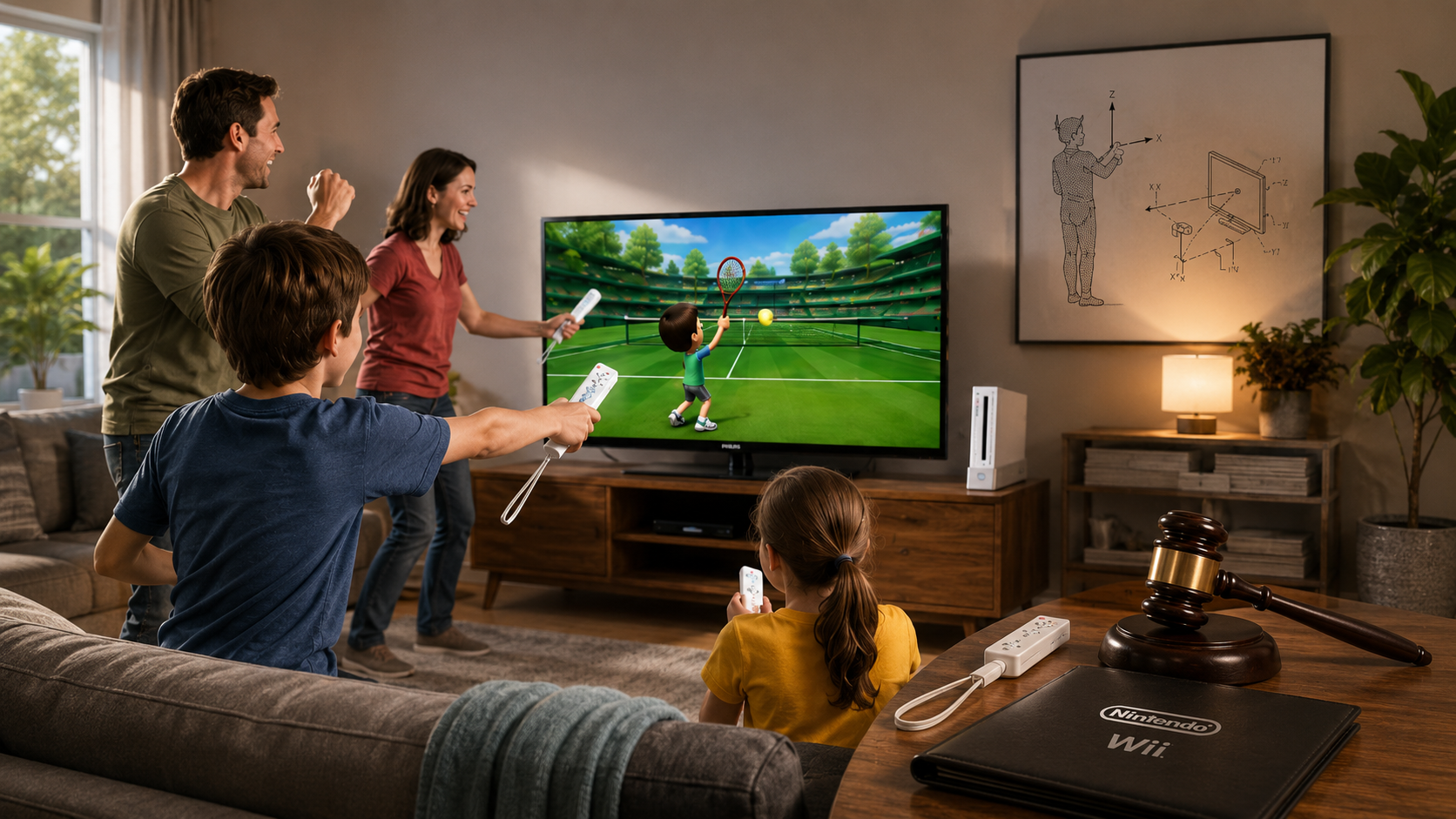
The Wii made motion controls feel almost too simple, swing the remote, point at the screen, play tennis with your family, move on. Philips argued that Nintendo’s Wii technology infringed patents involving motion and gesture-based interface control. A UK court ruled against Nintendo on parts of the case in 2014, and the companies later settled through a patent cross-license. For a console built around approachability, the legal fight behind it was anything but casual.
Gamevice vs. Nintendo Switch
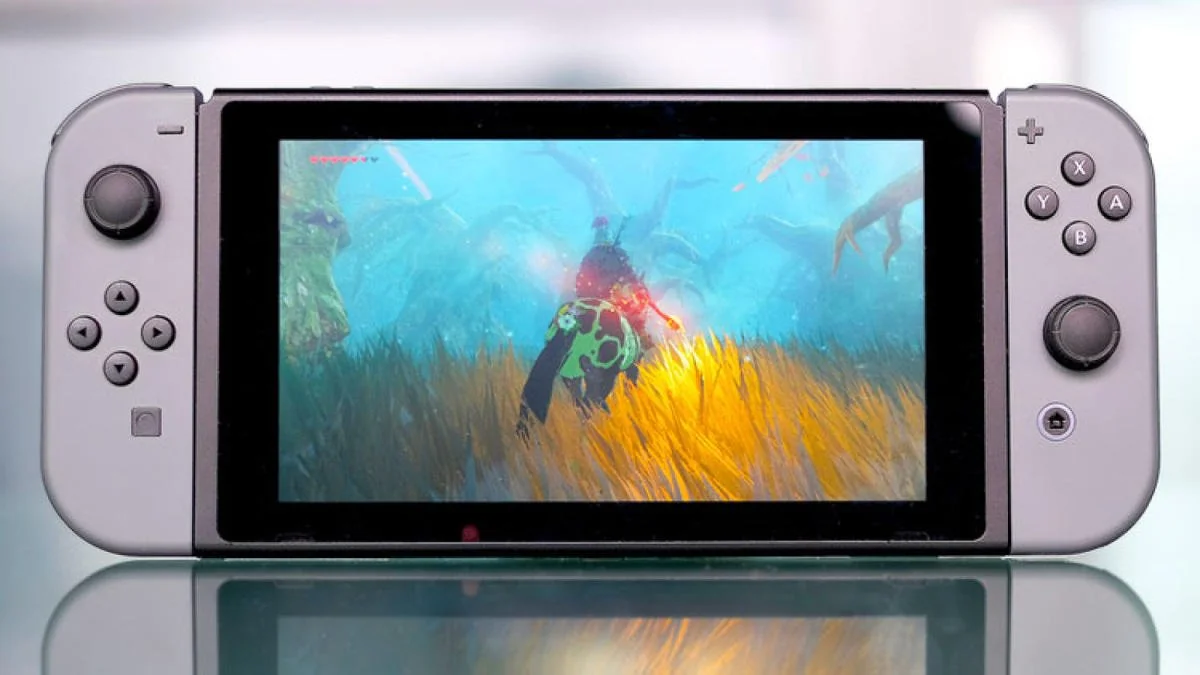
The Switch made detachable side controllers feel obvious, which is usually what happens after a product becomes huge. Gamevice claimed Nintendo’s design infringed patents connected to controller attachments for portable devices and spent years pushing the case through different legal channels. Nintendo ultimately won key rulings, but the dispute showed how quickly hardware ideas can become battlegrounds once a device turns into a category-defining success.
Worlds.com vs. MMO developers
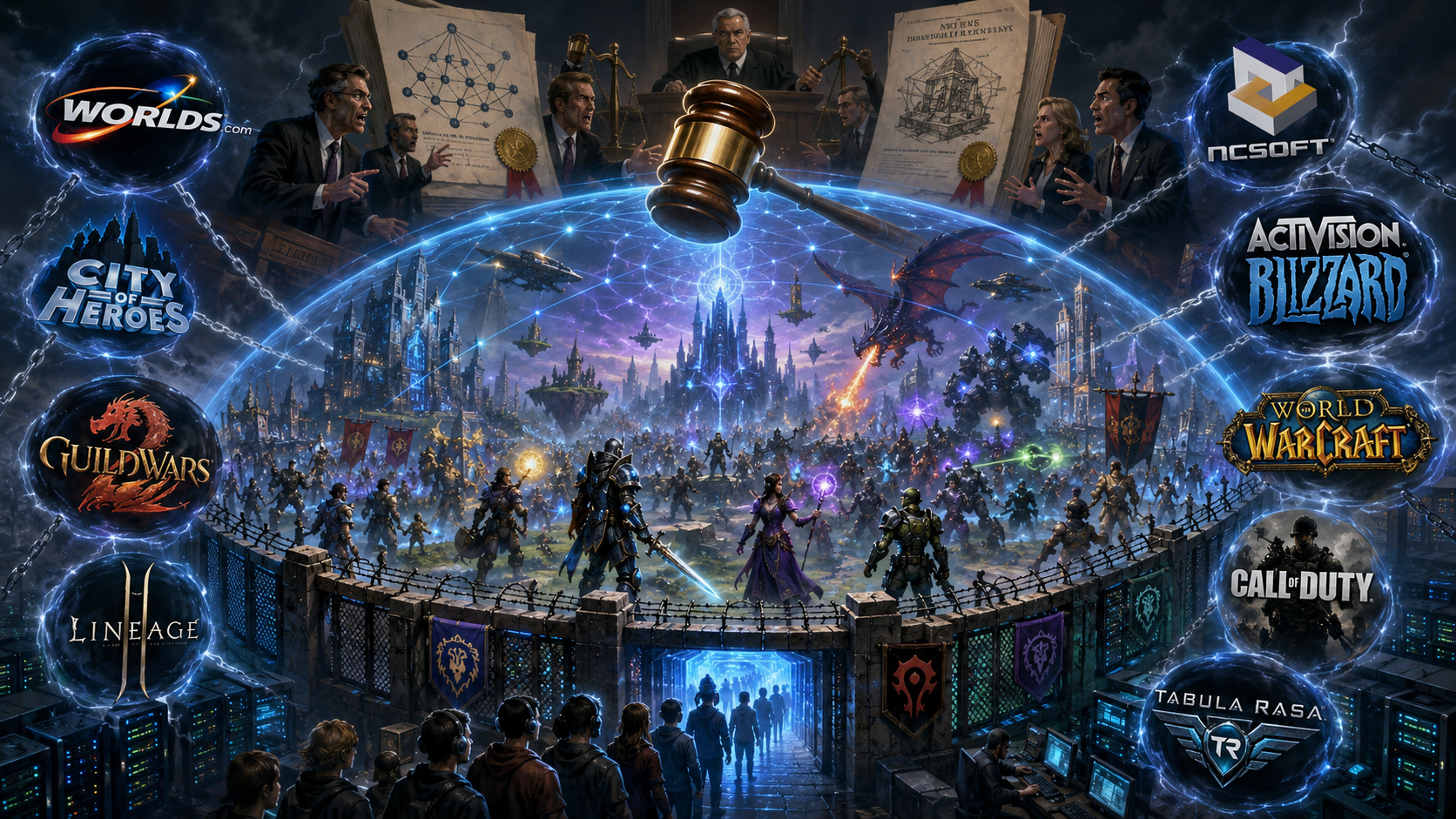
MMO players usually think about raids, servers, guild drama, and queue times, not patents covering virtual spaces. Worlds.com sued NCSoft in 2008, claiming games such as City of Heroes, Guild Wars, Lineage, and Tabula Rasa infringed patents related to scalable 3D online worlds. It later pursued Activision Blizzard over titles including World of Warcraft and Call of Duty. The cases were messy and long-running, but they captured a recurring tension in online games, whether shared digital spaces are a genre foundation or something a company can meaningfully fence off.
Continue Reading: 12 Game Studios That Went From Success to Bankruptcy