Game controllers have always been more than plastic accessories. They decide how close a player can get to a game, whether that means steering a blocky car, throwing a punch, aiming down sights, or feeling tension in a trigger. The story is not a straight march from simple to sophisticated, either. Some ideas disappeared for years before coming back in a smarter form, while others became so familiar that they almost stopped feeling like design choices at all.
The Atari Joystick Made Home Gaming Feel Physical
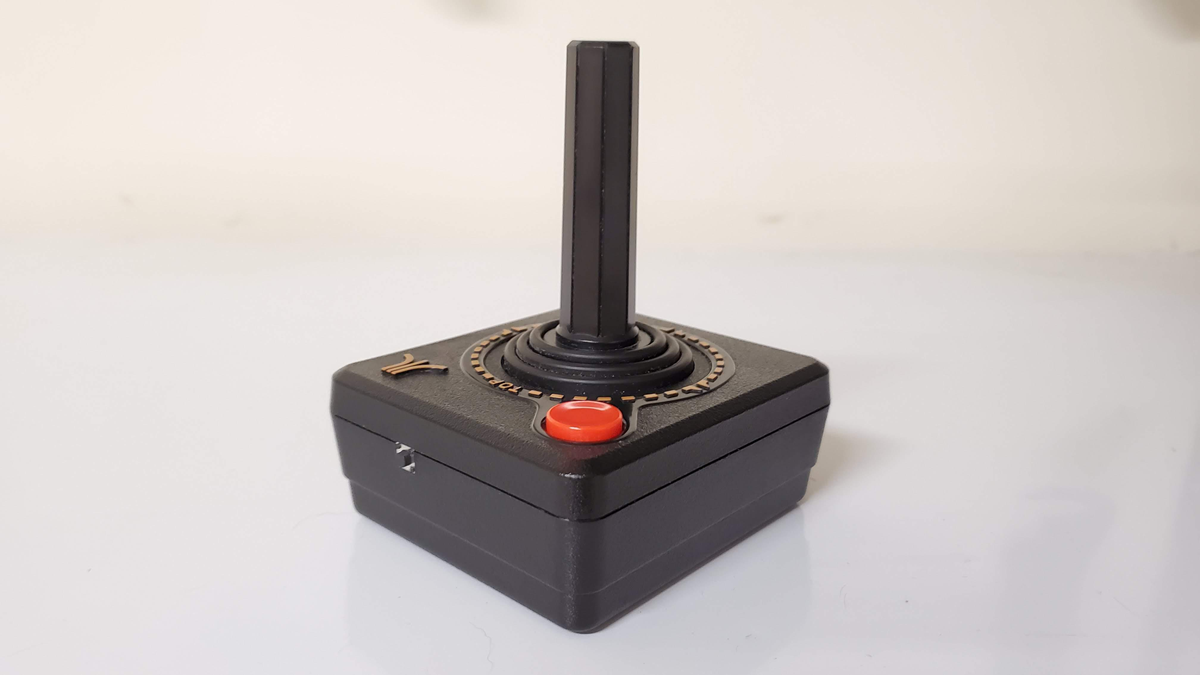
The Atari 2600 joystick, released with the console in 1977, looked almost stubbornly simple: one stick, one red button, a square base, and not much else. That was part of its appeal. It borrowed from arcade logic, where movement had to be understood instantly, and brought that same blunt clarity into the living room. The joystick was not comfortable by modern standards, especially after long sessions, but it gave early console games a physical grammar that players could learn in seconds.
Paddle Controllers Were Built for a Different Kind of Precision
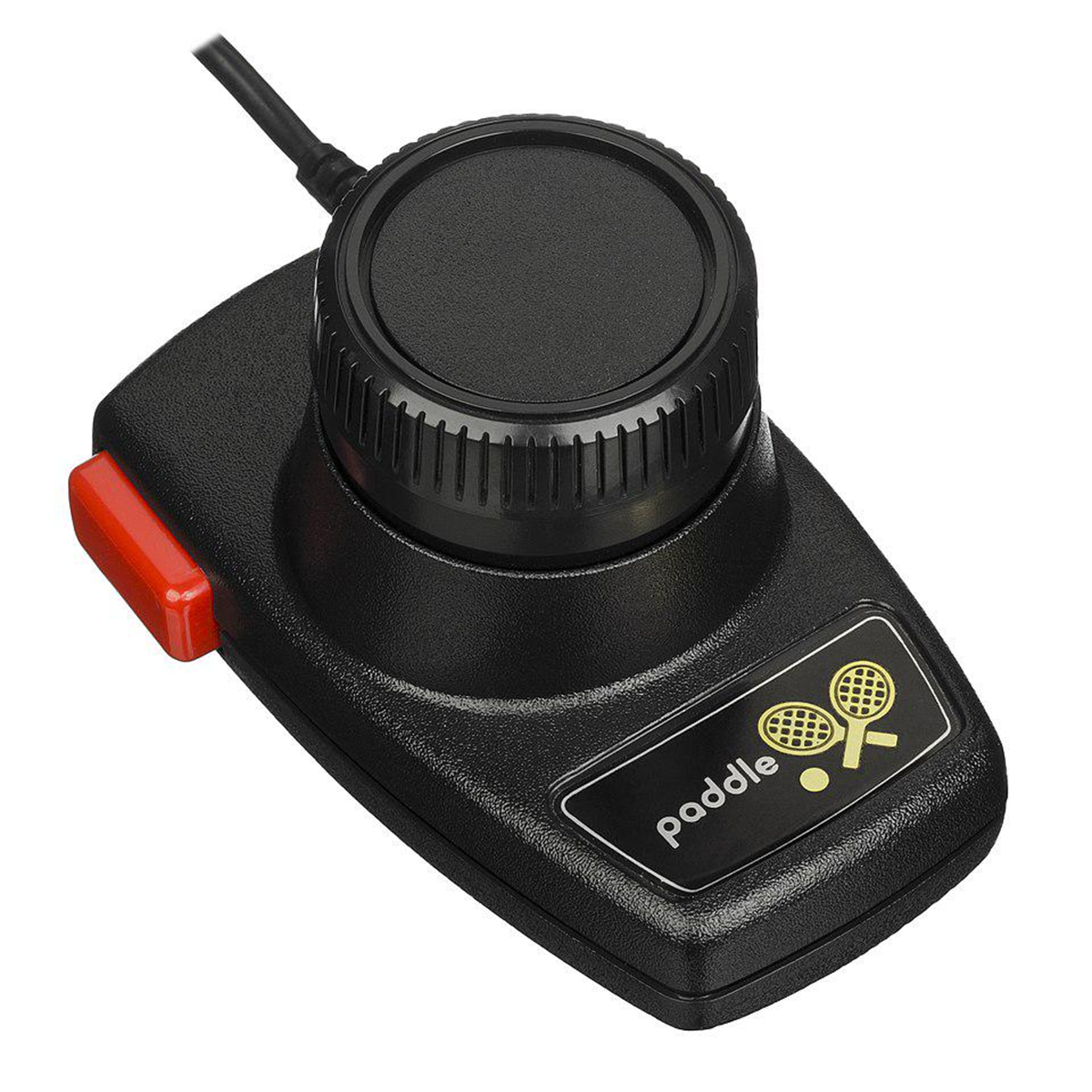
Before the directional pad became the default, rotary control had its moment. Atari’s paddle controllers were ideal for games like Pong, Breakout, and Warlords because turning a dial gave smoother left-and-right movement than tapping a joystick. It was a reminder that not every game needed the same input language. Some did not want direction, they wanted finesse.
The Intellivision Controller Tried to Do Almost Everything
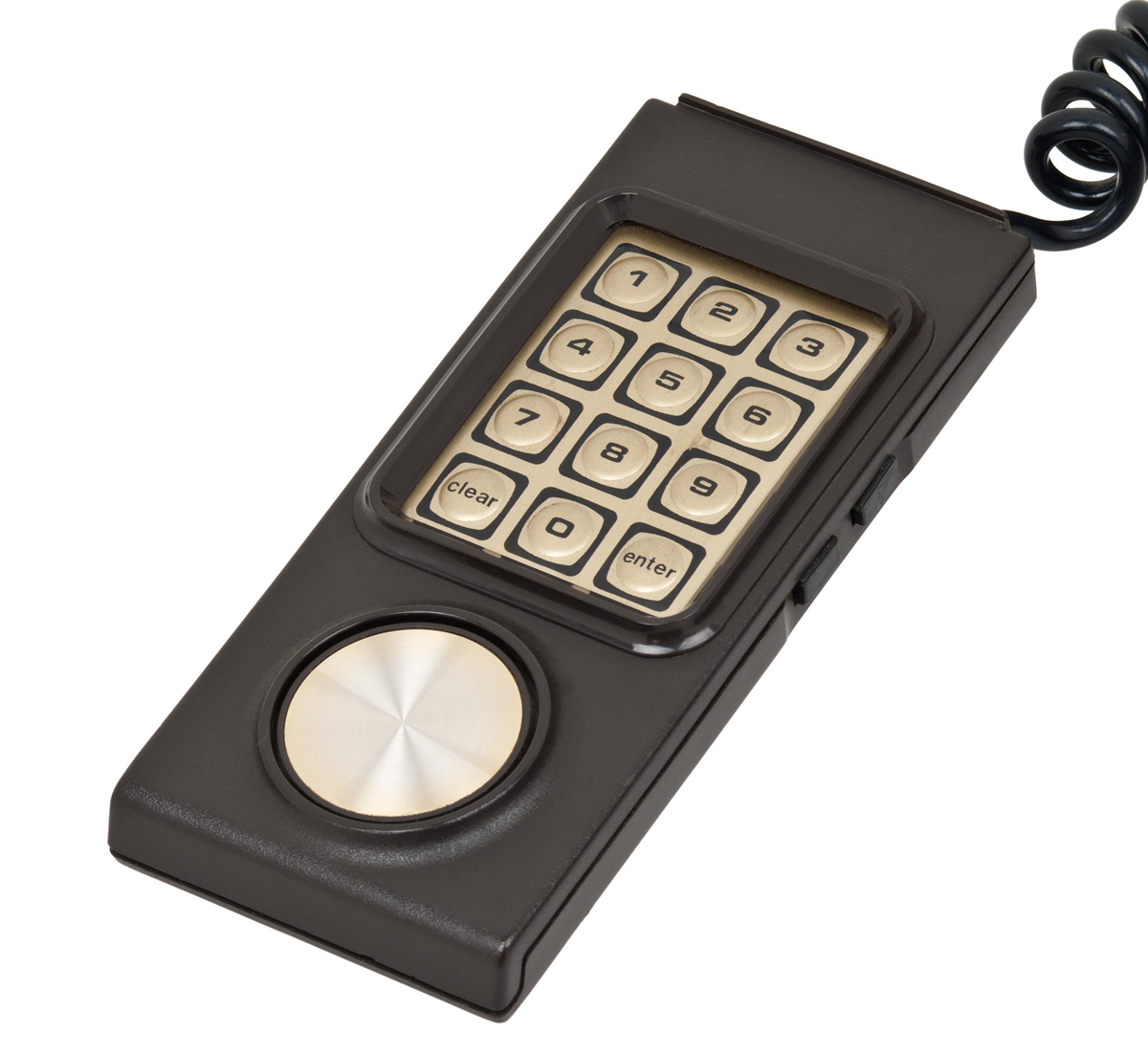
Mattel’s Intellivision, launched in 1979, came with a controller that still looks unusual today. It had a circular directional disc, side buttons, and a numeric keypad that used plastic overlays for different games. In theory, this made the controller more flexible and gave games more commands than Atari’s one-button setup. In practice, it also made the device feel busier, stranger, and less immediate.
Nintendo’s D-Pad Changed the Shape of Console Play
The directional pad did not arrive as a loud revolution. Nintendo introduced it on the Game & Watch version of Donkey Kong in 1982, then carried the idea into the Famicom in 1983 and the NES soon after. Its flat cross shape made side-scrolling games feel cleaner, especially as platformers became more precise. Super Mario Bros. did not just need movement, it needed controlled acceleration, quick corrections, and jumps that felt repeatable.
The NES Controller Made Minimalism Feel Serious
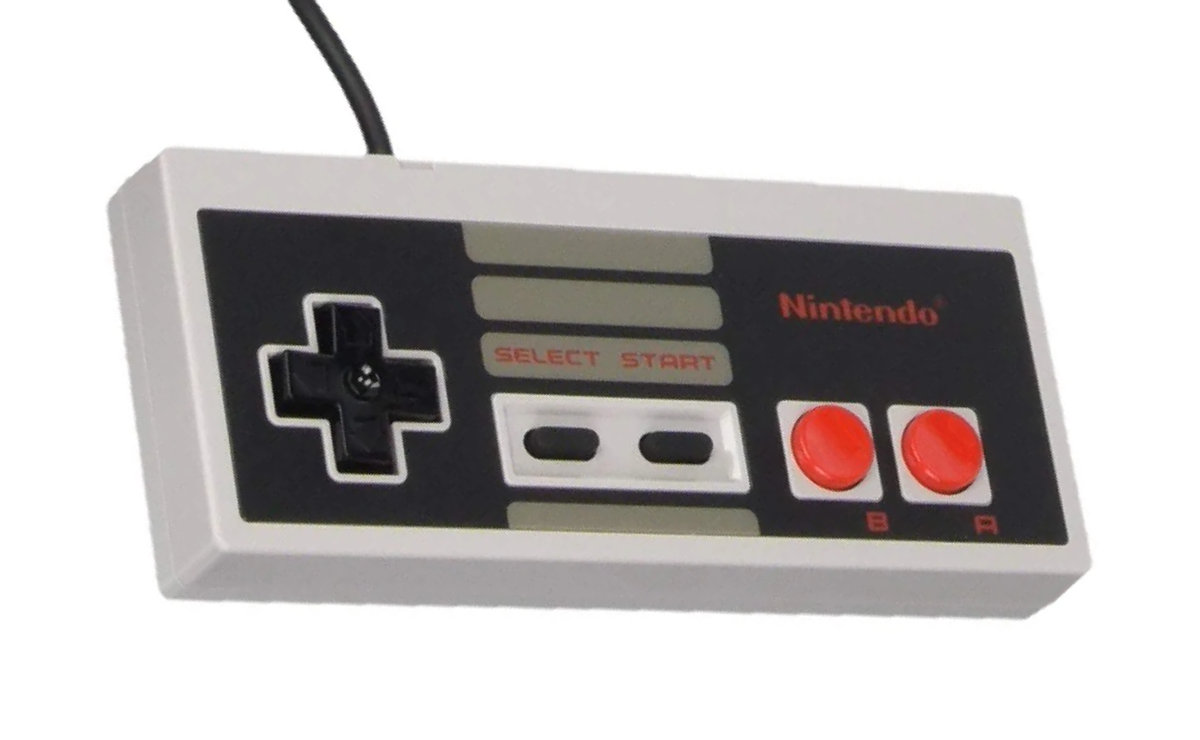
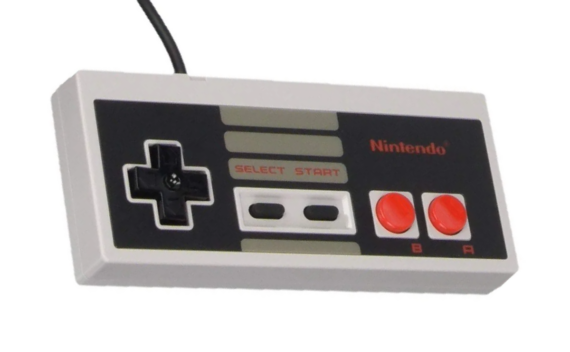
The NES controller had a rectangle shape, a D-pad, two face buttons, Start, and Select. That was enough. Compared with the cluttered experiments of the early 1980s, it felt disciplined, almost like a remote control for a new kind of entertainment machine. Its hard corners were not exactly gentle on the hands, but the layout became a foundation that later controllers kept modifying rather than replacing.
Trending on realmoneygamer.com
Sega Added Speed, Buttons, and Arcade Energy
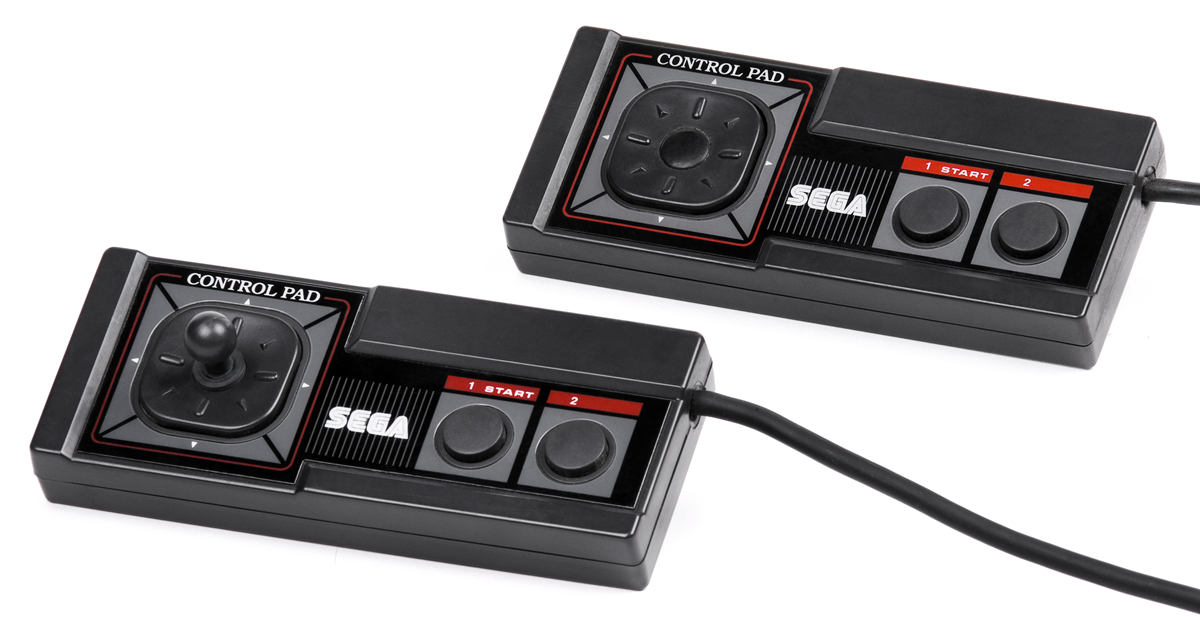
Sega’s early controllers reflected the company’s arcade roots. The Master System controller kept things fairly spare, but the Genesis pad, released in 1988 in Japan and 1989 in North America, added a more rounded shape and three face buttons. That mattered for games like Streets of Rage, Golden Axe, and later fighting games, where two buttons could feel cramped. Sega eventually released a six-button Genesis controller, partly because Street Fighter II made extra inputs feel less like a luxury and more like a requirement.
The Super Nintendo Controller Softened the Rectangle
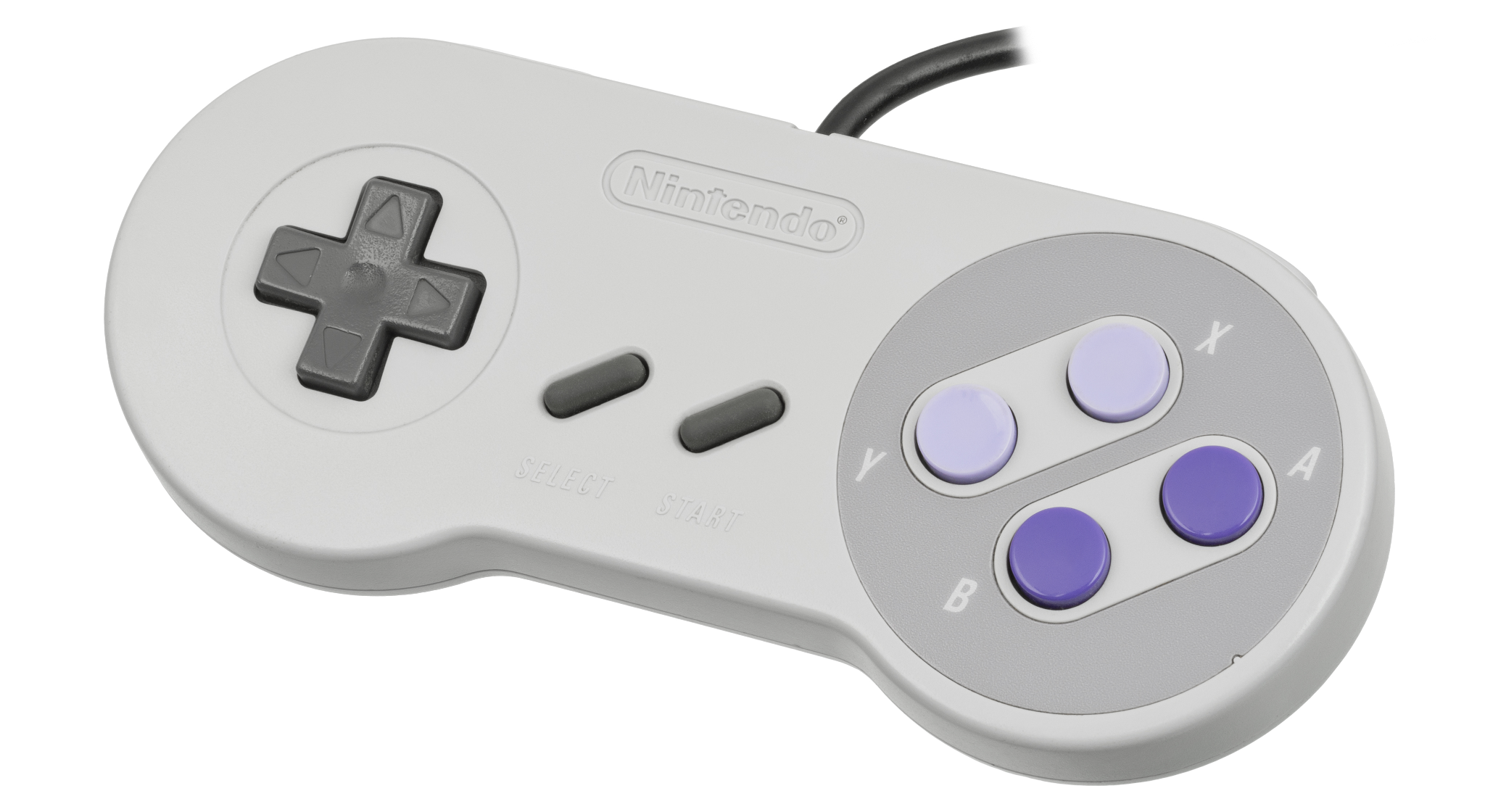
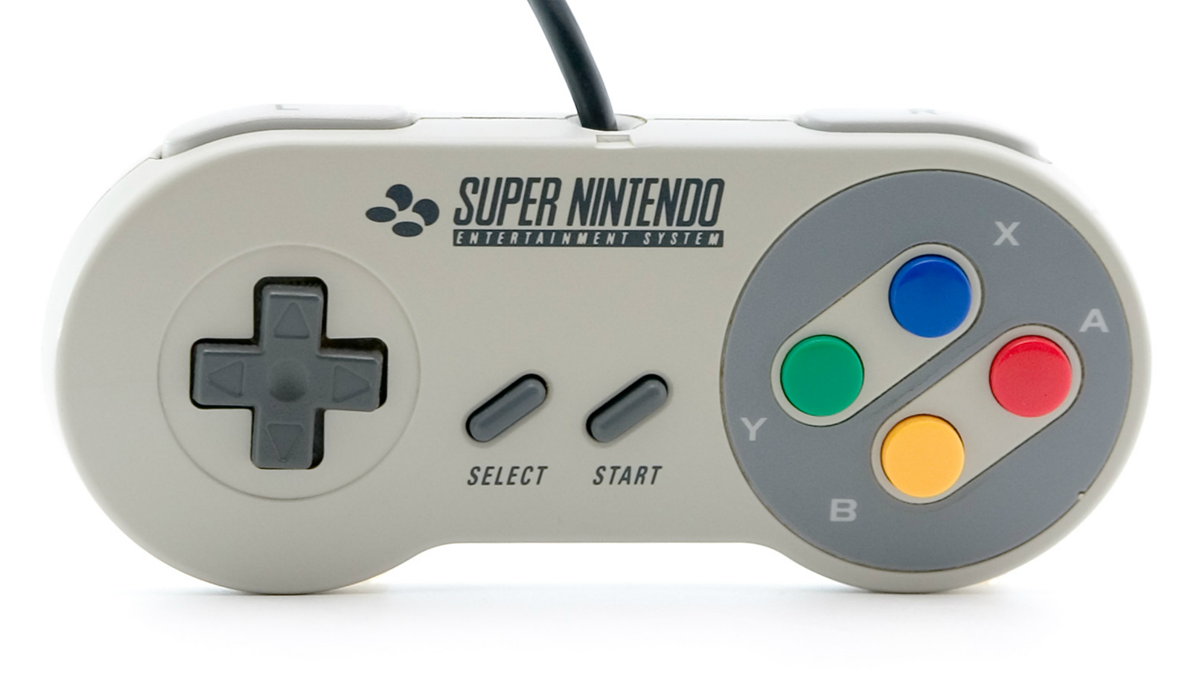
The SNES controller, released in 1990 in Japan and 1991 in North America, did something quietly important. It rounded the edges, added four face buttons in a diamond layout, and introduced shoulder buttons on top. Those L and R buttons gave designers new ways to handle actions without overloading the thumb. Racing games, fighting games, RPG menus, and action titles all benefited from having extra inputs where the index fingers naturally rested.
Analog Control Returned Because 3D Needed It
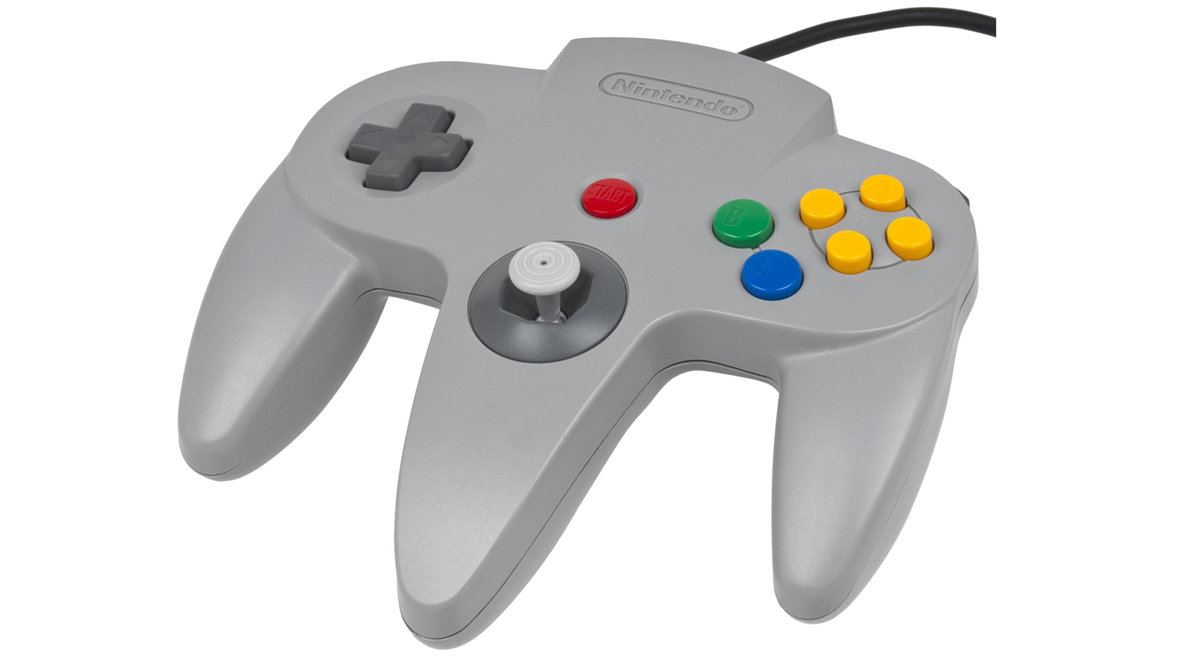
Once games moved seriously into 3D space, the D-pad began to show its limits. Nintendo’s 64 controller, released in 1996, put an analog stick at the center of the experience. Super Mario 64 made the argument better than any manual could, walking, tiptoeing, running, and circling enemies suddenly felt tied to pressure and angle rather than simple direction. The controller itself was odd, with three grips and a layout that seemed to belong to multiple eras at once, but its central idea was exactly right.
Sony’s Dual Analog and DualShock Made the Modern Template Familiar
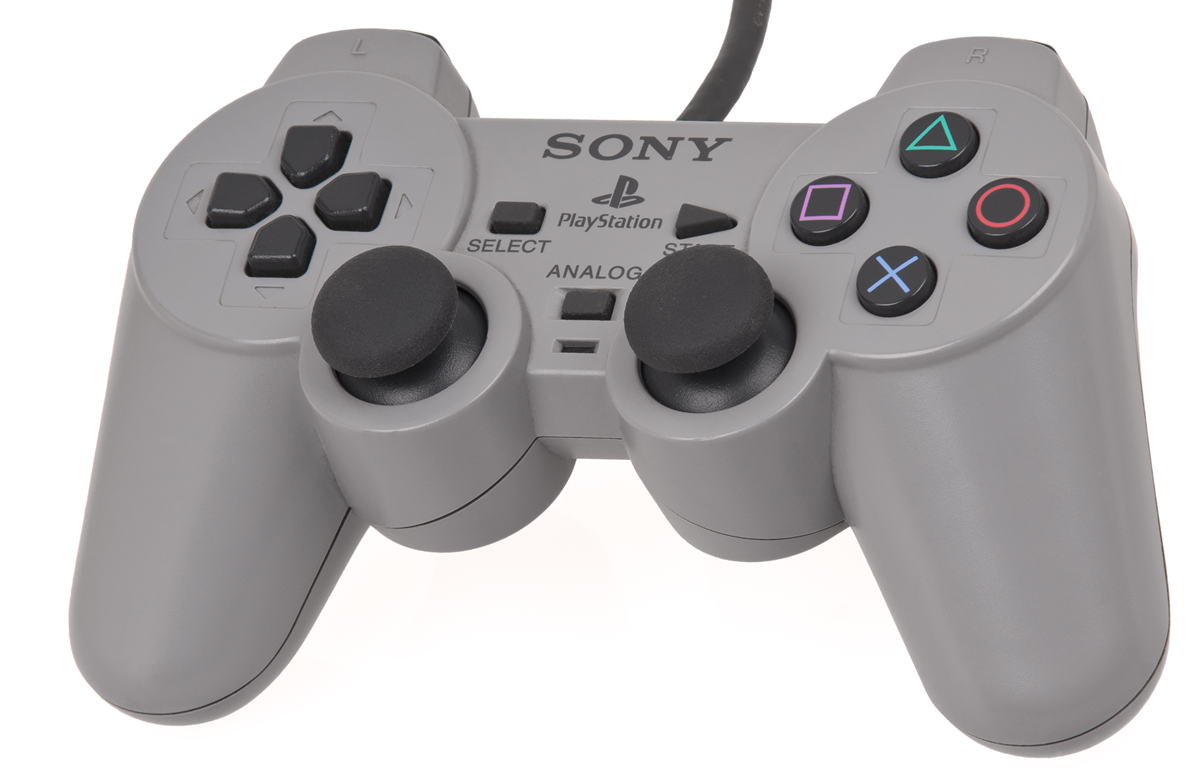
The original PlayStation controller launched without analog sticks, which now feels strange given what came next. Sony introduced the Dual Analog Controller in 1997, followed by the DualShock, which paired two analog sticks with built-in vibration. That combination became one of the most durable controller layouts in gaming. Two sticks meant one thumb could move the character while the other controlled the camera, a setup that became essential for 3D action games and shooters.
Rumble Made Games Buzz Back
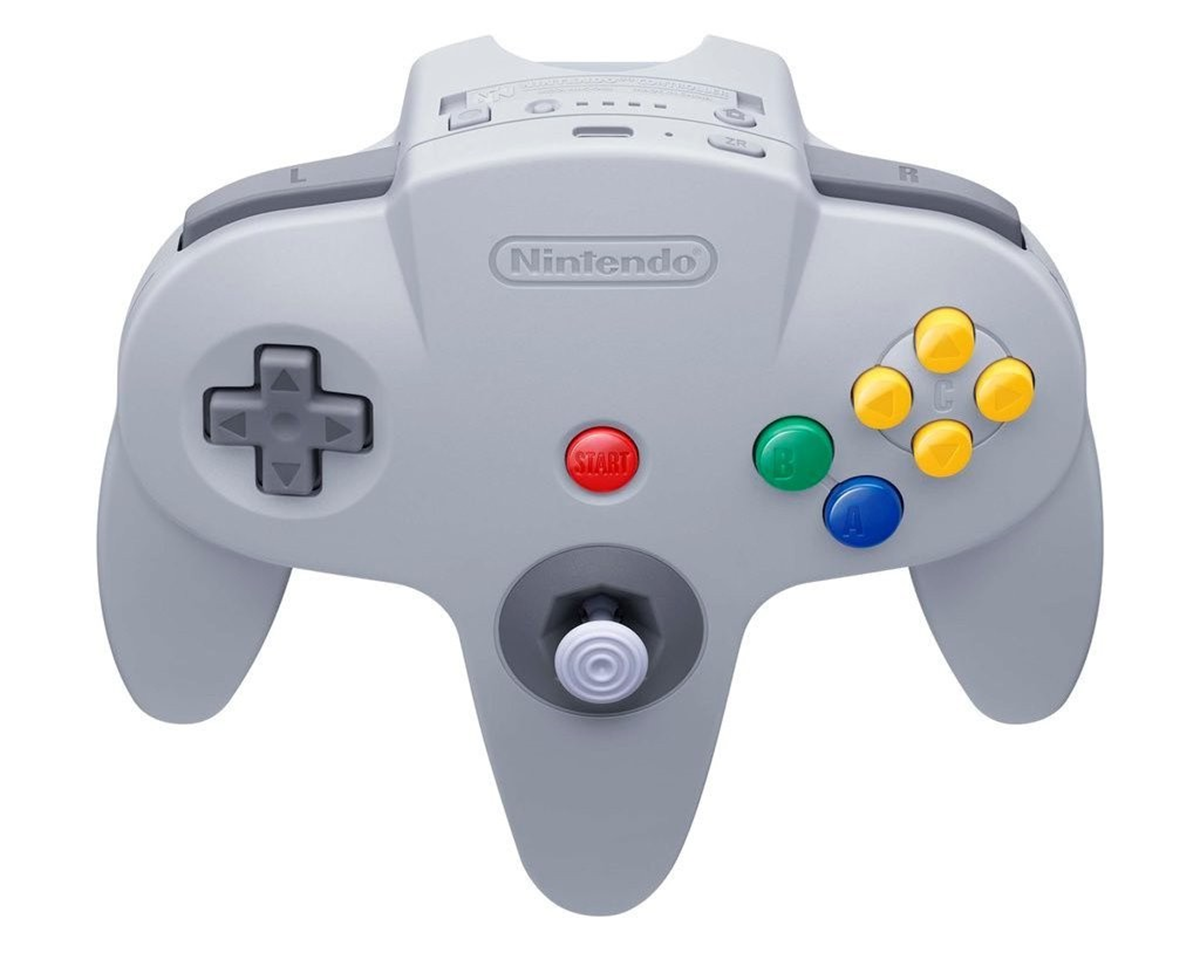
Force feedback was not subtle at first. The Nintendo 64 Rumble Pak, released in 1997, required batteries and plugged into the controller’s accessory slot, but the effect was memorable. A crash, explosion, or warning could now reach the player’s hands instead of staying on the screen. Later controllers built vibration directly into the hardware, and the novelty faded into expectation.
The Dreamcast Controller Looked Forward and Sideways
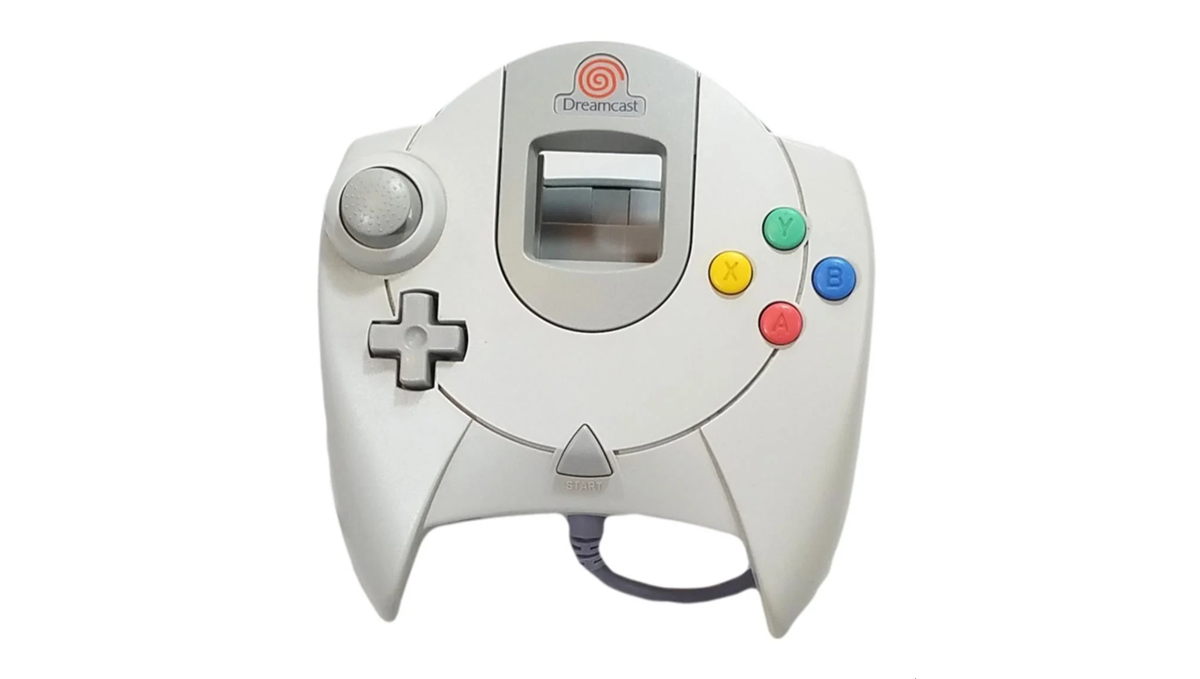
Sega’s Dreamcast controller, released in 1998 in Japan and 1999 in North America, was not the most comfortable device of its generation. Still, the Visual Memory Unit slot gave it a strange personality. The VMU could show small bits of information, act as a memory card, and even work as a tiny portable device. It was one of those ideas that felt both clever and slightly ahead of what the market wanted.
Microsoft Went Big, Then Learned Fast
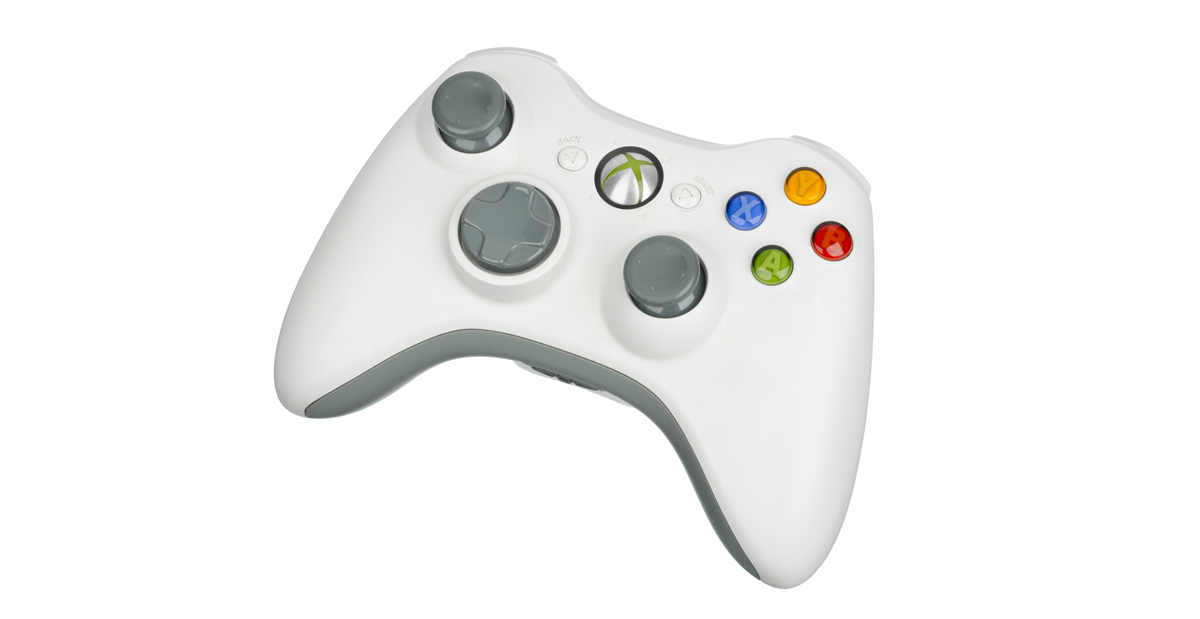
The original Xbox controller, nicknamed “The Duke,” was large enough to become part of the console’s folklore. Microsoft replaced it in many regions with the smaller Controller S, which became the basis for future Xbox pads. By the Xbox 360 era, the company had landed on one of the most comfortable mainstream controller shapes around, with offset analog sticks, strong triggers, and a layout that worked especially well for shooters. The lesson was clear enough: ergonomics mattered as much as button count.
Wireless Controllers Changed the Living Room
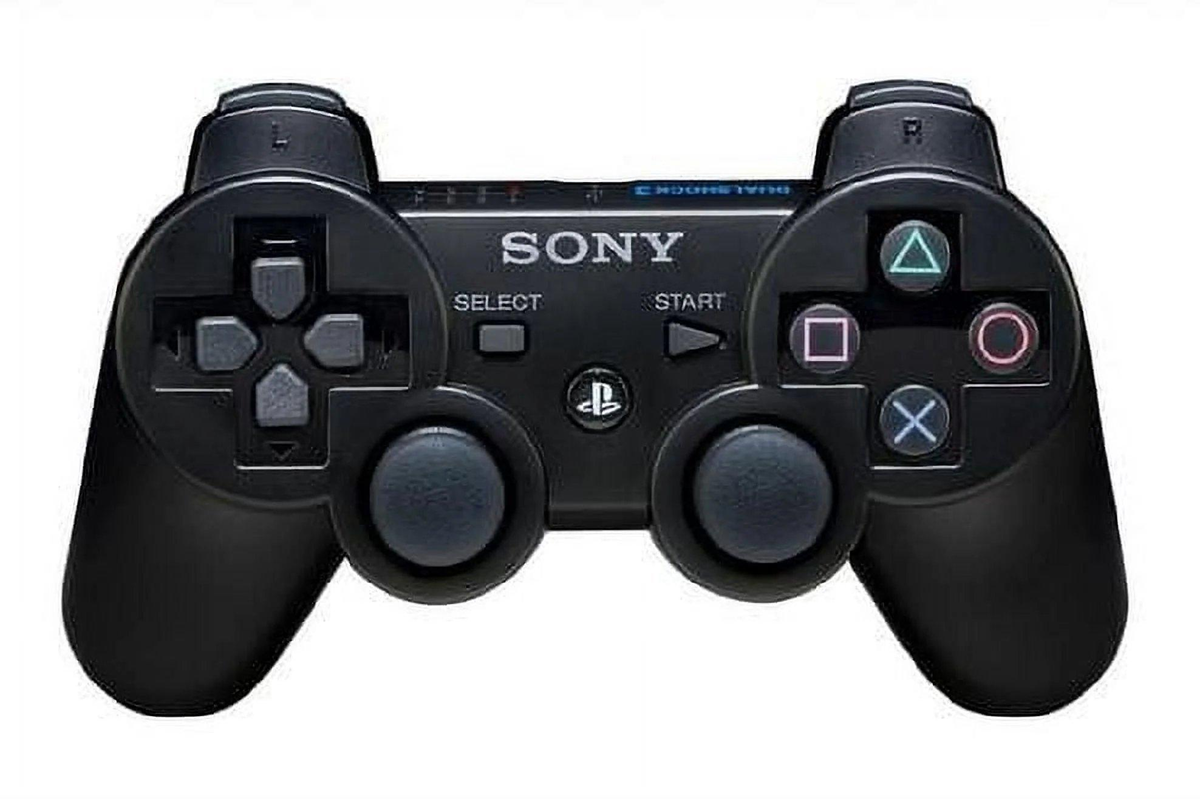
Wireless play existed before the mid-2000s, but the Xbox 360 and PlayStation 3 helped make it feel standard. No cord stretched across the floor. No one tripped during a multiplayer session. It sounds minor now, but the shift changed how consoles fit into homes, especially as TVs got larger and couches moved farther away.
Nintendo’s Wii Remote Treated the Controller Like a Pointer
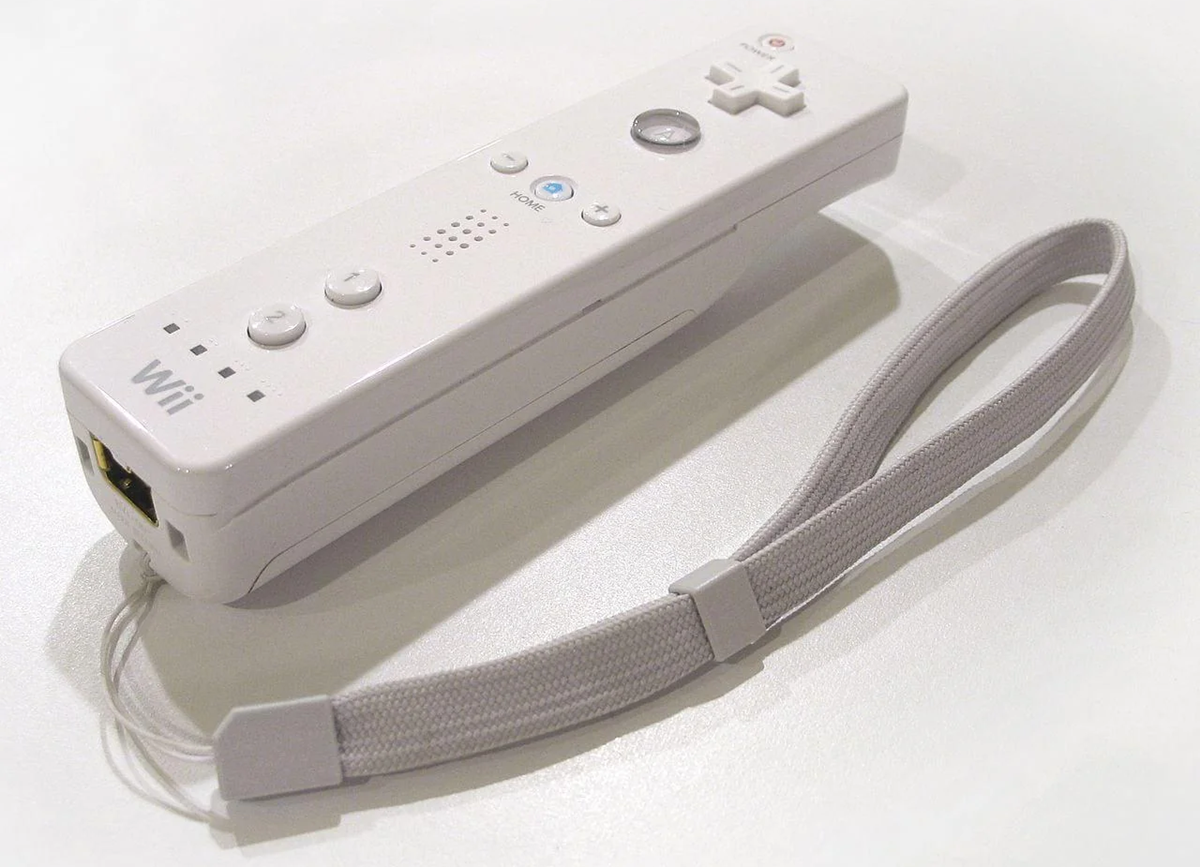
The Wii Remote, released in 2006, did not look like a traditional game controller because it was not trying to behave like one. It worked as a pointer, a motion device, a sideways NES-style pad, and sometimes a virtual tennis racket. Its appeal came from how easily non-players understood it. Swinging, aiming, shaking, and tilting made sense before anyone explained button mapping.
Motion Controls Got Messier After the Wii
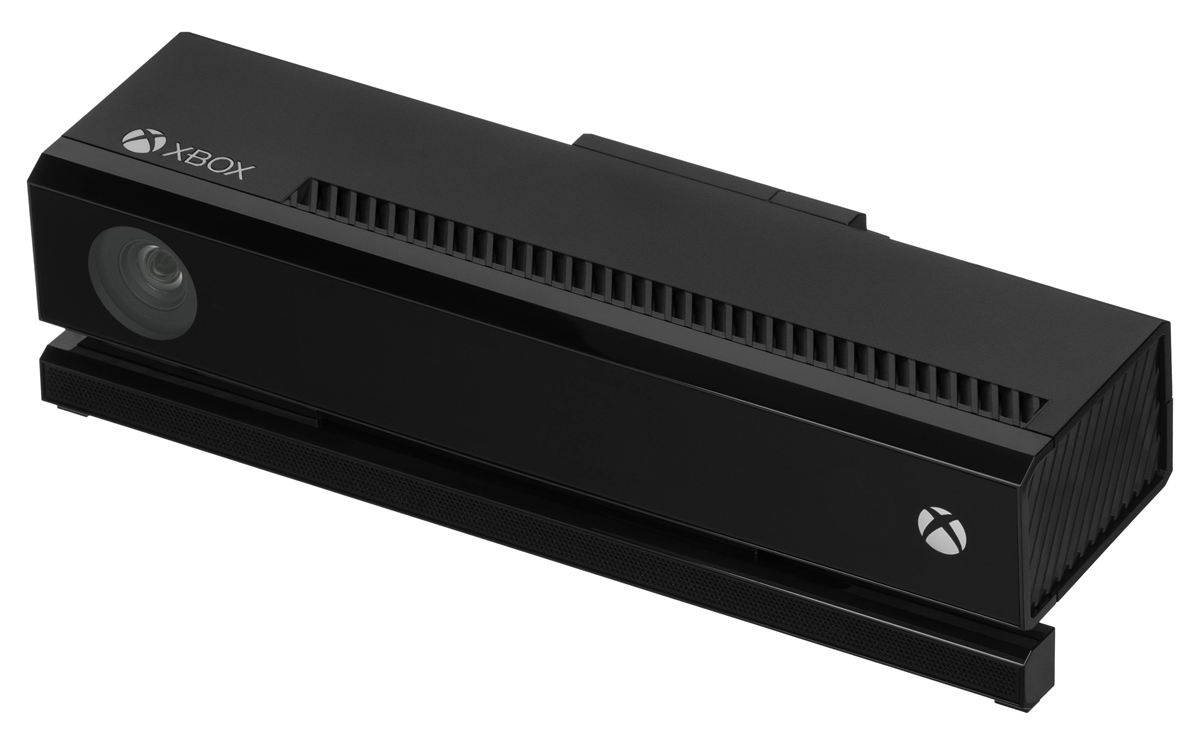
Sony had the PlayStation Move. Microsoft had Kinect. Nintendo itself pushed motion further with MotionPlus. Some of it worked well, some of it aged poorly, and some of it became exhausting once the novelty faded. Motion control did not replace the traditional controller, but it left traces everywhere, from gyro aiming to fitness games to VR hand tracking.
Touchscreens Changed Handheld Control in a Different Direction
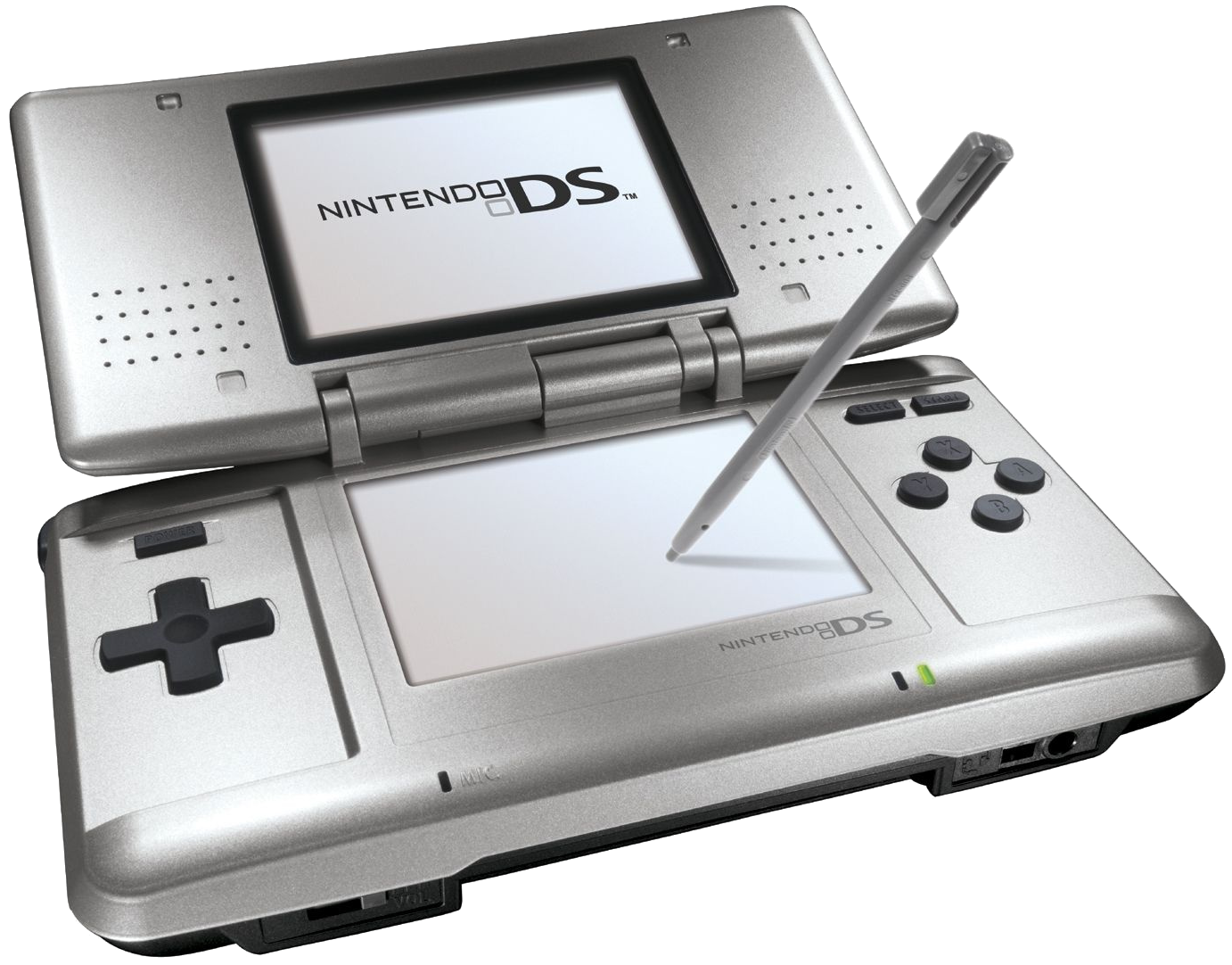
Nintendo’s DS, released in 2004, made the stylus feel like a legitimate gaming input, not just a menu tool. Games like Nintendogs, Brain Age, and The World Ends with You treated touch as central rather than decorative. Later, smartphones pushed touch controls to a much wider audience, although they also exposed the weakness of glass screens for games that needed tactile precision. A touchscreen can do almost anything, but it does not always feel good doing it.
The Switch Joy-Con Turned Modularity Into a Feature
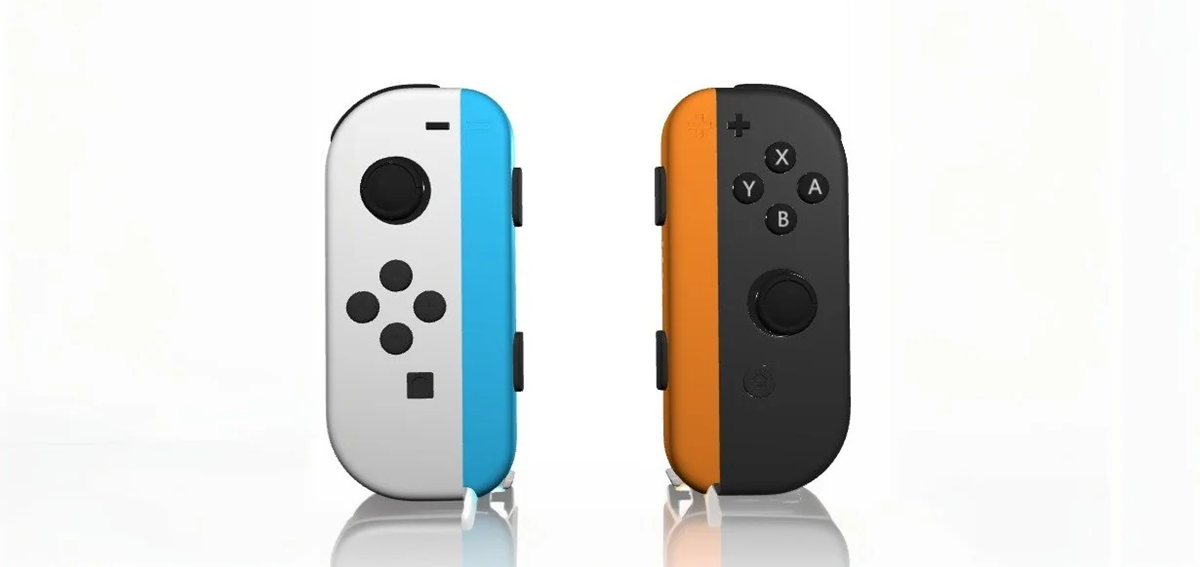
The Nintendo Switch Joy-Con controllers are small, detachable, and a little divisive. They can work as a pair, as separate mini controllers, attached to the console, or slotted into a grip. That flexibility fits the Switch’s hybrid identity, even if the size and later drift complaints made them less universally loved than Nintendo probably hoped. Their HD Rumble feature also showed how vibration could become more textured, not just stronger.
Adaptive Triggers Made Resistance Part of the Game
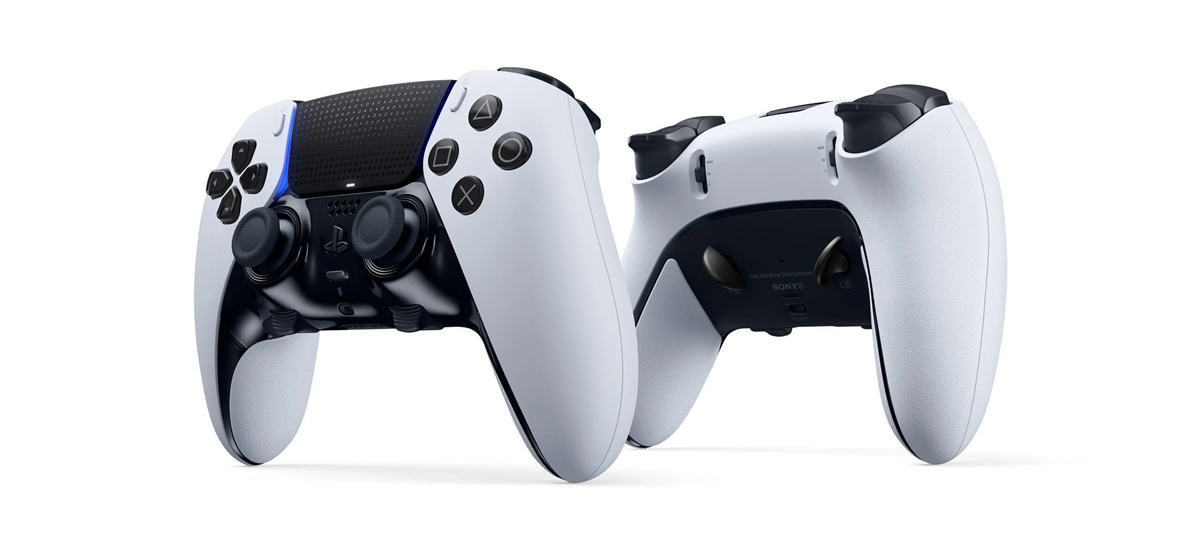
Sony’s DualSense controller for the PlayStation 5, released in 2020, pushed haptic feedback into more expressive territory. The adaptive triggers can resist a player’s fingers, making a bowstring, brake pedal, or jammed weapon feel different through tension. The haptics can also suggest texture, impact, and movement with more nuance than old rumble motors. When used well, the controller does not just report that something happened, it gives the action a physical flavor.
Accessibility Became a Core Design Conversation
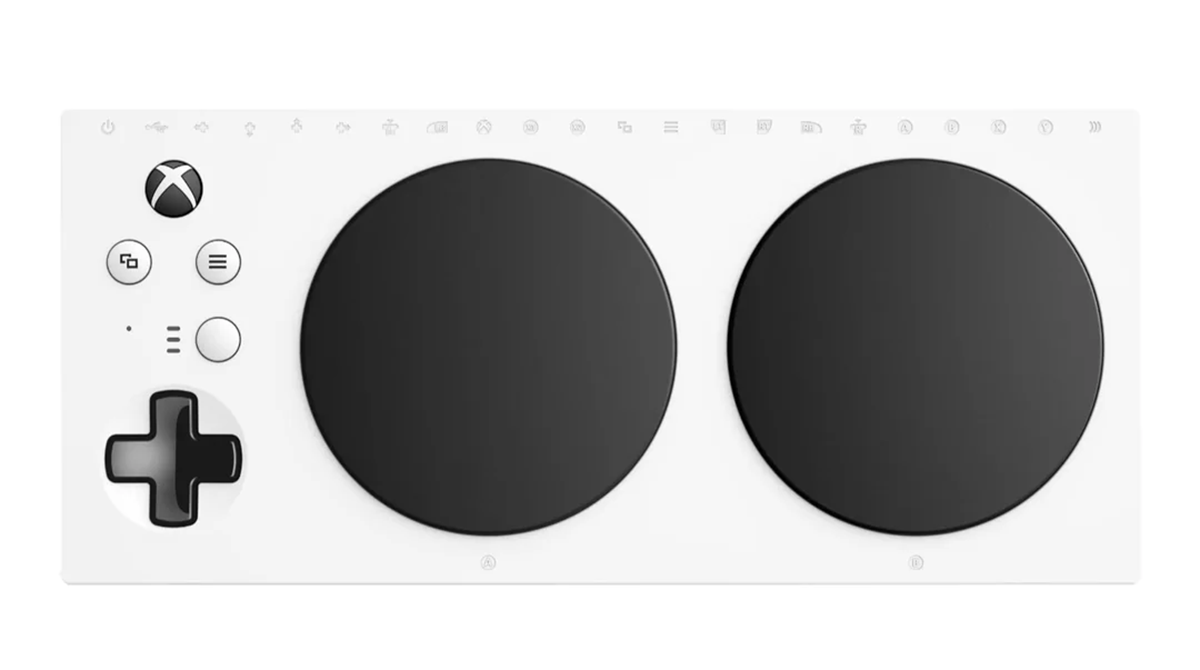
The Xbox Adaptive Controller, released in 2018, changed the public conversation around what a controller could be. Its large programmable buttons and ports for external switches, joysticks, and mounts made it less of a single controller and more of a control hub. Sony’s Access controller later joined that same broader movement. The important shift is that accessibility stopped being treated as a niche add-on and became part of mainstream hardware design.
Game controllers keep changing, but they rarely abandon the past completely. A new feature only lasts when developers use it well and players stop thinking about it as a feature. That is why a simple joystick from the late 1970s and a haptic controller from the 2020s still belong to the same story: both are trying to make a game feel closer to the hand.