In the early days, video game ads had a strange job. They were not only selling a machine or a cartridge, they were explaining why anyone should care about playing with a television screen in the first place. Some of those ads looked stiff, some looked desperate, and a few seemed to understand the future before the industry itself did. Together, they helped create the basic vocabulary of video game marketing, novelty, competition, better graphics, famous characters, home entertainment, and the promise that the next machine would change everything.
Computer Space, Nutting Associates, 1971
r/retrofuturism
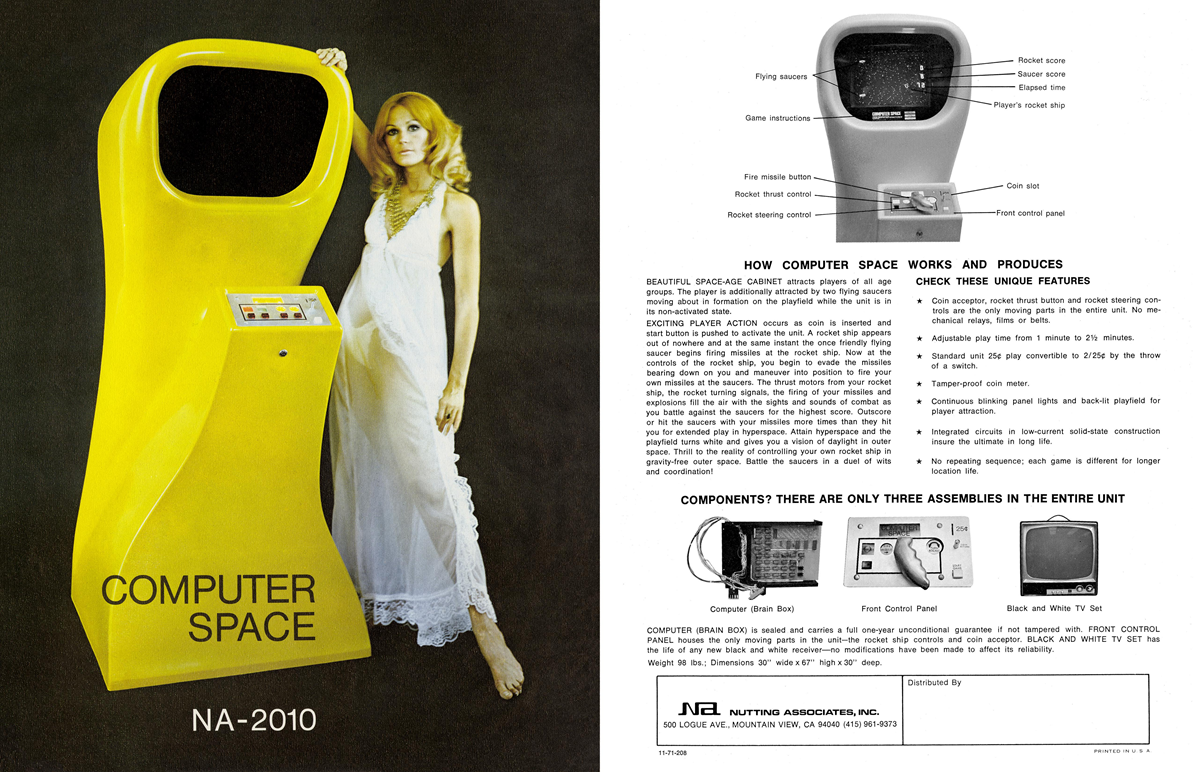
Before anyone had much of a sense of what a video game ad should look like, Computer Space tried to sell itself as a thing from the future. Nutting Associates’ promotional material for the 1971 arcade machine leaned heavily on the cabinet itself, with its curved fiberglass body and almost science-fiction shape doing as much work as the gameplay description. That was useful, because the game was not easy to explain to a public used to pinball, jukeboxes, and mechanical amusements. The ad did not yet have the loud visual language that arcade flyers would develop later. It had something quieter and maybe more revealing, the idea that a video game could be marketed as an object of fascination before it was understood as a pastime.
Magnavox Odyssey, 1972
r/obscuremedia
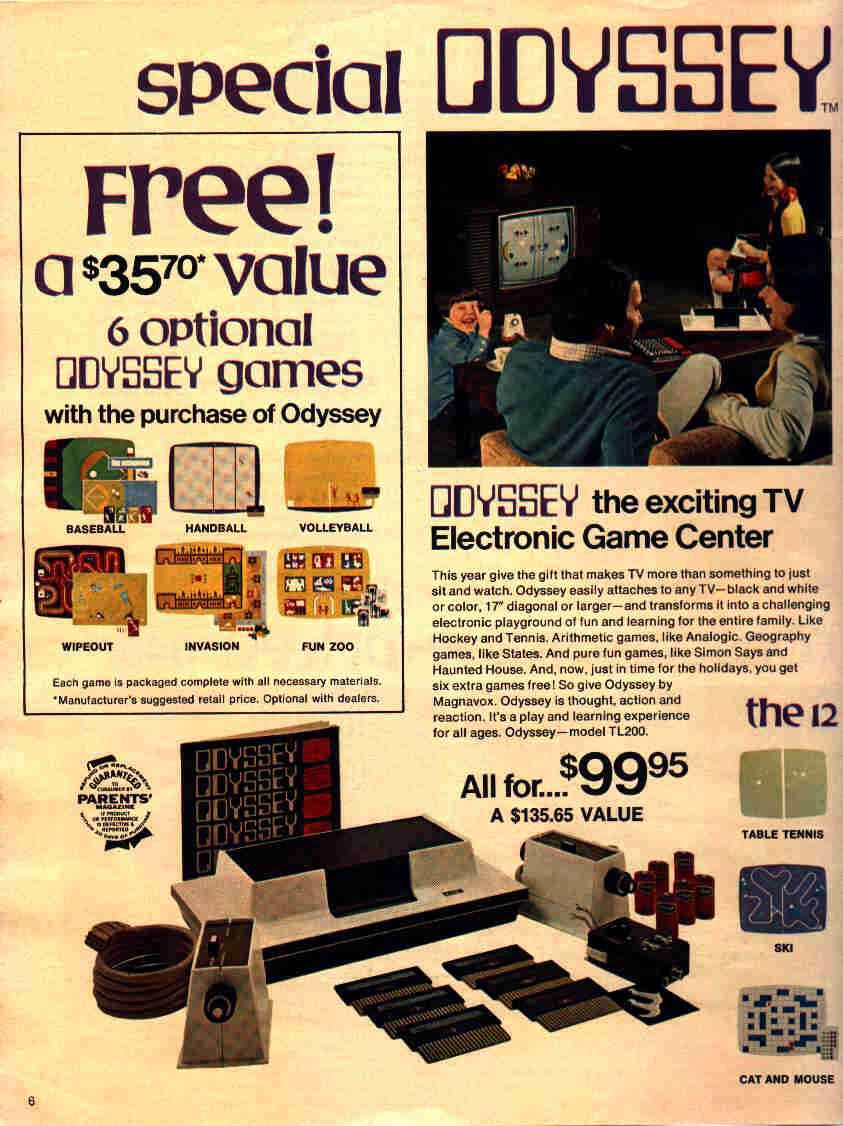
The Magnavox Odyssey had to teach people a new habit. Its ads presented the home television as something more than a screen for broadcasts, turning it into a surface for games, contests, and family play. The language could feel awkward, because “video game” was not yet a casual phrase, so Magnavox leaned on words like “electronic” and “future.” It was a living-room pitch first and a gaming pitch second, and that balance would return again and again whenever consoles needed to seem safe, useful, and worth the space under the TV.
Pong, Atari, 1972
r/nostalgia
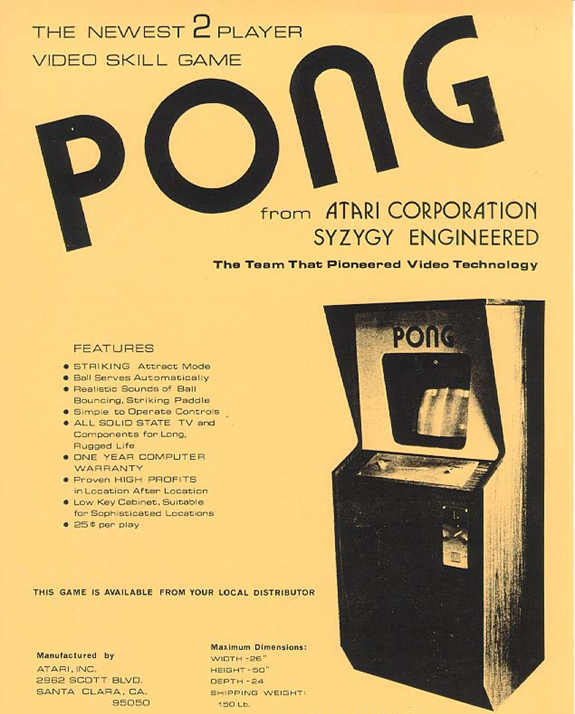
The original Pong arcade flyer did not need mythology. It had a simple job, convince operators that people would understand the machine quickly and keep feeding it coins. The game looked plain, but that plainness became its sales advantage. A ball, two paddles, a score, that was enough.
Sears Tele-Games Pong, 1975
r/vintageads
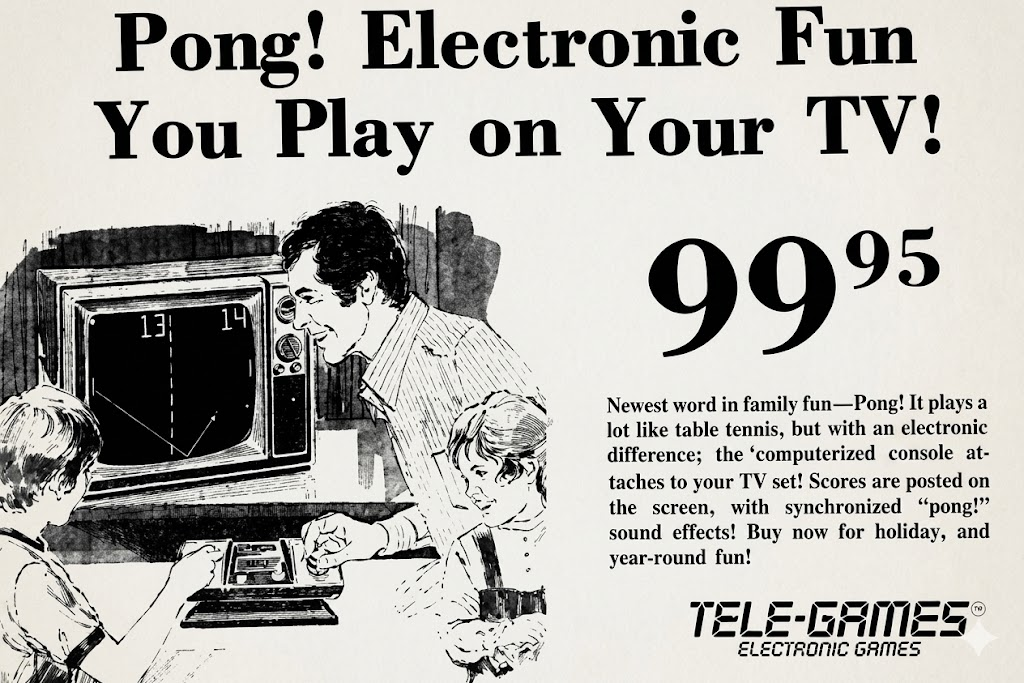
Home Pong made video games feel like a Christmas gift. When Sears sold Atari’s home version under the Tele-Games brand, the advertising did not have to sound futuristic in a distant, laboratory sense. It could sit right inside the department-store world of catalogs, family rooms, and holiday shopping. That shift mattered, because it moved the pitch from “come see this strange arcade machine” to “bring this thing home.”
Fairchild Channel F, 1976
My Retro Game Hub
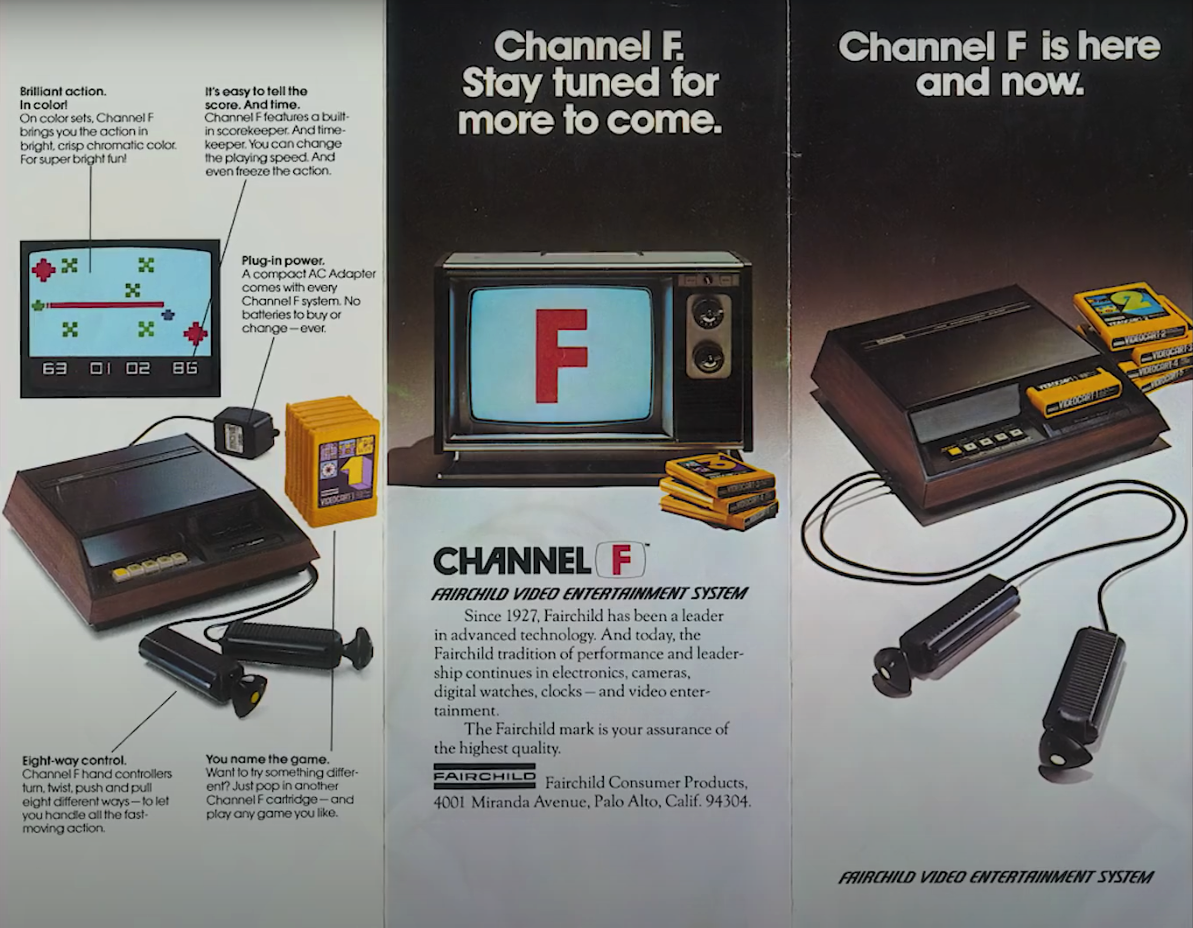
The Fairchild Channel F was not the flashiest name in early console advertising, but its message pointed directly at the business model that would define the industry. Instead of selling one fixed set of built-in games, Fairchild had to explain the appeal of interchangeable cartridges, called Videocarts. That is a dry concept until you realize what it meant for marketing. The console itself became a platform, and every new cartridge became another reason to return to the store. Later companies would make this sound bigger, faster, and more exciting, but the basic idea was already there.
Trending on realmoneygamer.com

Atari Video Computer System, 1977
r/atari
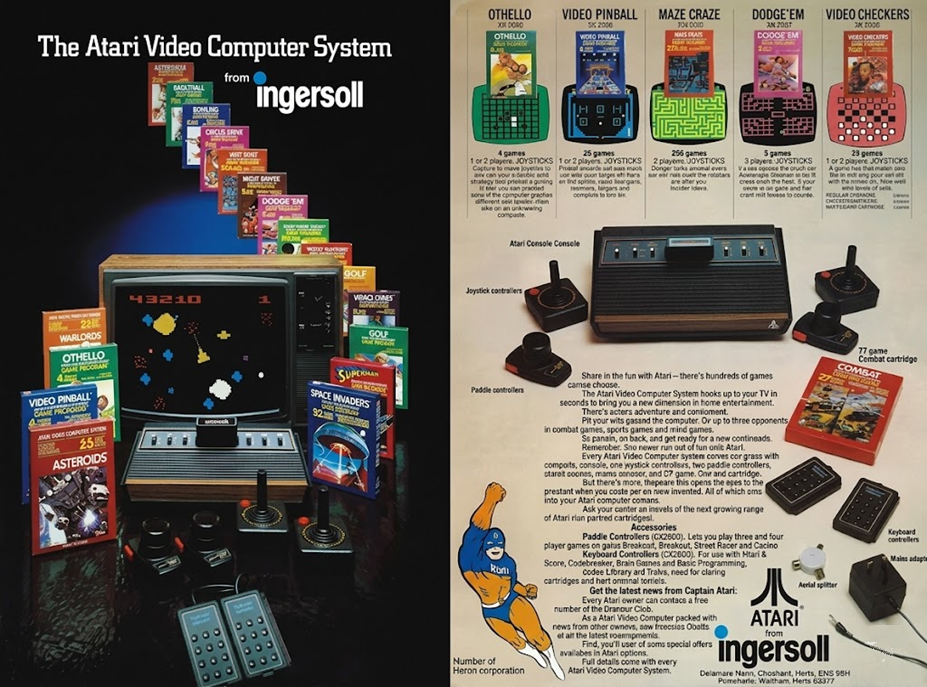
Atari’s Video Computer System ads had to sell variety. Pong could be explained in a glance, but the VCS was a promise that one machine could become many different games. Racing, tanks, sports, shooting, paddles, joysticks, two-player competition, the advertising kept circling back to choice. It also helped create one of console marketing’s most reliable habits, showing the hardware as less important than the library around it. The box was the purchase, but the games were the relationship.
Space Invaders, Midway and Taito, 1978
Flyers Arcade Museum
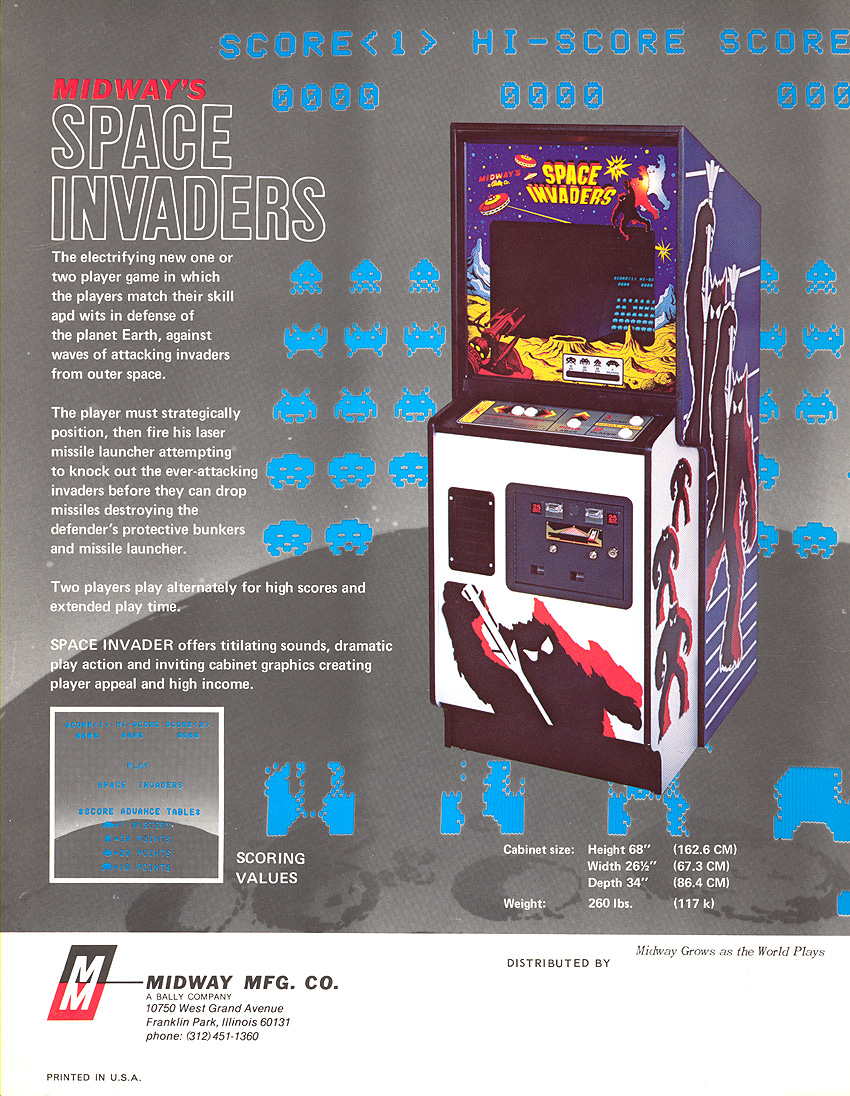
Space Invaders changed the temperature of arcade advertising. The flyers and cabinet art sold pressure, not just play. This was not a polite electronic diversion with paddles and a bouncing dot, it was a screen full of enemies coming down toward you. The marketing understood that fear, urgency, and repetition could be part of the appeal.
Activision’s Early Atari 2600 Ads, 1980
r/80s
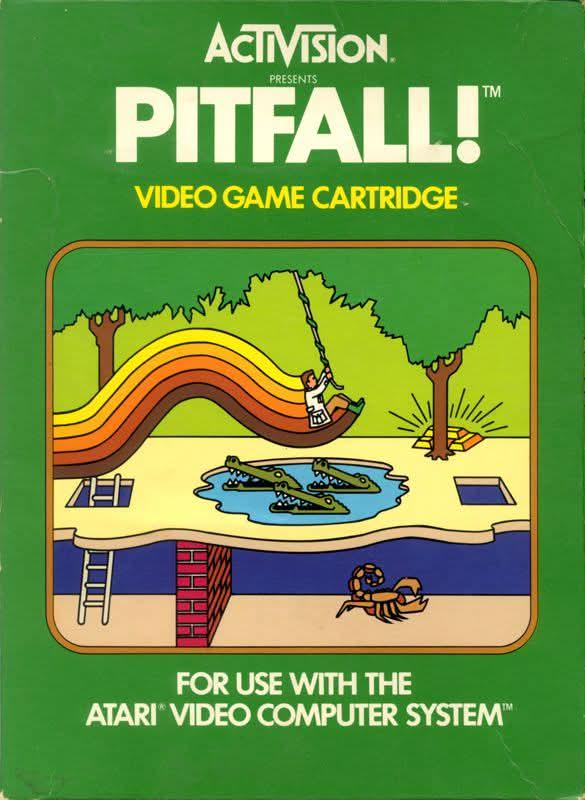
Activision’s first ads did something the industry badly needed, they made individual games feel less anonymous. The company was built by former Atari programmers, and its marketing treated software as a product with personality rather than just another cartridge in the pile. Bright packaging, clearer identity, and attention to the creators helped push the idea that a publisher could have a reputation of its own. It was a small shift on paper, but it changed how games were sold.
Pac-Man, Namco and Midway, 1980
Flyers Arcade Museum
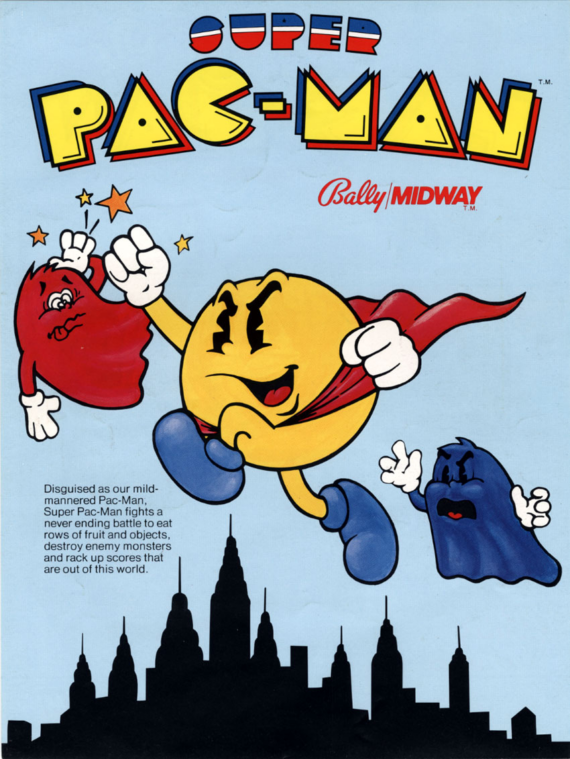
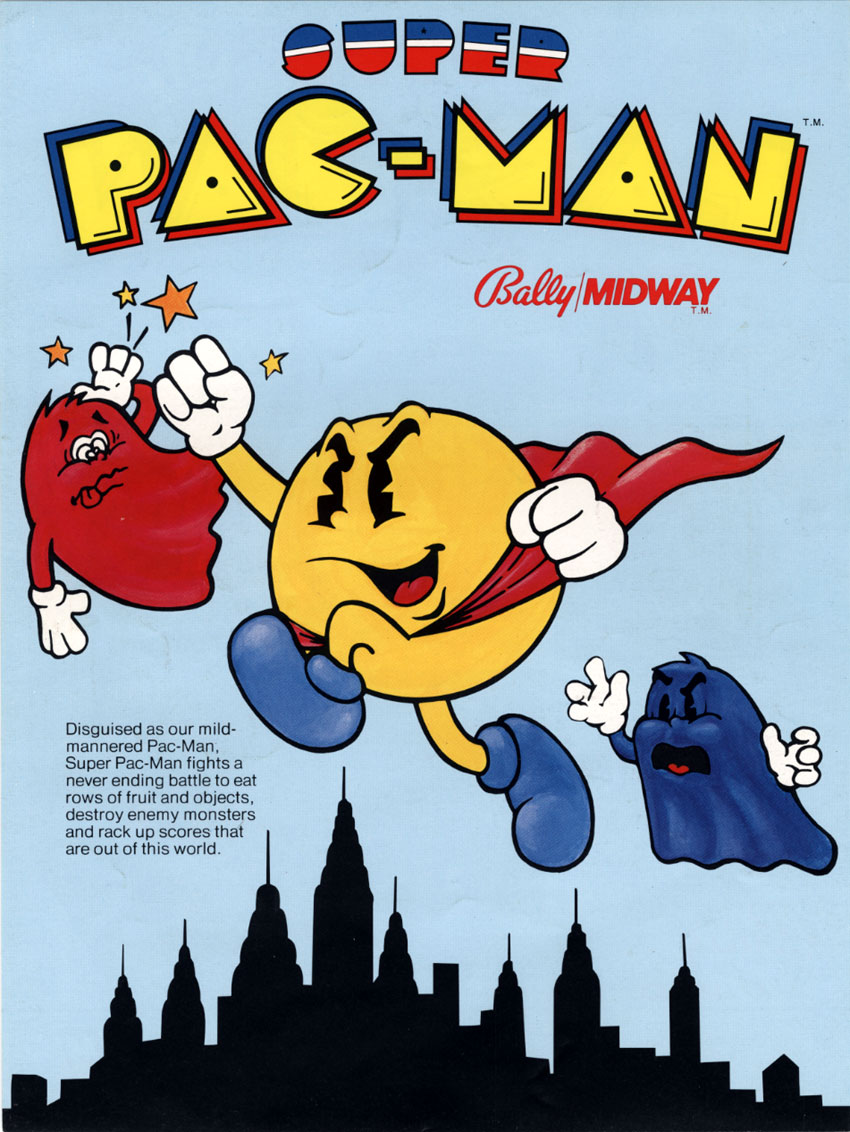
Pac-Man was different because the ad had a face to sell, even if that face was just a yellow circle with a mouth. The arcade flyers did not have to rely only on hardware, challenge, or technical novelty. They had a character, a maze, ghosts, and a visual hook that could move easily from arcade cabinets to toys, lunchboxes, songs, and television. After Pac-Man, it became much easier to imagine a game as a brand world.
Donkey Kong, Nintendo, 1981
Flyers Arcade Museum
Donkey Kong’s early advertising still looked like arcade marketing, but it carried more story than most cabinets around it. There was a gorilla, a construction-site climb, a captured woman, and a small carpenter trying to reach the top. The flyer was selling a game, but it was also selling a tiny drama that could be understood from across the room. Nobody looking at that first push could know exactly what Mario would become, and that makes the ad more interesting rather than less.
Nintendo Entertainment System, 1985
r/nes
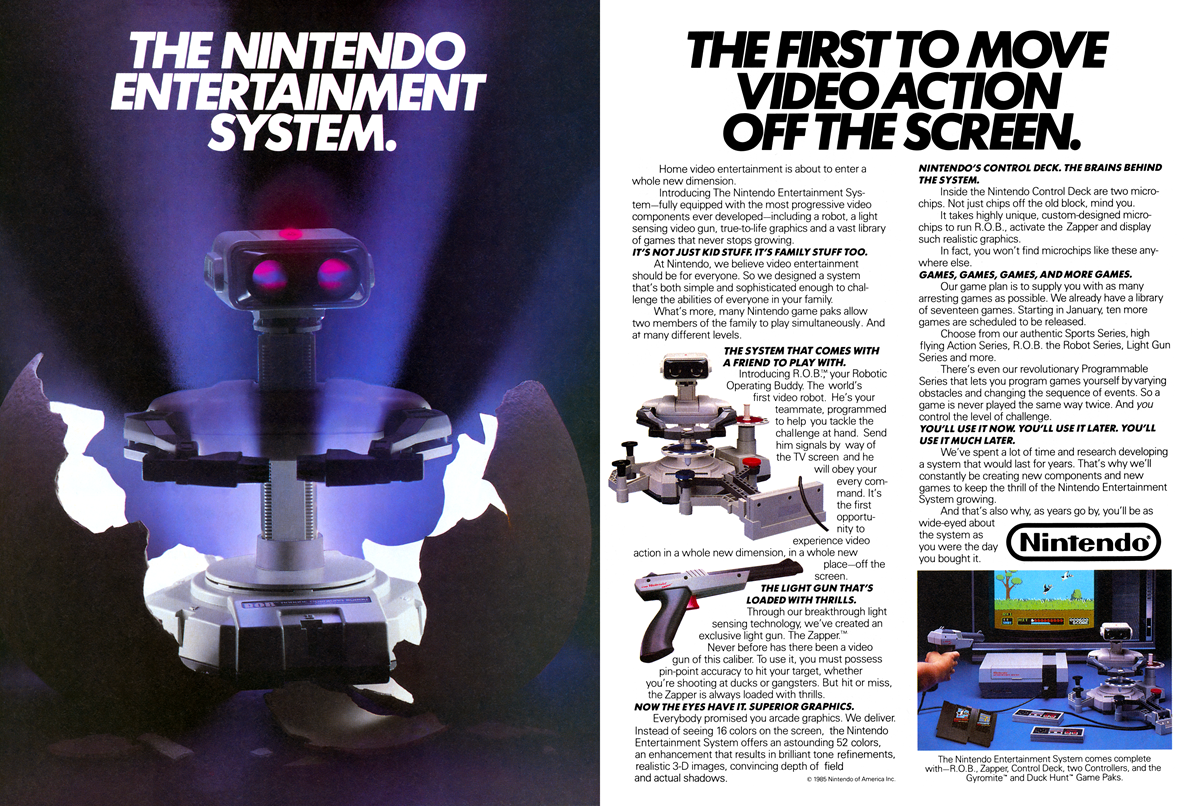
Nintendo’s early NES marketing in the United States had to be careful. After the crash of the early 1980s, retailers were not eager to hear grand speeches about another video game console. So Nintendo packaged the system in ways that made it feel like a broader entertainment product, with accessories, light-gun play, and R.O.B., the Robotic Operating Buddy, giving the whole thing a toy-store disguise. The message was not simply “games are back.” It was more cautious than that, almost strategic, this is a new kind of home entertainment set, and it deserves another chance.
The first decades of video game advertising were messy because the product kept changing shape. One year it was a coin-operated attraction, then a family novelty, then a cartridge platform, then a character machine, then a console war. The ads were figuring it out in public. A lot of what they discovered is still sitting inside modern game marketing, just with more money behind it.
Continue Reading: 15 Video Game Collectibles That Sold for More Than a House