Esports did not build its monitoring culture out of thin air. Most of the checks that now feel routine, admin reviews, replay analysis, betting alerts, stricter LAN controls, deeper integrity investigations, got sharper after someone embarrassed the whole scene. Sometimes it was one player making a reckless choice. Sometimes it was a bigger system failure that showed how easy it still was to manipulate a match, a server, or even a broadcast environment. Either way, the lesson usually arrived the hard way.
The “322” Dota 2 scandal
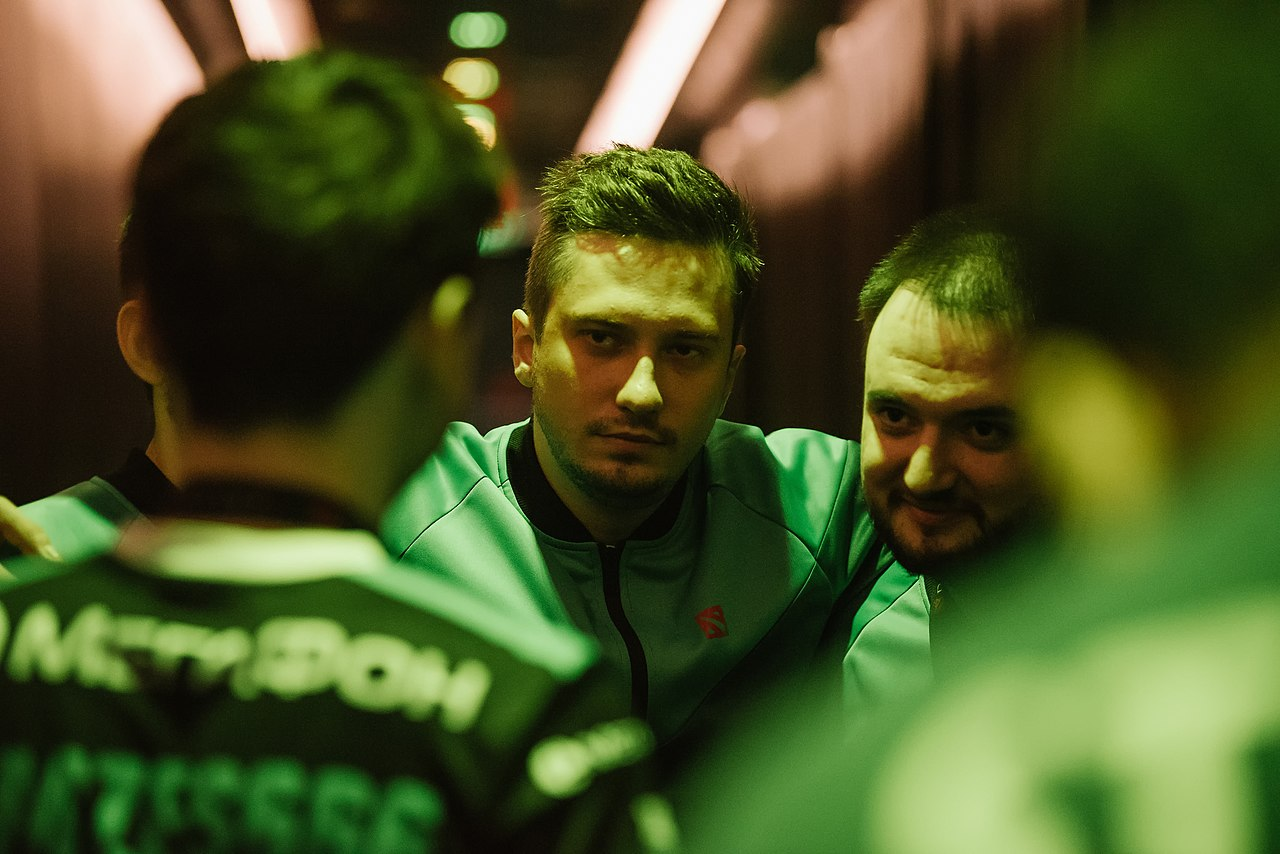
The reason people still say “322” years later is simple, the story was easy to remember and ugly in a very specific way. In 2013, Alexey “Solo” Berezin was punished after betting against his own team, RoX.KIS, in a Dota 2 match, tied to a payout of $322. What actually happened mattered more than the meme that followed: a pro player had a financial reason to lose, which made every bad rotation or strange fight call feel harder to trust. The case helped push Dota organizers and viewers toward a much more suspicious reading of suspicious matches, especially in smaller events where betting markets could get active before the oversight really did.
iBUYPOWER and the match that never looked right

The iBUYPOWER case stuck because it did not feel like a fringe story happening in some forgotten bracket. In August 2014, iBUYPOWER lost to NetCodeGuides.com in a CEVO Season 5 match that quickly drew suspicion, and Valve later said it had confirmed through account-history investigation that high-value items won from that match were transferred to iBUYPOWER players and NetCodeGuides founder Casey Foster. That detail mattered because it gave the scene something firmer than rumor, a traceable exchange tied to a suspicious result. When Valve issued permanent bans in January 2015, and then clarified in 2016 that match-fixing bans were permanent, it set a standard the rest of Counter-Strike could not really ignore anymore. From that point on, betting ties, odd line movement, and strange losses stopped being treated as gossip and started being treated as integrity issues.
KQLY’s VAC ban blew up right before a Major
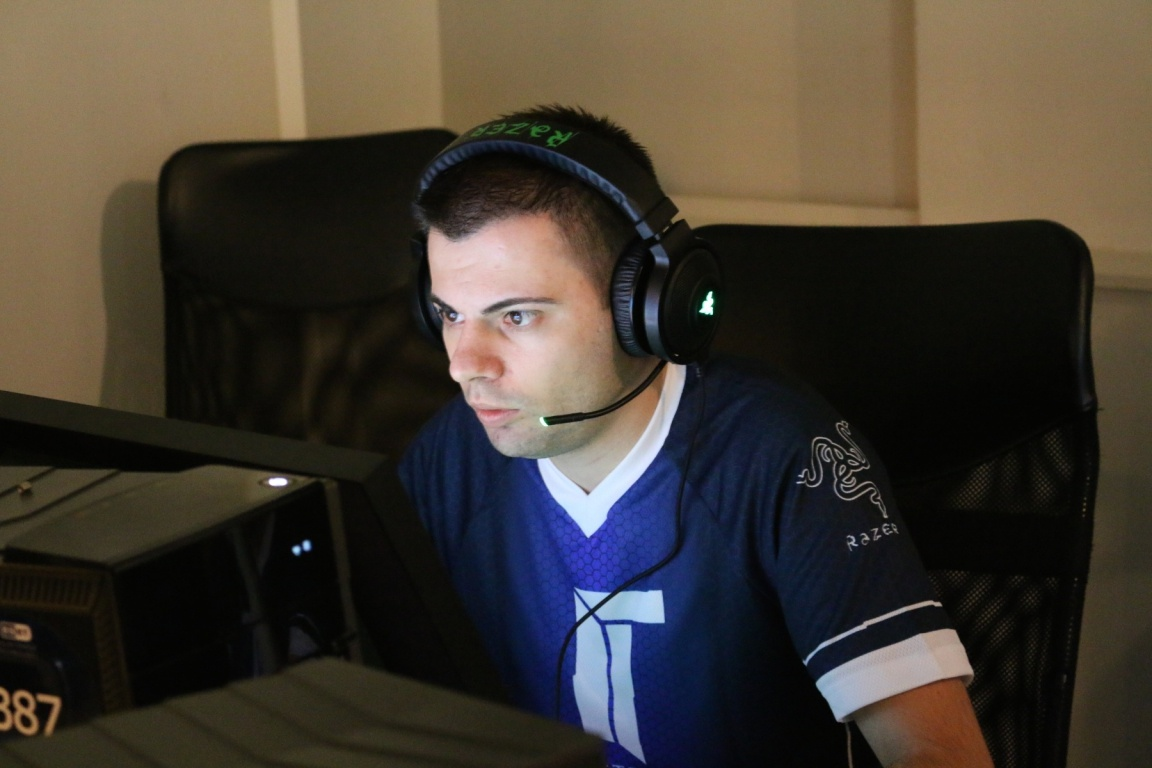
In November 2014, just before DreamHack Winter, Hovik “KQLY” Tovmassian was hit with a VAC ban and Titan’s lineup was suddenly in trouble. Valve publicly confirmed the anti-cheat ban, but did not release a detailed explanation of what software was involved or exactly when it had been used. KQLY later said the ban was justified and admitted he had used a cheat, while also claiming it had happened earlier and not in official matches. That left the scene with a confirmed anti-cheat ruling, but an incomplete public picture of the context, which is part of why the panic spread so fast. It showed how much damage a ban could do before the public even had the full story.
Forsaken made cheating on LAN look horribly simple
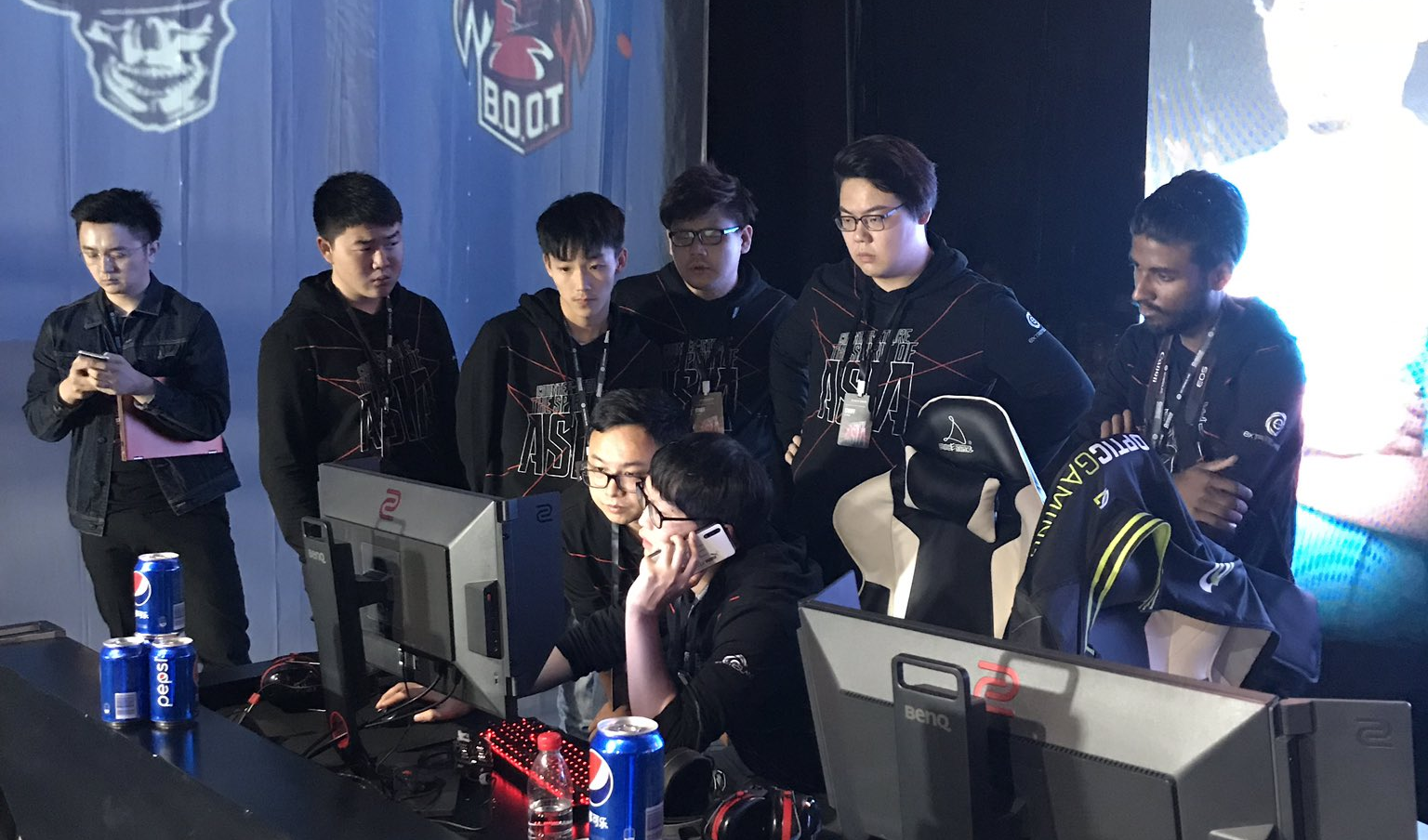
The OpTic India scandal in 2018 remains one of the bluntest cheating stories esports has produced because there was very little room to argue about what had happened. During the eXTREMESLAND Asia Finals, admins said Nikhil “forsaken” Kumawat had been using cheats in a live match, OpTic India was disqualified, and the incident quickly spread across the wider scene. Later reporting and records tied the same cheating software to earlier domestic competition as well, which made the problem larger than one bad day on stage. The bigger takeaway was brutal and simple, LAN did not automatically mean clean. If anything, the case made organizers more aware that anti-cheat work at an event had to include direct machine checks, close admin supervision, and the assumption that someone might still try it anyway.
The CS:GO coaching bug scandal
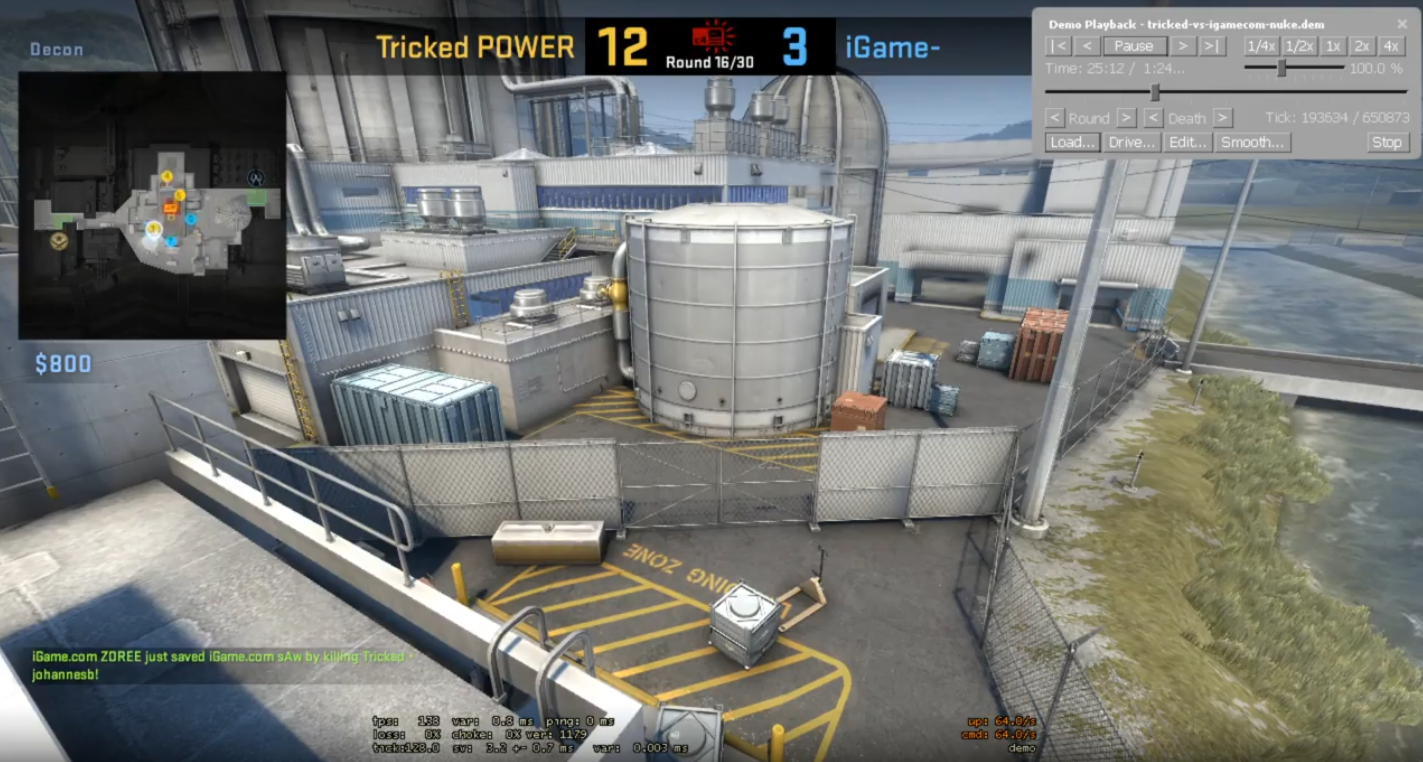
This one widened the definition. The issue was not a player running an aimbot or a wallhack, but coaches abusing a spectator-mode bug that could leave them stuck in positions they were never meant to have, or give them a wider view of the map than normal. That let them gather information on enemy movement and relay it to players during live rounds. The first major sanctions hit coaches tied to MIBR, Heroic, and Hard Legion, but the scope did not stay that narrow for long. ESIC later said it had banned 37 coaches after reviewing part of a huge demo archive, which made clear the scene was dealing with a broad integrity failure, not just a few outliers. After that, monitoring in Counter-Strike had to account for staff behavior, server states, and information flow, not just what the five players on the server were doing.
Trending on realmoneygamer.com


HUNDEN turned that story into something even uglier
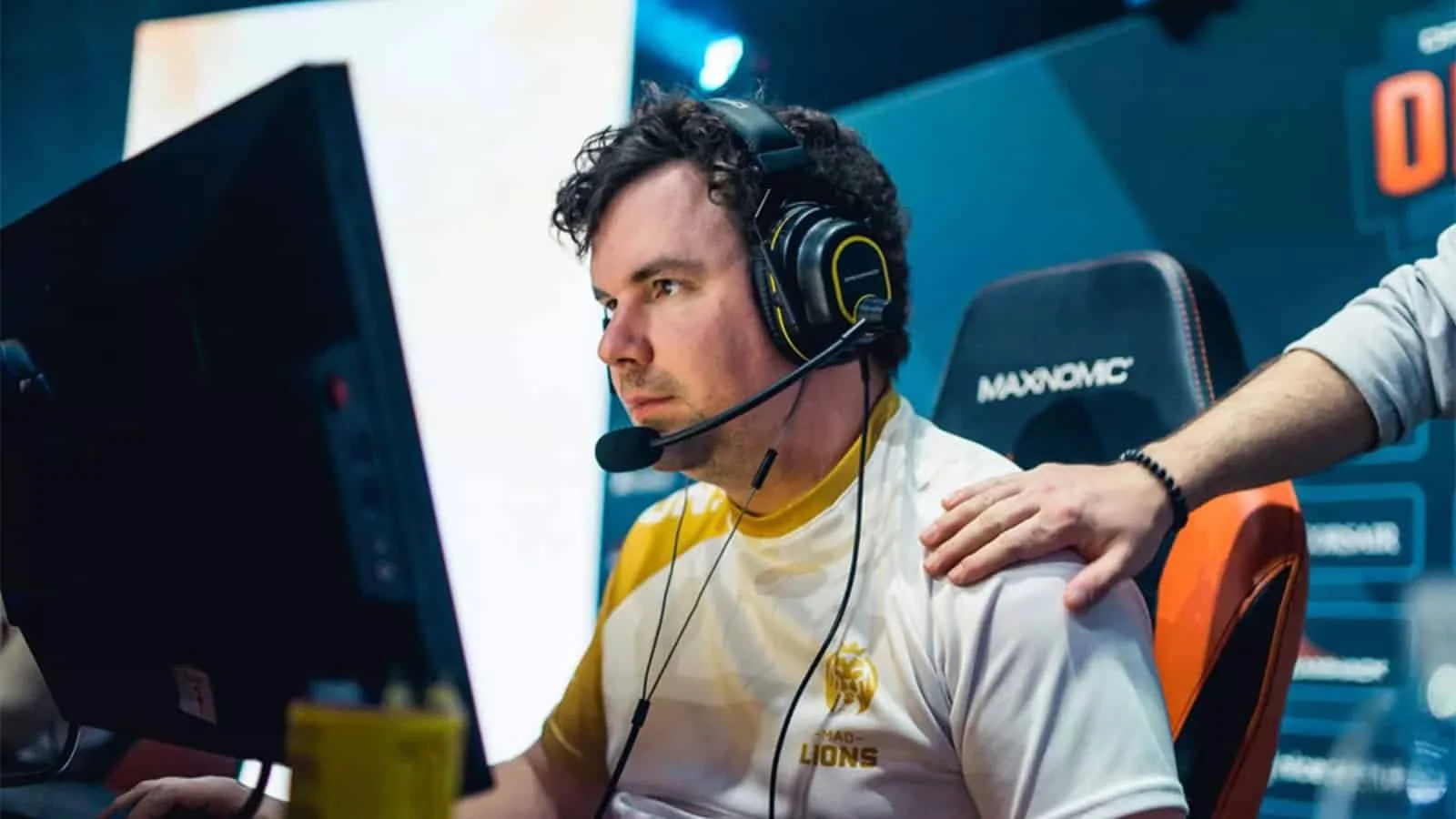
Heroic became central to the story through Nicolai “HUNDEN” Petersen, but what followed was not limited to the original exploit. HUNDEN had already been sanctioned for abusing the spectator bug, and in 2021 he received a separate two-year ESIC ban after the commission found that he had shared confidential material from Heroic’s strategy folder with another team ahead of IEM Cologne. After that, HUNDEN alleged that Heroic players had known about his earlier bug use, which led ESIC to open a formal investigation into possible player complicity. That investigation matters because it shifted the conversation away from a single exploit and toward everything around it, internal files, staff conduct, private messages, and the difficulty of proving who knew what and when. Monitoring in esports got more investigative in cases like this because cheating no longer looked like a purely in-server problem.
StarCraft’s Savior scandal shook Korea hard
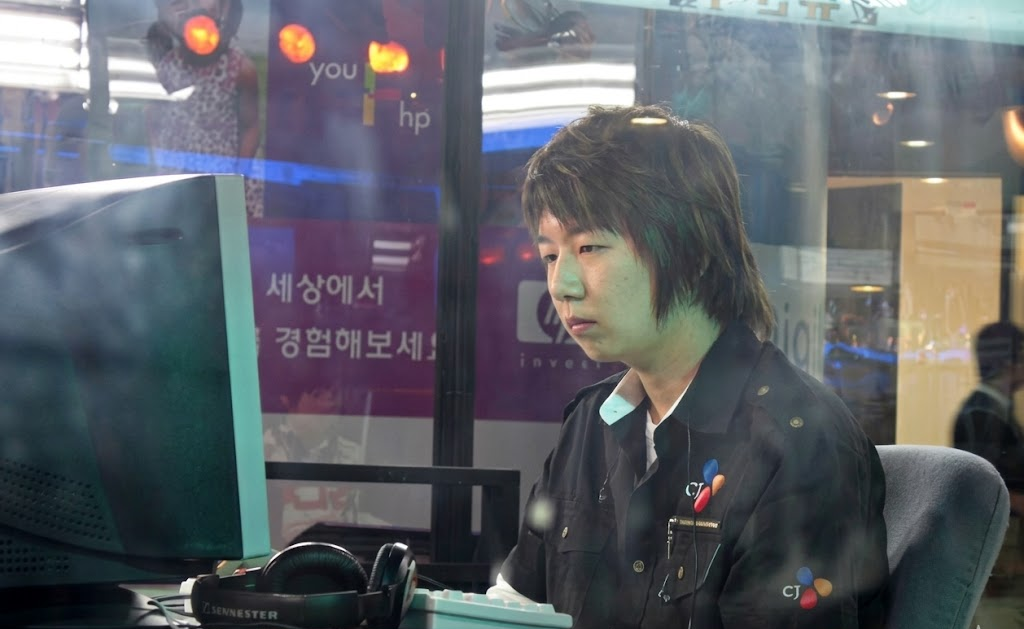
The 2010 Brood War scandal landed especially hard in South Korea because pro gaming there was already more organized and public-facing than in most other places. Ma “sAviOr” Jae-yoon was the biggest name attached to it, and his lifetime ban helped turn the story into a national credibility problem rather than just a competitive one. What happened was not simply that one star got caught. The scandal spread through a wider web of fixed matches, gambling ties, investigations, and public fallout that made people question the scene’s internal discipline. That pressure changed how Korean esports treated suspicious betting patterns and match integrity, because after a case like that, routine oversight stops looking excessive and starts looking overdue.
Then Life proved StarCraft II was not immune either
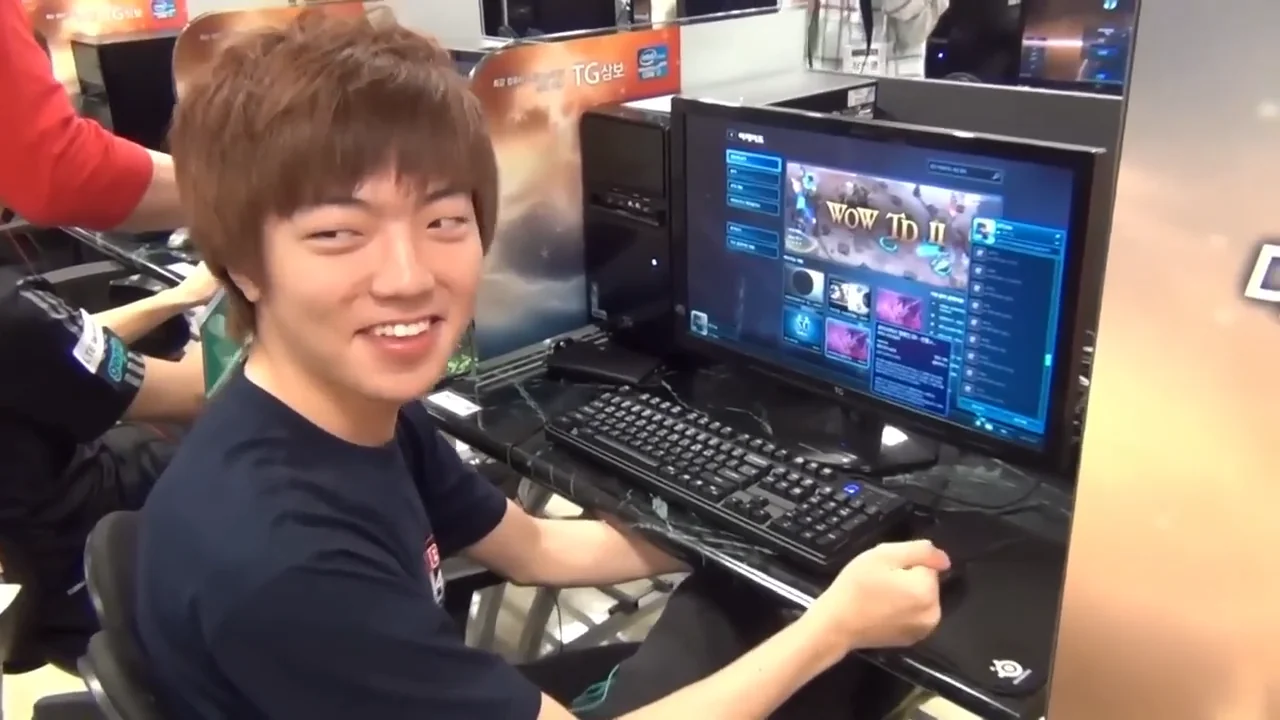
There was a moment when people could still pretend the Brood War scandal belonged to an older era. Then the StarCraft II match-fixing scandal shattered that comfort. The broader case first involved players and a coach such as YoDa, BBoongBBoong, and Gerrard, and then it expanded further when Lee “Life” Seung Hyun, one of the game’s most famous players, was arrested and later permanently banned from KeSPA events for his involvement. That is why the case still matters. It was not a fringe player in a side tournament. It was one of the scene’s brightest names, and that made it much harder to tell yourself that prestige or visibility would naturally protect a game from corruption.
Newbee showed that Dota 2 had not left match-fixing behind
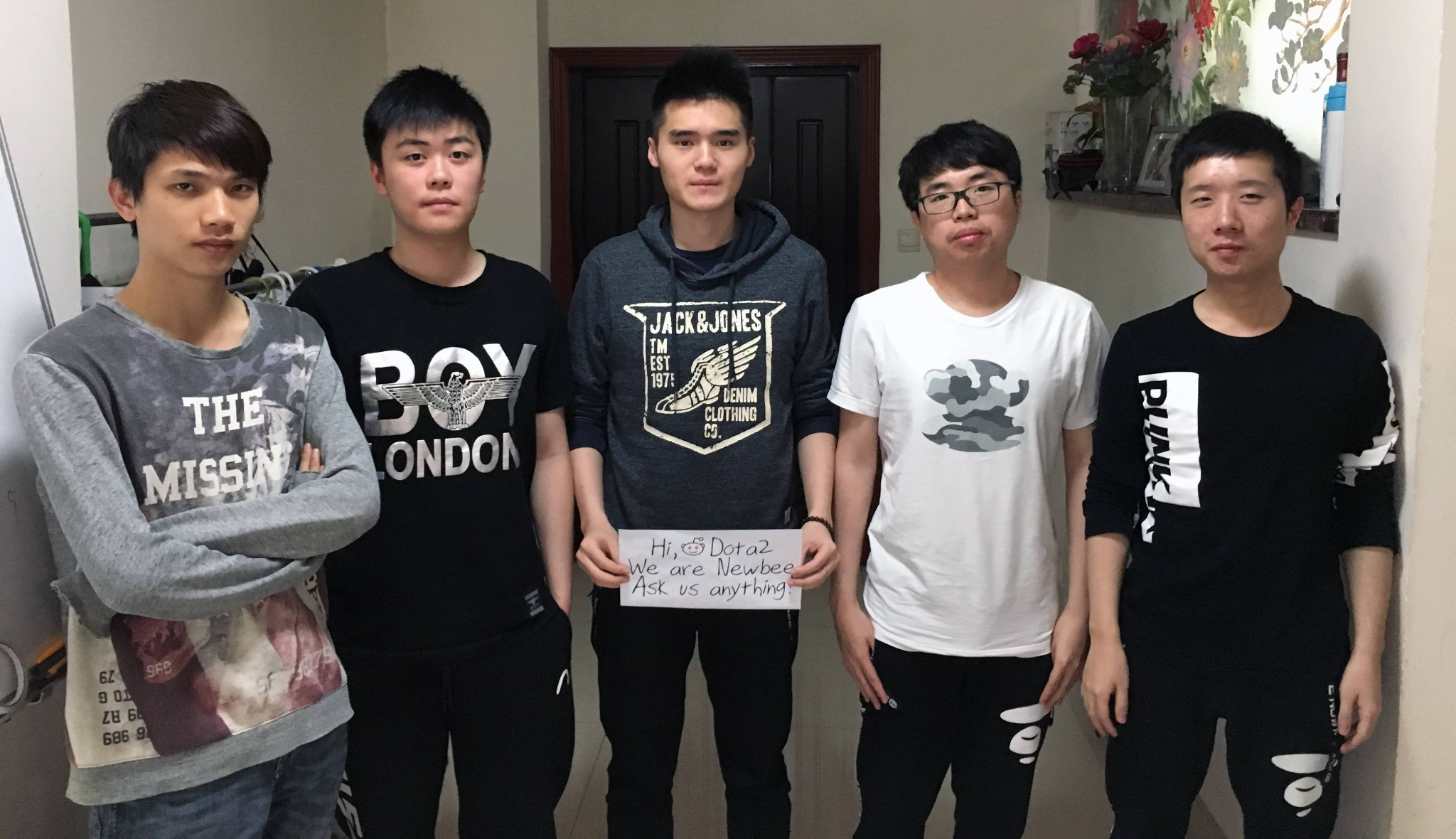
By the time Newbee was banned from Valve events, Dota 2 already had years of experience talking about thrown games and suspicious betting. What made this case hit differently was the name involved. Newbee was not some anonymous stack passing through a weekly cup, it was one of the more recognizable organizations in Chinese Dota, and in 2020 the team was first banned by Chinese organizers over match-fixing allegations before Valve and Perfect World later imposed permanent bans tied to the same scandal. That sequence mattered because it showed a more layered enforcement model, local competition authorities moved first, then the publisher level followed. Cases like that changed monitoring by making it clearer that suspicious play did not have to be handled only by tournament admins in the moment, it could also be investigated across leagues, regions, and governing bodies after the fact.
The ALGS hack made competitive integrity a security issue too
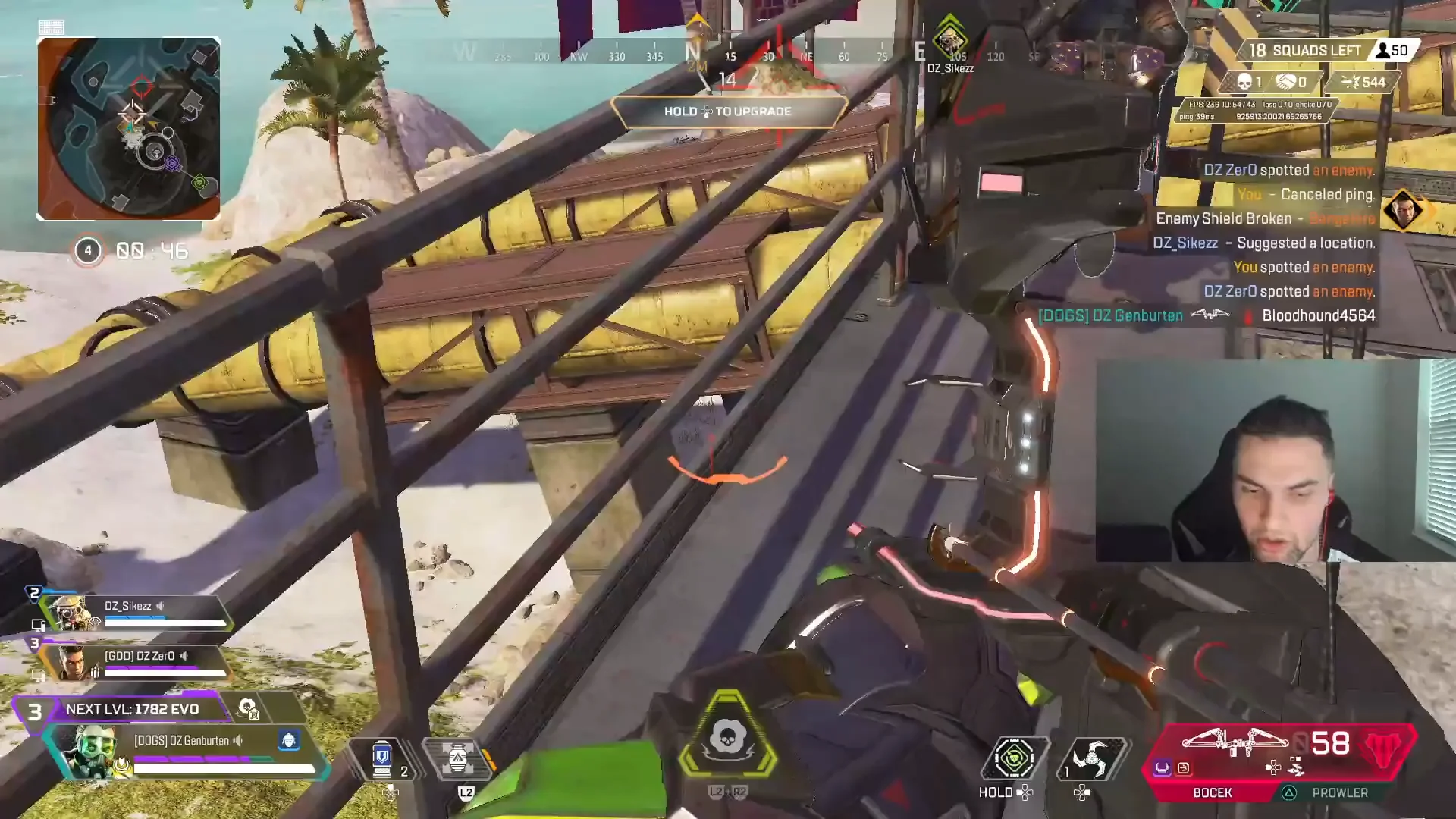
This was not a classic cheating scandal in the sense of one player secretly running software for months. During the ALGS North American Regional Finals in March 2024, players appeared to have cheats forced into their games remotely, with reports describing injected aimbot-style behavior and the event being postponed on competitive integrity grounds. The reason it belongs on this list is that it changed the shape of the problem. Suddenly the question was not only whether a player had cheated, but whether the competition environment itself could be compromised from the outside. That widened the job of tournament monitoring in a way a lot of scenes had been slow to accept, anti-cheat, client security, admin response, and event integrity can all collapse into the same emergency very quickly.
Esports is much better at monitoring itself now than it was ten or fifteen years ago, but not because everyone suddenly matured at the same time. It got better because enough scandals made the older, looser version impossible to defend. Players are watched more closely, betting patterns get flagged faster, admins check more things, and teams are asked harder questions than they used to be. None of that means the problem is gone. It just means fewer people still believe trust is enough.
Continue Reading: 13 Esports Finals That Changed Competitive Gaming