Arcades and casinos have always shared more DNA than people usually realize. Long before slot floors and sportsbook lounges became the centerpiece of gambling venues, coin-operated machines were already experimenting with chance. Penny arcades in the late 1800s were full of mechanical devices that rewarded luck as much as curiosity. Some of those contraptions slowly evolved into games that later appeared in casinos. Not every gambling staple started on a felt table. Quite a few began life in noisy amusement halls, bars, or seaside arcades where inventors were simply trying to make coin machines more interesting. Here are thirteen casino games whose story, in one way or another, runs through the arcade era.
1. Liberty Bell Slot Machine (1894)
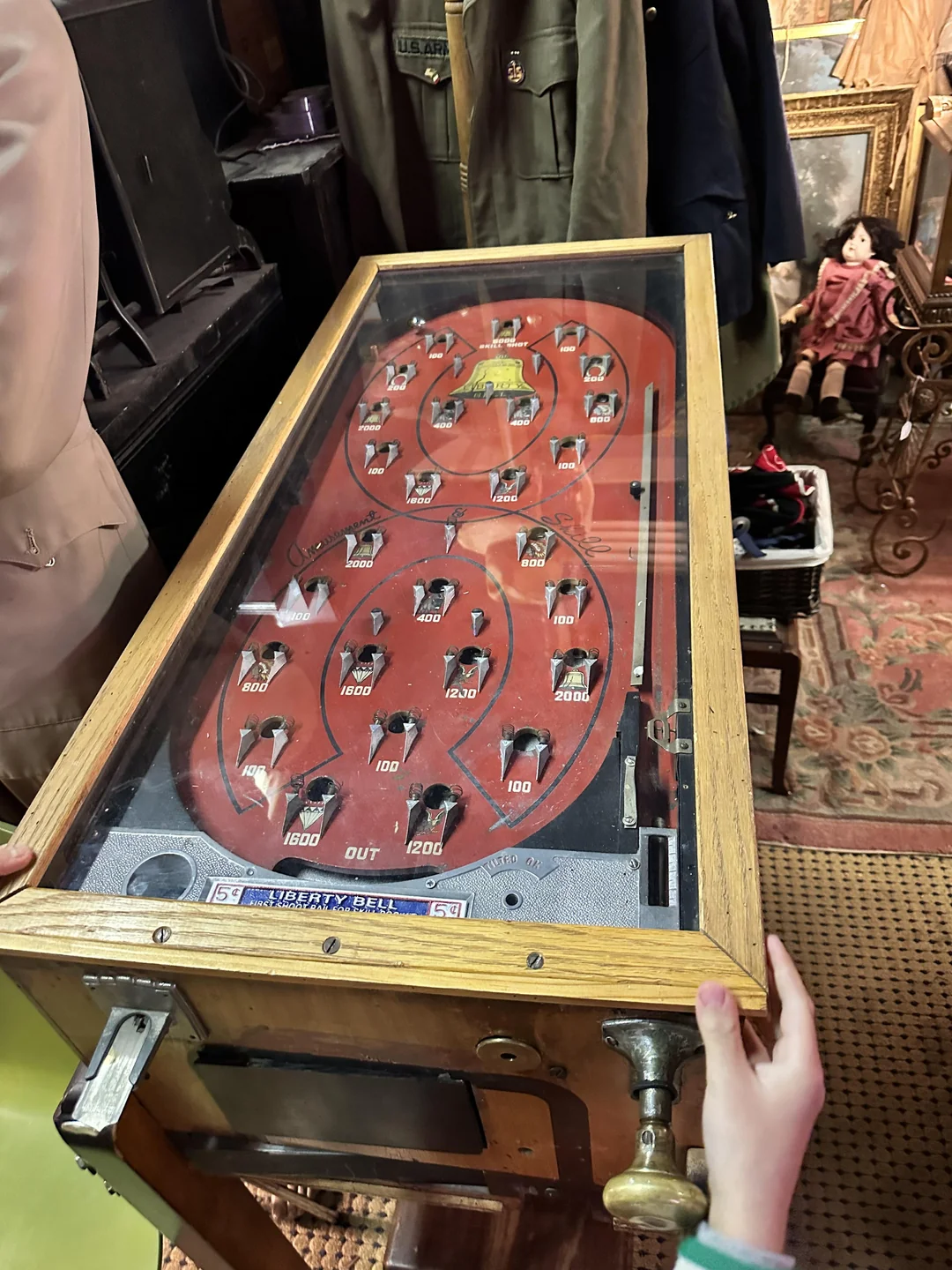
Charles Fey was a San Francisco mechanic who spent the early 1890s tinkering with coin-operated machines in his workshop. In 1894 he built Liberty Bell, a three-reel device with symbols like horseshoes, stars, and bells. The key feature wasn’t the spinning reels, it was the automatic payout mechanism that dropped coins when the right symbols aligned. That small change made the machine far easier to run in bars and amusement halls. Within a few years, versions of the Liberty Bell began appearing in penny arcades across the United States.
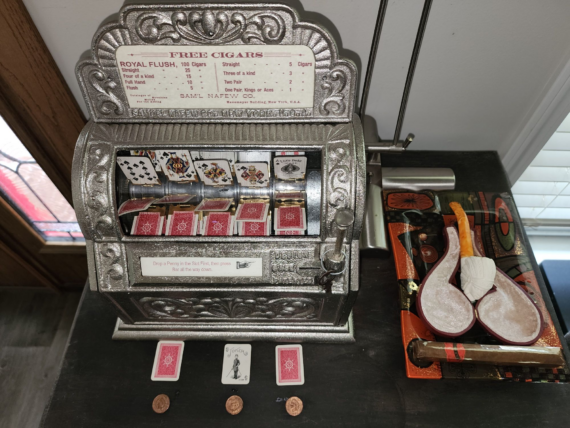
2. Sittman and Pitt Poker Machine (1891)
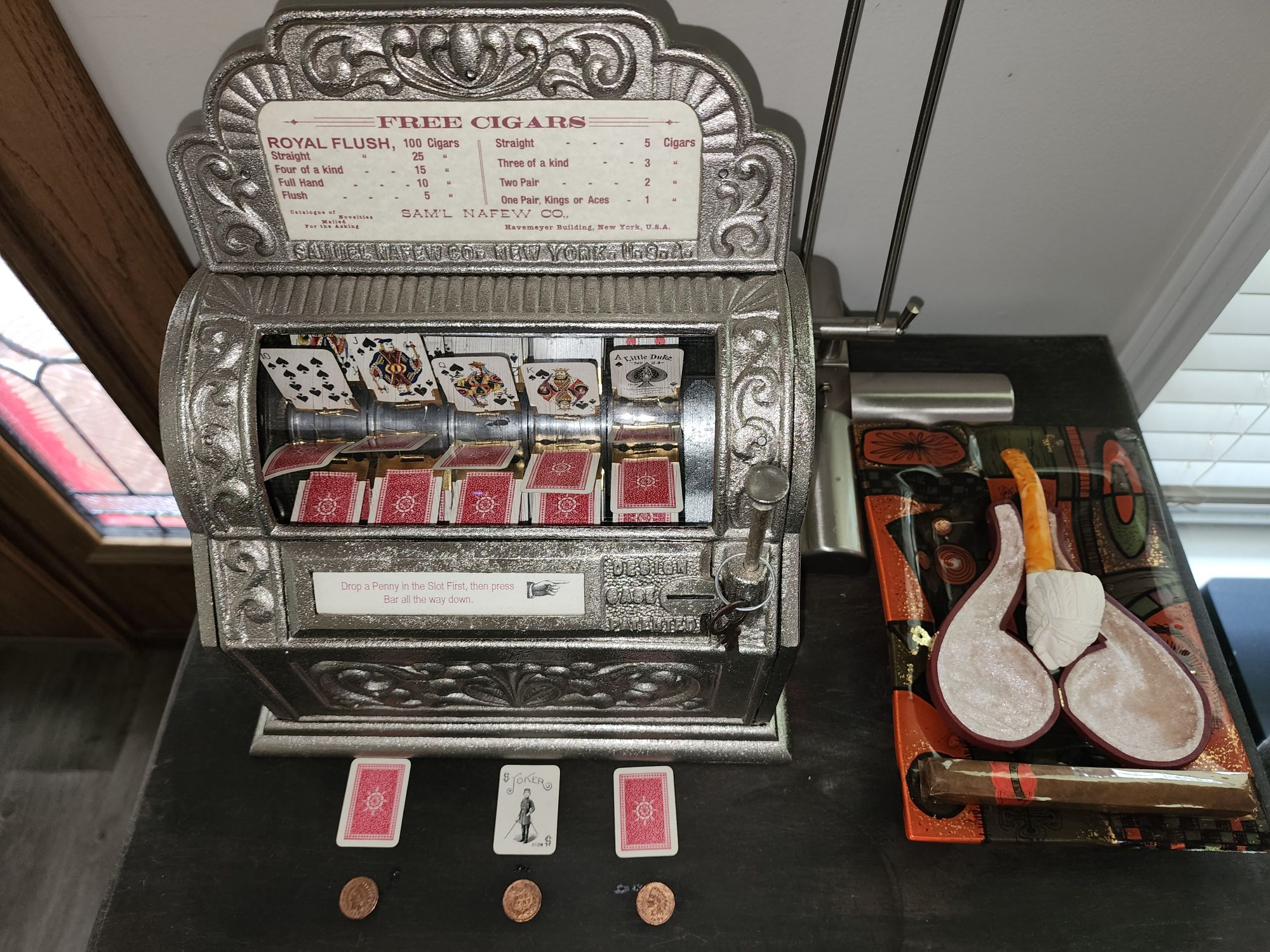
Before the Liberty Bell simplified things, there was a more complicated machine sitting in New York bars. In 1891, Sittman and Pitt built a coin-operated poker device with five rotating drums displaying playing cards. Players pulled a lever and hoped the cards lined up into a winning poker hand. The machine didn’t actually pay coins; bartenders usually handed out drinks or cigars instead. Even so, the idea of a machine dealing poker hands caught on quickly.
3. Operator Bell Fruit Machine (1907)
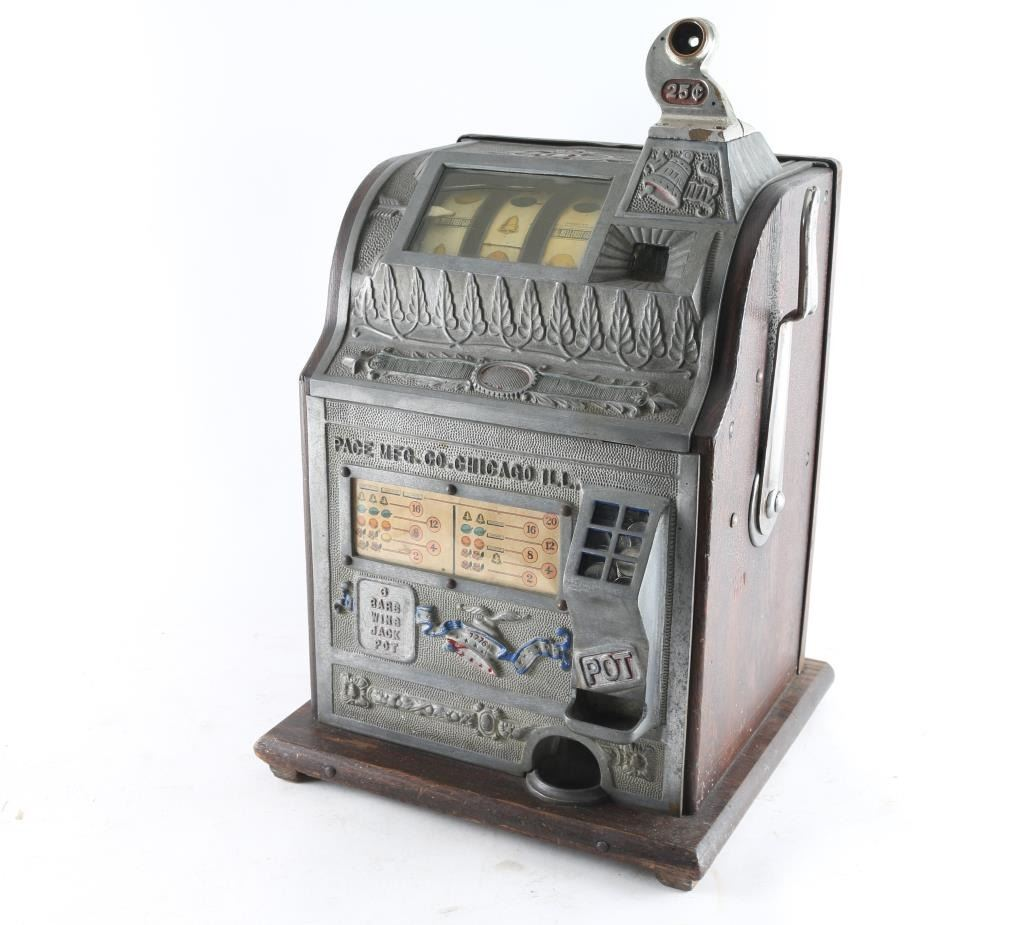
By the early 1900s, anti-gambling laws were tightening across parts of the United States. Manufacturers had to get creative. Herbert Mills, a Chicago company owner, introduced the Operator Bell in 1907. Instead of paying coins, many machines awarded fruit-flavored chewing gum. That’s why the reels showed cherries, lemons, and plums. The symbols stuck around long after the gum disappeared.
4. Pachinko (1930s)
Pachinko machines started appearing in Japan during the early 1930s, loosely inspired by Western pinball devices. Players launched small steel balls into a vertical board filled with pins, watching them bounce unpredictably toward scoring pockets. By 1936 pachinko parlors were opening across Japan. Technically, players won balls rather than money, but the underlying mechanic was unmistakably about chance.
5. Pinball Payout Machines (1930s)
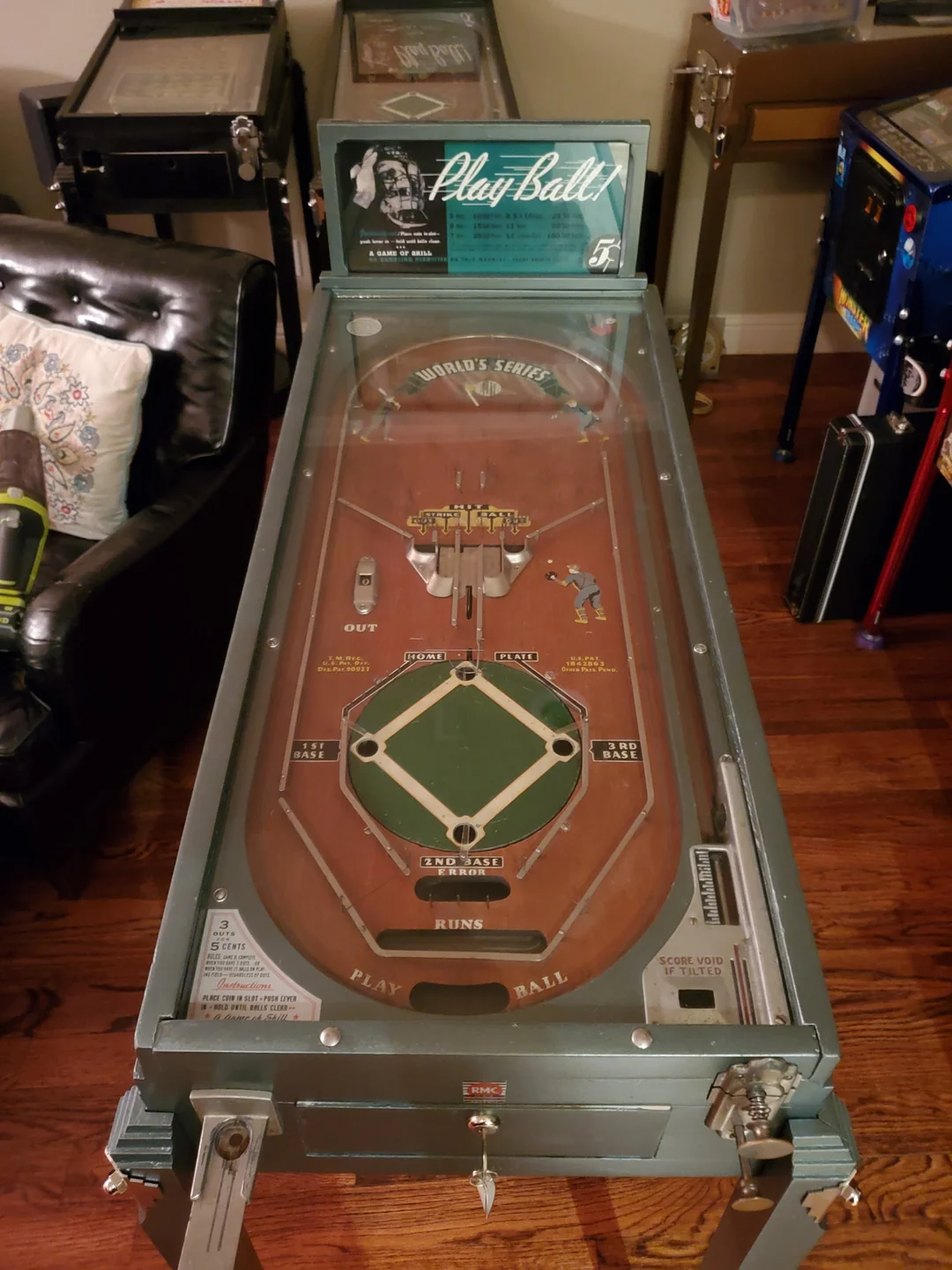
Pinball didn’t begin as a purely skill-based arcade game. Many early machines from the 1930s included payout systems depending on where the ball landed. That detail caused problems. In several American cities, authorities treated pinball like a gambling device. New York banned the machines entirely in 1942, a prohibition that lasted decades.
Trending on realmoneygamer.com

6. Mills Futurity Slot (1930s)
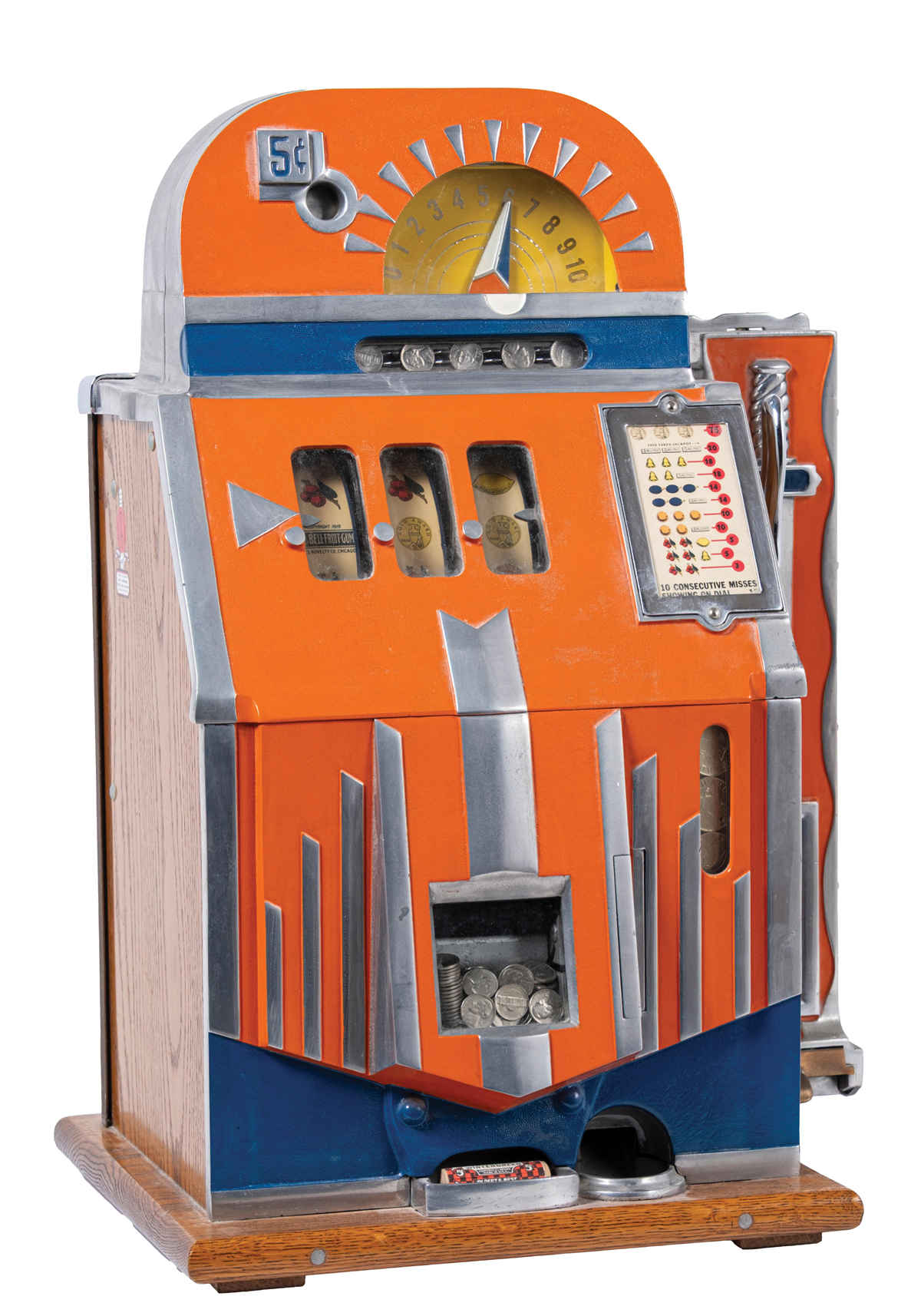
The Mills Novelty Company spent much of the 1930s experimenting with different slot machine designs. One of the stranger ones was the Futurity machine. Instead of paying out immediately, part of the winnings accumulated toward a future jackpot cycle. It was marketed almost like a reward that would arrive later, which added a different kind of anticipation for players feeding coins into the machine.
7. Money Honey Electromechanical Slot (1964)
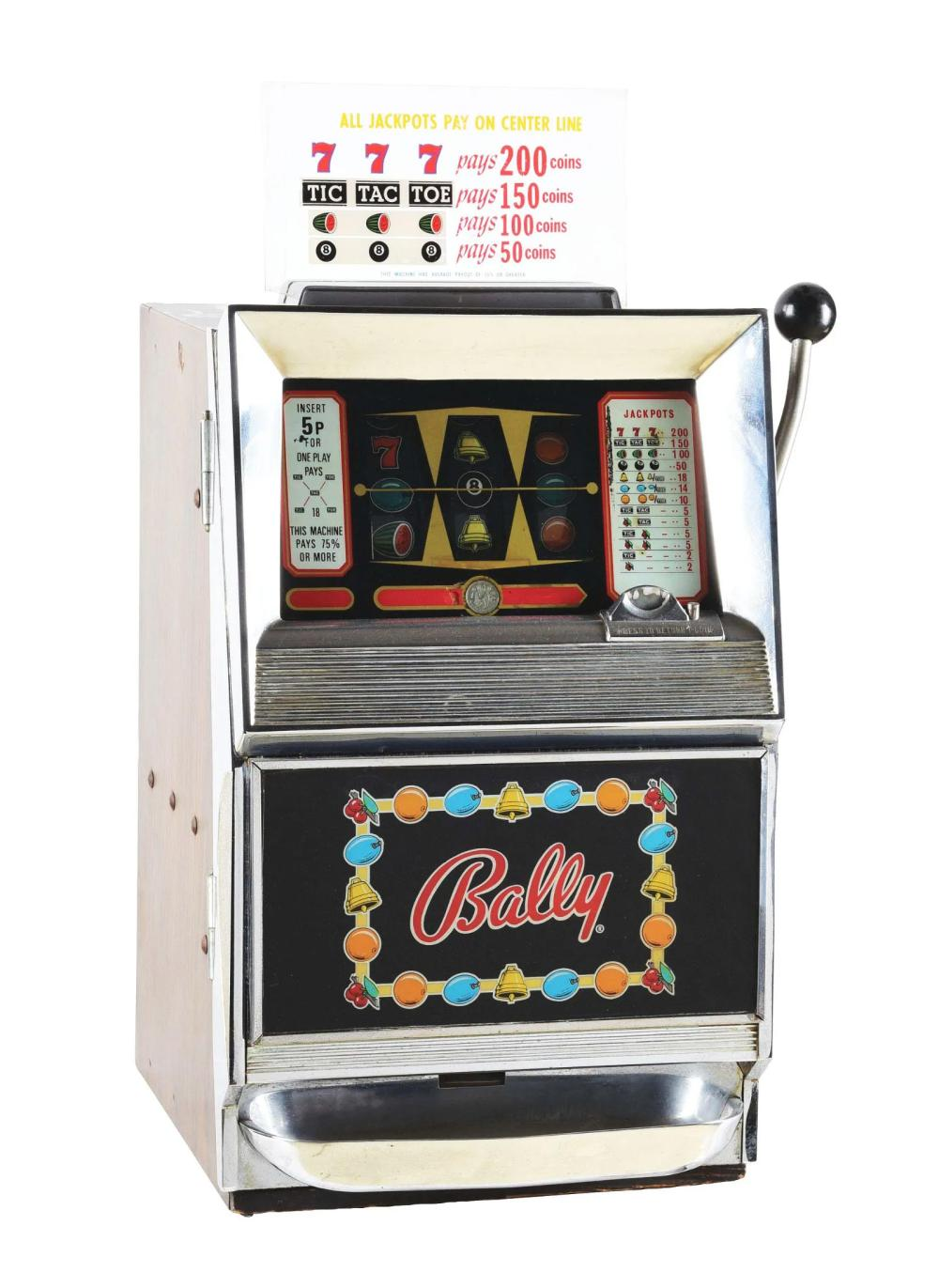
For decades slot machines were entirely mechanical. That changed in 1964 when Bally introduced Money Honey, one of the first successful electromechanical slots. The reels were still physical, but the internal systems used electronics to control payouts. The machine could automatically dispense hundreds of coins, something older mechanical systems struggled to handle.
8. Coin Pusher Machines (1966)
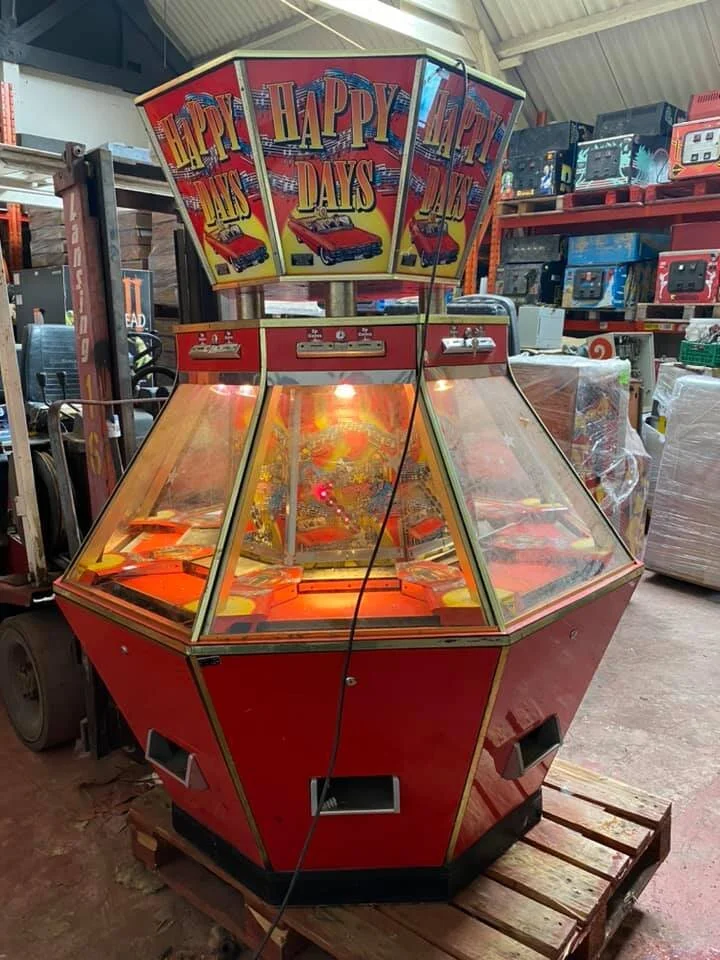
If you’ve ever stood in a seaside arcade, you’ve probably heard the slow scrape of coins sliding across metal shelves. Coin pushers became widely popular during the 1960s with machines like Penny Falls. Players drop a coin into the machine and hope it nudges a stack forward. Eventually gravity takes over and coins tumble into the tray below. The mechanic isn’t identical to slots, but the suspense is very similar.
9. Derby Horse Racing Arcade Games (1930s–1950s)
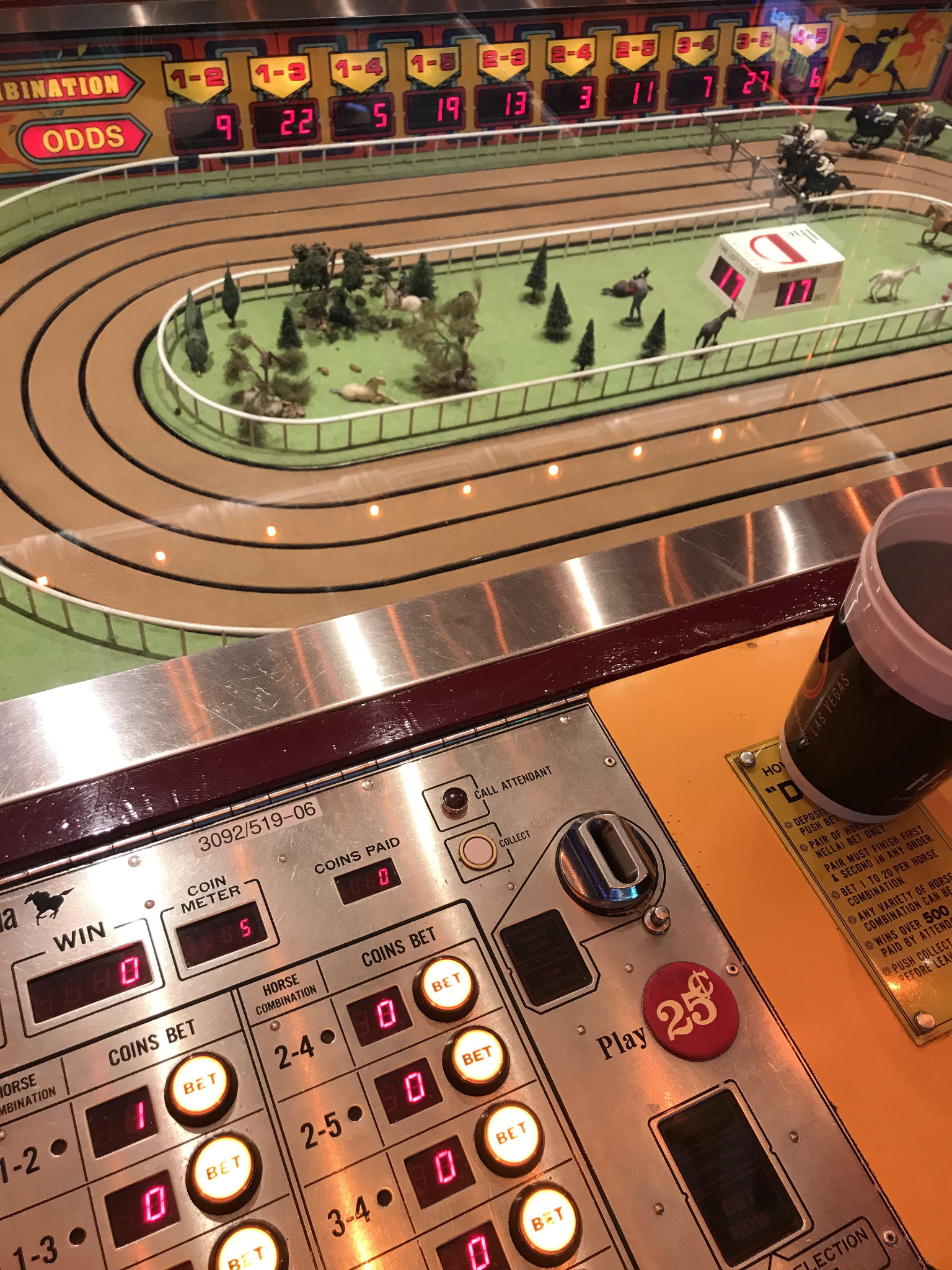
Electromechanical horse racing games began appearing in arcades and amusement parks in the mid-20th century. Cabinets often featured small mechanical horses racing across a track as players placed bets or triggered movement through buttons or ball-rolling mechanisms. These machines weren’t always tied directly to cash payouts, but they borrowed heavily from the structure of horse race wagering.
10. Early Video Poker Machines (1970s)
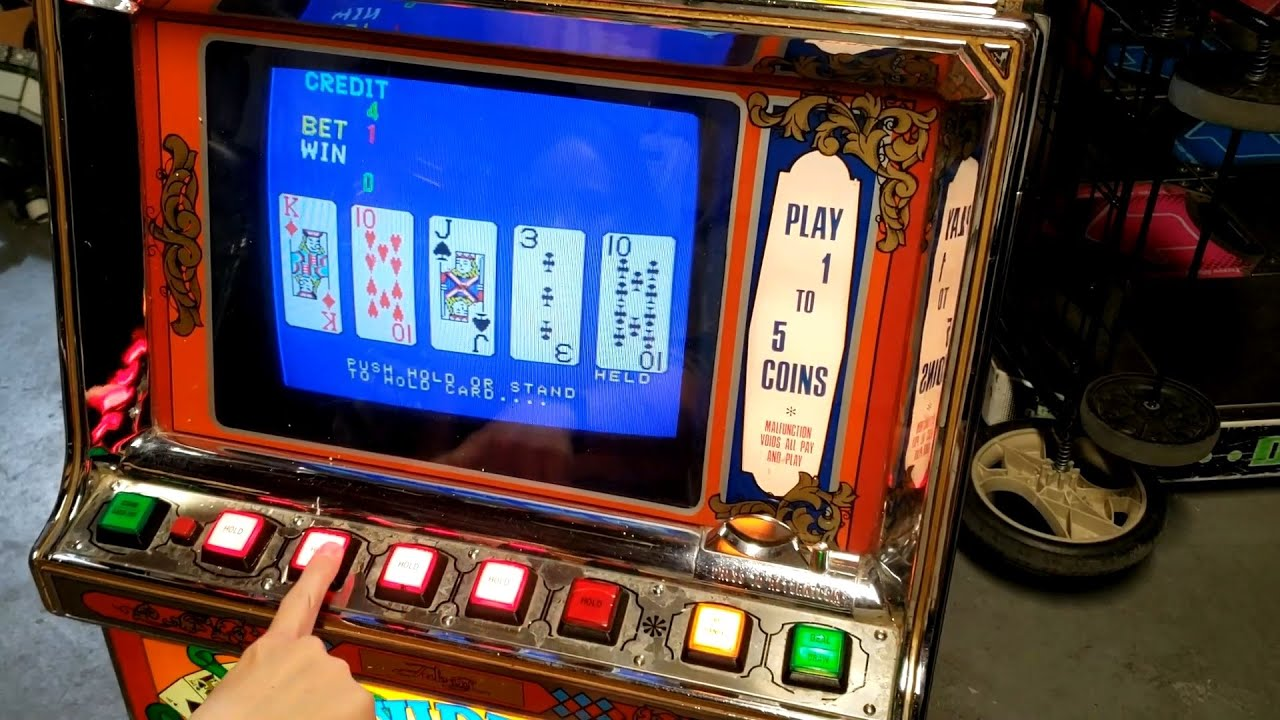
The shift from mechanical cabinets to screens began during the 1970s. One of the early experiments was a machine called Fortune Coin, released in 1976. Instead of reels or physical cards, players saw poker hands on a video display. At the time the idea seemed unusual, but the format eventually became one of the most common casino machines in North America.
11. Japanese Medal Games (1970s)
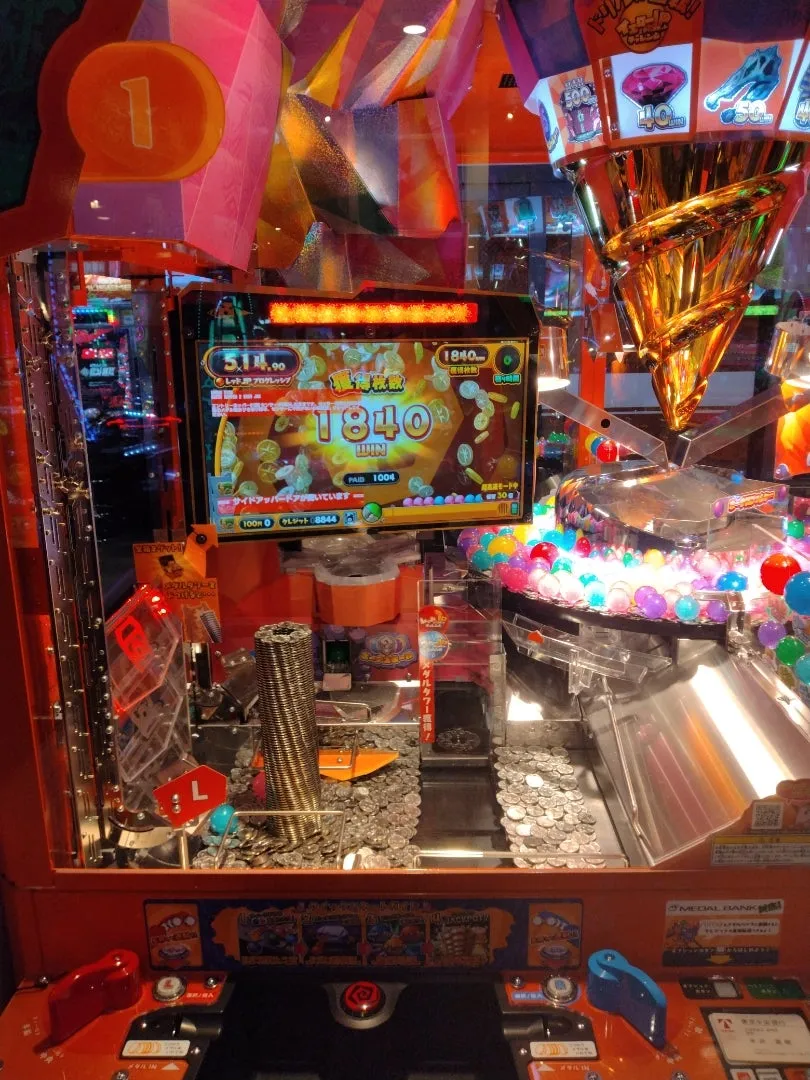
Japanese arcades developed a whole category known as medal games, machines that paid tokens instead of cash. Many of them looked like miniature slot machines or roulette wheels. Players collected medals, fed them back into the machines, and chased larger jackpots. The format mirrored casino mechanics but stayed within arcade prize systems.
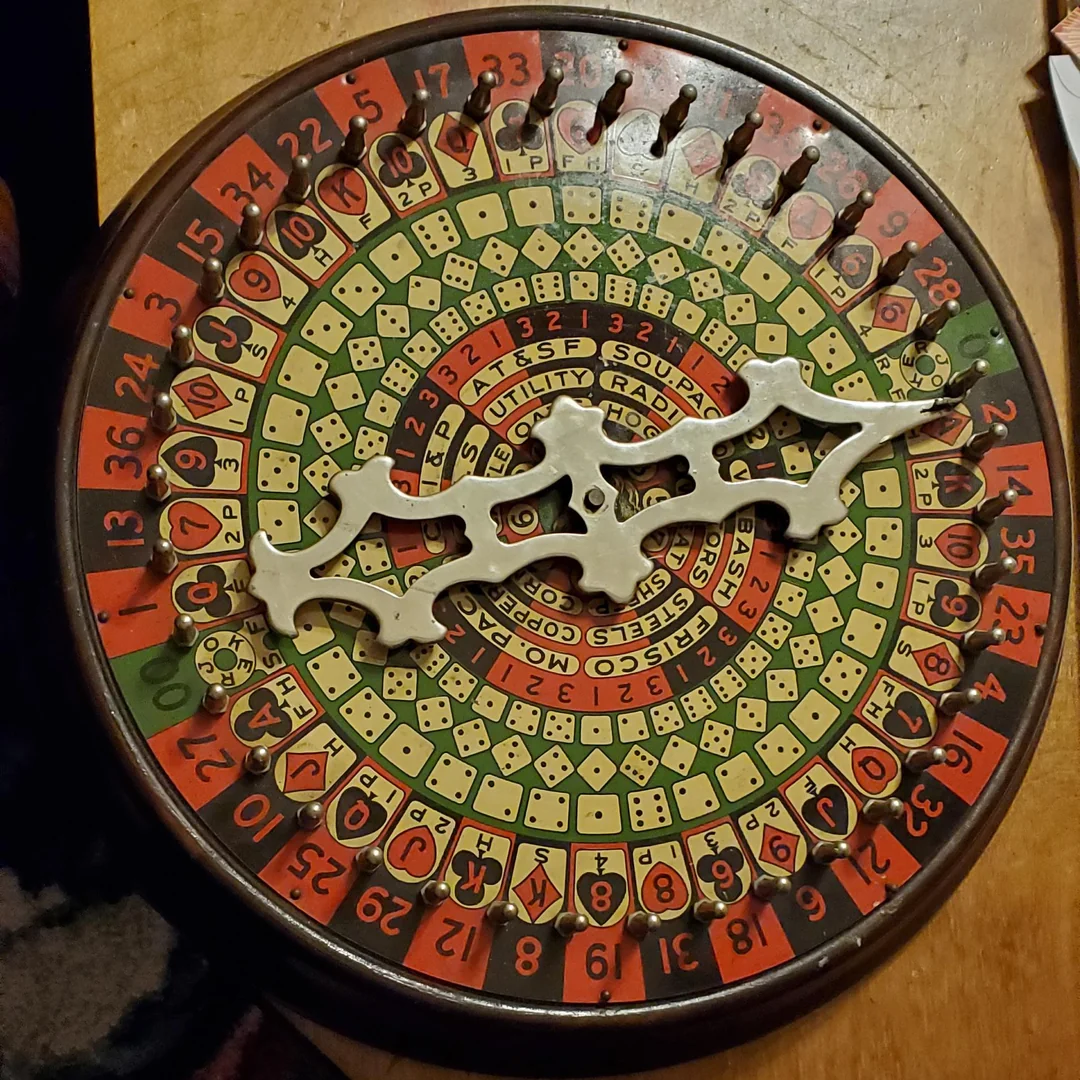
12. Mechanical Roulette Devices
Long before electronic roulette terminals appeared in casinos, there were smaller coin-operated versions in bars and amusement spaces. These machines spun miniature roulette wheels inside glass cabinets. They weren’t meant to replace casino tables. Mostly they lived in arcades, giving players a quick spin experience for a single coin.
13. Skill-Stop Slot Machines (1970s)
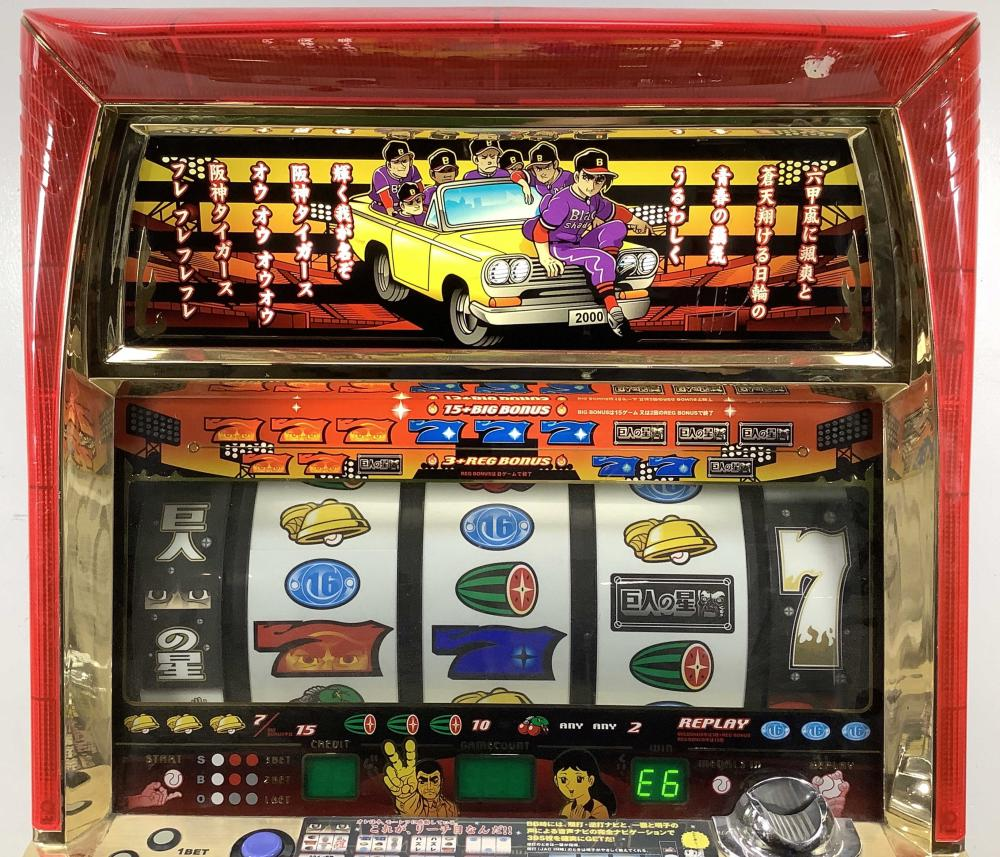
By the late 1970s some slot machines added a button that allowed players to stop spinning reels manually. The feature became known as skill stop. In theory it gave players a sense of control over the outcome. In practice, the odds were still determined by the machine’s internal system, but pressing the button made the moment feel a little more interactive.
Arcades were always places where inventors tried strange ideas with coins, gears, and probability. Some machines faded out after a few years, while others quietly became the blueprint for modern gambling devices. If you walk through a casino today, rows of slots, video poker cabinets, even certain automated table games, you’re looking at machines that owe part of their existence to those early arcades and amusement halls. Not everything started under bright casino chandeliers. Quite a bit of it began with someone dropping a coin into a machine just to see what might happen next.
Continue Reading: 20 High-Stakes Gaming Wins (and Losses)