Online gaming didn’t suddenly appear with fast internet and modern consoles. It grew slowly through experiments, university networks, mod communities, and a few games that accidentally built massive player cultures. Every few years, something arrived that changed how people played together online, sometimes through technology, sometimes through design, and sometimes because players simply took a game further than its creators expected. Looking back, a handful of titles clearly shifted the direction of multiplayer gaming. Not always the biggest games, but the ones that changed how the internet was used to play.
1. Maze War (1974)
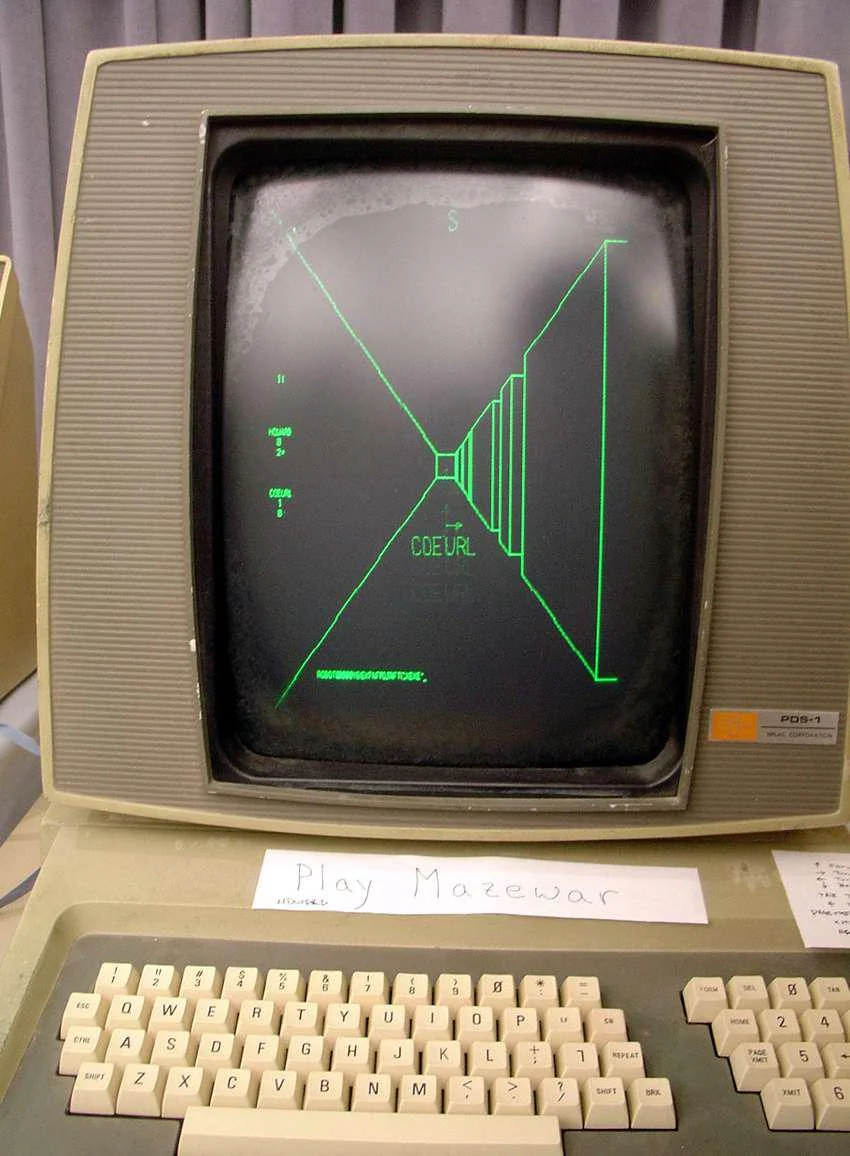
Long before online shooters became normal, Maze War experimented with something strange for the mid-1970s: players navigating the same digital maze across a network. Developed on early research computers, it allowed multiple people to see each other moving through a first-person environment and shoot at one another. It’s widely cited as the first networked multiplayer FPS, decades before the genre became dominant.
2. Doom (1993)
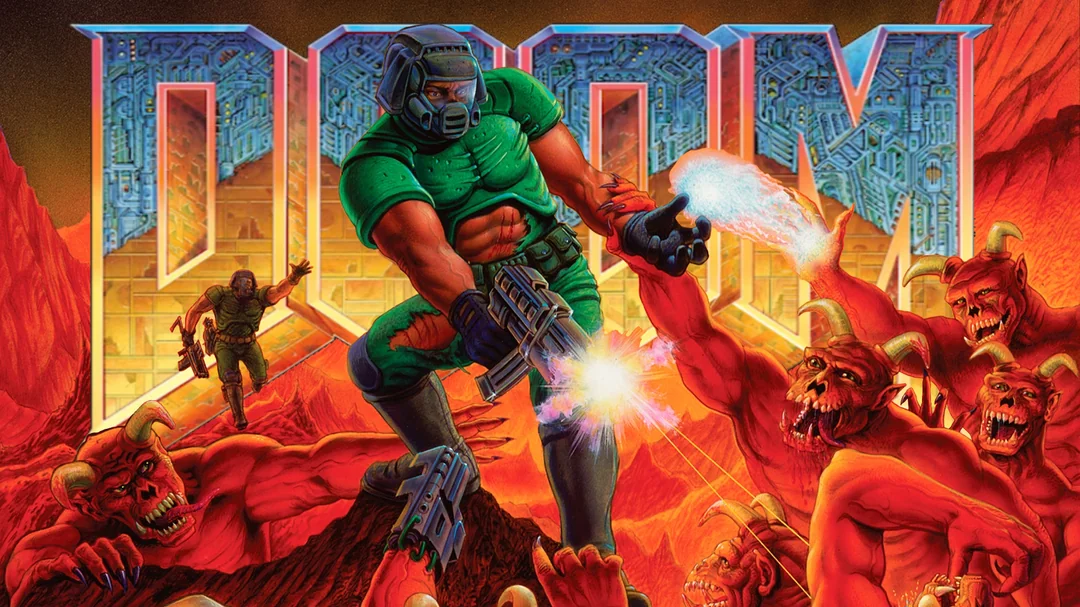
Ask anyone who spent time in a university lab or office in the mid-90s, and the story usually involves Doom running across a LAN. The game popularized “deathmatch,” letting players connect their PCs locally and hunt each other through the same map. The term itself became shorthand for competitive multiplayer shooters.
3. Quake (1996)
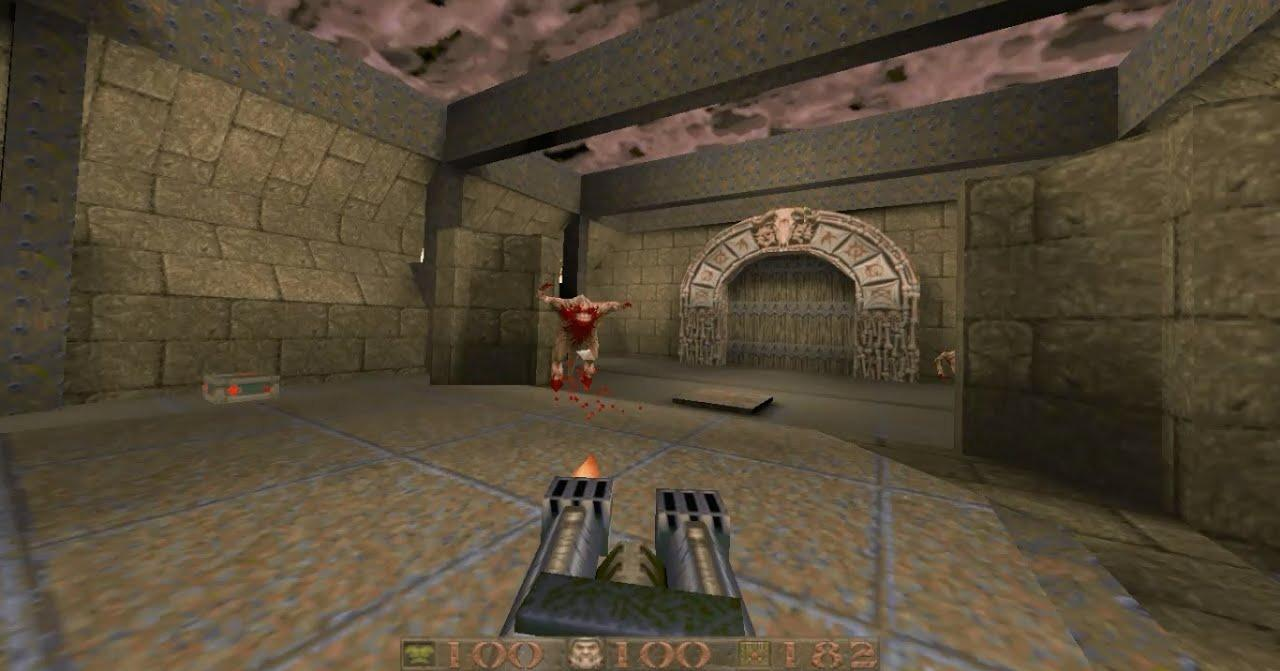
Quake pushed things fully onto the internet. id Software introduced a client-server architecture that made online matches far more stable than earlier peer-to-peer setups. Around the same time, competitive tournaments like Red Annihilation in 1997 began forming around the game, marking one of the earliest moments where online shooters crossed into organized esports.
4. Ultima Online (1997)
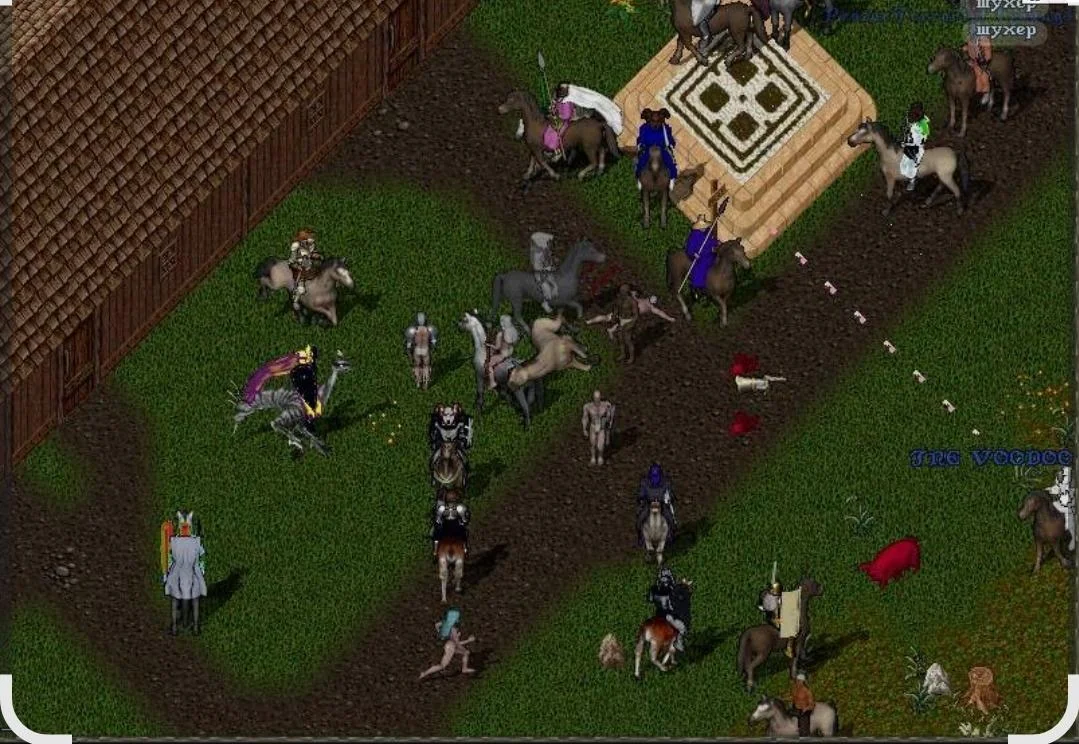
When Ultima Online launched in September 1997, the idea of thousands of players sharing the same world was still mostly theoretical. The game made it messy and real: player-run markets, open PvP, guild rivalries, scams, cooperation, chaos. At its peak in the late 1990s it had more than 200,000 subscribers, proving persistent online worlds could sustain large communities.
5. StarCraft (1998)
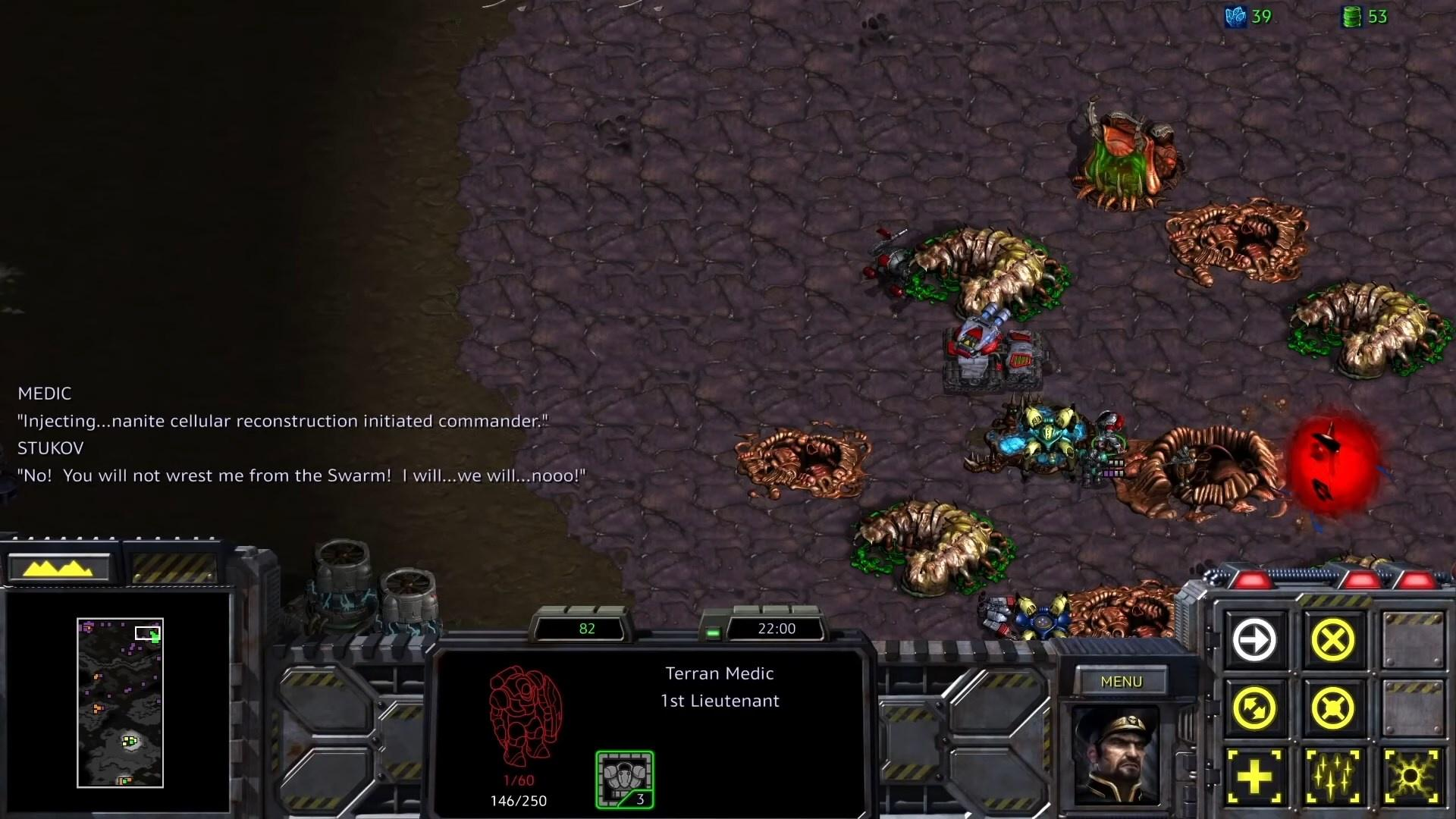
In many countries StarCraft was simply a successful RTS. In South Korea it became something else entirely. Battle.net made online matchmaking accessible, and by the early 2000s professional leagues like the Korean Proleague were broadcast on television. Competitive online play suddenly had teams, commentators, and packed arenas.
Trending on realmoneygamer.com


6. EverQuest (1999)
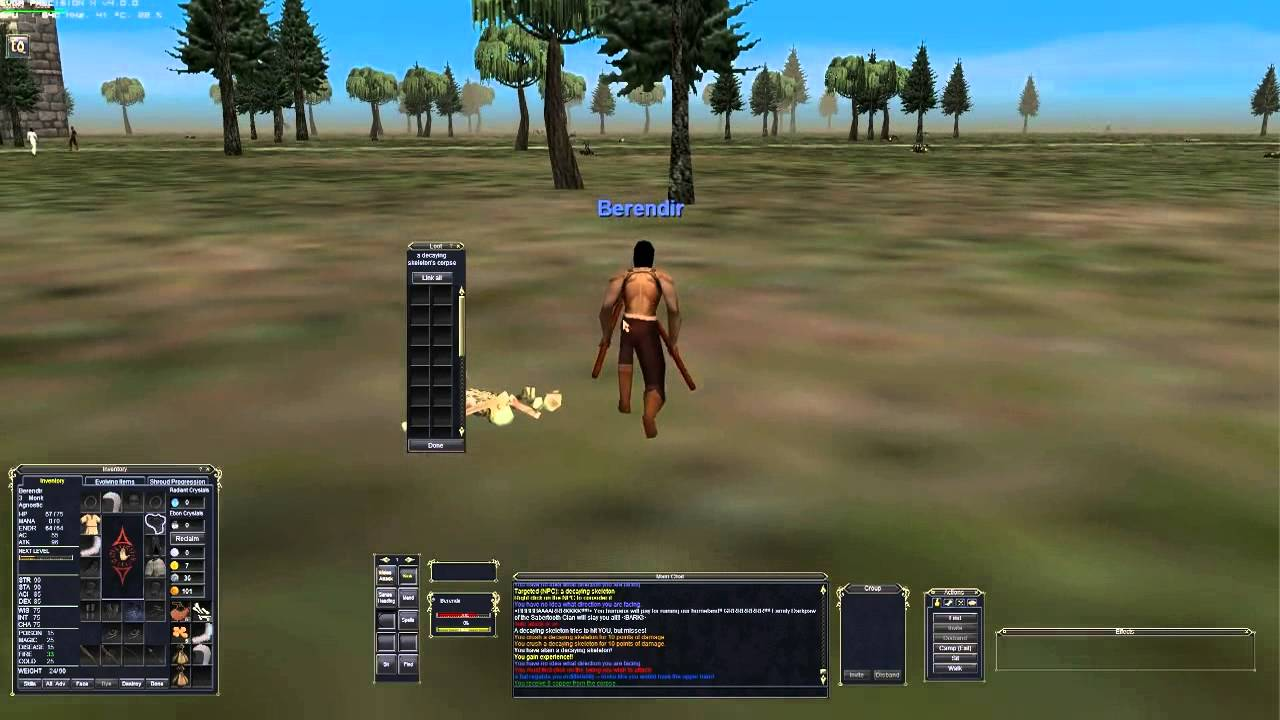
EverQuest demanded time. Huge zones, punishing difficulty, and raids that required dozens of players meant the online community became essential to progress. By 2001 the game had surpassed 400,000 subscribers, an enormous number for an MMO at the time, and it helped define how large online role-playing worlds would operate for years.
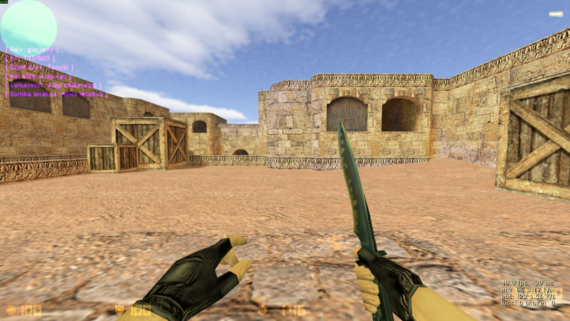
7. Counter-Strike (1999)
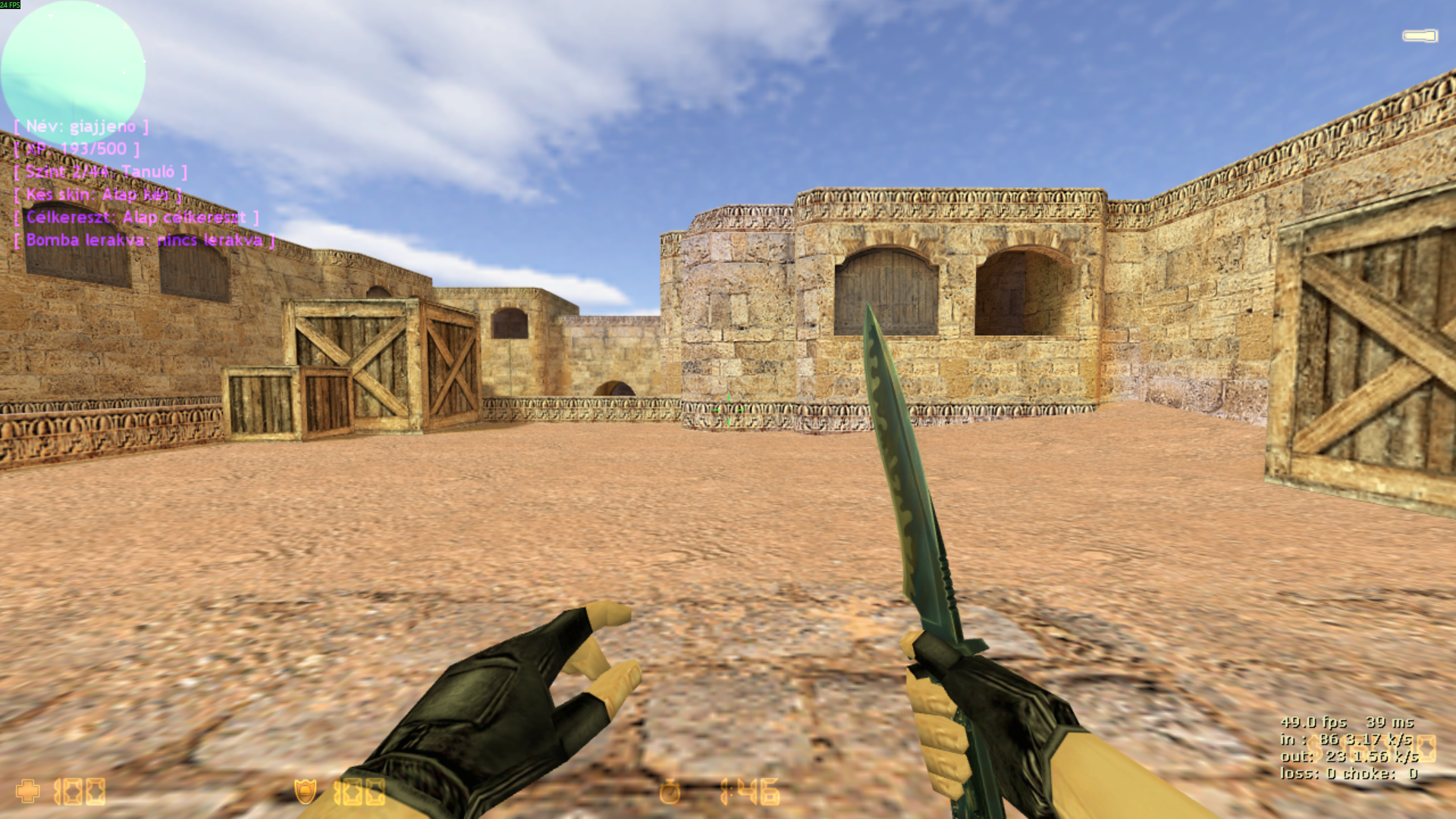
Originally released as a mod for Half-Life, Counter-Strike quickly escaped its origins. The round-based structure, team economy, and tight tactical gameplay worked perfectly on early internet servers. By the early 2000s it had become one of the most played multiplayer PC games in the world and a cornerstone of competitive esports.
8. World of Warcraft (2004)
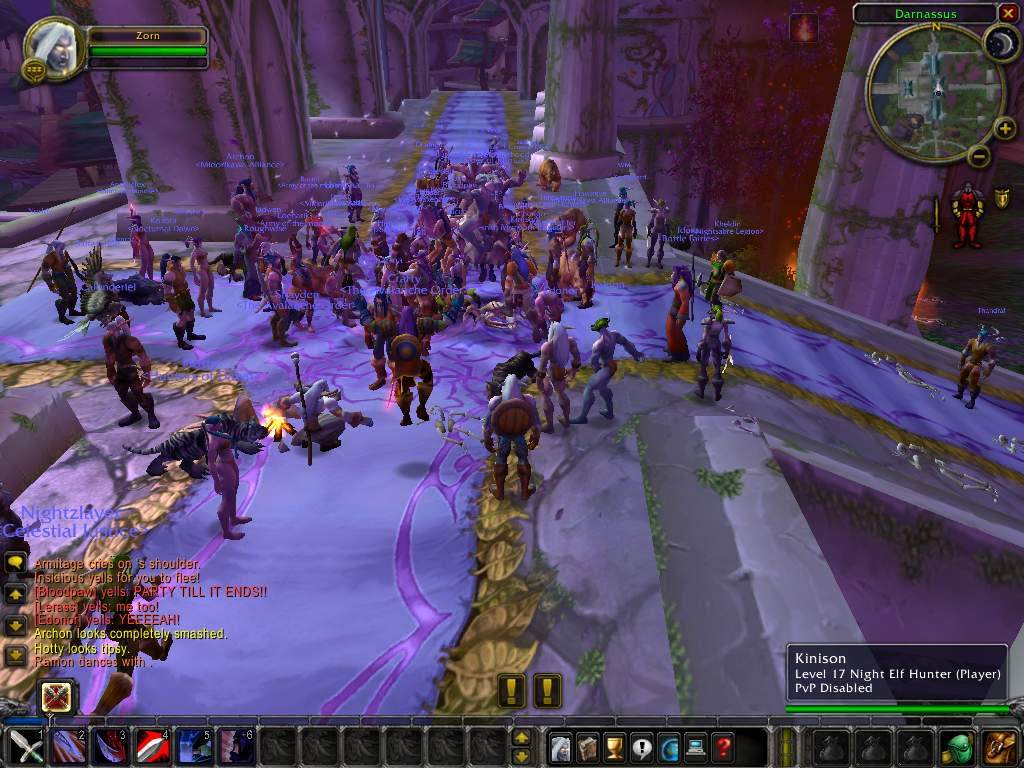
By the time World of Warcraft was released in November 2004, MMORPGs already existed, but none at that scale. Blizzard simplified many of the rough edges that earlier online RPGs struggled with and built a world that millions of players could access without needing specialized hardware or deep genre knowledge. In 2010, the game reached 12 million subscribers worldwide.
9. Halo 2 (2004)
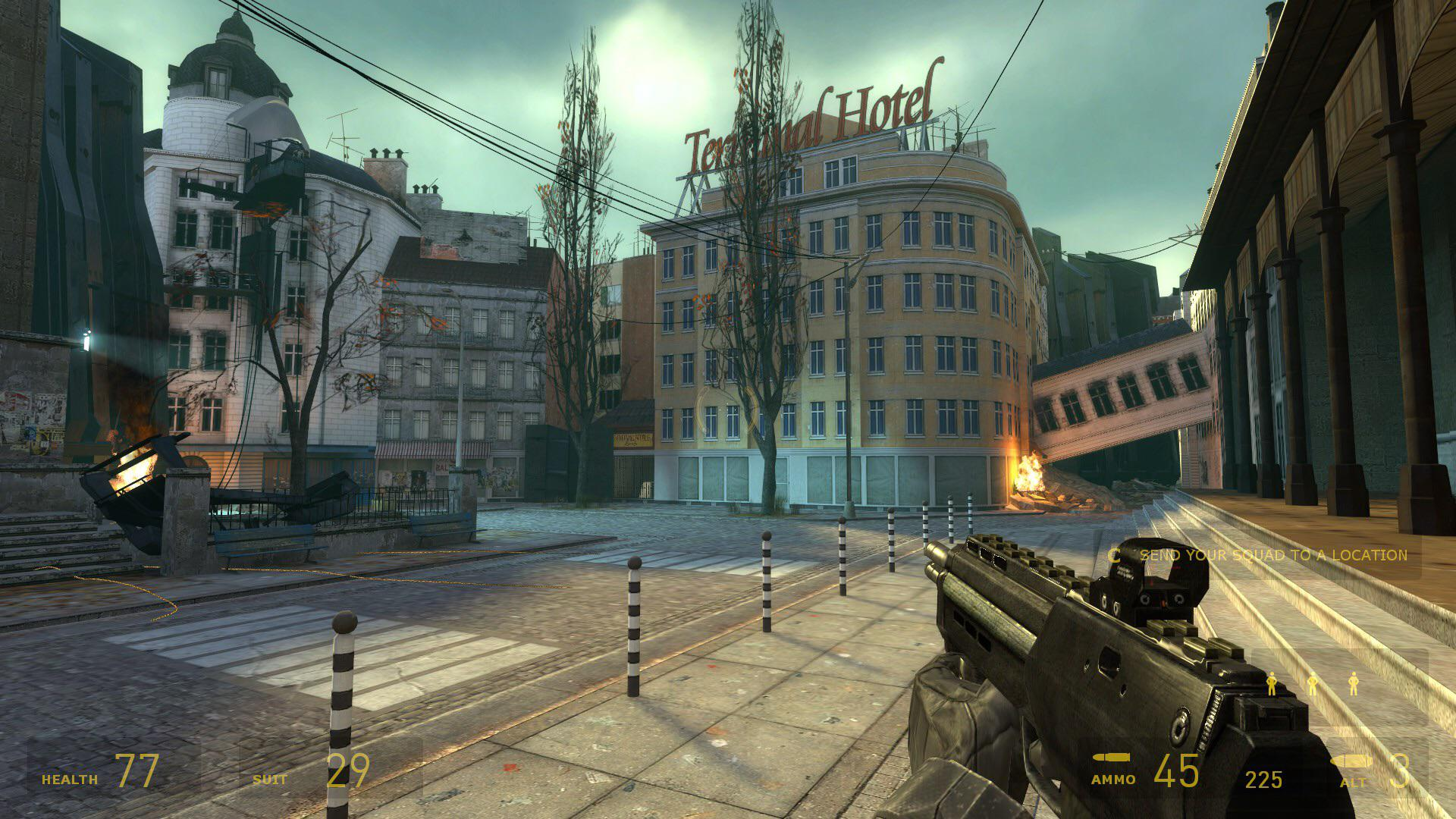
Console multiplayer existed before this, but Halo 2 made it feel seamless. Through Xbox Live, players could jump into ranked matches, talk over voice chat, and build friends lists directly from their consoles. Within months of release it became the most played title on Xbox Live, helping normalize online gaming on consoles.
10. EVE Online (2003)
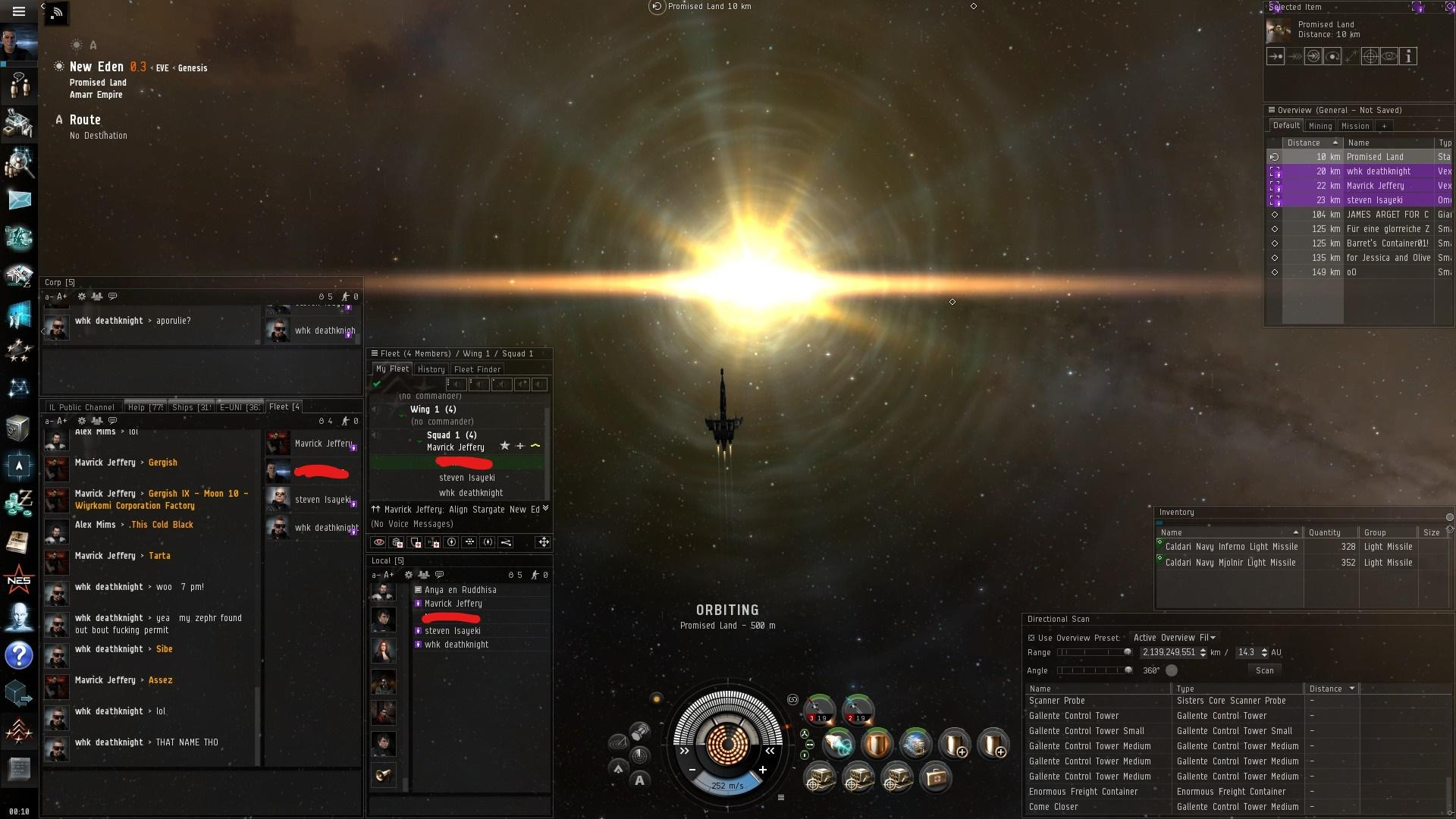
Few online games attempted what EVE Online did. Released in 2003, the space MMO placed every player on the same server, creating a single shared galaxy. Over the years, massive player-driven wars involving thousands of pilots, such as the Battle of B-R5RB in 2014, showed just how large online player conflicts could become.
11. Minecraft (2011)
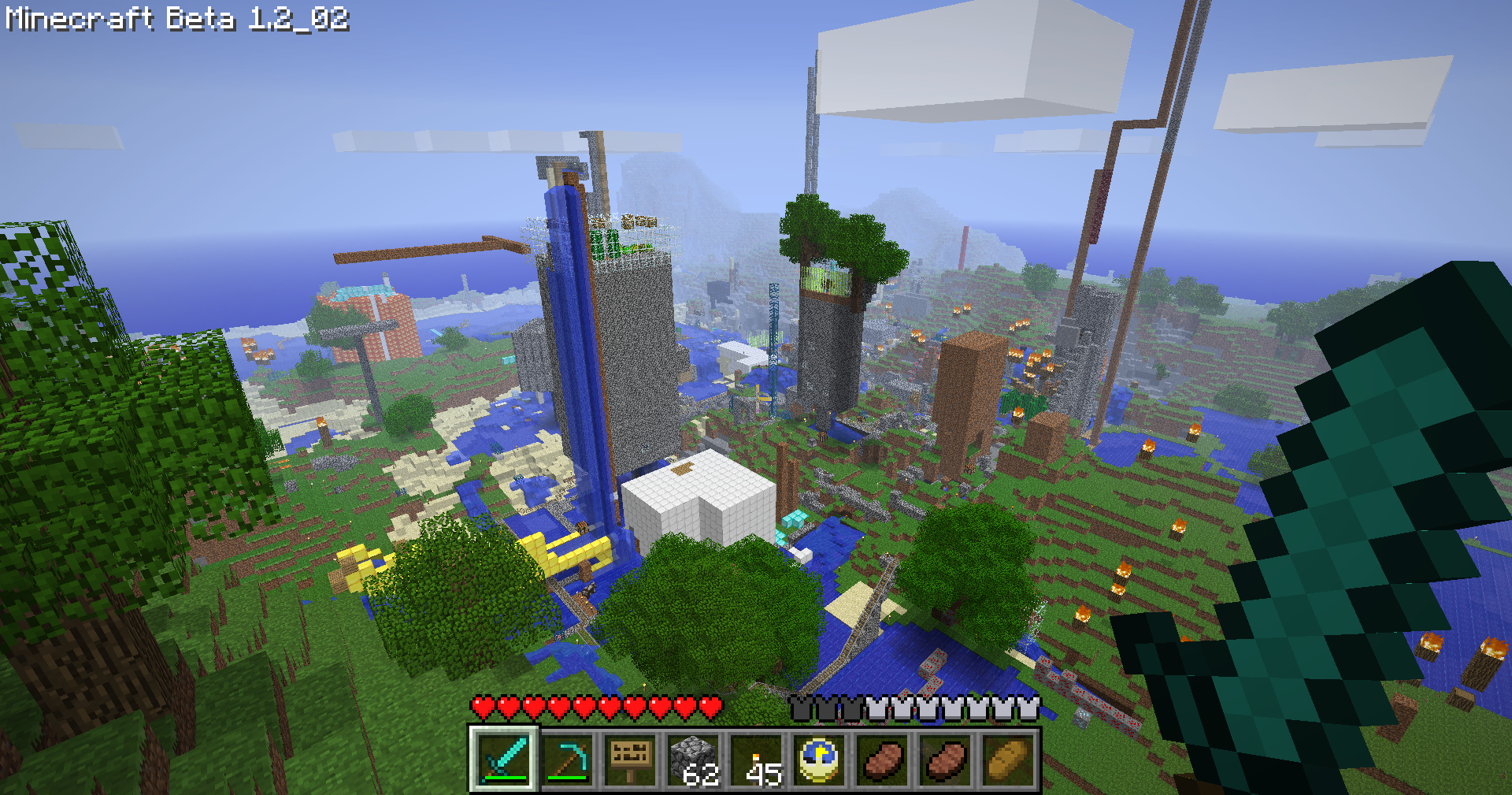
At first, multiplayer servers in Minecraft were simply places to build together. Then players started turning them into entirely new games: survival worlds, role-playing cities, custom minigames, competitive modes. Independent servers built their own communities, rules, and economies. Online play became as creative as the building system itself.
12. DayZ (2013)
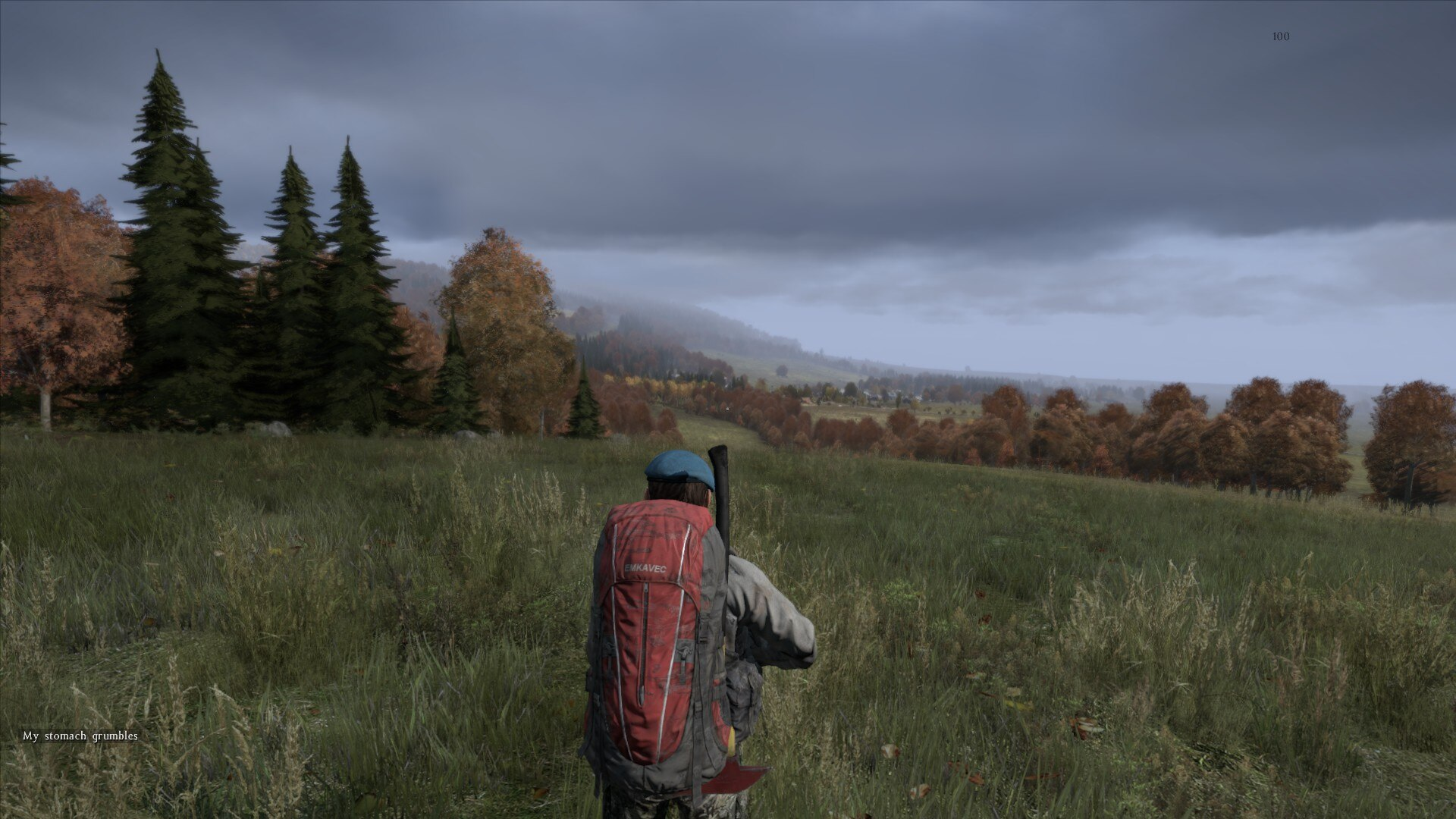
The DayZ standalone release in 2013 grew out of a hugely popular Arma 2 mod. Its online servers dropped players into a bleak survival scenario where resources were scarce, and other players were unpredictable. Encounters rarely followed a script, sometimes cooperation, often betrayal.
13. League of Legends (2009)
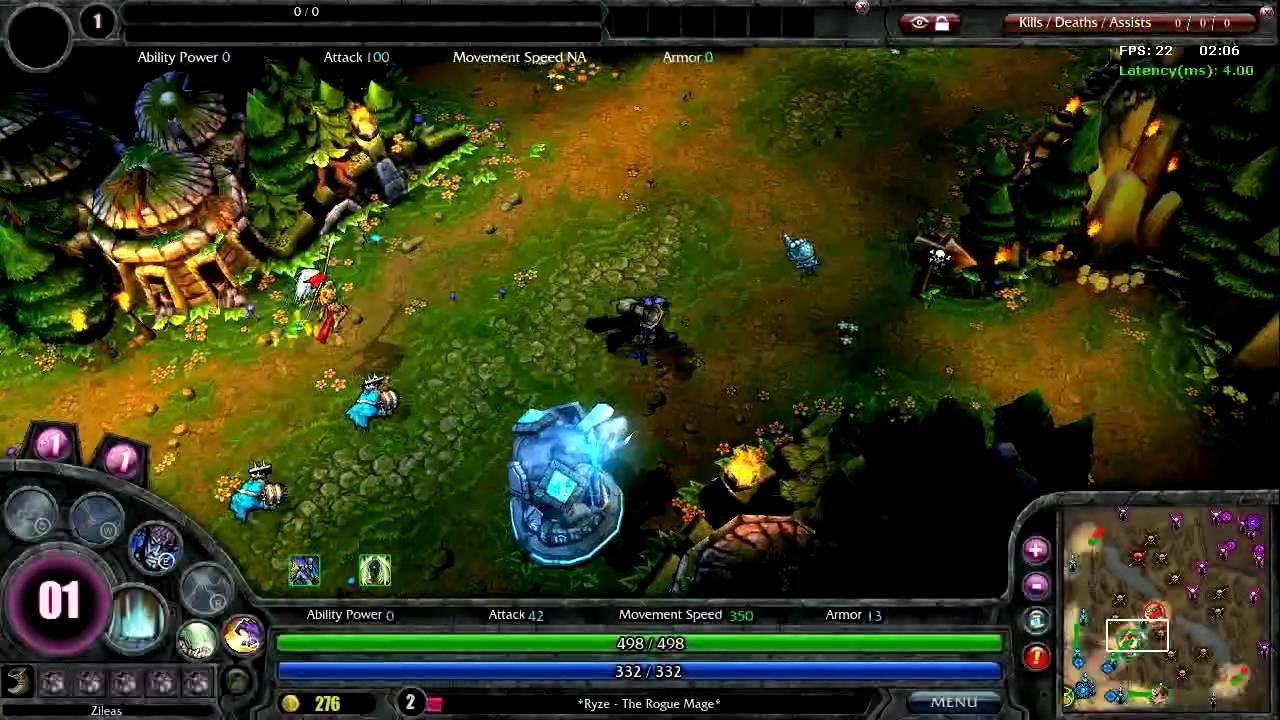
Inspired by the Defense of the Ancients mod, League of Legends launched in 2009 with a free-to-play model and constant updates. Riot Games leaned heavily into competitive online play, building a structured global esports system that eventually culminated in the annual World Championship watched by millions.
14. PlayerUnknown’s Battlegrounds (2017)
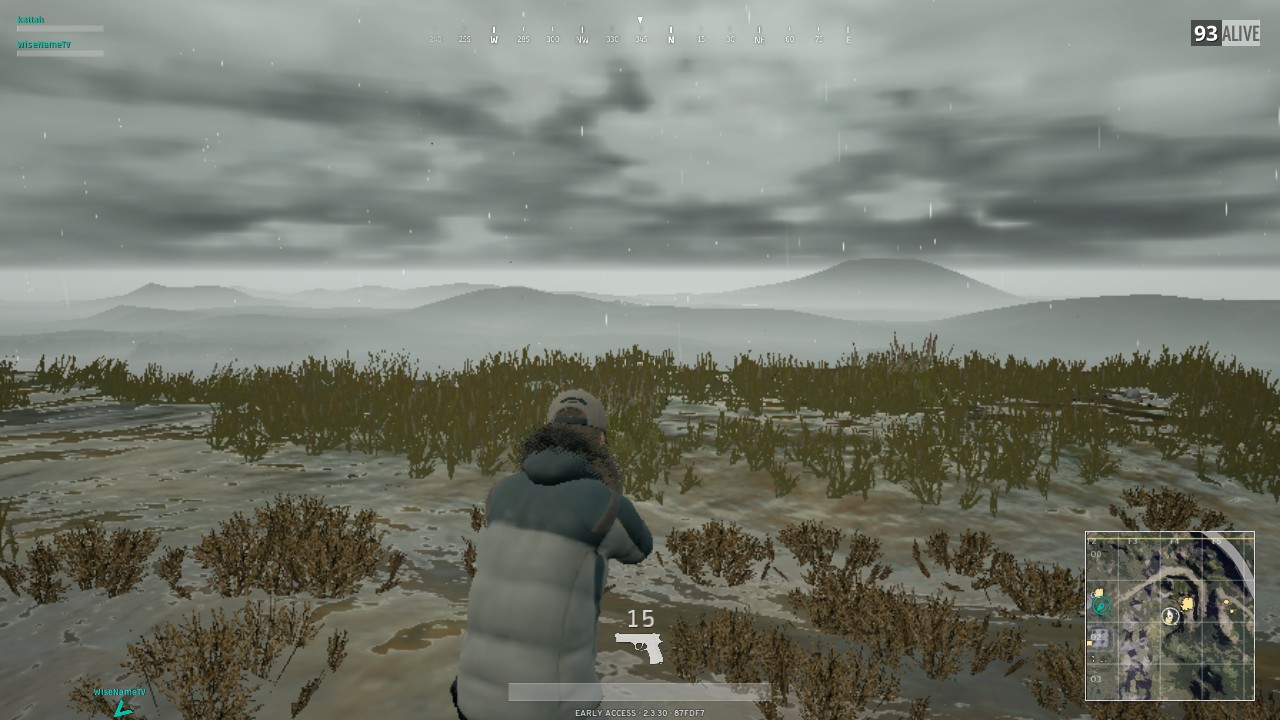
Battle royale had existed in mods and smaller titles before, but PUBG turned the format into a global online obsession in 2017. One hundred players parachuting onto a shrinking map created tense matches that worked perfectly for streaming platforms like Twitch, accelerating the genre’s popularity.
15. Fortnite (2017)
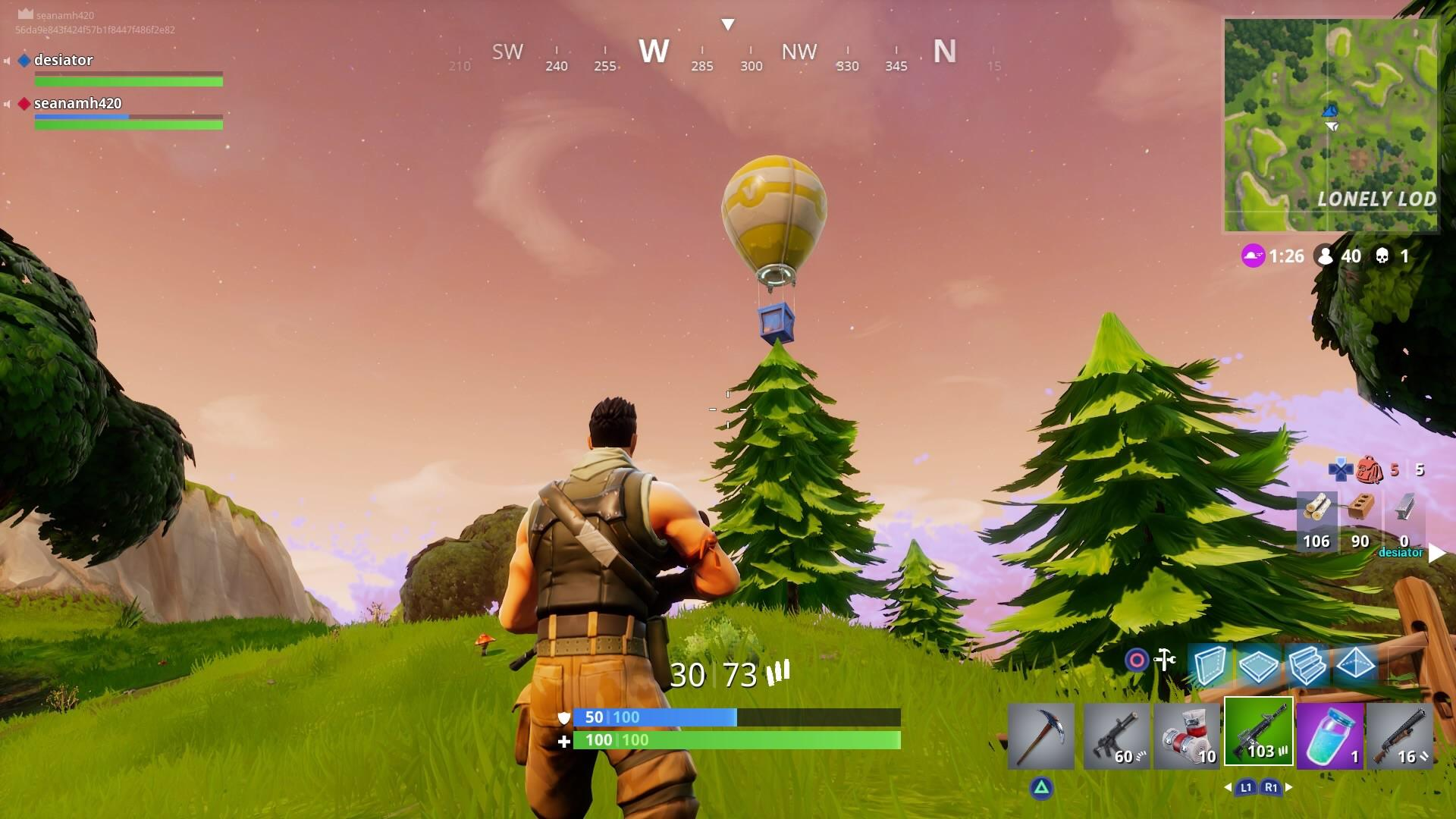
Epic Games released Fortnite Battle Royale in September 2017 and quickly pushed the idea of online games as evolving spaces. Seasonal updates reshaped the map, in-game concerts drew millions of players simultaneously, and cross-platform matchmaking let console, PC, and mobile users share the same matches.
Online gaming didn’t evolve in neat stages. It moved through experiments, accidents, mod communities, and players pushing systems further than developers expected. Some of these games introduced new technology, others new genres, and a few simply showed how large online communities could become once the right game appeared.