Tech gadgets are supposed to make life easier, but not every idea is a winner. Over the years, companies have released some truly bizarre products that somehow made it all the way to store shelves. Some were designed to solve problems nobody had, while others were simply too strange to catch on. Even so, people bought them, and for a brief moment, many looked like they could be the next big thing. Today, they’re mostly remembered as some of the weirdest gadgets the tech industry has ever produced.
1. The $700 Juicer That Needed Wi-Fi to Make Juice

At first glance, Juicero looked like the future of healthy living. This sleek machine promised to revolutionize homemade juice by using Wi-Fi connected technology and specially designed fruit and vegetable packs. The catch was that users quickly discovered they could squeeze those same packs by hand just as easily, making the expensive machine almost completely unnecessary. It became one of the most infamous tech gadgets ever released, turning into a symbol of Silicon Valley’s obsession with solving problems that barely existed. Despite the backlash, Juicero actually reached store shelves and convinced plenty of early adopters before disappearing almost as quickly as it arrived.
2. Imagine Sending Someone the Smell of Fresh Coffee
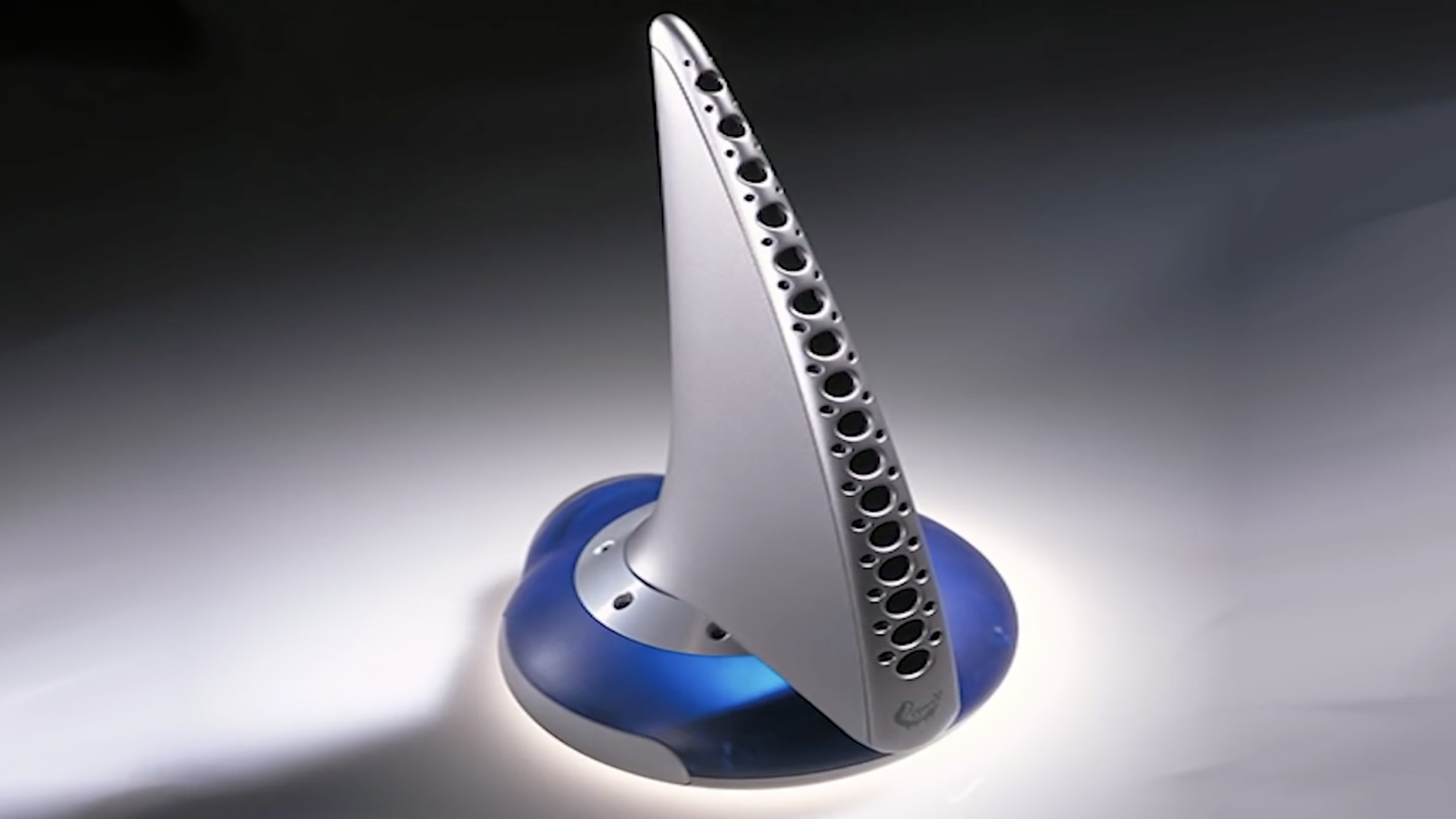
Long before virtual reality became mainstream, one company believed the internet was missing something far more important than better graphics: smell. The iSmell was designed to connect to a computer and release different scents while users browsed websites, played games, or received emails. Developers even imagined online stores letting customers smell perfume or fresh coffee before buying. The idea sounded futuristic on paper, but convincing people to place a scent machine next to their desktop proved much harder than expected. The project never became a commercial success, but it remains one of the strangest products ever conceived during the early internet boom.
3. Alexa Existed Long Before Alexa Did
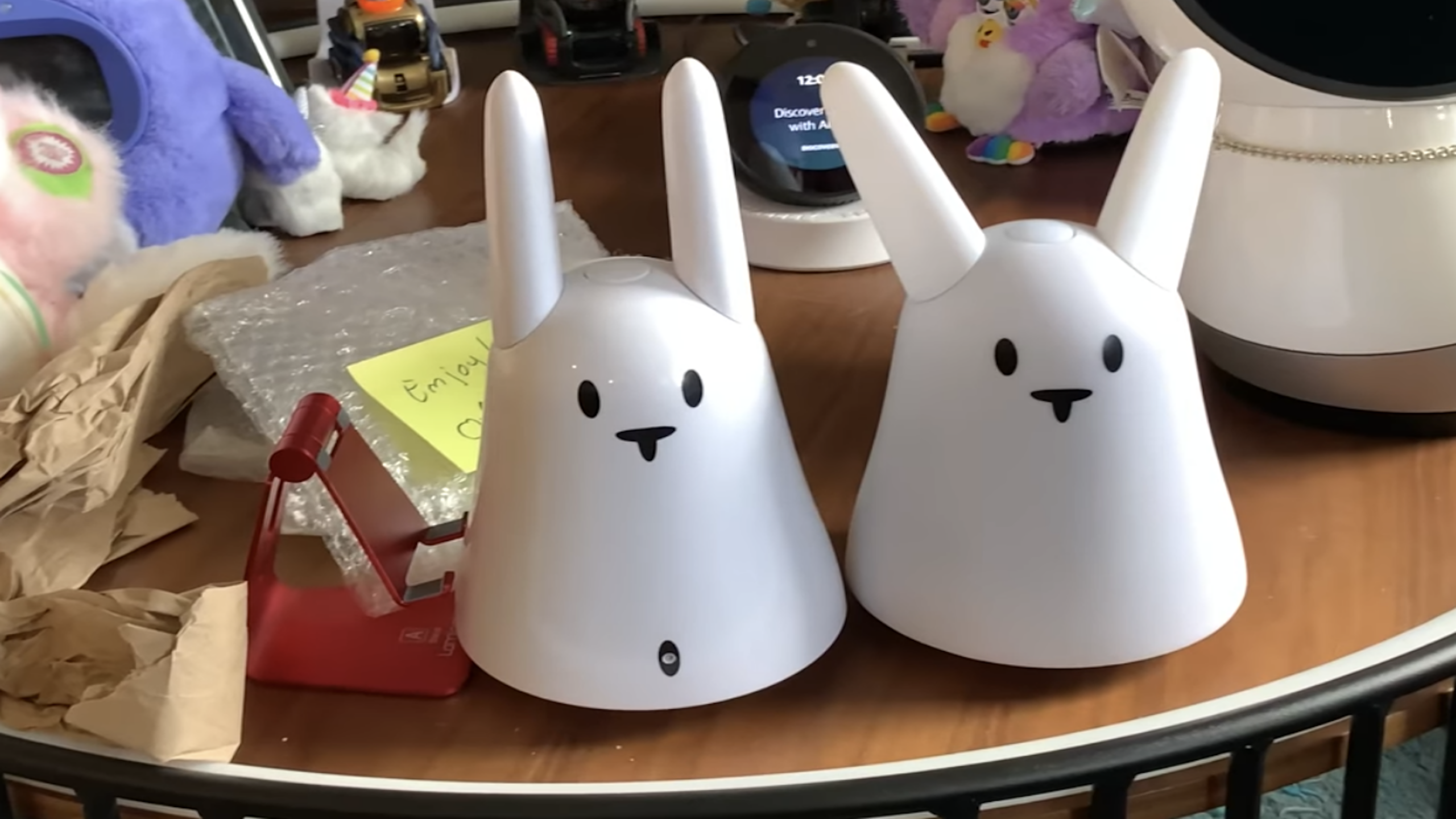
The Nabaztag connected to Wi-Fi and could read the weather, announce news headlines, receive emails, and even move its ears to signal different notifications. Looking back, it feels surprisingly close to today’s smart speakers, even if its design made it look more like a toy than a serious piece of consumer electronics. Among forgotten tech gadgets, few were as ambitious as this rabbit, which quietly predicted many of the connected home devices that would become common years later.
4. It Danced Better Than It Played Music
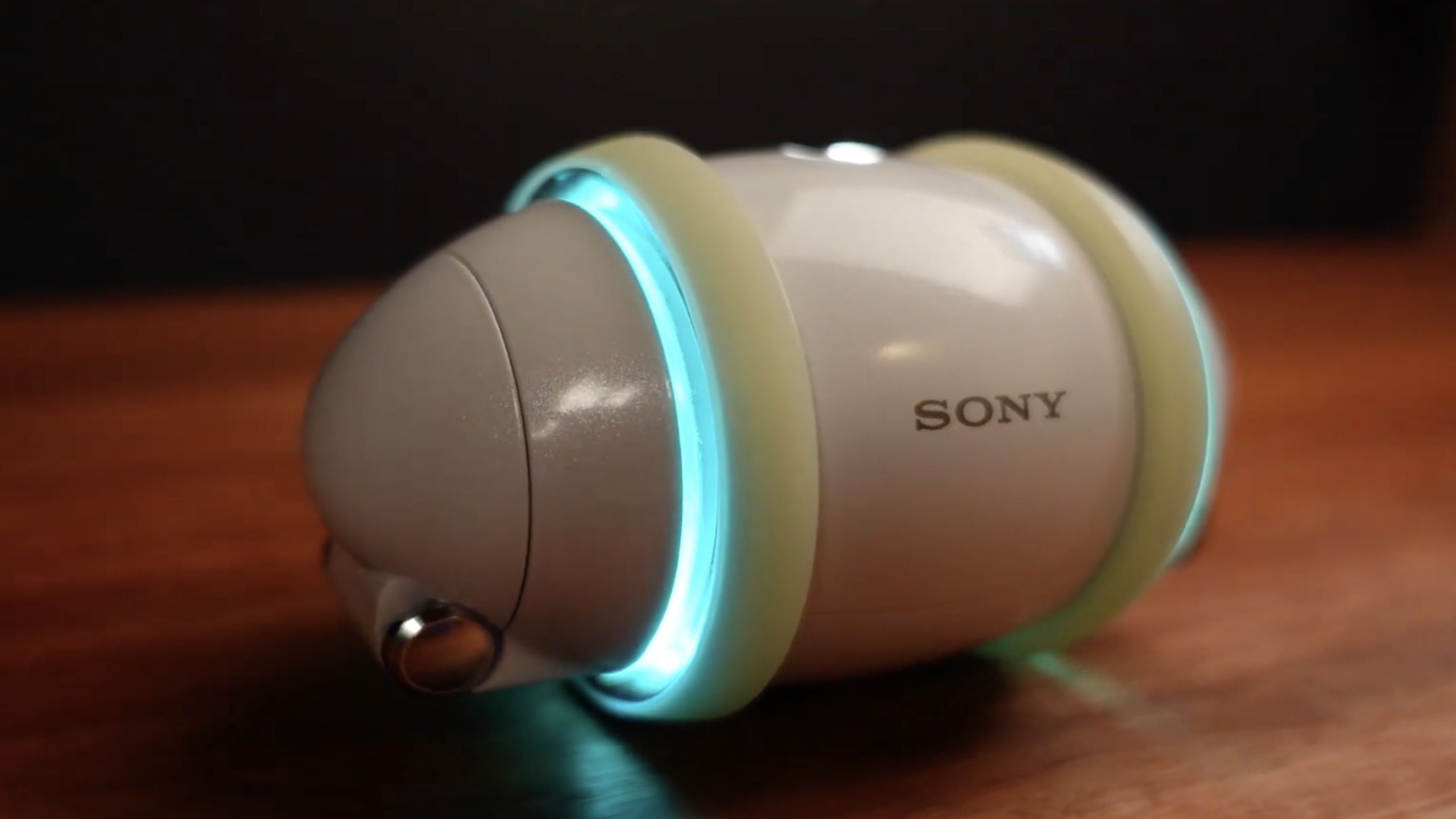
Watching the Sony Rolly for the first time felt more like seeing a tiny robot perform than a portable music player. Equipped with speakers, wheels, and moving parts, it could spin, dance, and synchronize its movements with whatever song was playing. Sony hoped people would see it as the next evolution of home entertainment, but its unusual design left many consumers confused about what it was actually supposed to do. The Rolly never became a hit, yet it remains one of the boldest examples of a company choosing creativity over practicality.
5. Years Before the Apple Watch, Microsoft Tried This Instead
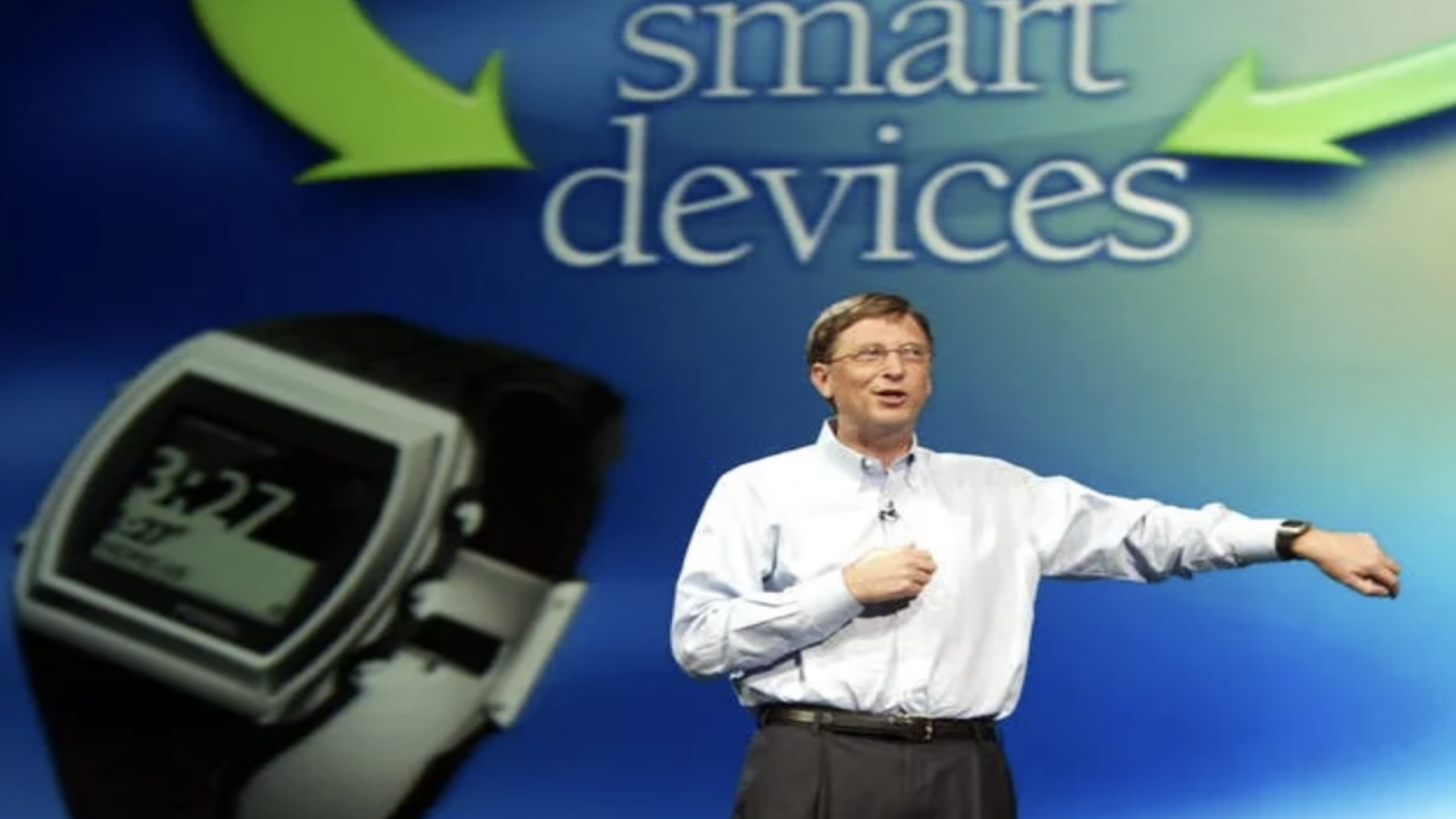
The SPOT Watch delivered weather forecasts, news headlines, sports scores, and even calendar updates using a special FM radio network. It wasn’t perfect, and the required subscription turned many buyers away, but the idea itself was surprisingly ahead of its time. Looking back, it’s easy to see how tech gadgets like this helped lay the groundwork for wearable devices that millions of people now use every day.
Trending on realmoneygamer.com


6. Finally, a Fork That Told You to Slow Down

Eating too quickly became a problem technology decided to solve. The HAPIfork looked like an ordinary utensil until users started taking bites too fast. That’s when it vibrated and flashed lights to encourage slower eating habits. It was marketed as a healthier way to enjoy meals, but many people couldn’t get past the awkward idea of being corrected by their own silverware. Even so, it showed just how far companies were willing to go in search of the next wellness trend.
7. One App. One Device. One Very Short Life
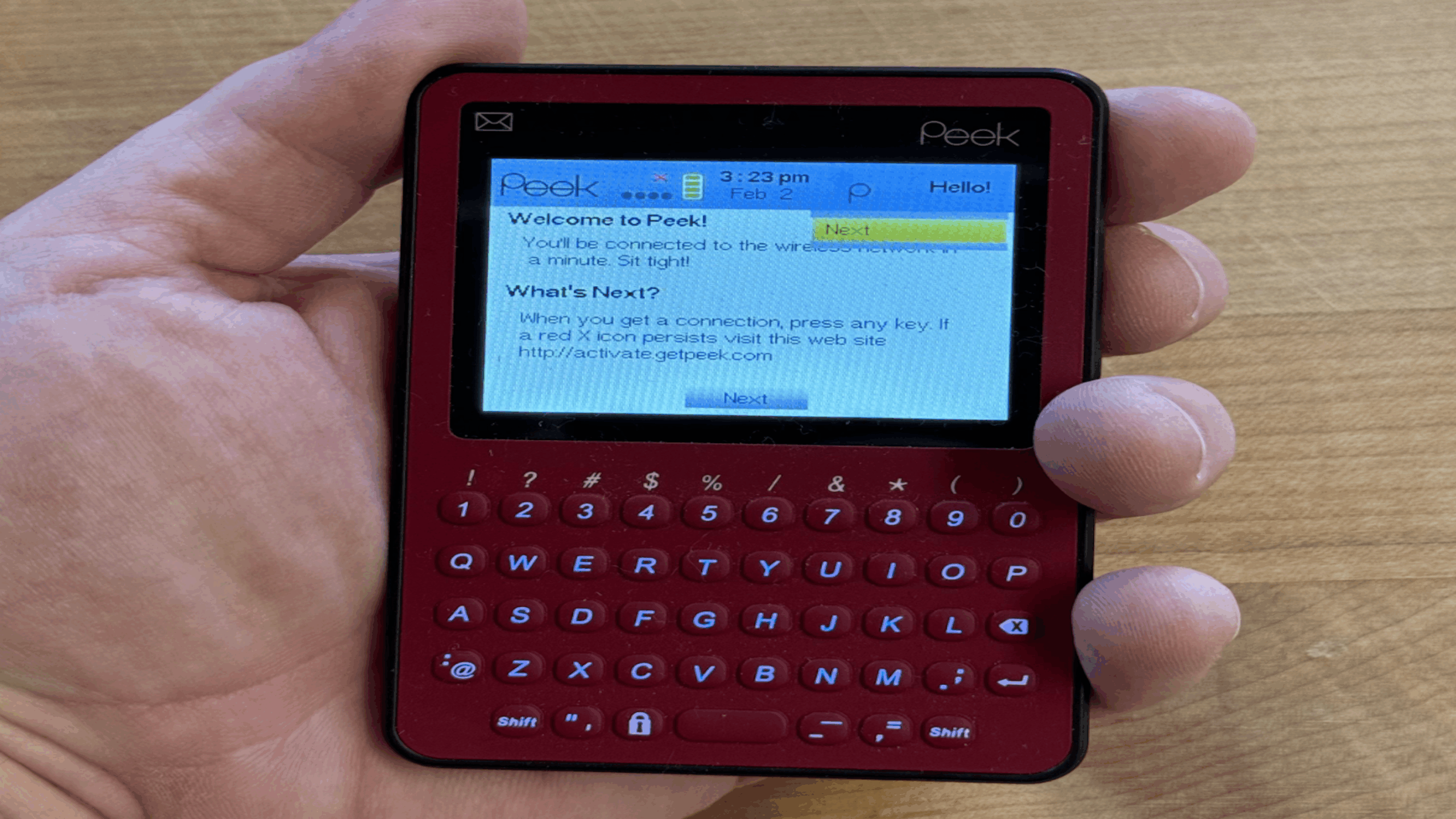
Imagine buying an electronic device that could only do one thing: check Twitter. That was the entire concept behind TwitterPeek. Released before smartphones completely took over, it gave users constant access to tweets without needing a computer or a full featured mobile phone. The idea sounded clever for people obsessed with social media, but its limited functionality quickly became impossible to justify. Among forgotten tech gadgets, few became outdated as quickly as a product built around a single app.
8. Even a Rock Somehow Needed a USB Port
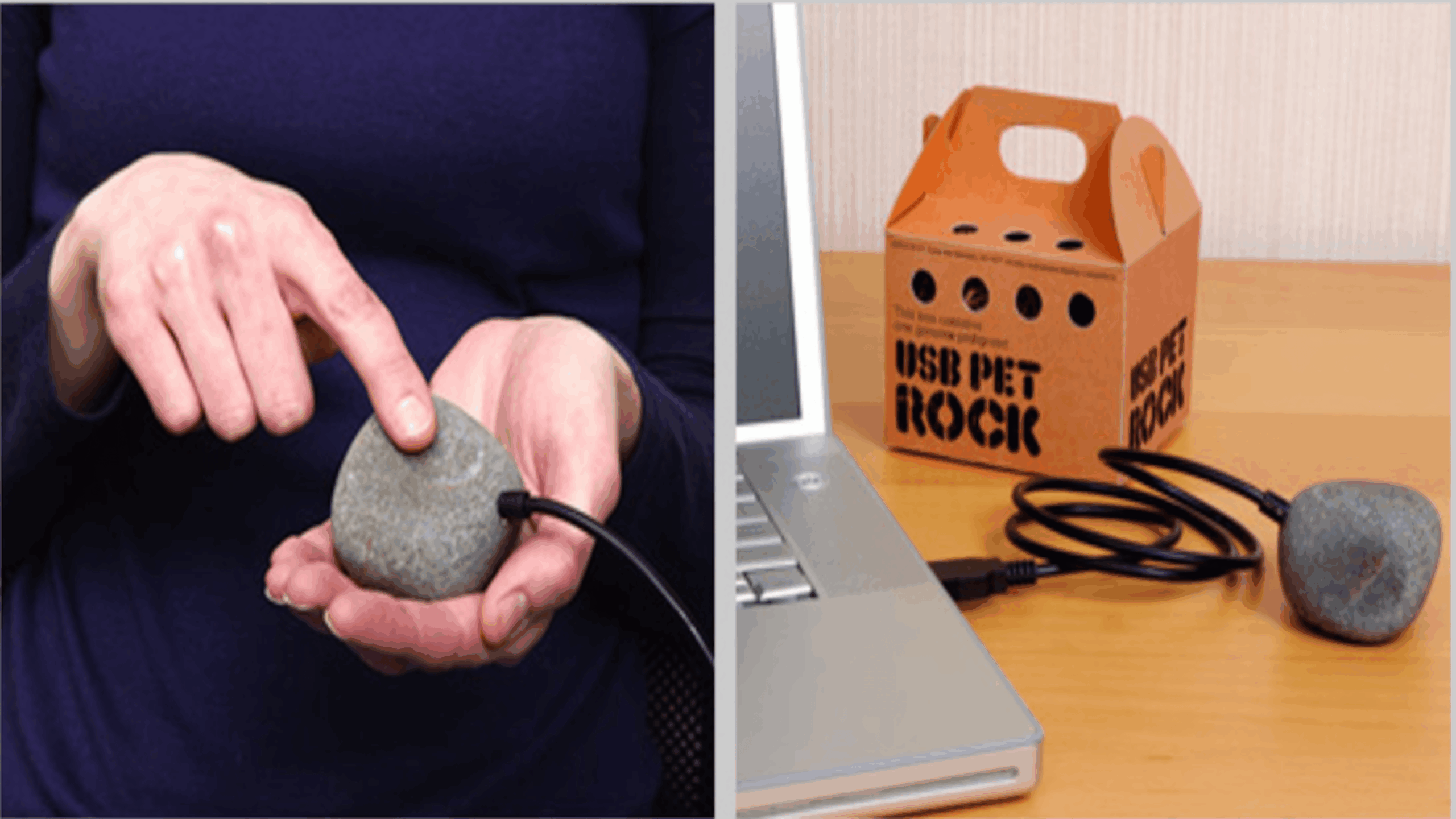
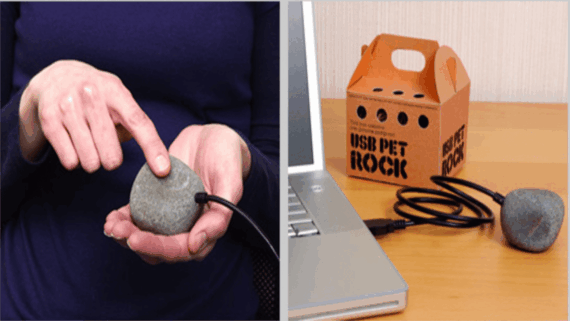
The original Pet Rock was already one of the strangest novelty products ever sold, but someone eventually decided it needed a modern update. The USB Pet Rock plugged into a computer despite doing absolutely nothing once connected. That was the entire joke. During the height of USB novelty gadgets, products like this filled online stores with intentionally useless inventions designed purely to make people laugh
9. The Future Was on Your Face, Whether People Liked It or Not
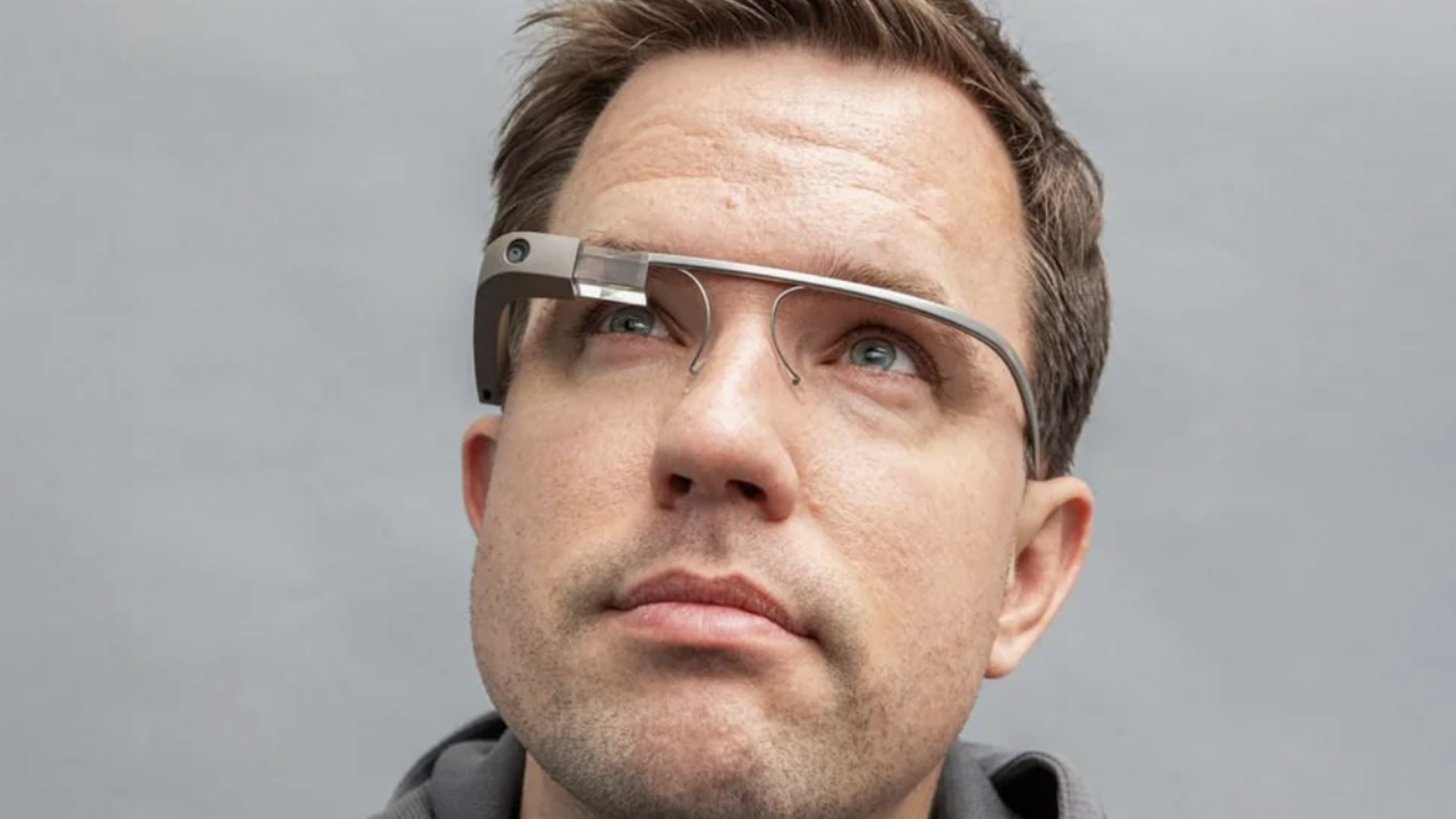
Walking into a coffee shop wearing Google Glass in 2013 almost guaranteed curious looks from strangers. Google envisioned a future where people could read messages, record videos, and search the web without ever pulling out a phone. While the technology was undeniably impressive, privacy concerns and its unusual appearance quickly overshadowed its potential. Among all the tech gadgets that promised to change everyday life, few generated as much excitement and backlash at the same time. Today, Google Glass is remembered less as a failure and more as a product that arrived years before consumers were ready for it.
10. Because Using a Spoon Was Apparently Too Much Work

The Self Stirring Mug mixed coffee, tea, hot chocolate, and other drinks with the press of a button, eliminating one of the smallest tasks imaginable. It was marketed as a convenient solution for busy mornings, but most people couldn’t help wondering whether stirring a drink had ever been much of a problem in the first place. That’s exactly what made it such a memorable novelty item.
11. Tech Gadgets Don’t Get Much Stranger Than This

Imagine controlling a game using nothing but your concentration. That was the promise behind the NeuroSky MindSet, a headset designed to measure brain activity and translate it into simple commands for compatible games and applications. While the technology wasn’t sophisticated enough to deliver the science fiction experience many imagined, it introduced thousands of people to consumer brain computer interfaces years before they became a serious area of research. Among forgotten tech gadgets, it remains one of the boldest attempts to bring futuristic technology into ordinary homes.
12. Two Screens, Zero Keyboard, Endless Curiosity
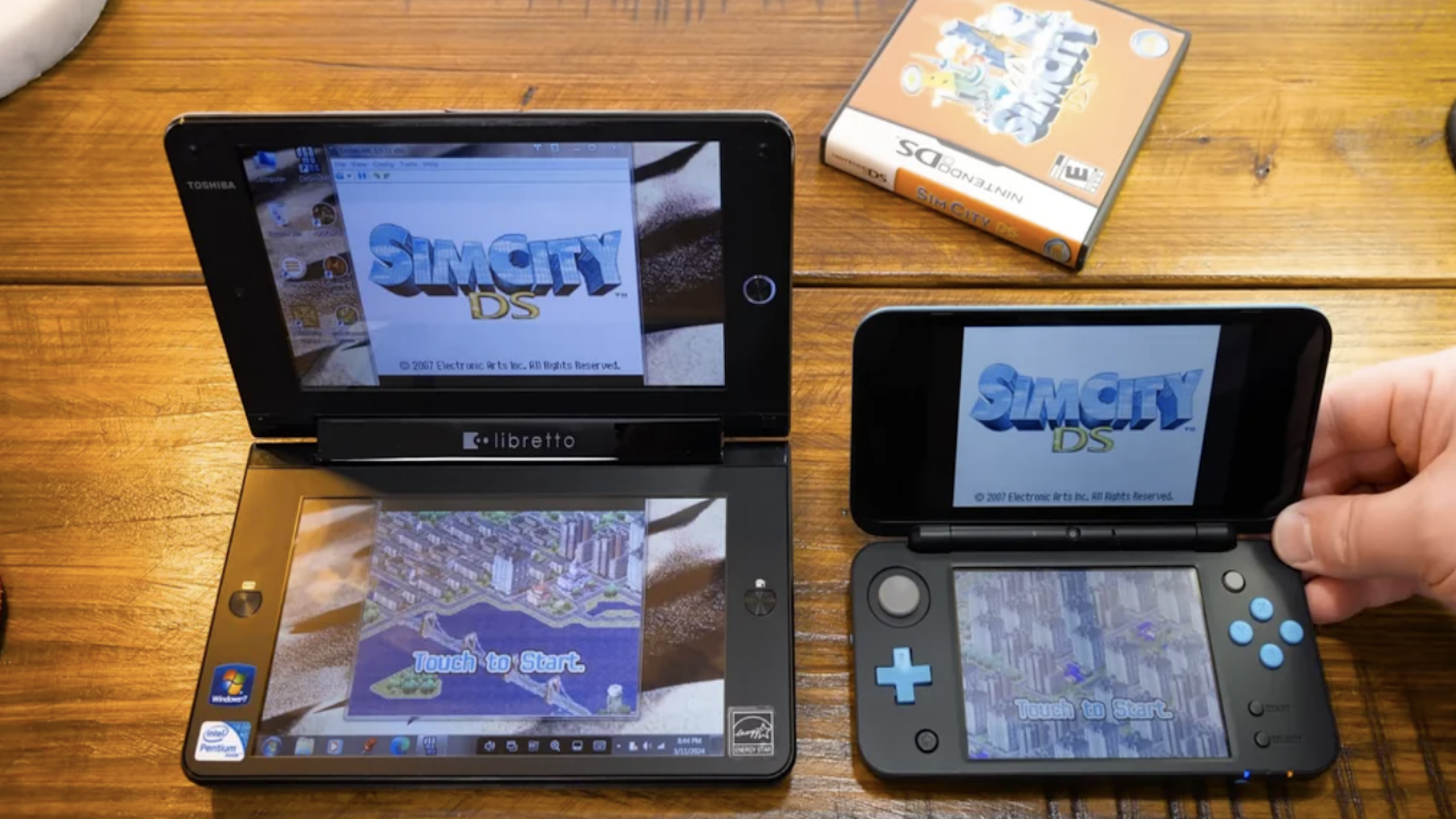
When most laptops still relied on physical keyboards, Toshiba decided to remove one entirely. The Libretto W100 featured two touchscreens connected by a hinge, allowing users to switch between a virtual keyboard, web pages, photos, and documents. The design looked incredibly futuristic and hinted at devices that would become more common years later, but the hardware simply wasn’t powerful enough to justify the price. Even so, it deserves credit for experimenting with ideas that many manufacturers would revisit long afterward.
13. The Doll That Listened a Little Too Closely

For decades, Barbie could only repeat a handful of prerecorded phrases. Hello Barbie changed that by connecting to Wi Fi and using cloud based voice recognition to hold conversations with children. The concept sounded revolutionary, but it also raised immediate concerns about privacy and data collection inside family homes. While the doll attracted enormous attention when it launched, the controversy surrounding always on microphones became impossible to ignore.
14. The Barcode Scanner Nobody Knew They Needed
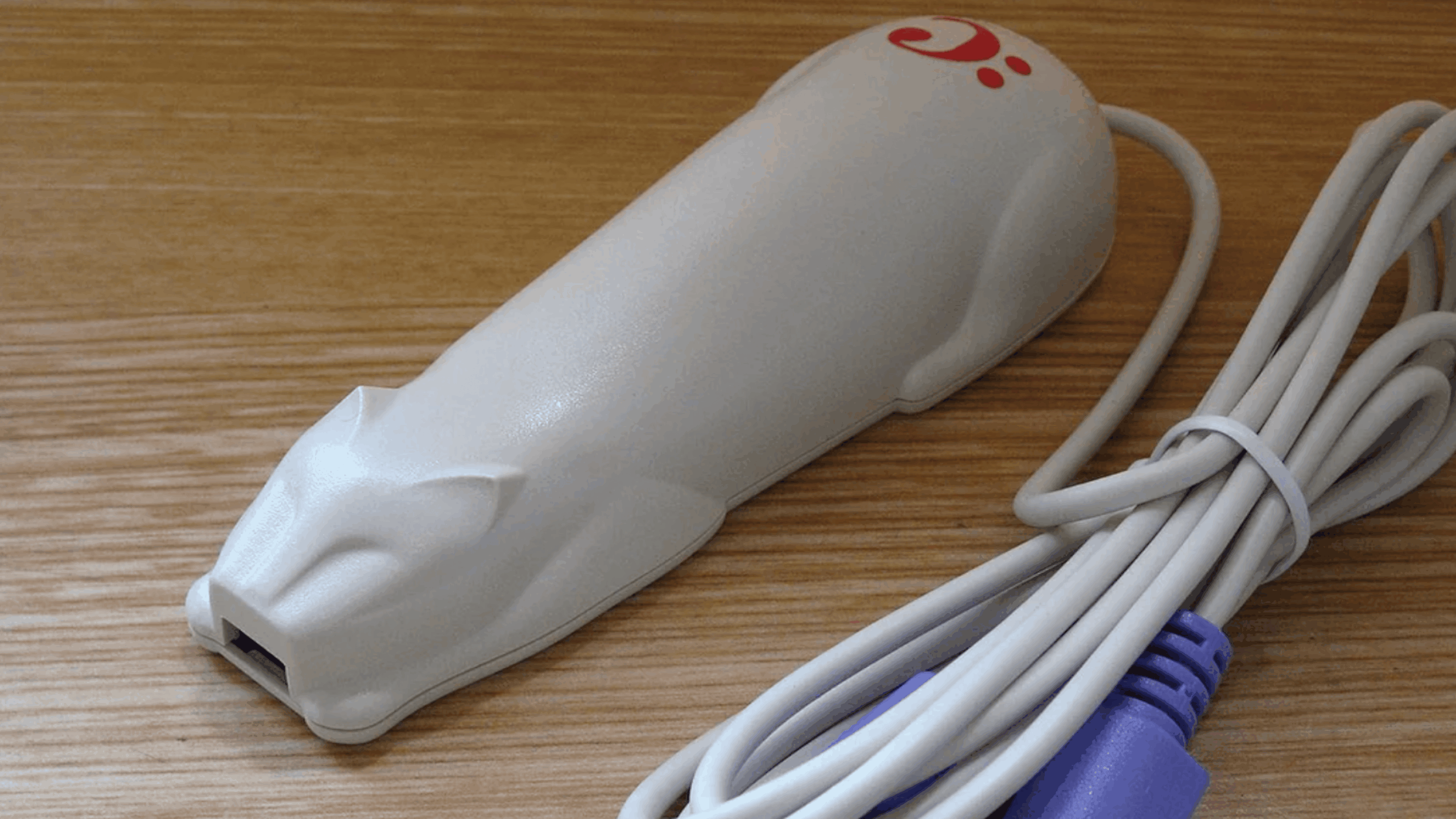
The CueCat was a cat shaped scanner that plugged into a computer, letting users scan special codes printed in newspapers, catalogs, and advertisements to instantly open related websites. Millions of them were given away for free, but most people saw little reason to keep another gadget sitting next to their keyboard. As websites became easier to search on their own, the CueCat quickly faded into obscurity. Today, it’s remembered as one of those bizarre inventions that perfectly captured the experimental spirit of the early internet era.