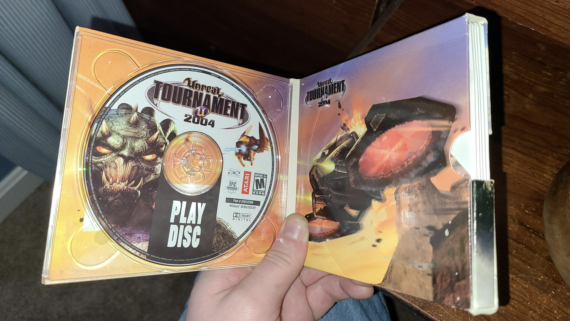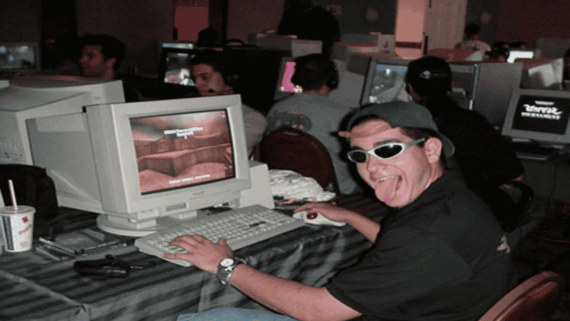
’90s gaming came with its own rules, rituals, and mysteries. The internet wasn’t there to answer every question, consoles still relied on cartridges, and discovering a secret often meant hearing about it from a friend rather than watching a YouTube video. Gaming felt less connected, but somehow more magical.
Looking back, most gamers shared the same collection of objects, habits, and experiences. Some were essential. Others simply became part of the culture. These are the things you could find in almost every gamer’s room during the early ’90s.
1. A CRT Television
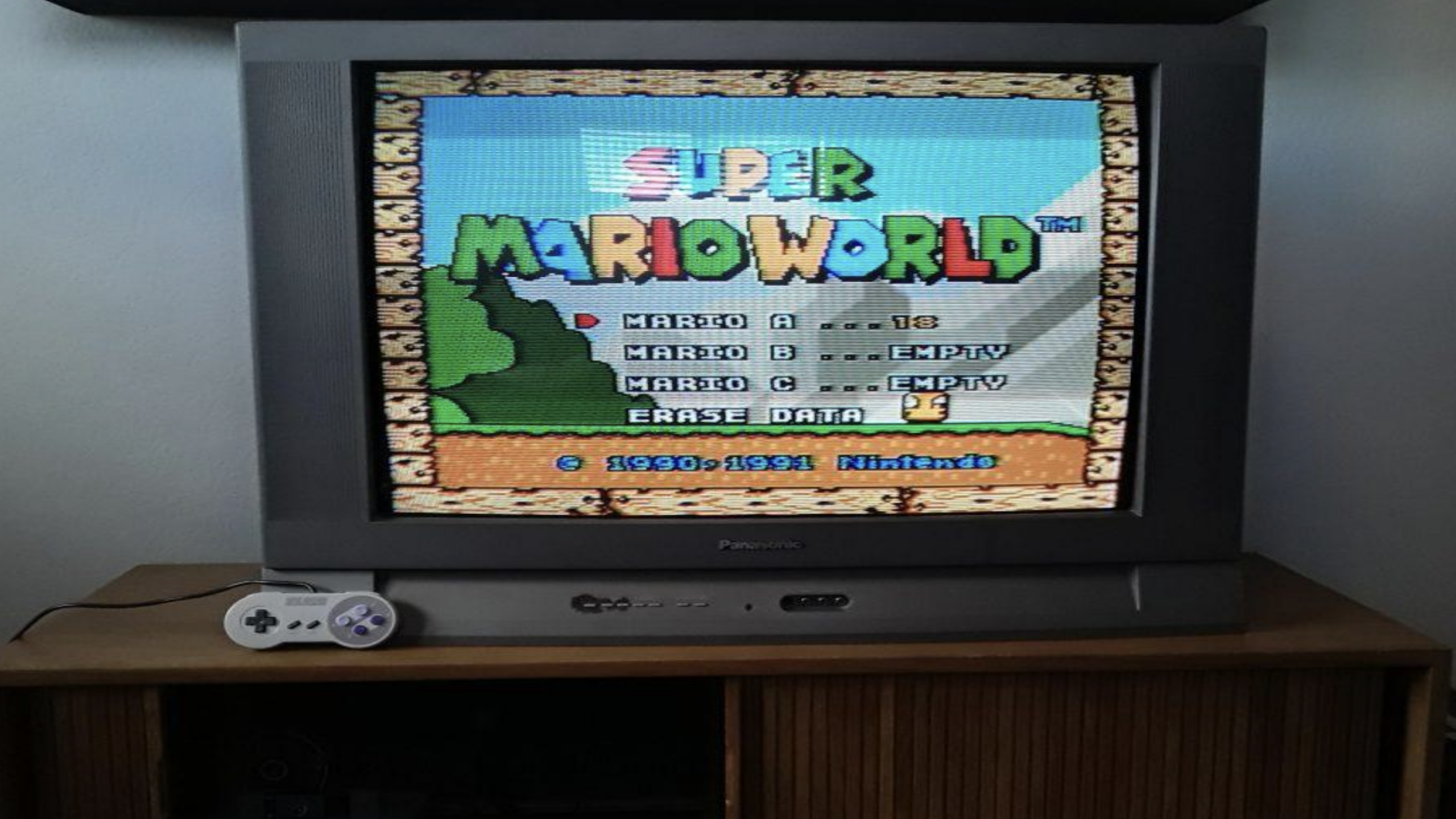
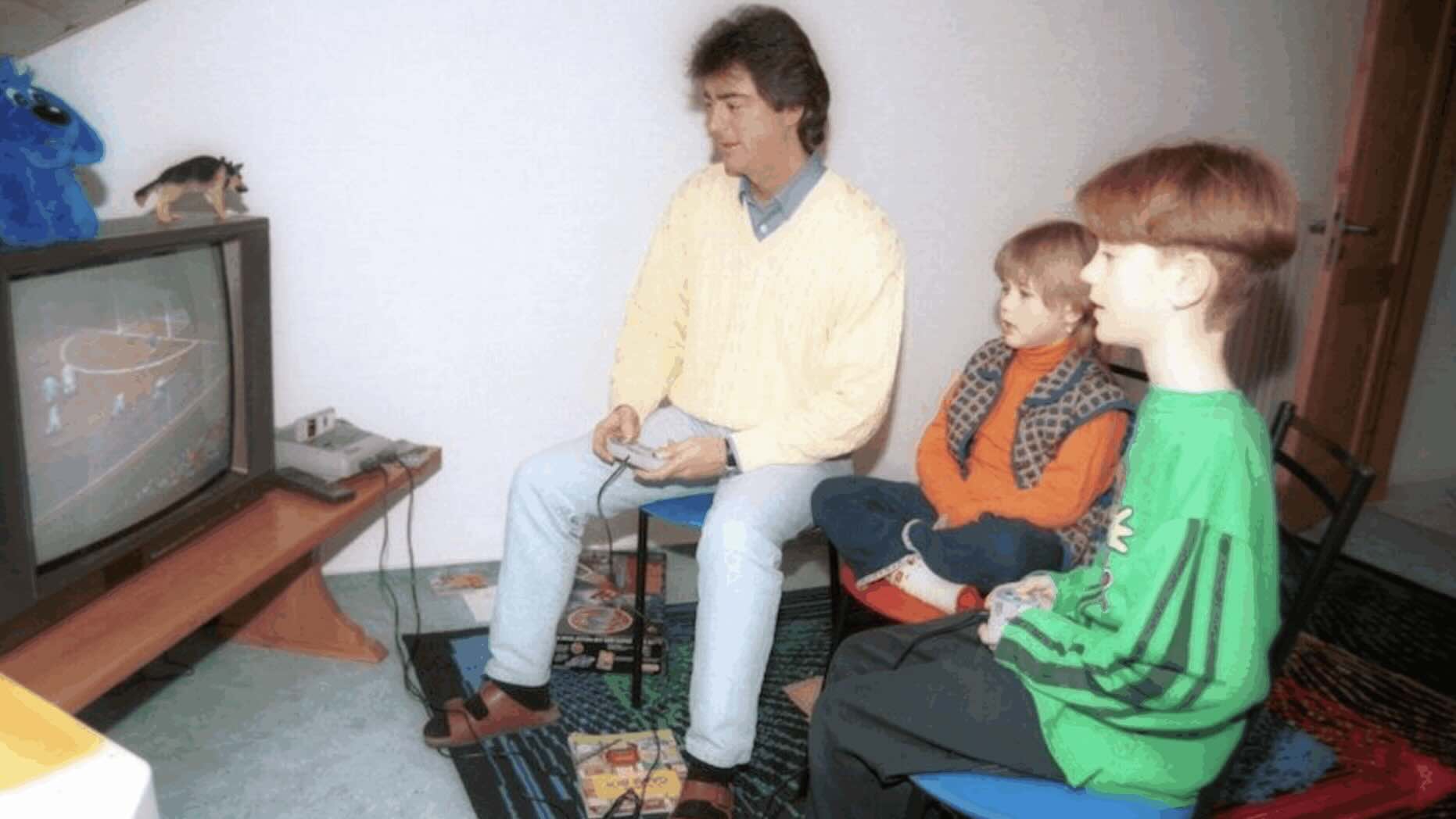
No gaming setup existed without a bulky CRT television. It weighed a ton, took up half the room, and somehow survived countless hours of Nintendo and Sega gaming.
2. A Stack Of Nintendo Power Magazines
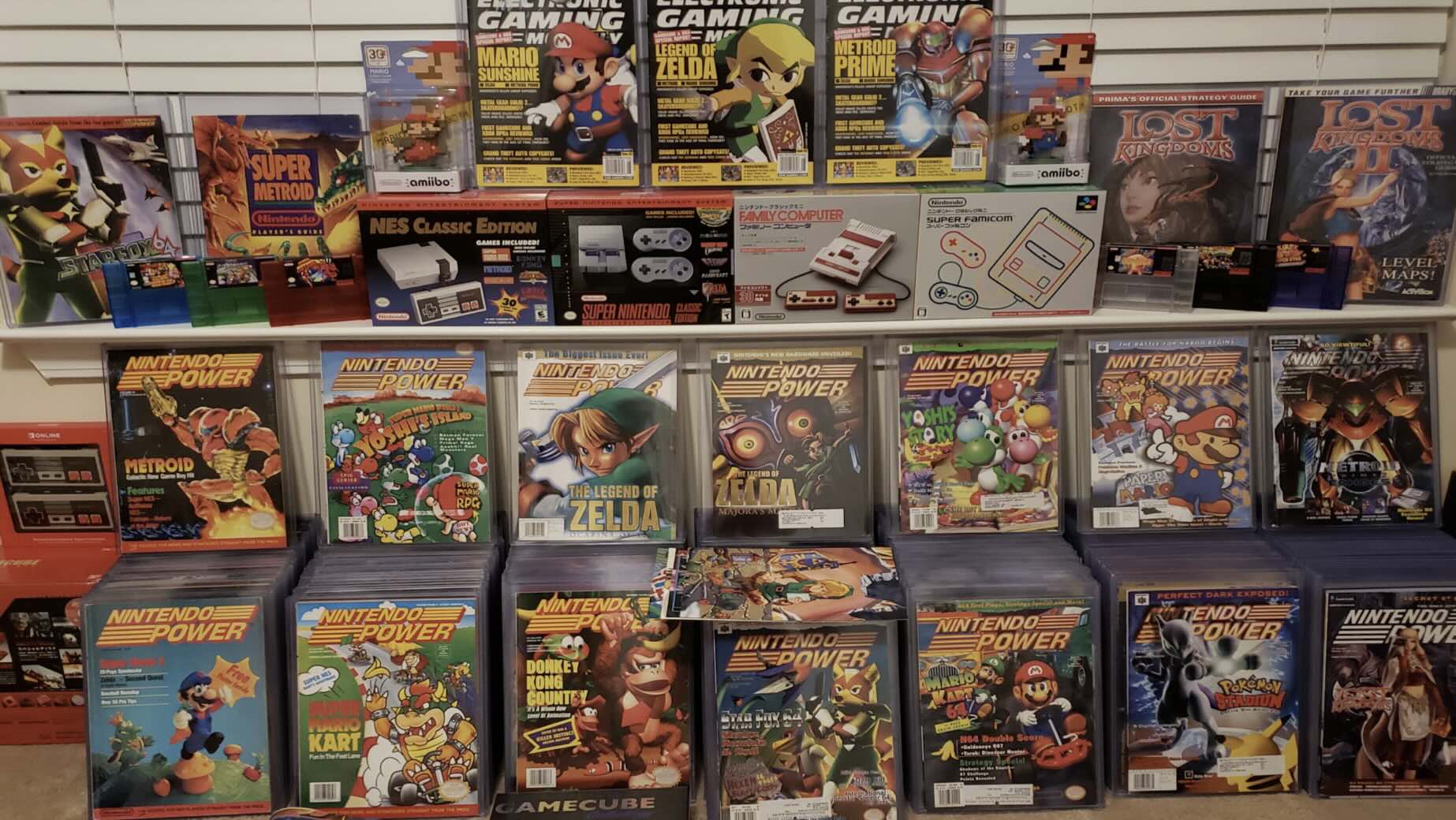
Before walkthrough videos existed, magazines were the closest thing players had to the internet. Many gamers kept years of issues stacked beside their consoles.
3. A Drawer Full Of Game Cartridges
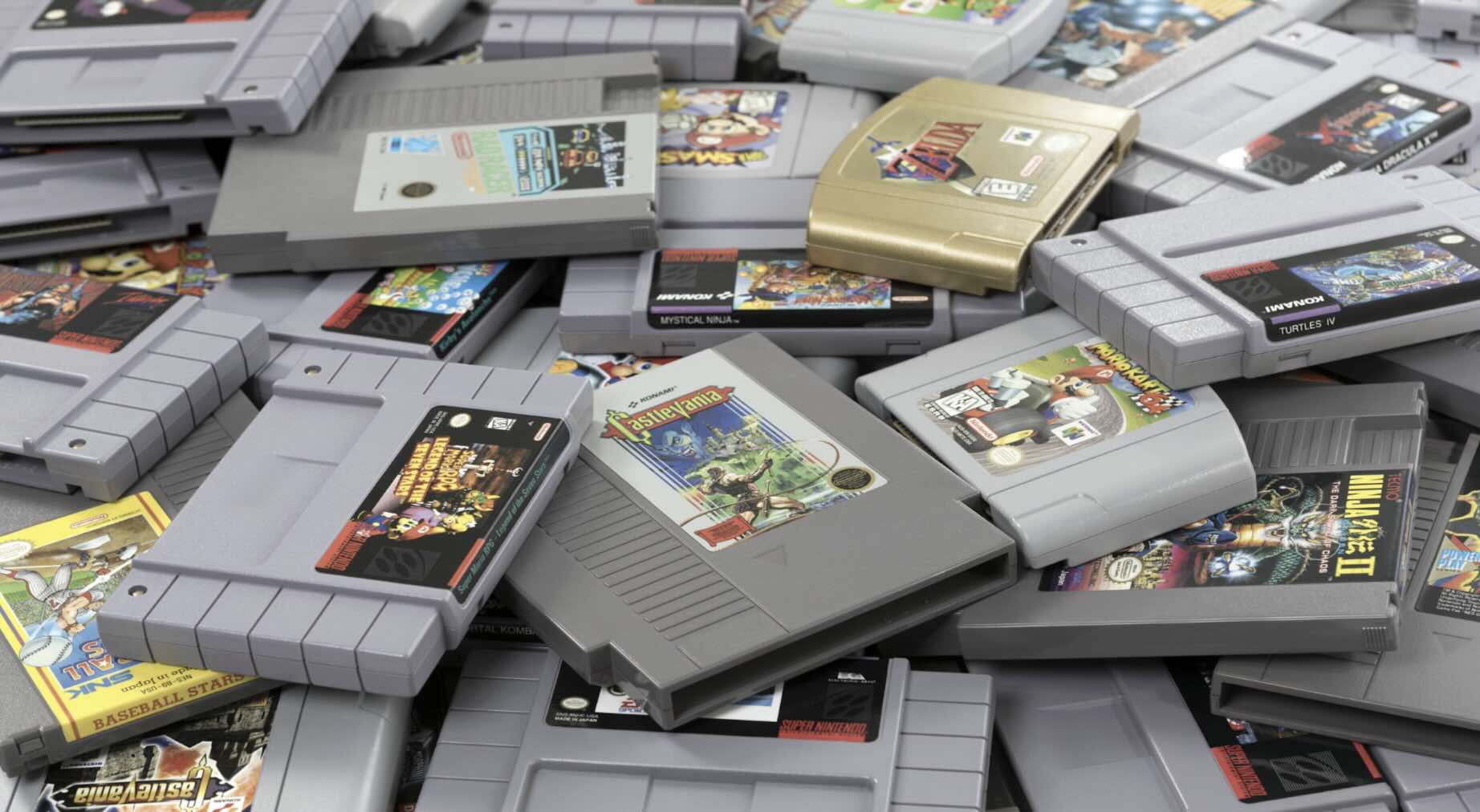
Organization was usually not part of the plan. Most cartridges lived in drawers, boxes, or scattered across the floor waiting for their next turn.
4. A Notebook Filled With Cheat Codes
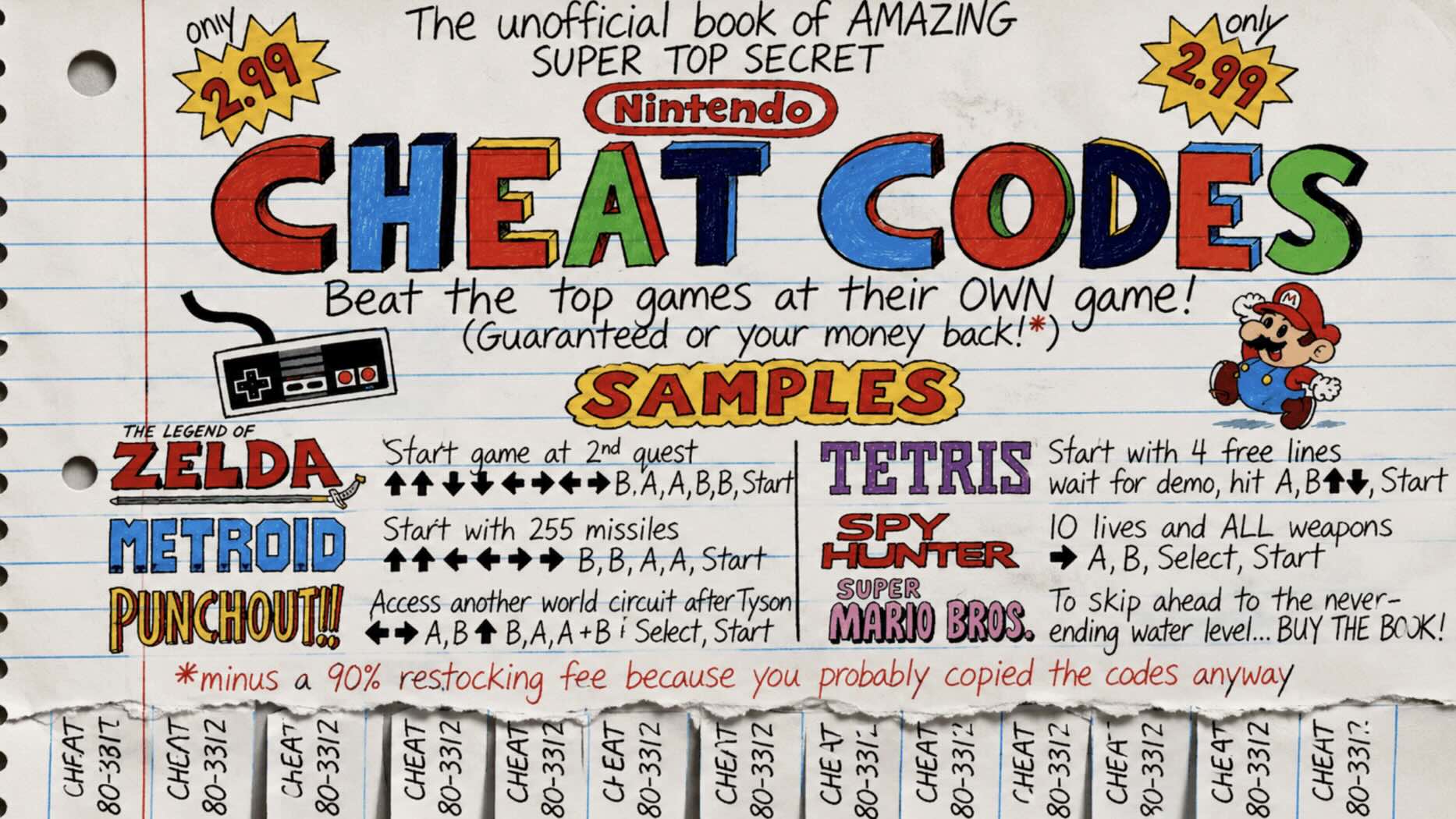
The early ’90s produced an entire generation of players who carefully wrote down passwords, level selects, and secret codes by hand.
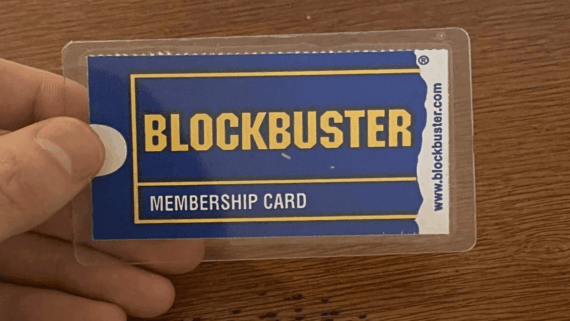
5. A Rental Store Membership Card
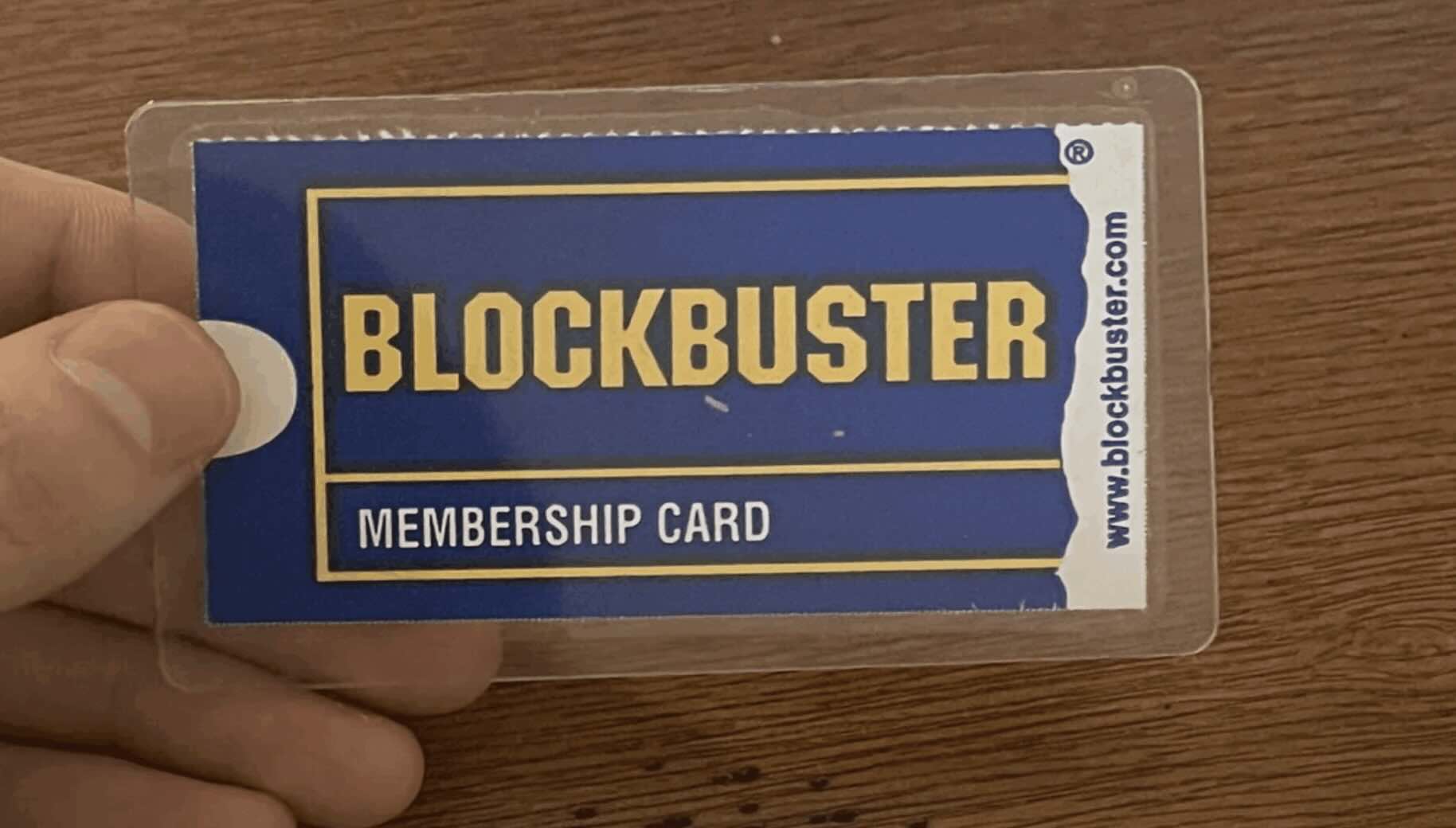
Buying every game wasn’t realistic for most families. Rental stores became a crucial part of gaming culture, allowing players to try dozens of titles for just a few dollars.
Trending on realmoneygamer.com

6. A Second Controller With Something Wrong With It
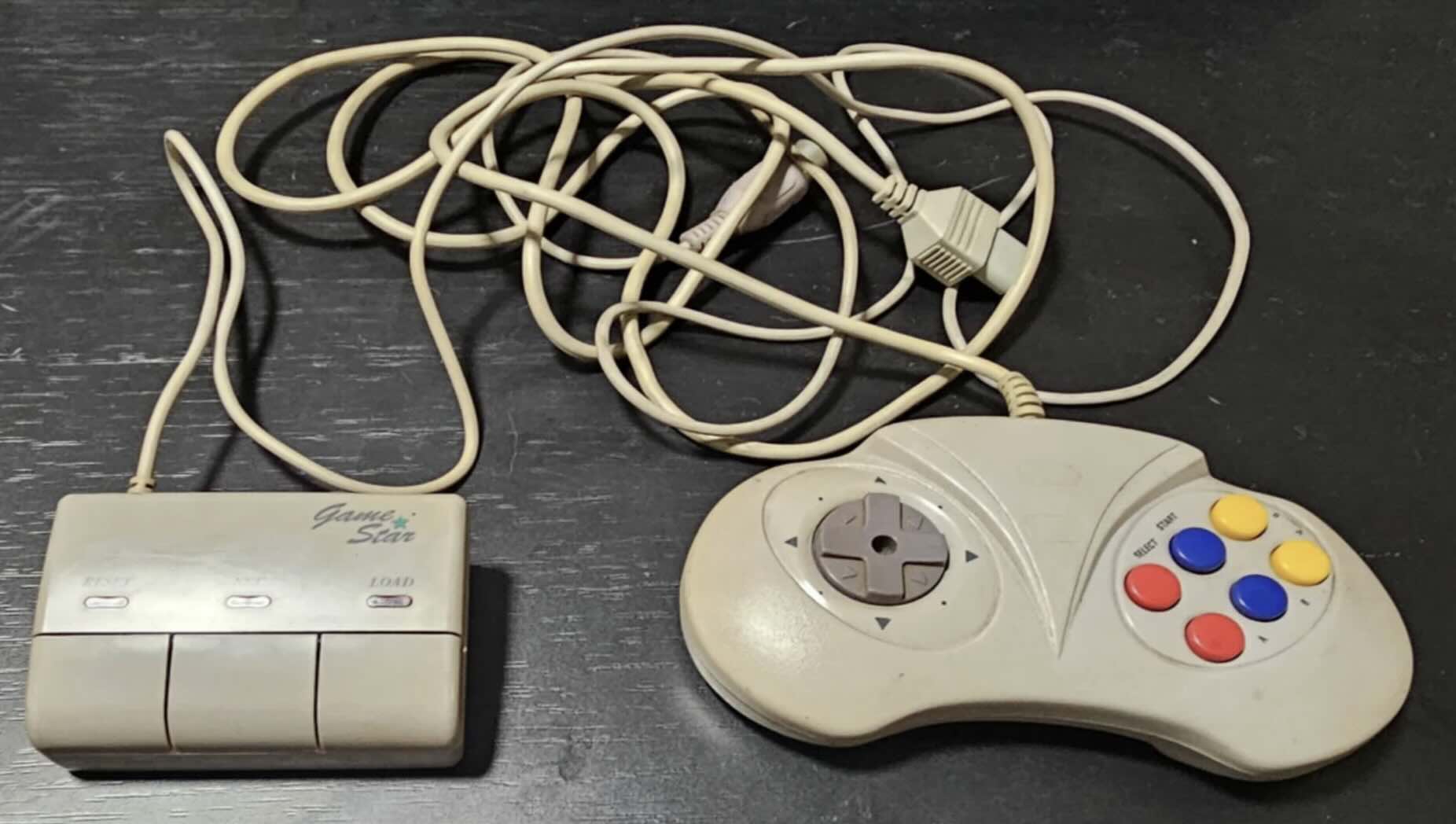
Every household had one controller nobody wanted. Maybe a button stuck, maybe the cable was damaged, but somehow it always ended up in the hands of the younger sibling.
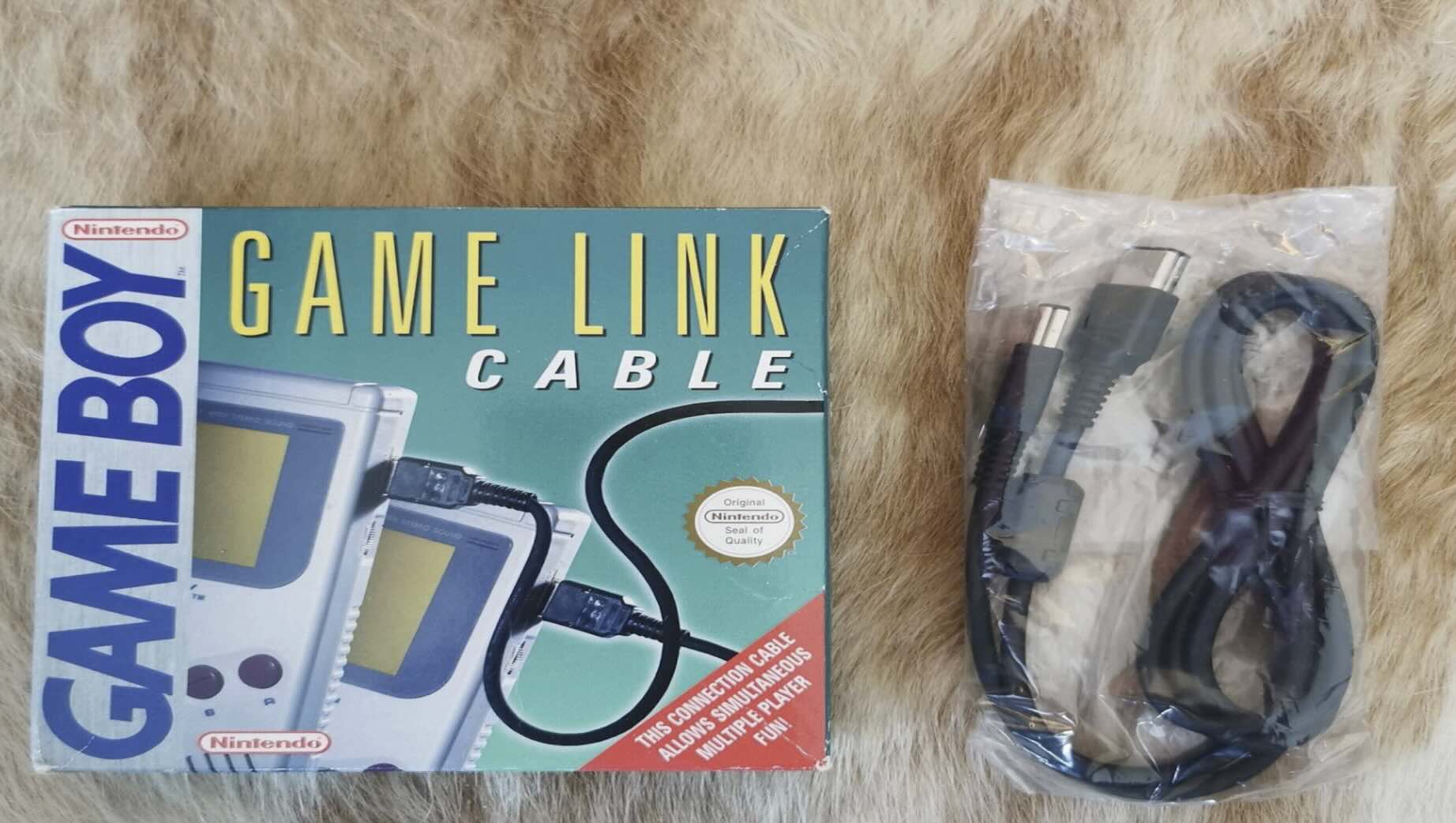
7. A Link Cable
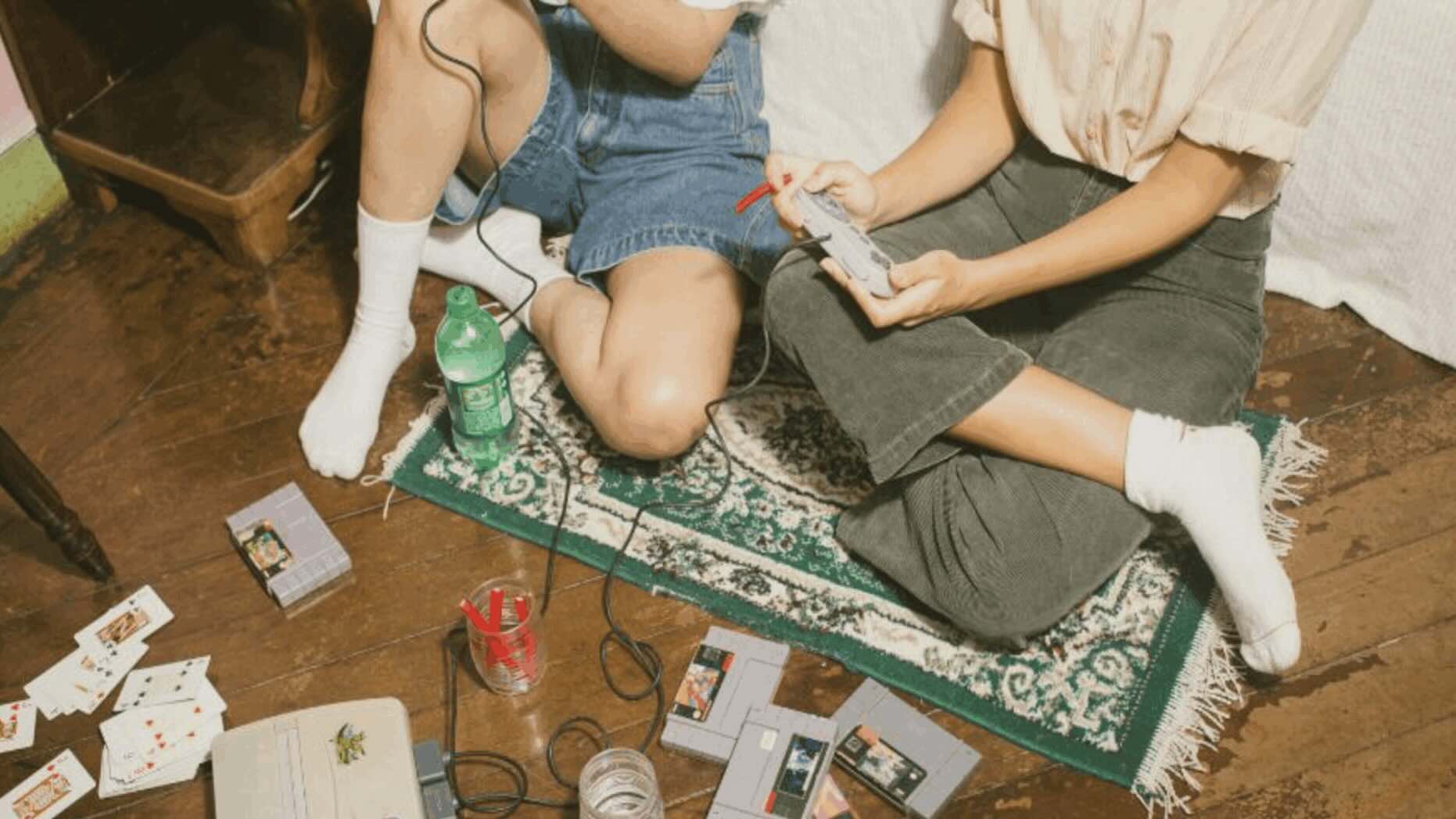
Long before online multiplayer, connecting two handhelds with a cable felt incredibly futuristic. For many players, it was their first multiplayer experience.
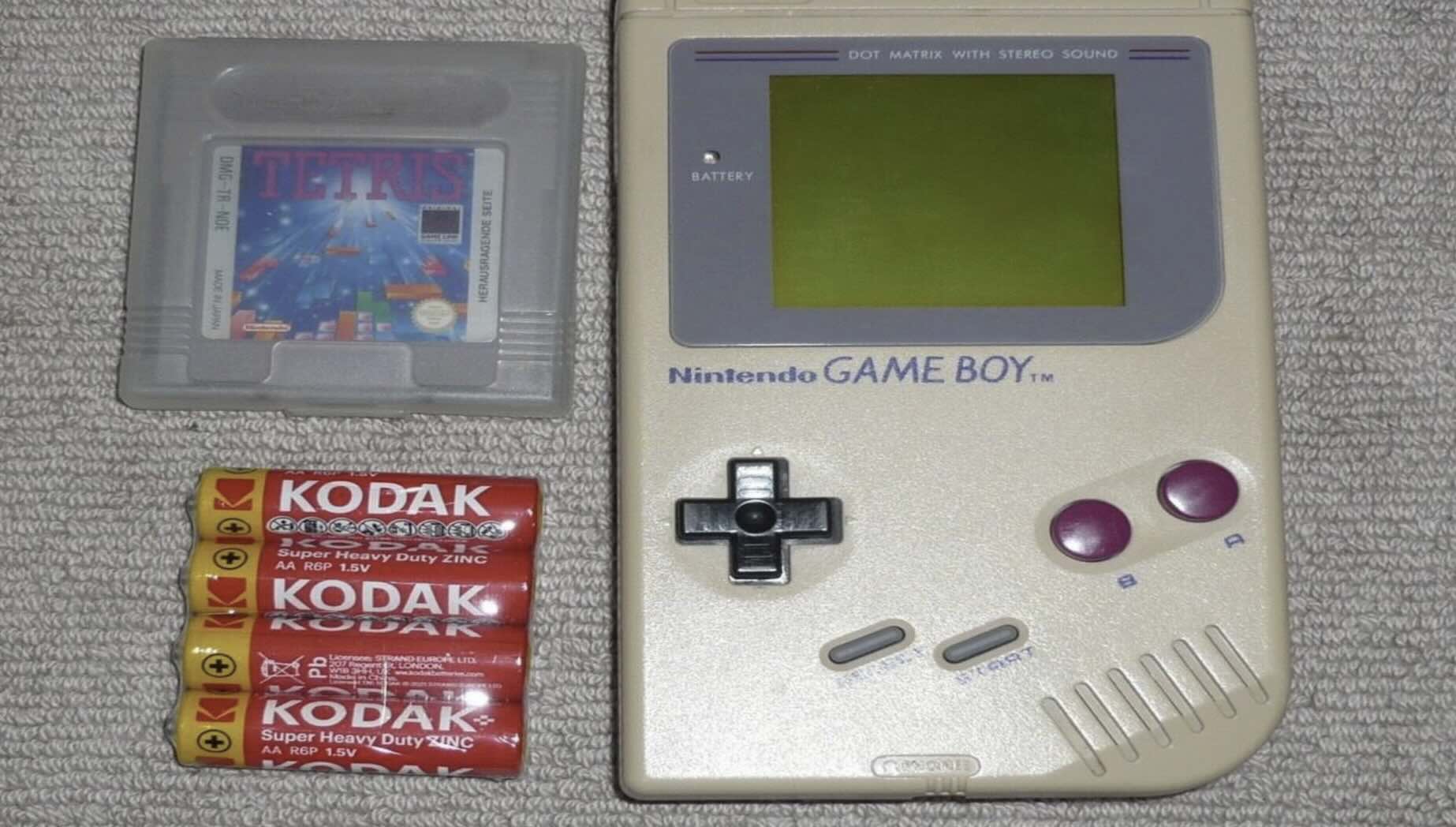
8. One Of The Most Important Things In The ’90s Was A Pile Of AA Batteries
Game Boy owners quickly learned a painful lesson: portable gaming required a constant supply of batteries. Running out in the middle of a trip could feel like a genuine disaster.
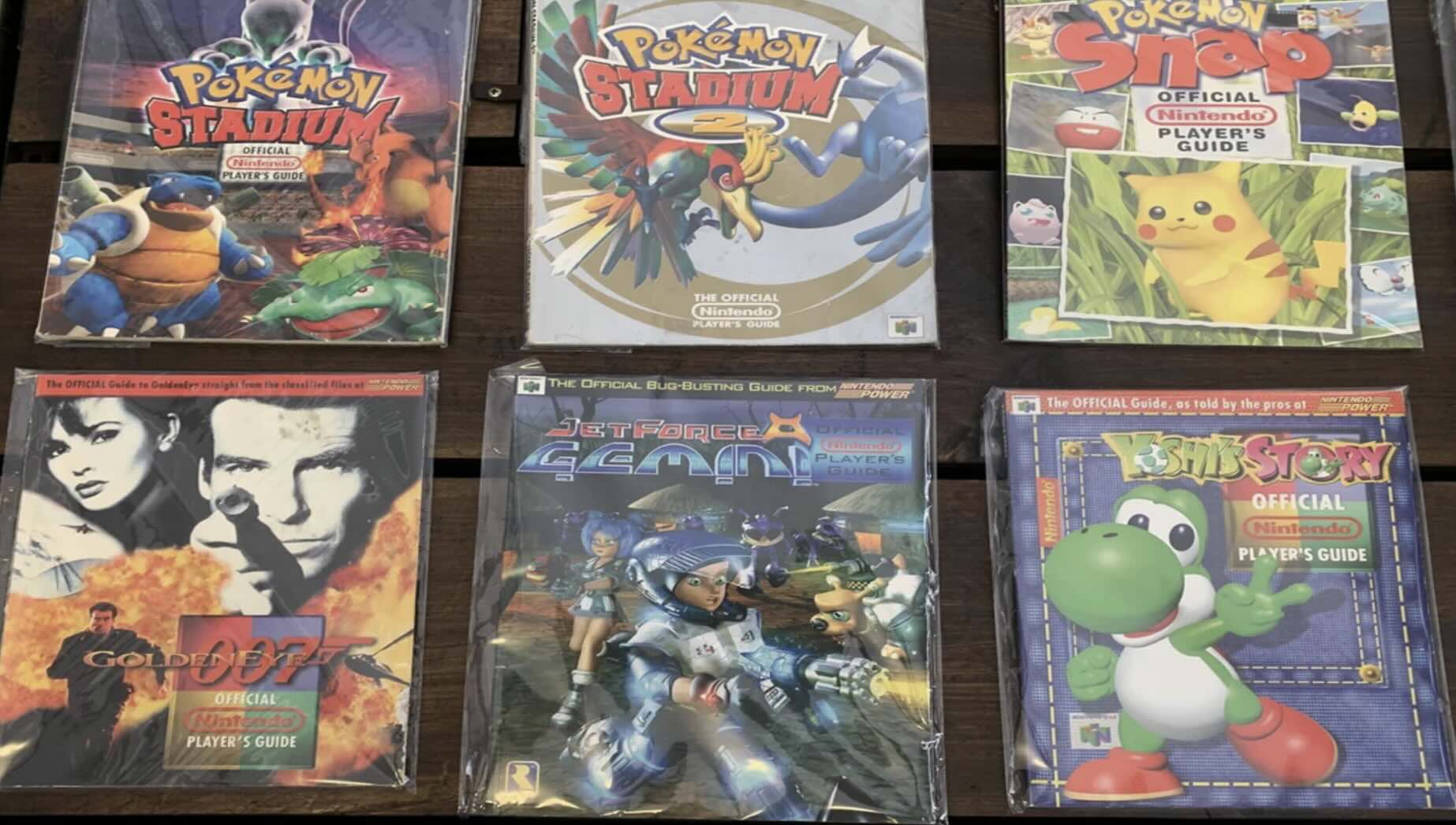
9. A Strategy Guide
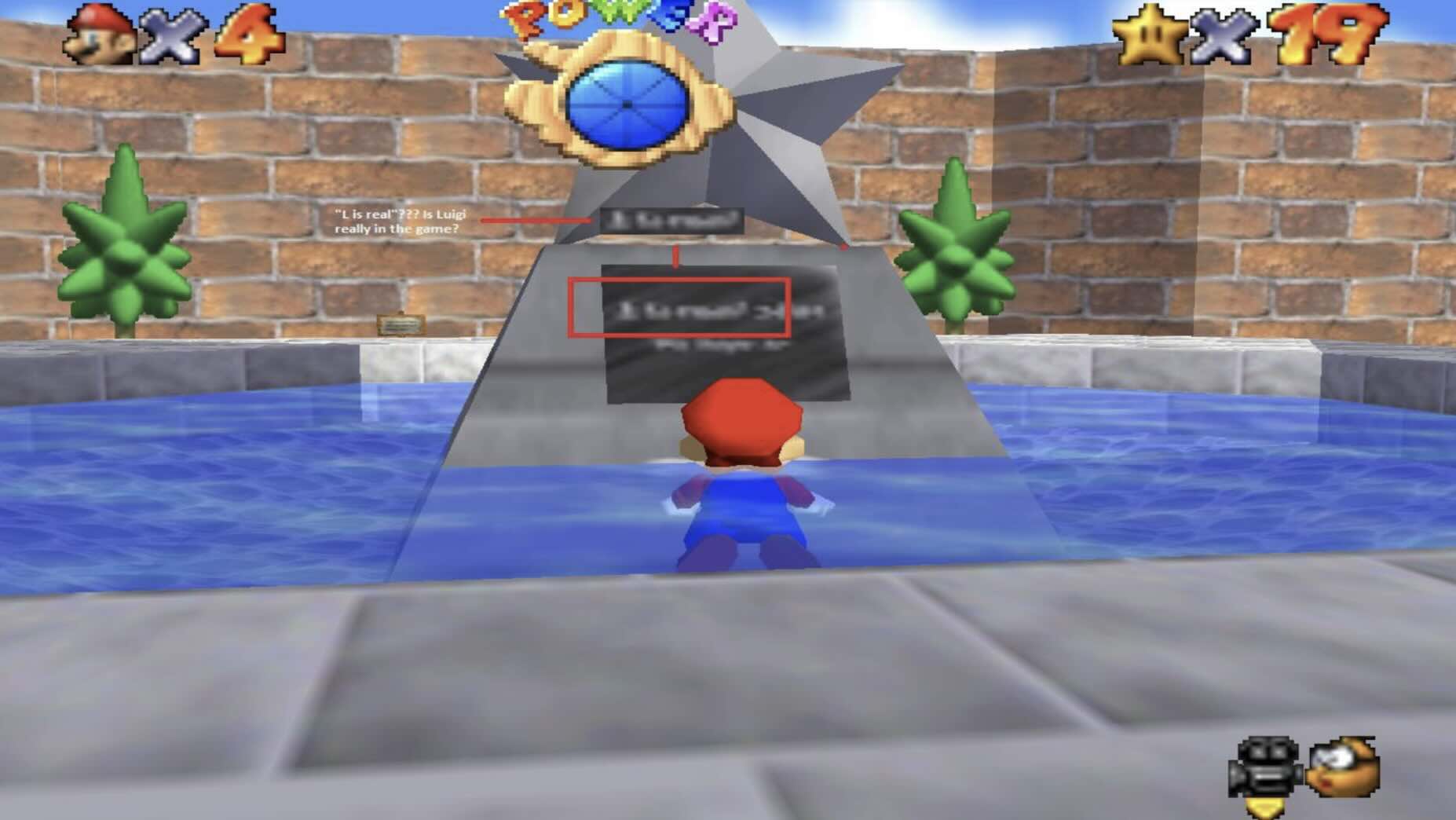
Some games were difficult enough that a guide felt almost mandatory. Others were purchased simply because the artwork looked cool.
10. A Chair Way Too Close To The Television
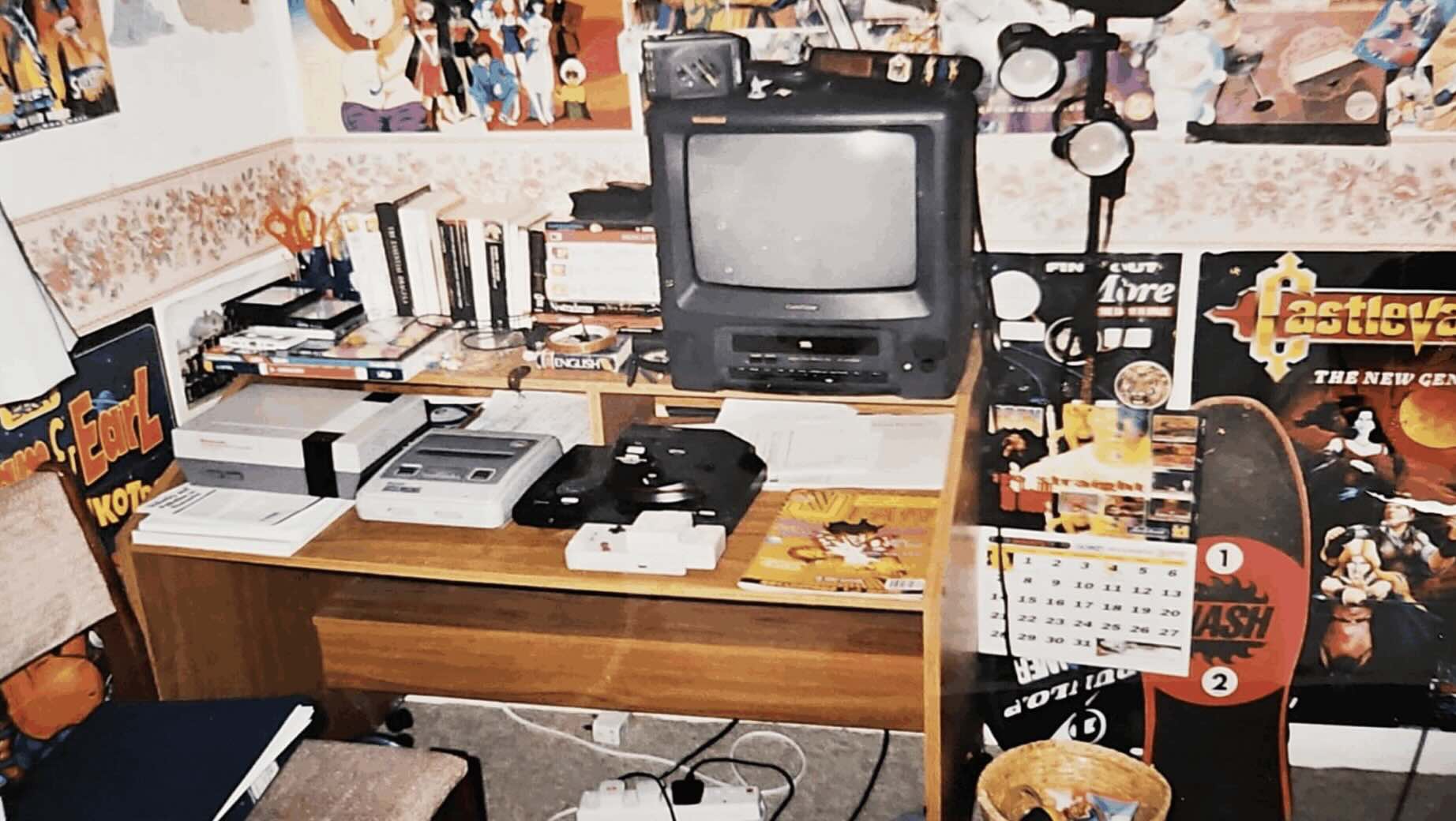
Parents spent years warning children about sitting too close to the screen. Kids spent years ignoring them.
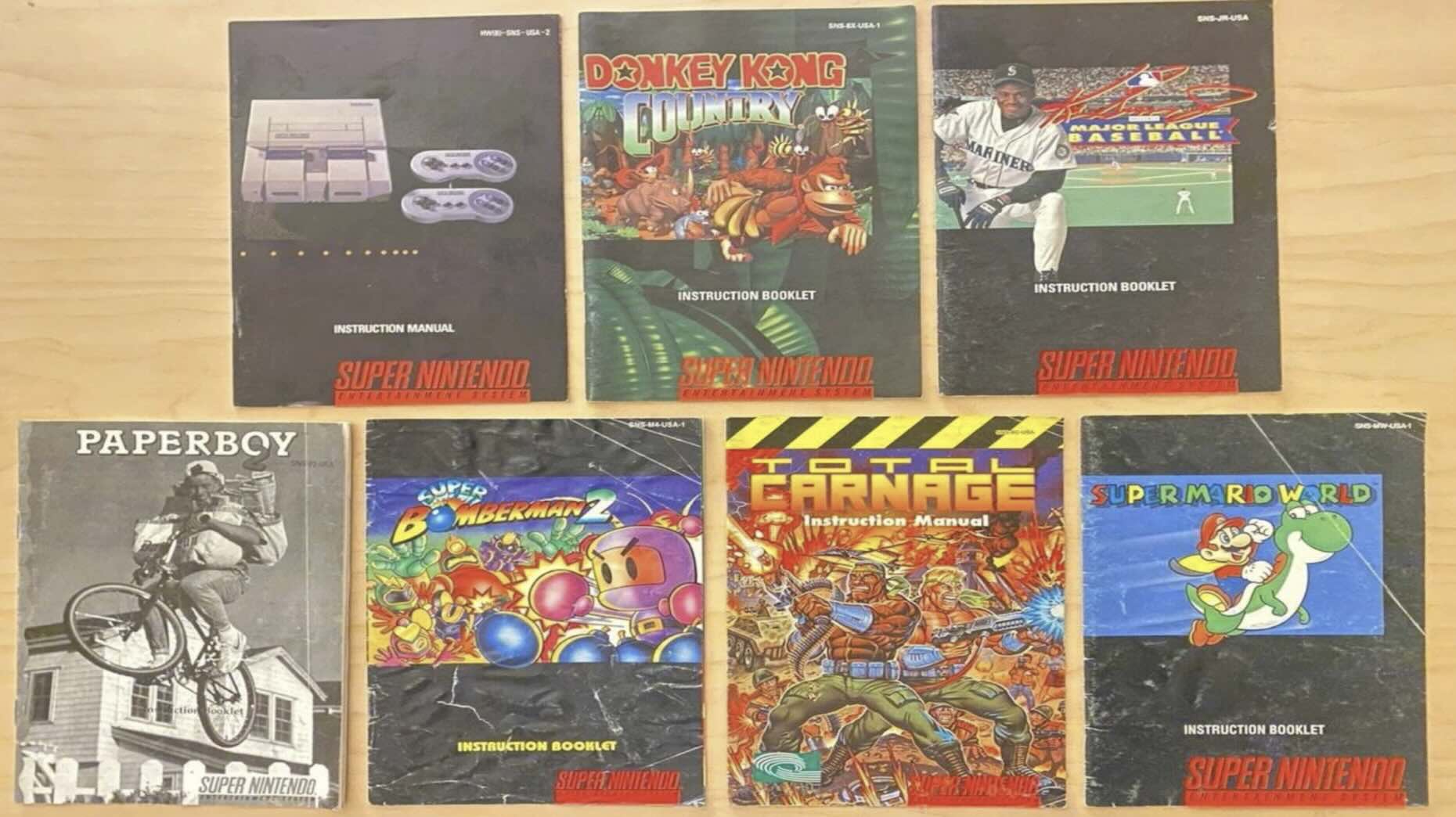
11. A Collection Of Game Manuals
Many games explained their worlds, characters, and mechanics inside printed manuals. Reading them on the way home from the store was practically part of the experience.
12. A Friend Who Claimed To Know Every Secret
The early ’90s always seemed to include one friend who knew a secret character, hidden level, or impossible cheat code that nobody else could verify.
13. A Tangle Of Controller Cables
Wireless controllers belonged to the future. Every gaming session eventually involved untangling a knot of cables that appeared to grow more complicated each week.
14. A Rumor About A Secret Character
Whether it was Mew hiding under a truck or some mysterious unlockable fighter, rumors spread through schools faster than facts ever could.
15. A Bedroom Floor Covered In Gaming Stuff
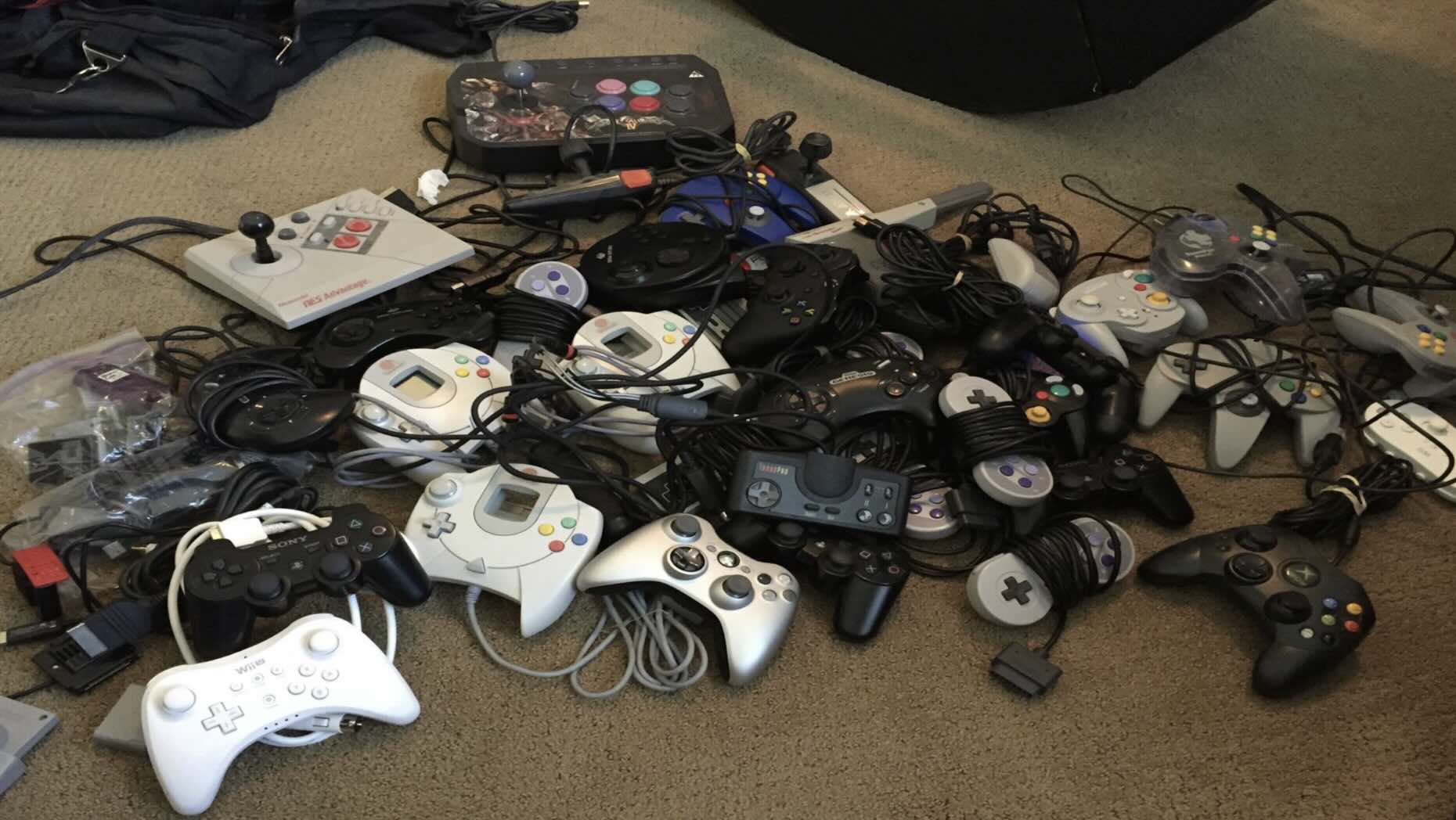
The most authentic gaming room of the ’90s rarely looked organized. Cartridges, magazines, manuals, controllers, batteries, and random gaming memorabilia usually covered every available surface.
Part of what made the ’90s special was how much mystery surrounded gaming. Information traveled slowly, secrets felt meaningful, and every new game felt like an adventure waiting to be figured out.