Sometimes a game does not just hide a room, a weapon, or a sly developer joke. It hides another game, sitting there like a strange little time capsule. These discoveries are different from ordinary minigames because they often carry the weight of a real release, a lost arcade cabinet, an old cartridge, or a fully playable surprise tucked behind a password, a menu trick, or some obsessive exploration. The best ones feel less like bonus content and more like someone left a second disc inside the first one and hoped only the curious would notice.
Homefront: The Revolution Hid TimeSplitters 2 in Plain Sight
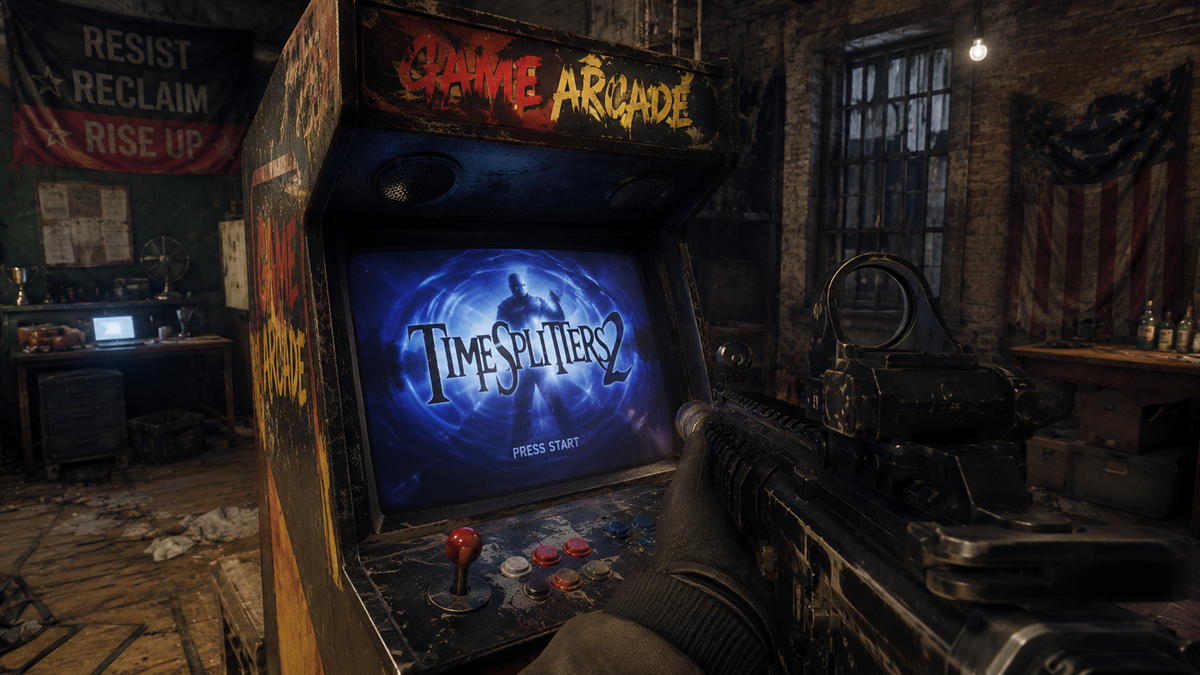
For years, Homefront: The Revolution was remembered more for its troubled launch than for its secrets, which made the TimeSplitters 2 reveal feel even stranger. Players already knew there was an arcade cabinet inside the game that let them play a couple of levels from Free Radical’s 2002 shooter, but the bigger truth came out later, the entire game was buried in there as a native 4K port. Developer Matt Phillips eventually explained that he had included a cheat code to unlock the full thing, then lost track of it, turning a developer joke into a genuine archaeological dig. In 2021, fans found the codes and suddenly a fairly unloved 2016 shooter became one of the weirdest preservation stories in modern gaming. It was not a remaster announcement, not a storefront release, not a marketing beat. It was just TimeSplitters 2, hiding inside a resistance shooter about occupied Philadelphia.
Doom Eternal Let the Slayer Keep Doom and Doom II on His PC
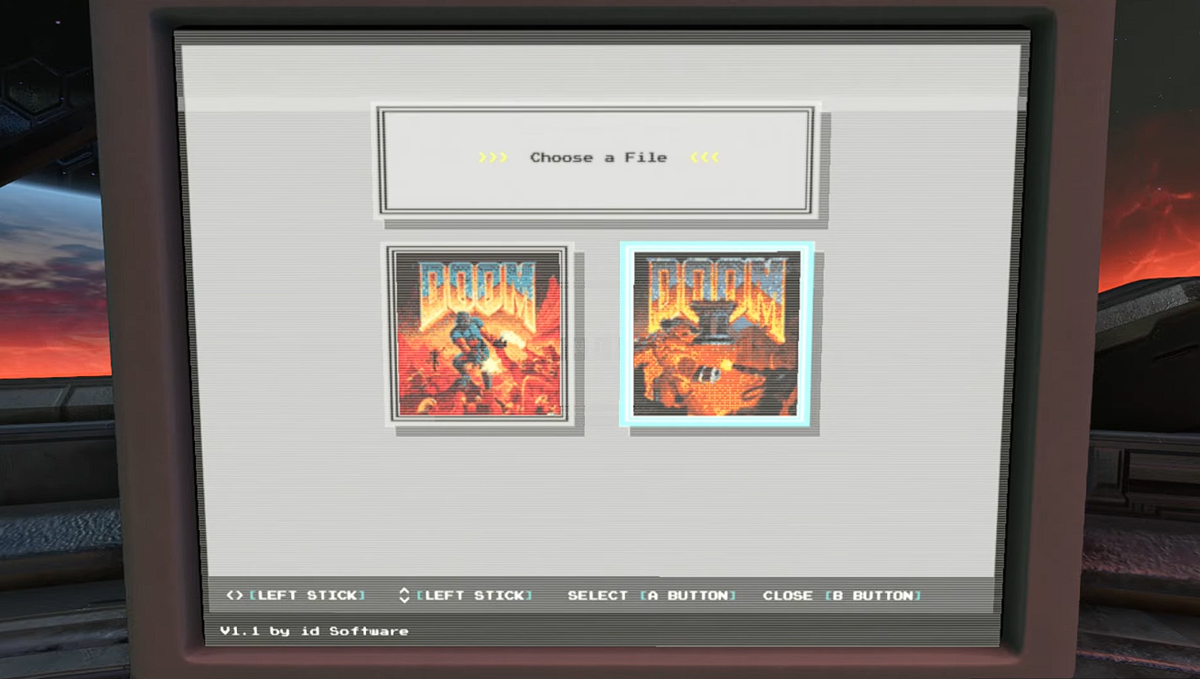
Doom Eternal already treats Doom history like sacred clutter. The Fortress of Doom is full of collectibles, records, toys, and little nods for players willing to poke around between missions. The real prize is on the Doom Slayer’s personal computer, where the original Doom can be unlocked after finishing the campaign and Doom II opens with the password “FLYNNTAGGART,” a reference to the old Doom novels’ name for the marine. It is funny because Doom Eternal is one of the least subtle games ever made, but this reward is almost cozy. After hours of ripping through cosmic demons, you can sit down in the Slayer’s room and play the game that made all of this noise possible.
Call of Duty: Black Ops Hid Zork and Dead Ops Arcade Behind Its Main Menu
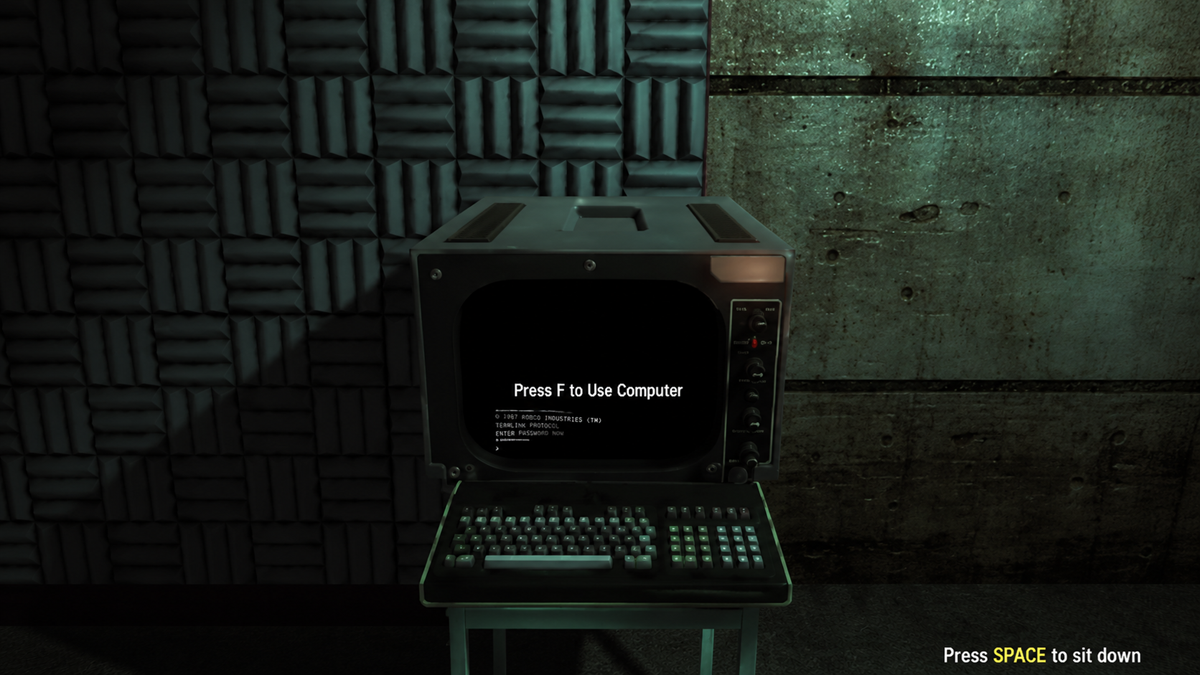
The main menu of Call of Duty: Black Ops was already strange in 2010, with the player strapped to an interrogation chair instead of staring at a normal options screen. Break free, walk over to the computer terminal, and the game suddenly opens a different kind of secret. Typing “ZORK” launches Infocom’s 1979 text adventure, while “DOA” unlocks Dead Ops Arcade, a full top-down zombie shooter with power-ups, score chasing, and its own arcade rhythm. The contrast is funny in a very Treyarch way. One secret sends you back to parser-based adventure gaming, the other turns Zombies into a loud little twin-stick detour hidden behind the furniture of the title screen.
Day of the Tentacle Secretly Included All of Maniac Mansion
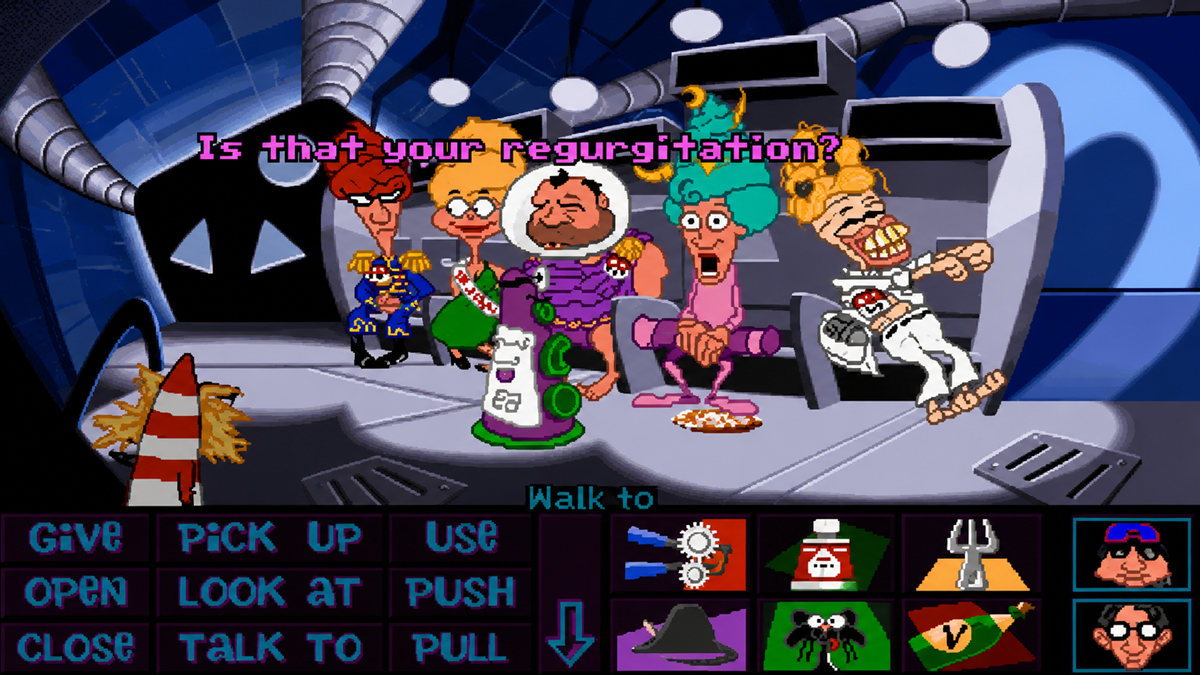
LucasArts pulled off one of the cleanest games-within-a-game tricks back in 1993. In Day of the Tentacle, Bernard can use Weird Ed Edison’s computer and play the full original Maniac Mansion, the 1987 adventure game that Day of the Tentacle was actually following up. There is something wonderfully casual about it. No giant unlock animation, no menu tab screaming “bonus classic included,” just a computer in a weird bedroom that happens to contain an entire earlier Lucasfilm Games release. For players who found it naturally, it must have felt less like a feature and more like trespassing into the studio’s past.
Donkey Kong 64 Made You Earn Jetpac, Then Threw in Donkey Kong Too
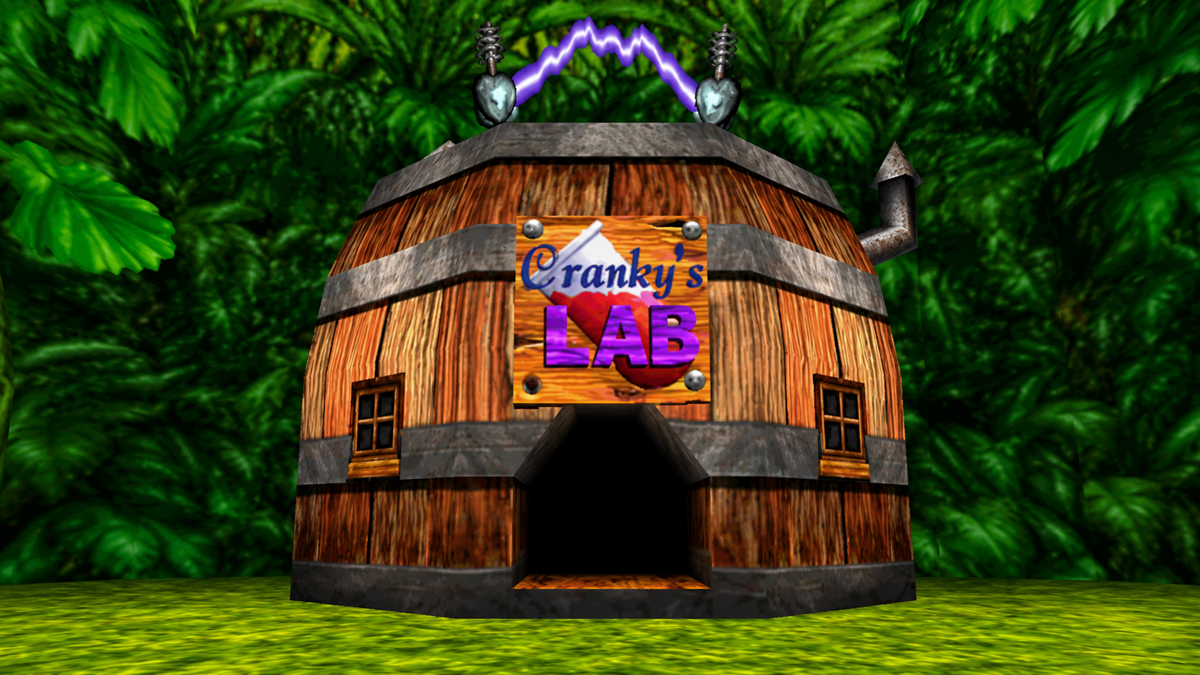
Rare had a habit of turning nostalgia into work, and Donkey Kong 64 may be the funniest example. After collecting 15 Banana Medals, players could visit Cranky Kong and access Jetpac, the 1983 Ultimate Play the Game title from Rare’s pre-Rareware years. It was not just a cute extra either. To get the Rareware Coin, players had to beat Cranky’s score, which turned an old ZX Spectrum arcade shooter into a strange little gatekeeper for the endgame. The reward felt like a playable family tree, Rare quietly pointing back to where it came from while making you prove you could handle it. And because Donkey Kong 64 was never satisfied with one layer of retro homework, the original Donkey Kong arcade game was playable too, hidden inside Frantic Factory and tied to the Nintendo Coin.
Trending on realmoneygamer.com

Animal Crossing Turned NES Games Into Furniture
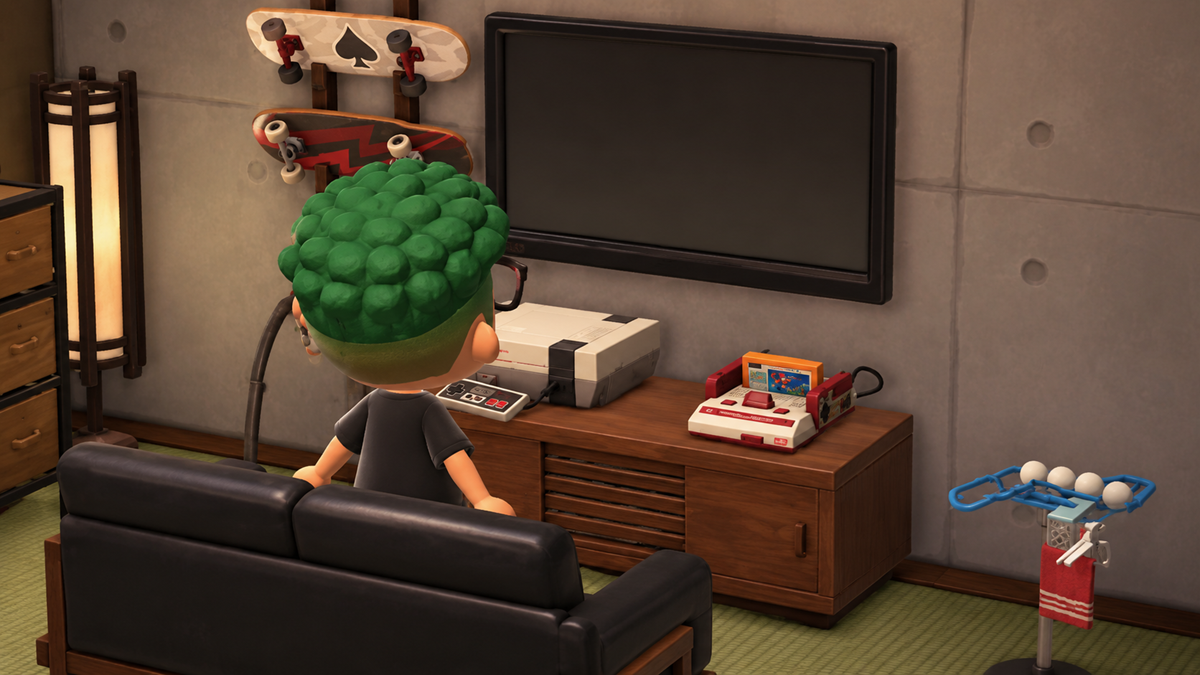
The first Animal Crossing on GameCube had a quieter kind of magic. You could collect NES consoles as furniture, place them in your house, and play actual NES games inside your village life. Balloon Fight, Donkey Kong, Excitebike, Clu Clu Land, Tennis, Golf, Pinball, Punch-Out!! and more were tucked into the domestic rhythm of fishing, debt repayment, errands, and letters from animals. Some were easier to get than others, while a few became the stuff of cheat devices, event distribution, and rumor. The effect was strange in the best way. Your cozy little room was also a retro compilation, long before Virtual Console made old games feel like a normal menu category.
Metroid Prime Rewarded Hardware Loyalty With NES Metroid
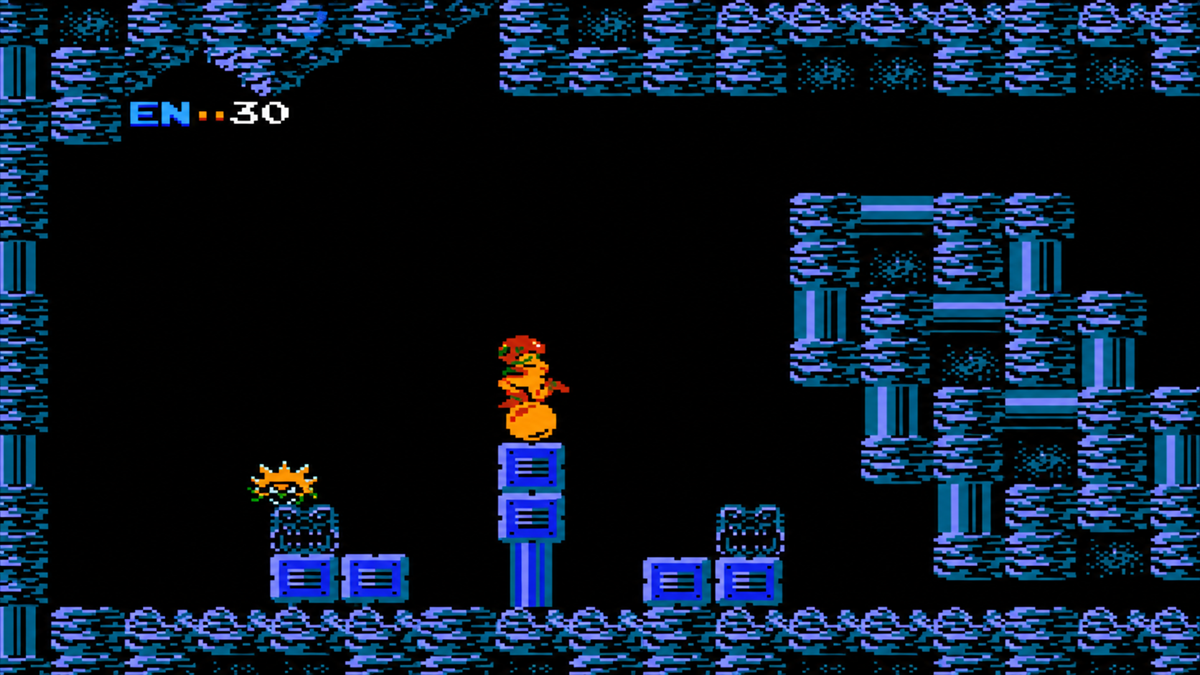
Metroid Prime’s hidden original Metroid was not something most players stumbled into by accident. You needed the GameCube game, a Game Boy Advance, Metroid Fusion, and the link cable that briefly made Nintendo’s hardware ecosystem feel like an elaborate secret handshake. Finish Fusion, connect it to Prime, and the 1986 NES Metroid became playable from the bonus menu. It was a very early-2000s kind of reward, awkward, physical, and oddly satisfying. The requirement was fussy, but it fit Metroid better than a simple unlock code. You had to connect systems, complete one mission, then bring the past into the present.
Ninja Gaiden on Xbox Hid the Old Trilogy for the Patient
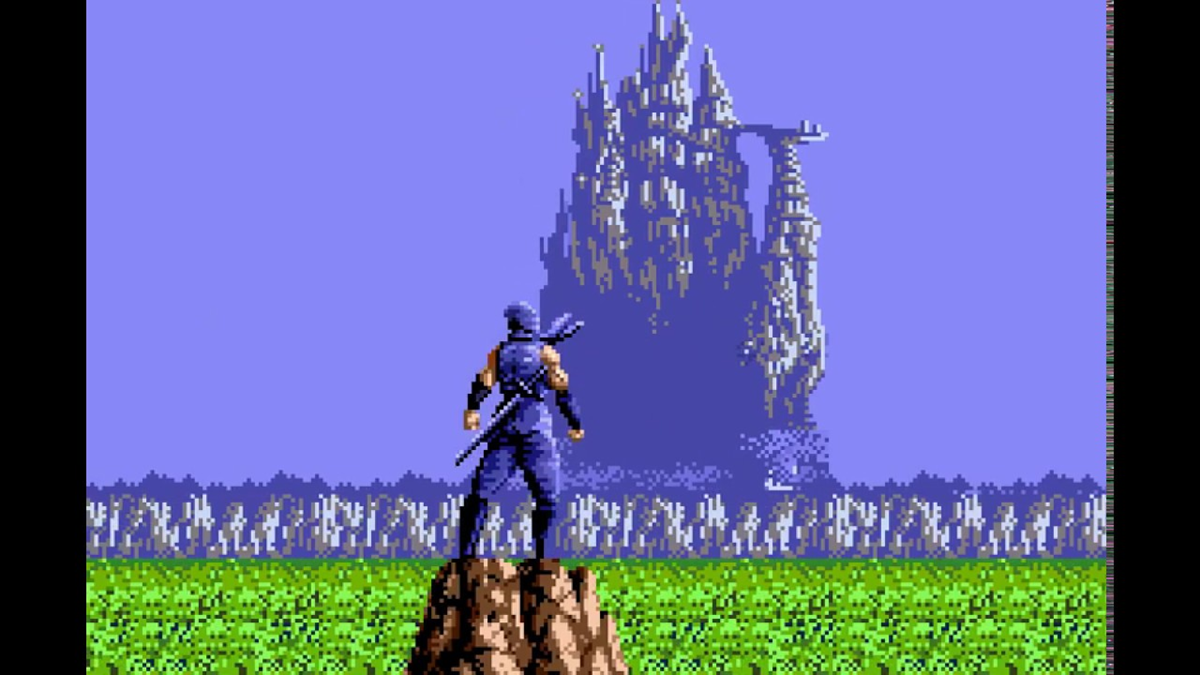
Tomonobu Itagaki’s 2004 Ninja Gaiden was already severe enough without asking players to care about the NES era, but it still made room for the past. The original Xbox release included unlockable versions of the classic Ninja Gaiden trilogy, using the SNES Ninja Gaiden Trilogy versions rather than the raw NES originals. They were not sitting on the title screen waiting politely. Players had to work through the modern game’s challenge structure and secrets before getting to them, which suited the series’ personality a little too well. Ninja Gaiden has never been shy about making rewards feel earned, or making “earned” feel suspiciously close to punishment.
Shenmue Made Sega’s Arcade Past Part of Daily Life
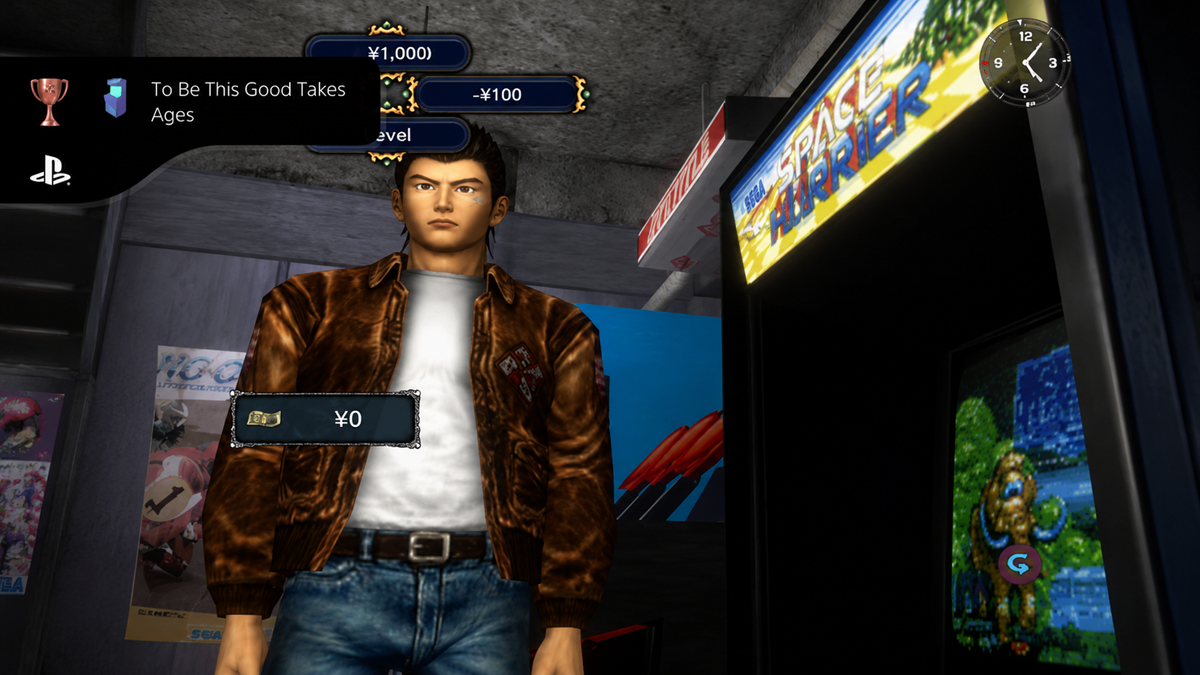
In Shenmue, the playable arcade machines were not just bonus content, they helped sell the fantasy of walking through a living 1980s Sega world. Ryo Hazuki could step into the You Arcade in Dobuita and spend yen on Space Harrier or Hang-On, two Yu Suzuki classics that already carried plenty of Sega history by the time the Dreamcast arrived. The clever part is how unceremonious it all feels. Ryo is supposed to be hunting for answers about his father’s murder, but he can still lose time to an arcade cabinet like any teenager with coins in his pocket. These games are complete enough to distract you from the revenge plot, which is very Shenmue. Shenmue II later expanded the idea with more Sega arcade titles, including OutRun and After Burner II, but the first game’s version has the cleaner trick, old Sega machines simply sitting there inside a world obsessed with ordinary detail.
Yakuza 0 Hid Sega Classics Behind the Noise of Kamurocho
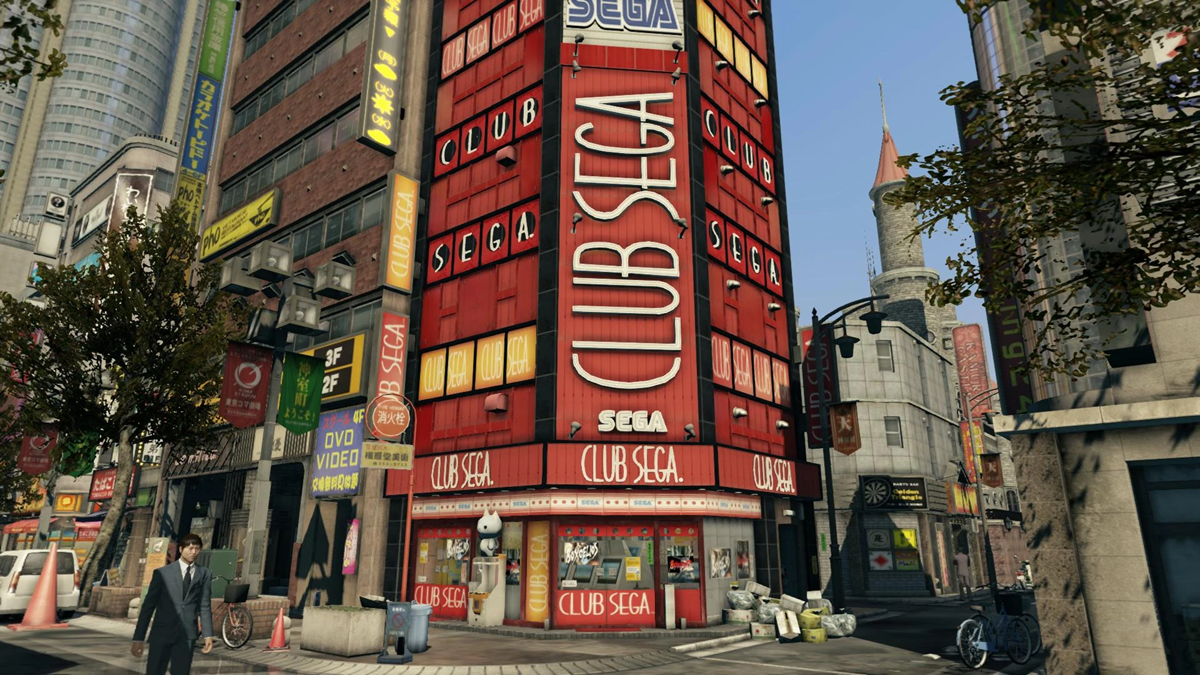
Yakuza 0 is so full of distractions that a complete arcade game can almost seem modest. Step into Club SEGA and you can play titles like Out Run, Space Harrier, Fantasy Zone, and Super Hang-On, with some machines tied to side activity progress rather than immediately handed over. The setting does half the work. These games do not feel imported from a retro menu, they feel like part of the city’s texture, wedged between karaoke, real estate schemes, street fights, and suspiciously emotional substories. Sega has often used the Yakuza and Like a Dragon series as a living showroom for its back catalog, but Yakuza 0 makes the arrangement feel unusually natural. The hidden reward is not just the cabinet. It is the permission to ignore the crime drama for ten minutes and chase an old arcade score.
Project Gotham Racing 2 Accidentally Launched Geometry Wars
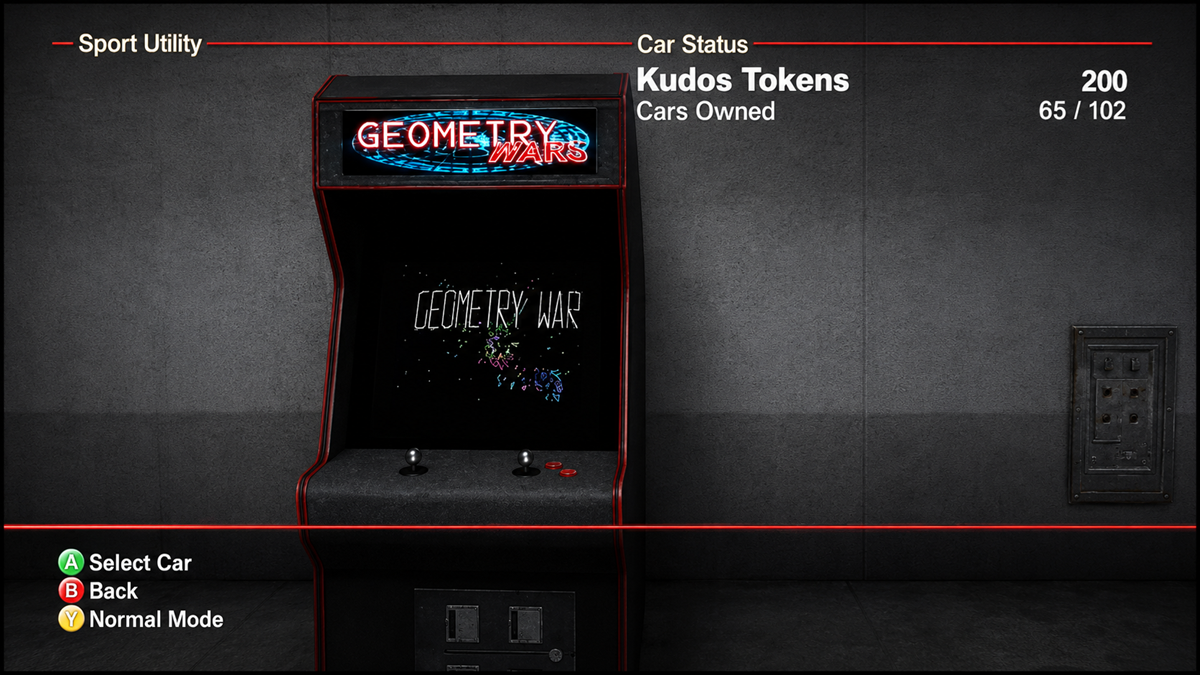
Project Gotham Racing 2 had a garage, and in that garage sat an arcade cabinet. Walk up to it, and you could play Geometry Wars, a clean little twin-stick shooter that most players had no reason to expect inside a serious Xbox racing game. It was not an old classic being preserved, it was a side experiment from Bizarre Creations that proved too good to stay a side experiment. Later, Geometry Wars became one of the early Xbox Live Arcade standouts, but its first life was quieter. It was the thing in the corner of a virtual garage that people kept talking about after they were done racing.
Lost Judgment Turned a Detective Office Into a Master System Shelf
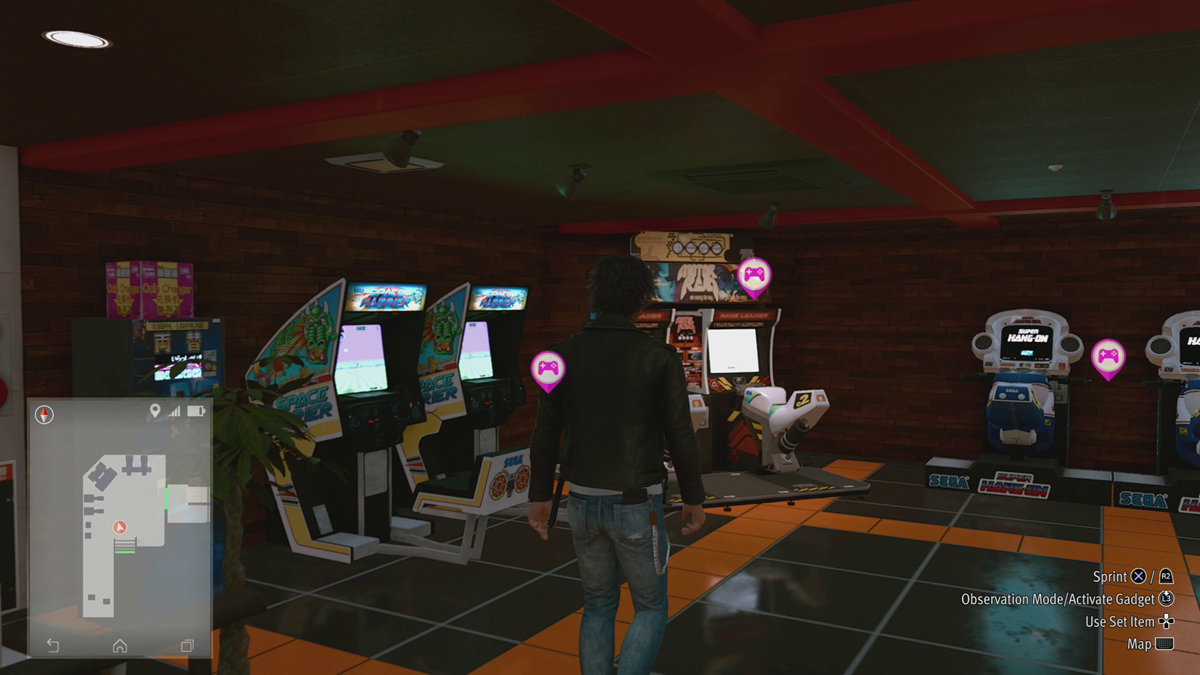
Lost Judgment did not hide one old Sega game so much as scatter a small console library through Takayuki Yagami’s life. His office contains a playable Master System, and more cartridges can be found or earned while moving through the city, including games like Alex Kidd in Miracle World and Enduro Racer. It is a softer version of the secret-game tradition, less “how did anyone find this?” and more “why is this much care tucked into a side corner?” Still, it has the same appeal. You sit down in a detective game and suddenly you are playing something from another decade, with no dramatic announcement needed.
Wolfenstein II Let You Play Wolfstone 3D
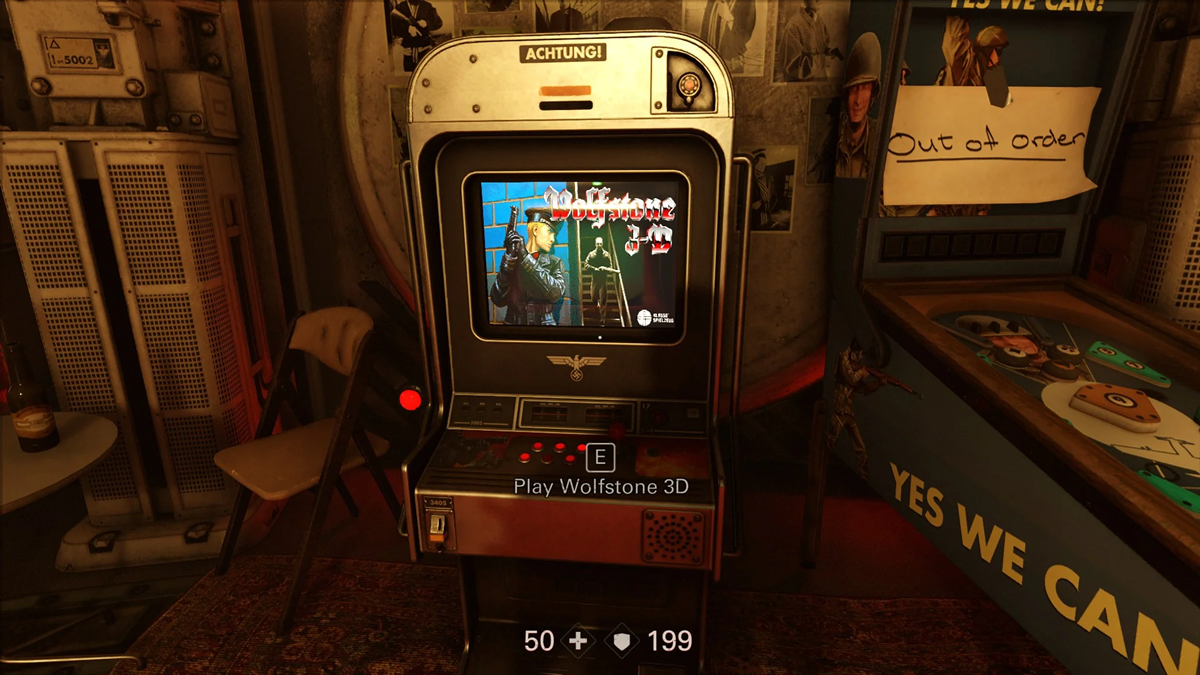
Wolfenstein II: The New Colossus handled its hidden retro game with a nasty little joke. On the Eva’s Hammer submarine, players can access Wolfstone 3D, a warped in-universe version of Wolfenstein 3D where Nazi propaganda has rewritten the roles. Mechanically, it plays like a retro shooter, but politically and tonally it belongs completely to MachineGames’ alternate-history nightmare. It is not just a throwback cabinet. It is what an arcade game might look like inside that world, which makes it funnier and uglier at the same time.
Star Wars Rogue Squadron III: Rebel Strike Hid Three Old Arcade Games
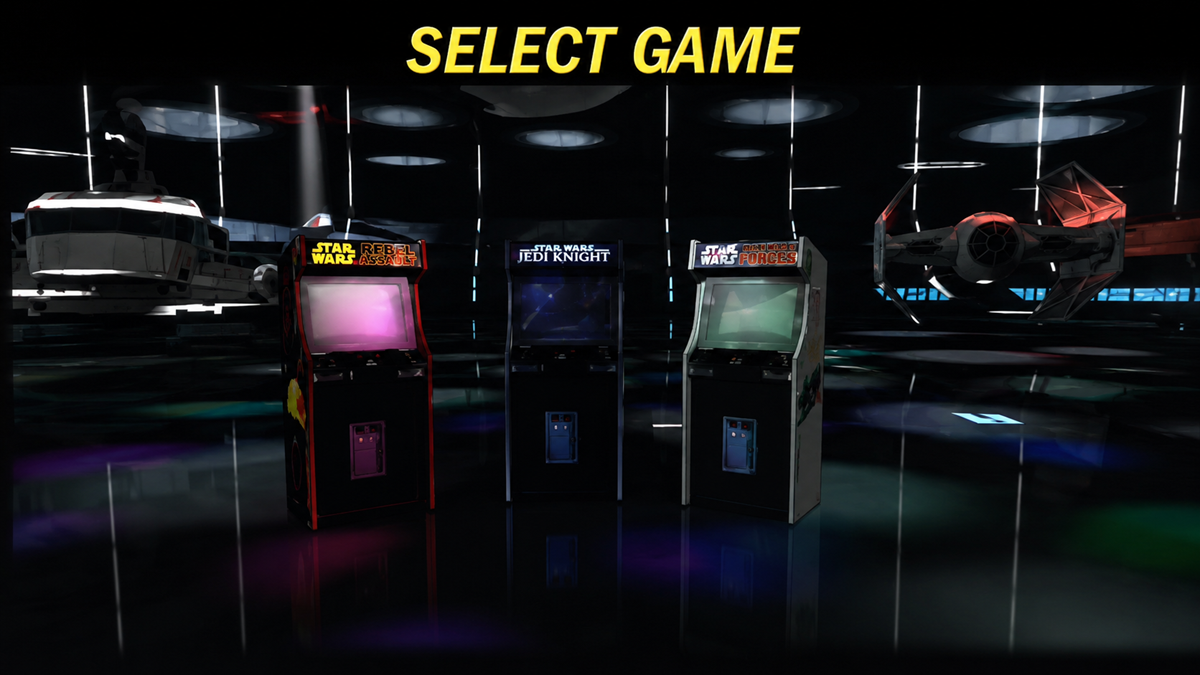
Star Wars Rogue Squadron III: Rebel Strike was already built like a fan-service machine, but its strangest rewards were older than almost everything else around them. The GameCube release let players unlock Atari’s Star Wars arcade game, The Empire Strikes Back, and Return of the Jedi, either through progression or passcodes depending on how much patience they had. What makes the bonus work is the tonal jump. Rebel Strike is all polished early-2000s LucasArts spectacle, then suddenly you are dropped into wireframe trench runs and old coin-op pacing, playing artifacts from the franchise’s arcade life instead of another bonus mission.
The strange thing about these hidden games is how unnecessary they were. Most of them did not need to exist for the main game to work, and a few were so buried that plenty of players never touched them at all. That is part of the appeal. They feel like moments when developers had the rights, the tools, the old code, or just the nerve to leave something extra behind for whoever cared enough to look.
Continue Reading: 10 Games That Hide Secret Modes Right at the Start