There was a time when buying a video game meant physically going somewhere, usually a mall, a strip plaza, or the back corner of a movie-rental store. The shelves were crowded, the used bins were a little picked over, and somebody behind the counter always seemed to have an opinion about which version of a game was worth buying. A lot of those places were not national giants at first. They were regional chains, franchise experiments, or local names that became part of how people discovered games before everything moved online.
GameCrazy
r/gaming
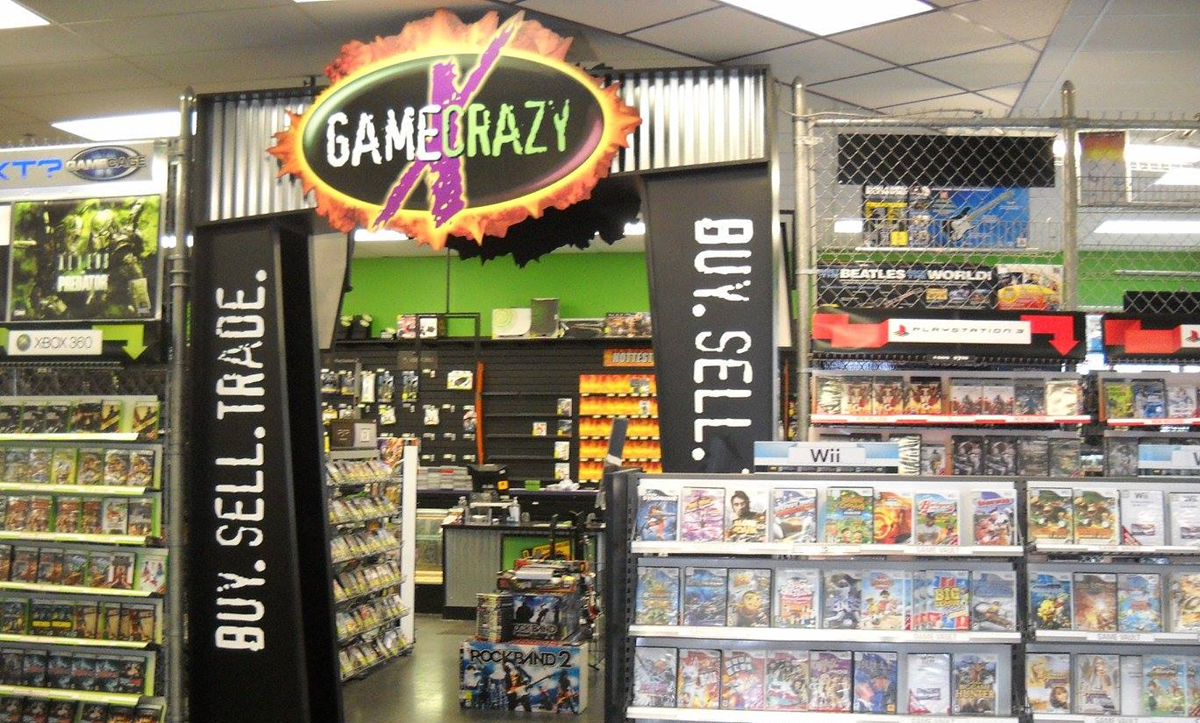
GameCrazy probably lives in memory as much for where it was as for what it sold. It was usually attached to Hollywood Video, which meant a trip for a rented movie could easily turn into browsing used PlayStation 2 titles or asking about a preorder. Hollywood Entertainment launched the chain in the late 1990s, and by the mid-2000s it had spread to hundreds of locations, mostly inside or beside Hollywood Video stores. That setup worked while video rental still had traffic, but it became a problem once rental stores started emptying out. When Movie Gallery and Hollywood Video went through liquidation in 2010, GameCrazy disappeared with them.
Rhino Video Games
Wikimedia Commons
Rhino Video Games had a very different feel from the mall chains. It started in Gainesville, Florida, and built its name across parts of the Southeast, especially Florida and Georgia, with used titles, trade-ins, and a more neighborhood-store atmosphere. For people who grew up near one, Rhino could feel like the better alternative to the bigger corporate shops. GameStop bought the chain from Blockbuster in 2007, and the Rhino name was quickly phased out.
FuncoLand
r/gaming
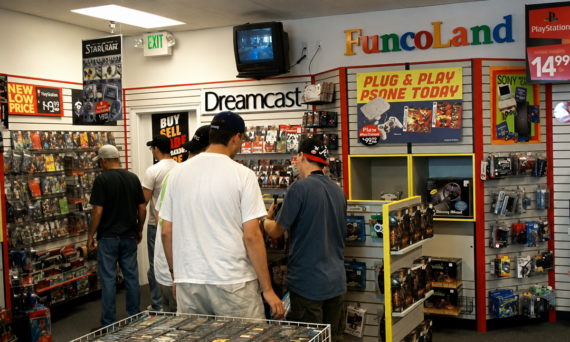
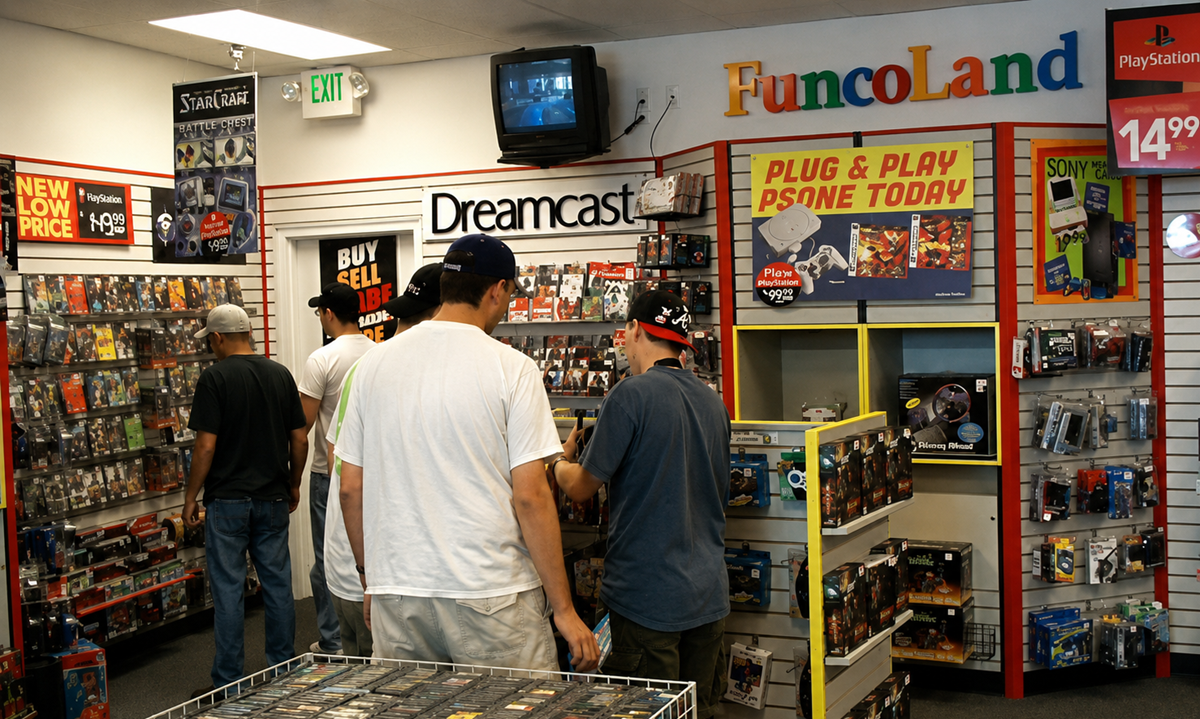
FuncoLand was the store for people who cared about used games before collecting old titles became its own industry. The Minnesota-based chain was famous for buying, selling, and pricing used cartridges and discs in a way that made the whole thing feel unusually organized. Those printed price lists were part shopping guide, part treasure map. Barnes & Noble bought Funco Inc. in 2000, and the stores were eventually folded into what became GameStop’s larger retail machine.
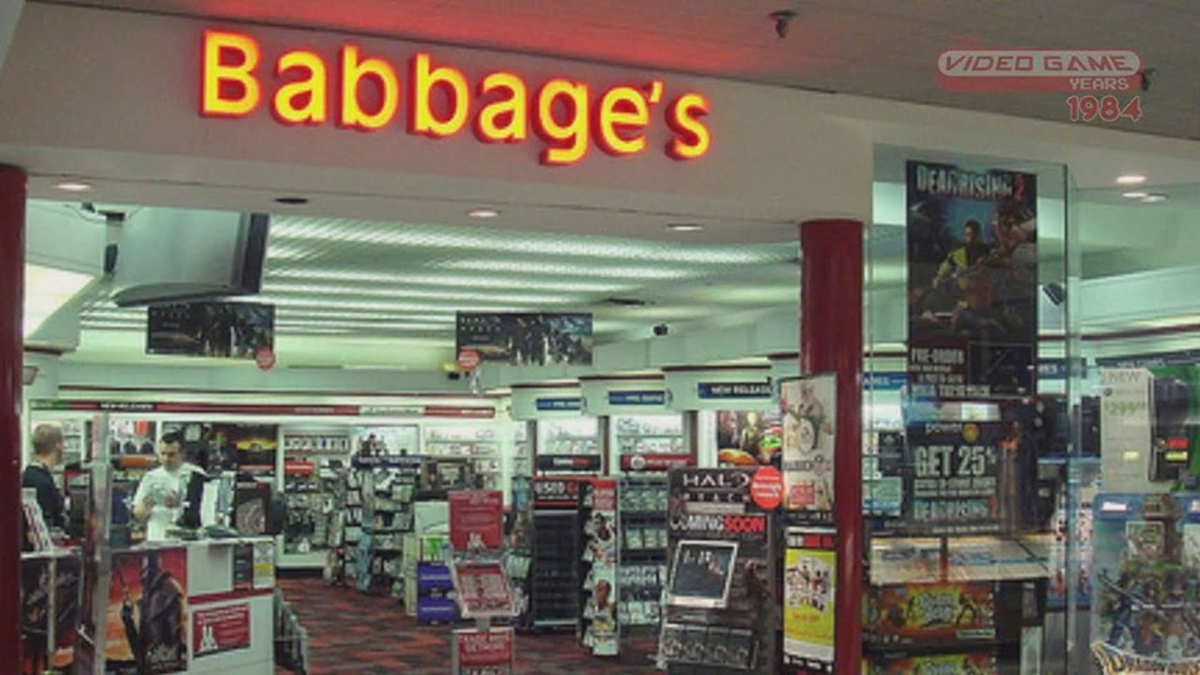
Babbage’s
r/retrogaming
Babbage’s did not begin as a cool shop. It opened in Dallas in 1984 as a software retailer, which meant the early version of the store was tied to boxed computer programs as much as entertainment. Over time, games took up more space, and the chain became a familiar mall stop for PC players and console owners alike. After mergers and ownership changes, Babbage’s became part of the GameStop lineage. The name slowly vanished, which feels fitting for a store that was never very loud about itself.
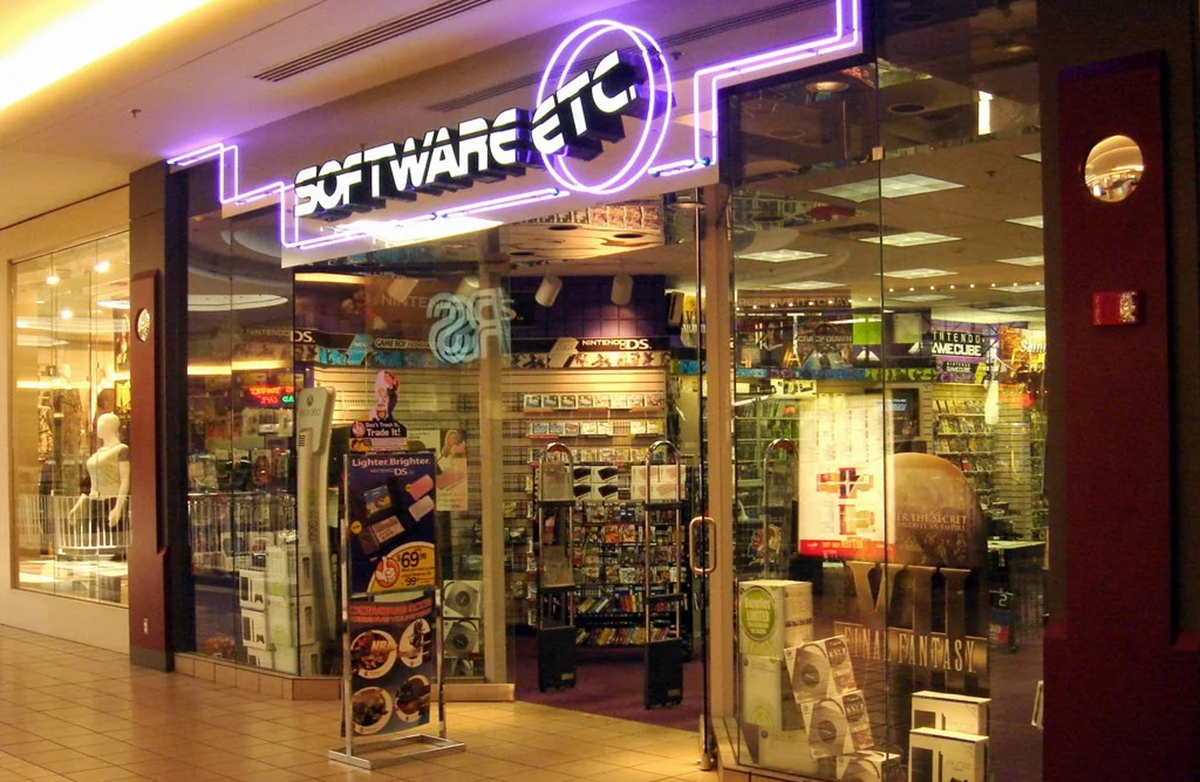
Software Etc.
r/nostalgia
Software Etc. belonged to the era of giant PC boxes, thick manuals, and system requirements that could ruin your day. It was not trying to look like an arcade. It felt closer to a serious computer store that happened to sell the titles people actually wanted. The chain merged with Babbage’s in the 1990s, then moved through the same corporate path that eventually led to GameStop. For a while, though, Software Etc. was where you went when PC gaming still felt like a hobby with homework attached.
Trending on realmoneygamer.com
Electronics Boutique
r/nostalgia
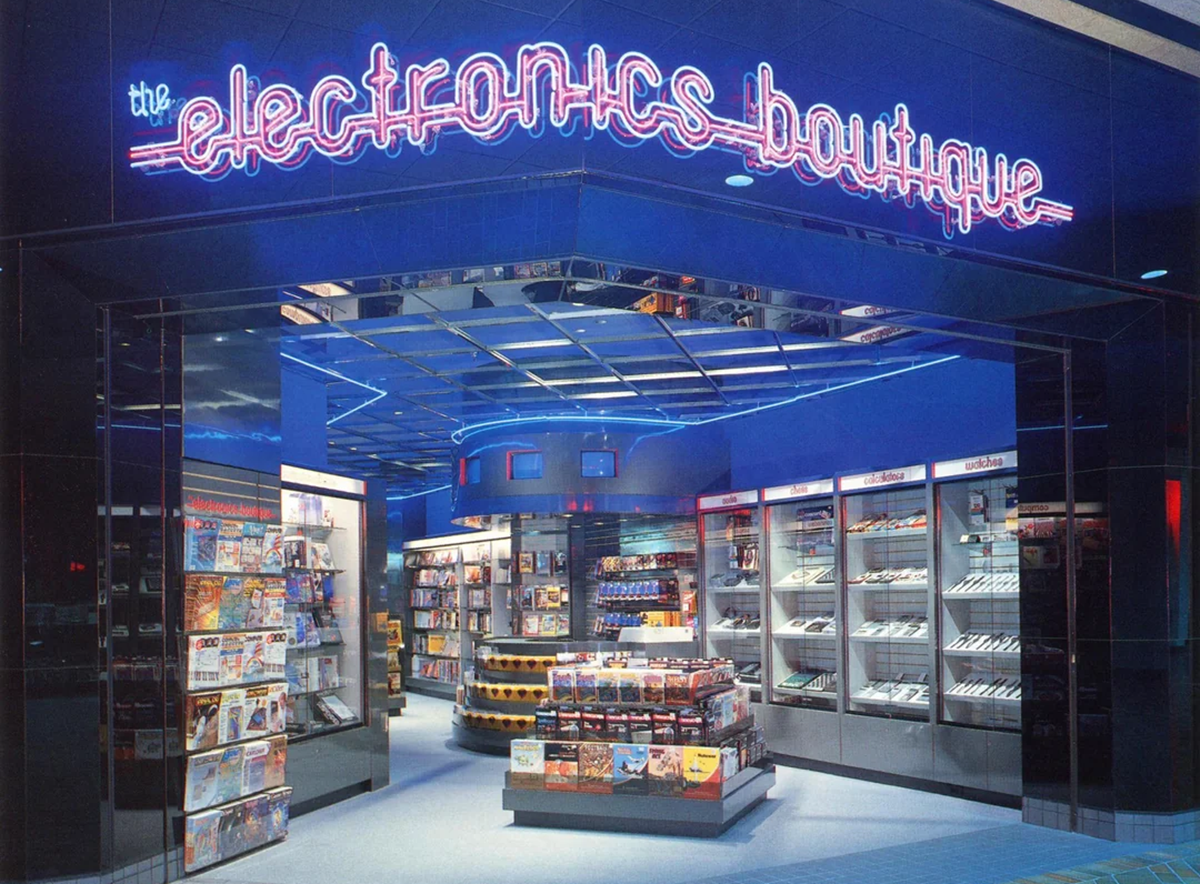
Electronics Boutique had one of those names that sounded slightly older than the hobby it helped sell. The company began in Pennsylvania and sold more than games at first, but by the 1990s and early 2000s, EB and EB Games were fixtures in malls across the country. It was polished, narrow, and usually packed with whatever new release everyone was asking about that month. GameStop acquired Electronics Boutique Holdings in 2005, and the U.S. version of the brand was eventually absorbed. Outside the country, the EB name lasted longer, which can make the disappearance feel a little confusing if you only remember the American stores.
Play N Trade
r/gaming
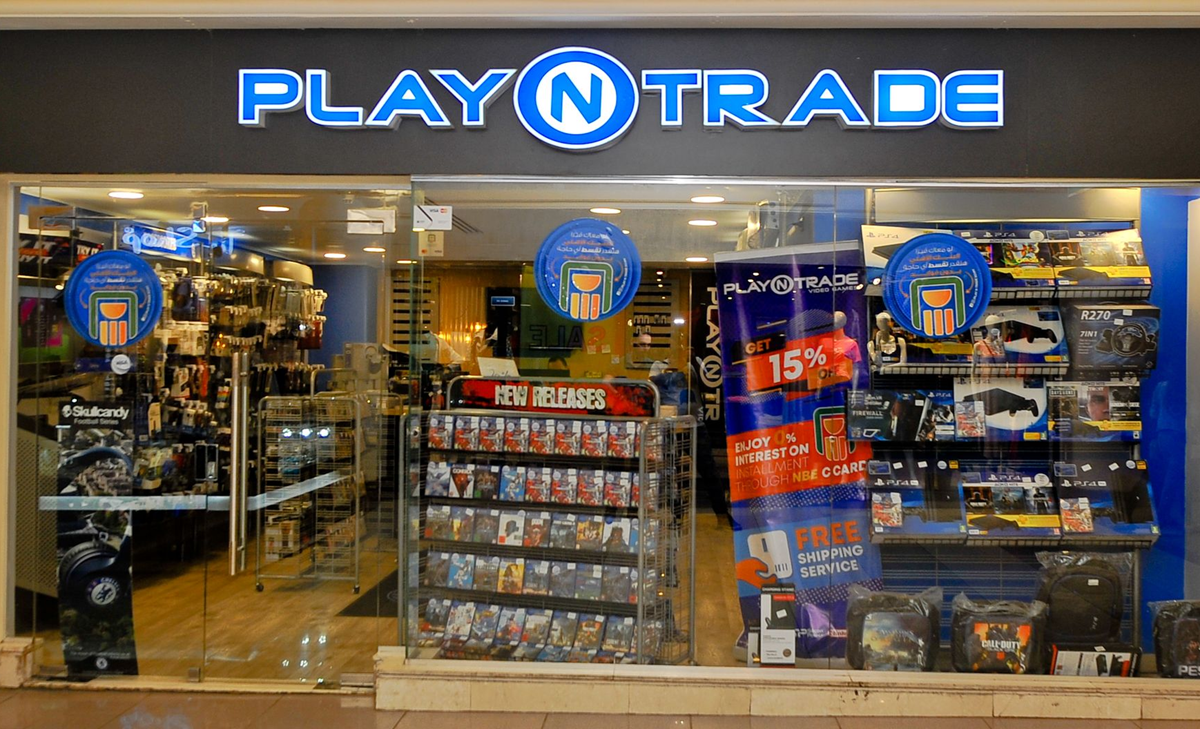
Play N Trade tried to be more than a place to buy used games. The pitch was repairs, tournaments, parties, trade-ins, and a local hangout feeling, all wrapped in a franchise model. Some locations really did feel like community spots, especially in areas without many independent game shops. The company grew during the 2000s, then ran into serious trouble and filed for bankruptcy protection in 2014. A few stores continued on their own, but the chain as a recognizable national franchise was finished.
Microplay USA
Microplay
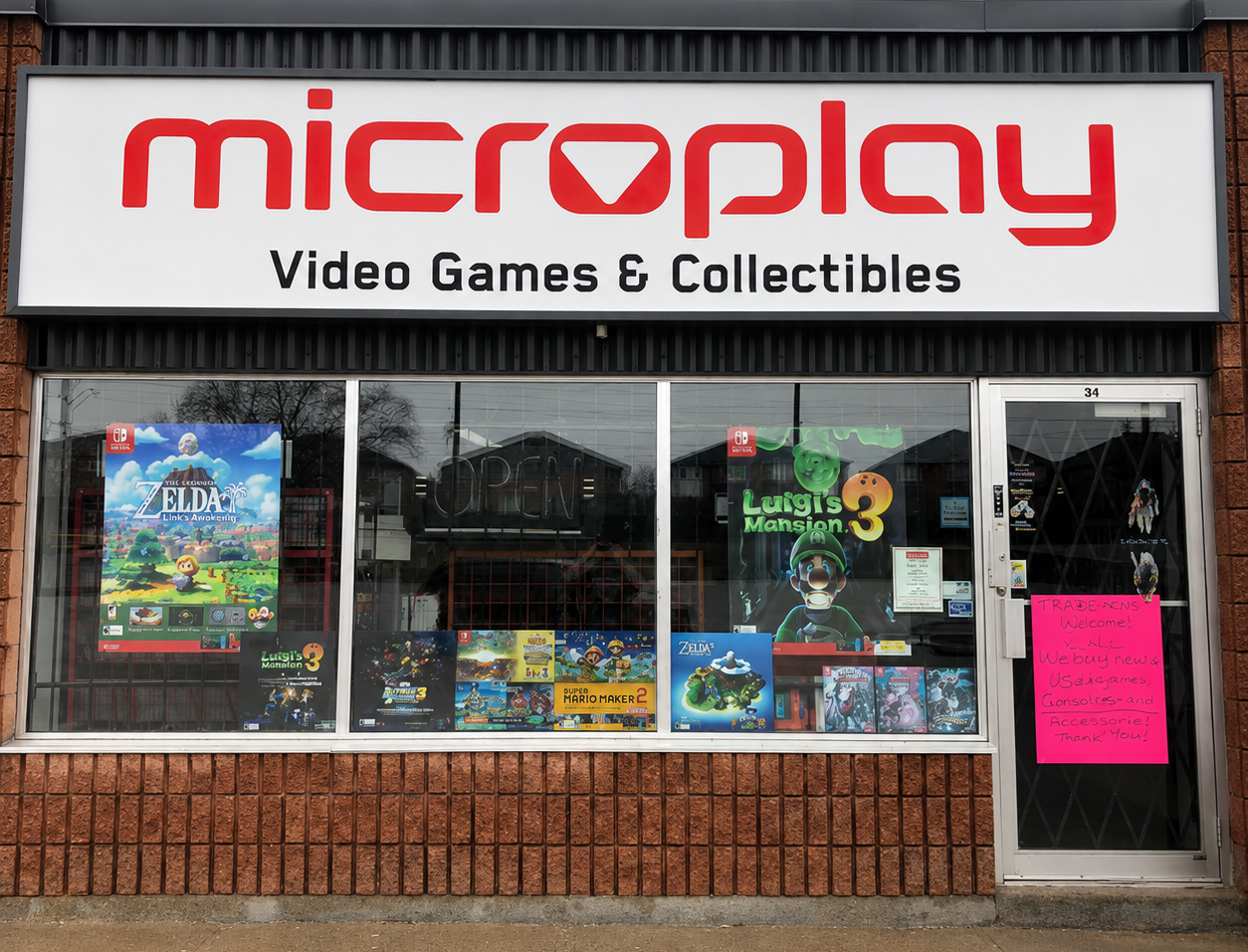
Microplay is a tricky one because the name is much more strongly remembered in Canada. Still, there were U.S. locations, especially during the 1990s, and they fit neatly into that older mix of rentals, trades, and local promotions. It was not a huge American chain, but it was exactly the kind of store that could matter a lot if one happened to be near you. The U.S. presence faded, and the name mostly survived in other contexts.
Game Trader
r/nostalgia
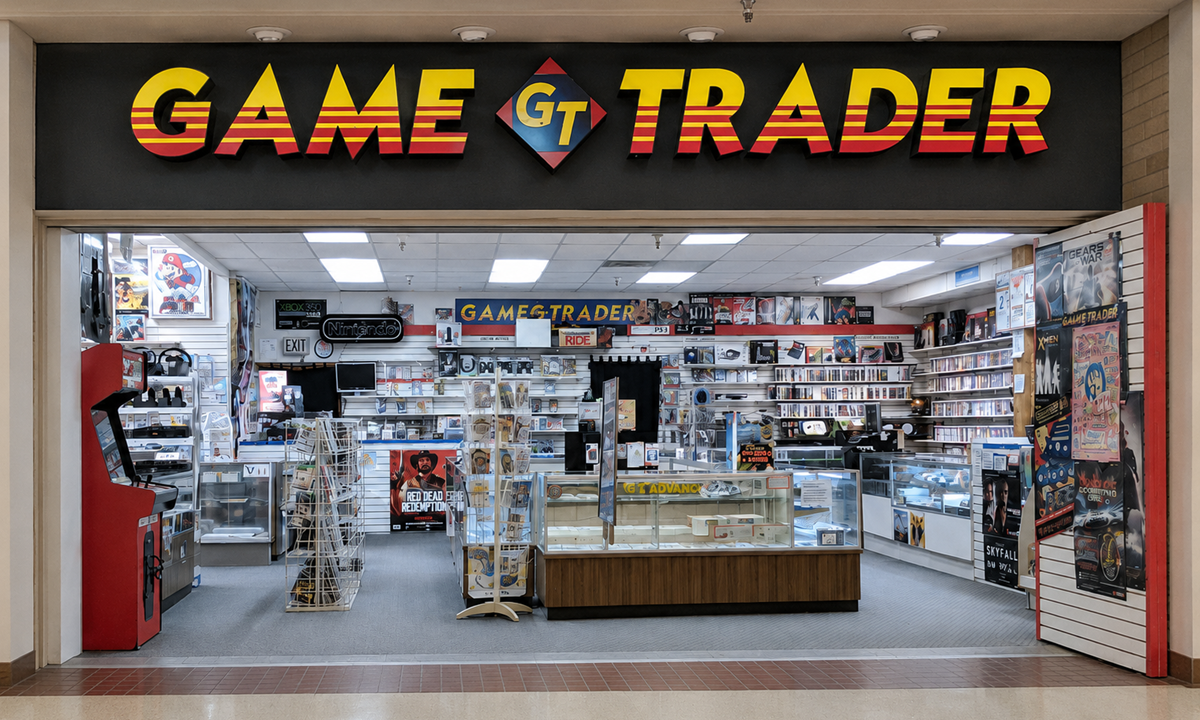
Game Trader did not need hundreds of stores to matter. In the Portland area, it had the kind of local recognition that came from commercials, word of mouth, and the simple fact that there were not endless places to buy and trade games in the late 1990s. The chain operated from 1997 to 2002. That is a short run, but plenty of regional retail memories are built that way, a few years, a few locations, and a lot of people who still remember the sign.
Game Rush
r/blockbustervideo
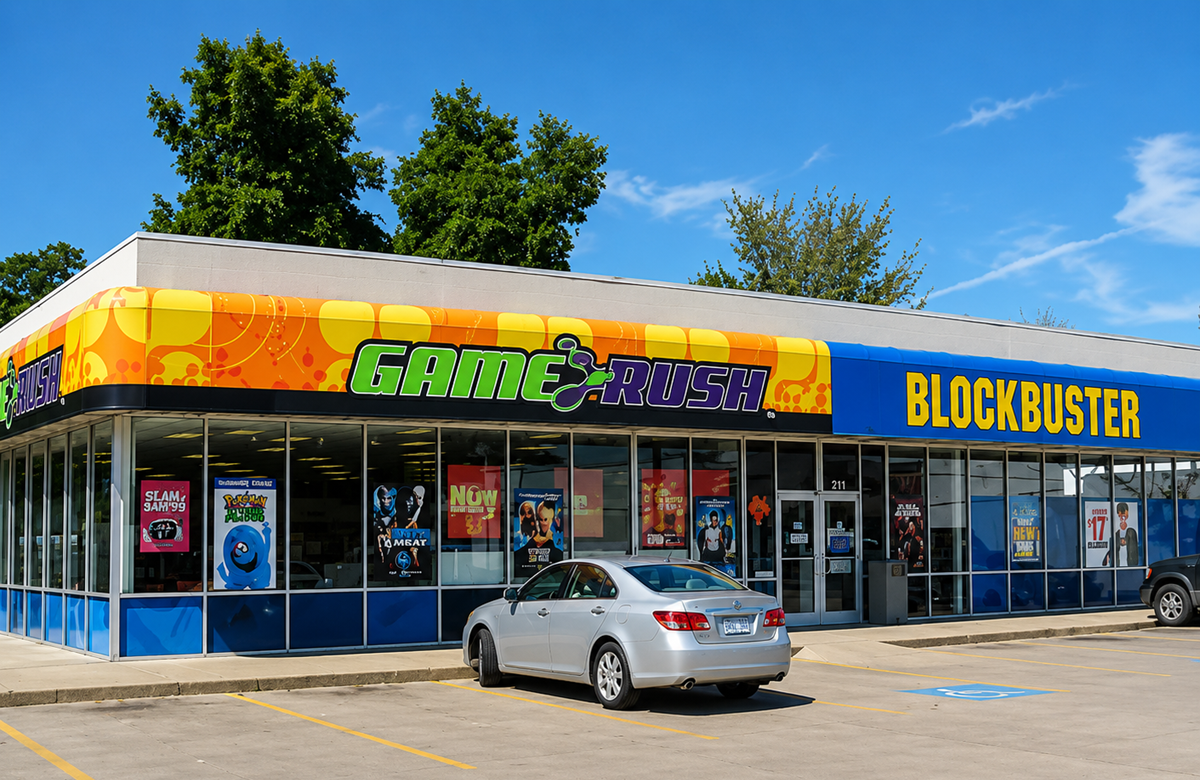
Game Rush was Blockbuster trying to make a real move into game retail instead of treating games as a side category. The concept lived inside Blockbuster stores and focused on game sales, rentals, and trade-ins. For a moment, it made sense. Blockbuster still had traffic, used titles were profitable, and consoles were becoming central to home entertainment. The timing was rough, though. Blockbuster’s larger business was already under pressure, and Game Rush never got enough room to become its own lasting thing.
Hastings Entertainment
r/gaming
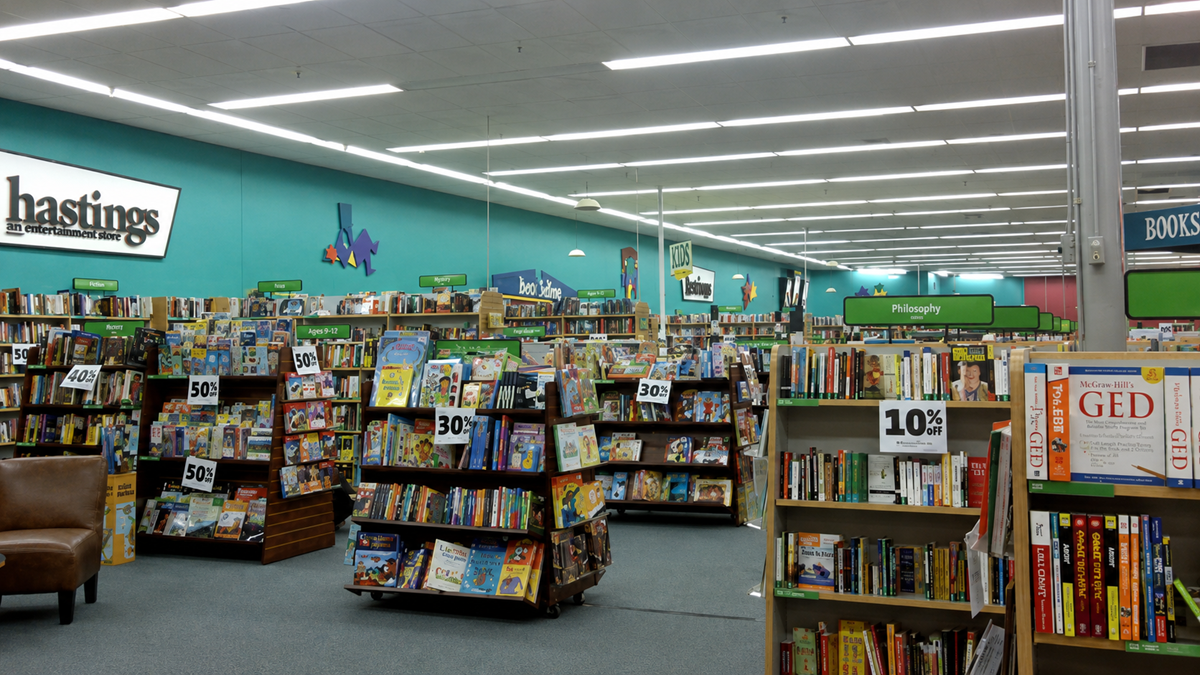
Hastings was not only a video game chain, which is part of why people miss it differently. The stores sold books, movies, music, comics, collectibles, and games, and in smaller markets they often filled the role that several separate specialty stores would have played elsewhere. If you grew up near one, browsing Hastings could take up an entire evening without much planning. Games were one department, but they were a real one, especially during the PS2, Xbox 360, Wii, and DS years. The company filed for bankruptcy in 2016 and liquidated, taking with it a very specific kind of regional entertainment store.
The Game Keeper
Archinect
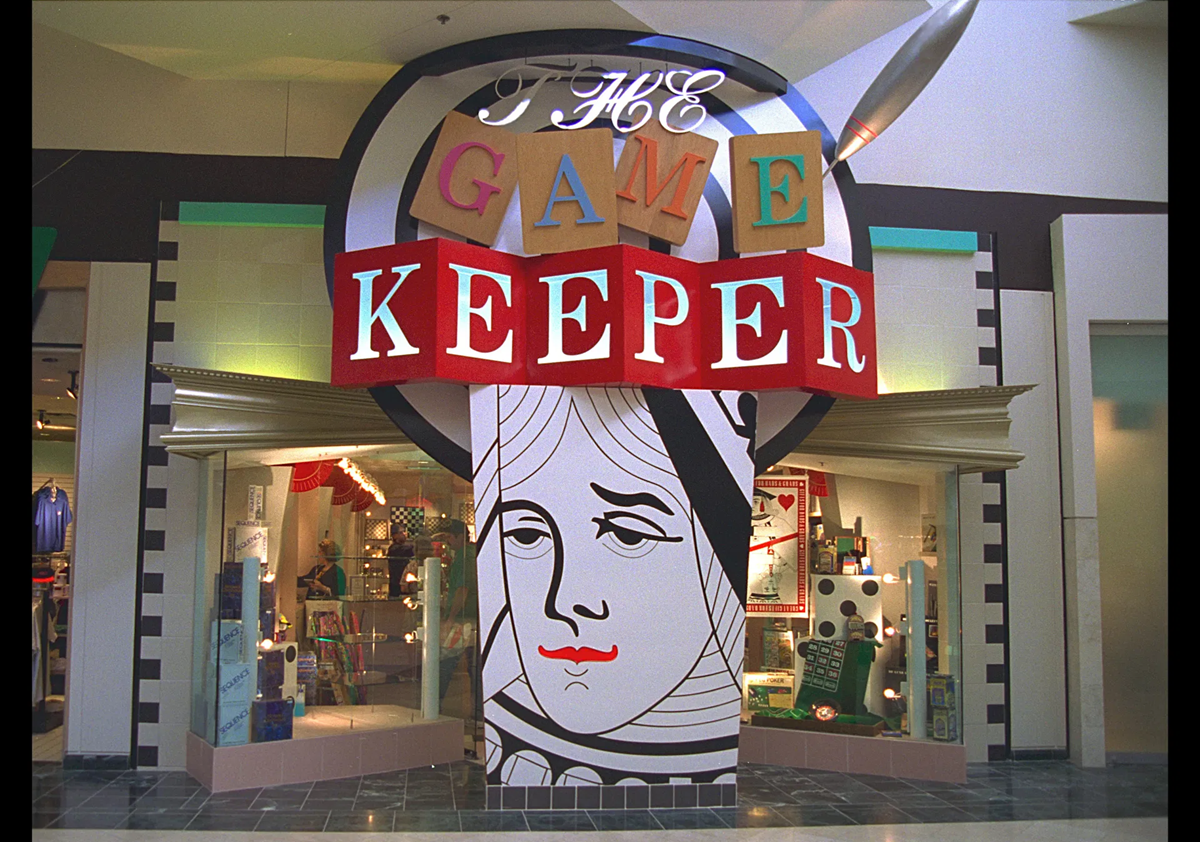
The Game Keeper sat closer to the hobby-store side of gaming, with board games, puzzles, role-playing products, and later ties to Wizards of the Coast. It was not a pure video game retailer, but it belonged to the same mall ecosystem where games of all kinds overlapped more naturally than they do now. Wizards bought the chain in the late 1990s, reworked the stores, and eventually closed its retail locations in the early 2000s. It is the oddball on this list, but that is also why it feels worth remembering.
A lot of these chains disappeared in ways that were not especially dramatic from the outside. A sign changed, a store closed, a trade-in counter was folded into another company, and people moved on. Still, for players who grew up around them, these places were part of how games felt before buying one became a download button.
Continue Reading: