Gaming skills are often dismissed as something trivial, but they actually shape how people think, react, and solve problems in high pressure situations, blending reflexes, strategy, communication, and adaptability into a set of abilities that go far beyond entertainment and can translate directly into real world advantages like faster decision making, better focus, and stronger cognitive performance.
1. Reaction Time
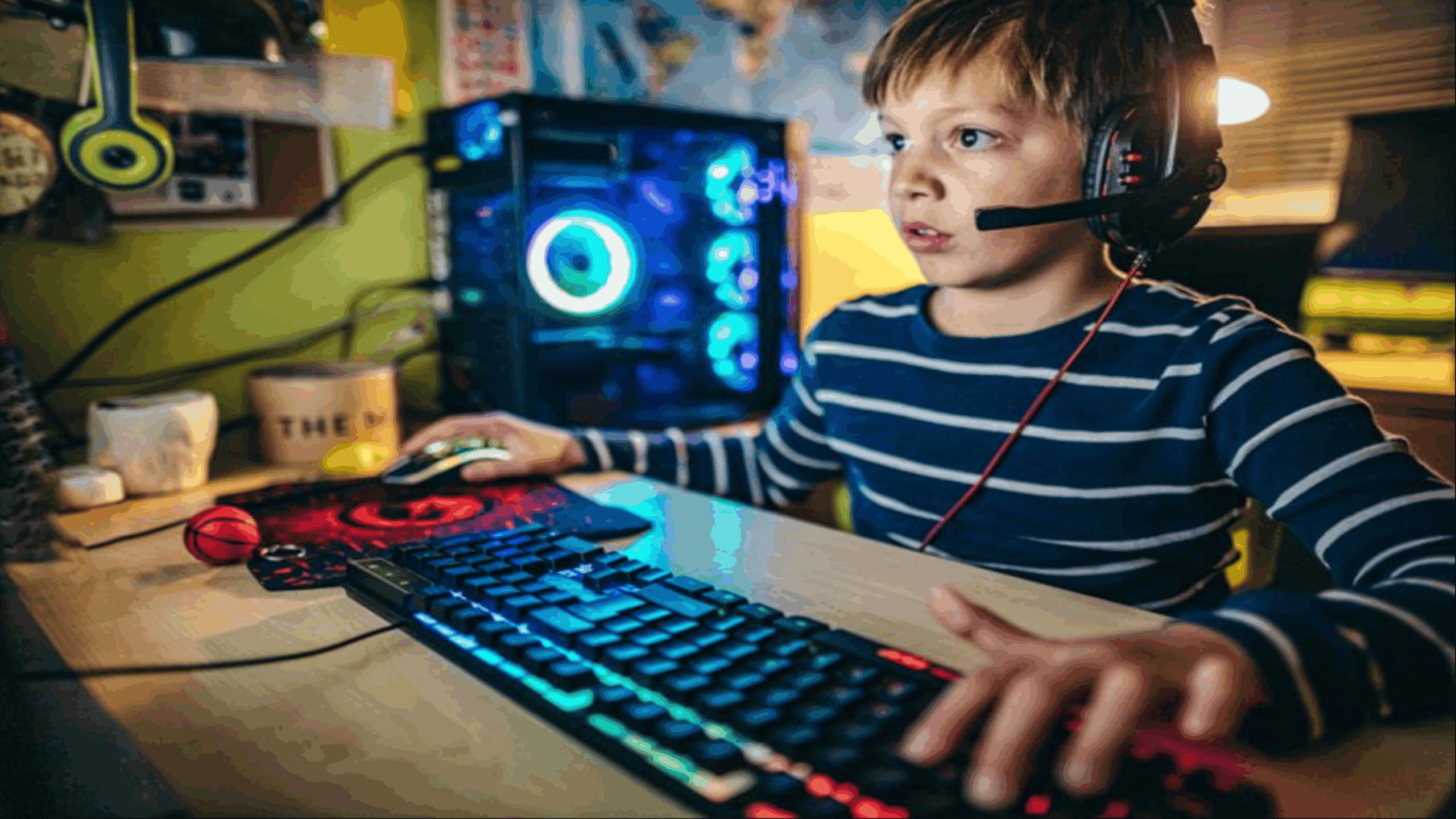
Fast reactions allow players to process visual information and respond almost instantly, and among all gaming skills this is one of the most immediately noticeable because it directly impacts performance in both virtual and real world high pressure situations
2. Pattern Recognition
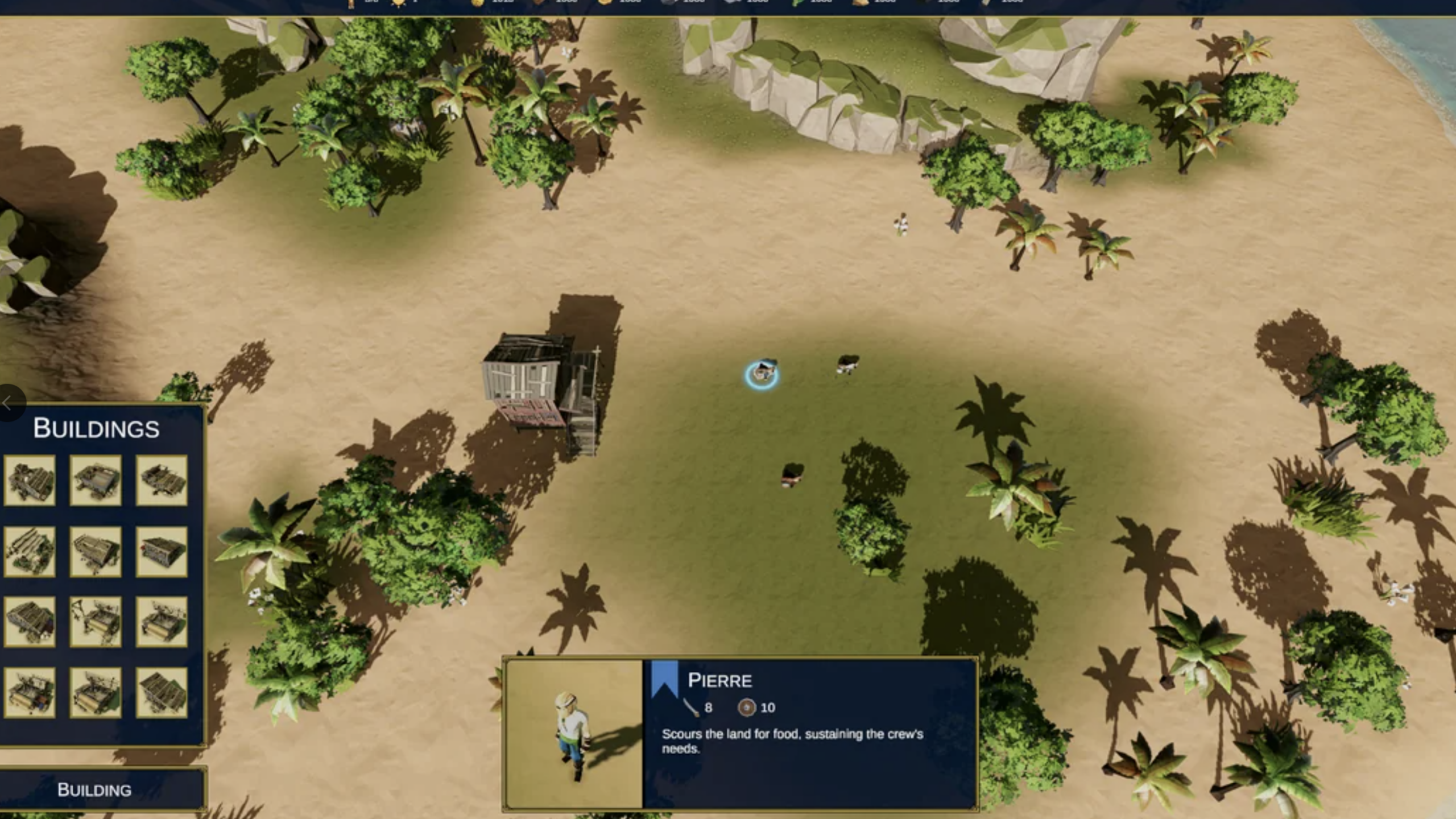
Recognizing patterns in enemy behavior, maps, or mechanics trains the brain to detect trends quickly, improving learning speed and anticipation across different types of challenges.
3. Strategic Thinking
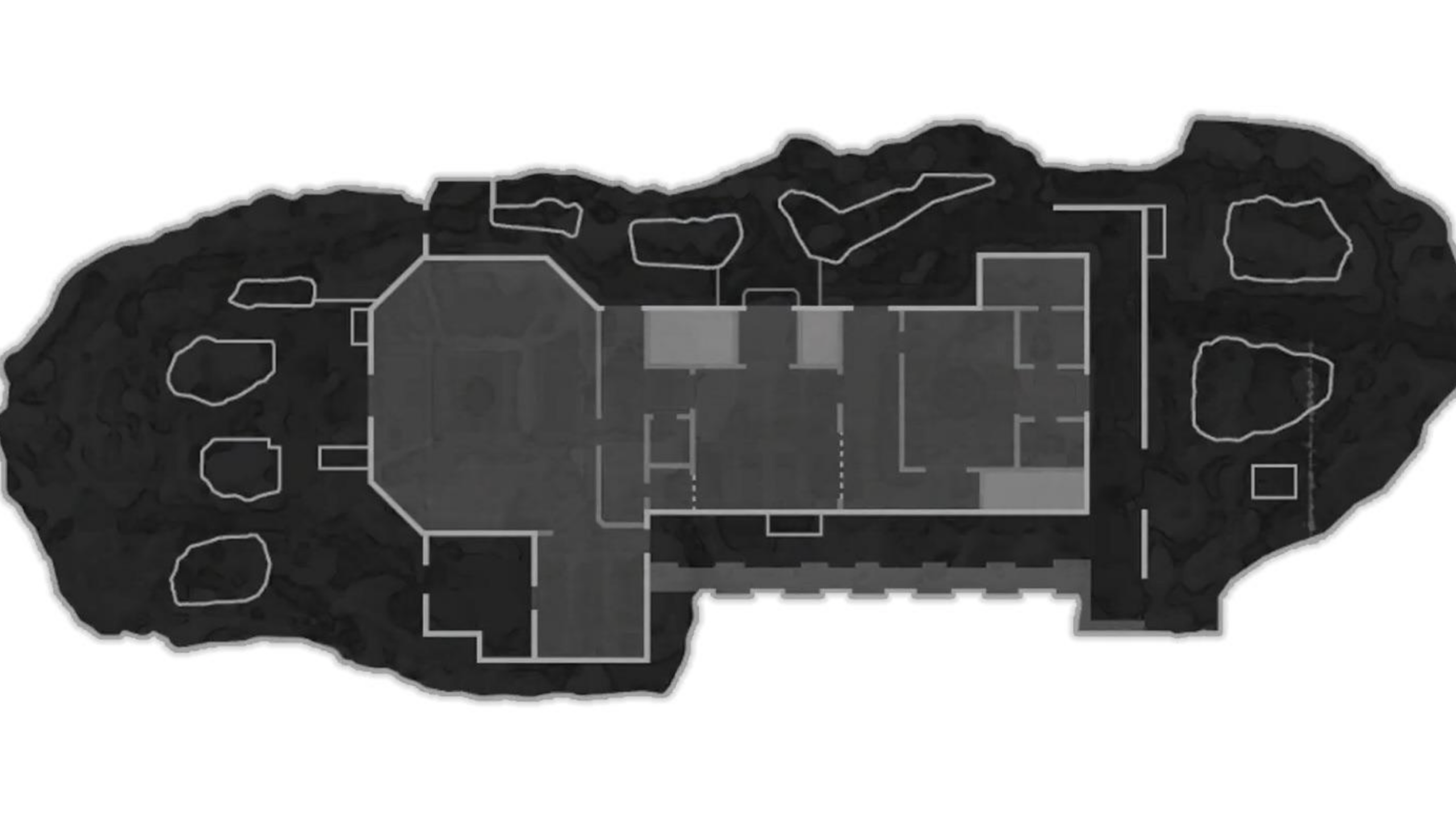
Planning ahead and thinking several steps forward is one of the most valuable gaming skills, helping players evaluate consequences and make smarter long term decisions instead of reacting impulsively.
4. Multitasking
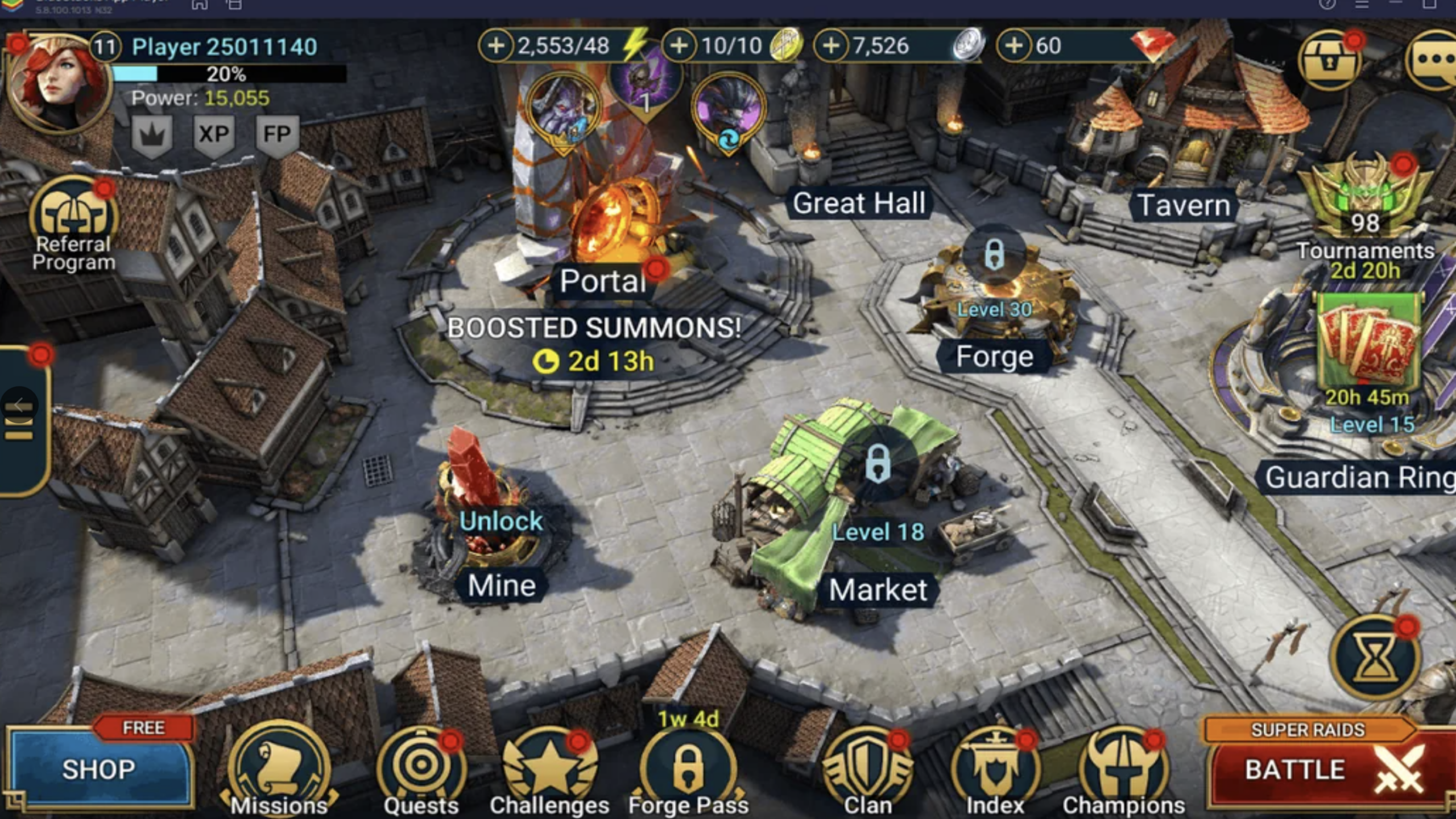
Handling multiple elements at once like cooldowns, positioning, communication, and objectives forces the brain to process several streams of information simultaneously without losing efficiency.
5. Hand Eye Coordination
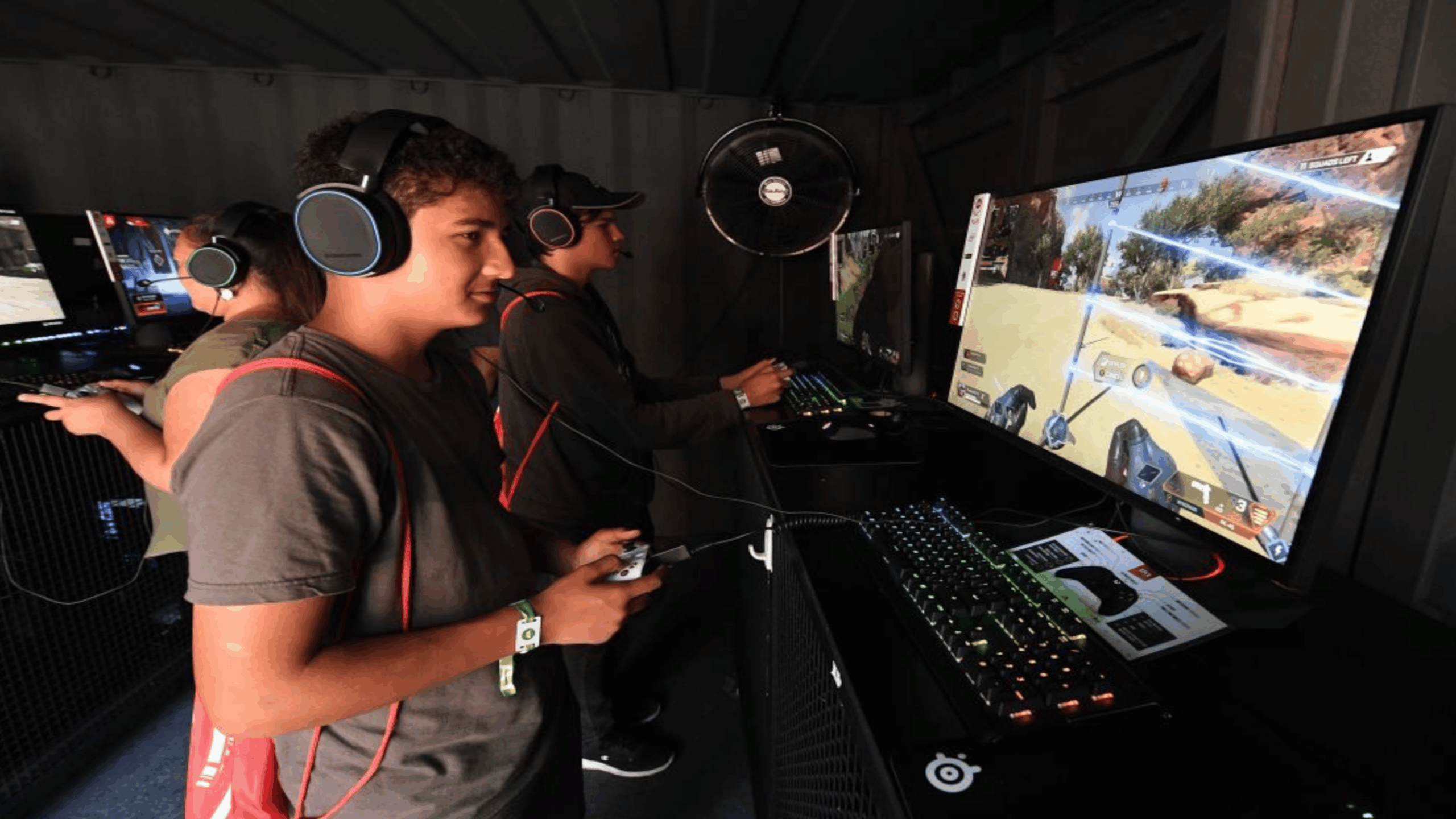
Precise movements and fast visual response improve coordination significantly, making this one of the core gaming skills that directly enhances accuracy and control.
Trending on realmoneygamer.com

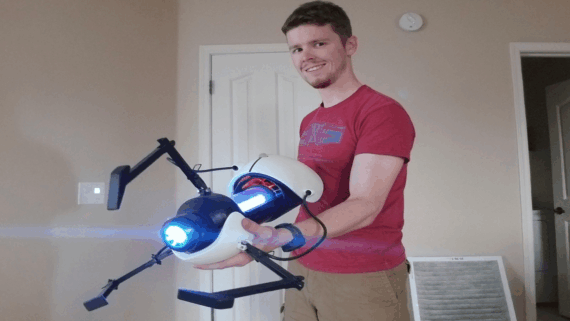
6. Adaptability
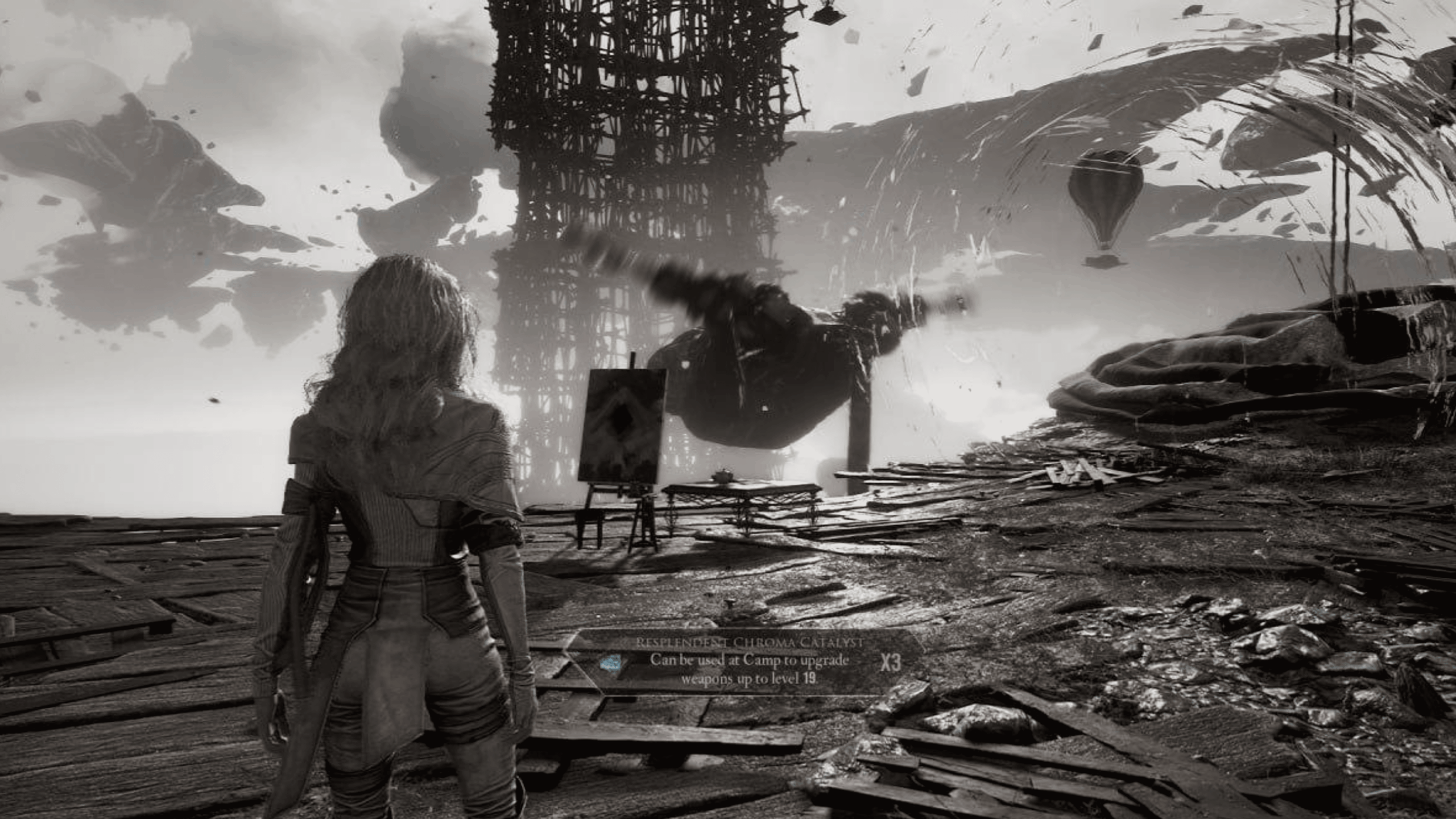
Games constantly change scenarios, forcing players to adjust strategies quickly, which builds mental flexibility and the ability to stay effective even when plans fall apart.
7. Resource Management
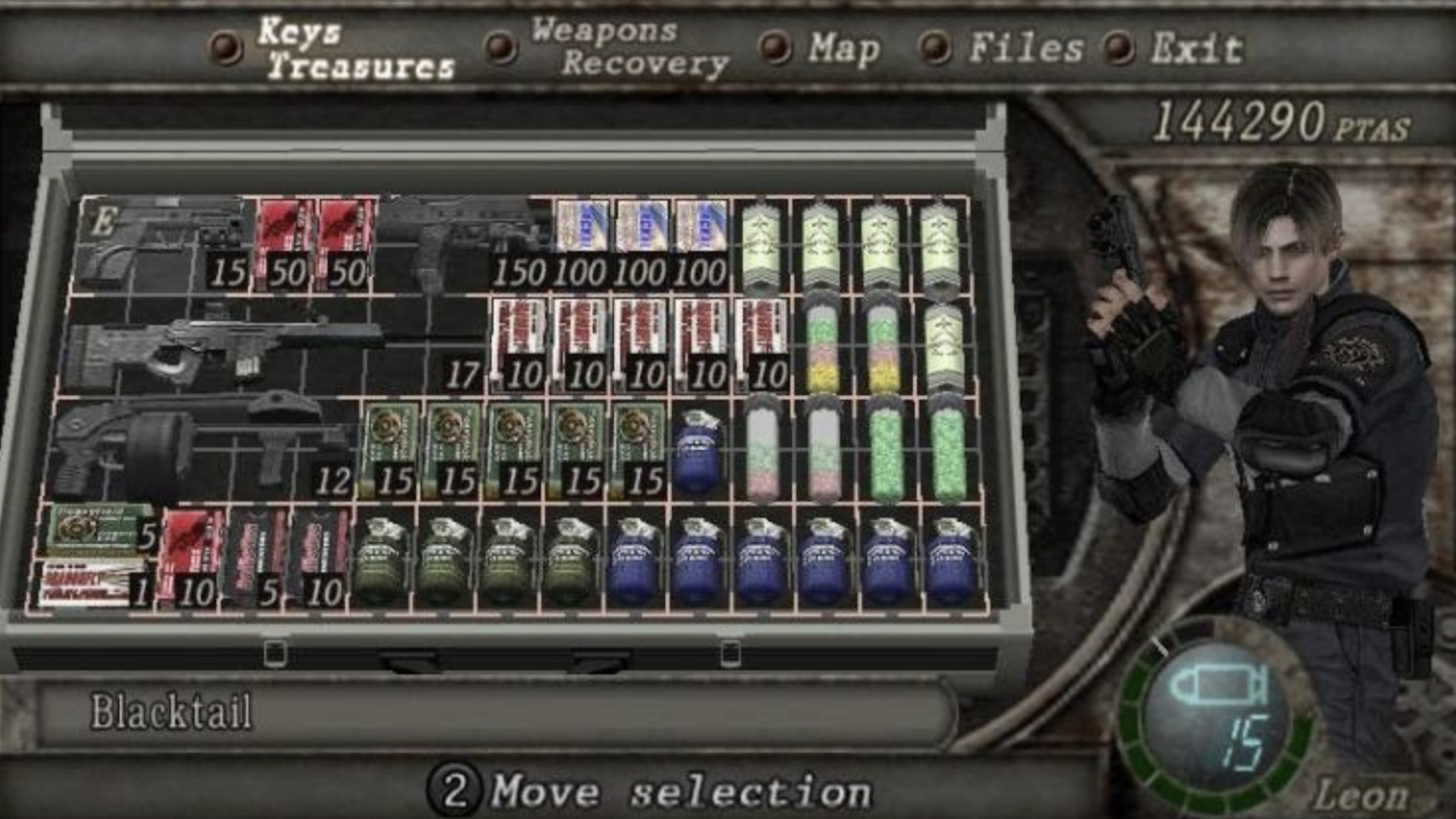
Managing limited resources like ammo, currency, or time teaches prioritization and efficiency, and it stands out as one of the most practical gaming skills for real life decision making.
8. Decision Making Under Pressure
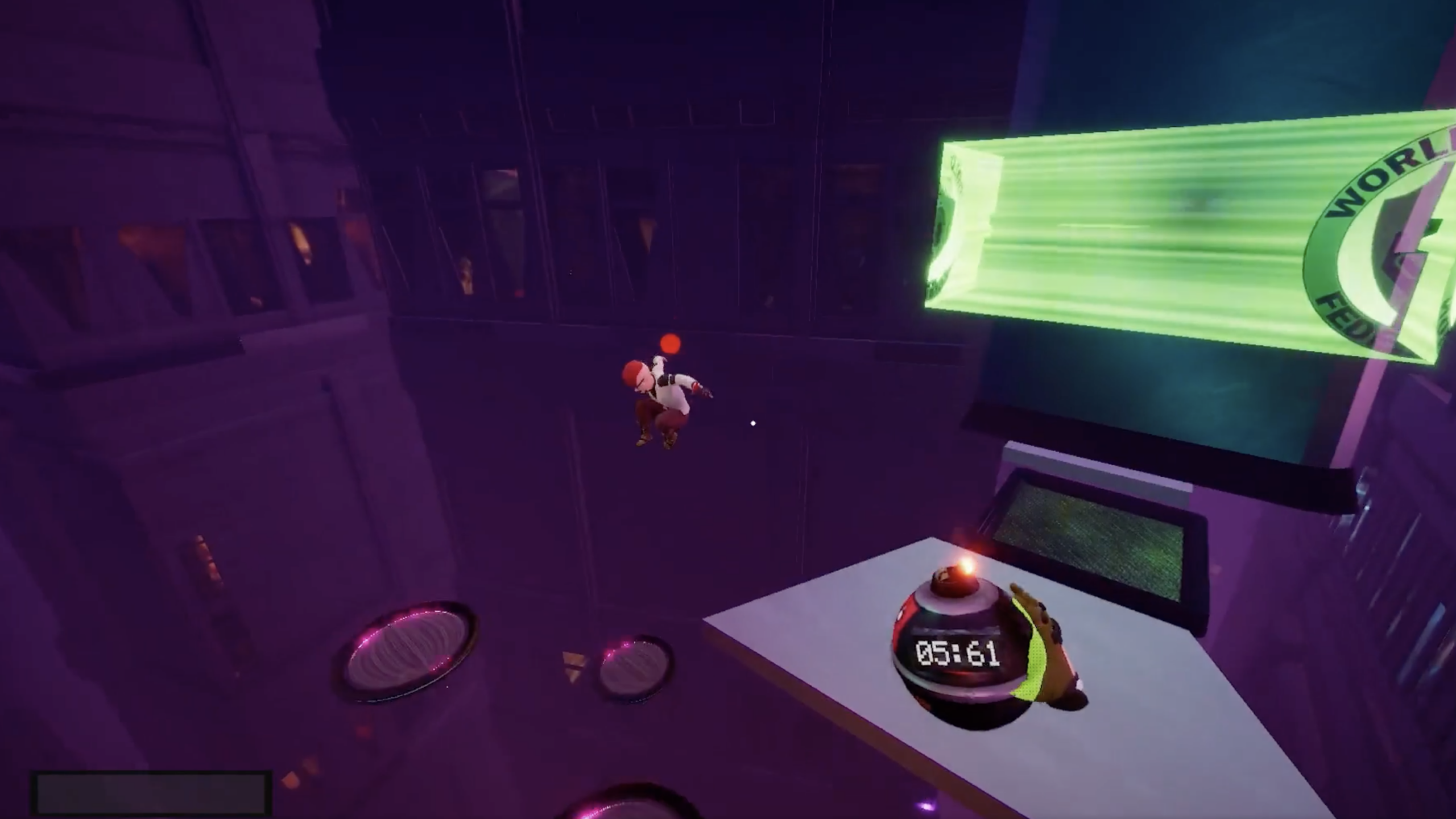
Making fast decisions with incomplete information is a constant in gaming, helping players trust their instincts and act decisively in stressful situations.
9. Communication
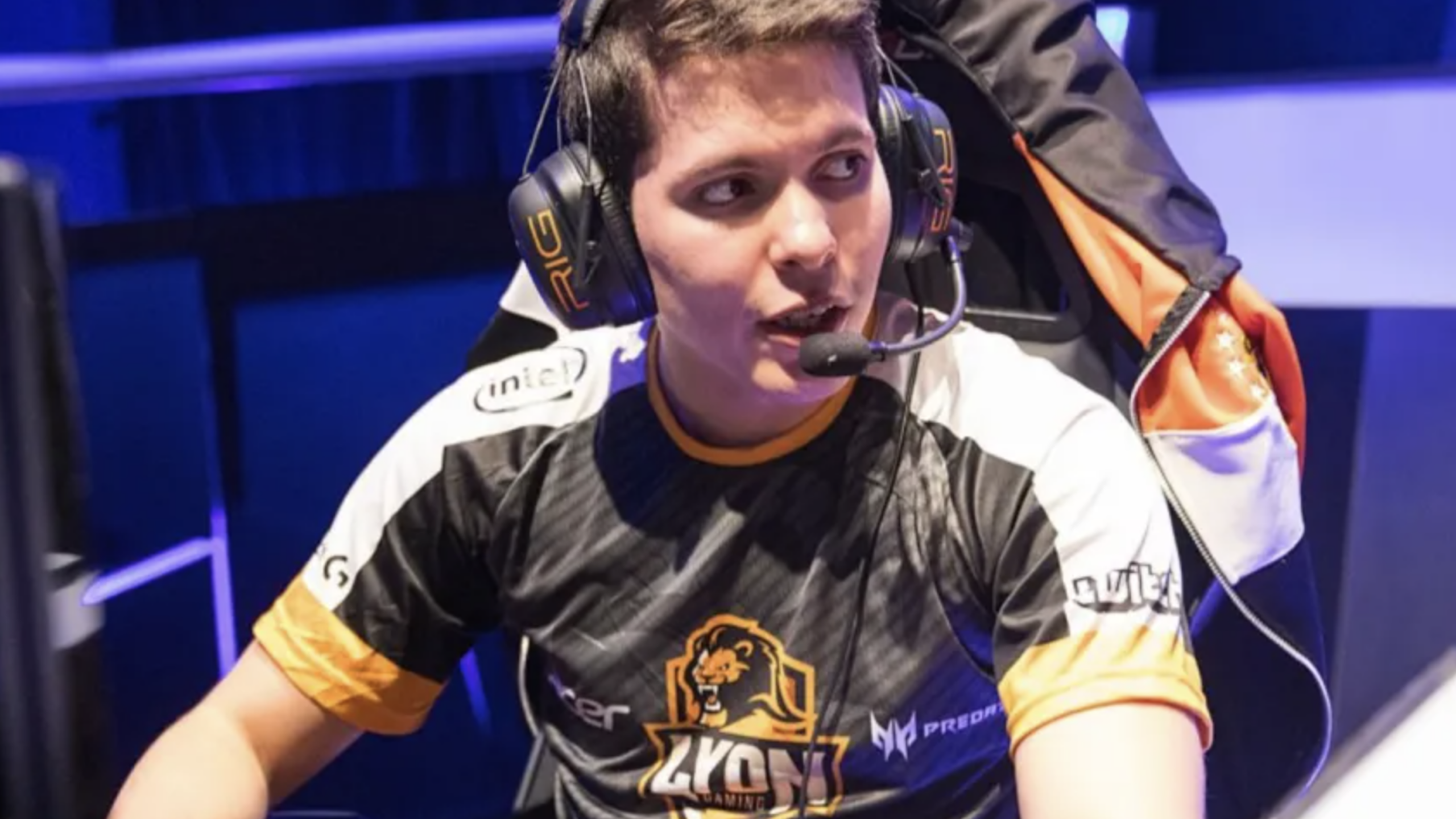
Team based environments turn communication into one of the most underrated gaming skills, improving how players express ideas and coordinate with others toward a common goal.
10. Focus and Concentration
Sustained attention during long sessions strengthens mental endurance, making focus one of the gaming skills that directly impacts productivity outside of gaming.
11. Problem Solving

Games present constant challenges that require creative solutions, pushing players to think critically and adapt quickly to overcome obstacles.
12. Spatial Awareness
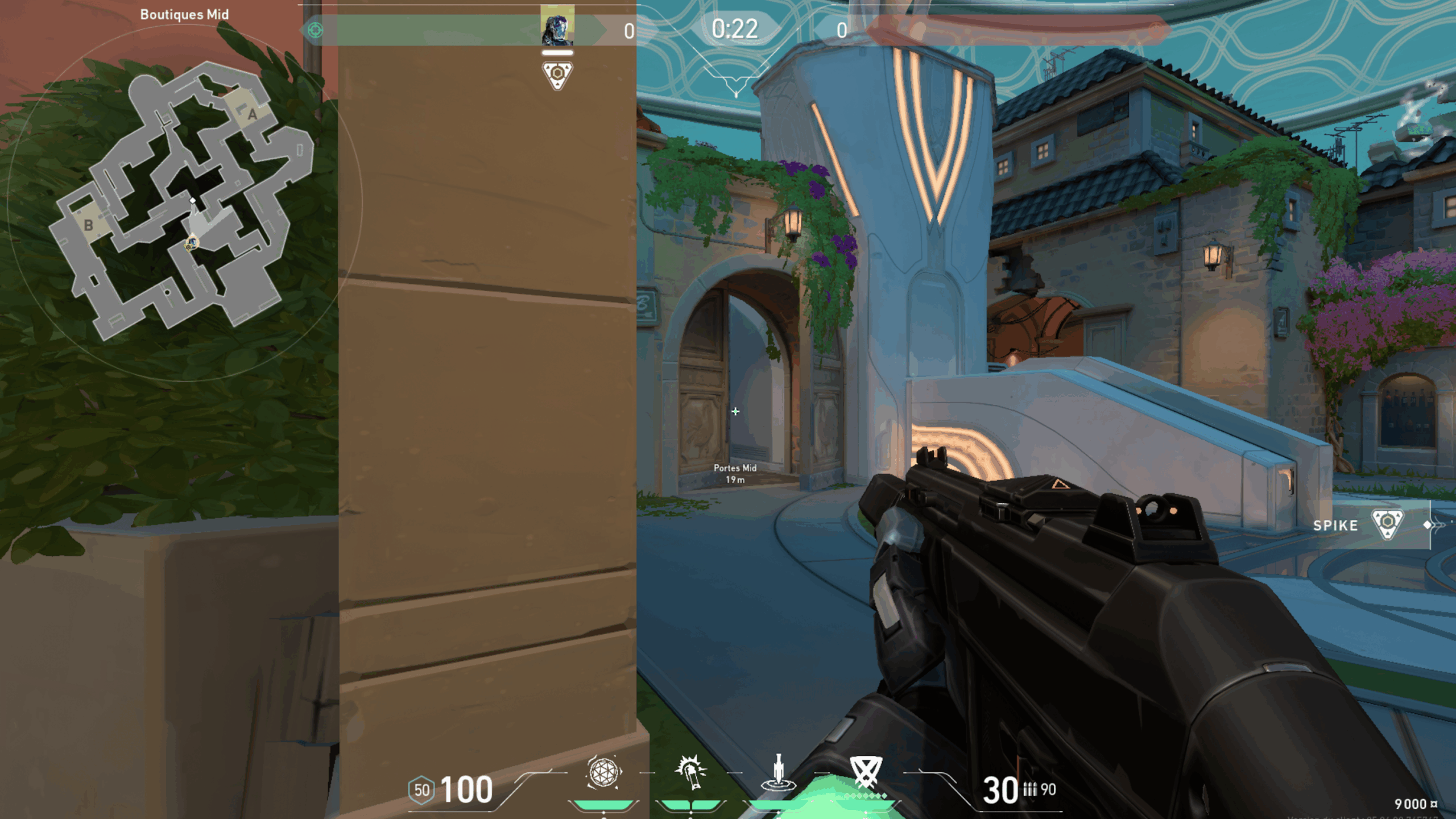
Understanding positioning, movement, and distance is one of those gaming skills that improves both in game performance and real world navigation.
13. Timing
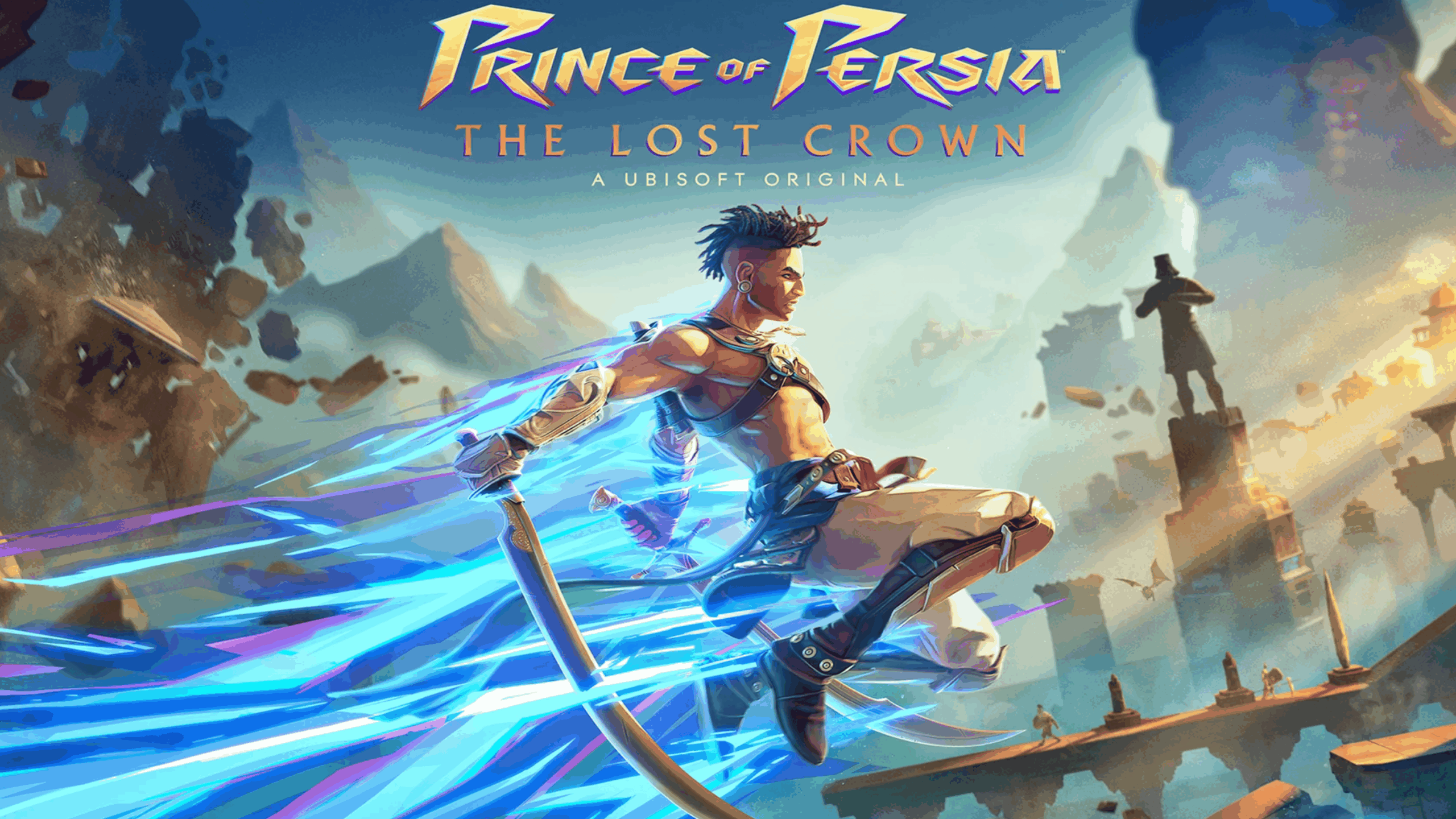
Knowing when to act is often more important than how, and timing becomes one of the gaming skills that separates average players from high level ones.
14. Memory
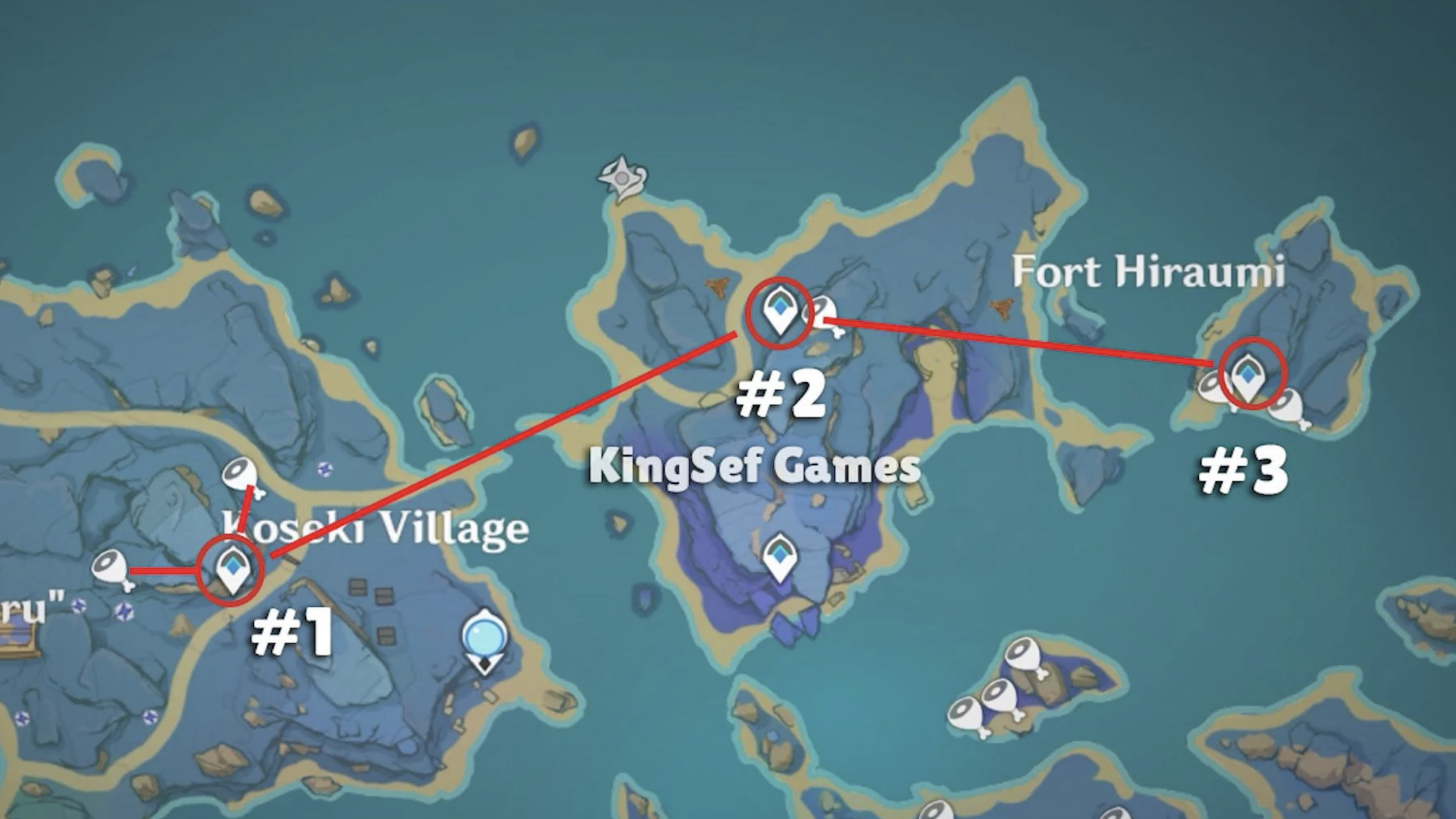
Remembering maps, mechanics, and strategies strengthens both short term and long term memory, improving retention overall.
15. Risk Assessment
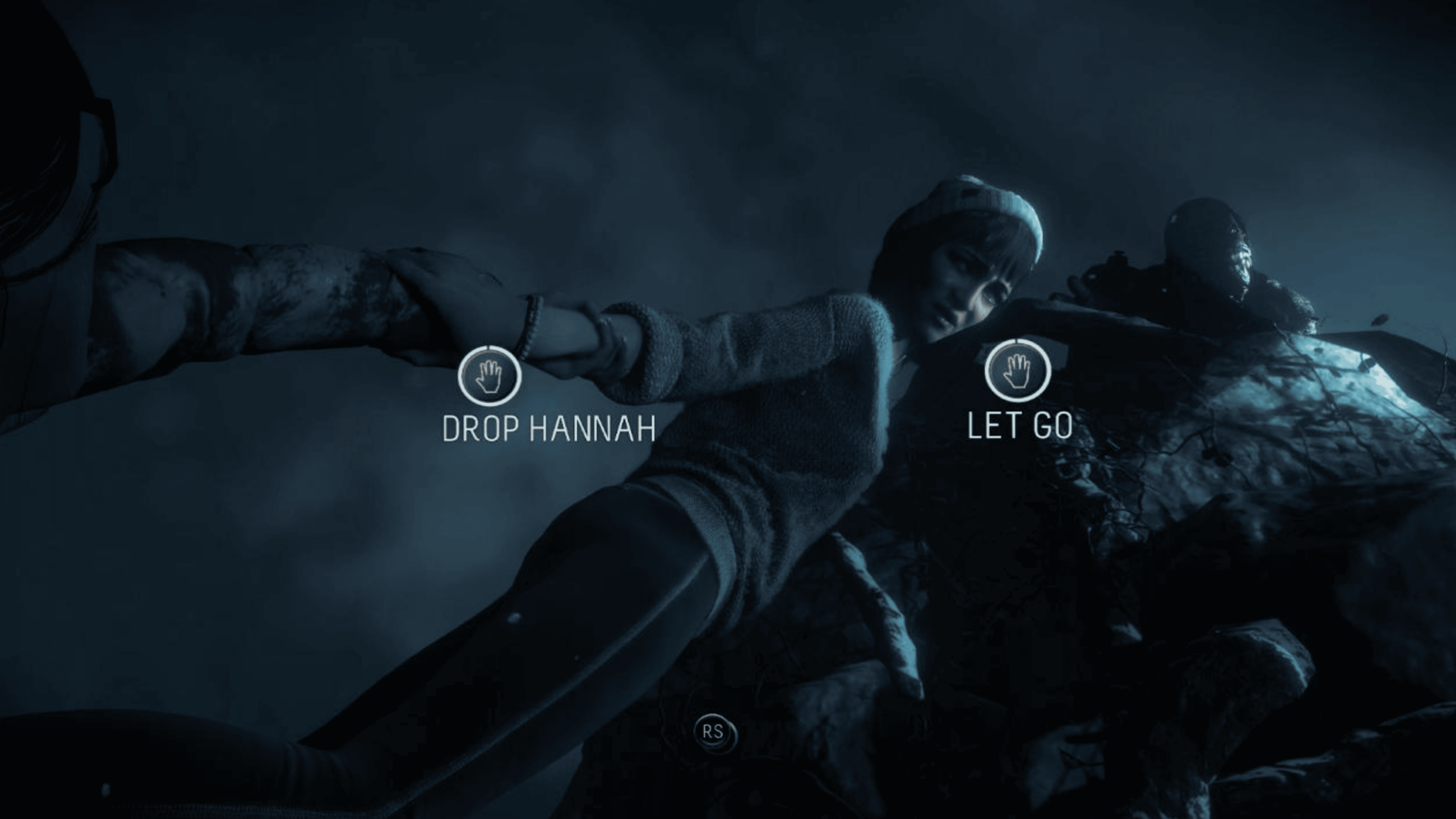
Evaluating risk versus reward is one of the gaming skills that helps players make smarter decisions when outcomes are uncertain.
16. Leadership
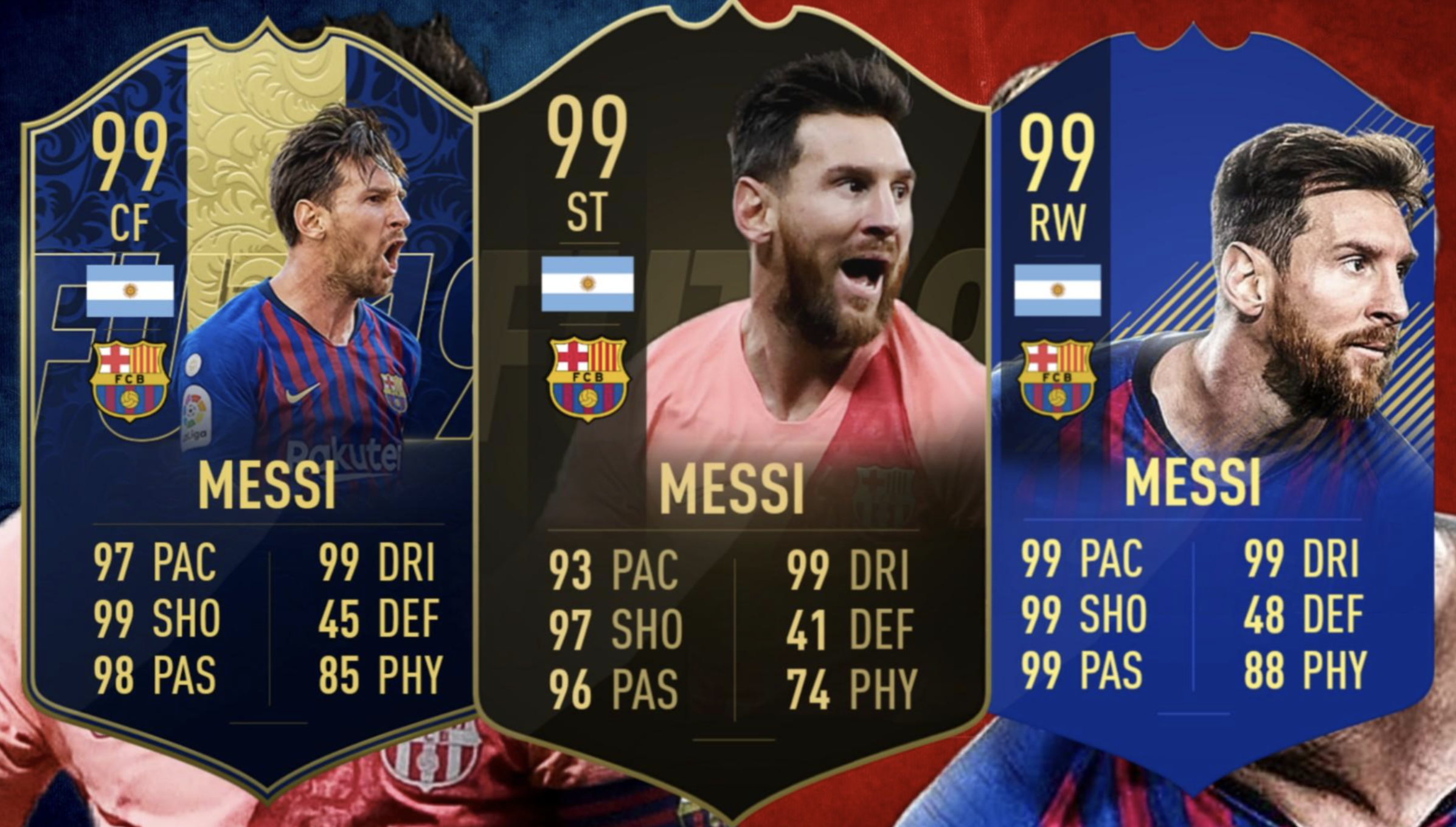
Taking control in team scenarios builds leadership naturally, turning it into one of the gaming skills that translates directly into real world environments.
17. Persistence
Repeated attempts and failure build resilience, a key gaming skill that reinforces long term growth and discipline.
18. Learning Speed
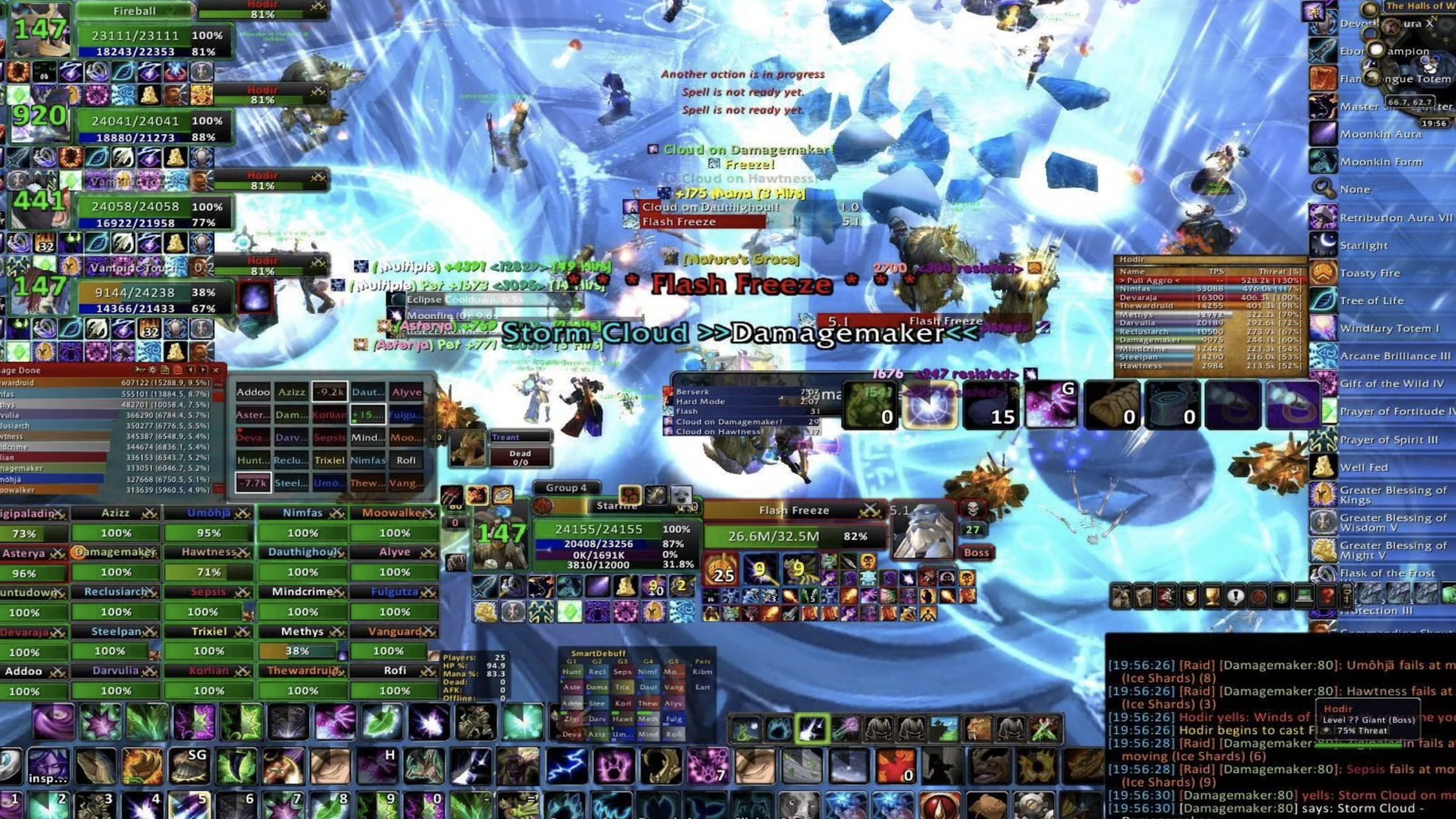
Players constantly learn new systems and mechanics, but what stands out is how gaming skills accelerate adaptation to unfamiliar environments.
19. Emotional Control
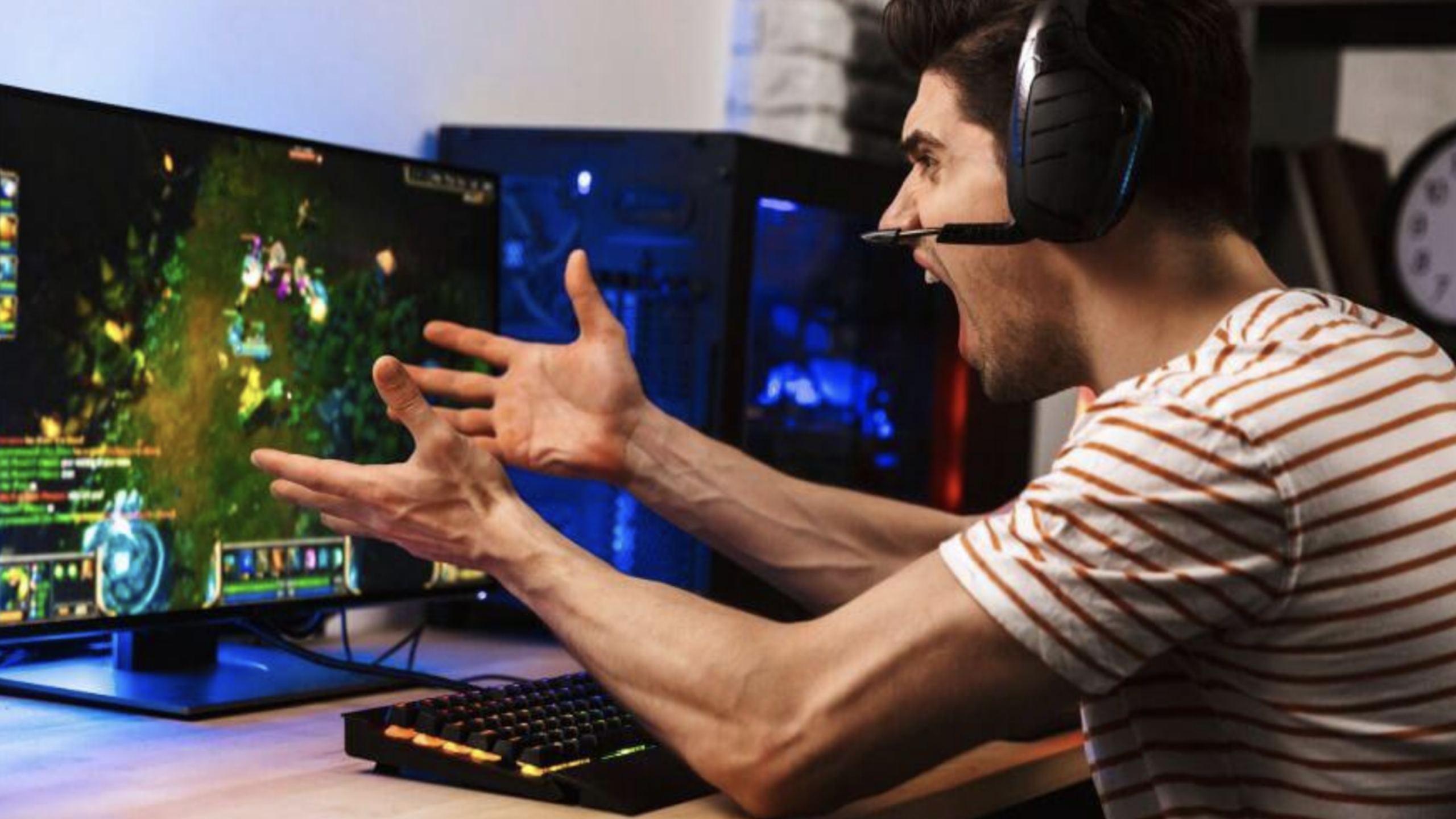
Staying calm under pressure helps maintain performance, especially in competitive settings where emotions can impact results.
20. Gaming Skills That Boost Creativity
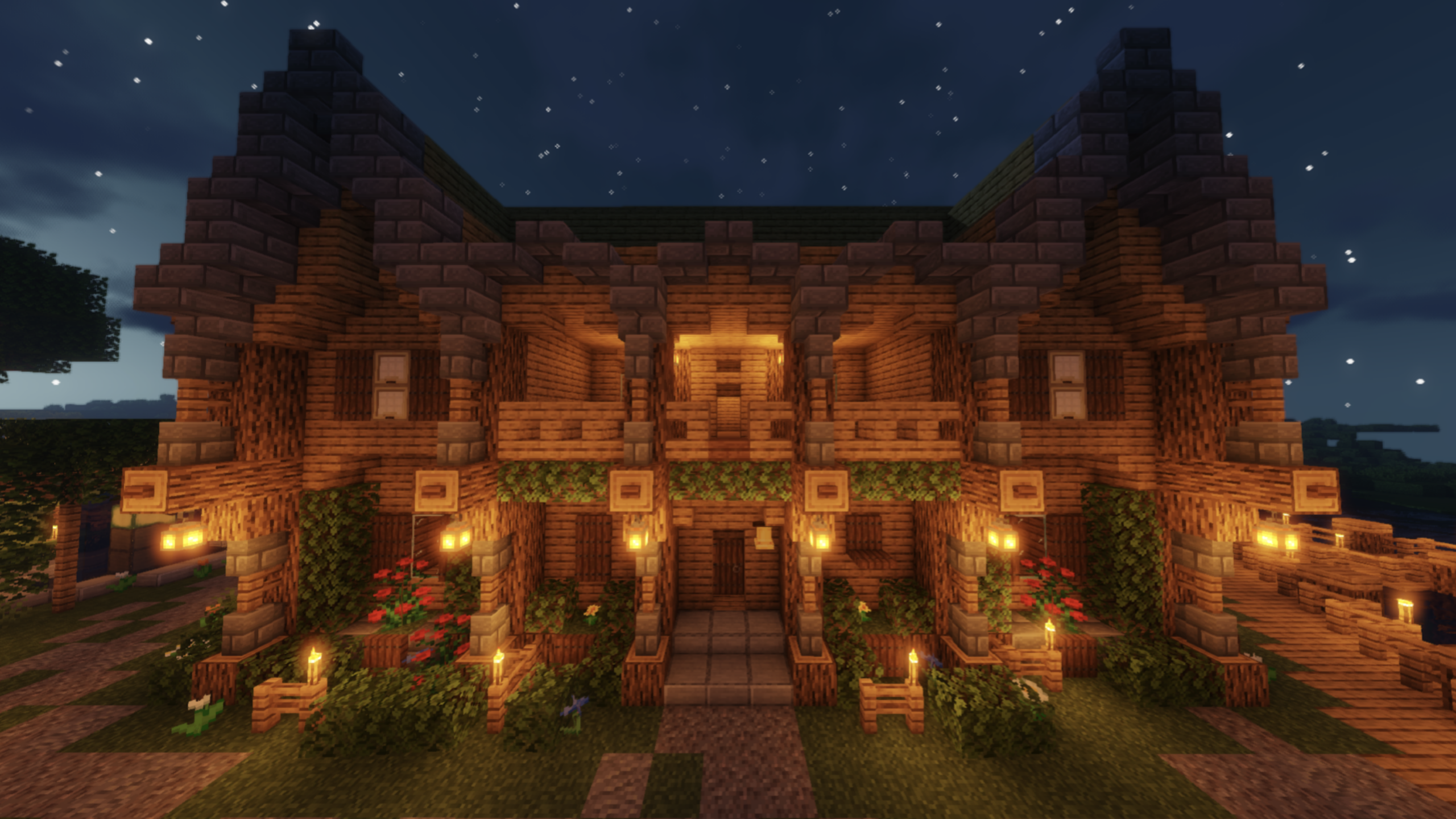
Creativity is one of the most powerful gaming skills, as many games reward experimentation and unconventional thinking, allowing players to approach problems in unique ways.
What looks like “just playing” is actually training, and the people who understand how to transfer these abilities into real life situations are the ones who gain a real advantage.