Gaming products have reached a point where the line between real merchandise and internet chaos barely exists anymore. Somewhere between custom creators, bootleg designers, cursed marketplace listings, and people with way too much free time, the internet became filled with products that look perfectly official right up until your brain notices something deeply wrong.
Maybe it’s a PlayStation controller shaped like a hamburger. Maybe it’s a Pokémon console with terrifyingly unofficial artwork. Or maybe it’s one of those gaming chairs that somehow looks legally dangerous. Either way, these products all share the same magical quality: they trick your brain for exactly three seconds before reality completely falls apart.
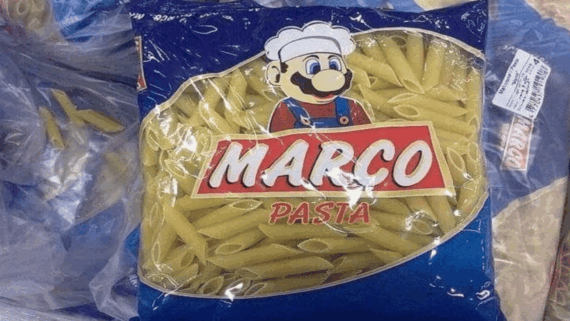
1. Mario Finally Opened the Pasta Restaurant Nobody Asked For
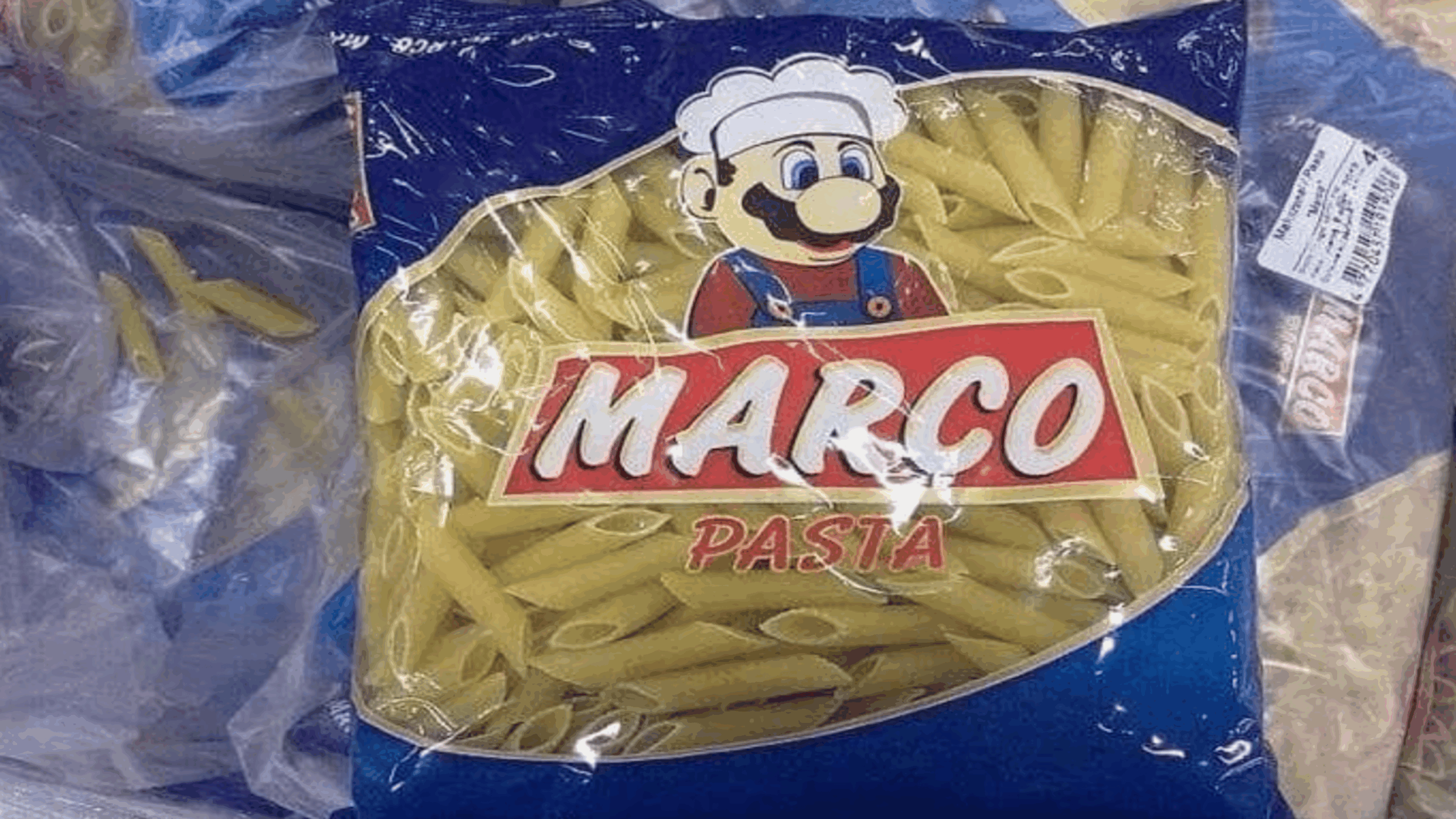
Somewhere between copyright infringement and culinary ambition, this pasta package was born. Bootleg culture often treated gaming mascots like public property, turning gaming products into accidental pop-art experiments.
2. FONY Really Said “Close Enough” and Printed the Boxes Anyway
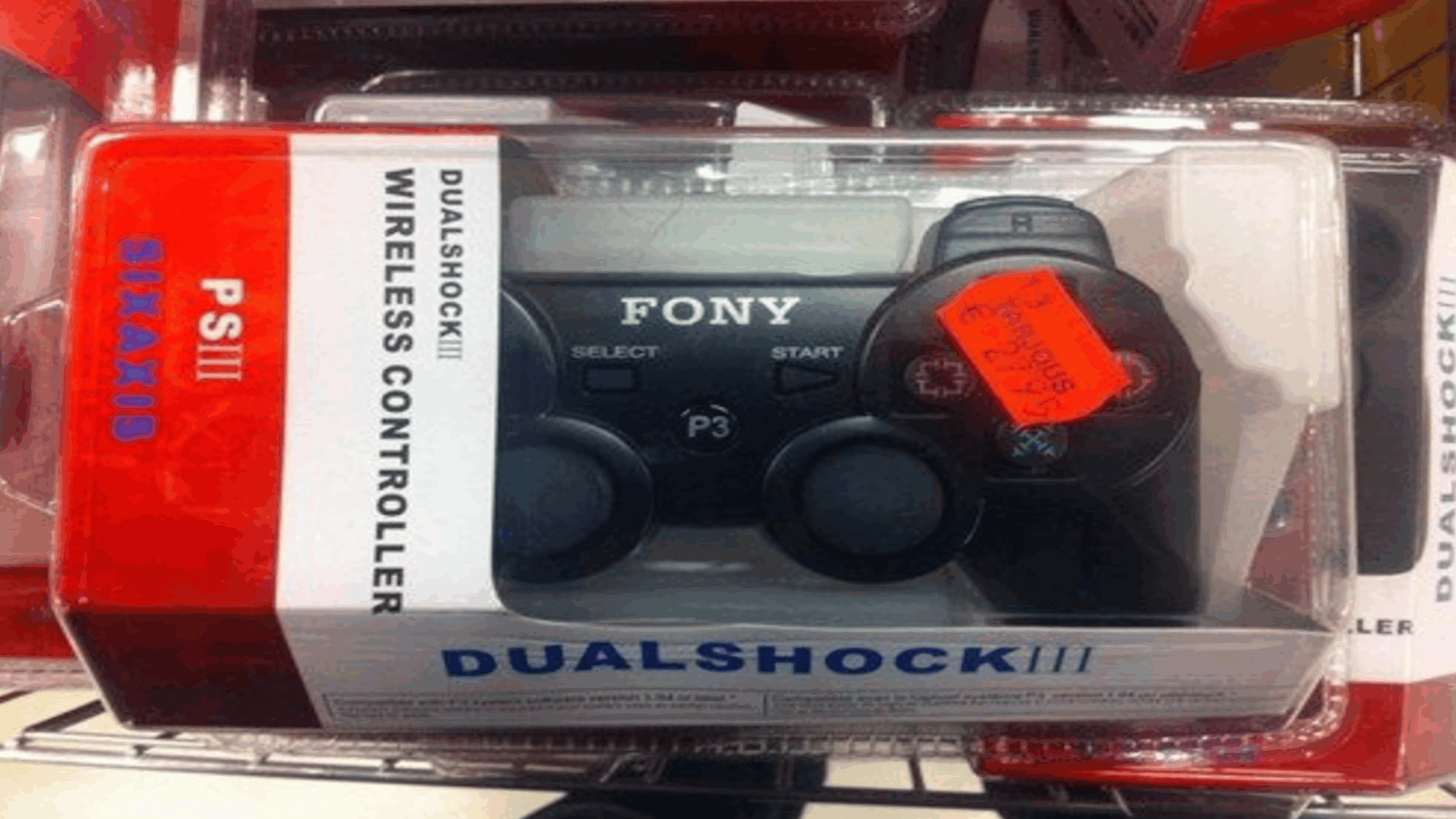
Nothing summarizes pirated gaming culture better than a fake DualShock controller branded as “FONY.” These gaming products were ridiculous, low quality, and technically illegal, but they also became part of gaming history in the weirdest possible way.
3. Pikachu Promoting a PlayStation Clone Feels Illegal Somehow
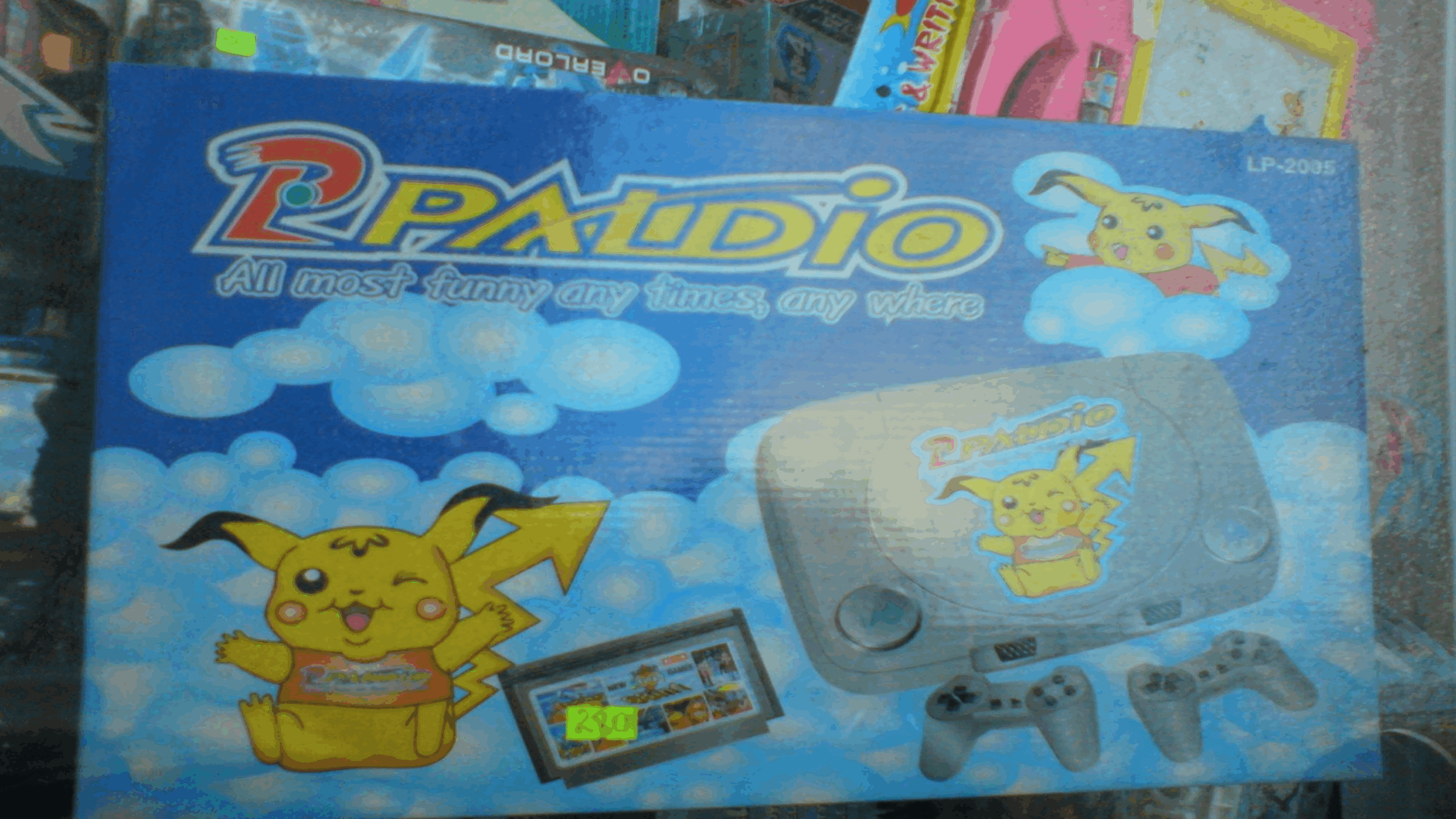
The “Praidio” handheld looks like three lawsuits fused together into one machine. These fake gaming products were less about originality and more about creating something familiar enough to trick excited parents at local markets.
4. Someone Turned an NES Into a Sneaker and Honestly It Kinda Works
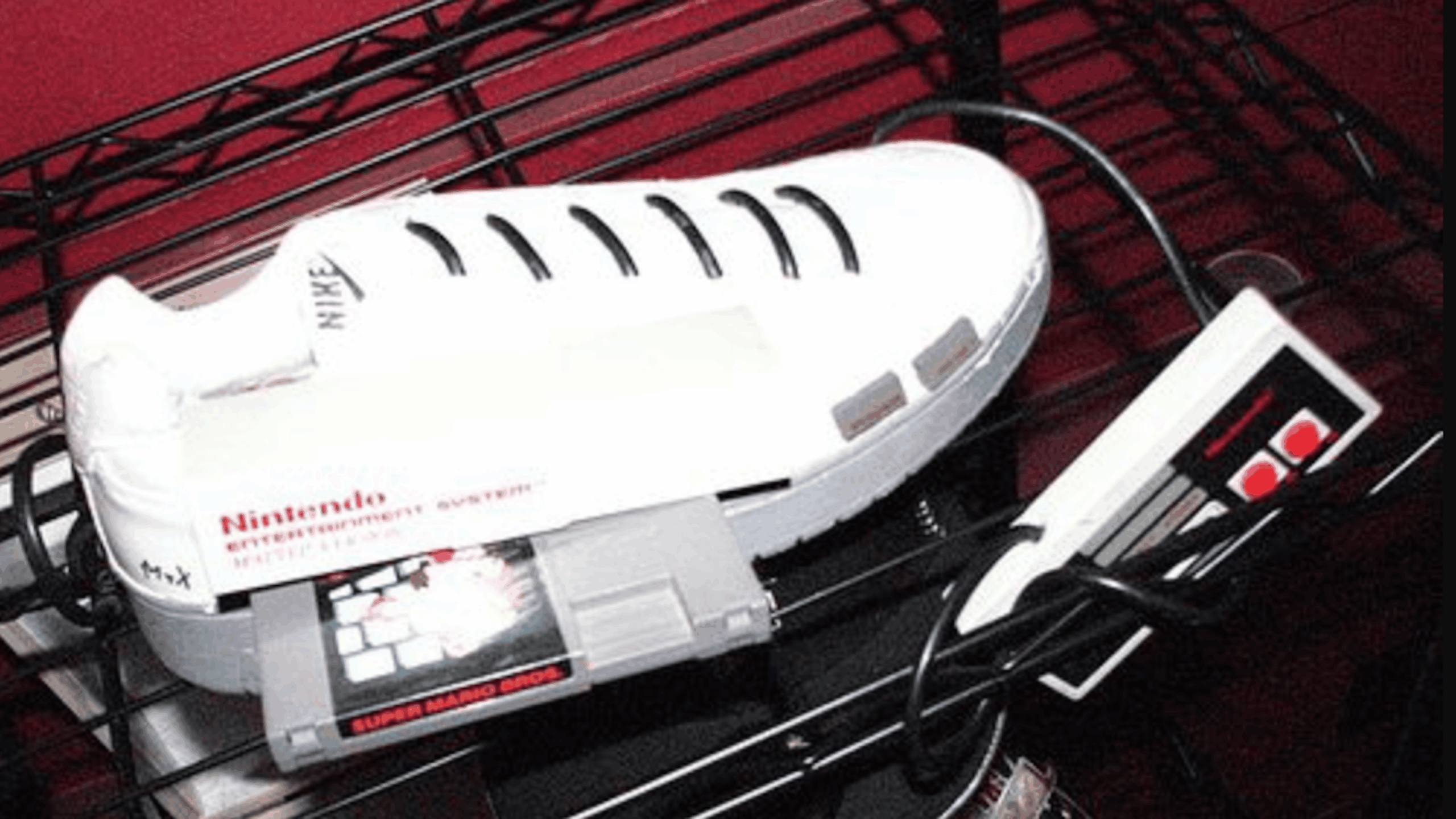
This thing isn’t a normal shoe with a Nintendo logo slapped on it. It’s literally shaped like a tiny NES console, complete with controller details and cartridge vibes. Fake gaming products like this perfectly capture how bootleg culture stopped caring about realism and started creating objects that felt almost surreal.
5. The “Game Child” Was One Step Away From Being Completely Honest
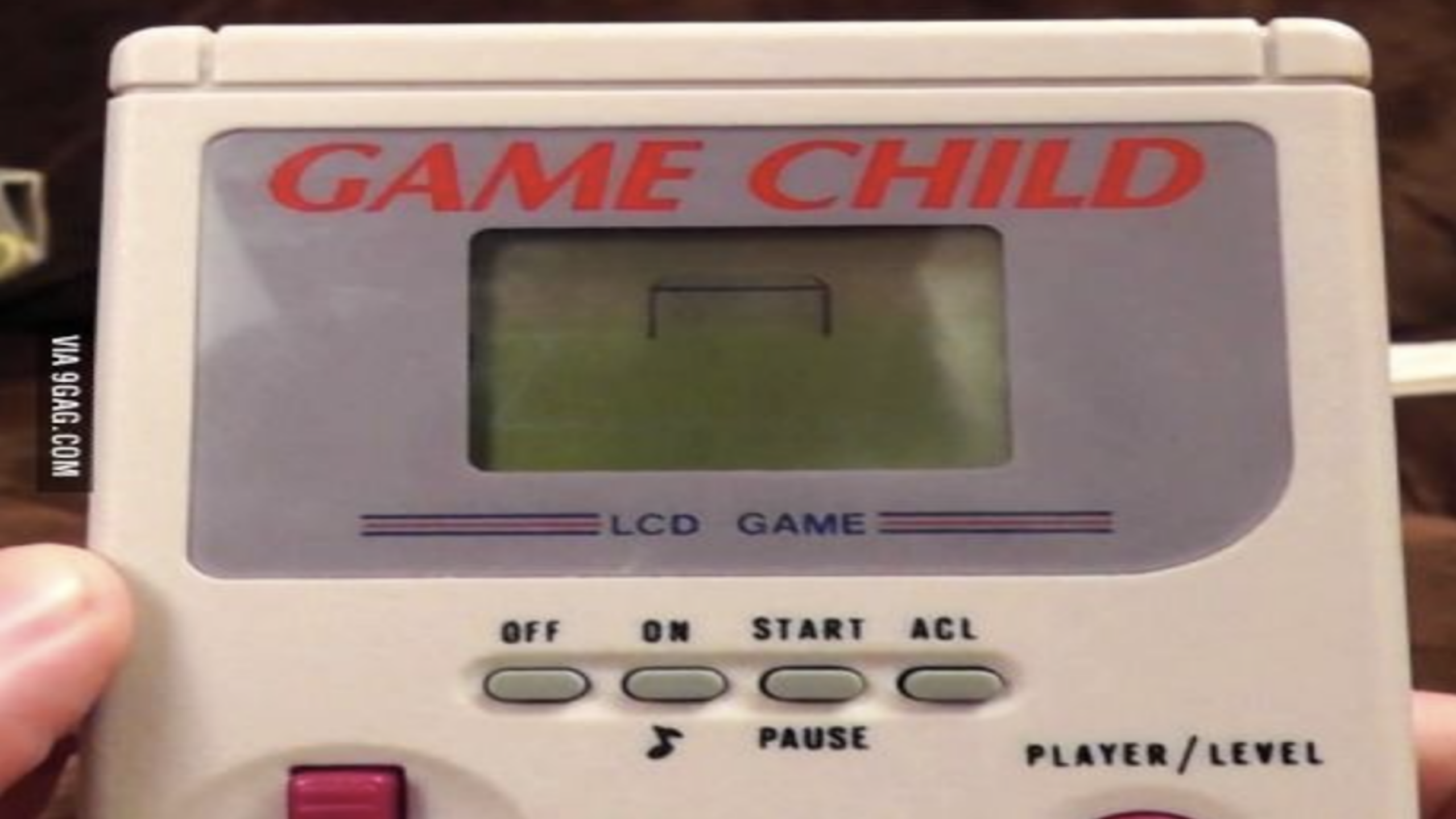
At least this clone didn’t try too hard. Counterfeit consoles like this became iconic because they accidentally revealed how recognizable Nintendo’s designs really were, even after being copied with almost zero effort.
Trending on realmoneygamer.com
6. The Super Megason Somehow Had 8500 Games and Zero Permission
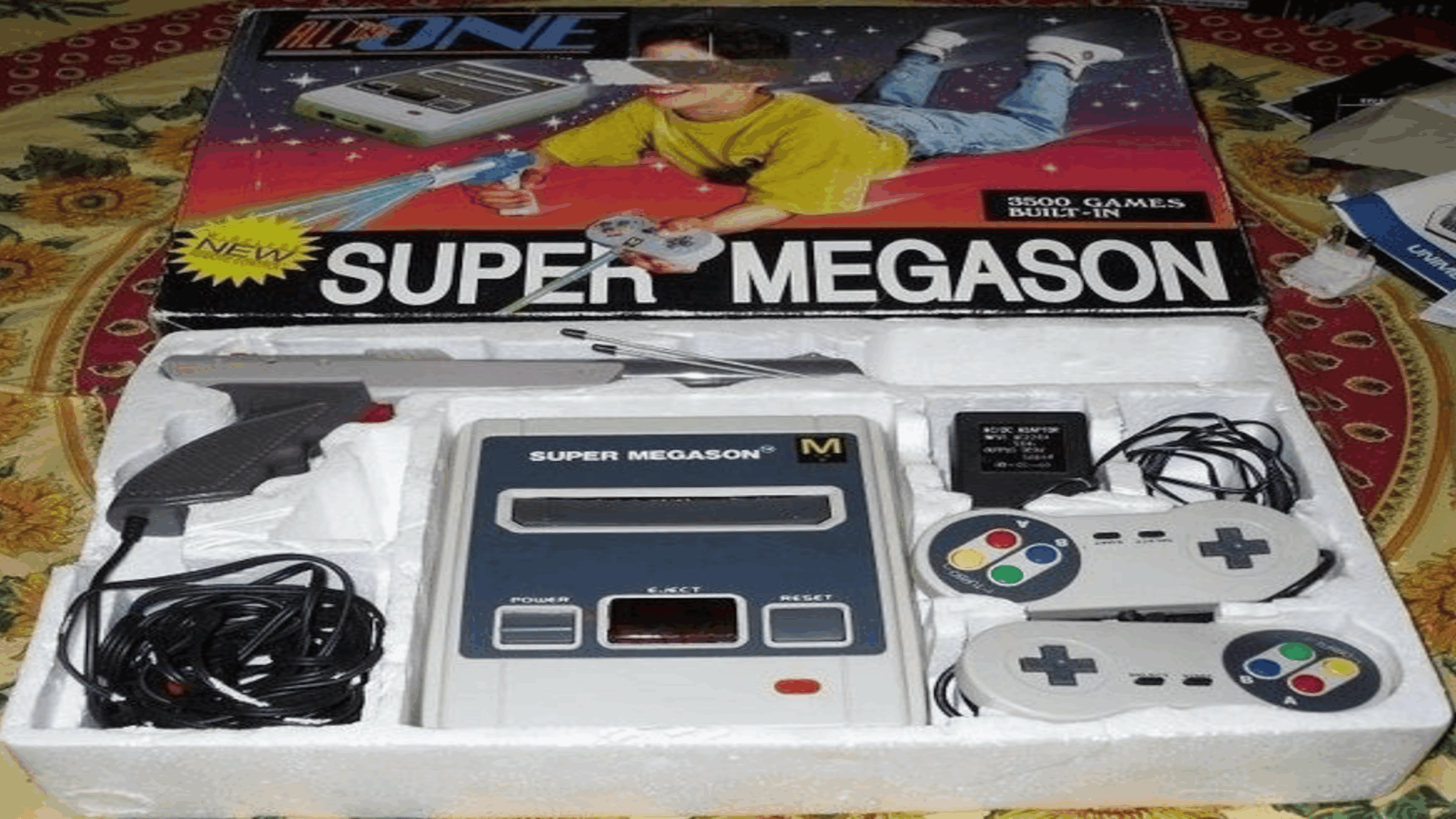
A console like this perfectly captures the chaotic beauty of bootleg gaming products. Nobody cared about branding accuracy, only about stuffing thousands of questionable games into one tiny plastic box and making kids believe they had discovered treasure.
7. Even Sonic Couldn’t Run Away From Rice Brand Deals
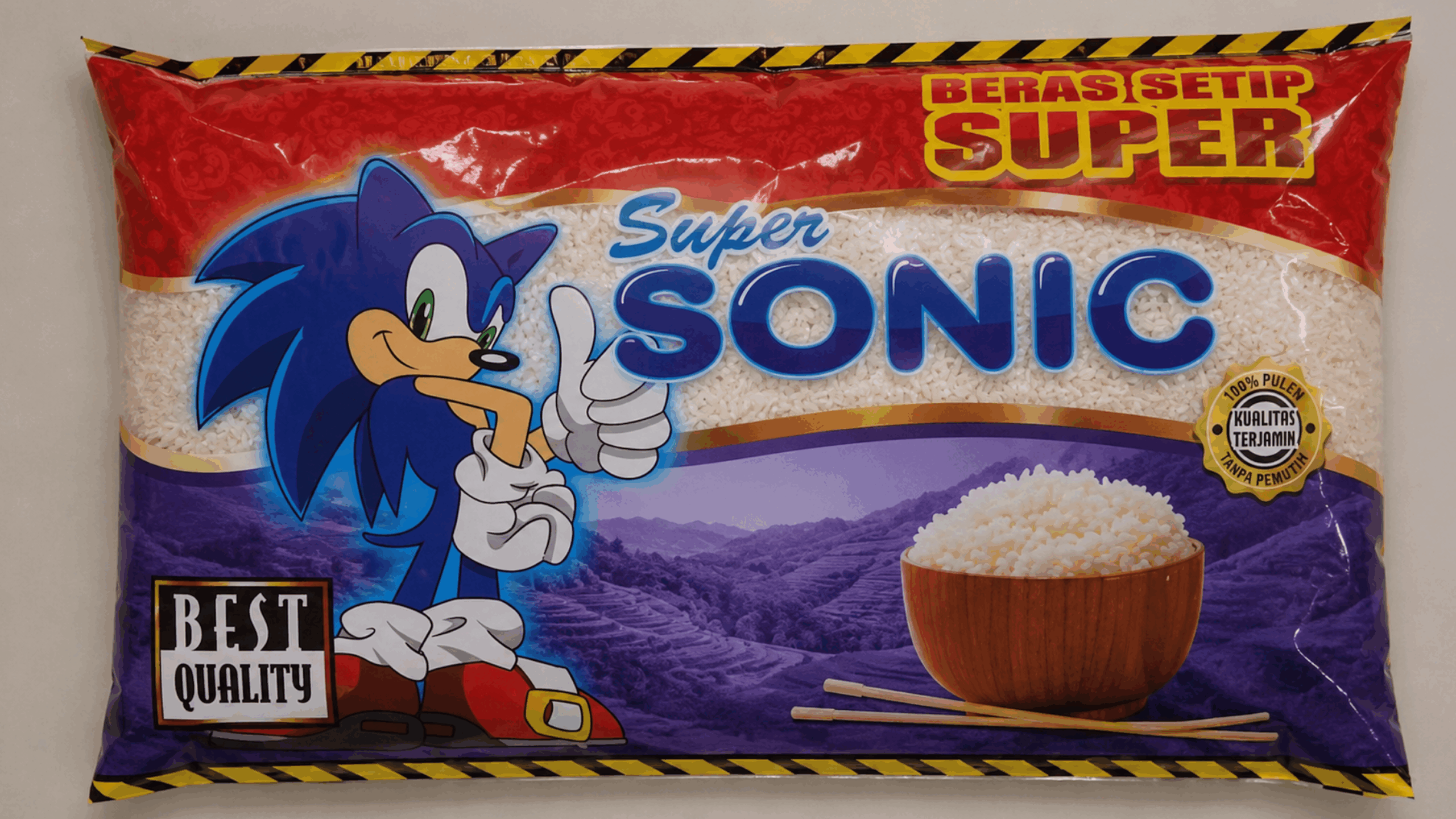
Seeing Sonic casually endorsing a bag of rice feels like a fever dream from another timeline. It’s the kind of bizarre crossover energy that made pirated Gaming Products unintentionally hilarious and weirdly unforgettable.
8. Gaming Products Were Truly Unhinged During the Bootleg Era
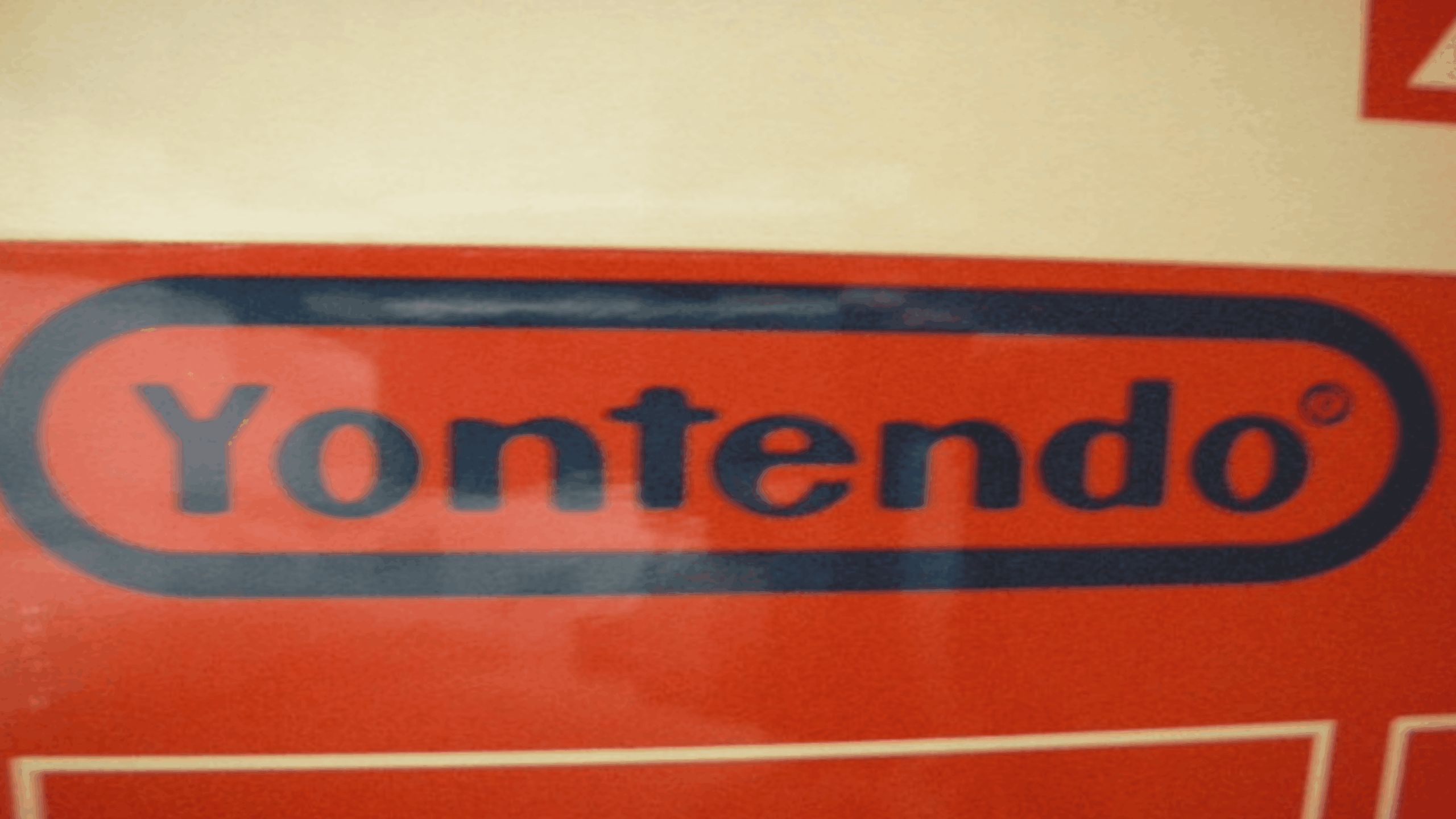
You can almost hear the company lawyer screaming through the image. Fake gaming products like this thrived because they relied on one magical trick: changing just enough letters to avoid suspicion while still fooling absolutely everyone.
9. The Dr. Boy Looks Like a Console and a Crime Scene at the Same Time
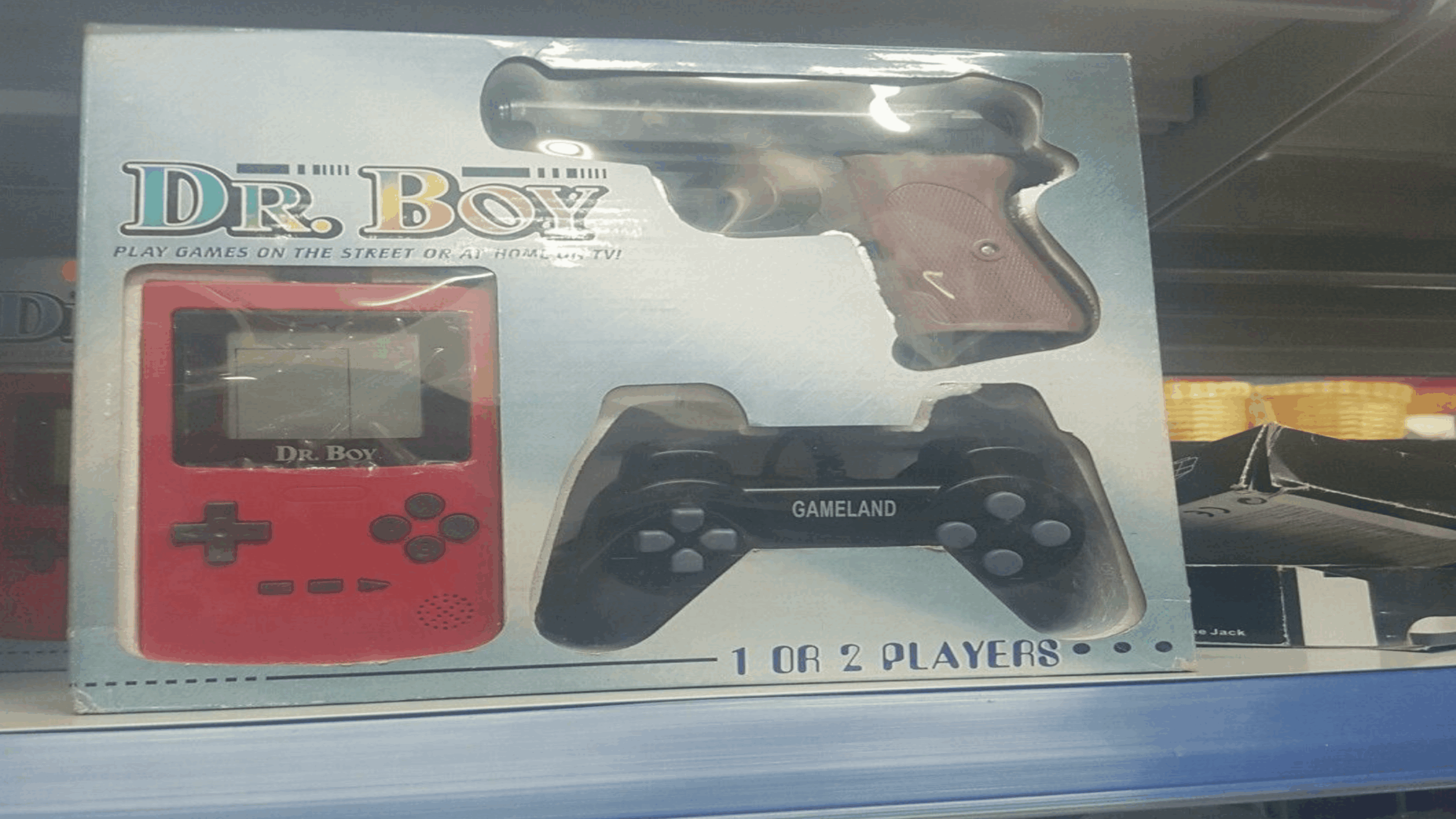
Including a plastic revolver inside a handheld gaming bundle is exactly the kind of unhinged decision that made counterfeit gaming products feel so unpredictable. There were no rules, only chaos and cheap cardboard packaging.
10. The PCP Station Somehow Makes Less Sense the Longer You Look at It
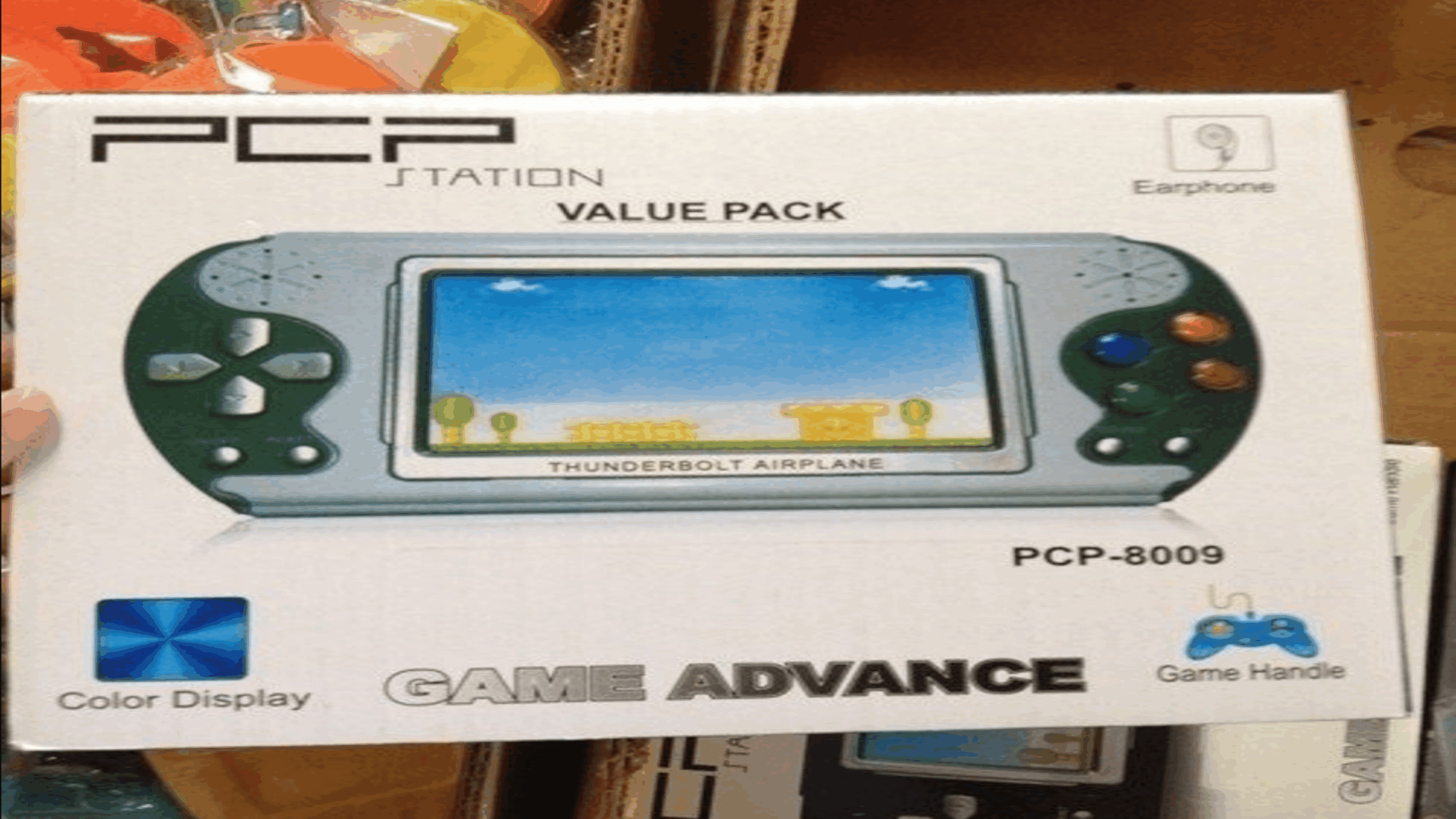
It says “Game Advance,” looks like a PSP, and sounds like a forgotten pharmaceutical product. These gaming products existed in a strange universe where every famous console melted together into one confusing imitation.
11. Thomas the Tank Engine Finally Snapped and Fought the Mario Bros
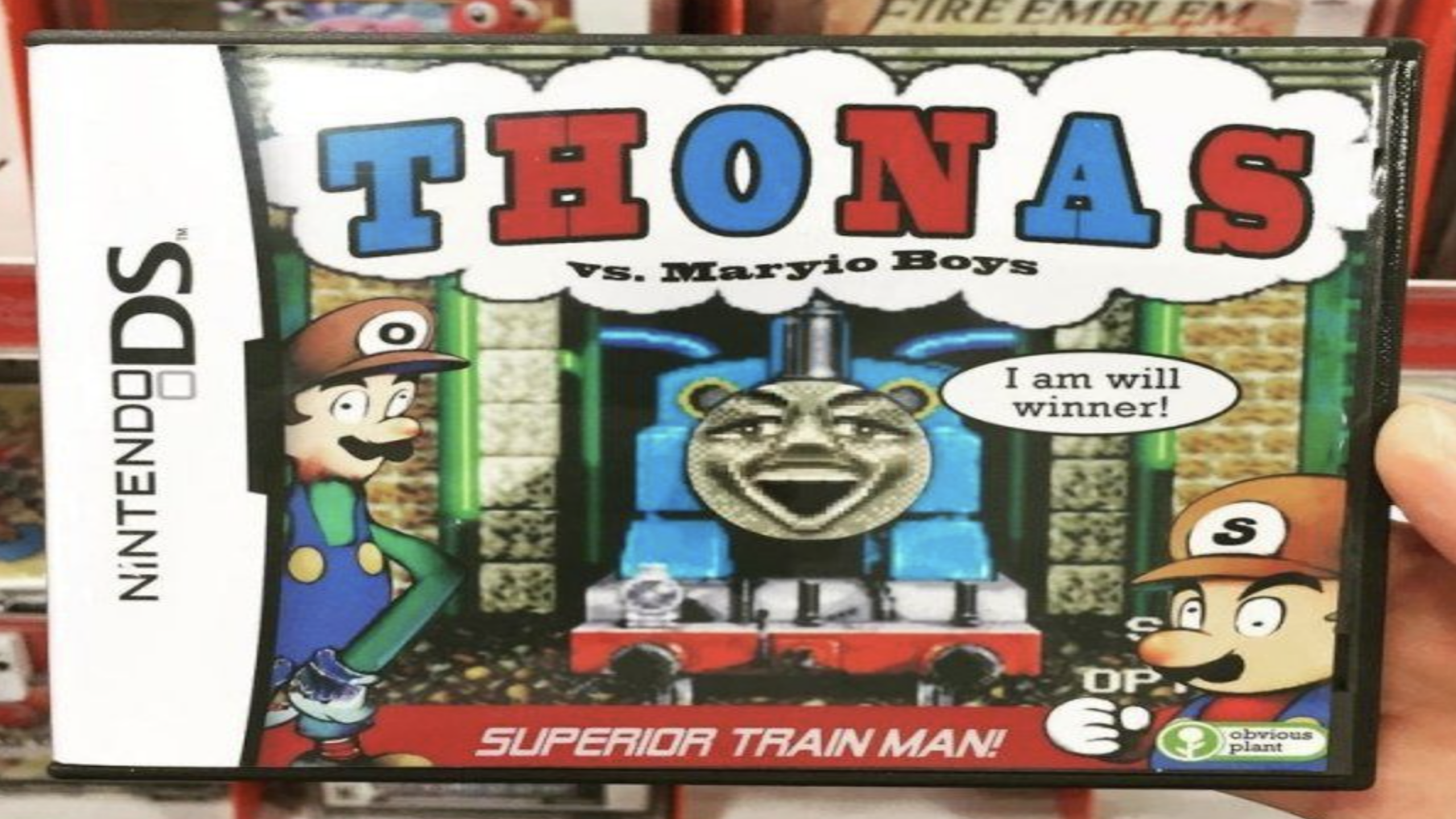
Nothing about “Thonas vs. Maryio Boys” makes sense, and that’s exactly why it’s amazing. Bootleg gaming products had this incredible ability to mash together random franchises, broken English, and cursed artwork into something that felt accidentally iconic.
12. This Console Bundle Includes a Gun Because Apparently That Was Normal
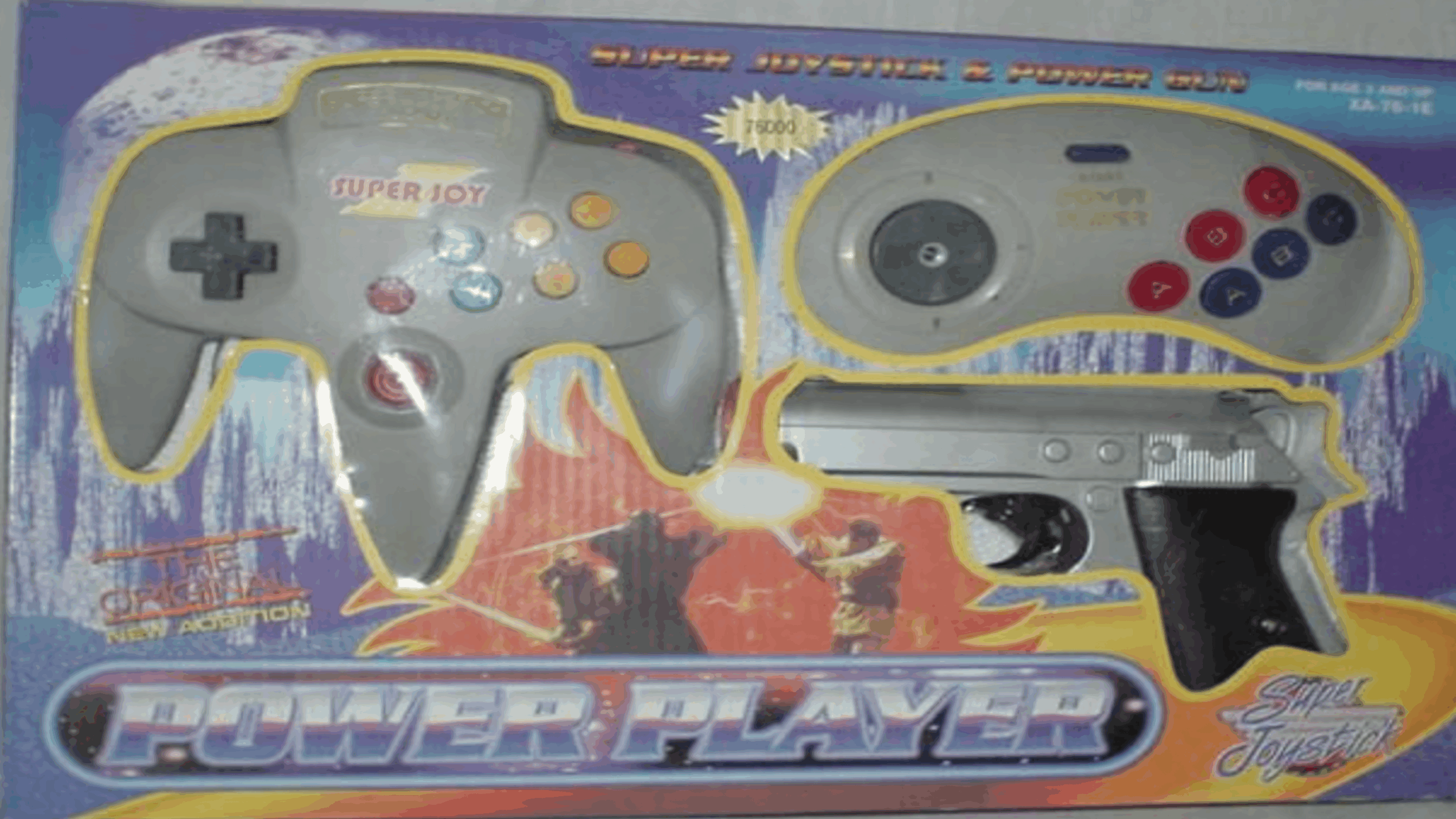
The “Power Player” looks like someone emptied an entire toy store into one box and hoped for the best. Fake gaming products from this era always felt chaotic, like manufacturers were competing to see who could fit the most nonsense into a single package.