Most games are not built to become research tools. They are built to entertain, distract, frustrate, reward, and keep people coming back. But once enough players gather around the same rules, strange things start to happen. A puzzle becomes a protein model, a raid boss becomes an epidemiology case study, and a mobile app quietly turns into a public-health dataset.
Foldit – The protein puzzle that gave scientists a hand
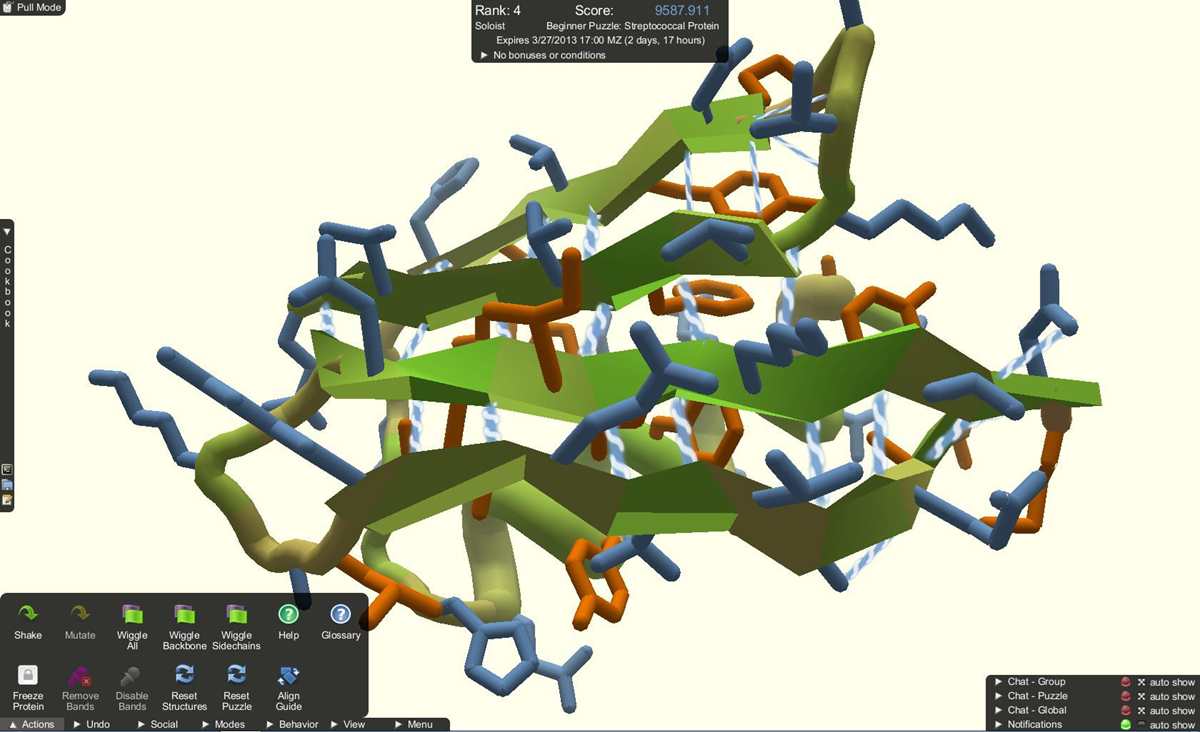
Foldit had a strange bet at its center: maybe ordinary players could help solve protein-folding problems by treating them like spatial puzzles. Players rotated, pulled, adjusted, and tested molecular shapes until the score improved. In 2011, that crowd helped solve the structure of an M-PMV retroviral protease, a problem researchers had struggled with for years. The useful behavior was not formal expertise. It was persistence, visual instinct, and a willingness to try weird moves that a program might not prioritize.
World of Warcraft – A virtual plague that got out of hand
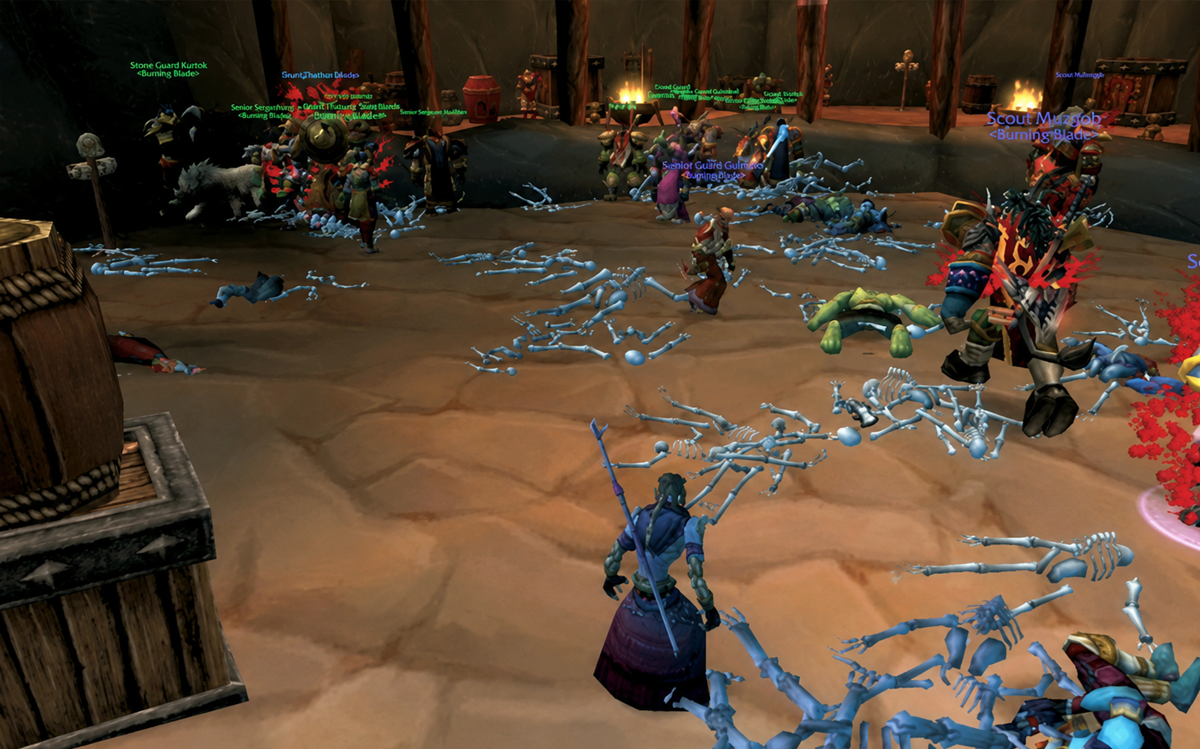
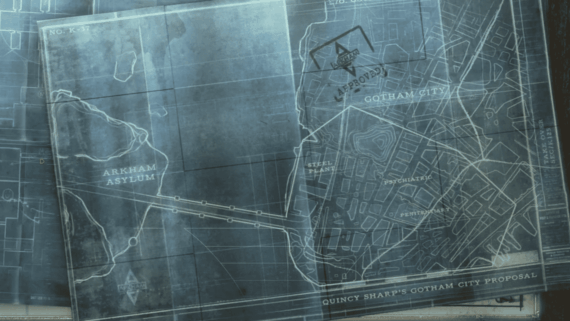
In 2005, World of Warcraft accidentally created a disease event that researchers kept coming back to. The Corrupted Blood debuff was supposed to stay inside a raid, but players and pets carried it into crowded cities. Some ran, some helped, some watched, and some spread it on purpose. Epidemiologists later studied the incident because the reactions felt messy in a way that clean simulations usually do not.
Sea Hero Quest – A phone game that measured navigation
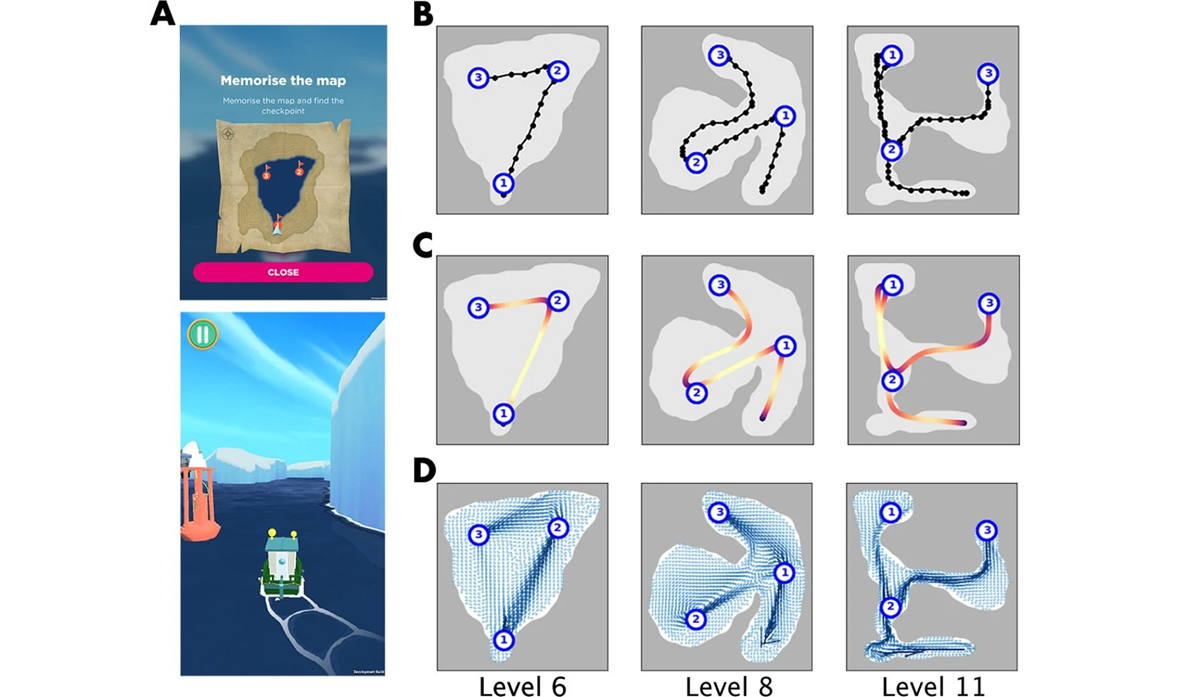
Sea Hero Quest looked like a simple mobile boating game: steer, remember routes, find checkpoints. Underneath, it collected spatial-navigation data from millions of players. That made it useful for dementia and Alzheimer’s research, since navigation can change early in cognitive decline. Players were not sitting through clinical tests. They were just choosing paths, hesitating, turning around, and leaving behind data that researchers could study.
EVE Online – Citizen science for spreadsheet-minded pilots
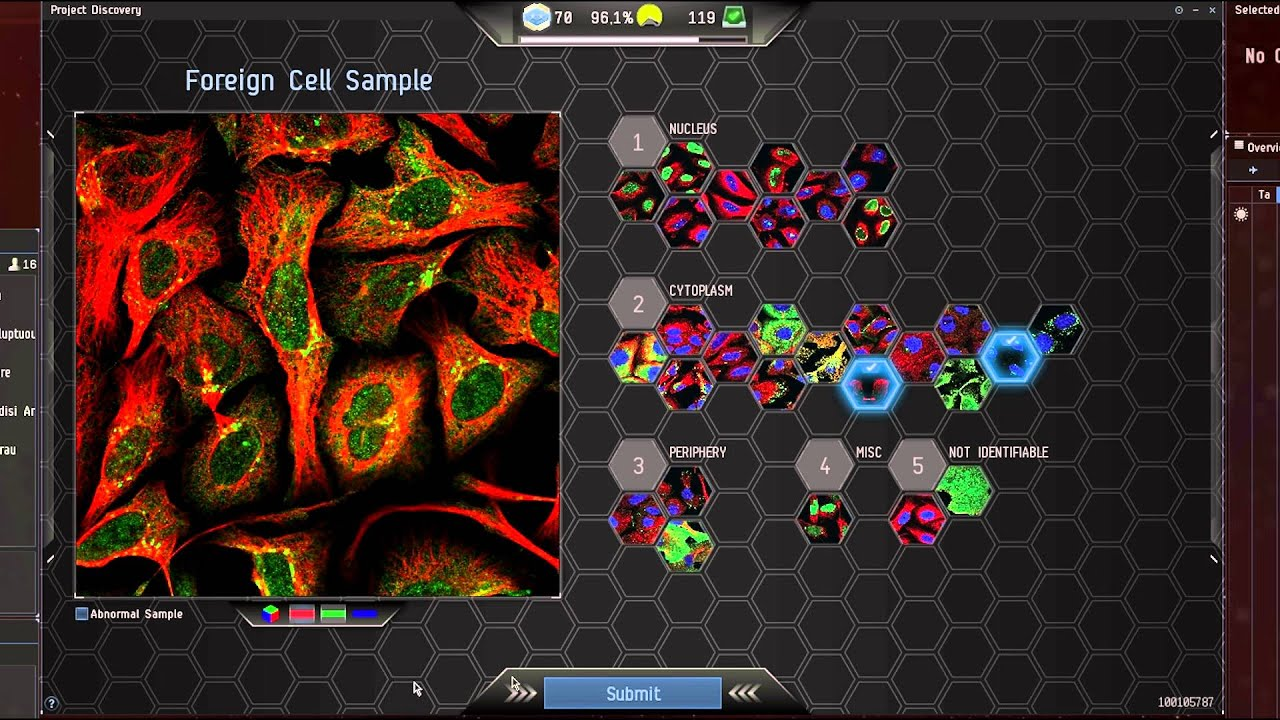
EVE Online was a natural fit for Project Discovery because its players already liked complicated systems. The game asked them to classify real scientific data, including protein patterns, exoplanet signals, and biomedical datasets. It worked because sorting information did not feel out of place in a universe built around markets, logistics, alliances, and long-term planning. Scientific classification became another mission, not a lecture.
Pokémon Go – The monster hunt that changed walking habits
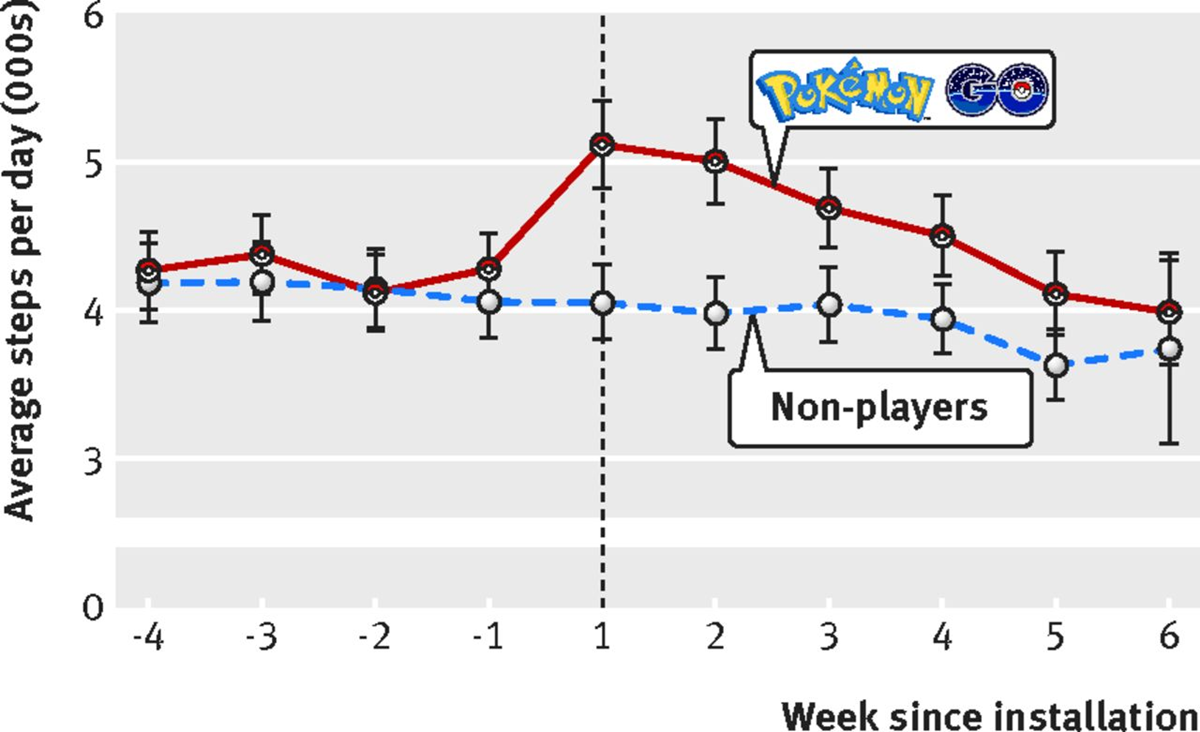
Pokémon Go got people outside without making exercise sound like a chore. Researchers later found that some players increased their daily steps shortly after installing the game. The effect faded, which is part of what made it interesting. A game could shift behavior quickly, but keeping that change alive was much harder.
Trending on realmoneygamer.com

Borderlands 3 – Gut bacteria inside a loot shooter
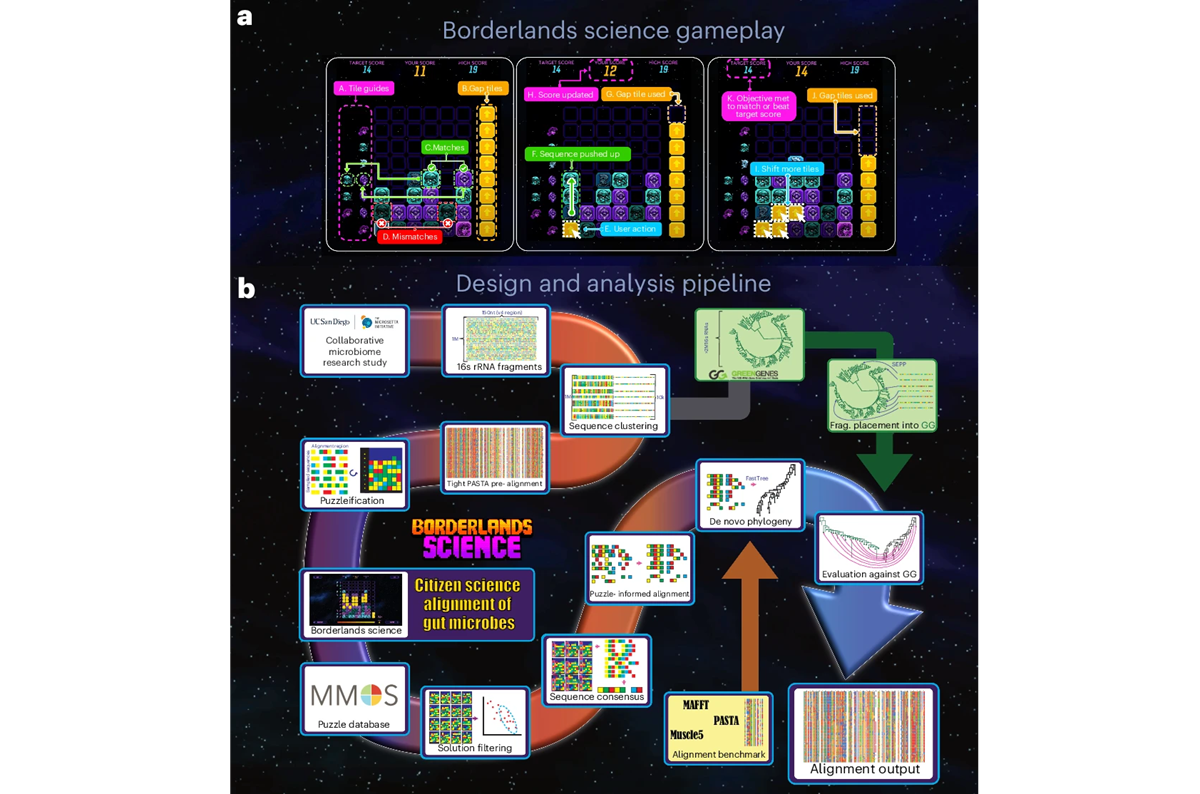
Borderlands 3 is loud, chaotic, and full of absurd weapons, which made Borderlands Science feel even stranger. The mini-game turned microbial DNA alignment into short pattern puzzles connected to gut microbiome research. Players did not have to leave the game to volunteer for science. The research simply appeared inside a loop they already understood: solve, optimize, earn rewards, repeat.
EyeWire – Mapping neurons through careful tracing
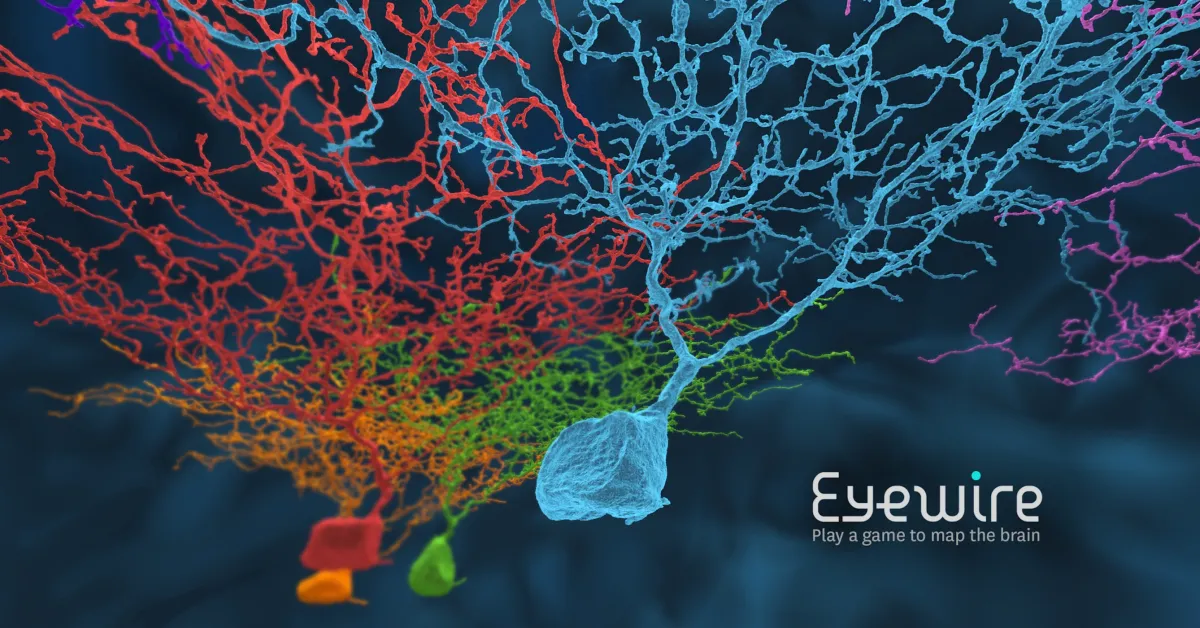
EyeWire turned brain mapping into a visual puzzle. Players traced neuron branches through retinal data, helping researchers understand how cells connect. It was slow work, closer to careful looking than fast play. That patience mattered, because tiny structural details can change what scientists learn from the map.
Eterna – RNA design as trial and error
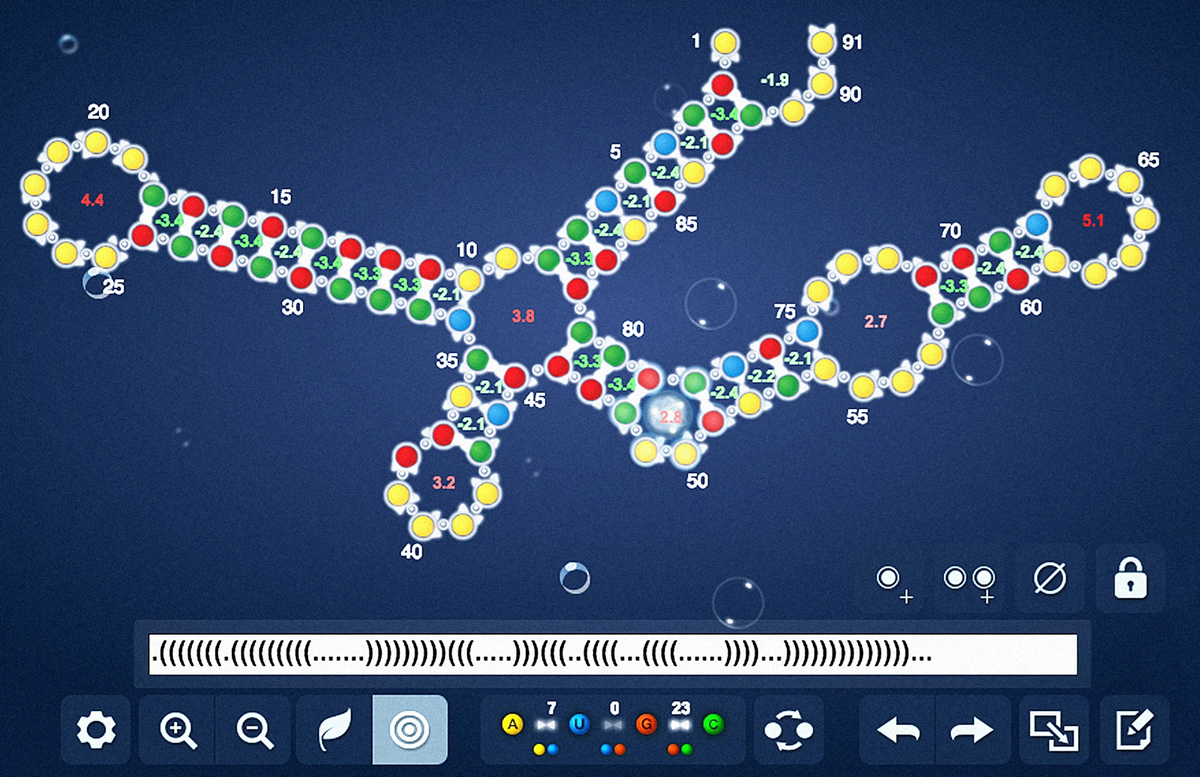
Eterna asked players to design RNA sequences that would fold into target shapes. The science was complex, but the play rhythm was familiar: try something, watch it fail, adjust, try again. Over time, player strategies became useful to researchers studying RNA design. The game encouraged tinkering, and the tinkering became part of the research.
EverQuest II – A long-running social dataset
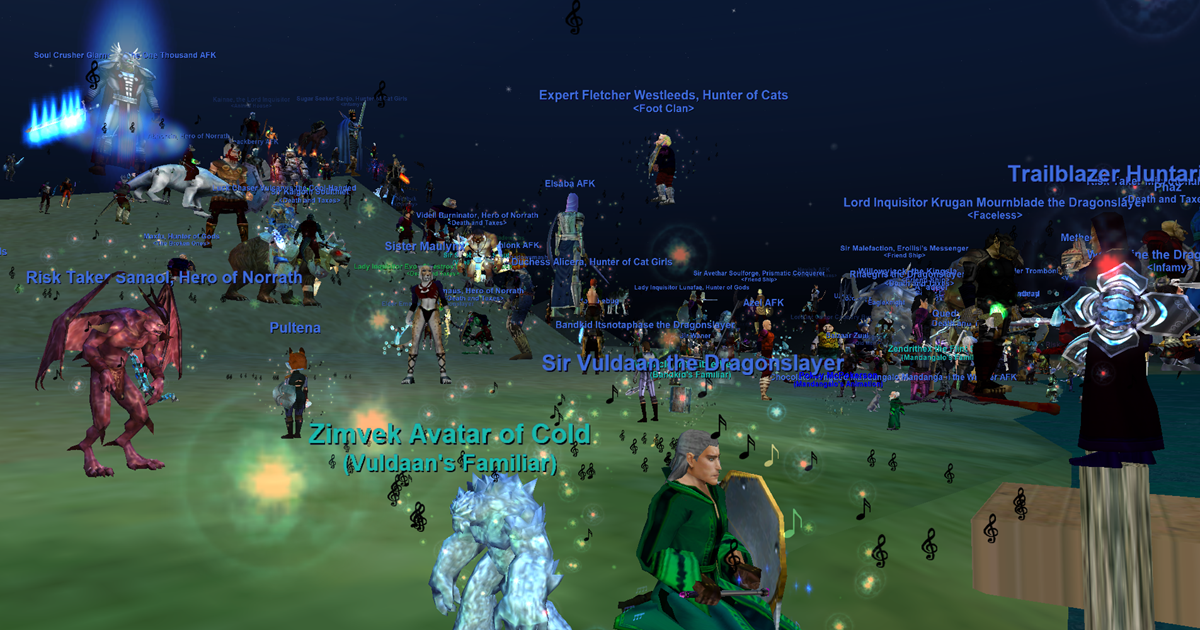
EverQuest II gave researchers years of player behavior inside a living multiplayer world. People formed groups, traded, chatted, fought, leveled, and returned to the same routines. That made the game useful for social-science research because it showed behavior as it happened, not as players remembered it later. Cooperation, status, habit, and conflict were all recorded through ordinary play.
Twitch Plays Pokémon – Thousands of people on one controller
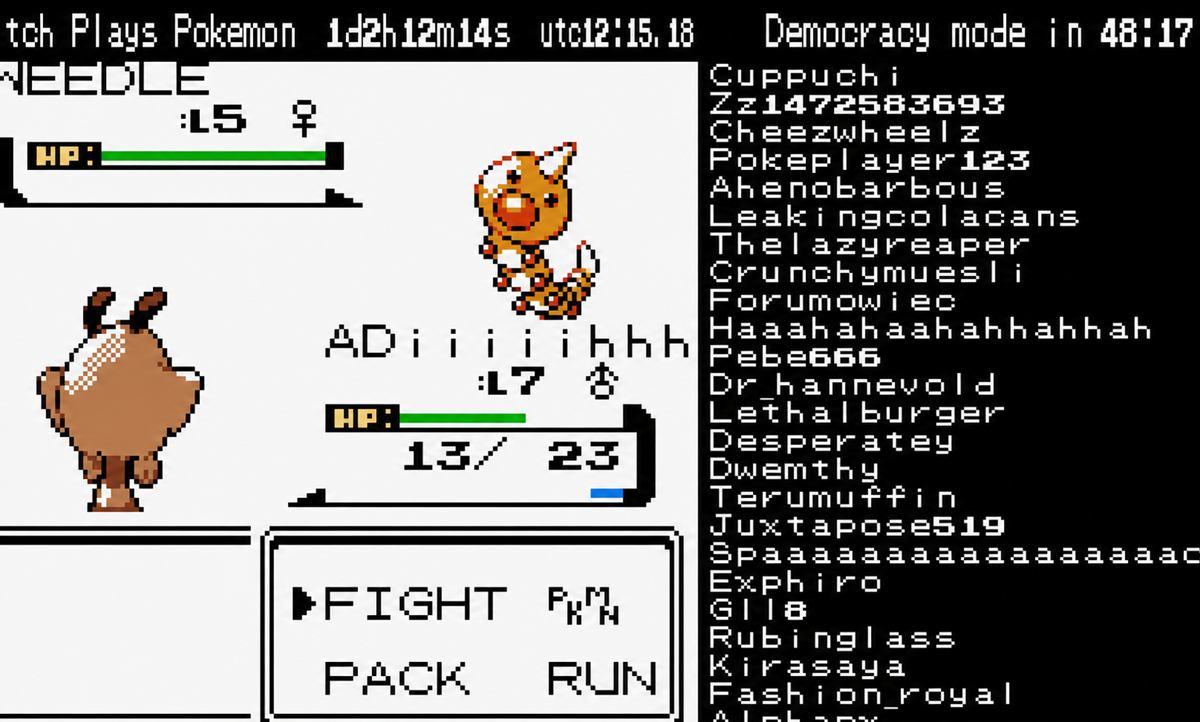
Twitch Plays Pokémon asked viewers to control Pokémon Red by typing commands into chat. It barely worked, which was the point. The crowd argued, sabotaged itself, invented rituals, and still moved forward. Researchers later treated it as a case study in collective behavior, noisy coordination, and online group decision-making.
Minecraft – Building blocks as public planning
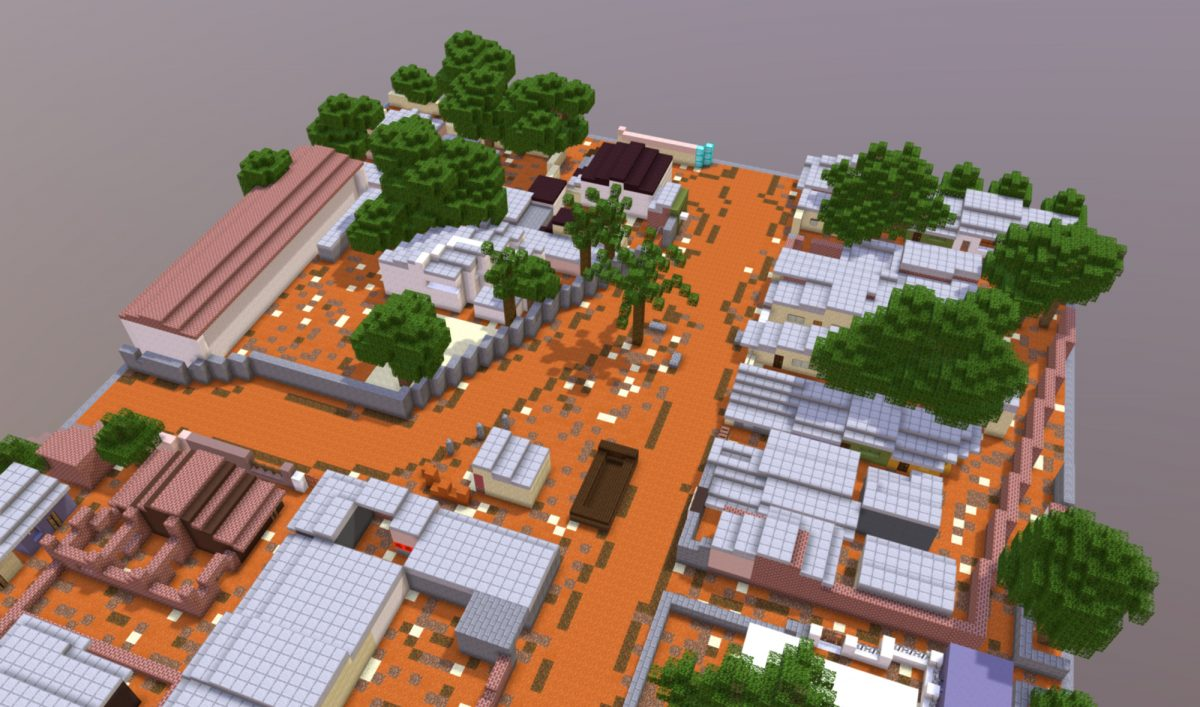
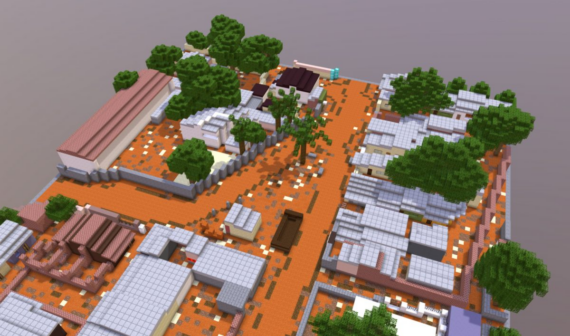
Minecraft became useful because it does not force one kind of play. In education, urban planning, and community-design projects, players have used it to imagine shared spaces before they exist. The important behavior is not only building. It is negotiating: where paths go, what gets preserved, what feels useful, and who gets a say.
Games do not become scientifically useful just because they have large audiences. They become useful when play produces behavior researchers can study or use. Sometimes that means folding a molecule. Sometimes it means walking more, spreading a digital disease, tracing neurons, or arguing over a virtual road. From the player’s side, it often looks ordinary: click, walk, sort, build, fail, try again. Then someone notices the pattern was worth studying.
Continue Reading: 10 Moments When Video Games First Appeared in Mainstream News for Reasons With Nothing to Do With Fun