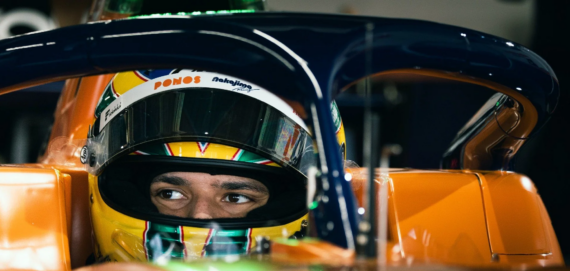
For a long time, gaming was treated as the opposite of a real career preparation. It was what you did after homework, after work, or when the “serious” part of the day was over. Then a few industries started noticing something that had been sitting in plain view: some players had spent years building sharp reflexes, pattern recognition, pressure control, and an odd kind of technical patience. None of that guarantees a job, but in a handful of cases, it gave people a way into careers they probably would not have reached through the normal route.
Jann Mardenborough
r/sportscar_racing
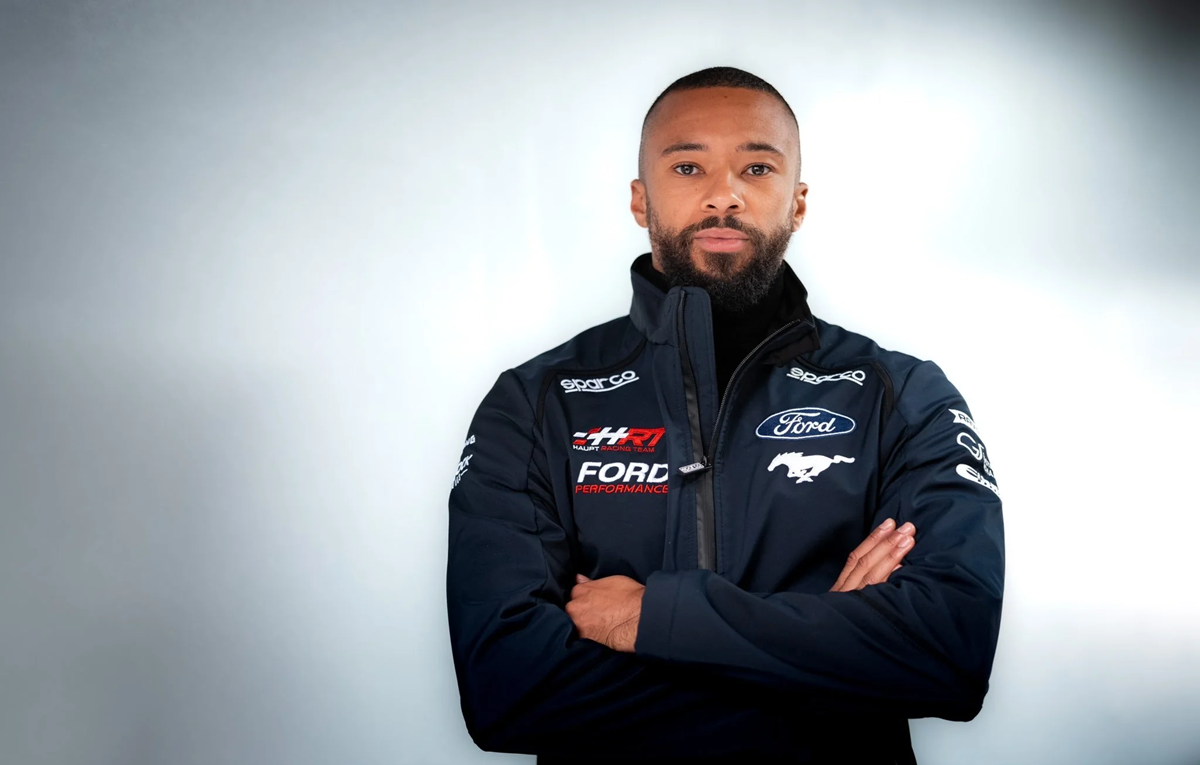
Jann Mardenborough was not a rich kid with a karting résumé stretching back to kindergarten. He was a British student who had spent a lot of time playing Gran Turismo, then entered GT Academy in 2011 and beat a field of tens of thousands. That win put him into Nissan’s driver development system, which sounds almost too neat until you remember what came next. He had to prove that clean virtual racing lines meant something when the car had weight, heat, noise, and risk. Mardenborough eventually raced at Le Mans and in major international series, but the most interesting part of his career is still the doorway. A PlayStation contest did not make racing easy for him. It simply got him into a room that usually had no reason to look at someone like him.
Lucas Ordóñez
simracer.es
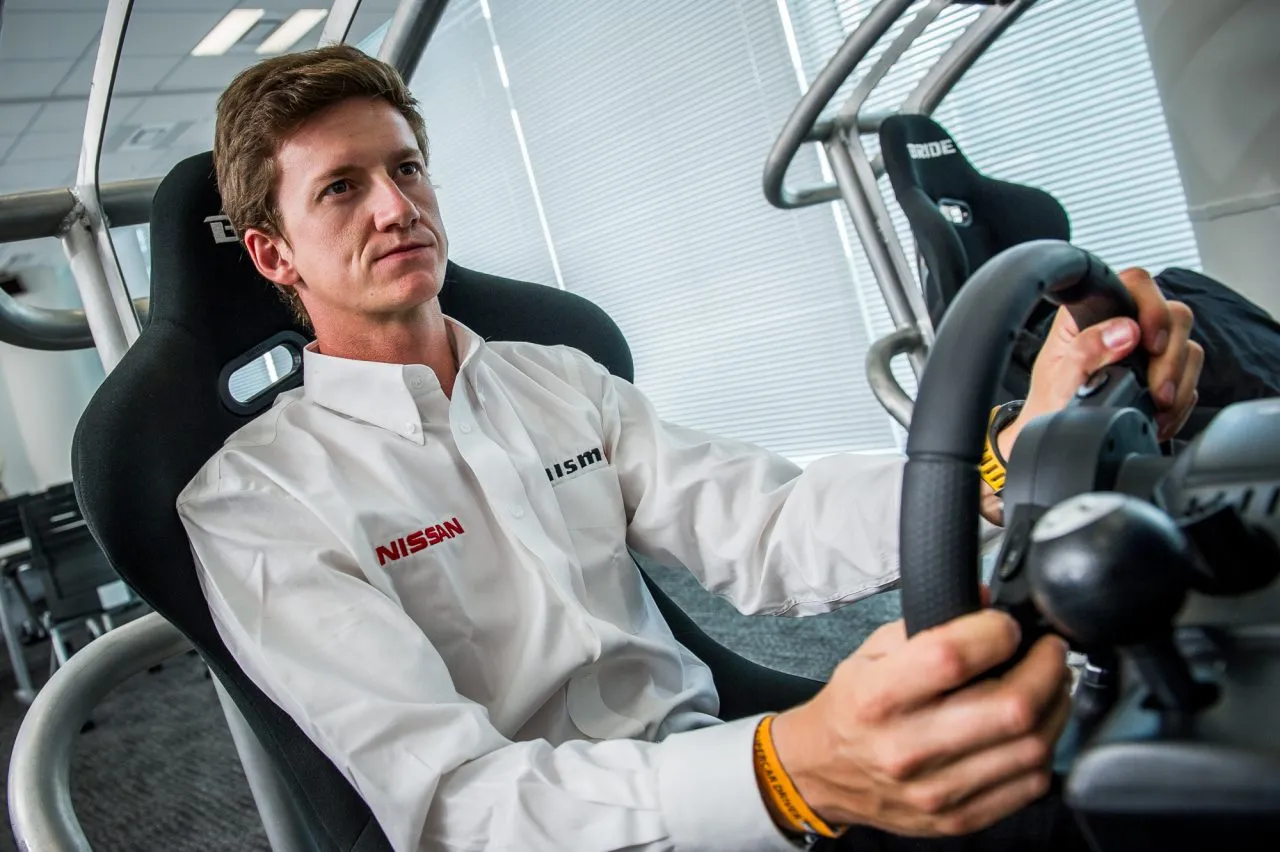
Lucas Ordóñez was studying business before Gran Turismo changed his plans. In 2008, he became the first winner of GT Academy, a competition that sounded almost like a marketing stunt when it launched. A few years later, he was standing on a Le Mans podium in the LMP2 class. That did not happen because a game magically replaced racing experience, but because the game revealed enough raw ability to justify giving him real training, real cars, and real pressure.
Bryan Heitkotter
GT4 America
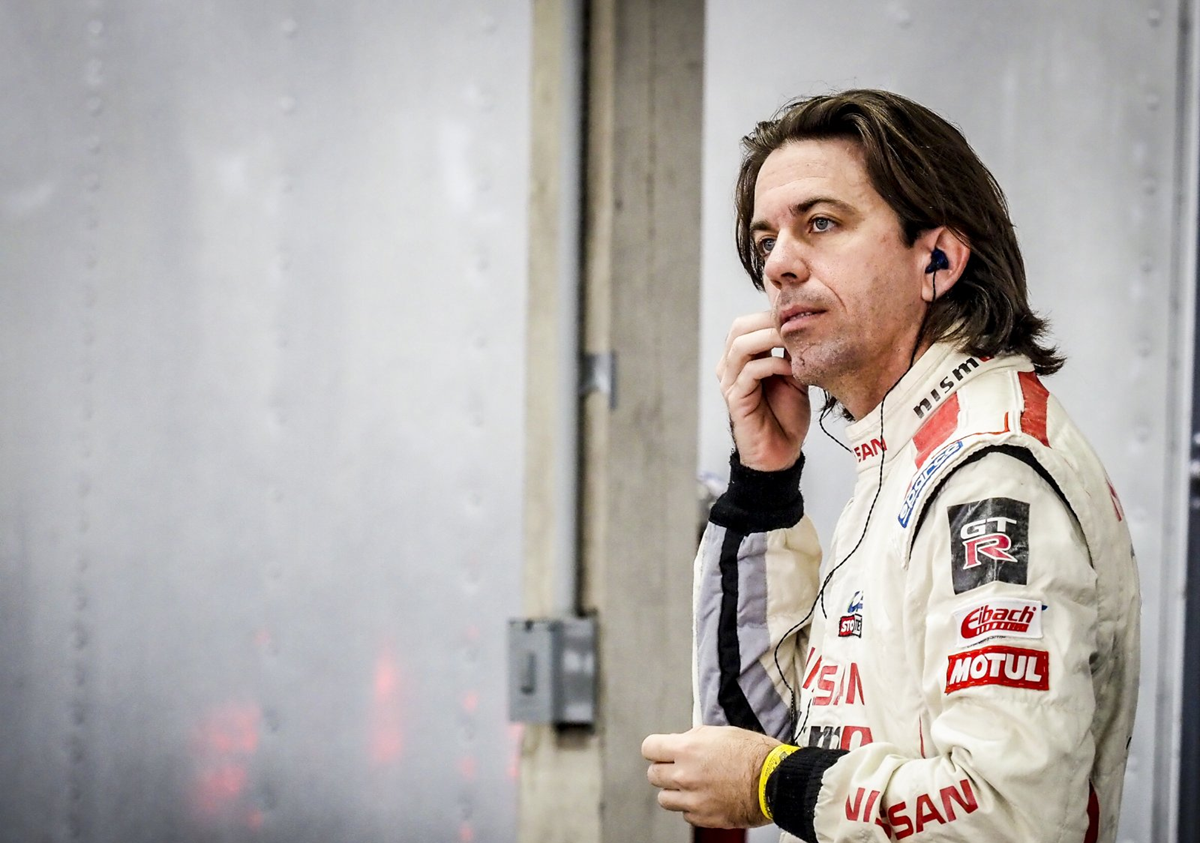
Bryan Heitkotter’s story feels less polished than some of the others, which makes it more believable. He had wanted to race, but motorsport is not exactly friendly to people without money, sponsors, or family connections. Gran Turismo became a substitute classroom. After winning GT Academy USA in 2011, Heitkotter moved into professional racing and later competed in series such as Pirelli World Challenge. His gaming skill was not a cute detail added afterward. It was the thing that helped him get noticed in the first place.
Wolfgang Reip
gtplanet.com
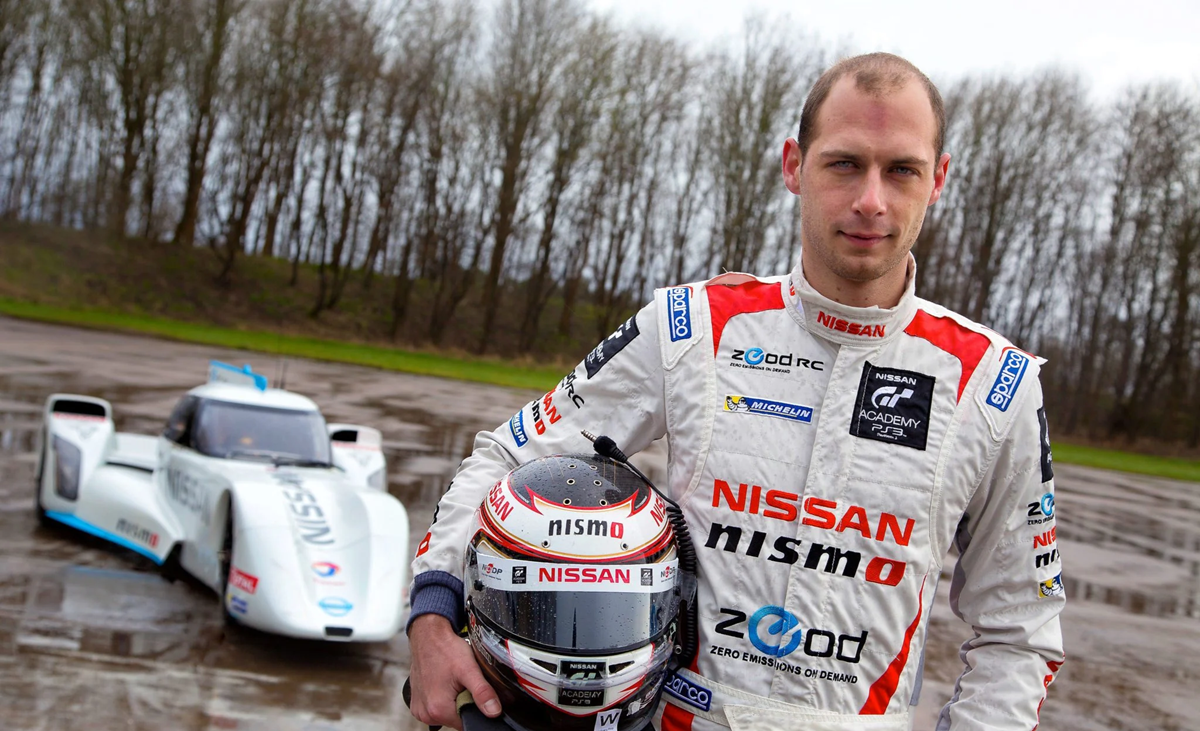
Bathurst is not where you expect a gamer story to hold up. The Mount Panorama circuit is narrow, fast, and rude to anyone who treats it like a simulator exercise. Wolfgang Reip, a Belgian GT Academy graduate, became part of the Nissan team that won the 2015 Bathurst 12 Hour. That result mattered because it was not a controlled demo or a one-off publicity lap. It was endurance racing, with traffic, fatigue, strategy, and a track that does not care how good your lap times look online.
Rudy van Buren
Auto Hebdo
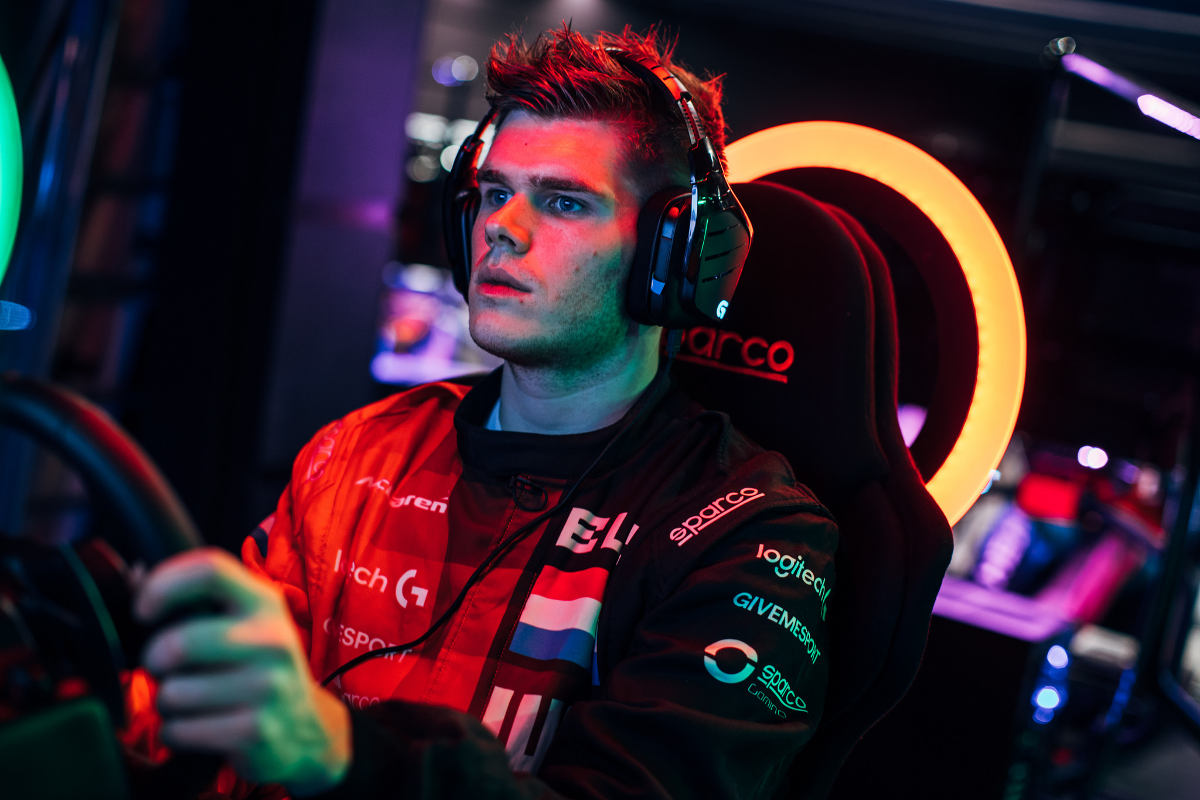
Rudy van Buren had already seen one racing dream fade. He had karted seriously when he was younger, then drifted into a normal adult job as a sales manager. In 2017, he entered McLaren’s World’s Fastest Gamer competition and won, earning a role as a Formula 1 simulator driver for McLaren. It was not the same as lining up on the F1 grid, and that distinction matters. But simulator work is still serious work: drivers need to repeat laps, explain car behavior, and give feedback engineers can use. For Van Buren, gaming did not replace motorsport. It reopened a side door.
Trending on realmoneygamer.com


James Baldwin
r/esports
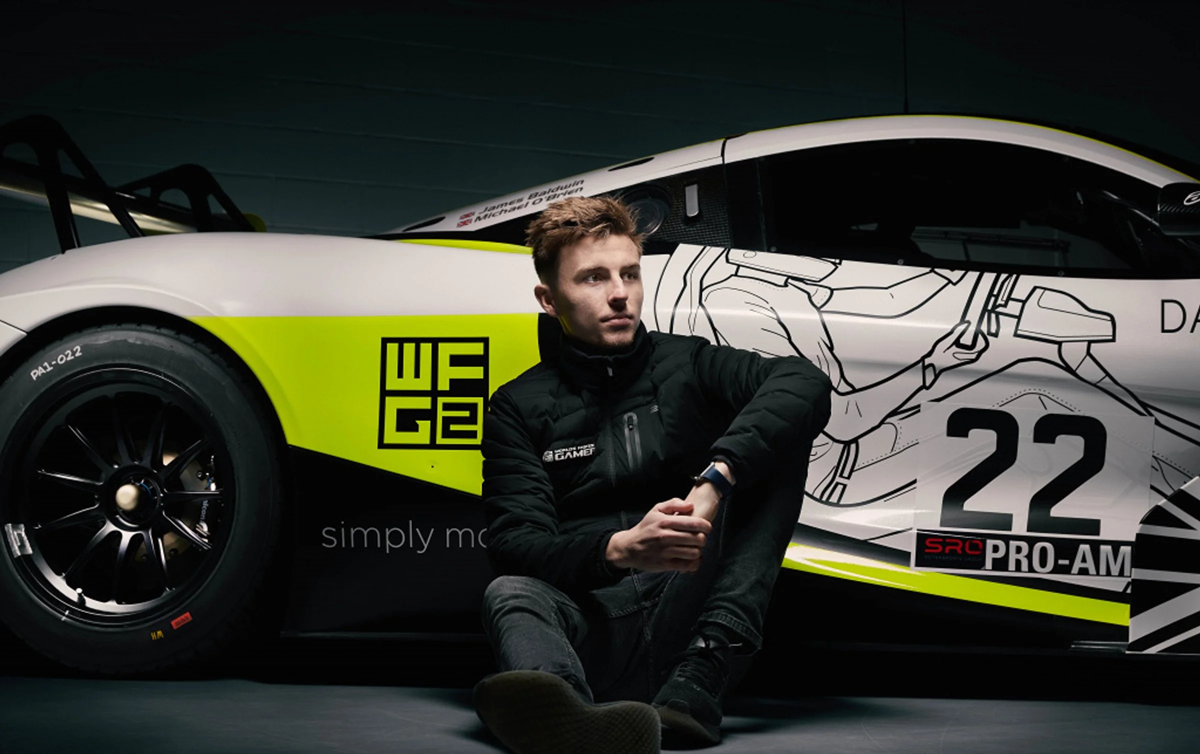
James Baldwin’s path had a few false starts. He raced in the real world, ran into the usual funding wall, then put more energy into sim racing. Winning World’s Fastest Gamer in 2019 brought him back into physical motorsport, including a British GT opportunity with Jenson Team Rocket RJN. He won on debut at Oulton Park in 2020, which made the story sound cleaner than it probably felt while he was living it. Money, timing, and contacts still mattered, but the simulator gave him a second chance to show he was worth a seat.
Cem Bölükbaşı
yenicaggazetesi.com
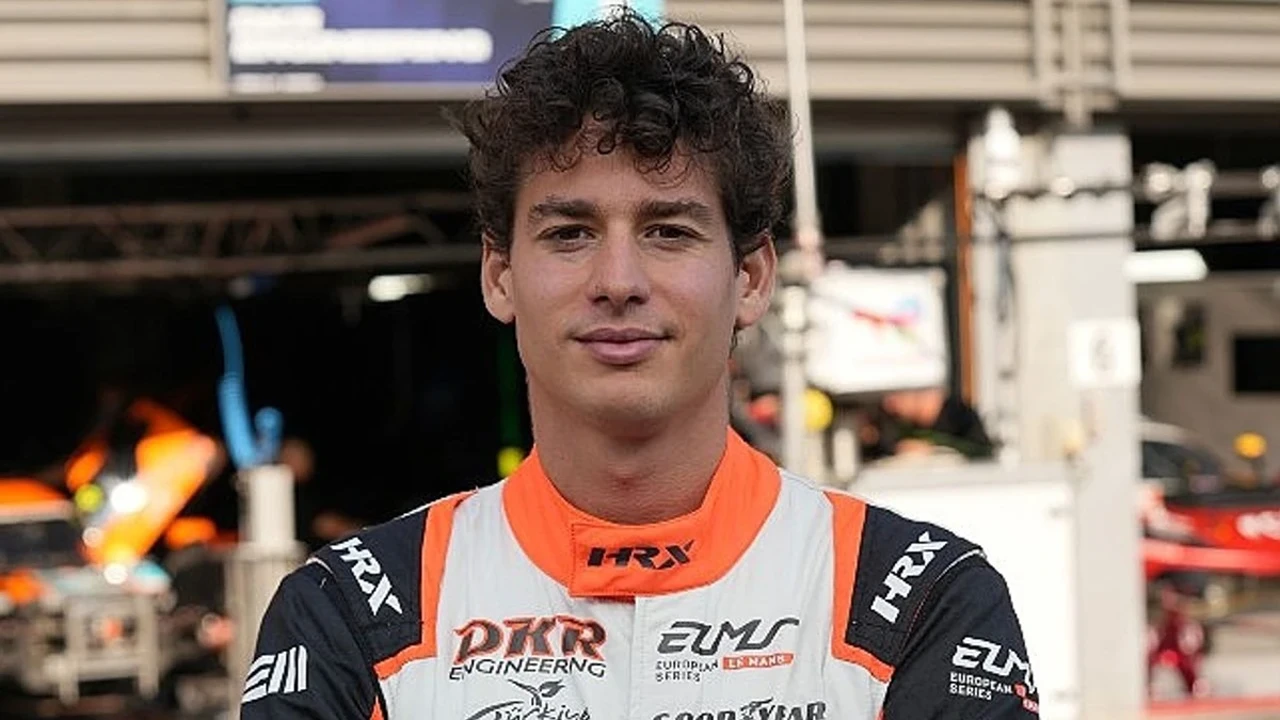
Cem Bölükbaşı is not a simple “gamer becomes driver” case, and that is probably why his story is useful. He had real motorsport experience, but Formula 1 esports helped keep his name moving when the traditional ladder was not straightforward. After competing in F1 Esports and other virtual racing formats, he moved into real cars and eventually reached Formula 2 in 2022. That is a serious jump. Gaming did not invent his talent, but it gave him another place to display it.
William Byron
KX News
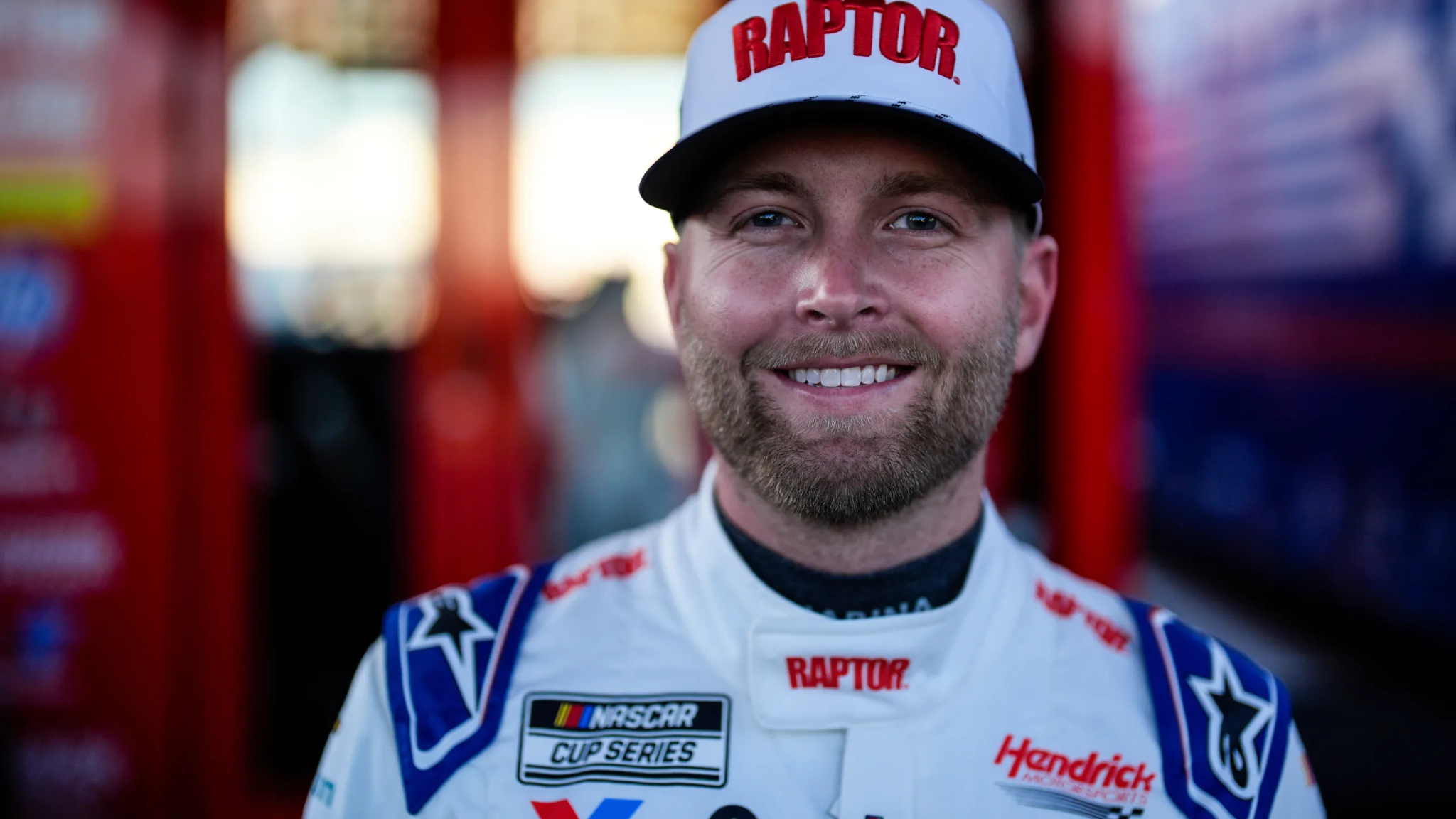
William Byron learned a lot of race craft before he ever had much real-world seat time. As a teenager, he used iRacing to understand lines, traffic, and how a race develops over more than one lap. NASCAR still runs on real cars, real teams, and real budgets, so nobody should pretend a simulator carried him by itself. Still, Byron’s early gaming background gave him a head start that would have sounded strange in stock car racing not that long ago.
Igor Fraga
r/granturismo
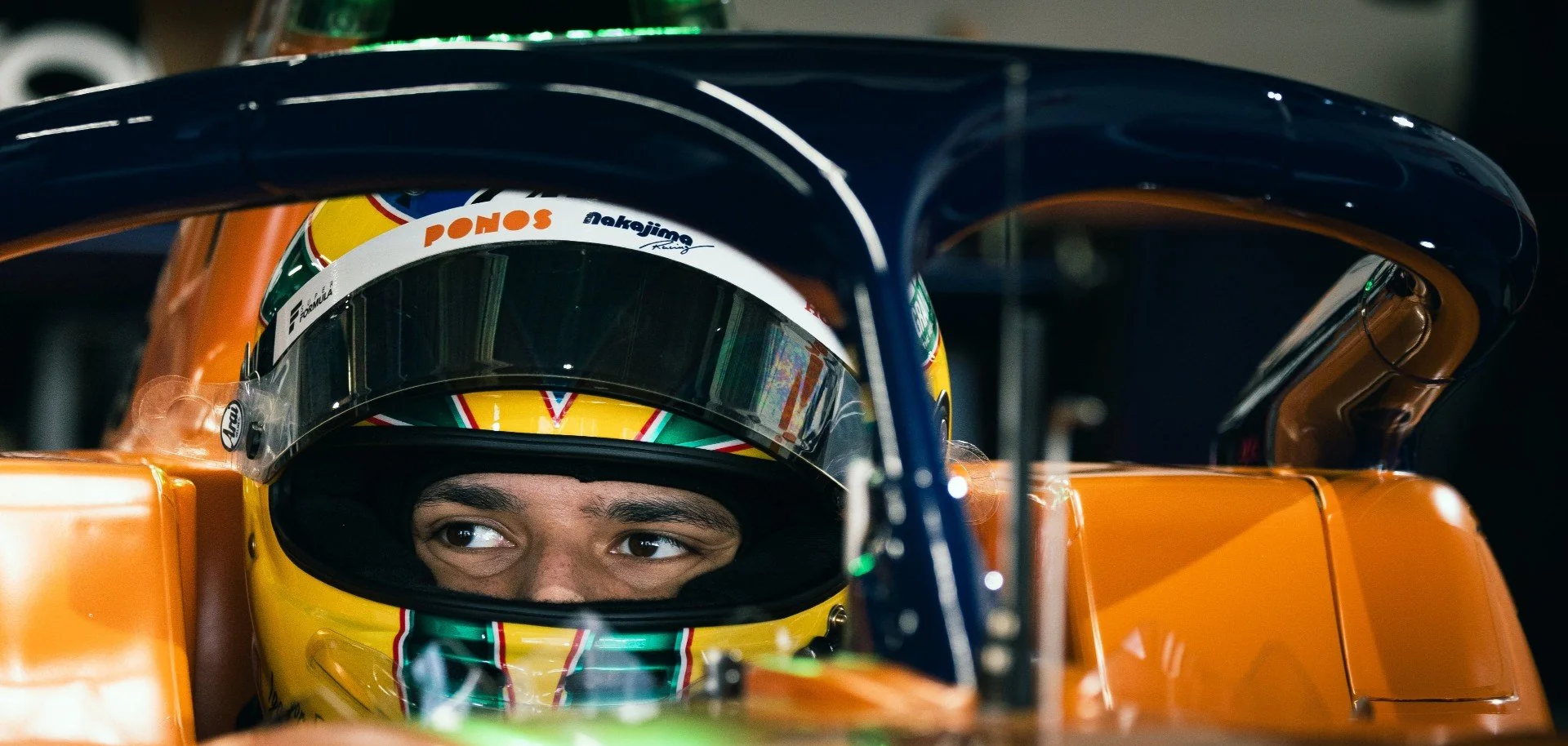
Igor Fraga has lived in both worlds long enough that separating them feels pointless. He won the Gran Turismo Sport Nations Cup in 2018 and also built a real racing career, including a Toyota Racing Series title in New Zealand in 2020. He was not someone with no racing background who simply appeared from a bedroom setup. The more interesting thing is that he did not have to choose one identity. For Fraga, esports and motorsport fed into each other.
Alex Vanover
Spectrum News
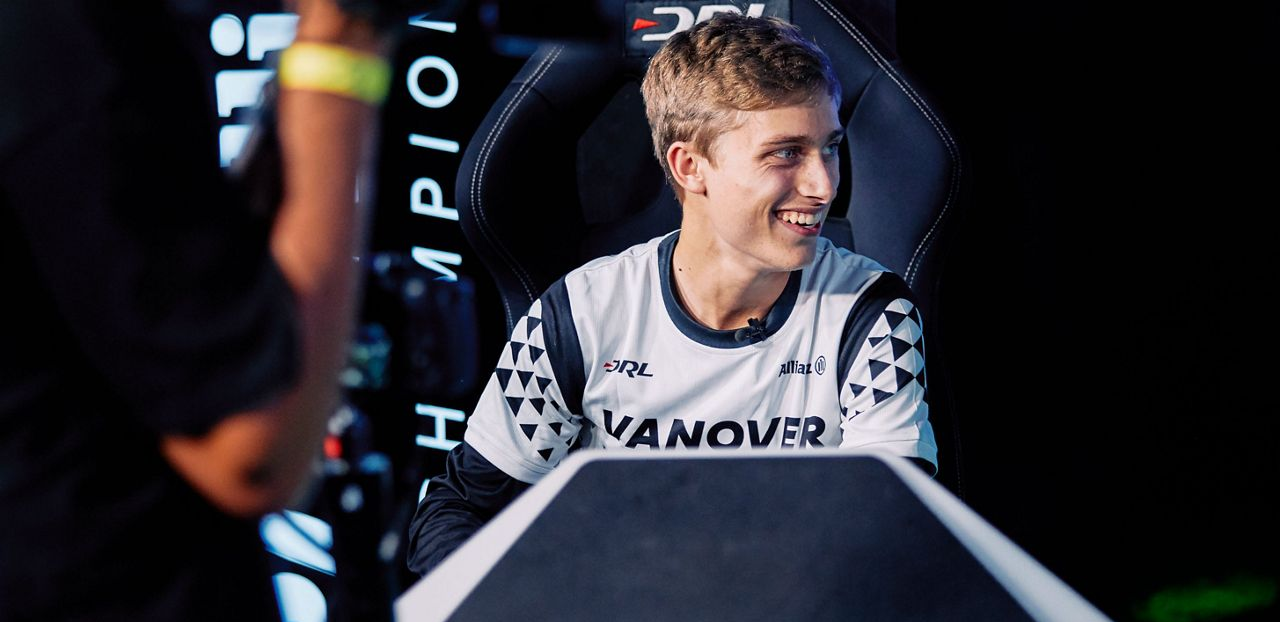
Alex Vanover’s career came out of a different corner of gaming culture. His skills were built around flying, first through simulators and remote-control aircraft, then through FPV drone racing. After becoming the Drone Racing League world champion in 2019, he moved into drone cinematography, where the same quick reactions and screen-based spatial awareness became useful on film sets and commercial shoots. That is the part people sometimes overlook. Gaming-adjacent skills do not always lead to playing games for a living. Sometimes they lead to holding a camera in the air at high speed.
The clean version of this story would say gaming changed everything. The truer version is smaller and more interesting. These people still needed training, access, timing, and a lot of persistence once the first door opened. What gaming did was give them a place to practice, measure themselves, and be seen before the real-world industry knew exactly what to do with them.
Continue Reading: 10 Female Esports Players Who Broke Every Barrier the Scene Put in Front of Them