The 1990s were weirdly generous to game music. Hardware was changing fast, genres were still figuring themselves out, and composers kept finding ways to squeeze emotion out of tiny sound chips, early CD audio, and whatever limitations they were stuck with that year. Some of these soundtracks were huge and theatrical, others were stripped down and unsettling in a way games do not always dare to be now. What still hits, decades later, is how quickly a few notes can pull you back into a room, a boss fight, a menu screen, or a very specific kind of after school silence.
Final Fantasy VII
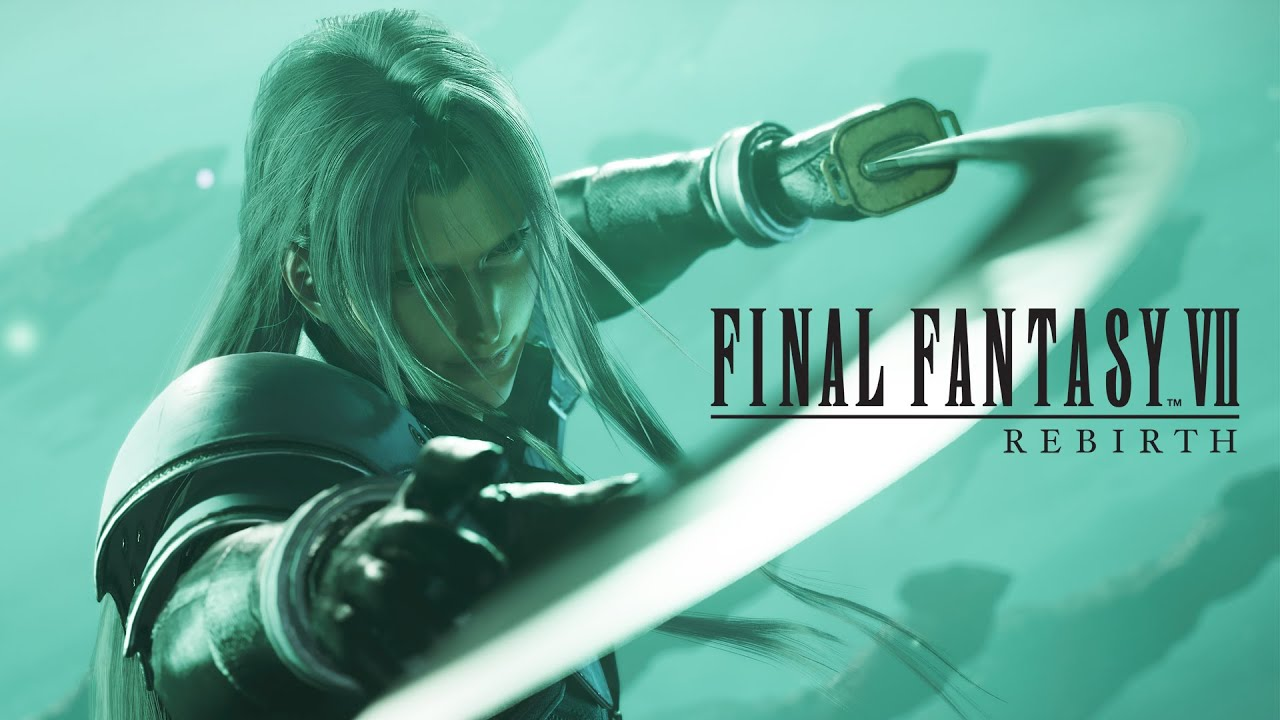
It is almost impossible to separate Final Fantasy VII from its music, because the soundtrack does so much of the emotional heavy lifting even when the character models look blocky by modern standards. Nobuo Uematsu gave Midgar its industrial anxiety, turned Aerith’s theme into something instantly recognizable, and made One Winged Angel feel like a genuine event in 1997, not just another final boss track. Plenty of RPGs had big music in that era, but this one knew when to go small, too, and that is usually the part people remember longest.
Silent Hill
A lot of horror scores try to tell you when to be afraid. Silent Hill sounds like fear was already there before you arrived. Akira Yamaoka mixed industrial noise, fragile melodies, static, and dead air in a way that still feels off balance, like the game is breathing through broken machinery. It never really asks for your attention, it just gets under your skin and stays there.
The Legend of Zelda, Ocarina of Time
There is a reason people can still hum half this soundtrack without thinking about it. Ocarina of Time had to make Hyrule feel enormous, mystical, lonely, and occasionally playful, often within minutes of each other, and Koji Kondo pulled that off with music that never felt crowded. Song of Storms is still one of the great little brainworms in game history, and the quieter pieces, like the Temple of Time or Lon Lon Ranch, are just as important.
Castlevania, Symphony of the Night
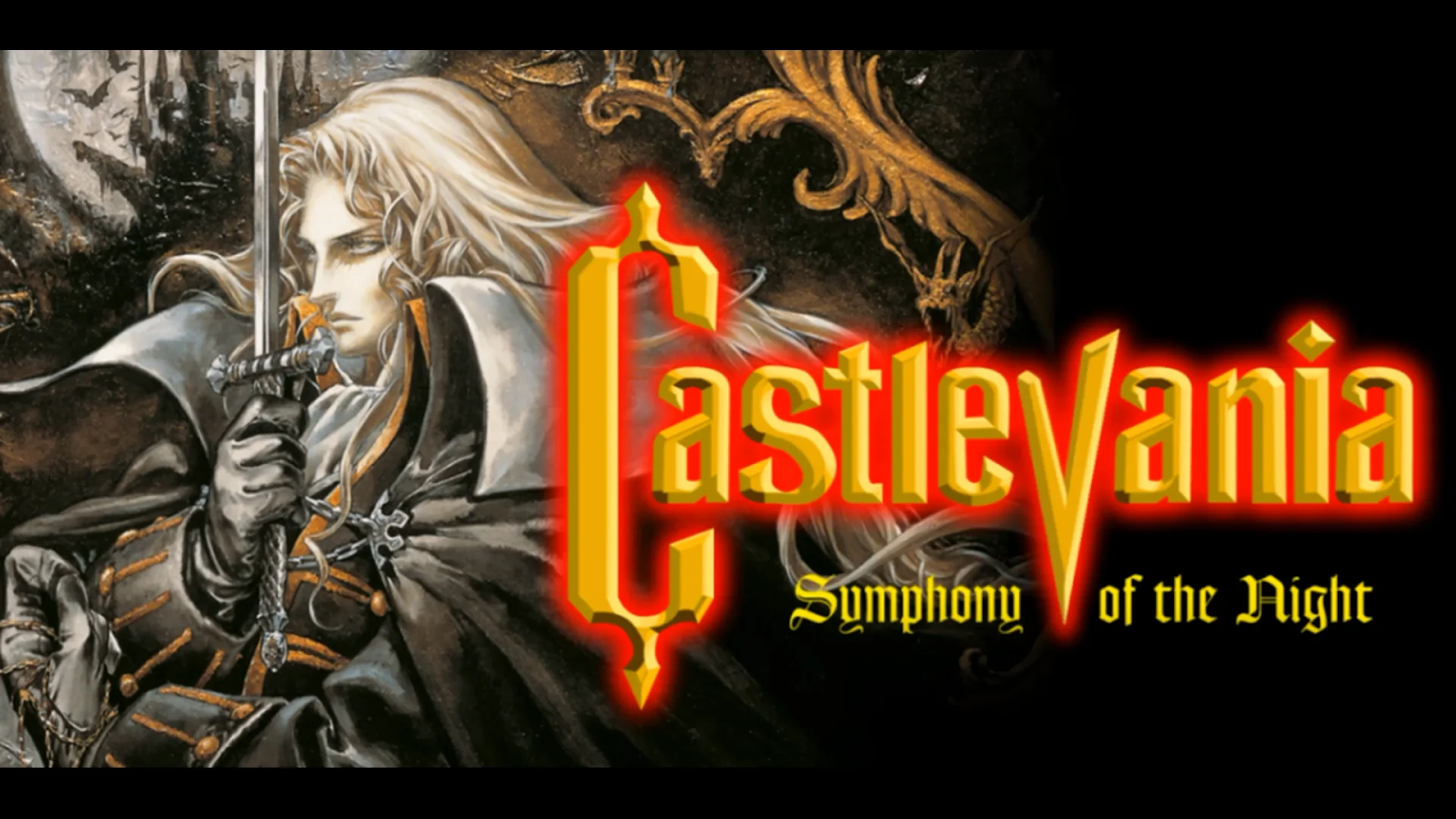
This soundtrack has range in the best way, and it is a little messy because of it, which honestly suits the game. Michiru Yamane bounced between baroque touches, rock, jazz, and straight up gothic melodrama without losing the mood of the castle. Tracks like Dracula’s Castle and Marble Gallery do not just decorate the exploration, they make wandering feel rich and slightly dangerous, like the map itself has taste.
Chrono Cross
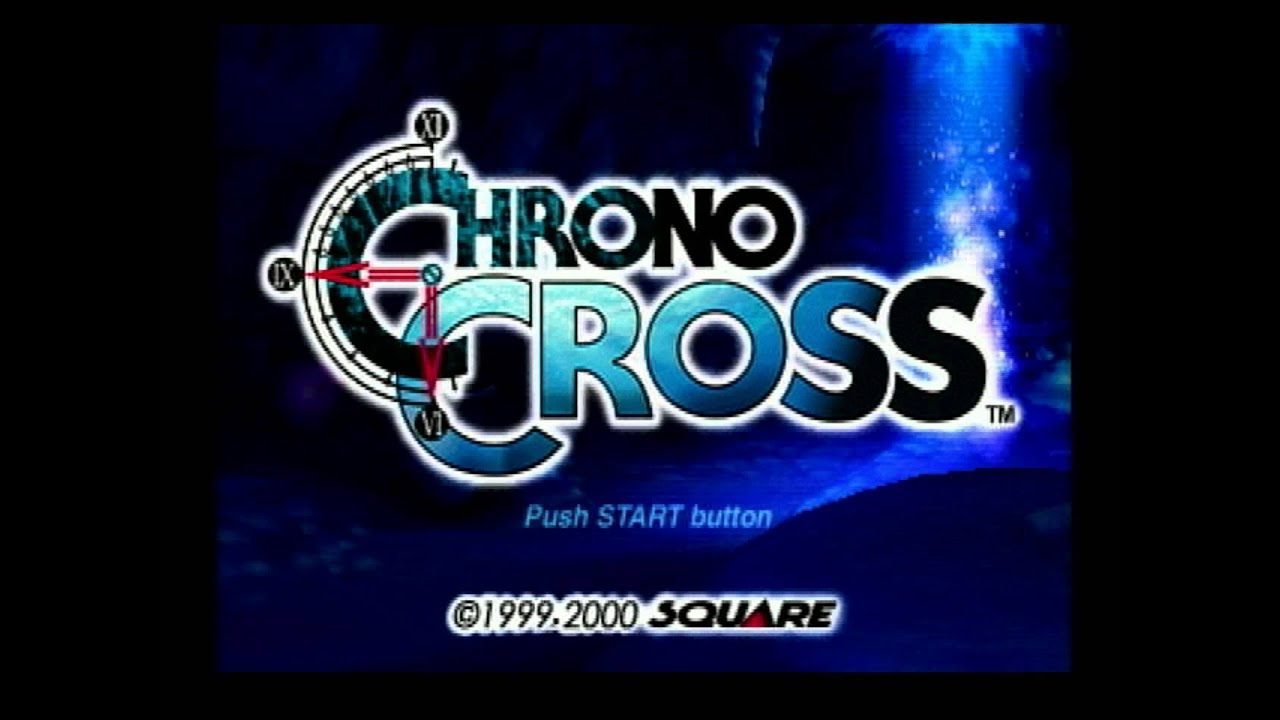
For some people, this is the first one that comes to mind, and it is not hard to see why. Yasunori Mitsuda wrote a score that feels windswept and mournful even when the game itself gets tangled in its own ambition. The opening theme still lands with that same mix of distance and longing, the kind of music that makes an RPG feel bigger than its script.
Trending on realmoneygamer.com
DOOM
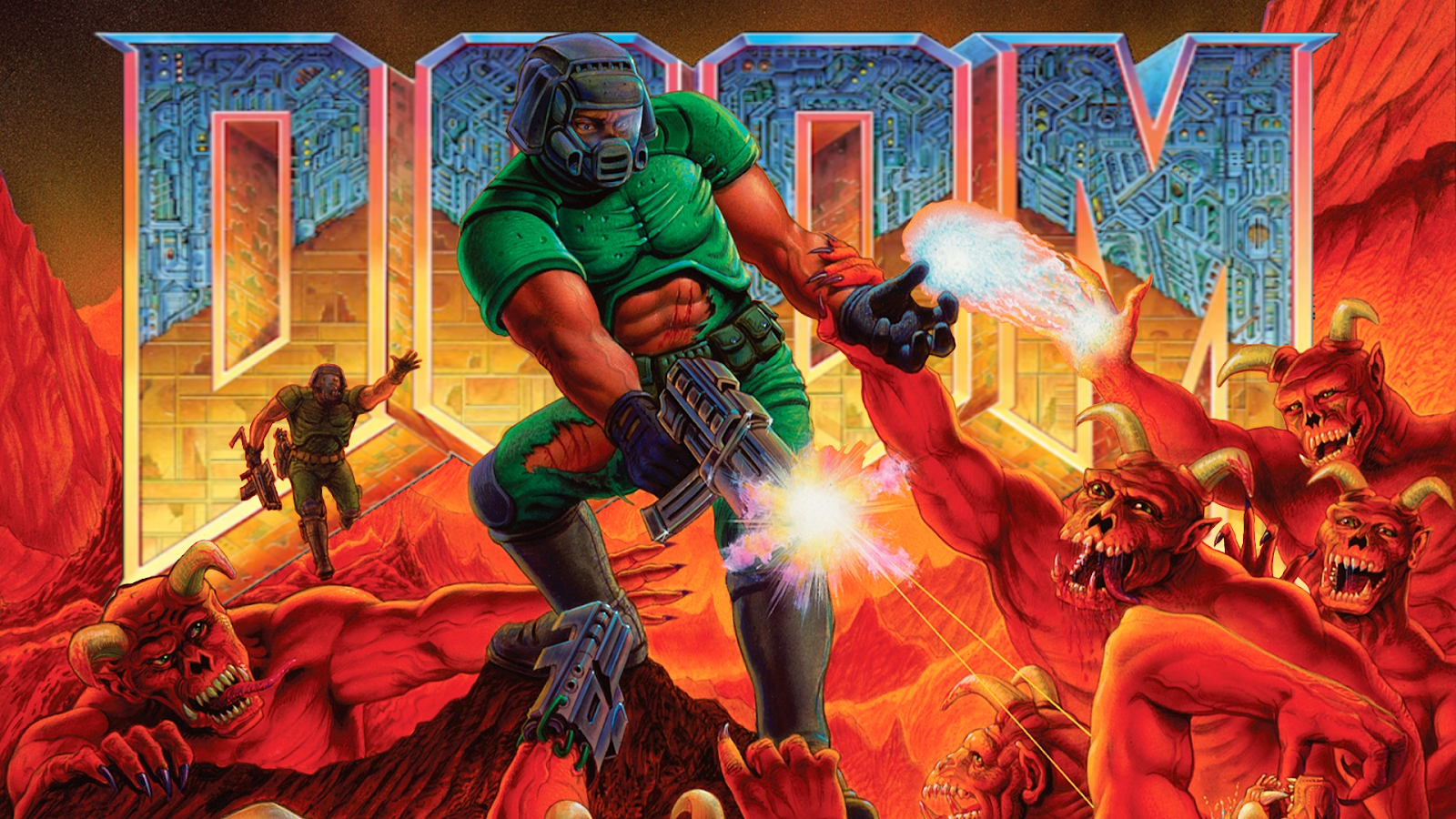
Back in 1993, DOOM did not need subtlety, it needed adrenaline. The soundtrack delivered that with grimy, aggressive MIDI compositions that pulled from metal without simply becoming a copy of it, and the result was perfect for the game’s speed and attitude. It still sounds like motion, panic, and a bad idea you are fully committed to.
Metal Gear Solid
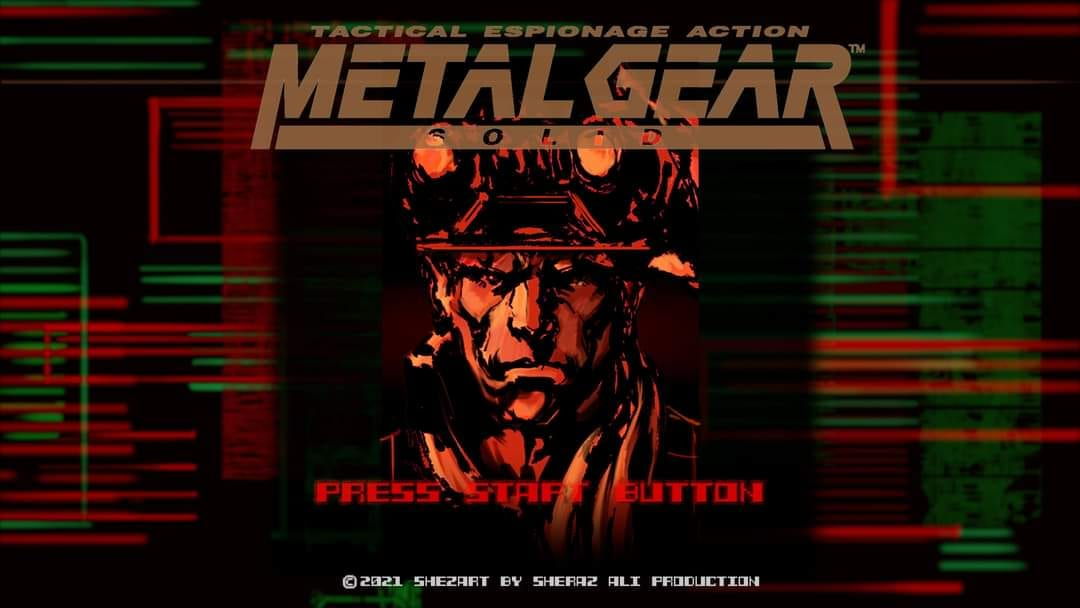
Even now, Metal Gear Solid has one of the sharpest senses of tension in any PlayStation game, and the music is a huge part of that. The score knows how to hold back, how to make infiltration feel cold and procedural, and when to let the emotion cut through. The Best Is Yet to Come, used near the end, is still the kind of choice that catches players off guard because it is so intimate.
Streets of Rage 2
Yuzo Koshiro did not just make a beat em up soundtrack here, he made something that still gets pulled into playlists by people who have not touched a Sega Genesis in years. There is club energy all over it, but it never loses that sense of urgency the genre needs. Go Straight and Dreamer feel locked into the game’s identity so tightly that it is hard to imagine one without the other.
Super Metroid
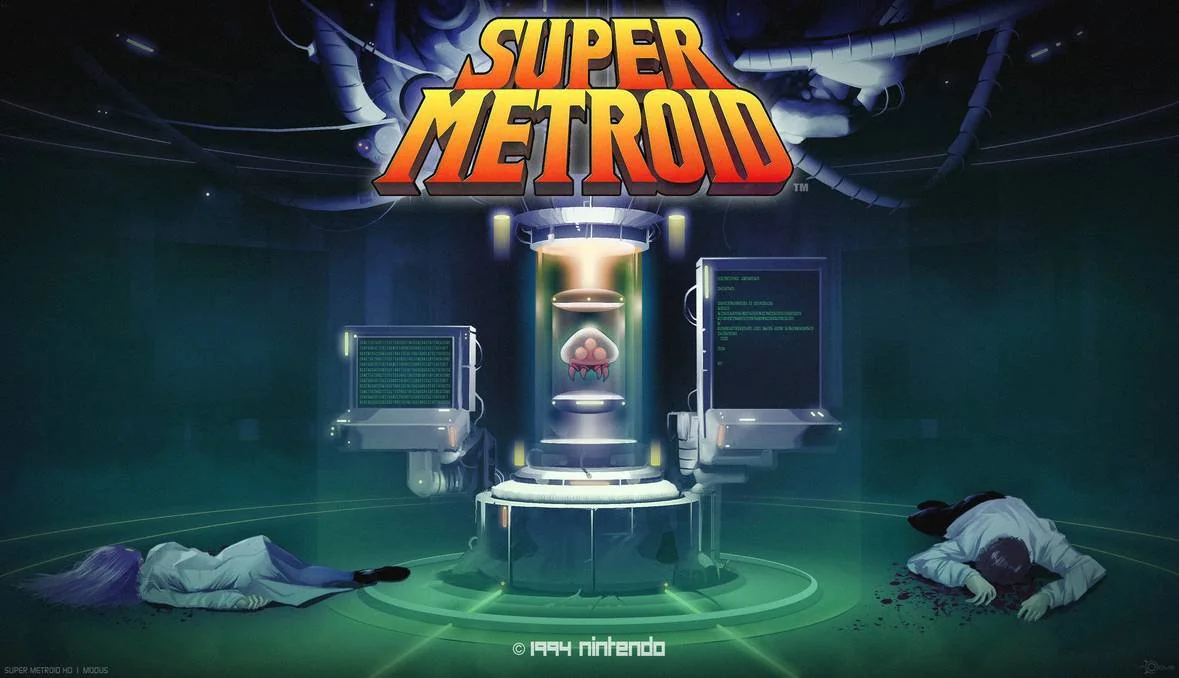
Not every soundtrack needs a memorable hummable melody every two minutes. Super Metroid works because it understands atmosphere first, and it uses sparse, uneasy compositions to make Zebes feel ancient and hostile. The music leaves room for dread, which is exactly why the high tension moments hit as hard as they do.
Pokémon Red and Blue
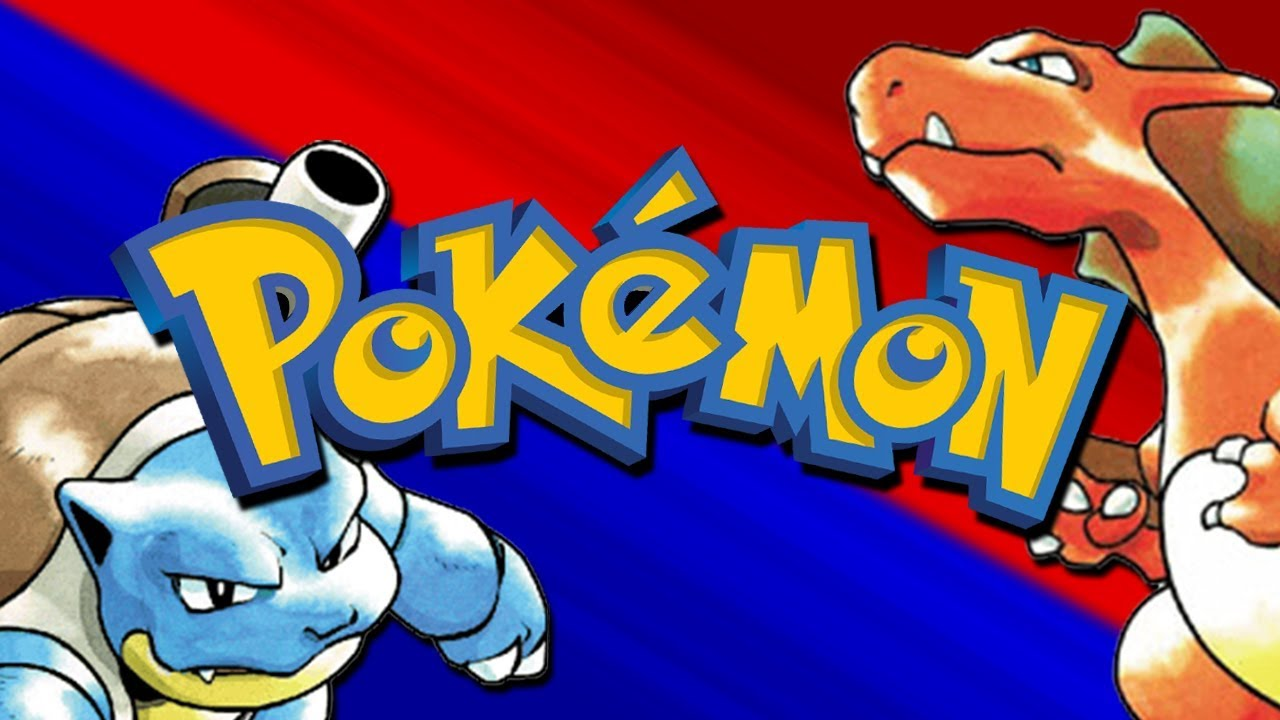
This one is easy to underrate until you actually go back and listen. The battle theme, Lavender Town, the cycling music, the little stabs of melody in towns and routes, it is all absurdly efficient. Game Boy limitations should have made this soundtrack feel thin, but Junichi Masuda found hooks everywhere.
Resident Evil 2
There is a very particular late 90s survival horror mood that Resident Evil 2 nails immediately, and the soundtrack is a huge reason why. It shifts between dread, action, and low level sadness without calling too much attention to itself, which is exactly what that game needed. Safe rooms in Resident Evil games always matter, but here the music makes them feel like borrowed time.
Mega Man X
Capcom was on a ridiculous run with action game music around this period, and Mega Man X is one of the cleanest examples of why. The guitar driven energy of Spark Mandrill or Storm Eagle still has that forward push that makes platforming feel faster than it is. It sounds confident, a little flashy, and completely suited to a game that wanted to modernize Mega Man without sanding off its edge.
EarthBound
EarthBound is odd in ways that are still hard to pin down, and the soundtrack follows that lead. It can be funny, dreamy, slightly creepy, or genuinely disorienting, sometimes in the same stretch of play. Instead of chasing orchestral scale, it leans into personality, and that is why it still feels alive.
Donkey Kong Country 2, Diddy’s Kong Quest
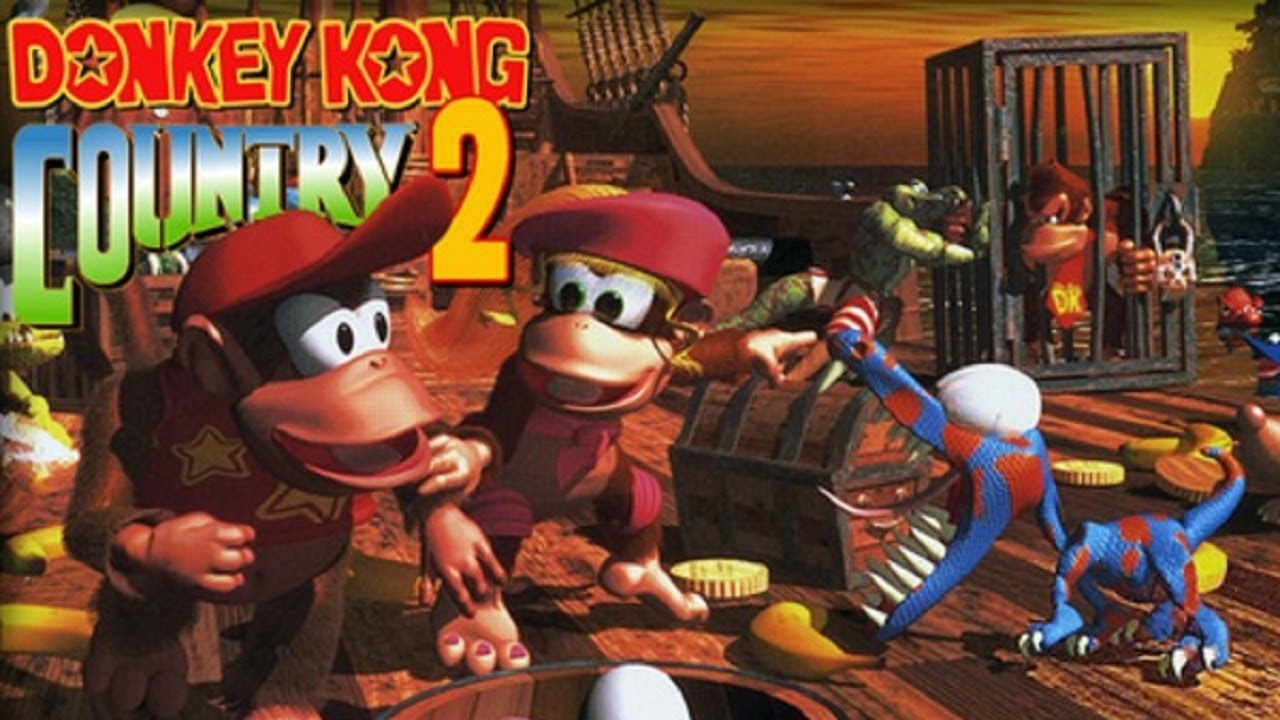
David Wise was in a different zone here. Stickerbush Symphony gets mentioned all the time, and fair enough, but the whole soundtrack has this strange balance of adventure and melancholy that gives the game more emotional texture than most platformers were even trying to have in 1995. It is beautiful without turning soft.
Jet Force Gemini
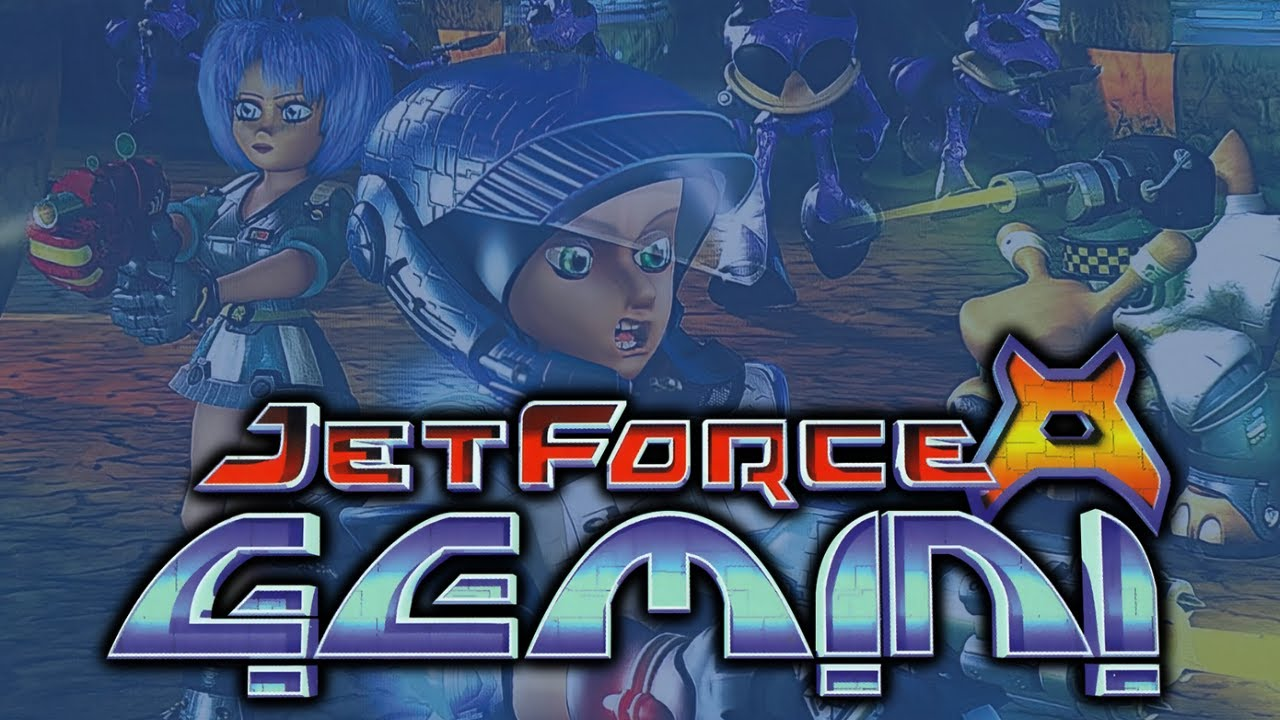
Rare had a lot going on in the late 90s, and Jet Force Gemini sometimes gets pushed to the side in those conversations, but the music deserves better. Robin Beanland’s score moves between sci-fi wonder, tension, and surprisingly tender moments with a lot more confidence than people remember. Some of those tracks still feel like they belong to a bigger game than the one that shipped, and I mean that as a compliment.
A lot of 90s game music survives because nostalgia is powerful, sure, but that is not the whole story. The better explanation is that these soundtracks were solving problems creatively, building mood with limited tools and a lot of instinct. When they still give you chills now, it is usually because they were never just background in the first place.
Related: 20 Vintage Photos of People from the 1980s-1990s Enjoying Video Games