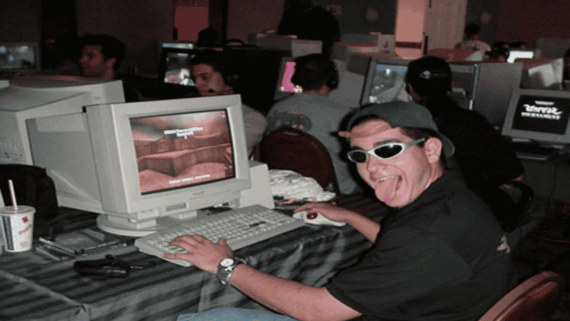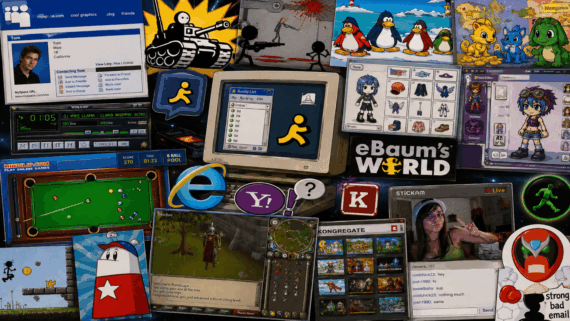
2000s teenagers had a routine that feels almost impossible to explain today. You got home from school, dropped your backpack somewhere near the front door, rushed to the family computer, and immediately disappeared into a digital world of Flash games, profile pages, chat windows, and strange corners of the internet your parents barely understood. Long before TikTok and Discord took over, these were the sites that defined an entire generation’s afternoons.
1. MySpace
Everyone remembers spending way too much time choosing a profile song, only to change it again three days later.
2. Newgrounds
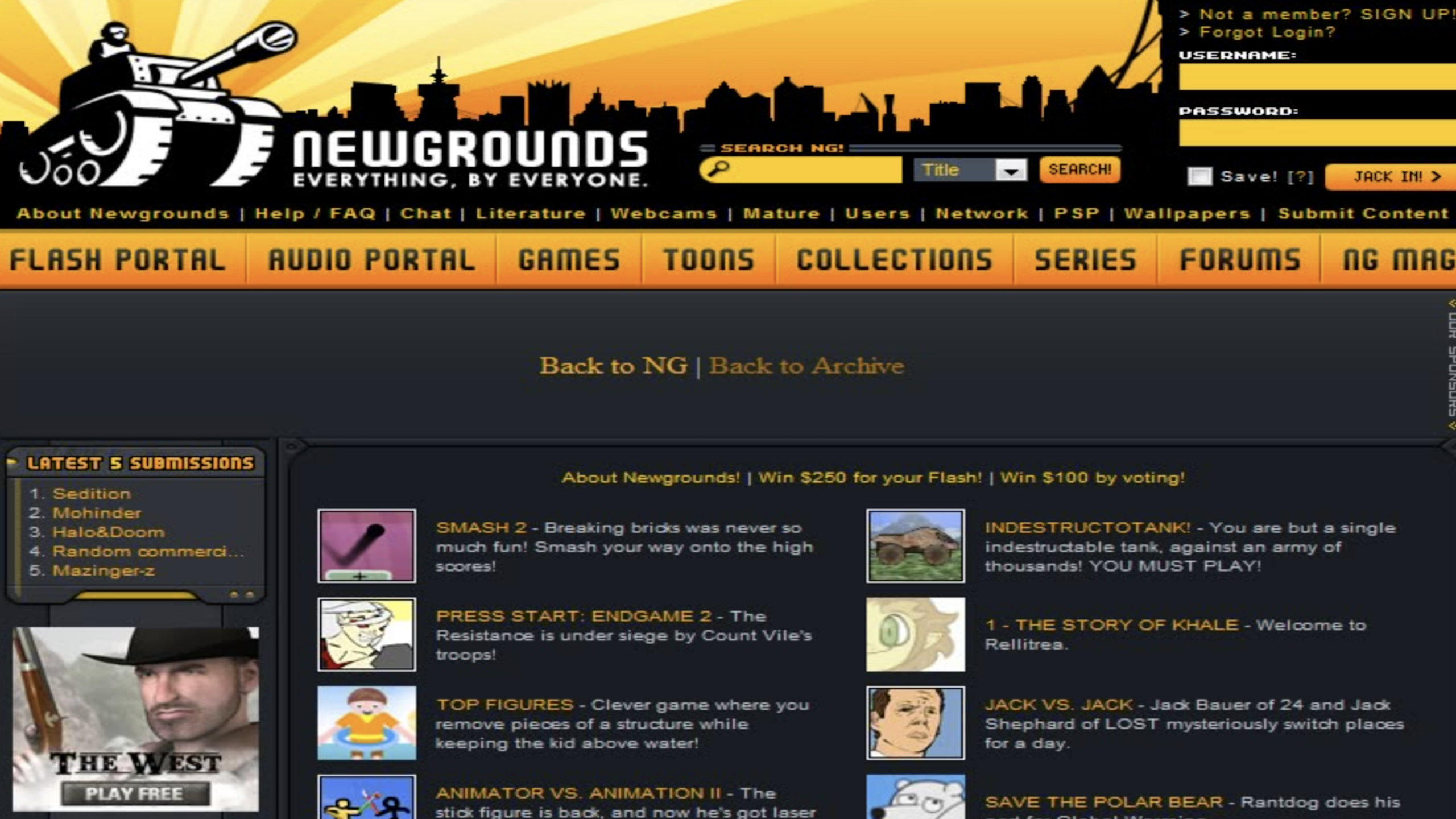
Before YouTube became the center of online entertainment, Newgrounds was where you found bizarre Flash animations, edgy humor, and games that somehow spread through every school computer lab.
3. Miniclip
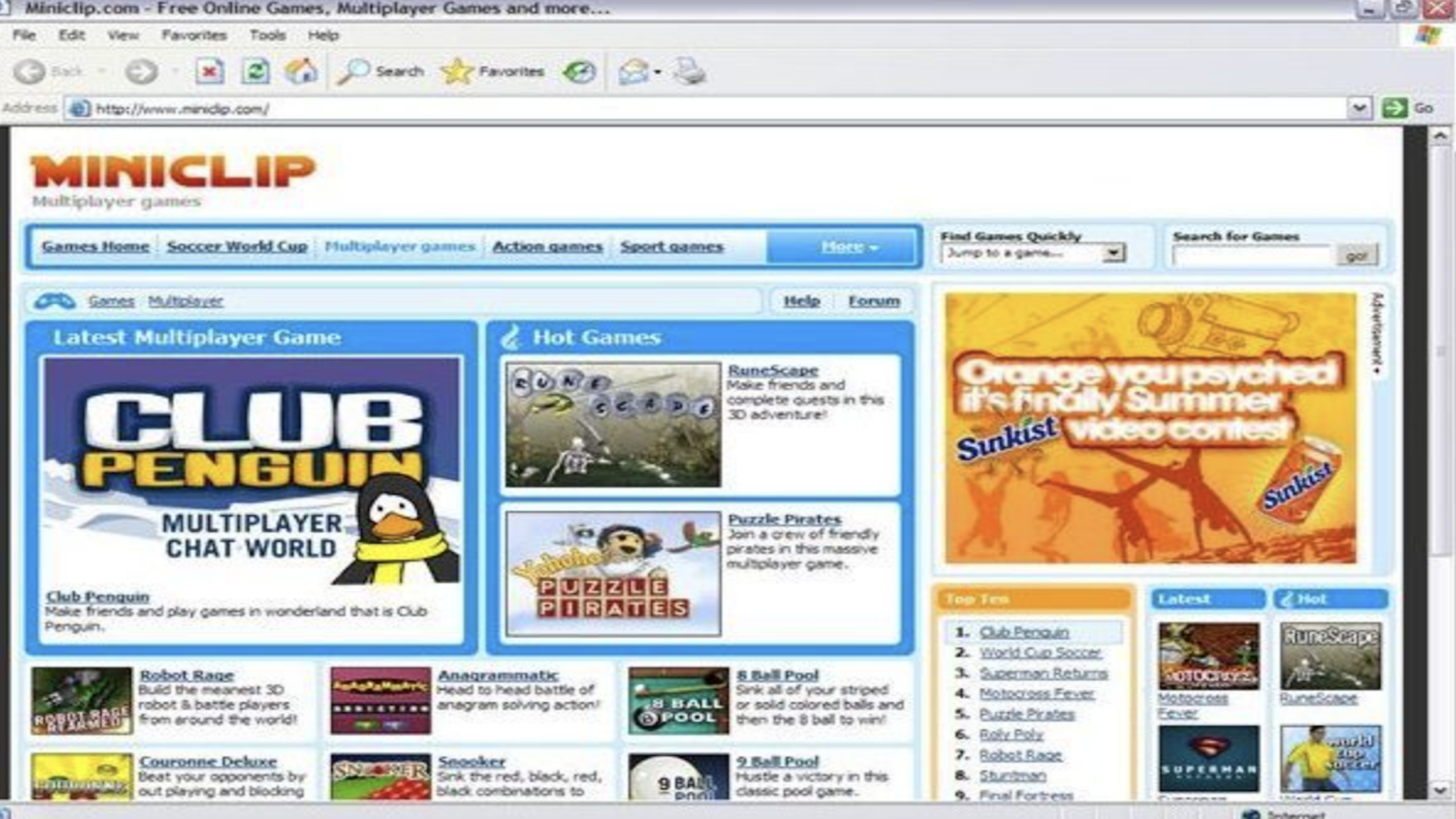
For many kids in the 2000s, homework could wait until after one more round of Club Penguin Hockey, Commando, or 8 Ball Pool. Then another round. Then another.
4. AIM
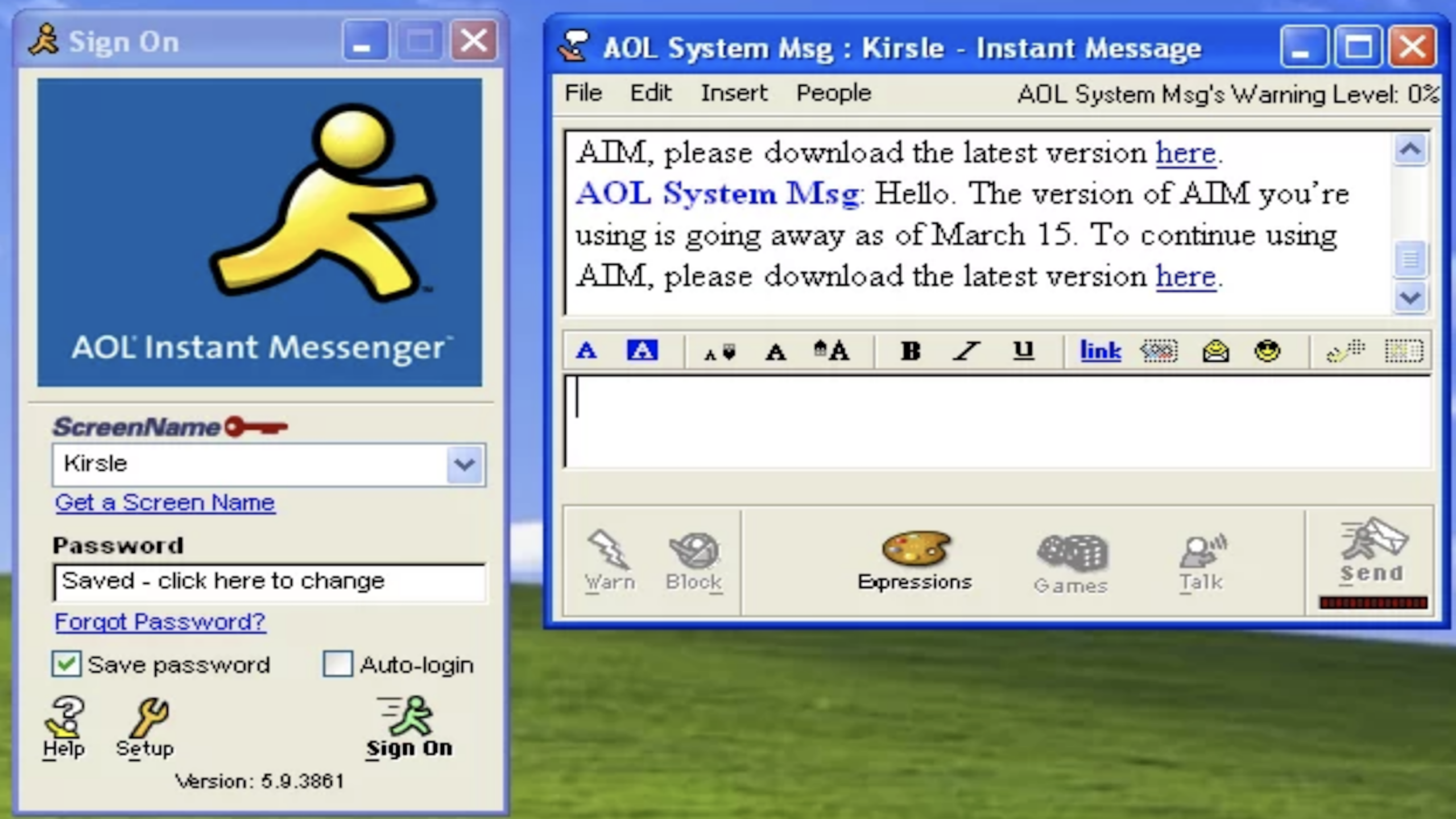
The sound of a friend signing on was basically the notification of an entire generation. AIM turned ordinary weeknights into hours of conversations that somehow felt urgent at the time.
5. Neopets
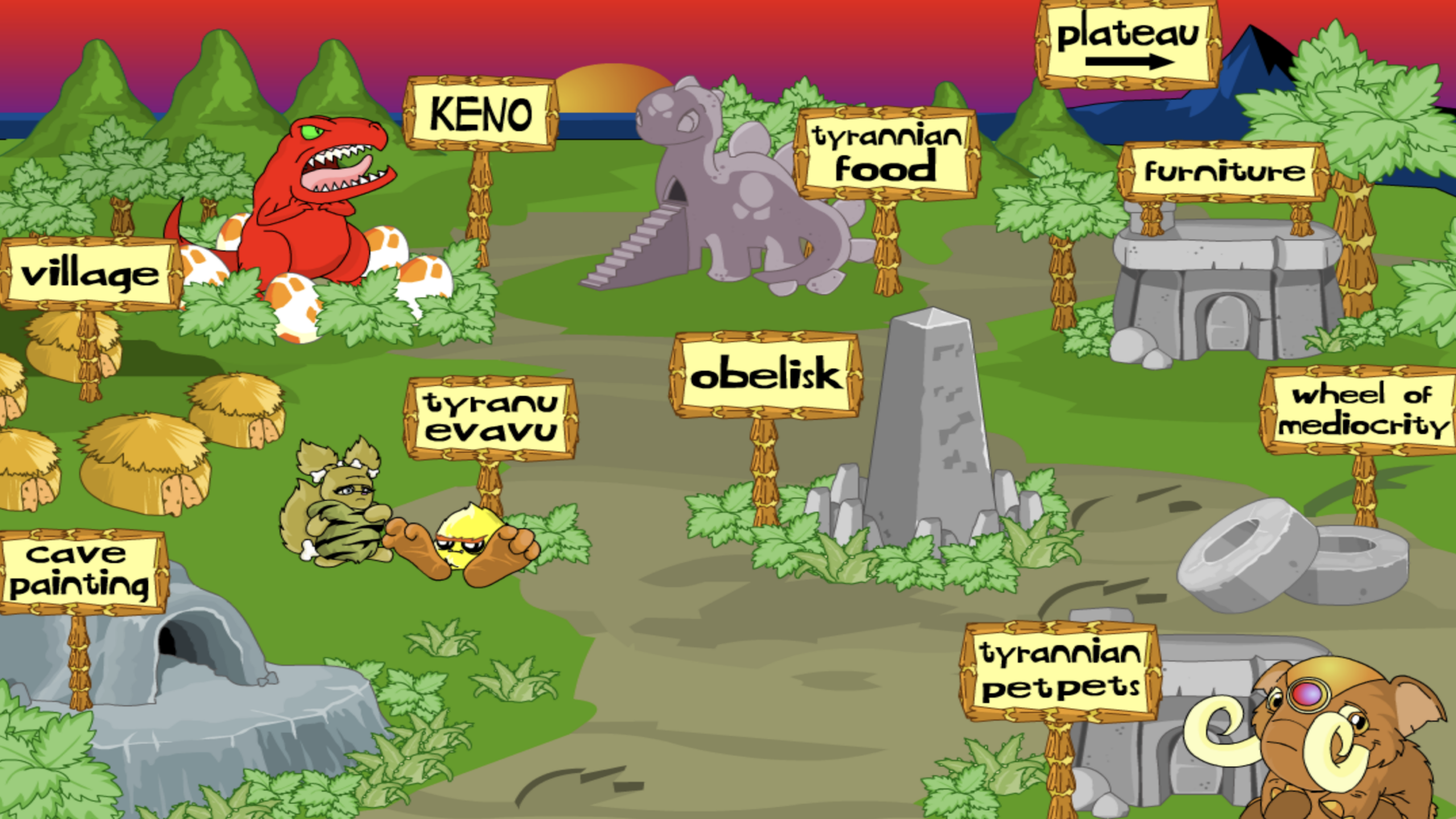
The 2000s version of checking your investments involved feeding virtual pets, collecting items, and hoping your imaginary stock portfolio had somehow increased while you were at school.
Trending on realmoneygamer.com

6. Addicting Games
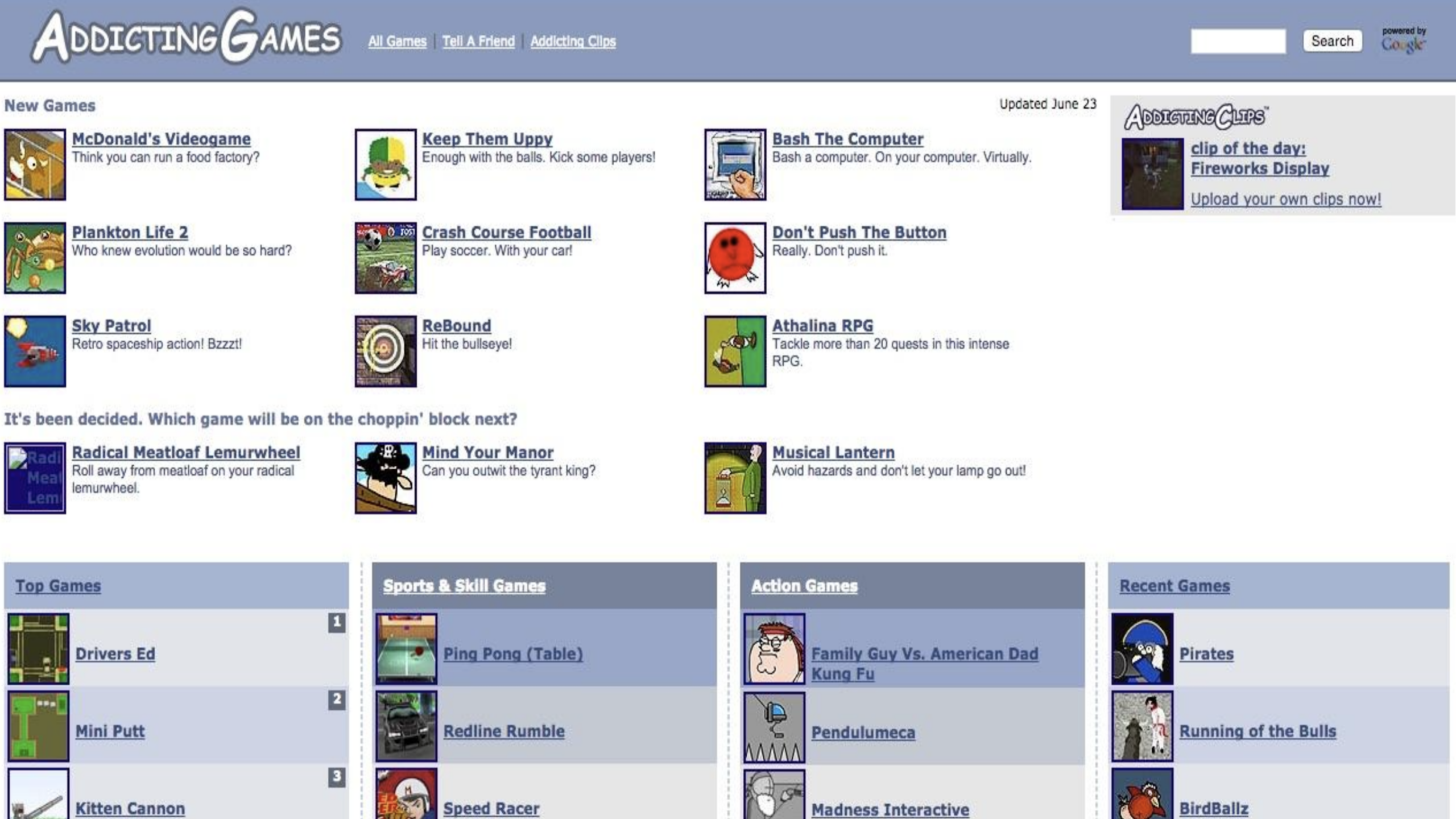
Every teenager had that one game they promised themselves would only take five minutes. Addicting Games was built on proving that estimate completely wrong.
7. Club Penguin
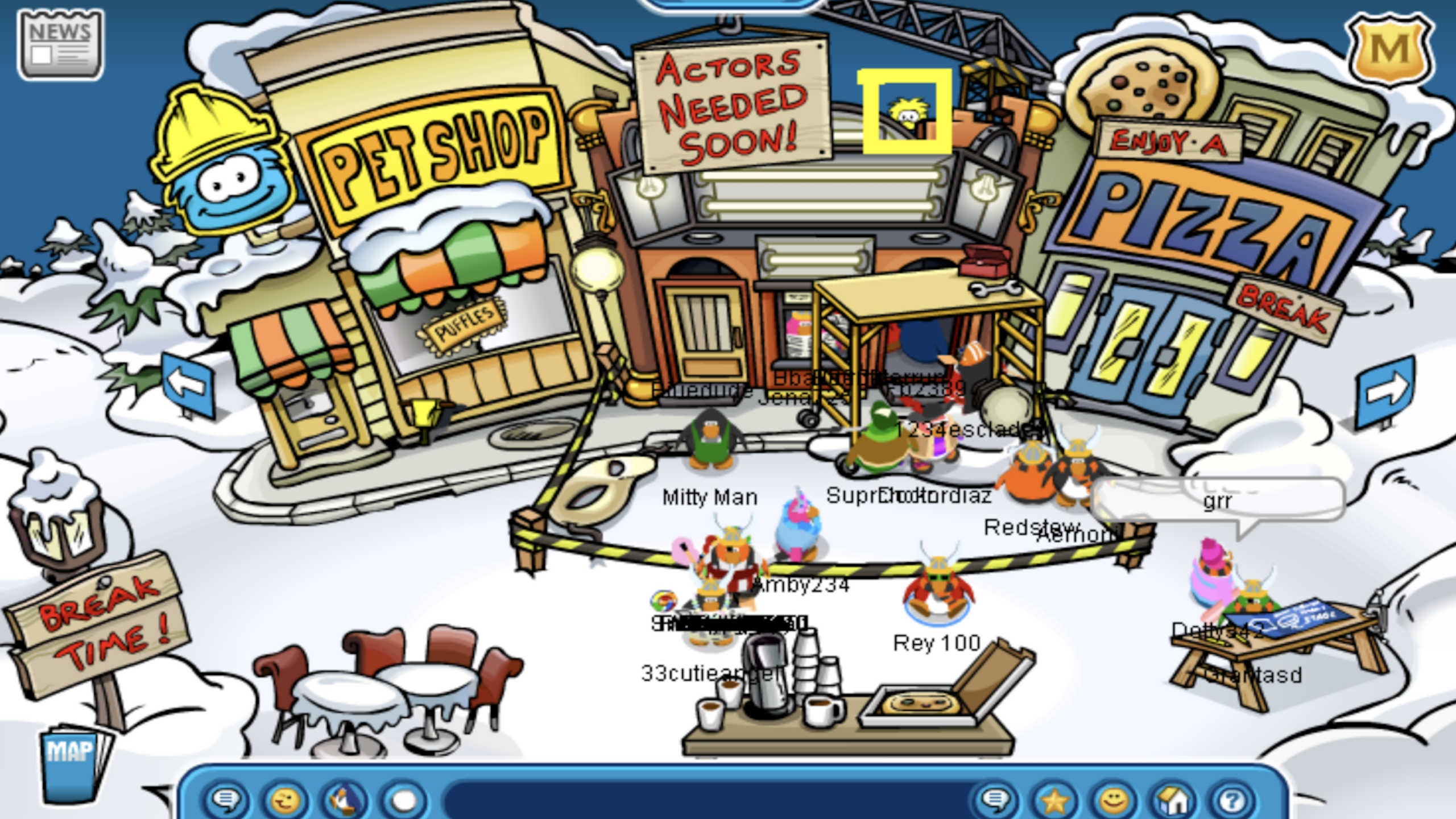
For many 2000s kids, hanging out online meant waddling around as a penguin, decorating an igloo, and trying to type fast enough before the chat filter got confused.
8. Gaia Online
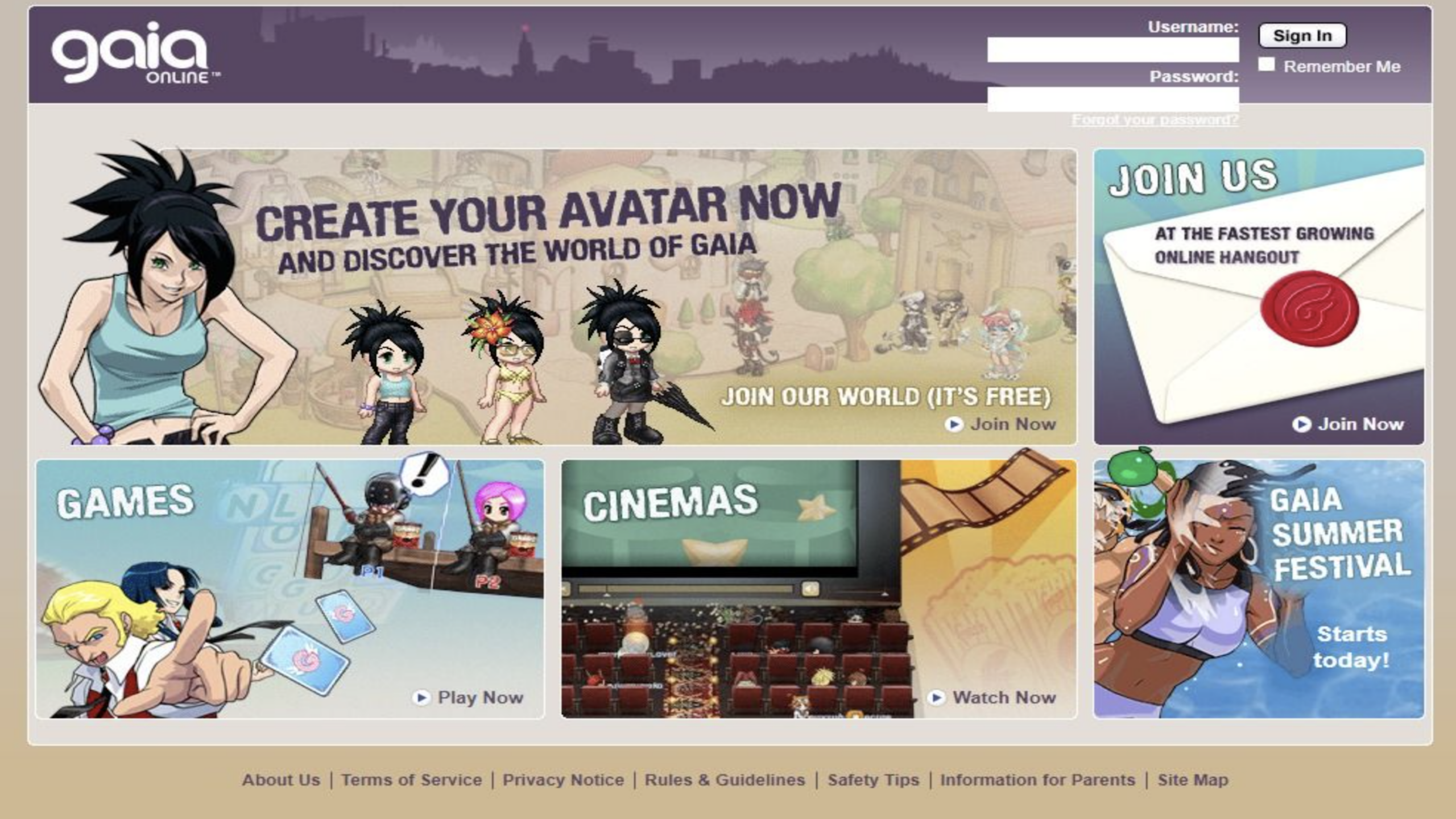
The 2000s were full of teenagers who secretly spent hours customizing avatars, collecting digital items, and treating virtual outfits with surprising seriousness.
9. Homestar Runner
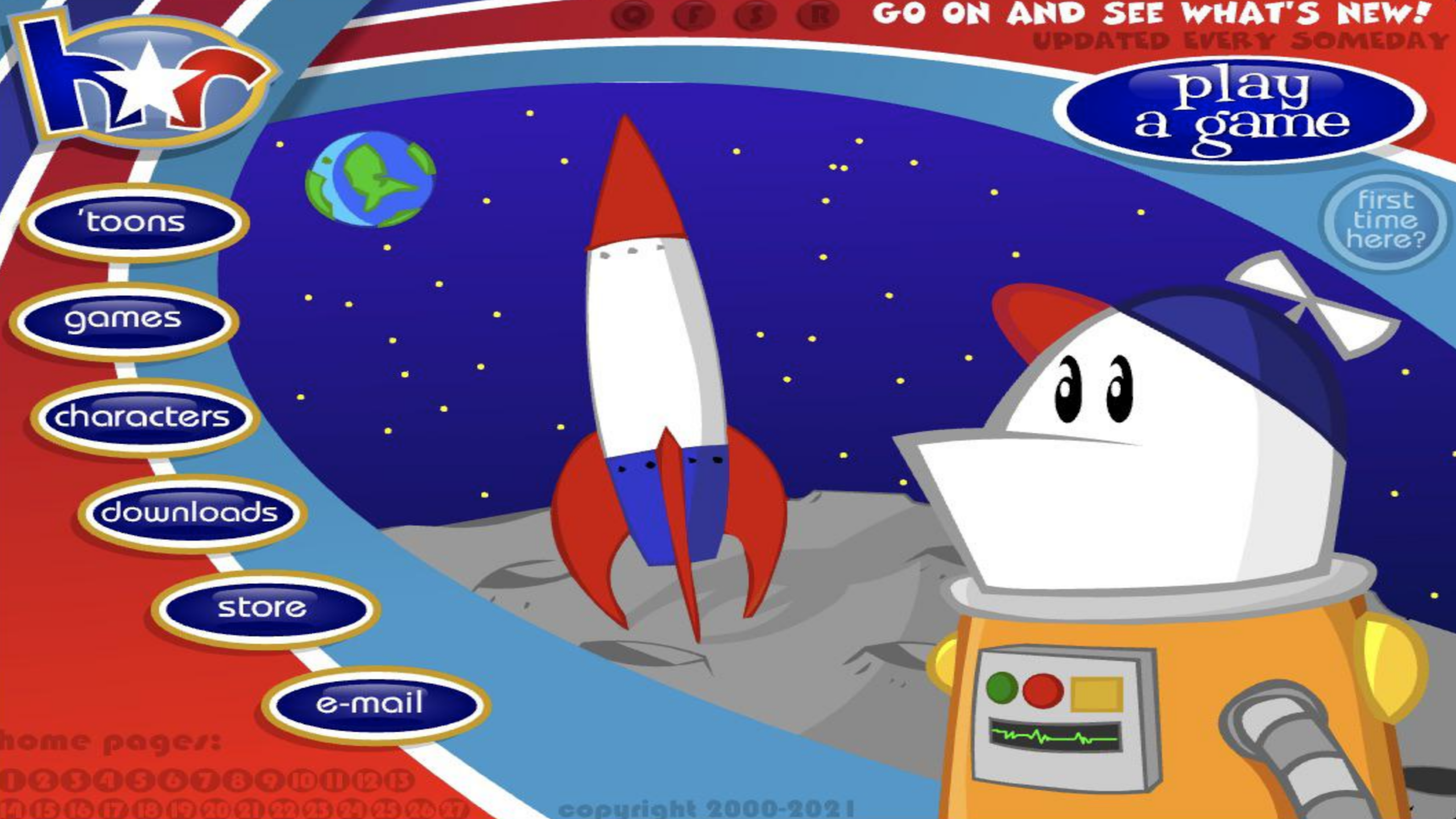
Strong Bad’s emails became required viewing for a certain corner of the internet. Quoting them at school was practically a language of its own.
10. Yahoo Answers
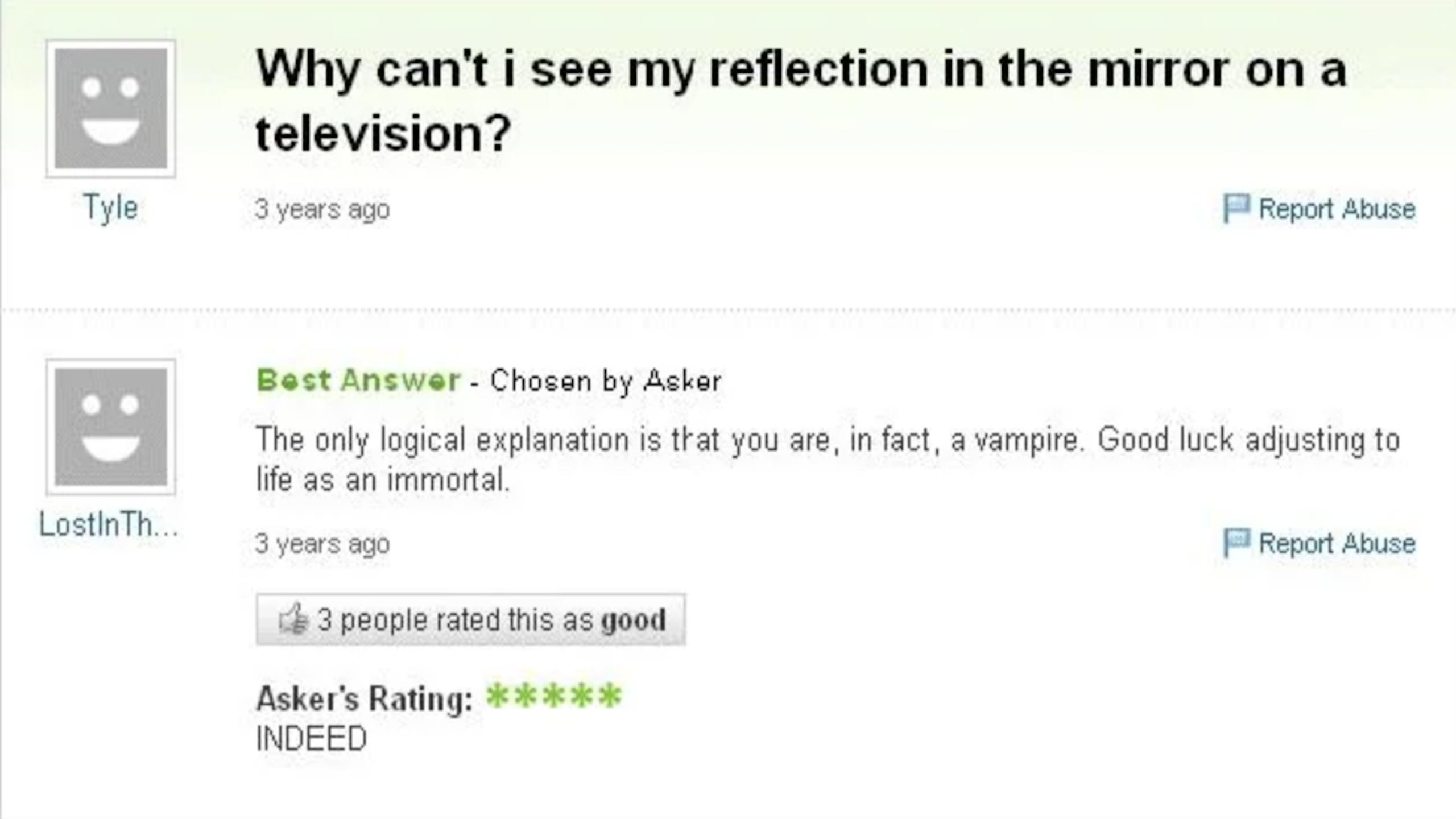
The 2000s gave us many things, but few were as entertaining as watching complete strangers confidently answer questions they clearly knew nothing about.
11. Kongregate
Thousands of Flash games lived here, and finding a hidden gem felt like discovering buried treasure in the middle of an ordinary Tuesday afternoon.
12. RuneScape
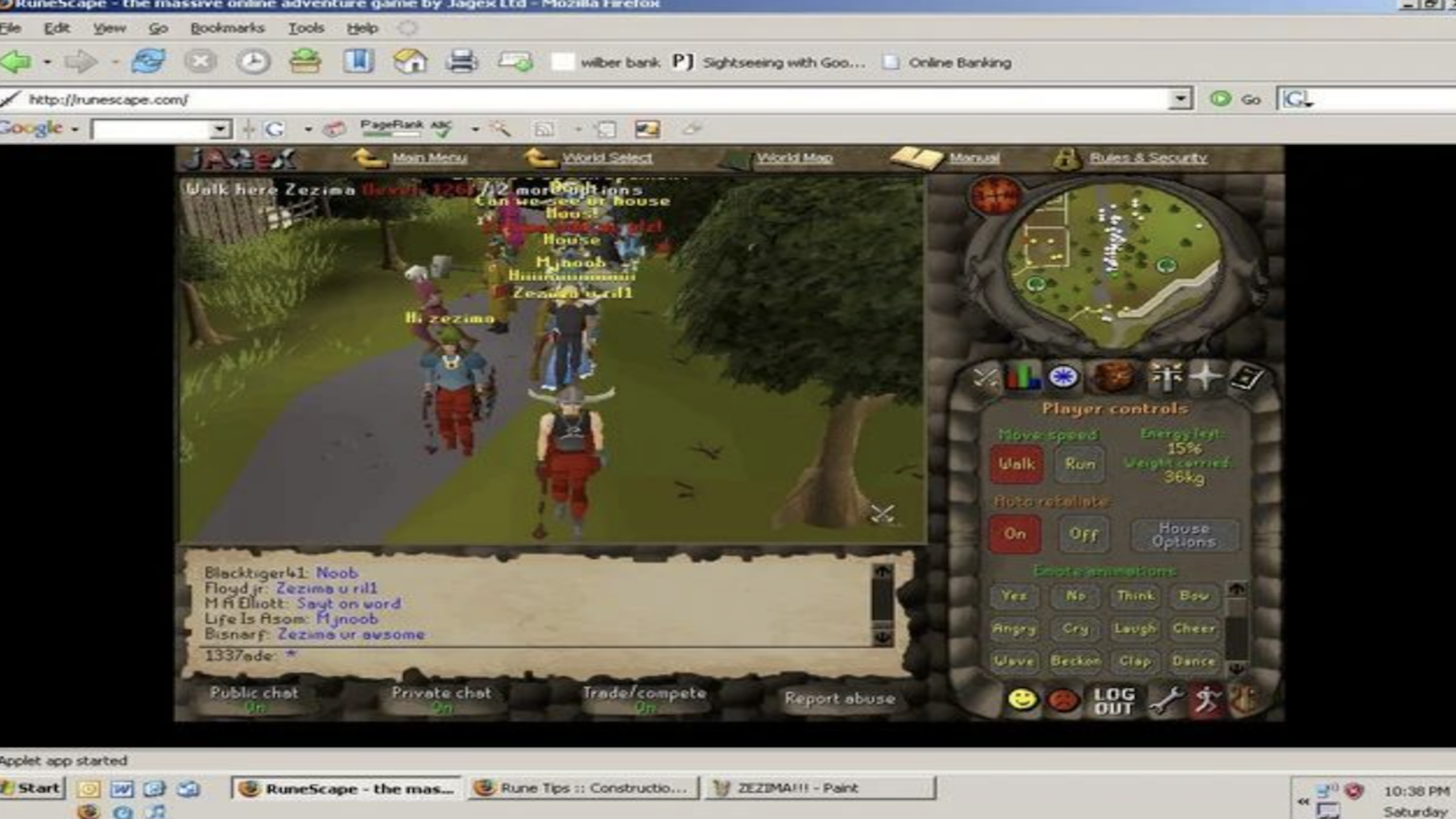
For countless 2000s players, getting home from school meant checking if their latest grind had finally paid off. Some of those grinds probably never really ended.
13. Albino Blacksheep
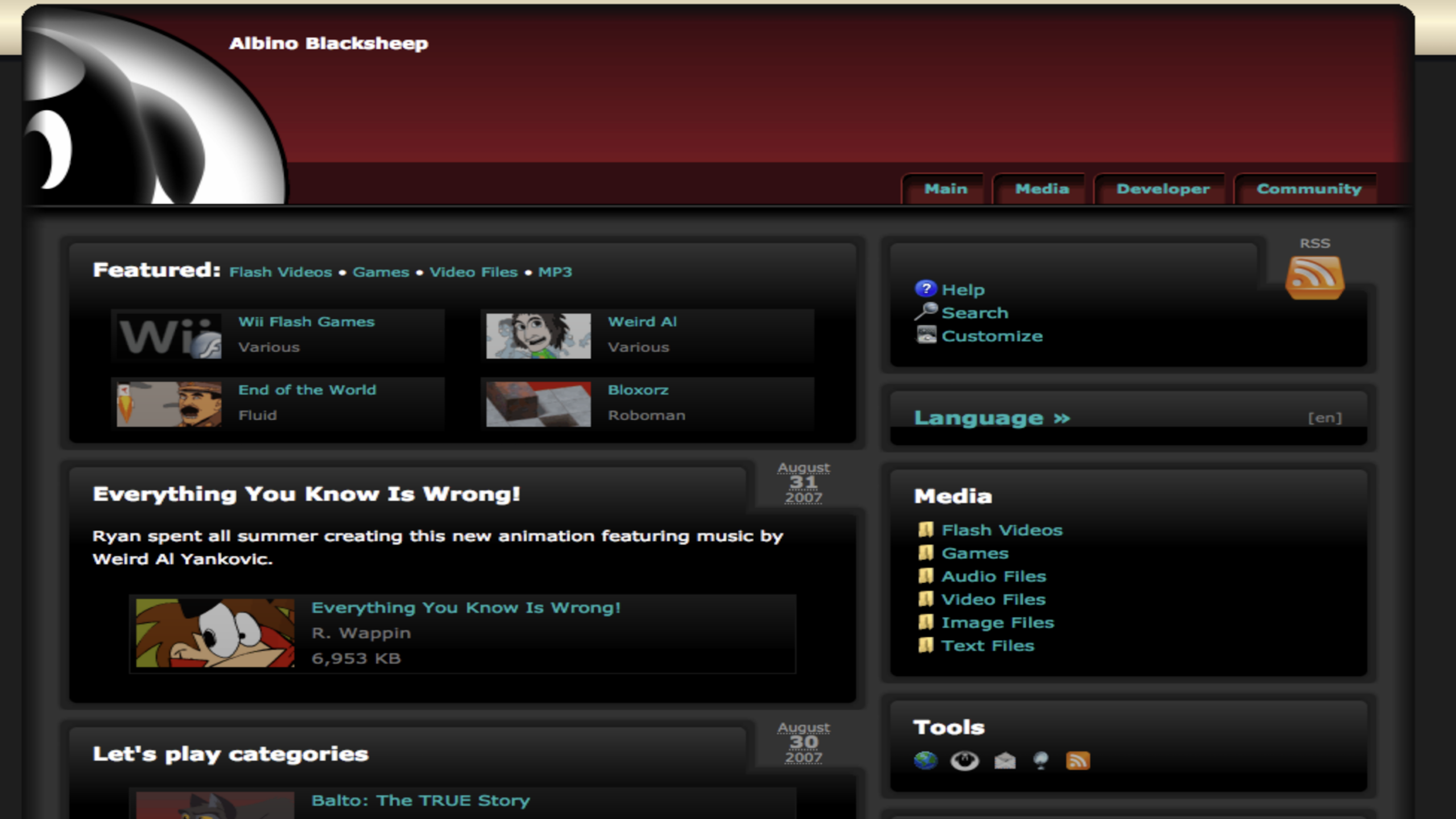
The internet felt weirder back then, and Albino Blacksheep was proof. One visit could lead to a song, animation, or joke that stayed in your head for weeks.
14. Stickam
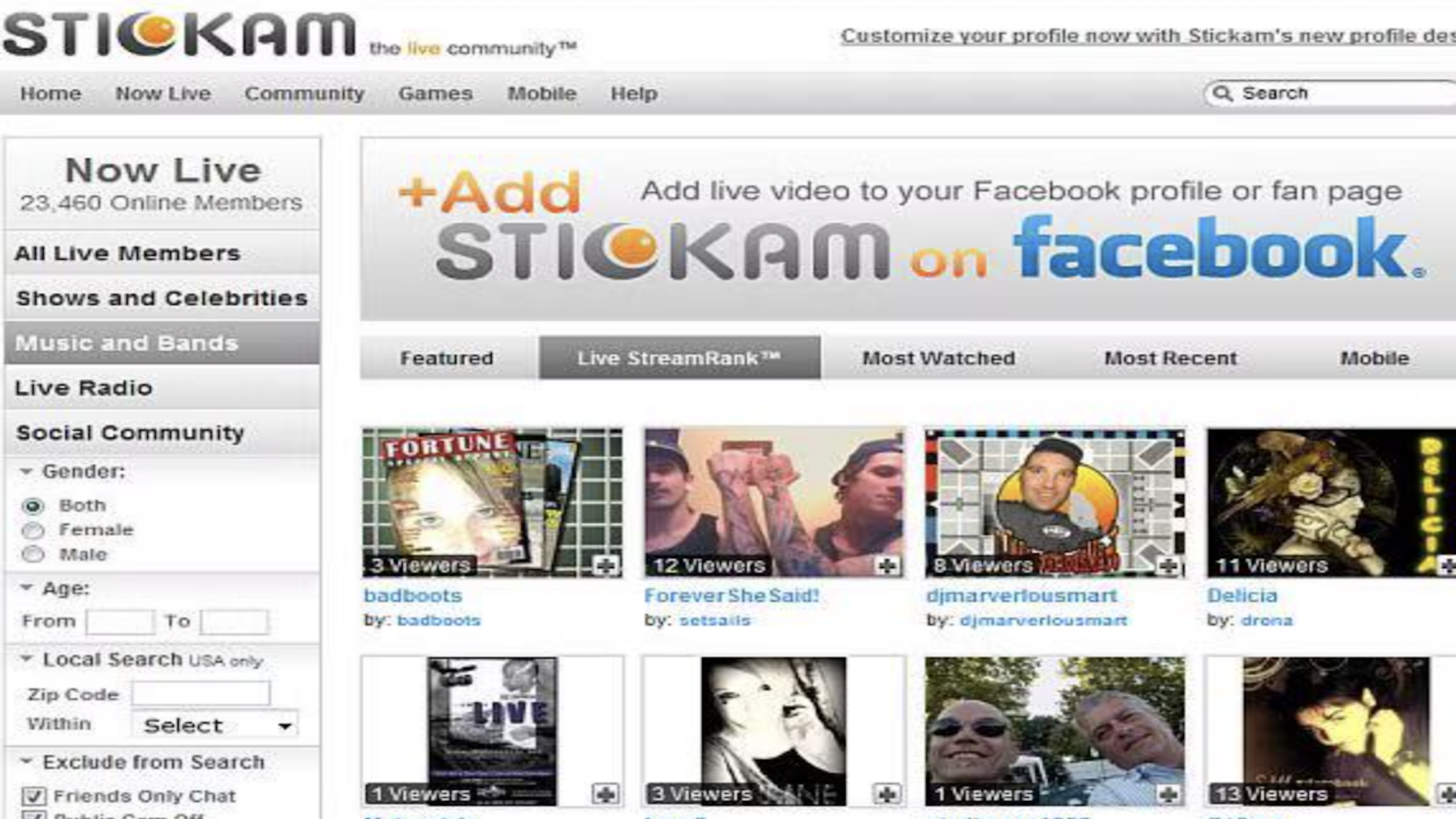
Before livestreaming became a billion dollar industry, Stickam let teenagers broadcast themselves from grainy webcams that somehow made every room look darker than it actually was.
There was something special about an online world that still felt like the Wild West. No algorithms deciding what you should see next, no endless stream of sponsored content, and no pressure to turn every hobby into a personal brand. You simply logged on, found your favorite corner of the internet, and stayed there until someone yelled that dinner was ready.