Luxury did not arrive in gaming all at once. It wandered in through campaign images, avatar outfits, esports trophies, mobile mini-games and strange little experiments that did not always know what they wanted to be. Some brands treated games as a new runway, others saw them as a storefront, and a few simply borrowed the language of play before understanding the communities behind it. The early attempts were uneven, but that is what makes them useful to look back on now.
Louis Vuitton Put a Final Fantasy Heroine in a Fashion Campaign
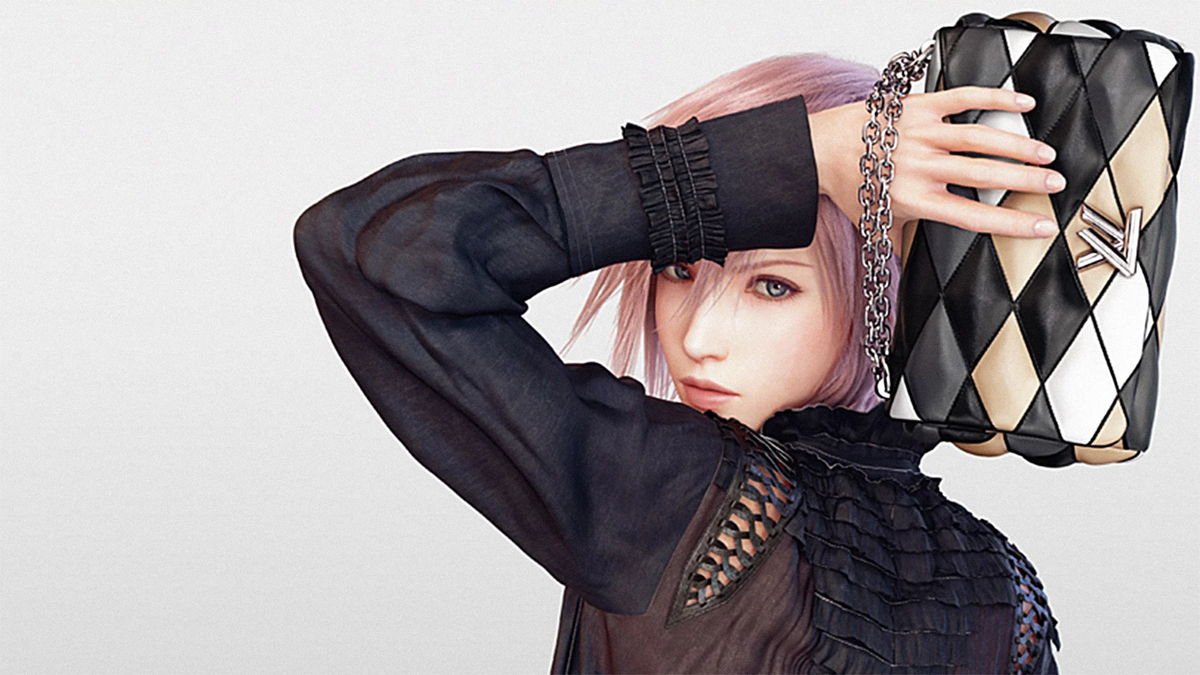
Before luxury brands were talking confidently about skins, metaverse strategy or virtual goods, Louis Vuitton made one of the more memorable early moves by casting Lightning from Final Fantasy XIII in its Spring-Summer 2016 Series 4 campaign. Nicolas Ghesquière had already been leaning into anime and game-like visuals, so the Square Enix heroine did not feel as random as it might have on paper. She appeared not as a mascot, but as a fashion model, carrying Vuitton accessories and wearing the collection with the usual campaign seriousness. It was not a game integration, and players could not unlock the clothes, but it showed that a luxury house was willing to treat a video game character as a legitimate image-maker.
Louis Vuitton Then Went Straight Into Esports
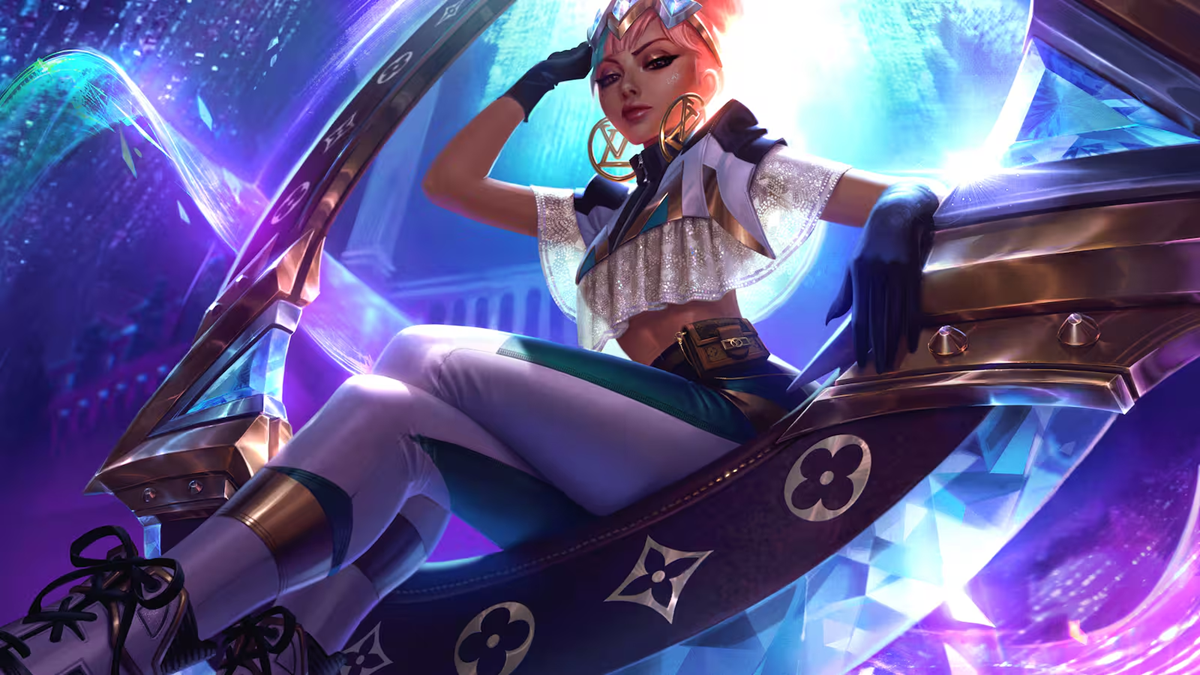
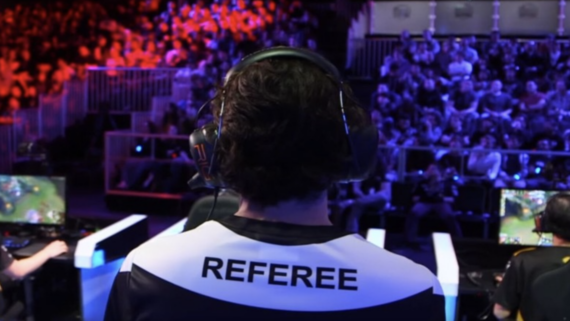
The League of Legends partnership in 2019 felt more direct, and a little stranger in a good way. Louis Vuitton designed the case for the Summoner’s Cup, created prestige skins for champions including Qiyana and Senna, and released a physical capsule collection connected to the collaboration. It was not just a logo placed near a tournament. It tried to understand the ritual of esports, the trophy, the champion skin, the fan who wants something wearable outside the game. Some of the physical pieces looked more like luxury streetwear than traditional fashion fantasy, which was probably the point.
Gucci Tried Mobile Tennis Before Roblox Became the Obvious Answer
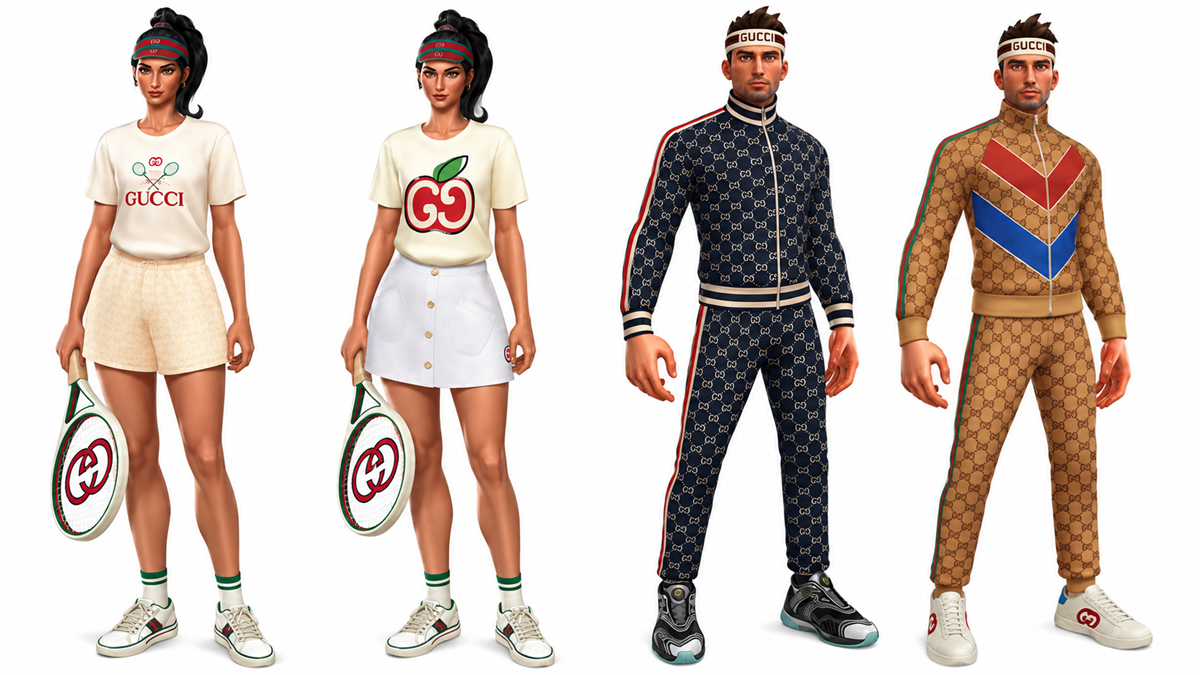
Gucci’s early gaming push did not begin with a giant virtual world. In 2020, it partnered with Tennis Clash, a mobile sports game, adding Gucci outfits, a Gucci Open tournament and real-world items that mirrored the digital looks. It was small compared with later Roblox activations, but it revealed the brand’s instinct clearly, games were a place where people already cared about dressing characters. The clever part was not the tennis theme, it was the loop between avatar clothing and shoppable clothing.
Moschino Found the Joke Inside The Sims
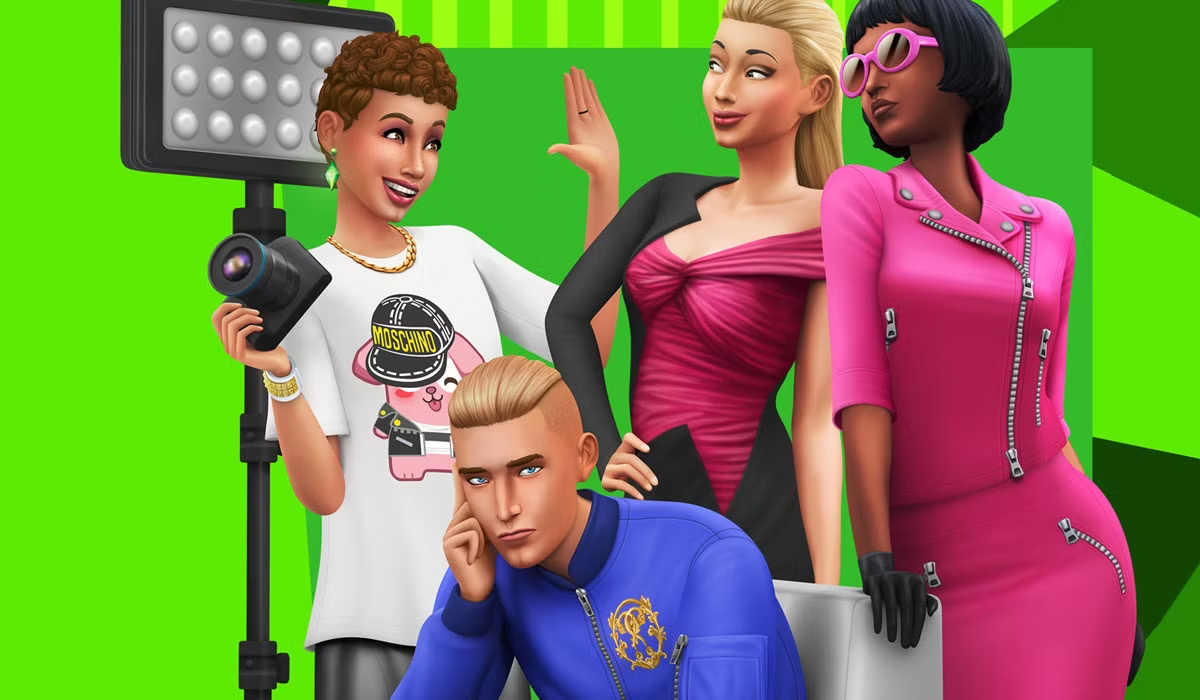
Moschino’s 2019 collaboration with The Sims made sense because Jeremy Scott’s Moschino had always enjoyed exaggeration, cartoon logic and pop-culture surfaces. The capsule collection included pixelated references and Sims-inspired pieces, while the game side brought Moschino items into The Sims 4, The Sims Mobile and The Sims FreePlay. It did not try to make The Sims look luxurious in the old-fashioned sense. Instead, it leaned into the absurdity of dressing a digital person for a digital life, which is exactly where The Sims had lived for years.
Burberry Built Its Own Little Arcade
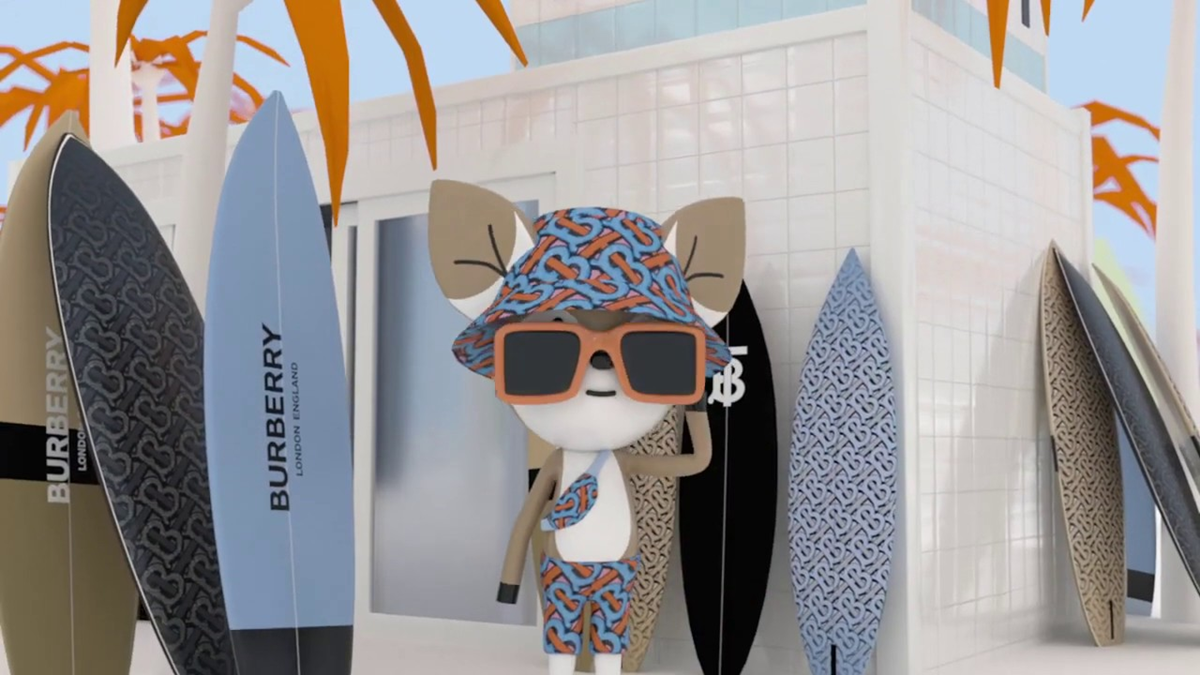
Burberry’s early experiments were less about entering a major game and more about making branded games itself. B Bounce arrived in 2019, followed by B Surf in 2020, a water-racing mini-game tied to the TB Summer Monogram collection. In B Surf, players could dress characters in Burberry looks, choose surfboards and race around a TB-shaped track. It was promotional, clearly, but it also showed how luxury brands were beginning to see play as a way to extend a campaign rather than just advertise one.
Trending on realmoneygamer.com
Balenciaga Turned a Collection Into a Playable World
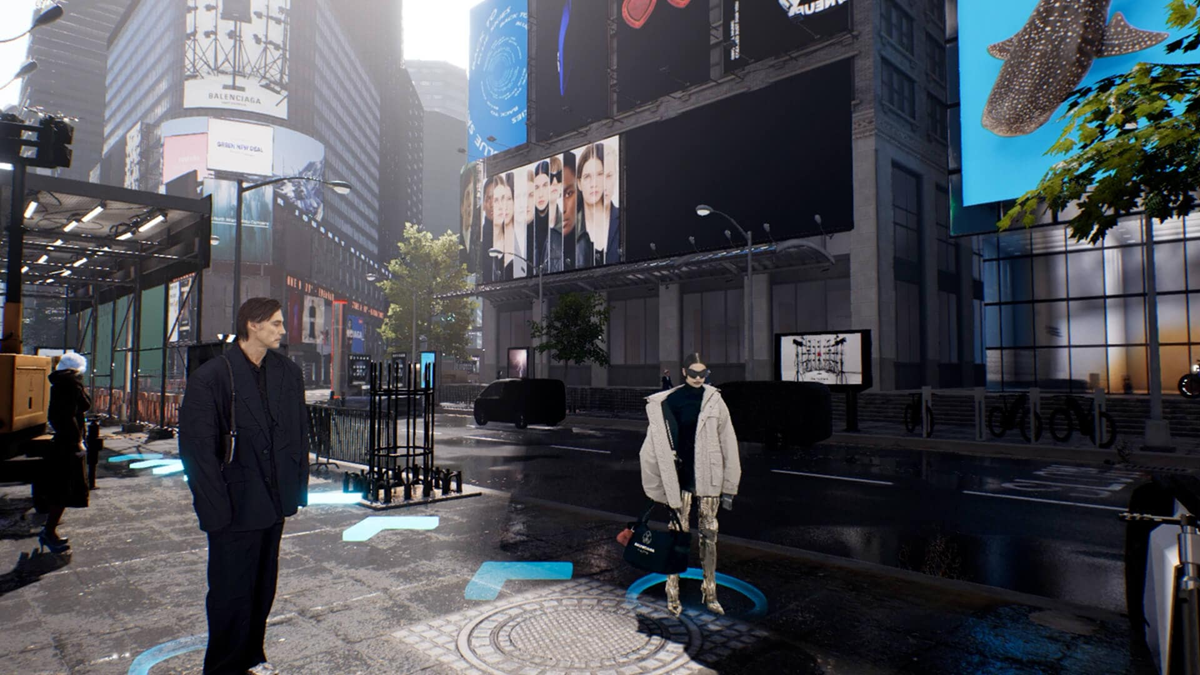
Balenciaga’s Afterworld: The Age of Tomorrow, released for its Fall 2021 collection, was not a conventional video game. It was more like a playable fashion presentation, built with a game engine and staged as a kind of dystopian, futuristic walk-through. That mattered because Balenciaga did not simply place clothes into someone else’s game world. It used gaming form as the show itself, which fit Demna’s taste for distorted reality, digital surfaces and fashion that already felt slightly online.
Balenciaga’s Fortnite Move Made the Audience Impossible to Ignore
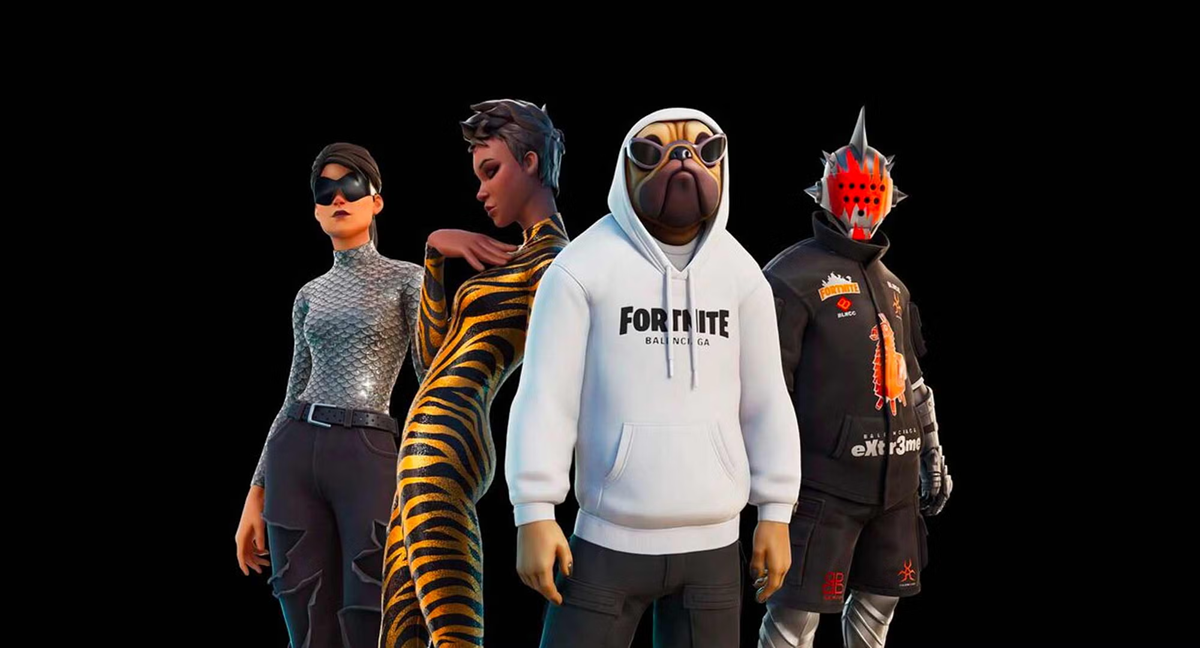
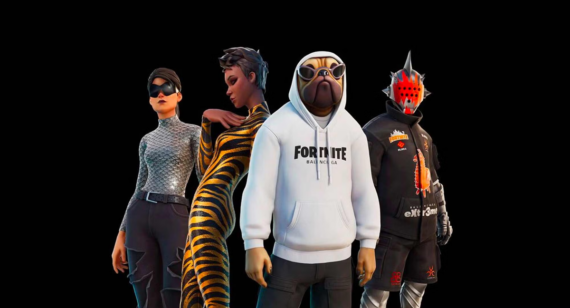
The Fortnite collaboration in 2021 was a different kind of signal. Balenciaga became the first luxury fashion house to collaborate with Fortnite, bringing four digital outfits, accessories, a virtual store and a physical Balenciaga x Fortnite apparel drop. It was less subtle than Afterworld and much more commercial. Still, the format was revealing, players were not being asked to admire fashion from a distance, they were being asked to wear it while moving, fighting, emoting and being seen by other players.
Valentino and Marc Jacobs Used Animal Crossing Like a Tiny Fashion Week
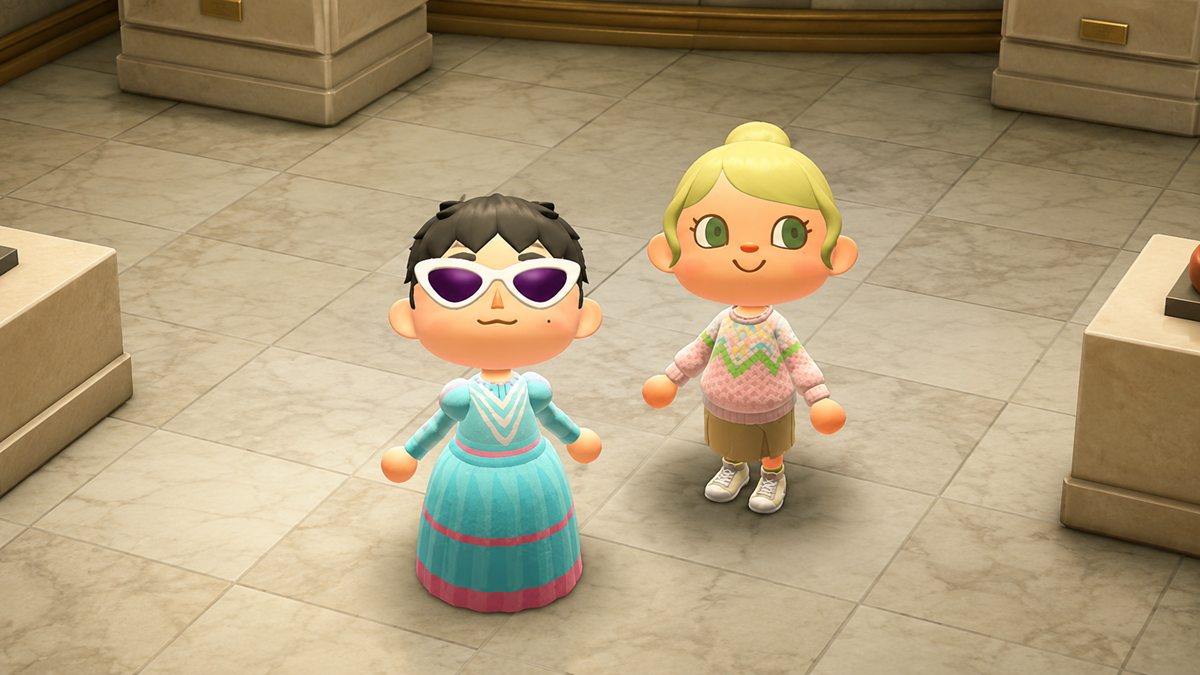
Animal Crossing: New Horizons became an unlikely fashion platform during the early pandemic months, partly because its custom design system was simple and social. Valentino and Marc Jacobs released creator codes in 2020 that let players download looks into the game. There was no dramatic cinematic launch, no expensive virtual boutique, no complex economy. Just clothes, codes and islands full of people who wanted their avatars to dress with a bit more taste.
Prada Entered Through Technical Sportswear
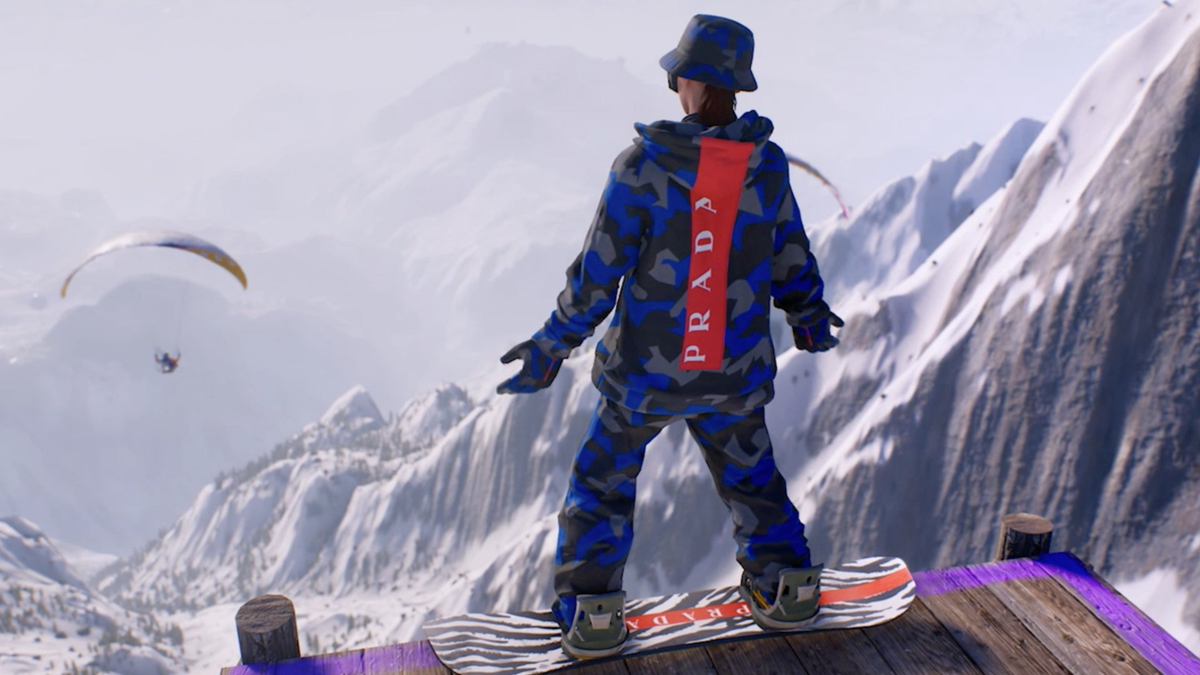
Prada’s Riders Republic collaboration with Ubisoft in 2022 was not a random luxury drop pasted onto a game. Linea Rossa already had the right visual language for extreme sports, with its technical fabrics, red stripe and performance-adjacent identity. In the game, players could access Prada outfits and gear through challenges and themed events, including Prada Beyond The Line. It worked because the fantasy was not red-carpet glamour, it was speed, snow, bikes, wingsuits and looking expensive while failing a stunt.
Dior Picked the Controlled Precision of Gran Turismo
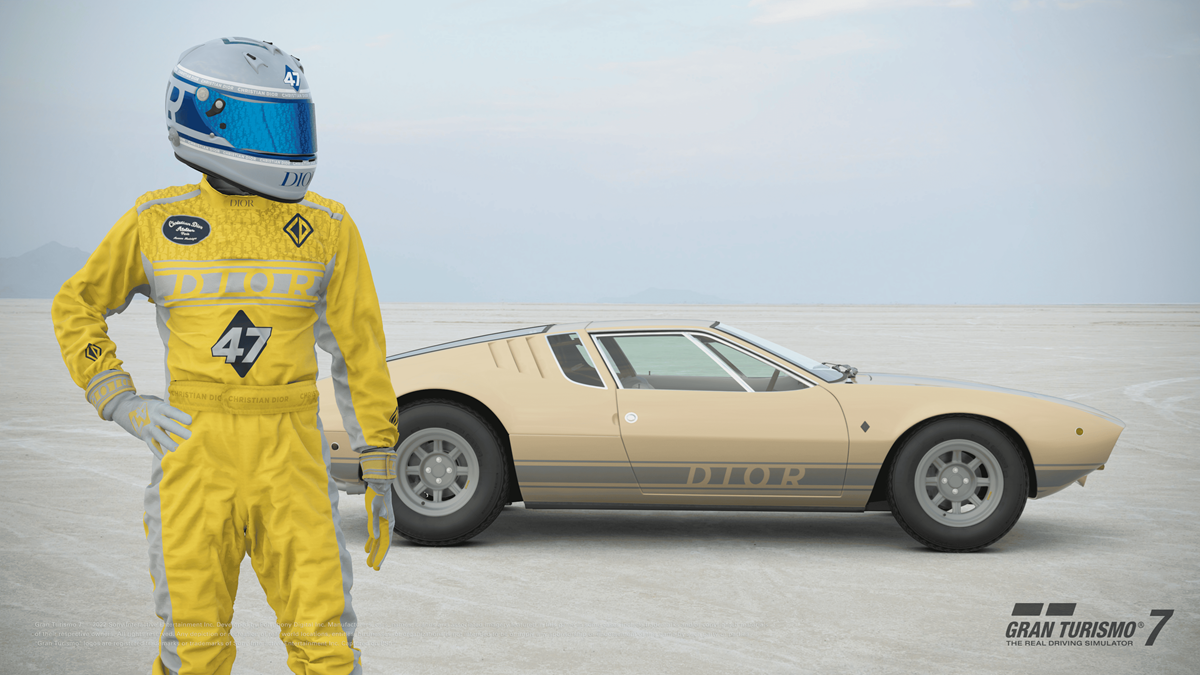
Dior’s Gran Turismo 7 collaboration, designed by Kim Jones, had a cleaner, more restrained feel than many luxury-gaming crossovers. It included a virtual racing suit and a customized De Tomaso Mangusta, with Dior branding and the number 47, a reference to the year Christian Dior held his first show. Racing games are already about surfaces, machines, desire and obsessive detail, so Dior did not have to force the connection too hard. The result looked more like a capsule inside a collector’s garage than a loud attempt to chase gamers.
Burberry’s Blankos Experiment Followed the NFT Mood
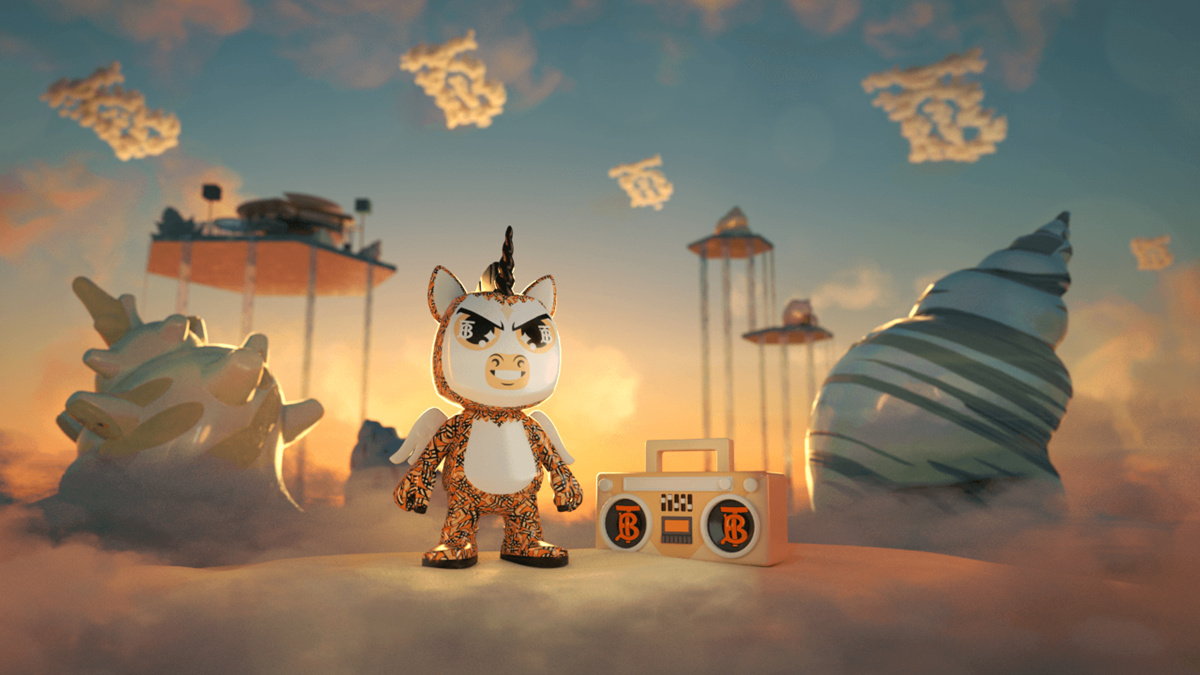
Burberry’s Blankos Block Party work captured a very specific moment in luxury’s gaming curiosity. The brand entered the NFT-based game with digital characters and accessories, including the Sharky B figure and later Minny B. It was playful, collectible and tied to the wider hype around digital ownership. Looking back, it feels very early-2020s, but that is also why it belongs in the story. Luxury brands were not only testing games as entertainment, they were testing whether scarcity could survive when the product was virtual.
The First Attempts Were Not Always Smooth, and That Was the Point
What stands out now is how different these early crossovers were from one another. Some were polished, some were gimmicky, some were closer to advertising than gaming, and a few understood player identity before the industry had settled on the vocabulary for it. Luxury brands discovered the gaming audience by testing the edges first, campaign imagery, avatar dressing, esports prestige, branded mini-games, digital collectibles. Not every experiment aged beautifully, but most of them noticed something real: in games, style is not just what people look at, it is what they use.