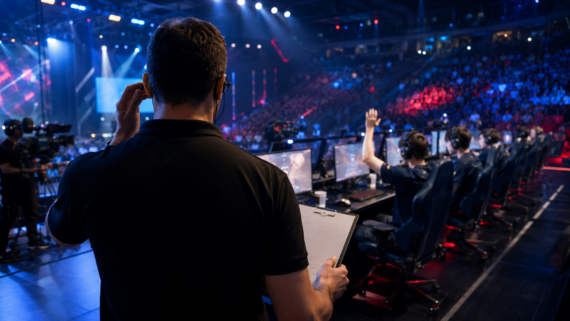
Most viewers only notice an esports referee when something goes wrong. A pause hits, a player raises a hand, the broadcast goes quiet for a moment, and suddenly someone standing behind the team becomes part of the story. But for most of a live match, referees are doing quiet, repetitive, highly specific work that keeps the competition from drifting into chaos. Their job sits somewhere between sports officiating, technical support, rule enforcement, and crisis management. It is not glamorous, but without it, the match everyone is watching would feel a lot less clean.
Checks Player Setups Before the Match Starts
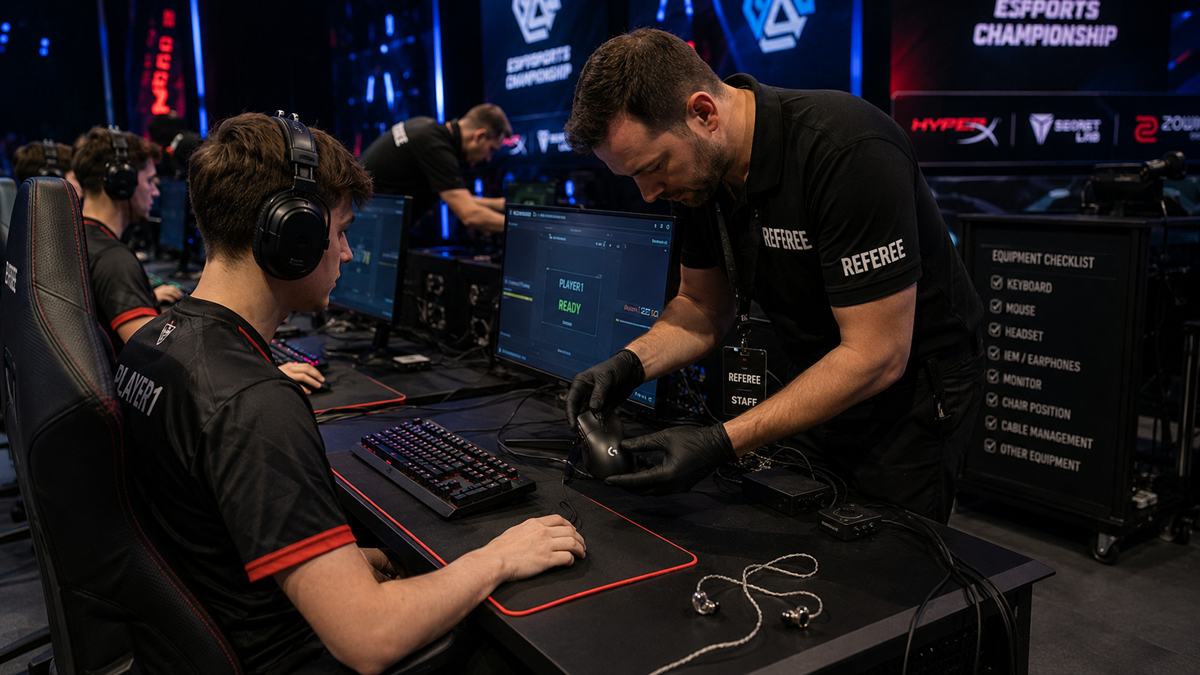
Before the broadcast countdown begins, referees are usually already moving through the player area, checking that each station is ready. That can mean making sure keyboards, mice, headsets, in-ear monitors, monitors, and chair positions are exactly where players need them. In larger tournaments, the equipment process can be surprisingly strict, especially when personal peripherals are involved. A player may bring a mouse they have used for years, but it still has to be inspected, connected properly, and confirmed as allowed under tournament rules. Referees are not just looking for comfort, they are making sure no one starts with an unfair technical advantage.
Verifies Player Identity, Accounts, and Eligibility
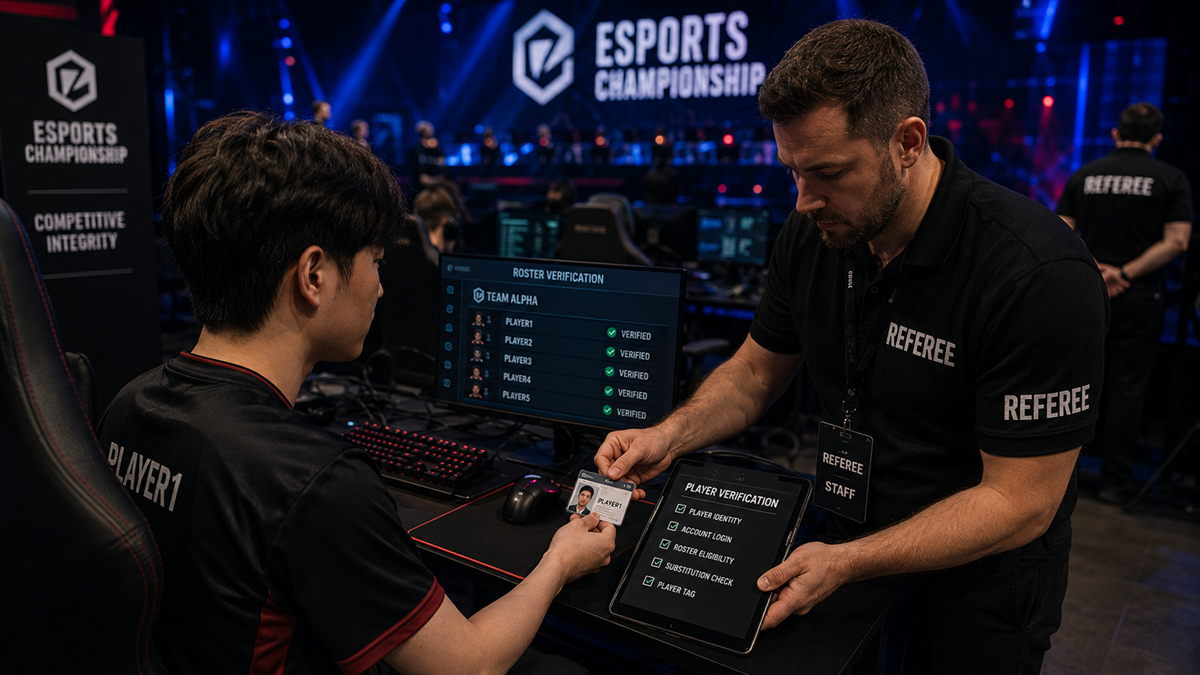
It sounds basic, but it matters more than most viewers realize. Referees and match admins help confirm that the right players are seated, using the approved accounts, and competing under the roster submitted for the event. This can include checking substitutions, player tags, login credentials, and tournament eligibility before a match goes live. Nobody watching at home wants to think about paperwork during a playoff series, but competitive integrity starts before the first round, draft, or map even begins.
Watches for Communication That Should Not Happen
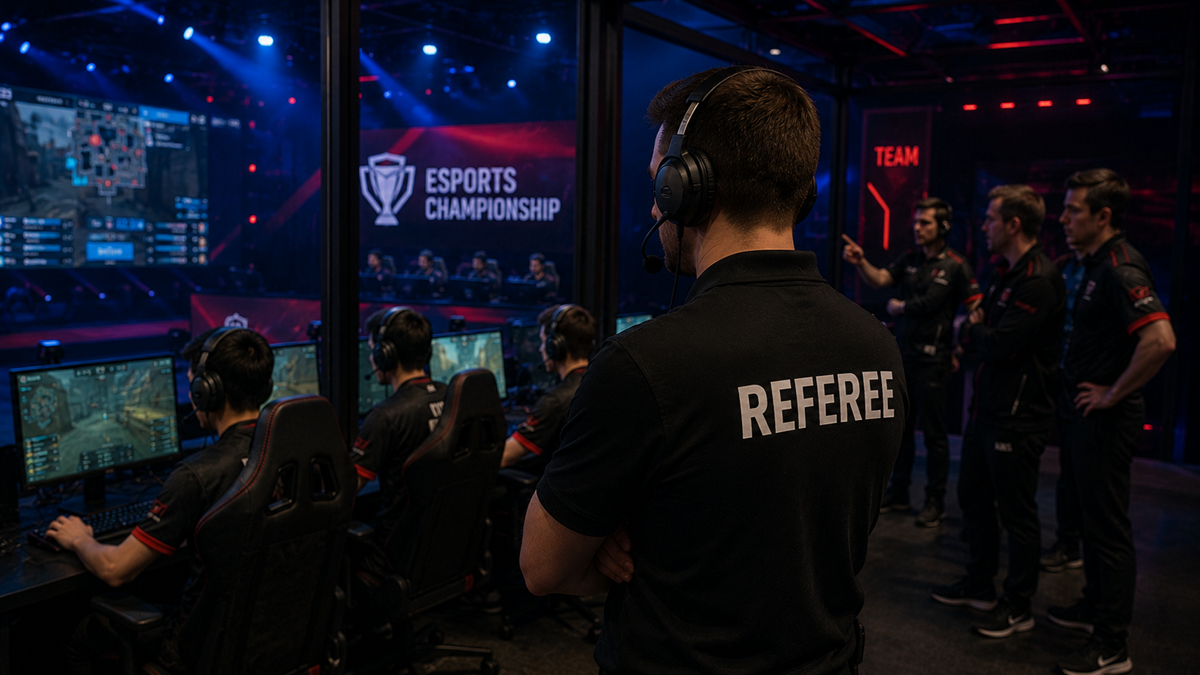
A lot of esports depends on controlled communication. Players can usually talk to teammates during live play, but coaches, analysts, substitutes, and staff often face limits depending on the game and tournament rulebook. The referee is one of the people making sure those boundaries hold. That might mean watching a coach step away after a draft, checking that no one is passing information from behind the stage, or making sure a player is not reacting to outside signals. It is the kind of thing viewers rarely see, because if the referee does the job well, nothing visible happens at all.
Manages Technical Pauses Without Letting Them Become Strategy Breaks
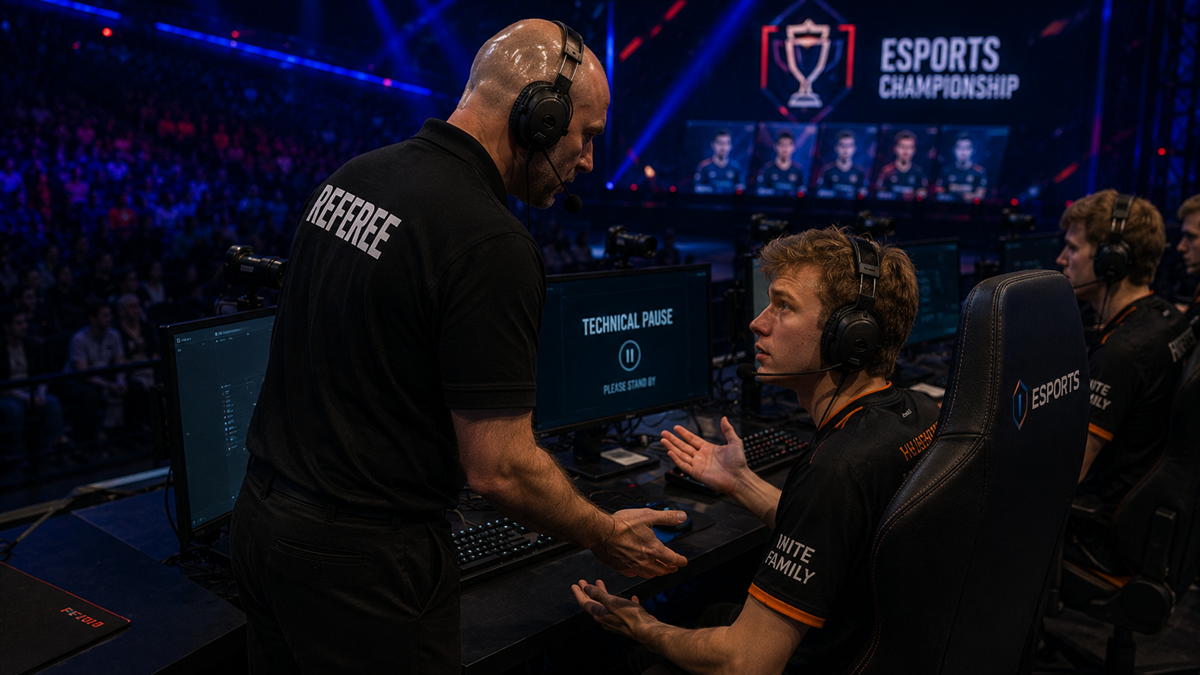
A technical pause sounds simple from the couch. Something breaks, the game stops, everyone waits. In reality, it is one of the referee’s most delicate jobs during a live match. They have to identify the problem quickly, separate real technical issues from normal gameplay frustration, and make sure the pause is not used for discussion that would be illegal during that moment. Players may be told to take their hands off the keyboard, stop talking, or explain the issue directly. The referee is often the person standing closest to the player, listening carefully while the broadcast desk fills time.
Confirms That the Right Game Settings Are Being Used
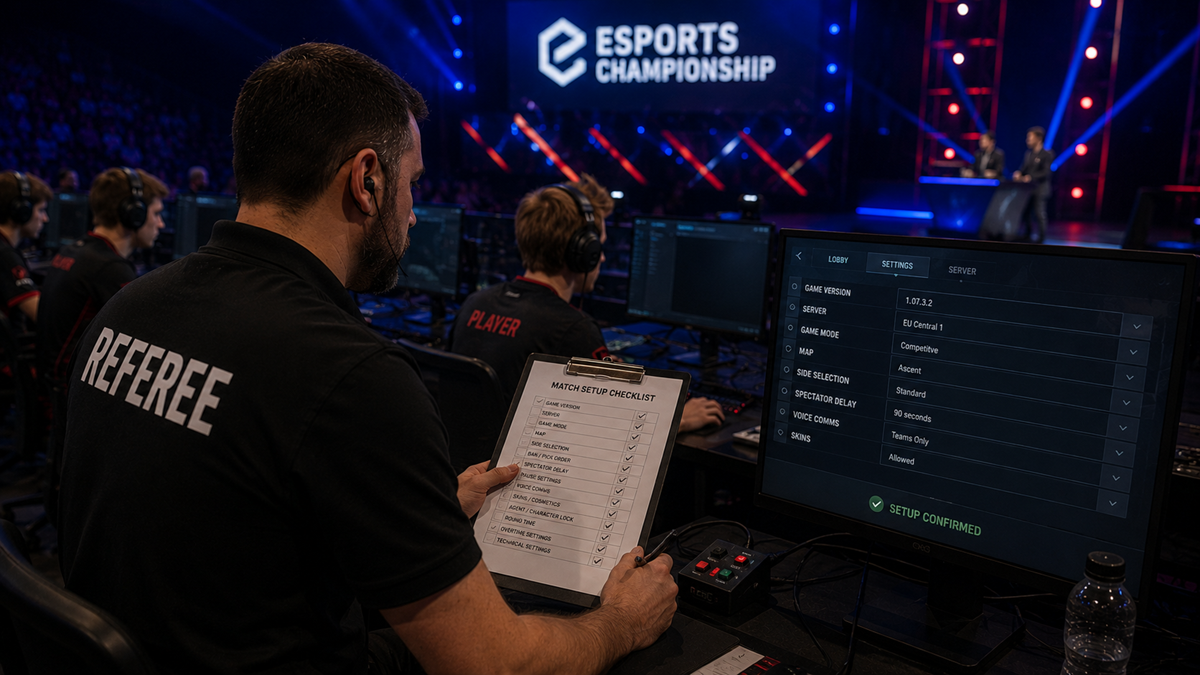
This part feels boring until it goes wrong. Competitive games often have specific server settings, side selections, lobby rules, spectator delays, map versions, skins, agents, champions, or operators that must be locked in before the match begins. A referee helps verify that the match is being played under the correct conditions. In games with drafts or bans, they may also help confirm that every selection follows the approved order. One wrong setting can mean a restart, a protest, or a long delay, so the quiet checklist before game time matters more than it looks.
Trending on realmoneygamer.com

Monitors Screens, Stage Sightlines, and Outside Information
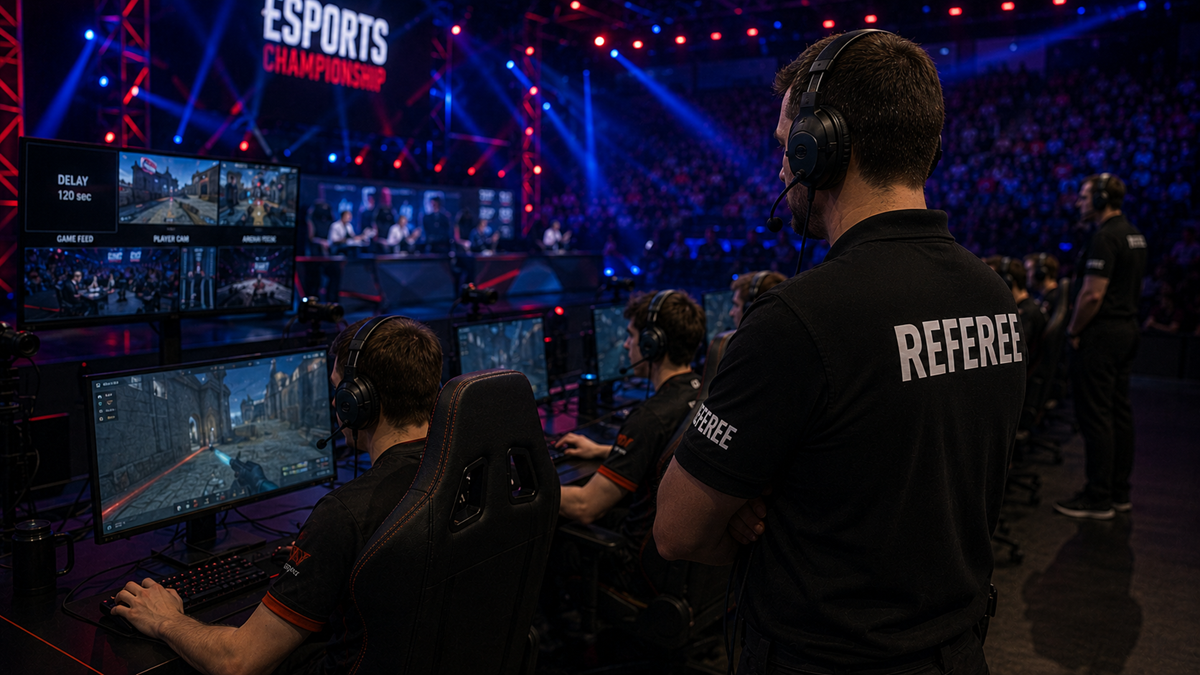
Esports stages are full of screens, and not all of them are meant for players. There may be arena displays, analyst feeds, delayed broadcast monitors, crowd-facing screens, replay systems, and production equipment in places the audience never thinks about. Referees help make sure players cannot gain information from any of it, whether that means checking sightlines, watching where players look during pauses, or making sure reflections and nearby monitors are not creating accidental leaks. A minimap, a flank, a hidden rotation, or a player position can be enough to change a round.
Handles Player Conduct Before It Turns Into a Bigger Problem
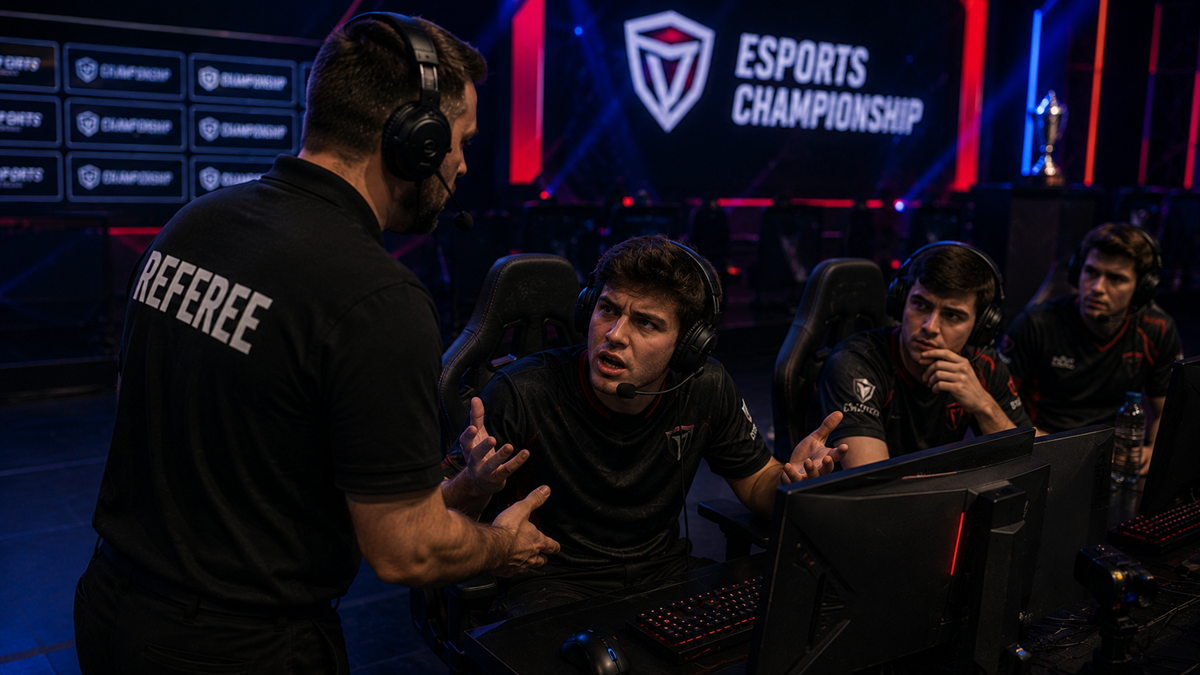
Not every issue is technical. Referees also deal with behavior, frustration, and the small flashes of tension that can show up in a live match. That might mean warning a player about excessive shouting, delaying the game, slamming equipment, refusing instructions, or crossing a line with an opponent. Esports can be emotional, especially on stage, but the match still has to stay within the rules. A good referee does not need to turn every heated moment into a spectacle, but they do need to know when to step in.
Documents Incidents in Real Time
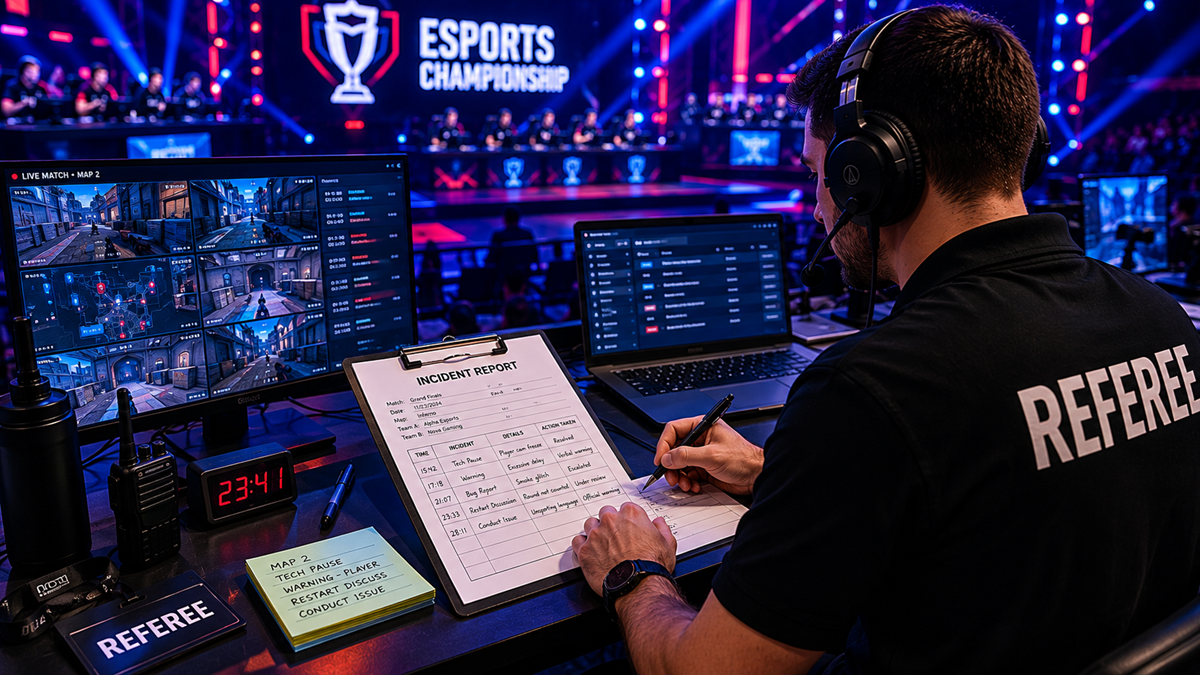
A lot of referee work ends up in notes most fans will never read. If there is a pause, a warning, a bug report, a restart discussion, a conduct issue, or a dispute, someone needs to record what happened and when. That record matters if a team challenges a ruling later. It also protects the tournament staff, because decisions made during a live match can be reviewed after the fact. The referee’s memory is not enough. In serious cases, the written timeline becomes part of the official explanation.
Helps Enforce Competitive Integrity Around Audio
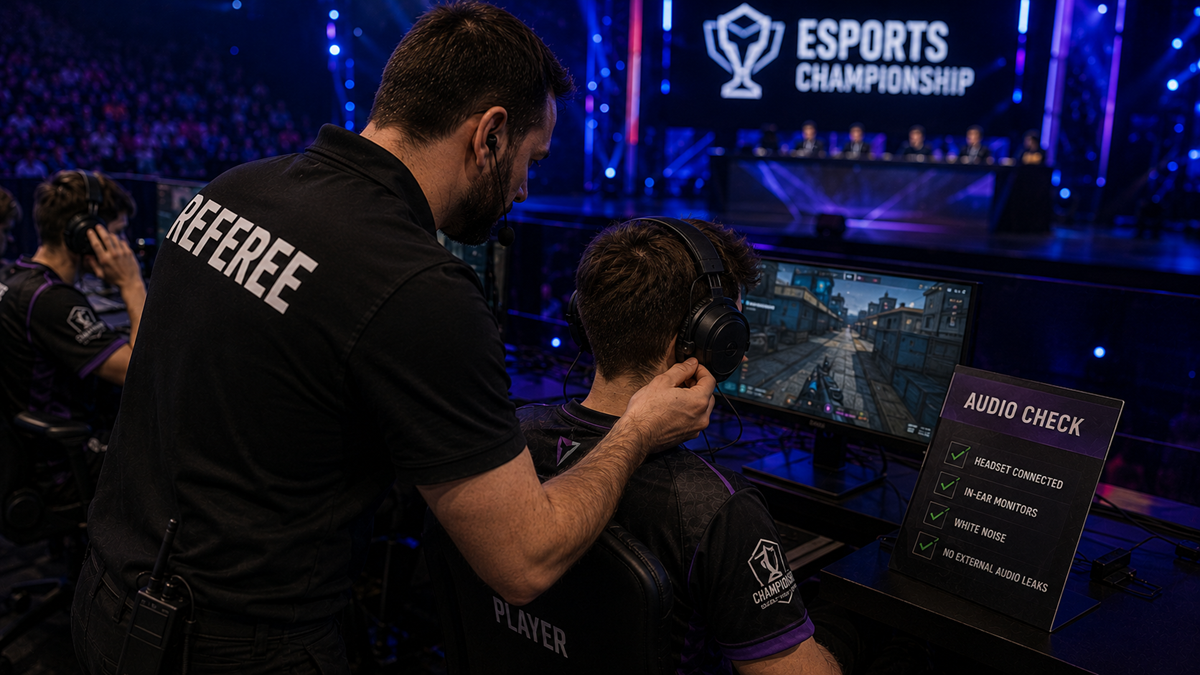
Stage audio is one of the most underestimated parts of live esports. Players often wear in-ear monitors under noise-canceling headsets, while white noise or crowd-dampening systems help block outside sound. Referees may check that players are wearing the equipment correctly and that they are not removing it during restricted moments. This matters because crowd reactions can reveal information, especially in tactical shooters or games with hidden movement. Nobody wants a player learning about a flank because the arena suddenly gasps.
Makes Restart and Remake Procedures Less Chaotic
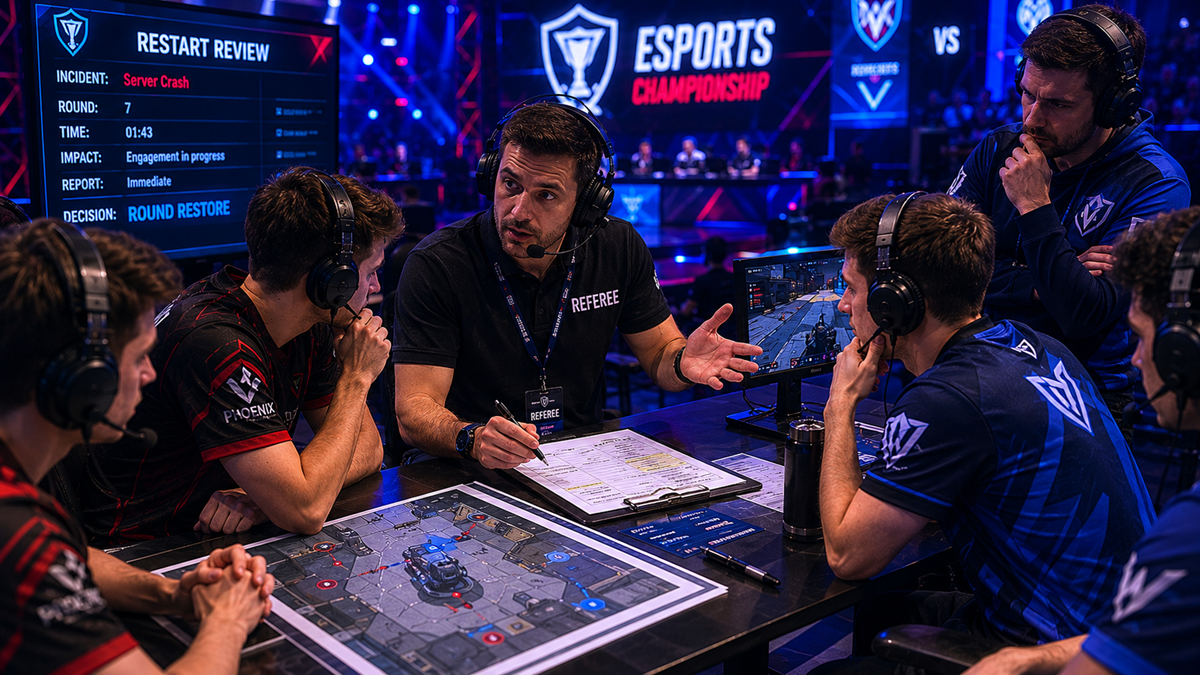
When a game crashes, a bug appears, or a server issue hits, the question is not simply, “Do they replay it?” Different games and tournaments have different rules for remakes, round restores, chronobreak tools, admin decisions, and player responsibility. Referees are usually not making every major decision alone, but they help gather the facts that make a ruling possible. What time did the issue happen? Was damage already dealt? Did the player report it immediately? Was the bug known, reproducible, or caused by user error? Fans may only hear the final ruling, but a lot of small details shape it before that announcement arrives.
An esports referee is not there to be noticed. Most of the job is built around preventing problems, catching small issues early, and keeping the match inside a shared set of rules. Viewers may remember the clutch, the draft, or the trophy lift, but the referee is part of the reason those moments count cleanly. The work is quiet until it suddenly is not.
Continue Reading: 10 Esports Cheating Scandals That Changed How Competitive Gaming Is Monitored