Video games can make a bedroom feel like a battlefield, a racetrack, a haunted mansion, or a whole new planet. Still, there is something different about standing in a real place where gaming history, culture, and fandom have gathered outside the screen. Some of these spots are museums, some are retail temples, and a few are loud, crowded places where the energy matters as much as the objects on display. None of them require you to be a completionist, though a little patience for queues, ticket lotteries, and gift shops definitely helps.
Nintendo Museum, Kyoto, Japan
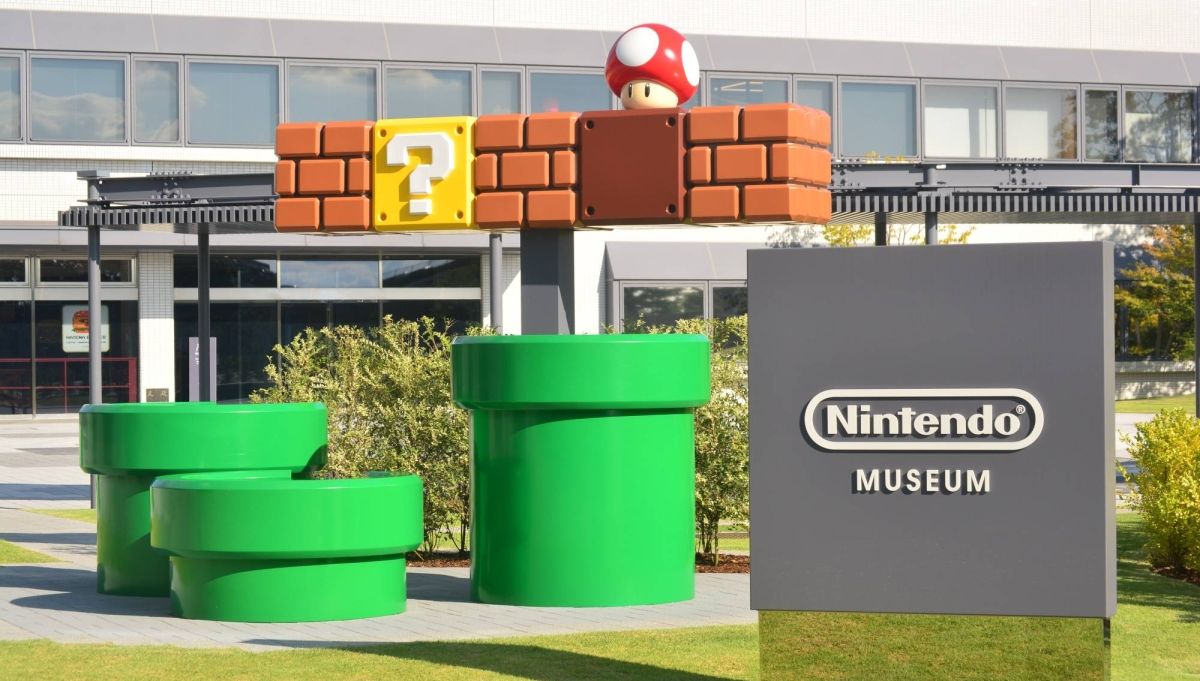
Nintendo’s new museum in Uji, Kyoto, feels less like a trophy room and more like a reminder that the company did not begin with plumbers, princesses, or pocket monsters. Opened in October 2024 on the site of a former Nintendo factory, it traces the company’s long path from hanafuda cards and toys to Famicom cartridges, Game Boy hardware, Wii controllers, and Switch-era experiments. The most interesting part is not just seeing old consoles behind glass, but noticing how often Nintendo has returned to the same idea, play should be physical, approachable, and a little strange. It is also a useful stop because Kyoto already carries so much Nintendo history, even if most of it is tucked quietly into office buildings rather than presented for fans.
Super Nintendo World, Osaka, Japan
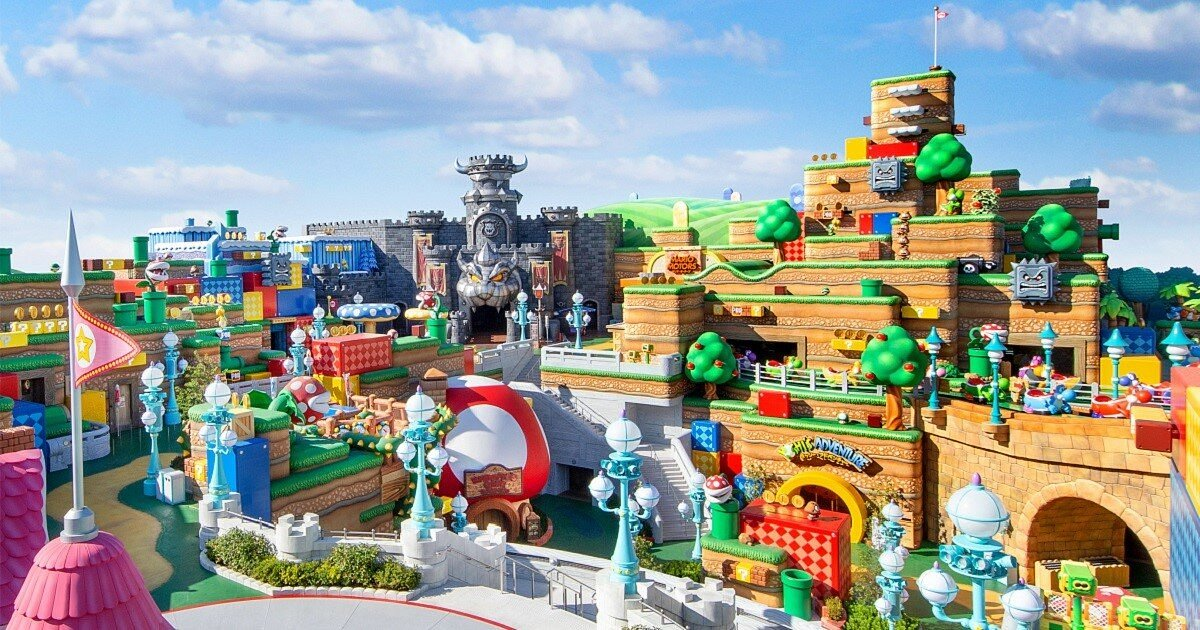
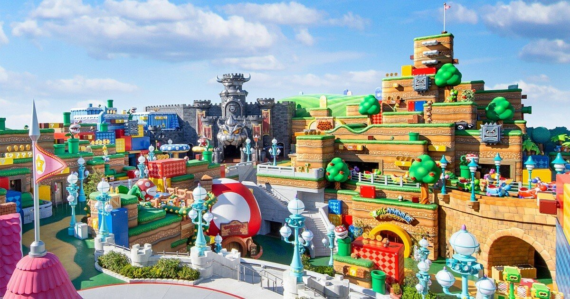
A theme park version of Mario should probably feel tacky, and sometimes it does, but that is part of the charm. Super Nintendo World at Universal Studios Japan turns the familiar logic of a Mario level into something you can walk through, with warp pipes, blocks, coins, Bowser’s Castle, and a Mario Kart ride built around the kind of sensory overload that works better in person than on video. The area can be busy, and timed entry is often part of the experience, so this is not the place for a relaxed wander. It is better treated like a level you plan for, enter at the right moment, and let yourself play along with.
Akihabara, Tokyo, Japan
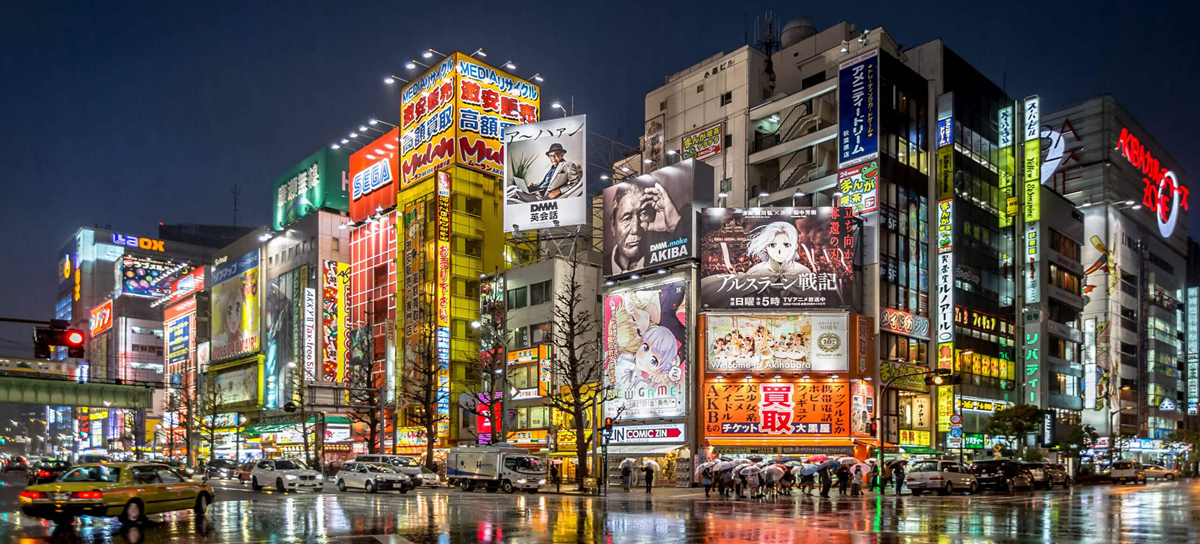
Akihabara has changed plenty, but it still deserves its reputation as one of the world’s great gaming neighborhoods. The area grew from electronics retail into a dense mix of arcades, retro game shops, figure stores, capsule machines, themed cafés, and secondhand treasure hunting, with game culture blending into anime and idol fandom almost block by block. A good visit here is not about one perfect address. It is about drifting between places, hearing rhythm games from upstairs, finding a shelf of Super Famicom cartridges, and realizing that the best discoveries are often not on the ground floor.
The Strong National Museum of Play, Rochester, New York
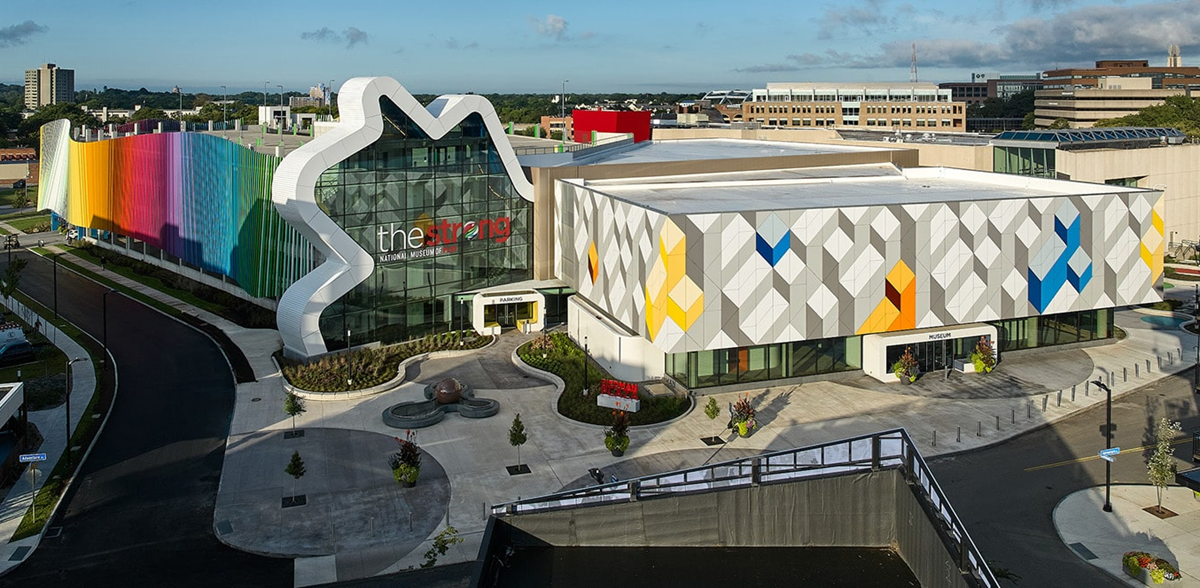
The Strong in Rochester is one of the rare museums where video games are treated as part of a much larger history of play rather than as a niche technology story. Its collections cover toys, board games, books, electronic games, and arcade culture, and it also houses the World Video Game Hall of Fame. That wider frame matters. Seeing games beside dolls, pinball machines, tabletop objects, and childhood ephemera makes it easier to understand why Pac-Man, The Sims, Minecraft, or The Legend of Zelda are not only software, but social objects that shaped how people spent time together.
National Videogame Museum, Frisco, Texas
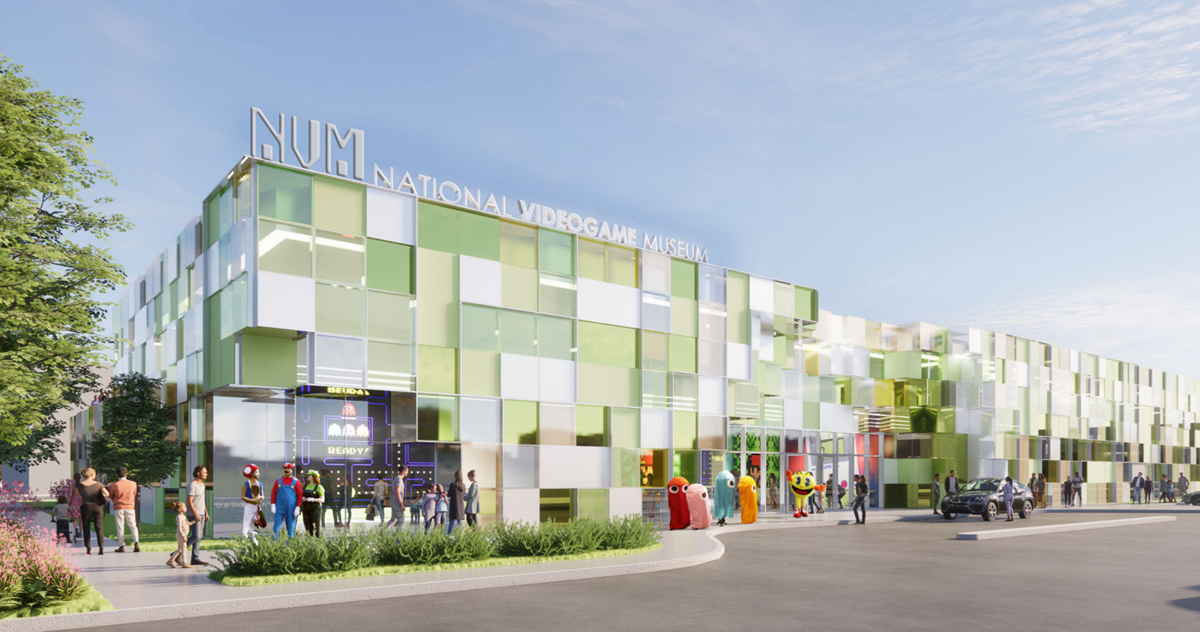
The National Videogame Museum in Frisco is built for people who like history with buttons still attached. It focuses on the culture and development of video games, but its strongest appeal is how playable it feels, less hushed gallery, more controlled time machine. The museum has become an especially interesting stop for hardware obsessives, since rare prototypes and odd industry artifacts can turn a visit into a reminder of how many alternate timelines gaming almost had.
Trending on realmoneygamer.com


Nintendo New York, New York City
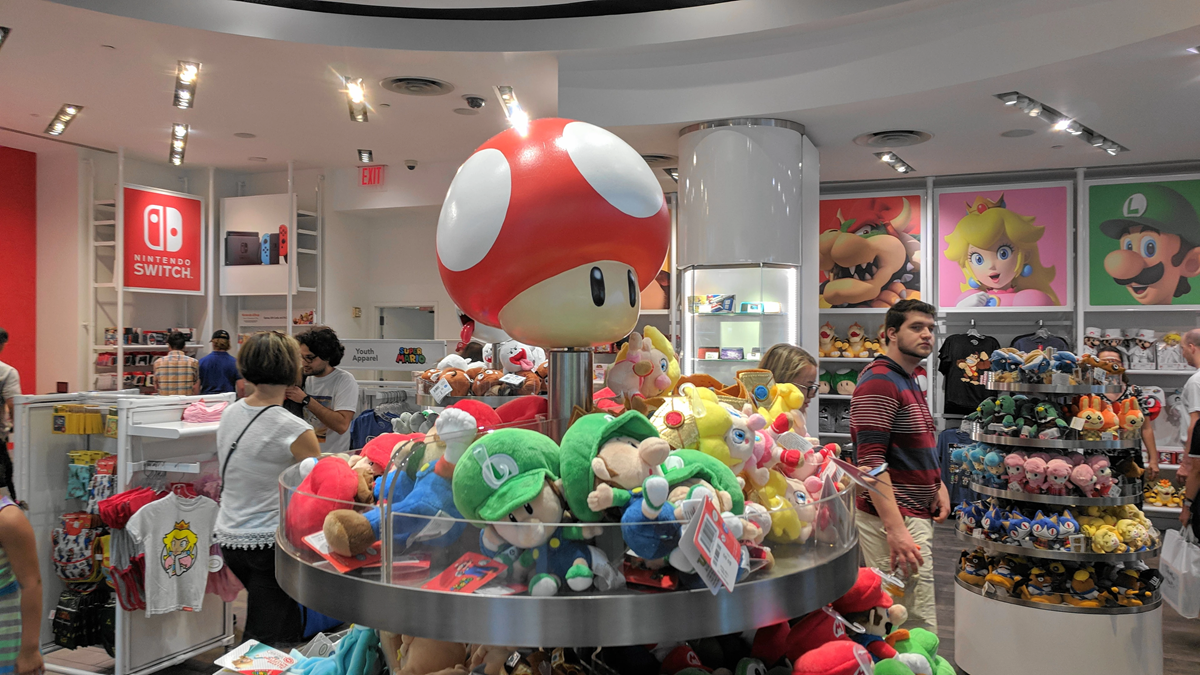
Nintendo New York sits in Rockefeller Center, which makes it feel oddly practical for a fan pilgrimage. You can stop in between tourist landmarks, play recent releases, browse character merchandise, and catch the kind of launch-day crowd that still makes physical retail feel alive. It is not a museum, but it has enough display pieces and event energy to feel like one of Nintendo’s public living rooms.
Pokémon Center Mega Tokyo, Tokyo, Japan
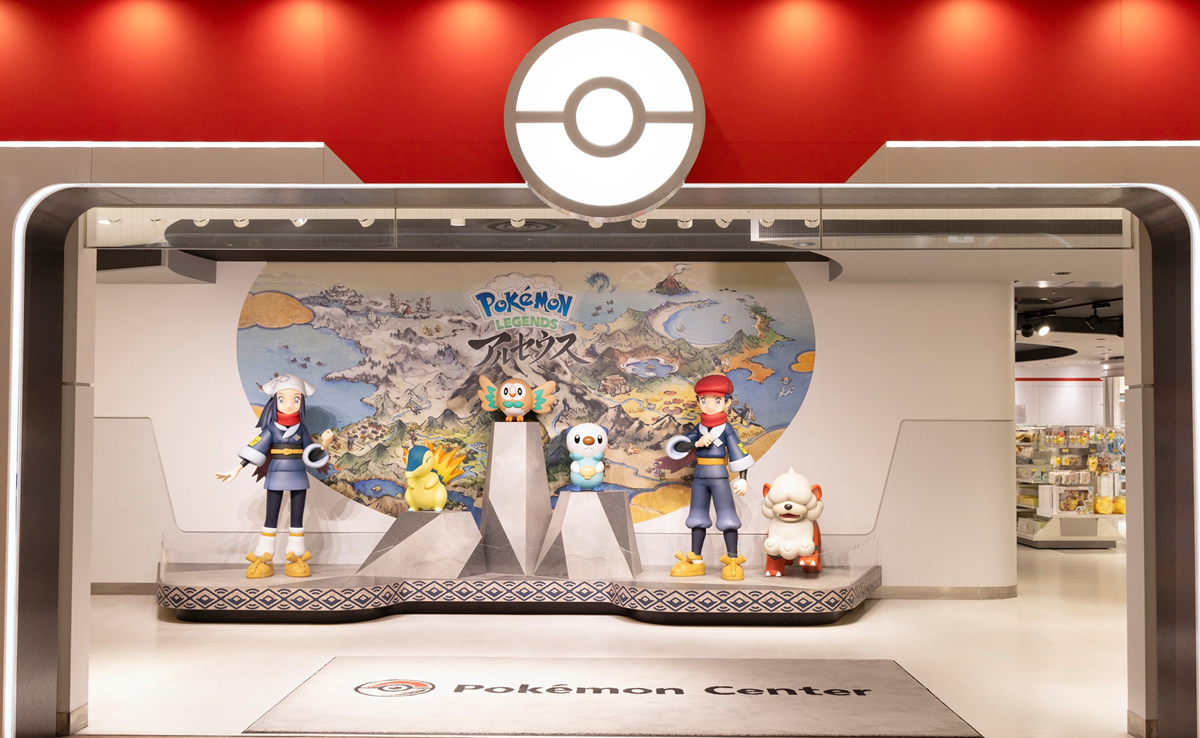
Pokémon Center Mega Tokyo in Ikebukuro is not subtle, and it does not need to be. It is a bright, merch-heavy shop where plush walls, trading card displays, seasonal releases, and character statues do exactly what fans expect them to do. The danger is not disappointment, it is underestimating how much suitcase space you will suddenly need.
National Videogame Museum, Sheffield, England
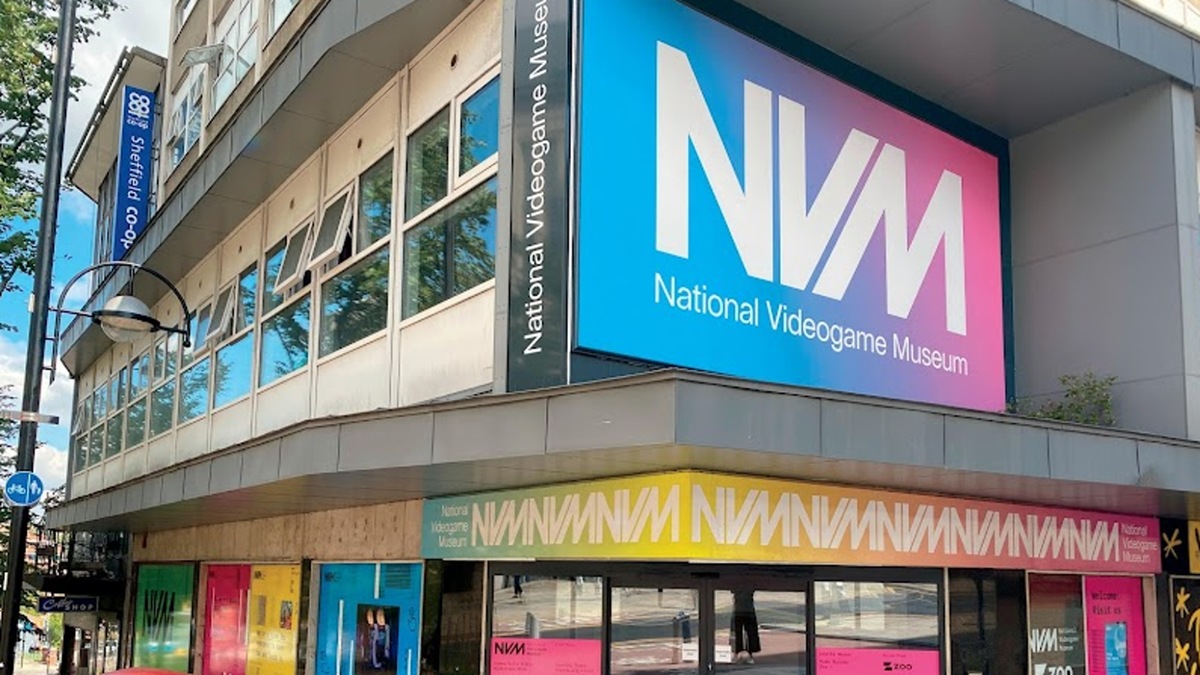
Sheffield’s National Videogame Museum has a different rhythm from the bigger, brand-led gaming destinations. Its focus is cultural and practical, with playable games, exhibits about how games are made, and a clear interest in showing who creates them and why. That makes it a strong visit for fans who care as much about design choices, local scenes, and public access as they do about nostalgia. It is also refreshingly hands-on, which matters in a medium that can lose something when it is only preserved behind glass.
The MADE, Oakland, California
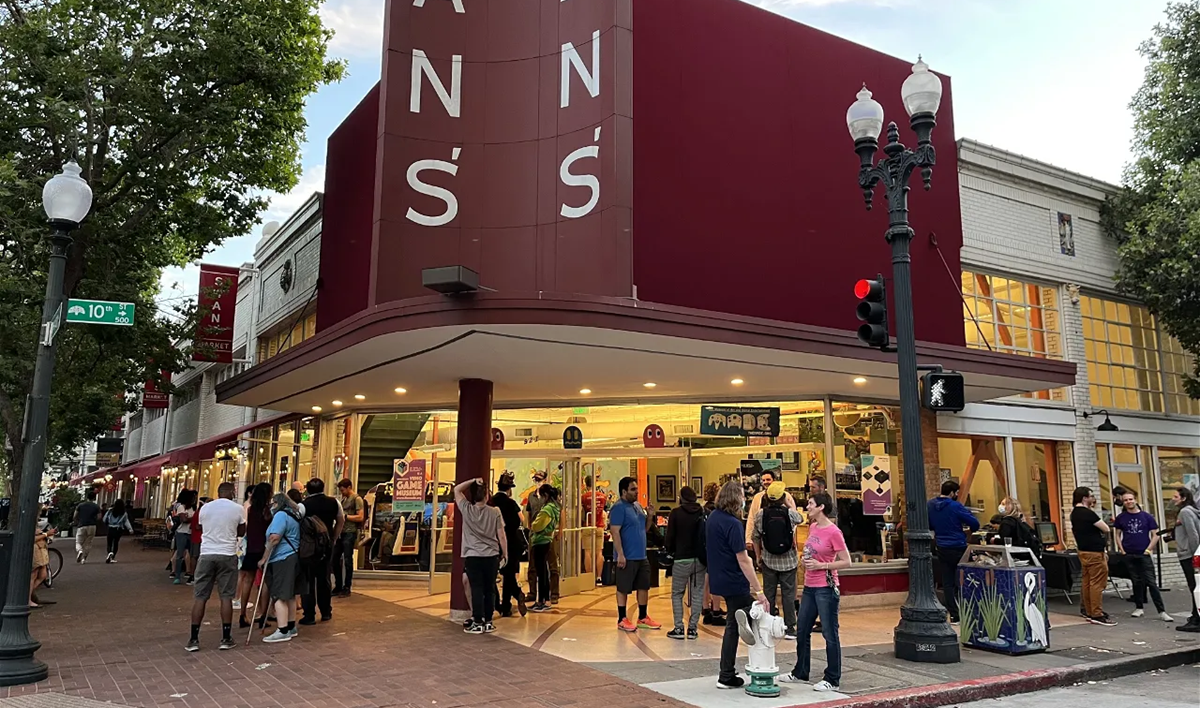
The Museum of Art and Digital Entertainment, better known as The MADE, has the feel of a community project that kept growing because people cared about it. Based in Oakland, it presents games as playable cultural works rather than sealed collectibles, with exhibitions, classes, events, and a nonprofit mission around access to digital entertainment. This is the kind of place where the best visit may involve sitting down with a game you thought you knew and noticing how different it feels on original hardware, in a room full of other players. It is smaller than some destinations on this list, but that can make it feel more personal.
Computer History Museum, Mountain View, California
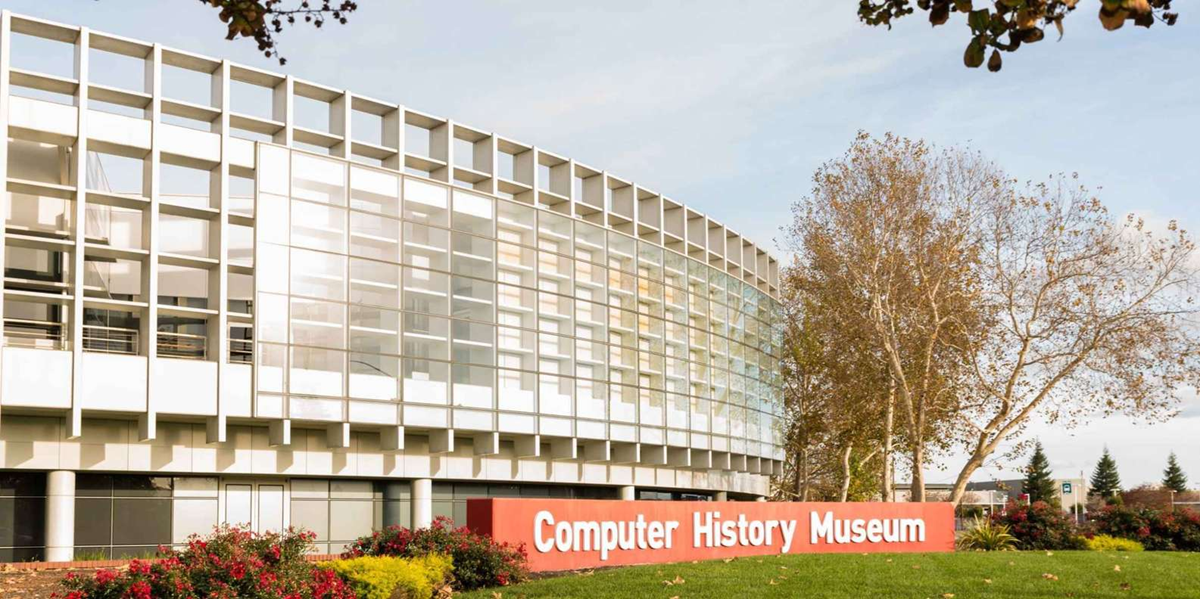
Not every gaming pilgrimage needs Mario on the sign. The Computer History Museum in Mountain View is broader than games, but that is exactly why it belongs here, because video games grew out of computing cultures, hardware experiments, interface design, and software ideas that were never only about entertainment. Its exhibits move through machines, applications, and digital systems with enough depth to give games a larger context. For fans who love development history, old hardware, or the weird beauty of computing before everything became sleek, it is a rewarding detour.
The National Museum of Computing, Bletchley Park, England
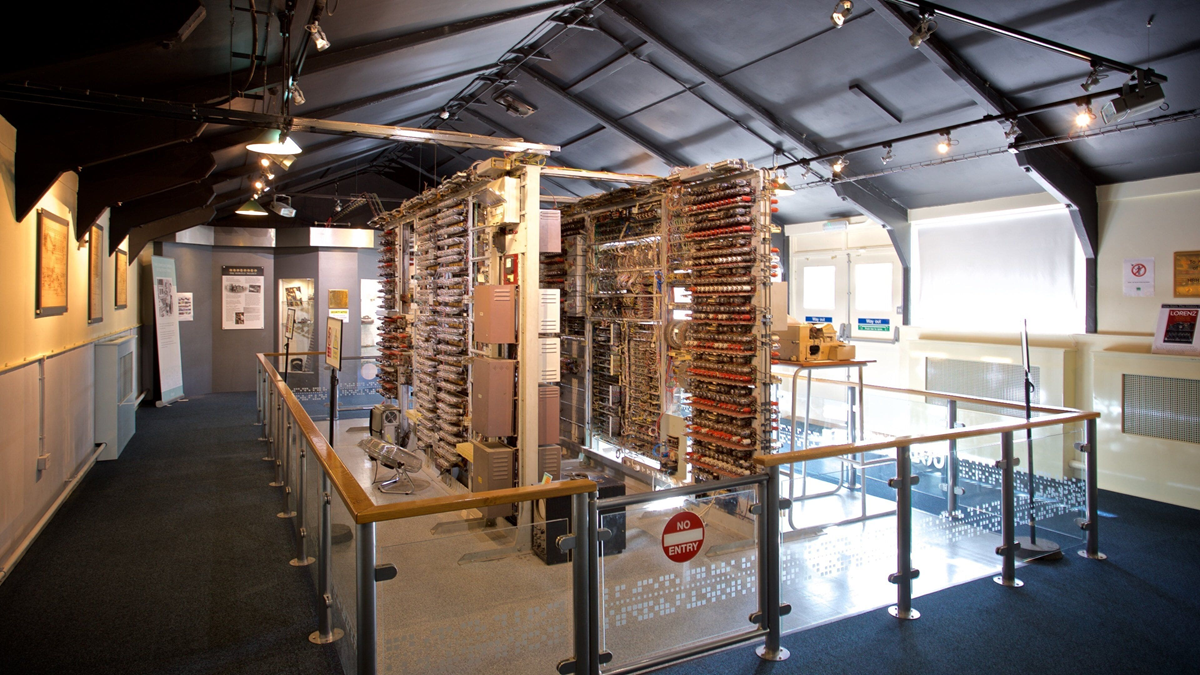
Bletchley Park is usually discussed through codebreaking, war, and early computing, not gaming. Still, the National Museum of Computing on the site is worth a fan’s time because it shows the deeper roots of the machines that made games possible, including working historic computers and galleries that connect simulation, systems, and early digital play. The link is not as immediate as an arcade cabinet or a themed ride. That slower connection is the point, gaming did not appear from nowhere.
Esports Stadium Arlington, Arlington, Texas
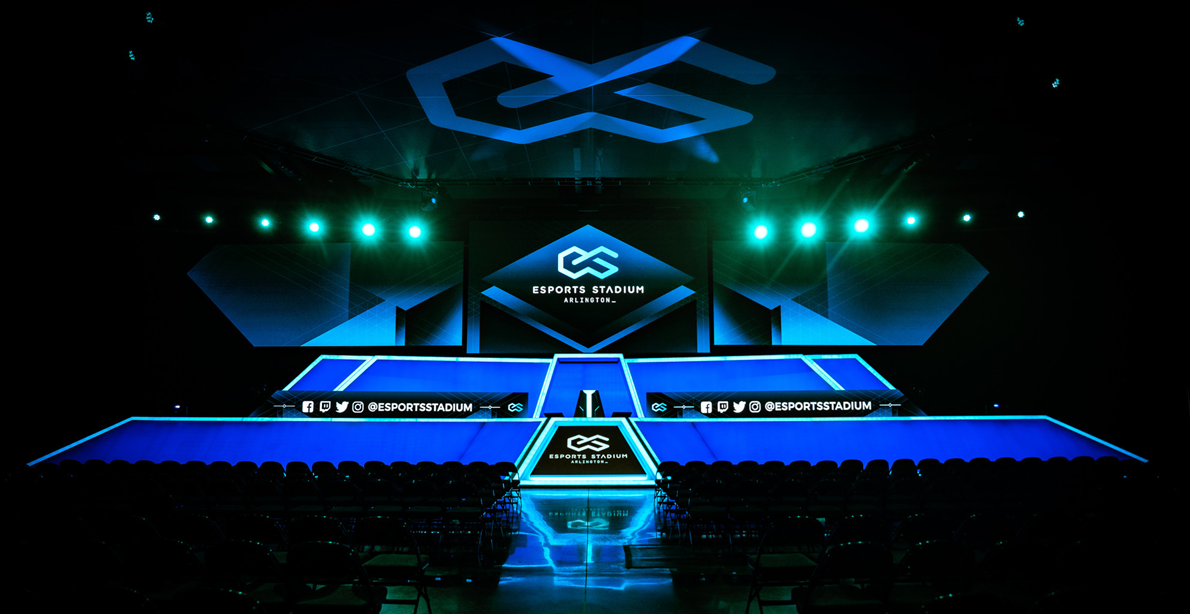
Esports Stadium Arlington gives competitive gaming something it has often had to borrow from other industries, a purpose-built stage. Opened by the City of Arlington in 2018 and now associated with OpTic Gaming management, the venue was designed for large-scale esports productions, community events, and broadcasts. The appeal depends heavily on what is on the calendar, so this is a place to plan around an event rather than visit cold. When the right tournament is running, though, the difference between watching esports at home and hearing a crowd react in the room becomes obvious fast.
HyperX Arena Las Vegas, Nevada
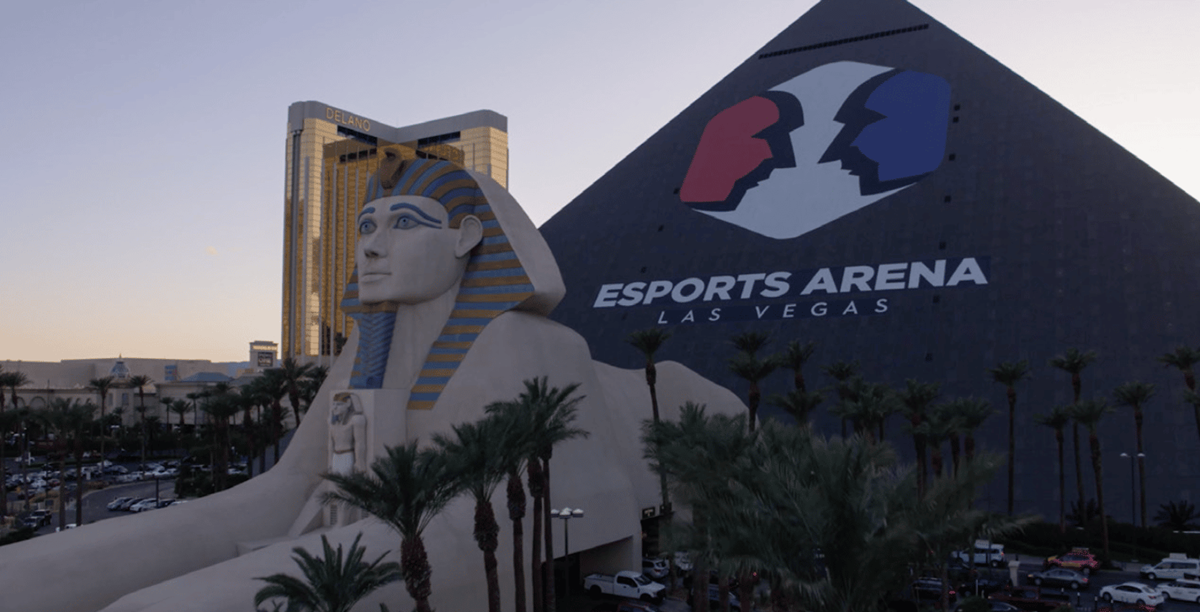
HyperX Arena Las Vegas fits its city almost too well. Located at Luxor on the Strip, it turns esports and interactive entertainment into a Vegas night out, with a permanent venue built for tournaments, events, and casual spectators. It is not the quietest or most scholarly stop on the list, but it understands something important about gaming culture, sometimes the room is part of the show.
A good gaming trip doesn’t need to be built around one franchise, one console, or one kind of fan. The best stops tend to mix memory with noise: old machines humming, merch shelves packed too tightly, crowds reacting to a match, or a familiar character suddenly turning up in real space. Some places preserve the medium carefully, while others simply remind you that games have always been social, messy, and physical. That is usually where the visit becomes more interesting than the photo.
Continue Reading: 10 Gaming Tournaments That Became Unforgettable Because of Where They Happened