Leaks are supposed to feel messy. That is part of the appeal. A trailer arrives polished and approved, but a “found” clue feels like it slipped out before someone could stop it. Game companies have understood that difference for years, especially in communities where datamining, ARG solving, and rumor-tracking are practically hobbies of their own. The tricky part is that not every example is fully confirmed as a corporate test, so the better way to look at these cases is as moments where studios used the language of leaks, secrecy, or planted misinformation to see how players would react before the real reveal landed.
Respawn Let Apex Legends Players Believe Forge Was Next
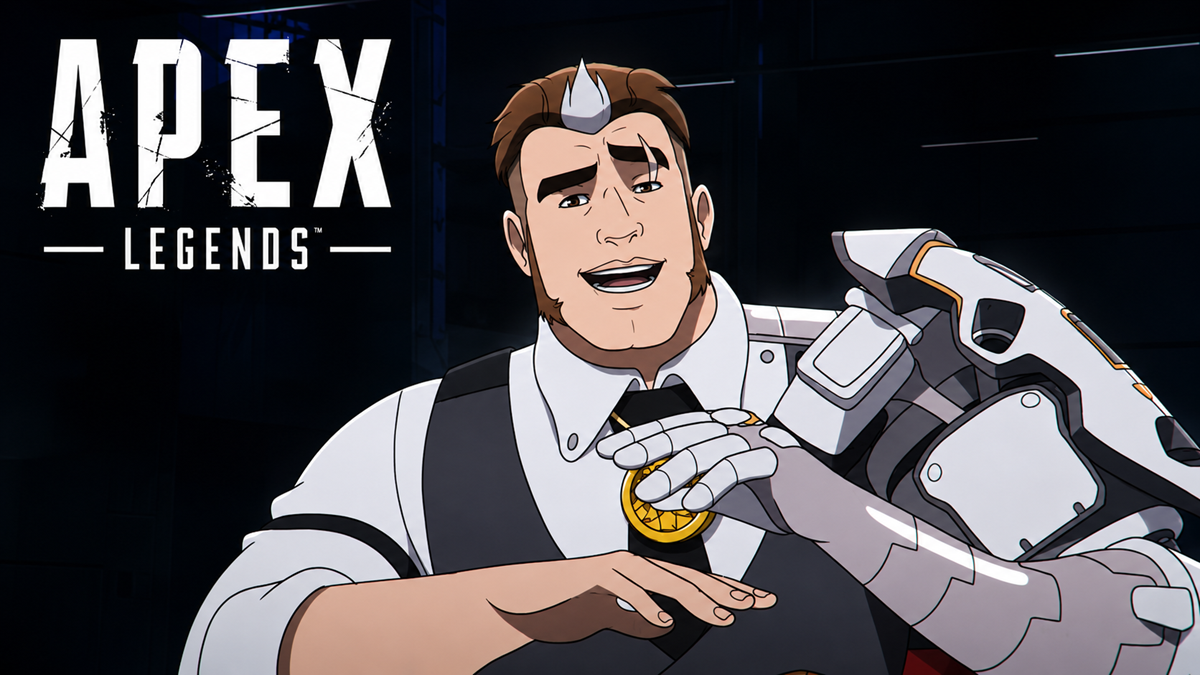
Respawn’s Forge fake-out worked because it played directly into the way Apex Legends fans were already following leaks. In early 2020, the studio introduced Forge as the next Legend for Season 4, gave him a sponsor, a cocky public image, and an official-looking place in the rollout. Then, during an in-universe interview, Revenant showed up and killed him. The joke was sharper because Revenant had already been found in the game’s files, so Respawn was not just surprising casual players. It was messing with the people who thought they were ahead of the announcement cycle. For a short stretch, the community had to ask a question it usually avoided: what if the developers were reading the leaks too, and planning around them?
Kojima Hid Metal Gear Solid V Behind Moby Dick Studio
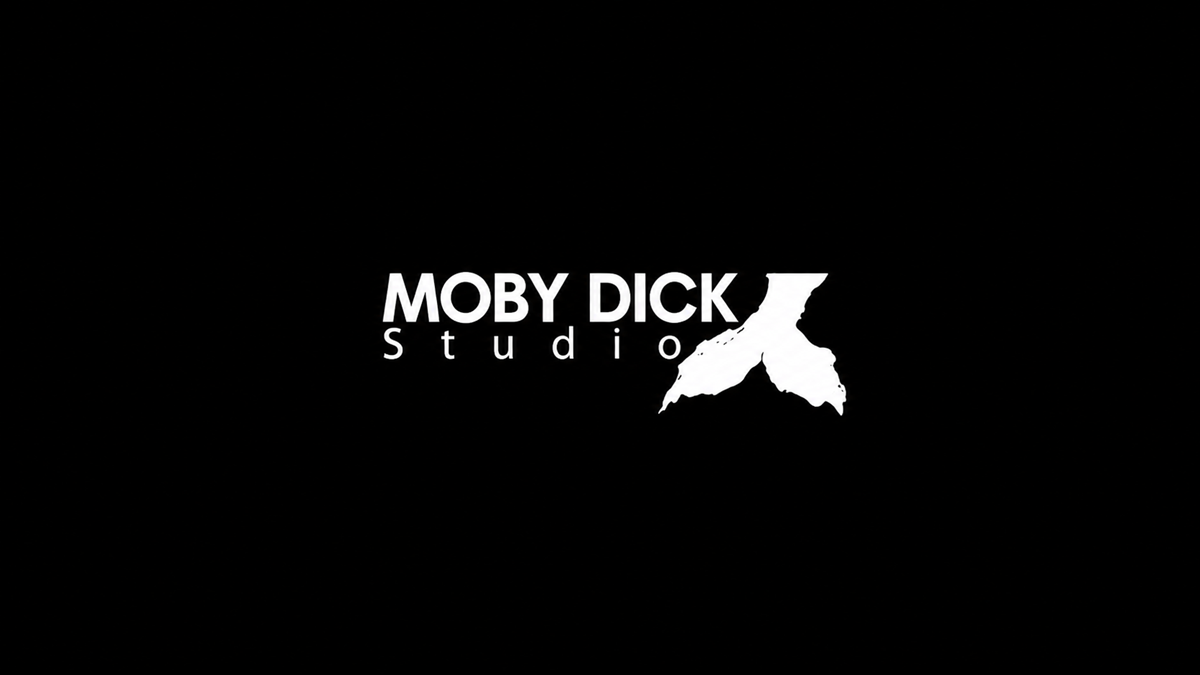
The Phantom Pain reveal in December 2012 had the strange confidence of a prank that wanted to be caught. The trailer was credited to Moby Dick Studio, supposedly led by a man named Joakim Mogren, which was already suspicious enough for Metal Gear fans to start pulling the thing apart. “Joakim” was an anagram-adjacent wink at Kojima, the footage looked too much like Metal Gear to be a coincidence, and the title treatment practically invited comparison with Metal Gear Solid V. By the time Kojima confirmed the connection in 2013, the audience had spent months doing exactly what the campaign needed them to do. They investigated it, argued about it, clipped it, and treated the reveal less like marketing and more like a case file.
Valve Turned a Portal Patch Into a Clue Hunt
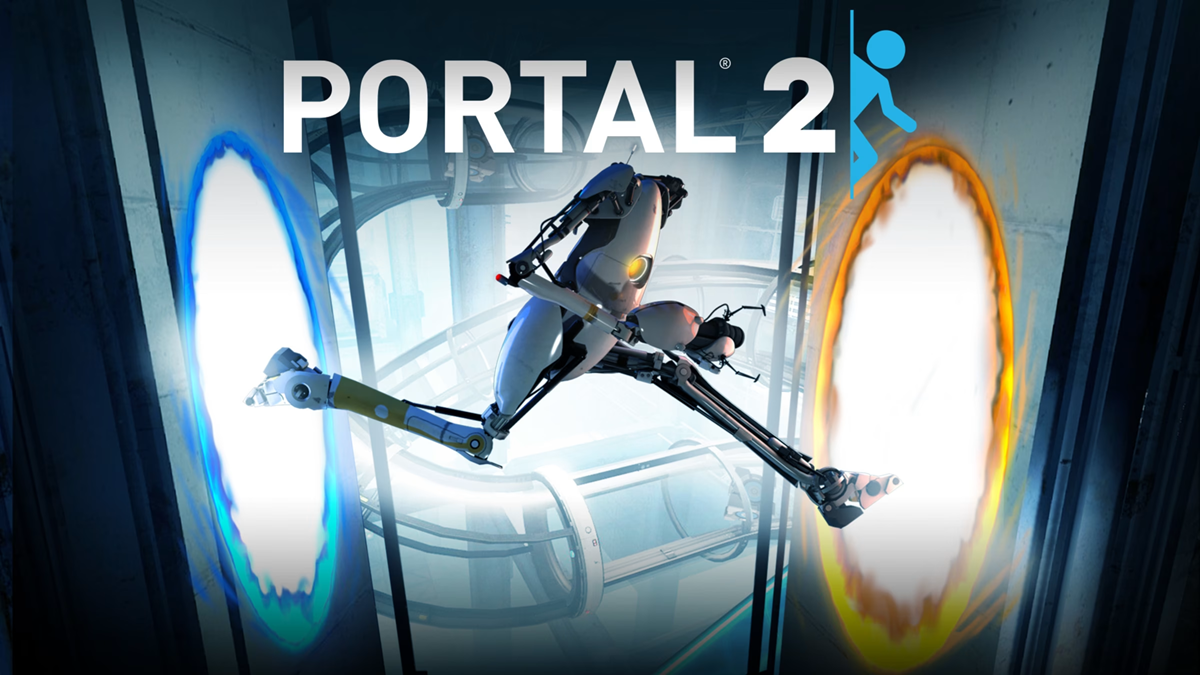
The 2010 Portal radio update did not arrive with the usual sequel-announcement posture. It looked like a small patch, almost forgettable, until players noticed that the radios in the game were doing something odd. The signals led to decoded images, BBS numbers, and a trail that pointed toward Portal 2. Valve did not need to say much at first. The community filled the silence with work.
The Potato Sack ARG Made Portal 2 Hype Feel Like Homework

Valve’s Potato Sack ARG was fun, but not in a clean, universally loved way. It spread clues through a bundle of indie games and pushed players toward the idea that Portal 2 might unlock early if enough people participated. Some fans enjoyed the scavenger-hunt energy. Others felt like they had been nudged into a marketing task with a joke reward attached. That tension is part of why the campaign is still interesting. It showed that fake-leak-style marketing could build attention, but it could also make players feel like the game was using their excitement as a lever.
Blizzard’s Sombra Tease Went From Clever to Tiring
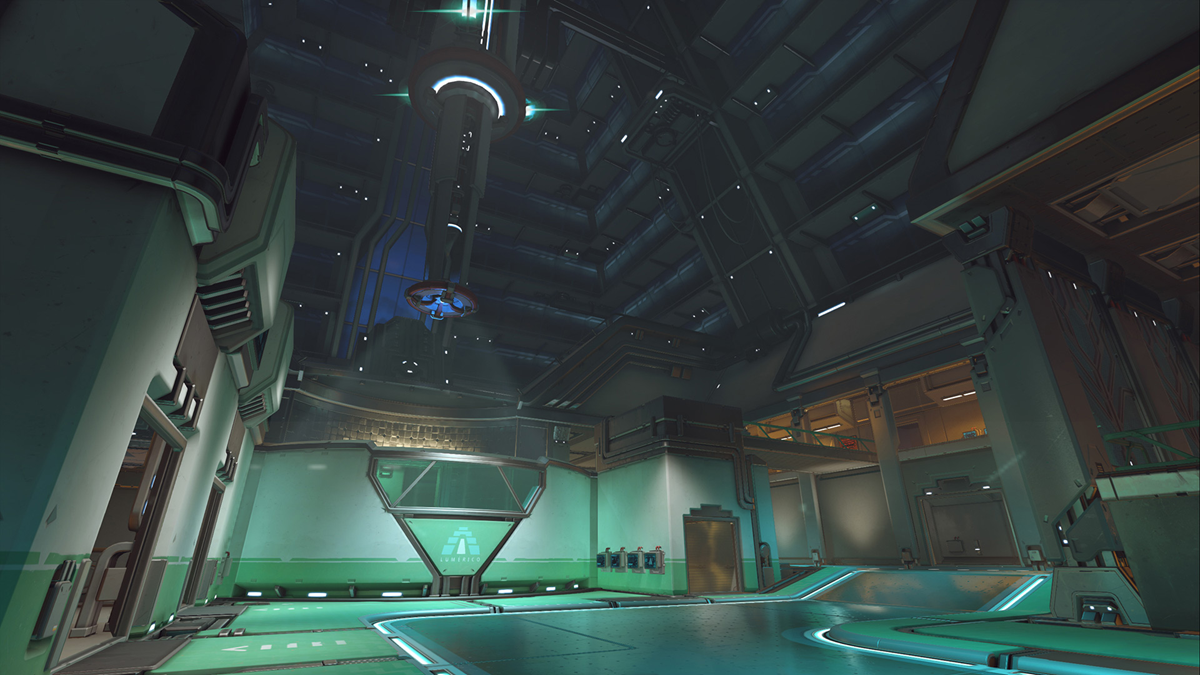
For a while, the Sombra ARG was exactly the kind of thing Overwatch fans wanted to obsess over. Hidden codes, strange countdowns, clues buried in videos, and enough loose ends to keep Reddit and Discord busy. Then it kept going. The reveal eventually arrived, but the long wait made the campaign feel less like a clever leak and more like a puzzle with a delayed answer. It is one of the cleaner examples of a studio learning, in public, that community reaction is not just about interest. Timing matters. So does knowing when the room has had enough.
Trending on realmoneygamer.com


No Man’s Sky Used Waking Titan to Rebuild Curiosity
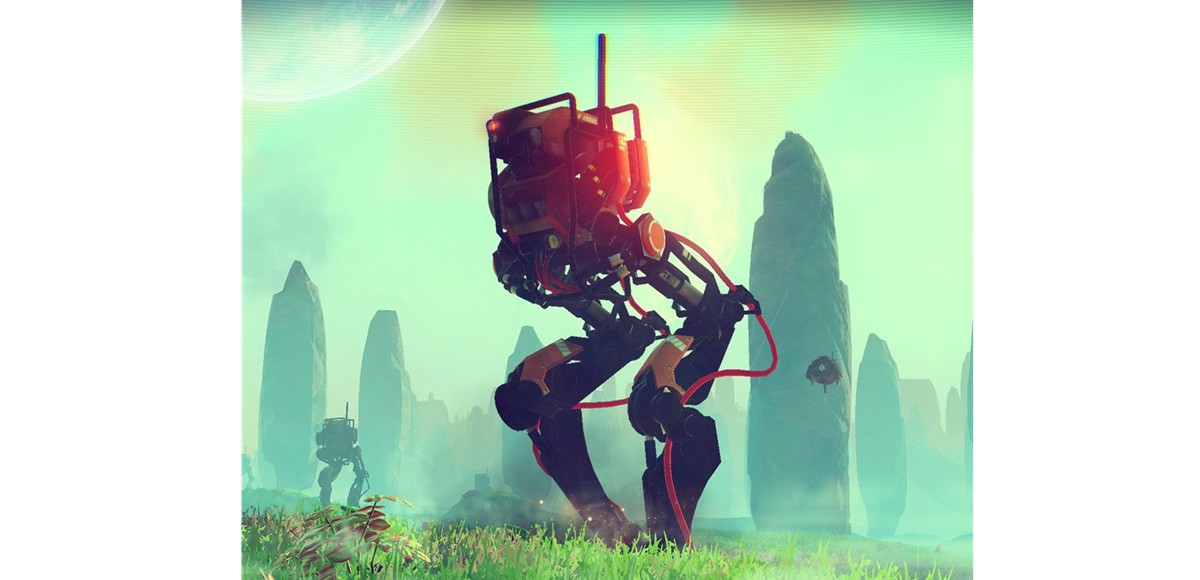
Waking Titan landed at a strange moment for No Man’s Sky. The game was no longer just a space exploration title, it was a public argument about promises, silence, and whether a studio could recover from a launch that had disappointed a lot of people. The ARG used fake organizations, cryptic websites, radio clues, physical mailers, and community puzzles to lead players toward future updates. It did not erase the past, and it was not pretending to. What it did was give the most curious players a reason to gather again before the bigger announcements arrived. That was useful in a way a normal trailer might not have been.
Bungie Made Marathon Feel Discoverable Before It Felt Clear
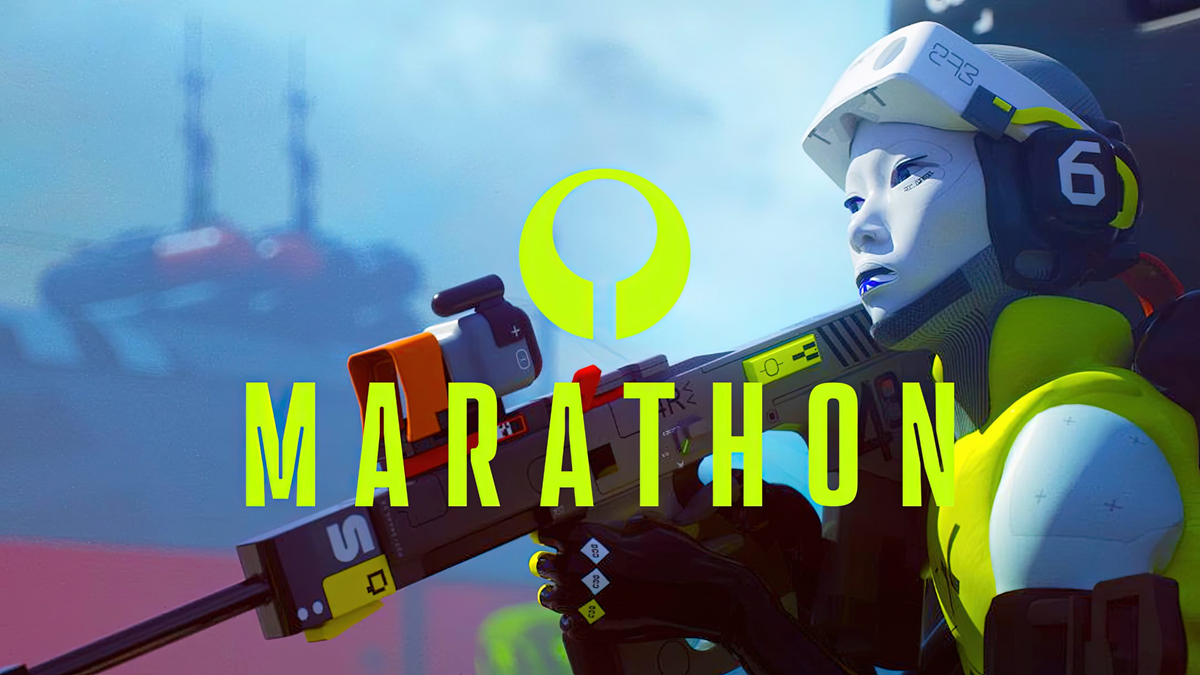
When Bungie brought Marathon back into public view, the studio did not explain everything in one neat pass. After the 2023 reveal, players followed clues tied to factions, websites, and hidden messages that expanded the world without fully defining the game. That mattered because Marathon had two audiences to satisfy: people who remembered the old series, and people who only knew Bungie through Halo or Destiny. The ARG structure let Bungie measure who was leaning in, what they were noticing, and how much mystery the name could still carry.
Marathon’s Cryo Archive Kept the Puzzle Going
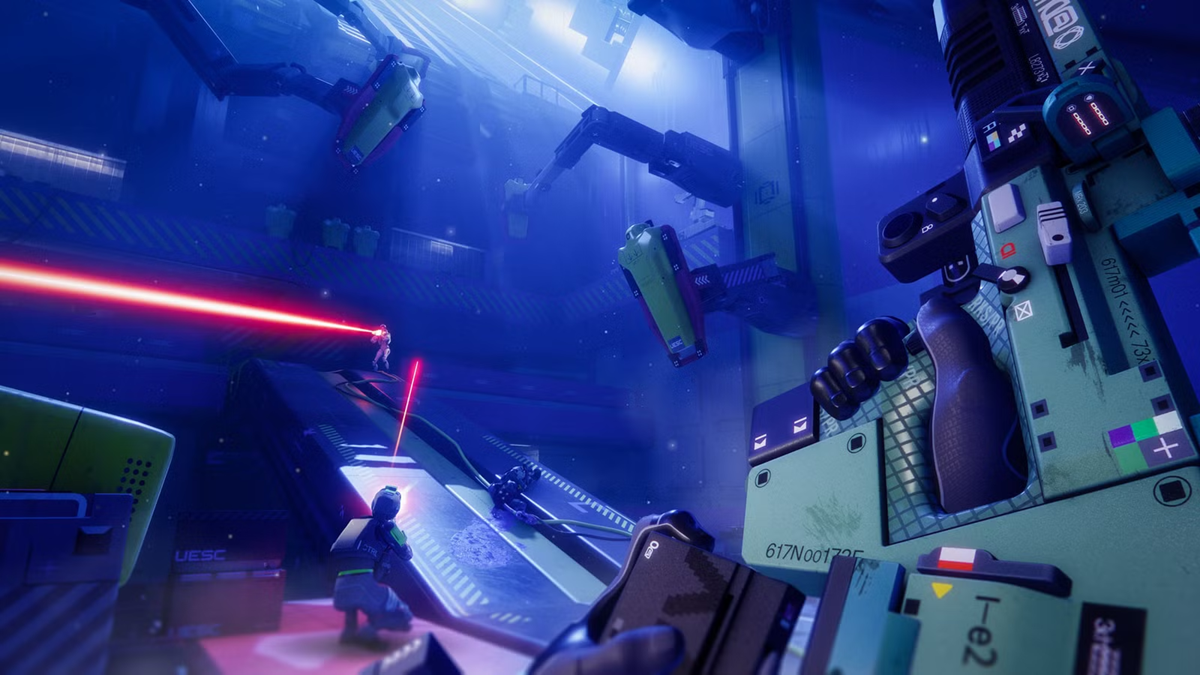
The Cryo Archive campaign kept Marathon in that same half-hidden space. Players were asked to unlock information together, with map details and bits of worldbuilding tied to participation. It was not a fake leak in the old “anonymous forum post” sense, but it used the same impulse. People like feeling they got through the door before it officially opened.
Poppy Playtime Framed Horror Marketing as a Breach
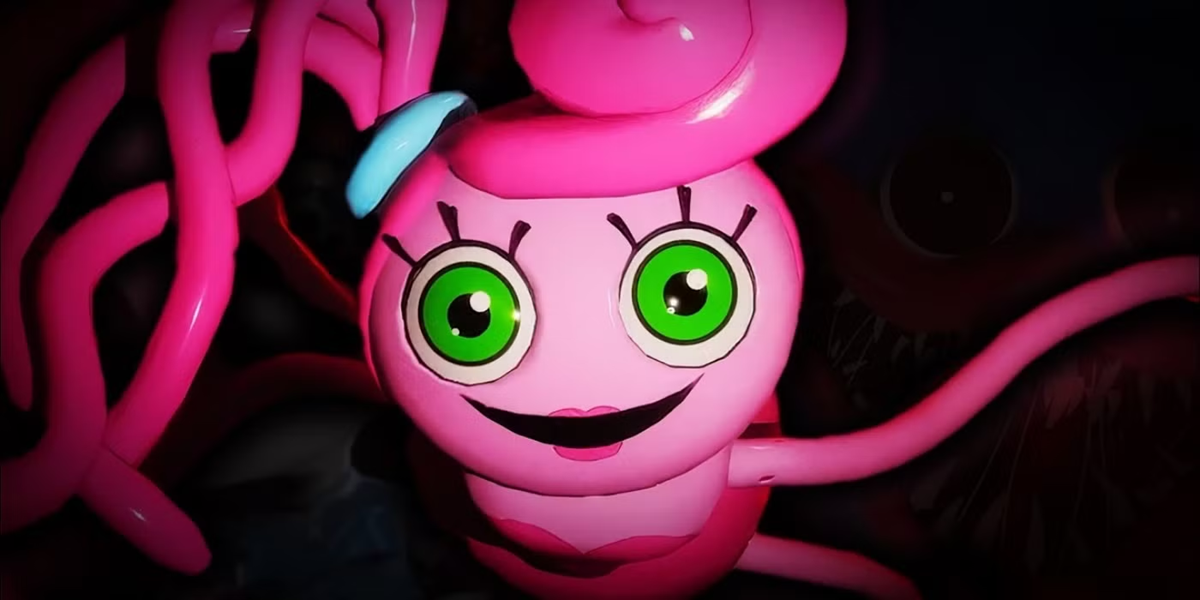
Poppy Playtime is built for fake leaks because the fiction already feels like something pulled from a damaged archive. The Chapter 2 Virtual Leak campaign leaned into that by presenting material as if it came from internal systems rather than a normal ad beat. Fans were not simply watching a teaser. They were being invited to pretend they had accessed something unsafe, which fits horror better than a polished countdown page ever could.
Project: Playtime Hid Just Enough to Start Digging
Project: Playtime did not need a huge campaign to get fans moving. A hidden IP address and a few suspicious promotional details were enough to set off the usual hunt. Horror audiences are trained to treat background noise as evidence. Give them a number, a glitch, or a strange file name, and they will start building theories before the official reveal has even warmed up.
Marvel Rivals Reportedly Planted Fake Names for Dataminers
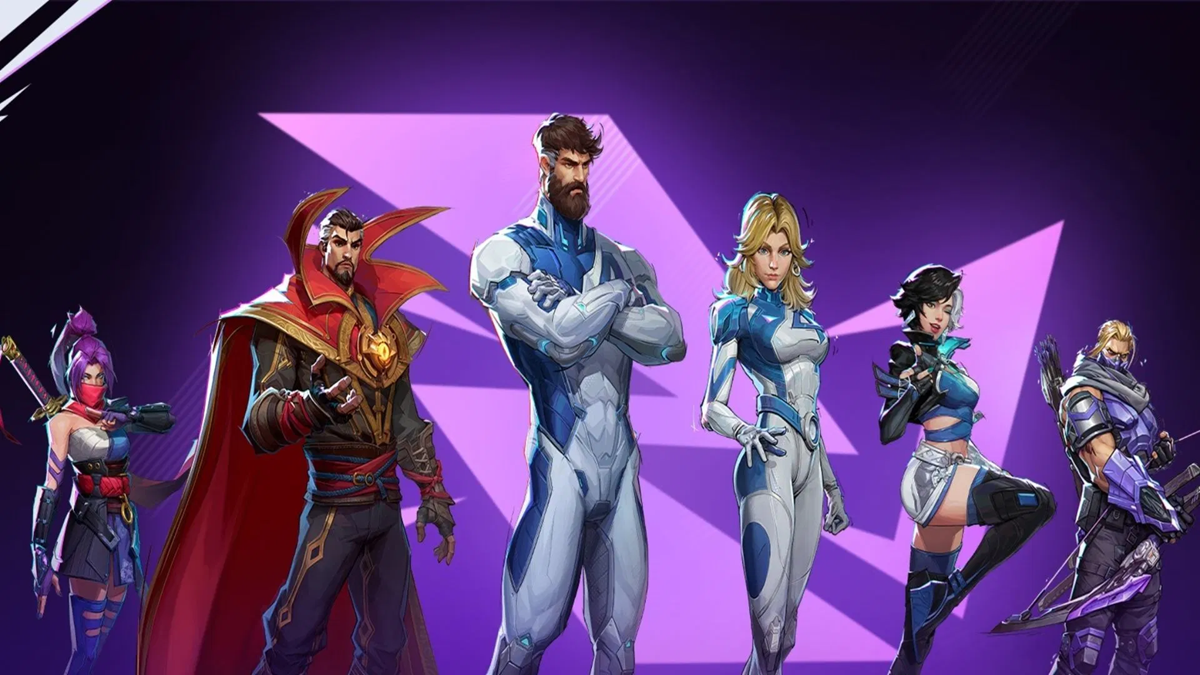
By 2025, the fight between multiplayer studios and dataminers had become more direct. Reports around Marvel Rivals suggested that fake character names or misleading data had been placed in files to throw people off, with names like Quicksilver, Locus, and Colossus discussed in the community as possible plants. Whether every detail was intentional or not, the effect was obvious. Fans debated the roster as if the names were clues, corrections, or traps. Even bad information can tell a studio something useful, especially when people start arguing about which heroes they actually want.
War Robots: Frontiers Showed the Ugly Side of Fake Buzz
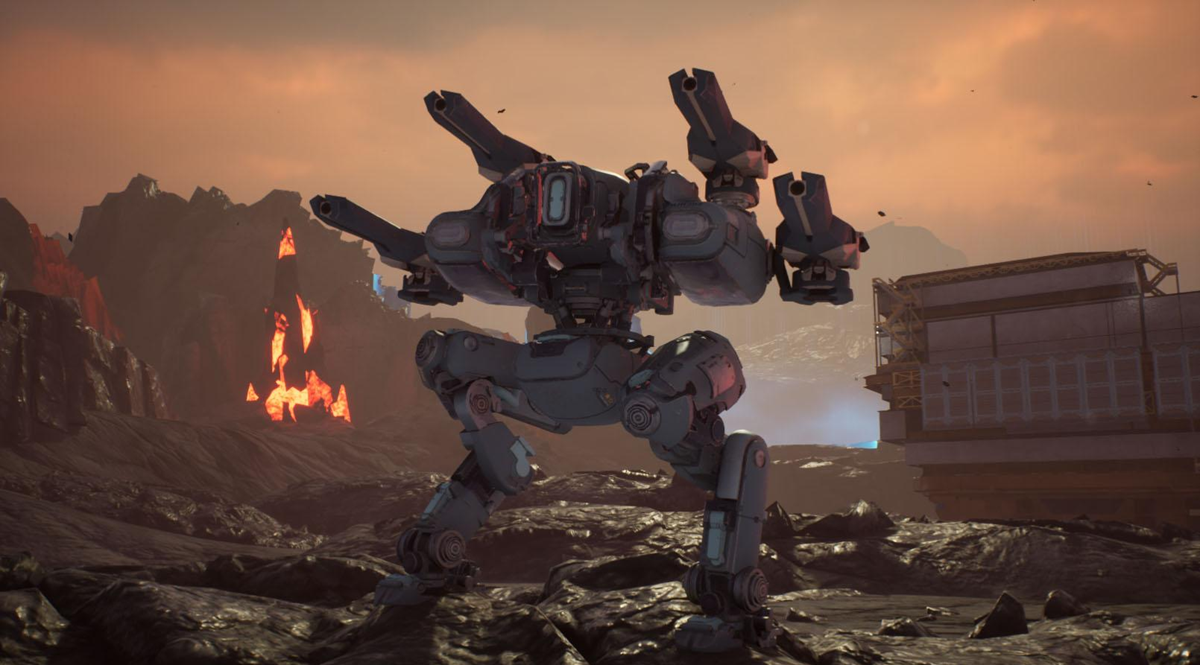
War Robots: Frontiers is a little different from the rest, but it belongs in the conversation because it shows where this kind of marketing can go wrong. A campaign connected to the game was criticized after a marketing post appeared to describe Reddit activity designed to look more organic than it really was. That is not the same as a playful ARG. It is closer to staged community conversation, and players tend to react much more harshly to that. A fake clue can feel like a game. A fake fan discussion feels like manipulation.
Why Studios Keep Reaching for Fake Leaks
The appeal is easy to understand. A fake leak makes players feel like participants instead of viewers, and game communities are already built to investigate, compare screenshots, decode files, and argue over tiny details. The downside is that audiences get more suspicious every time the trick works. Eventually, even real mistakes start looking staged. That probably will not stop studios from using fake leaks, fake clues, or fake misdirection. It just means the next one has to be stranger, looser, and a little harder to smell coming.
Continue Reading: 10 Times Game Developers Trolled Players Who Used Cheat Codes in Completely Unexpected Ways