Some games secrets are buried deep in late-game dungeons, behind brutal completion requirements or obscure collectible hunts. Others are stranger because they sit right near the beginning, hiding in plain sight, waiting for players to do the thing no sensible tutorial would ever suggest. A few were designed as cheats, a few as jokes, and some feel like leftover developer tools that somehow became part of the game’s personality. The best ones make the opening moments feel unstable, as if the game is already willing to bend if you prod it the wrong way.
The Legend of Zelda
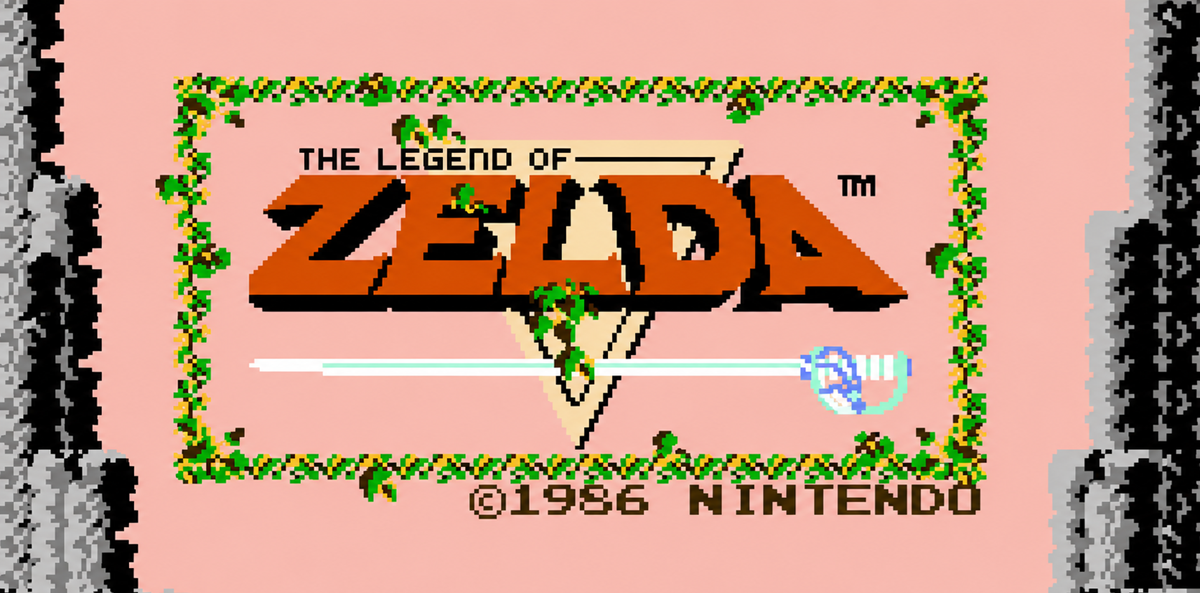
The original The Legend of Zelda does not ask new players to type the princess’s name into their save file, which is exactly why the trick feels so odd. Entering “ZELDA” at the name screen sends the player straight into the Second Quest, a rearranged and tougher version of Hyrule that most people would normally see only after finishing the game. It is such a clean little piece of NES-era mischief, because the trigger is not hidden behind a boss or a menu, it is hiding inside the one screen players usually rush through without thinking.
Quake
Quake starts with a playable difficulty selection hub, already a weird idea compared with the normal menu picking of most shooters. The secret Nightmare route asks players to treat that hub like a level, poking around instead of simply walking into one of the obvious portals. Finding it means taking a detour through a concealed route near the start area, including water, which is about as far as you can get from the blunt “choose your difficulty” logic most games teach you. Before the first real fight even begins, Quake is already saying that navigation, suspicion, and self-sabotage are part of the challenge.
Sonic 3D Blast
There is no more wonderfully wrong way to unlock a mode than making the cartridge misbehave. In the Genesis version of Sonic 3D Blast, physically disturbing the cartridge can crash the game into a level select screen rather than simply killing the session. It sounds like playground nonsense until you learn that the crash handler was deliberately made useful, turning hardware panic into a secret door.
Bubble Bobble
Bubble Bobble looks simple enough on the surface, two little dragons, bubbles, enemies, one-screen stages. Then the title screen becomes a code pad. Entering the right sequence adds Super Mode, a harder variation of the game that remixes the familiar 100-stage climb into something less cozy. It is not especially dramatic, and that is part of the charm, a cheerful arcade game quietly hiding a meaner version of itself before the first bubble is blown.
Metroid
Metroid’s password system was already strange to players used to clean save files, but “JUSTIN BAILEY” became something else entirely. Typing it at the start drops Samus into the game without her Power Suit, with a loadout that makes the opening feel like a secret alternate version rather than a normal continuation. The phrase itself does not explain anything, and that blankness helped it travel through magazines, schoolyards, and handwritten cheat sheets. It is less a mode in the modern menu sense than a new lens for the game, one you access by treating the password screen like a rumor machine.
Trending on realmoneygamer.com

Sonic the Hedgehog 2
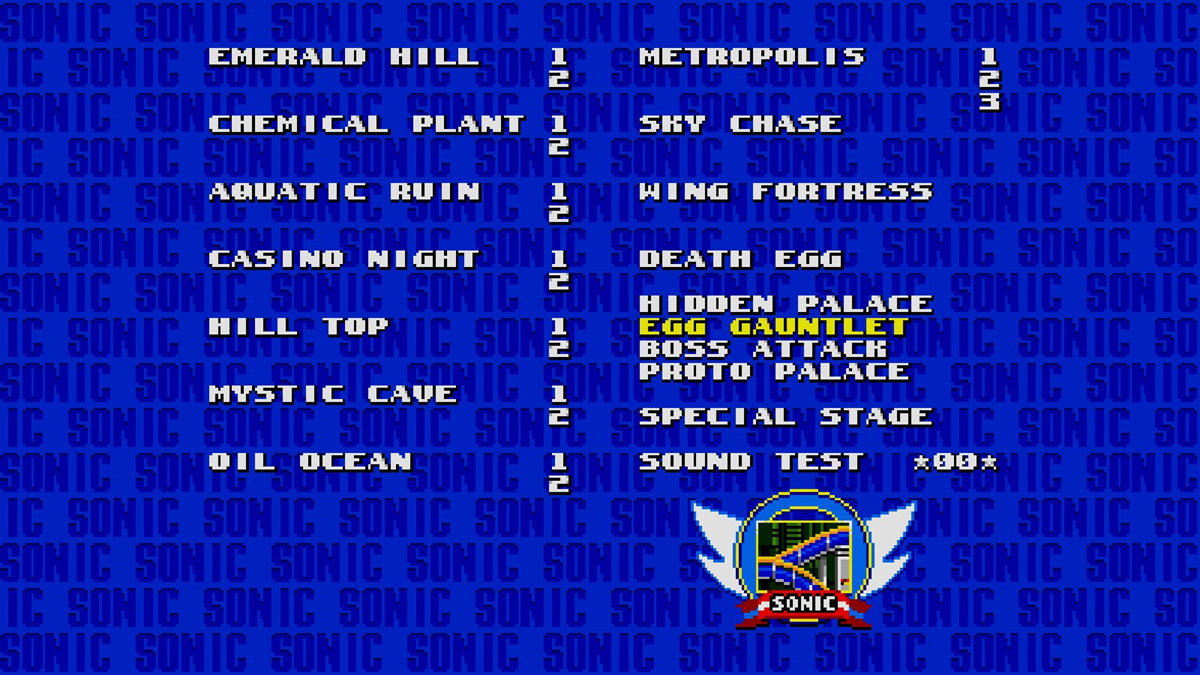
Sonic 2 hides its level select and debug options behind the sound test, which is exactly the sort of menu most players open once, hear a few jingles, and leave forever. Playing a specific sequence of sound numbers unlocks access to level select, and further inputs can lead into debug tools that let players place objects and move through stages in ways the normal game never permits. It feels like being handed the keys to the set rather than the stage, and all because the player stopped treating the options menu as decoration.
Duck Hunt
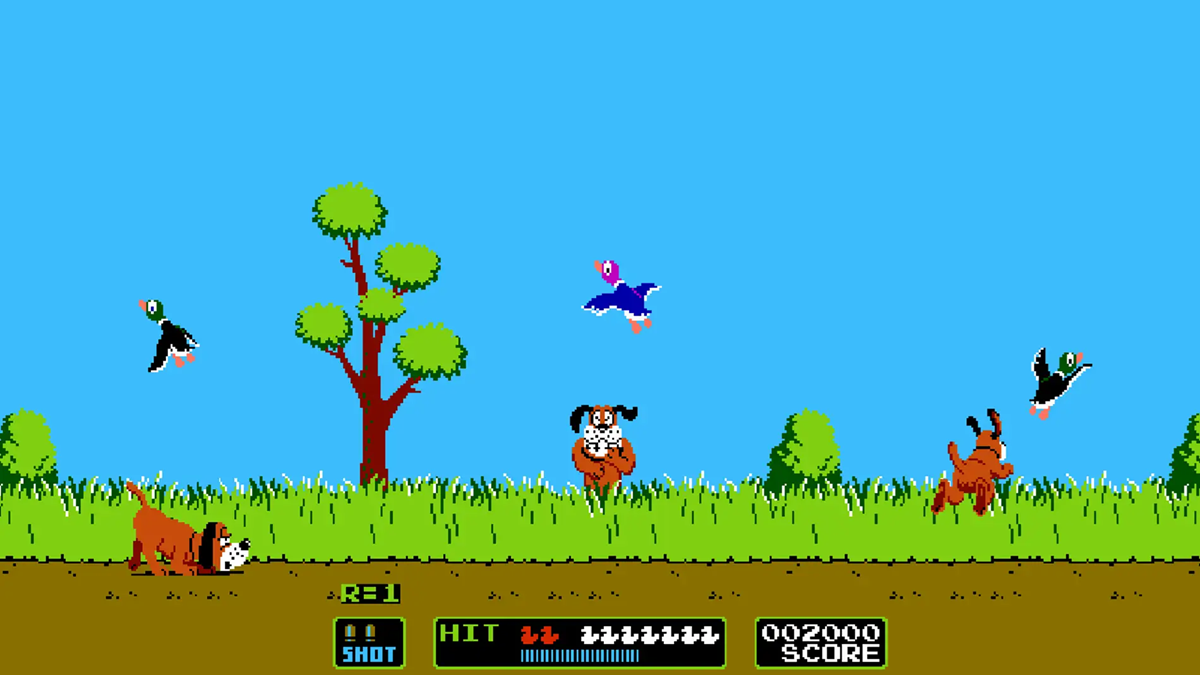
Duck Hunt’s hidden two-player setup is funny because the “secret” was sitting in the hardware. Plugging in a second controller lets another player steer the ducks in Game A, turning a light-gun shooting gallery into a tiny competitive duel. Nothing about the screen screams versus mode, and the Zapper naturally pulls everyone’s attention away from the standard controller. The result is one of those secrets that makes the living room part of the design.
Sonic 3 & Knuckles
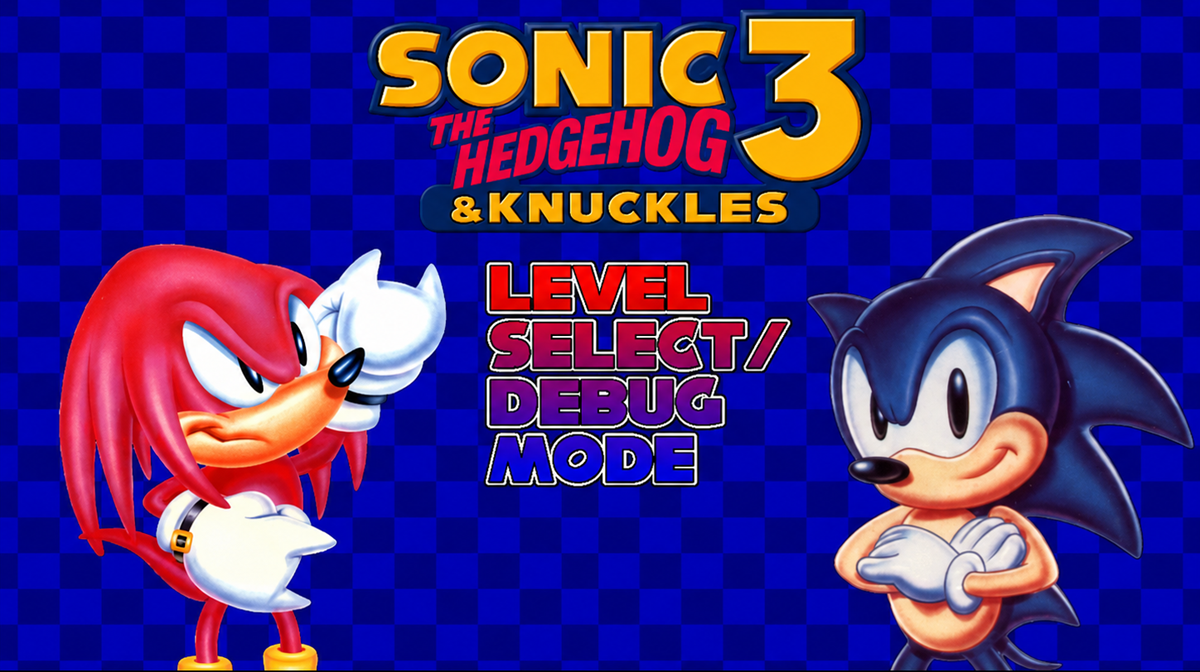
Sonic 3 & Knuckles asks for a kind of ritual that feels almost too specific to be real. In Angel Island, near the beginning, players can hang from a swinging vine and enter a directional sequence to open access to level select, which can then lead toward debug-style play. The oddness is not just the code, it is the staging, because you have to pause the normal momentum of a Sonic game and fiddle with inputs while hanging in place. For a series built on speed, the secret begins by doing the least Sonic-like thing possible.
Mortal Kombat: Shaolin Monks
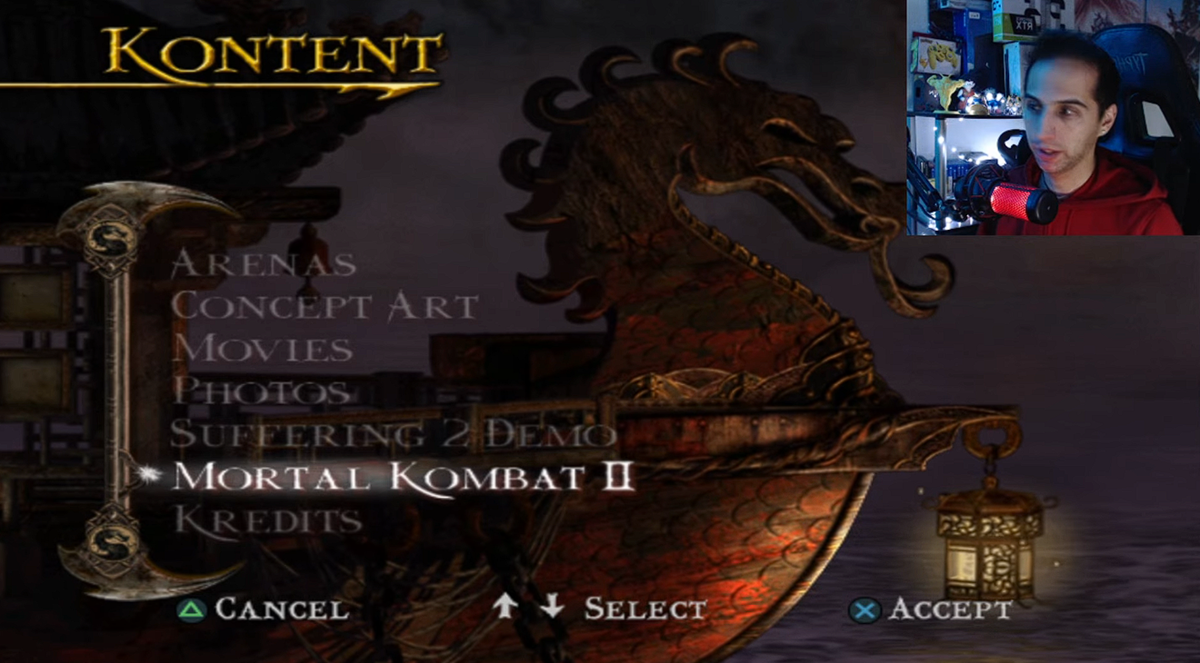
Mortal Kombat: Shaolin Monks was already packed with extras, but hiding the arcade version of Mortal Kombat II behind a main-menu input fits the series’ old appetite for rumors and button codes. Holding a shoulder button and tapping out the right sequence unlocks the arcade game in the Kontent menu, bypassing the more ordinary path of earning it through play. It is a very mid-2000s kind of secret, half bonus feature, half cheat-code muscle memory. The counterintuitive part is that you are not fighting, exploring, or finishing anything, you are just standing at the menu and trusting that the controller language still matters.
NieR: Automata
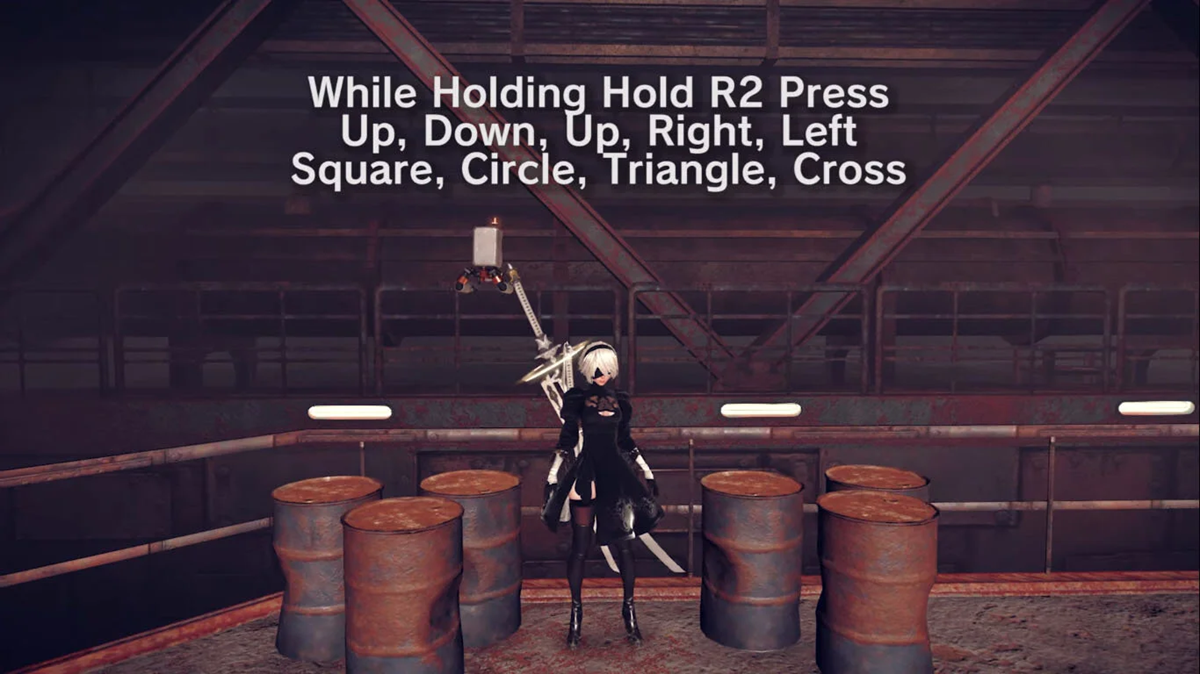
For years, NieR: Automata’s “final secret” sounded like the kind of thing fans wanted to believe existed because Yoko Taro games invite that suspicion. Then players found that after the first major boss, standing in a very specific spot near a set of barrels and entering a precise button sequence could jump the game all the way toward its final ending state and unlock major postgame features. It is absurdly early, almost rude in how much of the intended structure it collapses. Most games hide a cheat to skip a level, NieR: Automata hid one that treats the whole journey as something you can fold up before it properly begins.
The pattern is not just that these games have secrets. It is that they reward behavior that feels faintly incorrect, naming Link after Zelda, swimming away from the obvious route, shaking a cartridge, or treating a sound test like a lock. Those moments stick because they make the start of a game feel less like a doorway and more like a surface with loose edges.
Continue Reading: 10 Hidden Rooms and Areas Inside Popular Games That Served Absolutely No Gameplay Purpose