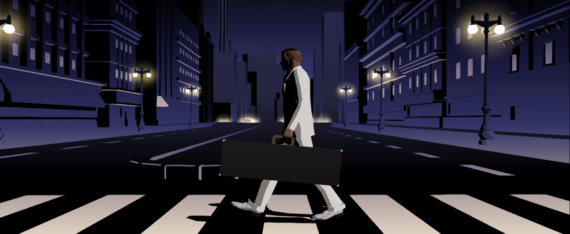
Creative freedom in games is a funny thing. It sounds clean from the outside, like a publisher simply steps back and lets artists cook, but the results are often messier than that. Sometimes the freedom goes into ambition, sometimes into stubbornness, and sometimes into an idea that probably would have died in the first meeting at a more cautious company. These are studios that were given room to move, then used that room in ways that players, publishers, and sometimes even the industry around them did not quite expect.
Kojima Productions Turned a Safe Sequel Into a Trick
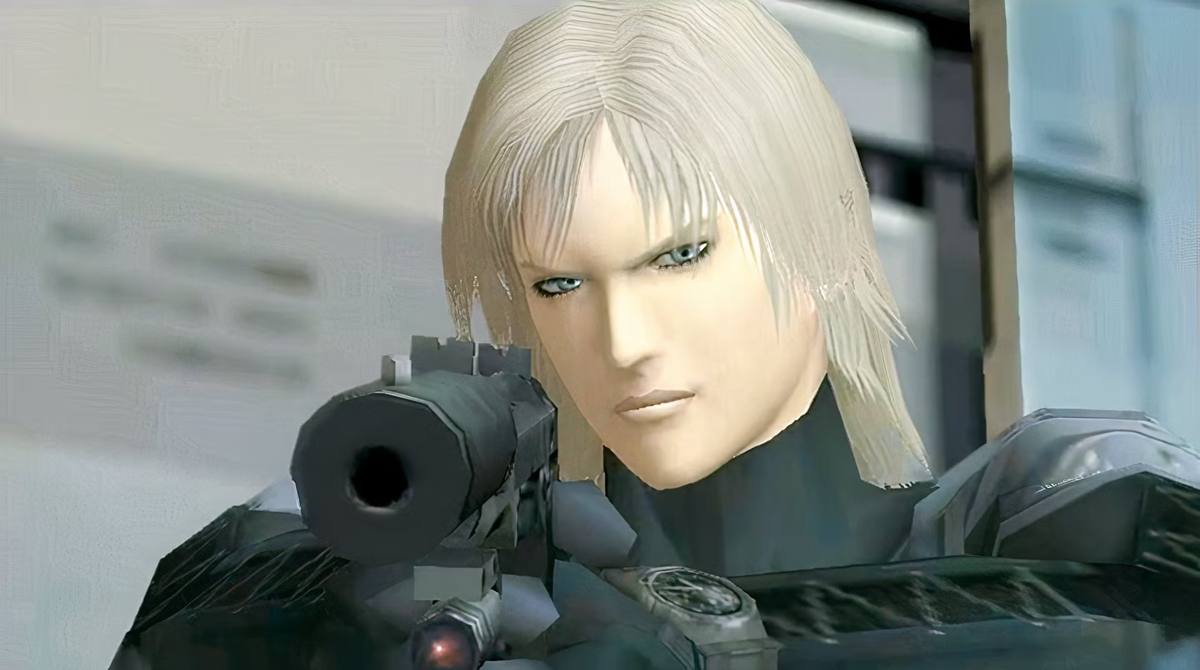
After Metal Gear Solid, Konami likely expected a bigger, slicker sequel. Metal Gear Solid 2 looked that way at first, with trailers focused on Solid Snake and PlayStation 2 spectacle. Then the game handed most of the story to Raiden instead, using a blockbuster sequel to explore misinformation, identity, censorship, and the player’s own expectations.
Rare Took a Cute Mascot and Made Him a Disaster
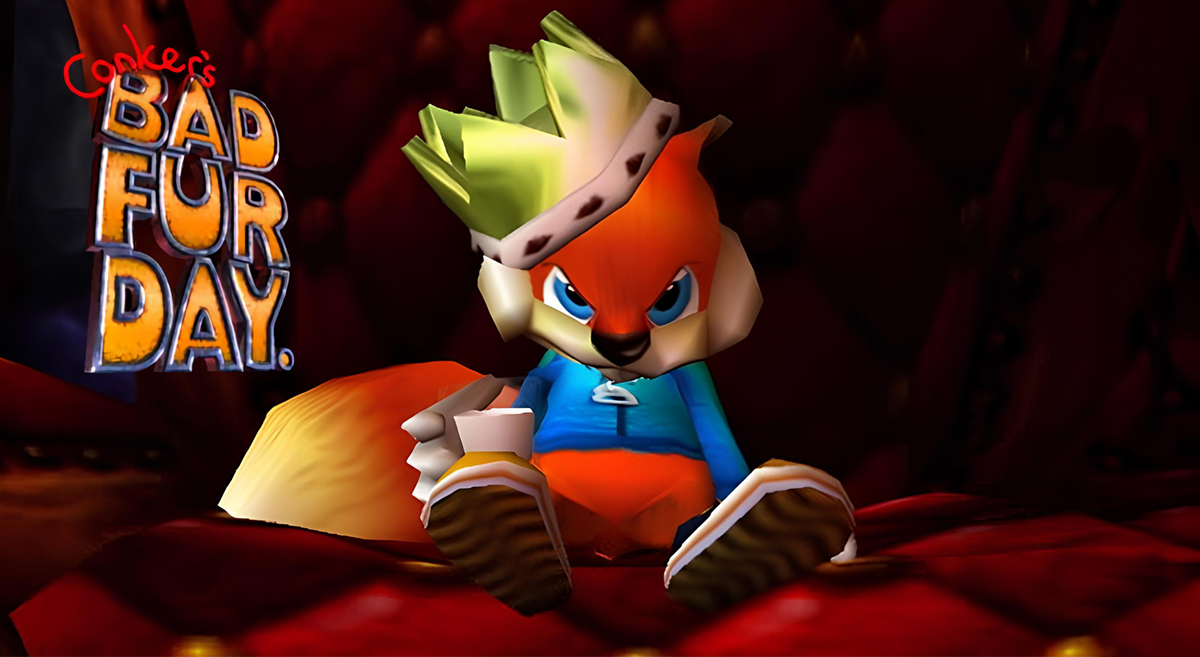
Conker began as a cheerful Nintendo 64 platformer, close to the mascot games Rare was known for. Then Rare turned him into a hungover, foul-mouthed lead in Conker’s Bad Fur Day, packed with movie parodies, toilet humor, violence, and jokes far outside Nintendo’s usual image. Released in North America by Nintendo in 2001, it sold modestly but later gained the strange afterlife of a game that feels like it slipped past the wrong approval process.
Team Ico Made an Action Game That Felt Lonely on Purpose
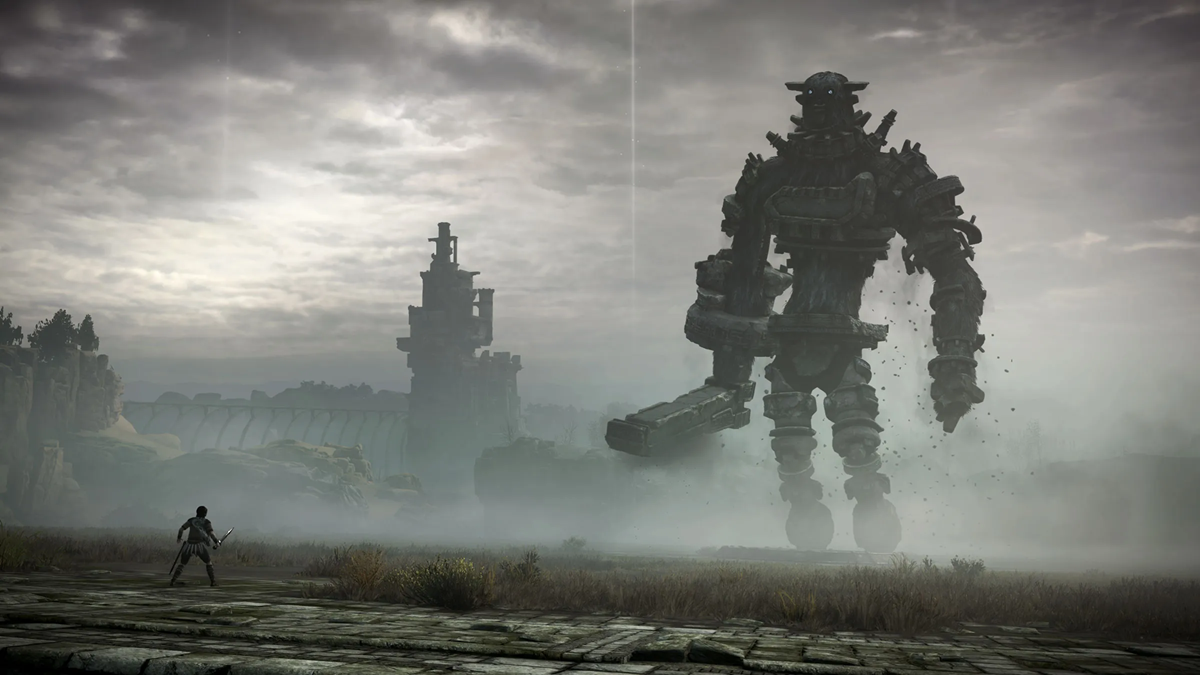
Sony could have pushed Team Ico toward something easier to explain after Ico. Instead, Shadow of the Colossus arrived as a game with almost no towns, almost no side characters, and almost no enemies except the sixteen colossi themselves. It looked like fantasy adventure, but it moved with the mood of a tragedy. You ride through empty land, find a creature, kill it, and slowly realize the game is not especially interested in making you feel heroic.
Sega AM2 Spent Its Freedom on Small Details
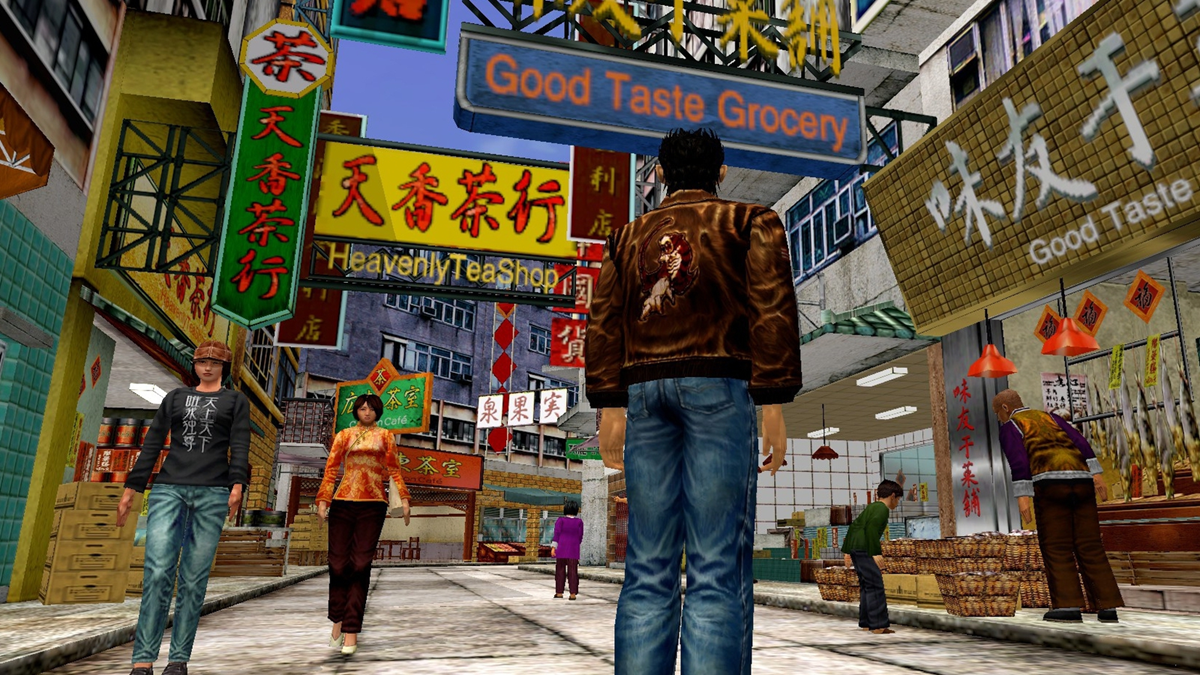
Shenmue is remembered as an expensive game, but the stranger thing is what Sega AM2 chose to spend that money on. Yu Suzuki’s team filled its Dreamcast world with weather, schedules, vending machines, capsule toys, part-time work, drawers that could be opened, and people who had routines even when they were not useful to the player. Plenty of games dream about scale. Shenmue dreamed about daily life. That made it awkward, slow, and sometimes clunky, but also unlike almost anything else on consoles in 1999. A publisher gave a major team a huge runway, and the team used it to make players wait for shops to open.
Namco Let Katamari Damacy Stay Weird
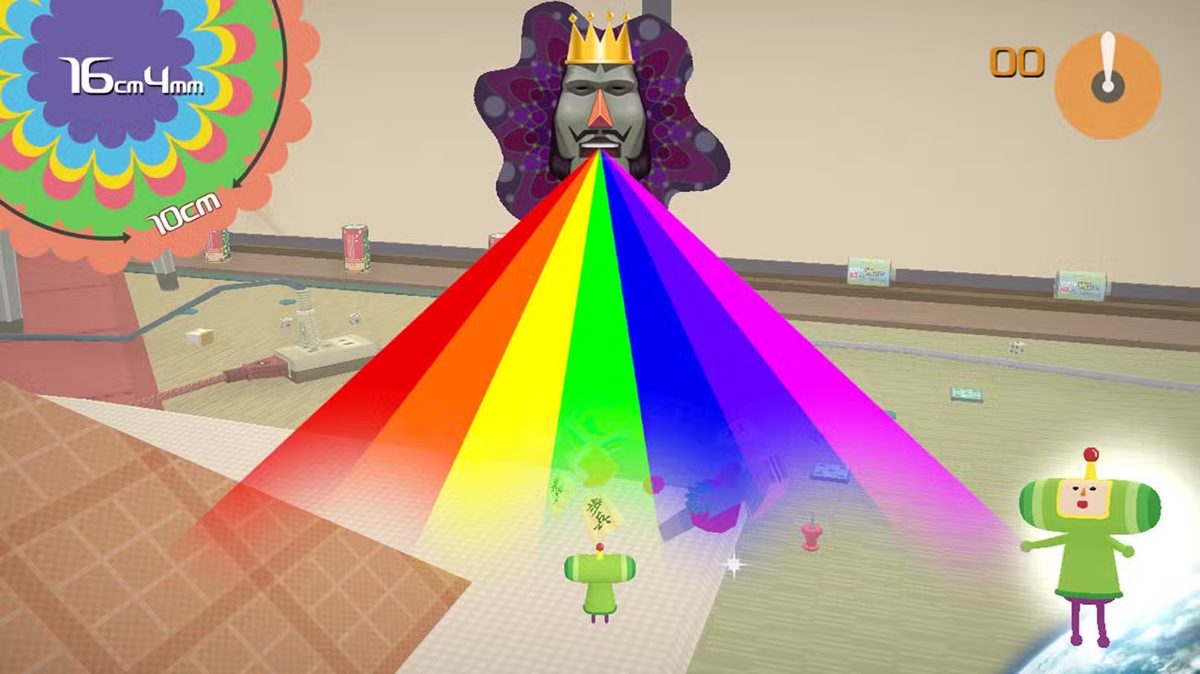
Katamari Damacy did not try very hard to look normal. Keita Takahashi’s game was about rolling a sticky ball over household objects, animals, people, buildings, and eventually whole landscapes so the King of All Cosmos could replace stars. The idea was simple enough for anyone to understand in seconds, but the tone was so specific that it felt almost handmade. Namco could have sanded it down. Instead, the game kept its odd music, blocky charm, and strange little sadness.
Trending on realmoneygamer.com

Thatgamecompany Made Multiplayer Without the Usual Noise
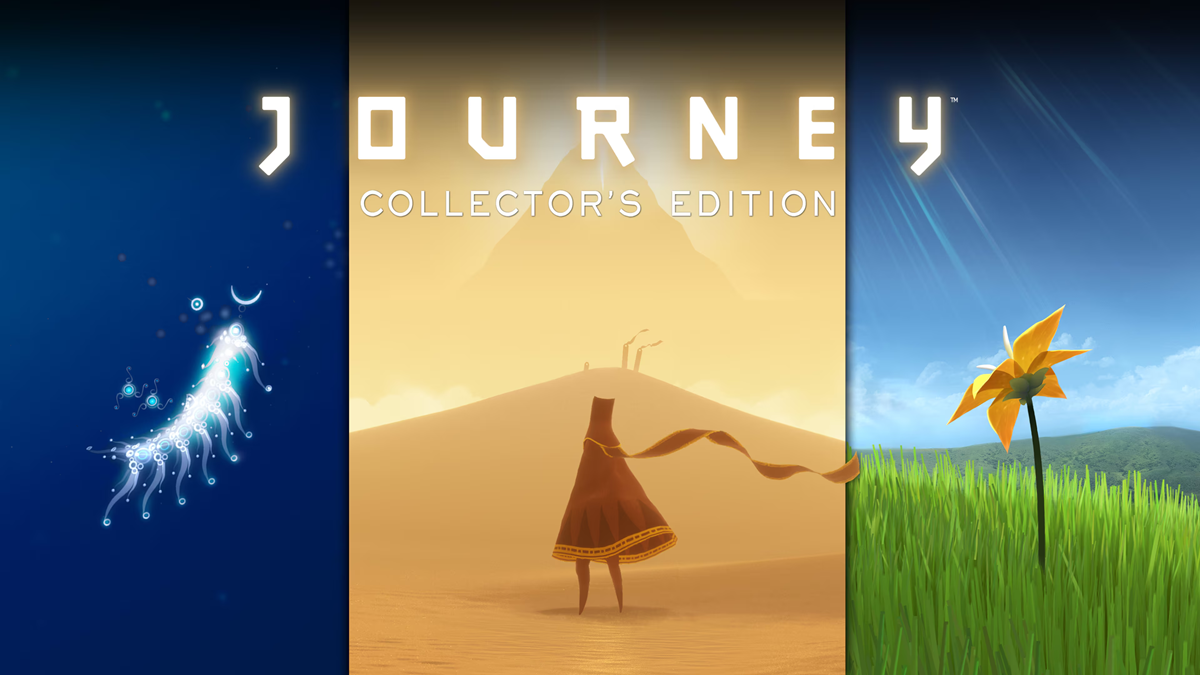
Sony’s deal with thatgamecompany gave the studio space across Flow, Flower and Journey was the one that made the boldest use of it. Most online games were getting louder, more social, more verbal, more stuffed with systems. Journey went the other way. It paired players anonymously, removed normal chat, and let communication happen through movement and small musical calls. The result was not antisocial, which is what made it interesting. It was intimate in a way that normal multiplayer often was not.
Double Fine Hid Therapy Inside a Platformer
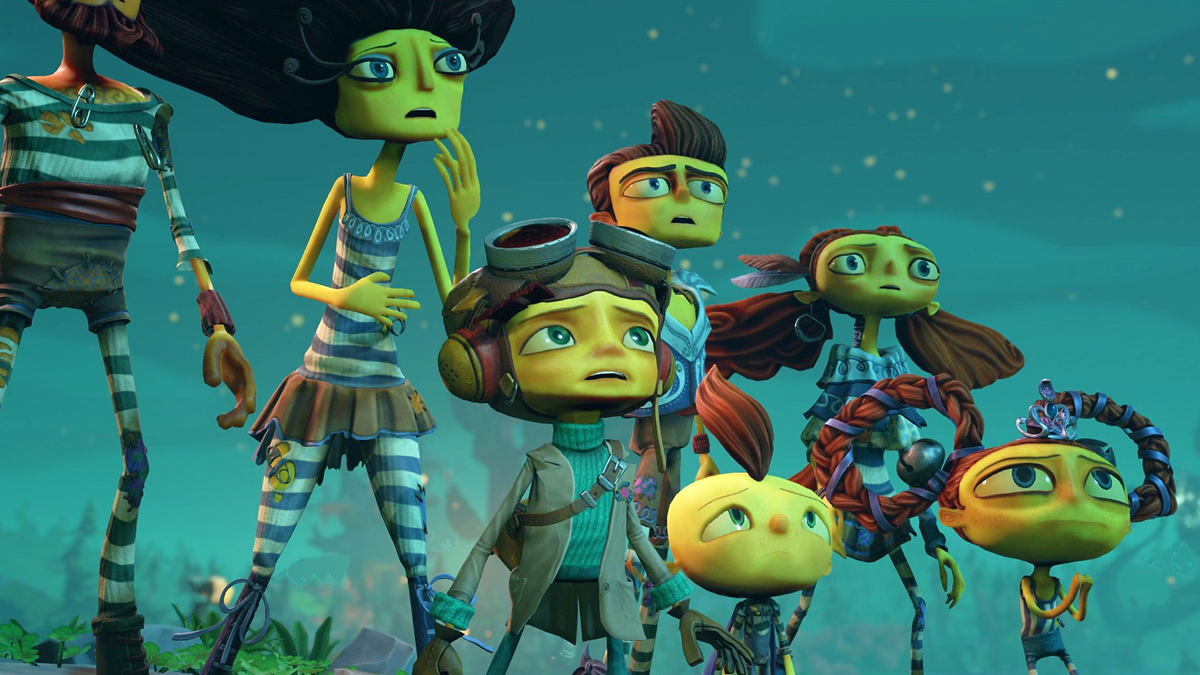
Psychonauts could be described as a 3D platformer, but that description never quite fits. Double Fine used the genre as a way to move through people’s minds, turning insecurity, grief, guilt, delusion, and fear into playable spaces. Majesco eventually published the game in 2005 after Microsoft stepped away, and the final result felt too odd for the market it entered. It was funny, yes, but not in a disposable way. A lot of the jokes were built around things that hurt.
PlatinumGames and Yoko Taro Made an Action RPG That Kept Changing Shape
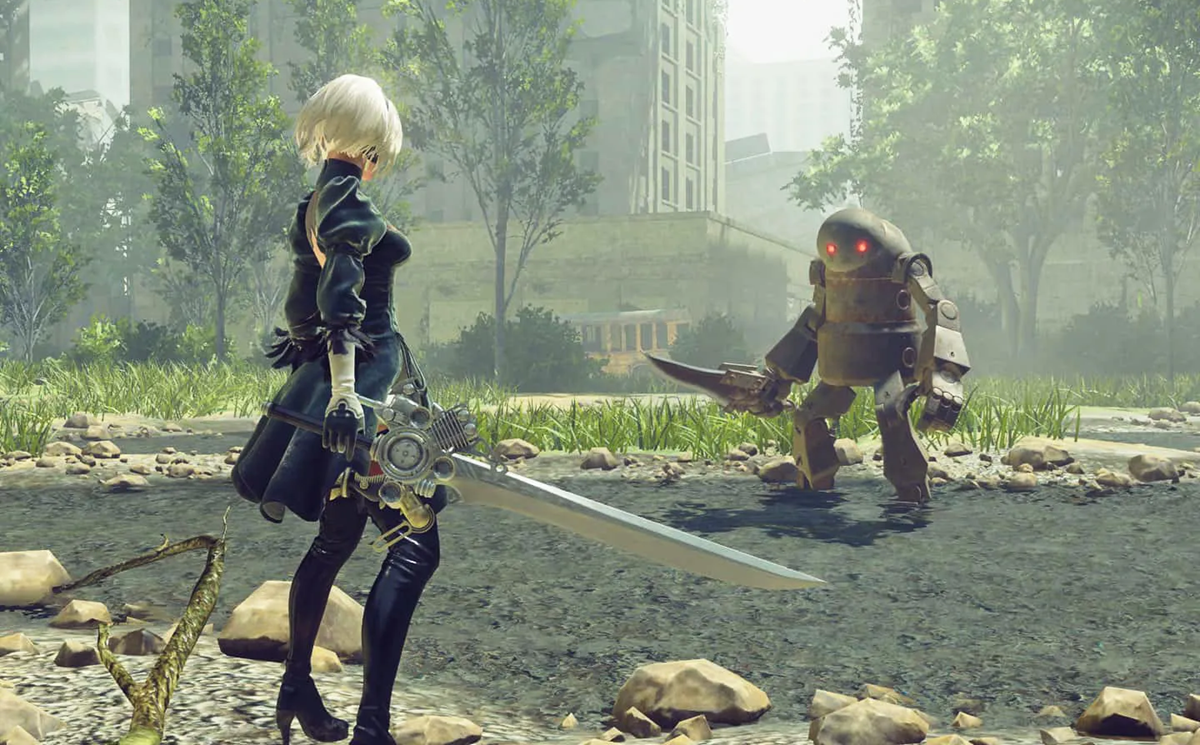
Nier: Automata could easily have been a cleaner game. Square Enix had PlatinumGames handling the combat, Yoko Taro writing the story, and a cult predecessor that did not need to be repeated exactly. Instead of simplifying the formula, the team made something that shifted between action RPG, shooter, side-scroller, visual novel fragments, joke endings, and philosophical argument. It is the kind of game where the structure itself becomes part of the story. The surprise is not only that it worked, but that it sold well enough to make the whole risk look sensible afterward.
Maxis Made a Game About Ordinary Life, Then Everyone Played It
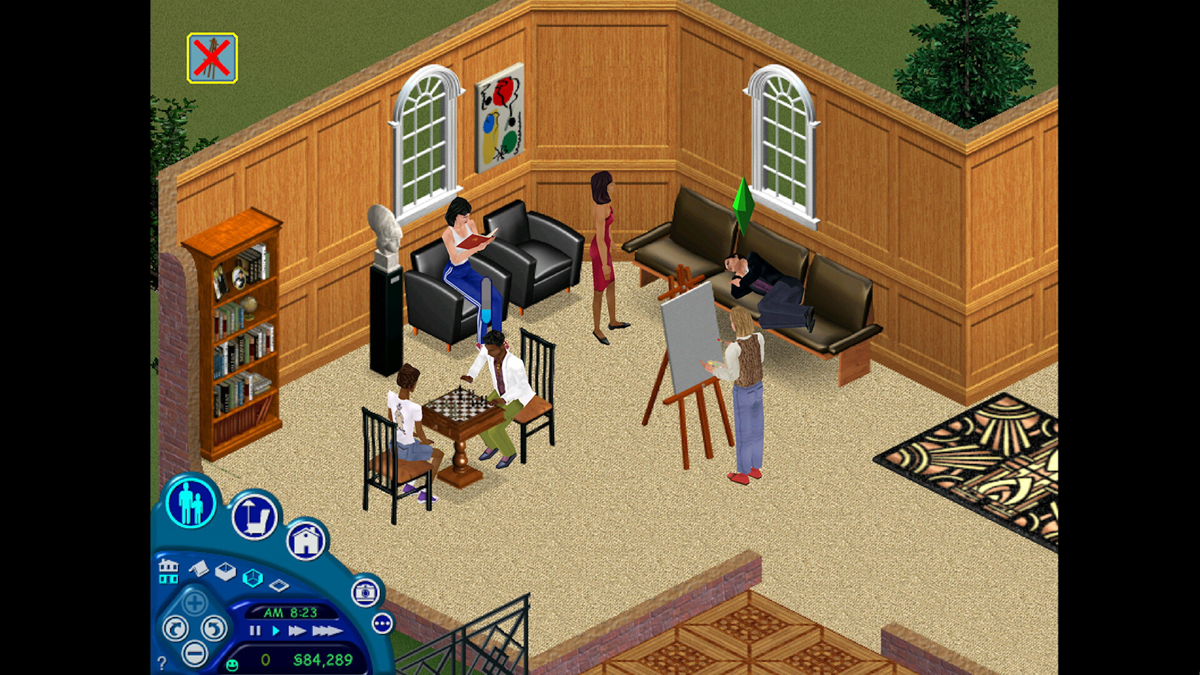
The Sims did not sound like a guaranteed hit in the usual late-1990s PC market. Will Wright’s idea was about houses, furniture, jobs, hunger, romance, boredom, and people getting stuck behind badly placed objects. After Electronic Arts bought Maxis in 1997, the project finally had a better chance of reaching the finish line, and The Sims came out in 2000. What looked like a domestic sandbox became one of the biggest PC games ever. The freedom here was not used for spectacle. It was used to make everyday nonsense playable.
Grasshopper Manufacture Made Killer7 Like a Dare
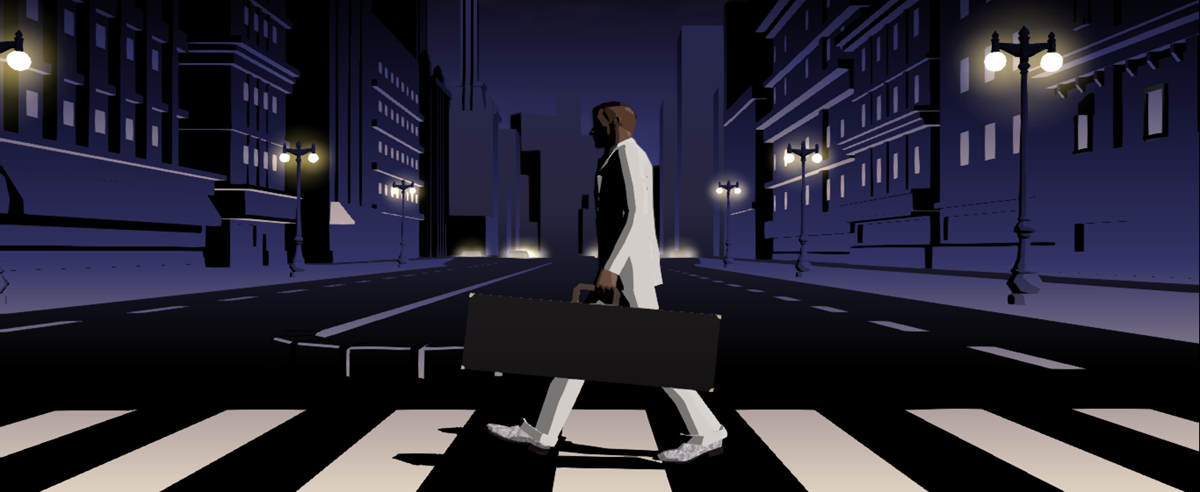
Killer7 still feels difficult to place. Capcom’s GameCube-era experiment gave Suda51 and Grasshopper Manufacture room to make a game that mixed assassins, politics, horror, surreal comedy, and a visual style that looked nothing like the safe middle of the market. It was partly on-rails, partly adventure game, partly fever dream. Even now, it does not feel misunderstood so much as uninterested in being easily understood.
FromSoftware Let Demon’s Souls Be Hostile
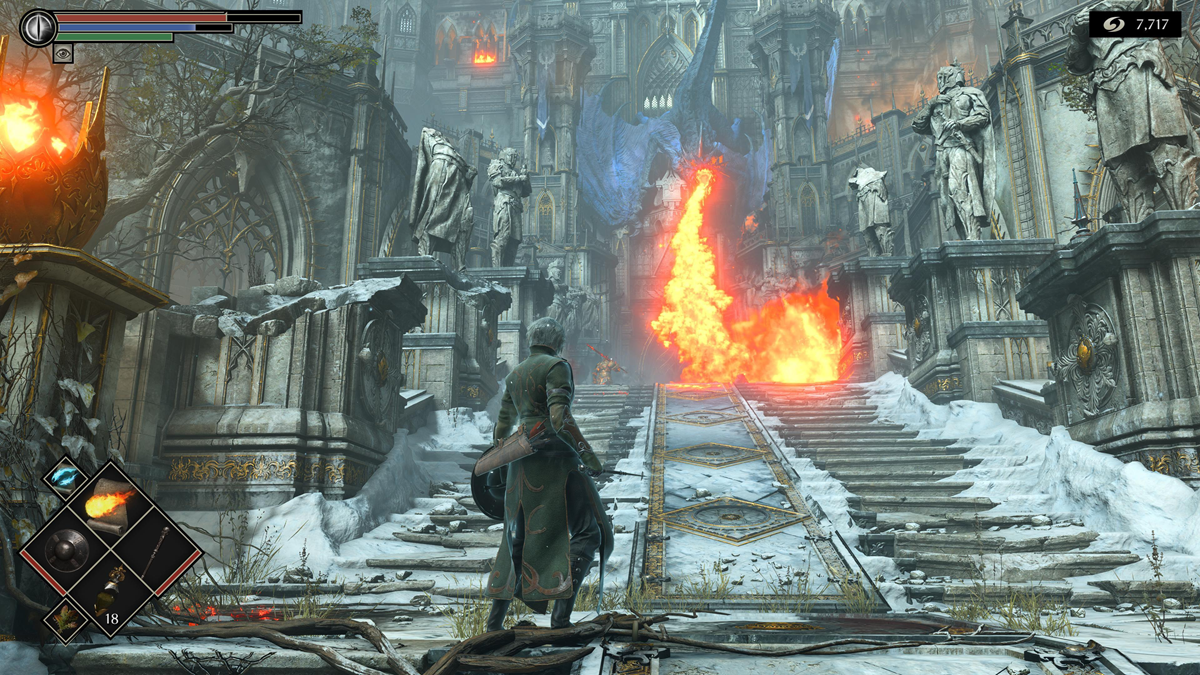
Demon’s Souls was not designed like a game desperate to be liked by everyone. FromSoftware, with Hidetaka Miyazaki taking over direction, leaned into obscurity, punishment, strange online systems, and a world that explained itself only when it felt like it. Sony published it in Japan in 2009 but passed on handling the Western release itself, which says something about how uncertain the whole thing looked at the time. Players had to meet it on its terms. Enough of them did, and suddenly a difficult, gloomy action RPG became the start of a much larger shift.
Harmonix Turned a Toy Guitar Into a Party
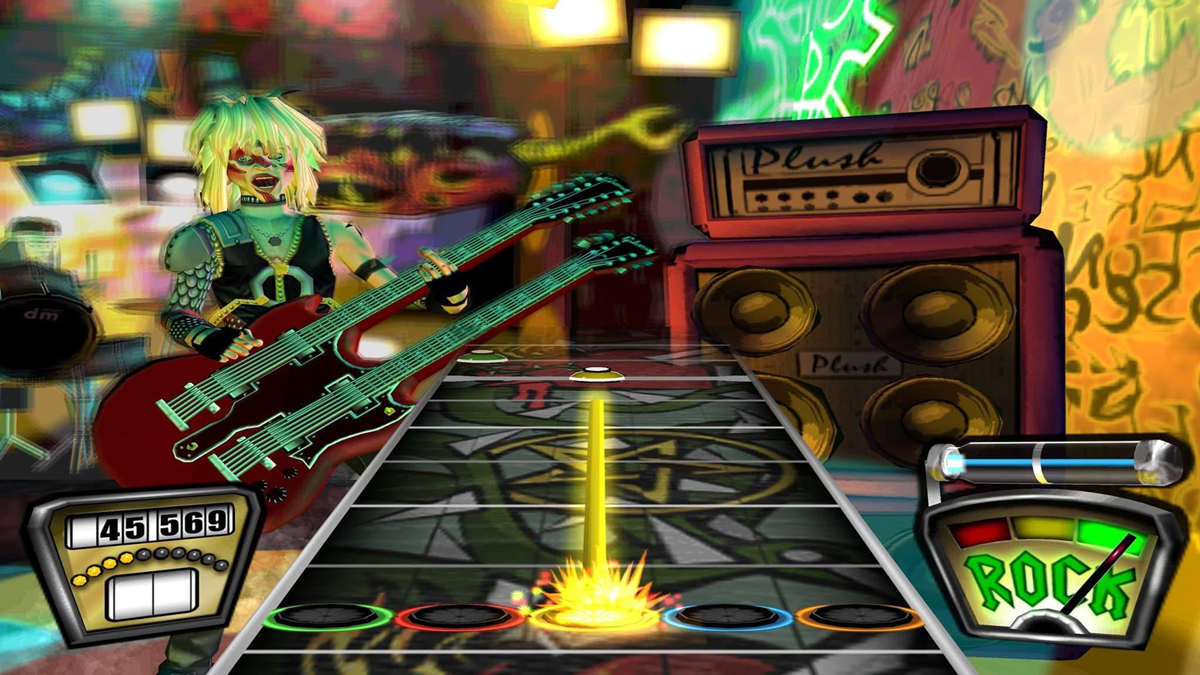
Guitar Hero sounds obvious now only because it already happened. Before 2005, a plastic guitar controller attached to a rhythm game was not exactly the safest pitch in the world. RedOctane published it, Harmonix built it, and the studio understood that the fantasy should be immediate rather than technically accurate. You were not learning guitar, you were pretending just hard enough for the room to join in. That little difference mattered.
Media Molecule Asked Players to Make the Game With Them
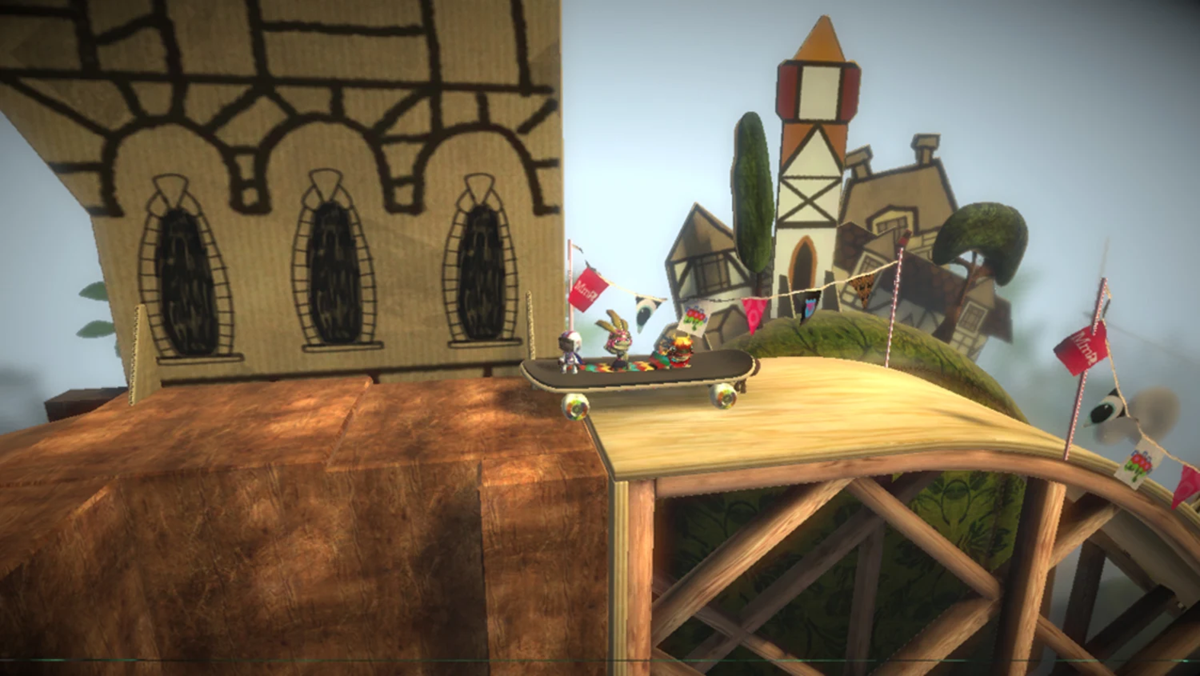
LittleBigPlanet was cute on the surface, almost suspiciously cute. Sackboy, fabric textures, handmade levels, soft colors, it all looked easy to market. But Media Molecule used Sony’s support for something more unusual: a console platformer where the creation tools were not an afterthought. Players built levels, shared them, copied tricks, broke ideas, and turned the game into a public workshop. It was not always tidy, and that was part of the appeal. Sony was not just publishing a game, it was publishing a space where the audience could make the game stranger than the studio ever could alone.
Creative freedom does not automatically make better games. It can produce confusion, delays, bad sales, or ideas that only make sense years later. Still, these cases are hard to ignore because they show what happens when a studio does not use permission in the expected way. Sometimes the strangest decision is the one people remember.
Continue Reading: 11 Game Designers Who Were Ahead of Their Time