A slump in esports usually starts before the losses look ugly. One player hesitates, another overtalks, a normally safe call gets rushed, and suddenly the team feels a half-step late everywhere. Coaches are not just looking for who played badly, because that is rarely enough to explain it. They are trying to find the repeatable crack, the thing that keeps showing up no matter the opponent, patch, map, or draft.
Coaches Look for the First Mistake, Not the Last One
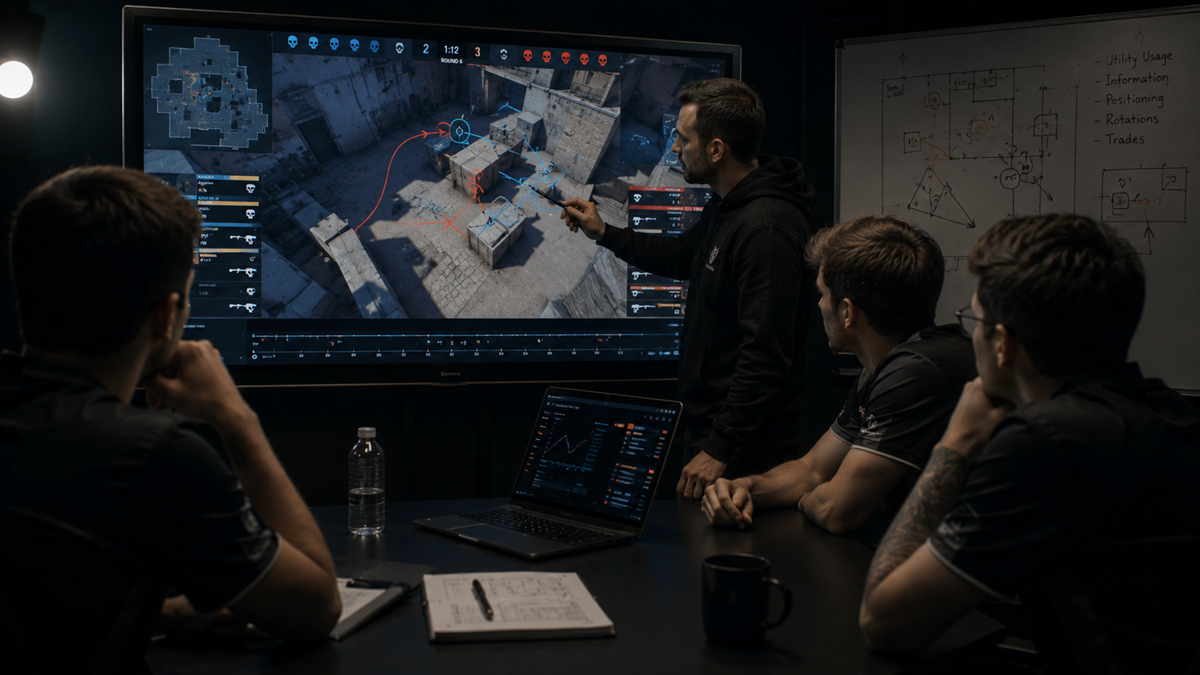
A lost round in Counter-Strike or Valorant can end with a whiffed shot, but that is often the least useful part of the replay. Coaches usually rewind further back. Maybe the flash timing was late, maybe the player holding space never got the call, maybe the team rotated because of fear rather than information. That matters because “hit your shots” does not give anyone a real practice goal. “Stop rotating off one sound cue without confirming the second player” does.
Film Review Gets Tighter

When a team is already frustrated, a two-hour review can turn into a slow punishment. Some coaches cut the session down to a handful of clips and make each one answer a specific question. What did we know? What did we assume? Who had the next call? It sounds basic, but slumps make teams forget basic things. A shorter review can keep the room from getting heavy.
Practice Shrinks Around One Problem

A League of Legends team in poor form may not need to reinvent its whole identity. It might need a week where the first jungle path, first reset, and first objective setup are the only things the staff really judges. In shooters, that can mean drilling one map side until the spacing feels normal again. Coaches do this because players in a slump tend to solve ten problems at once and fix none of them.
Roles Get Tweaked Before Anyone Gets Benched
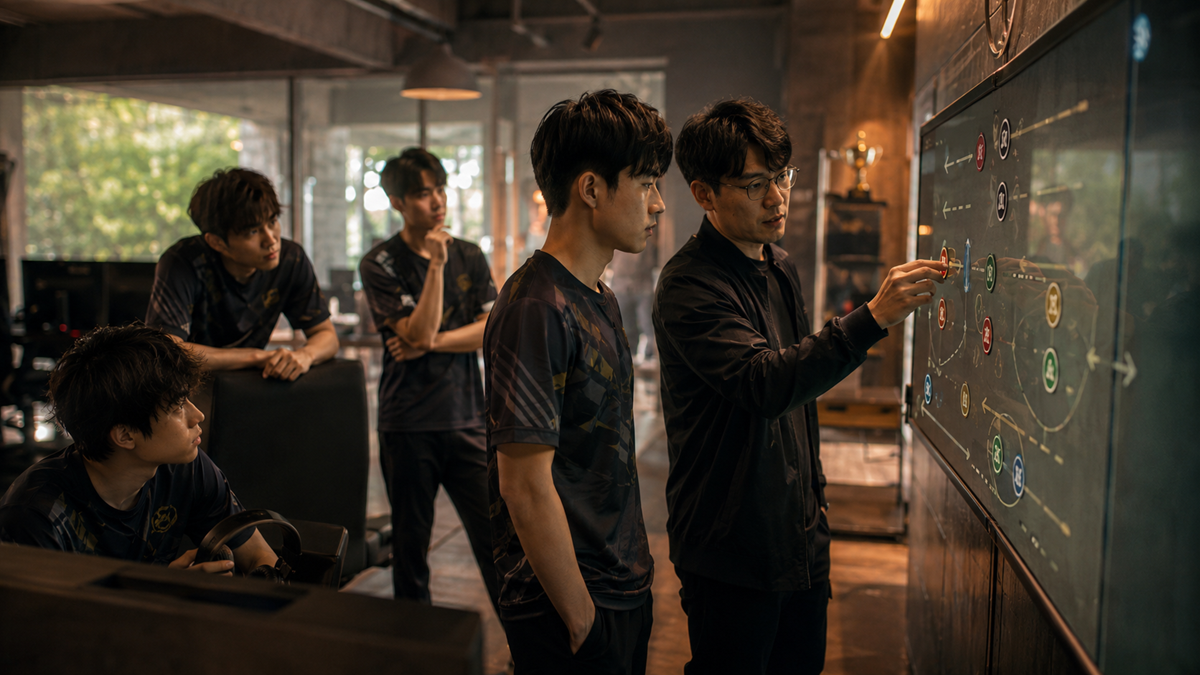
Fans often jump straight to roster talk. Inside the team, coaches usually try smaller changes first. A rifler might be moved away from entry work for a few maps, or a support player might get cleaner utility rules so he stops reacting late. In MOBAs, draft priority may shift away from the player who is pressing too hard. It is not always dramatic, and that is the point.
The Mental Side Becomes Part of the Week
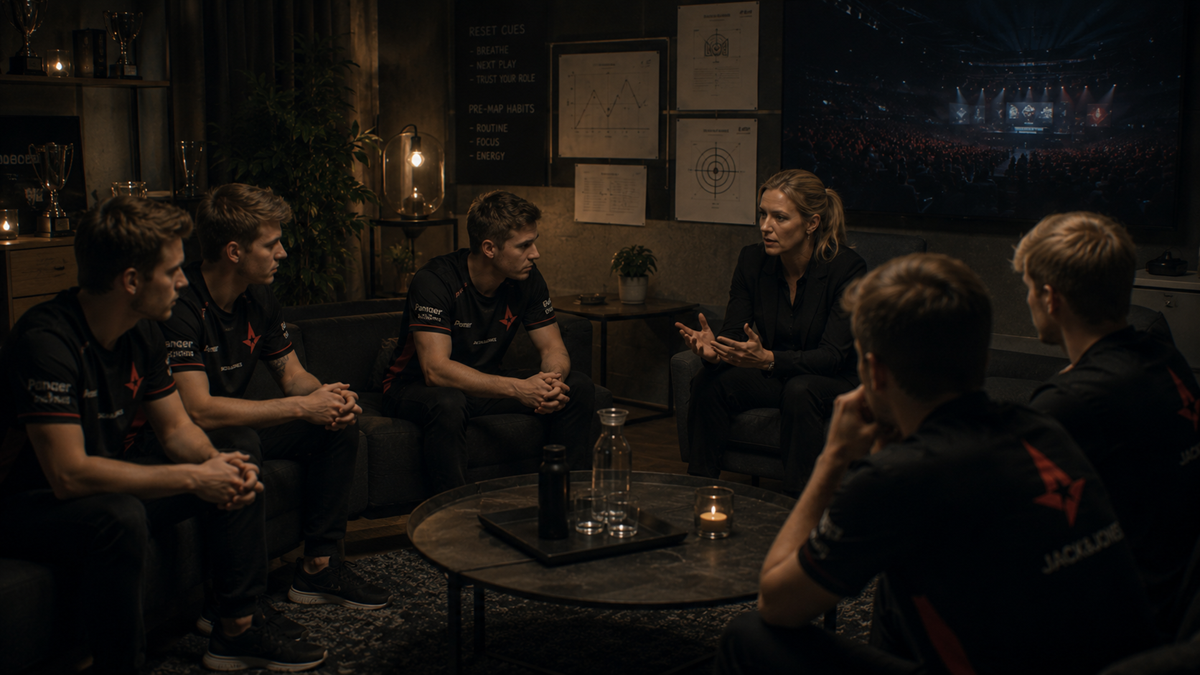
Astralis is still the example people bring up because the lesson traveled beyond Counter-Strike. The Danish team worked with sports psychologist Mia Stellberg before winning the ELEAGUE Major in Atlanta in January 2017, and later built a wider performance setup around staff like Lars Robl. Other teams did not copy that perfectly, but they did absorb the bigger idea. Pressure cannot be treated only on match day. Coaches use breathing routines, pre-map habits, reset cues after bad rounds, and private conversations before the tournament room gets loud.
Trending on realmoneygamer.com

Coaches Separate Confidence From Stubbornness
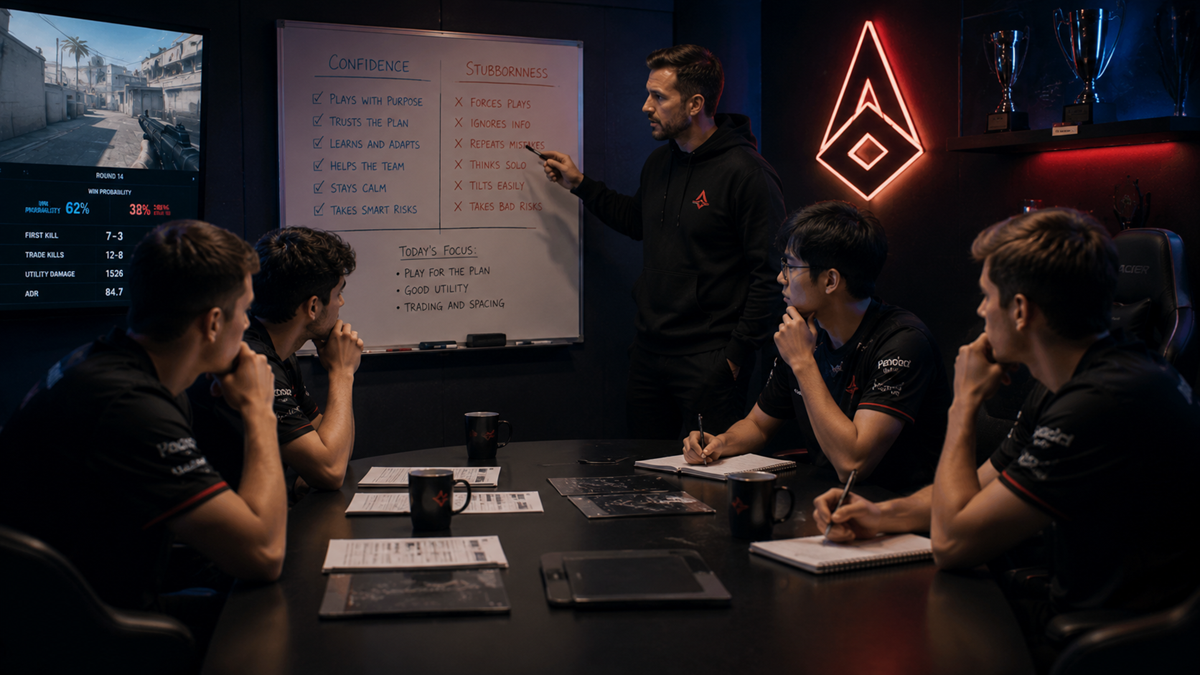
This part is uncomfortable. A player who is slumping may need trust, but he may also need limits. Sometimes the coach gives him a comfort pick or lets him take a familiar angle again. Other times, the coach removes the hero play from the plan for a while because the player is chasing his way out of bad form. Confidence helps. Ego tends to make the hole deeper.
Communication Rules Get Simpler
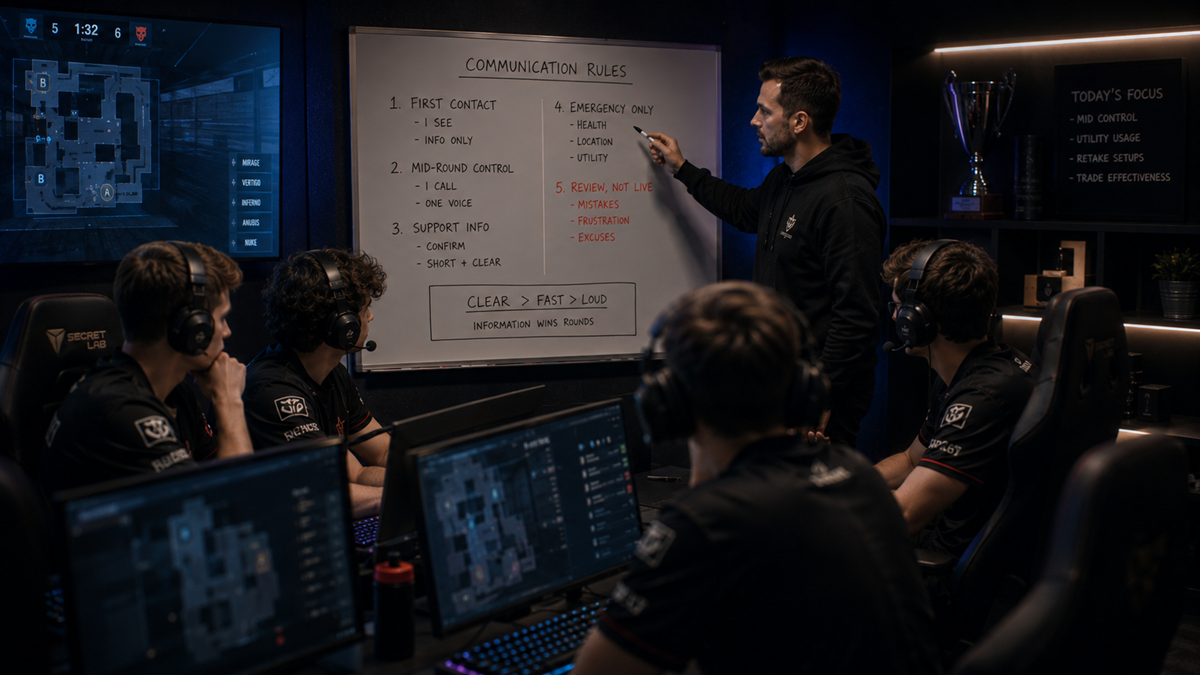
Bad comms are not always quiet comms. A struggling team can be noisy, emotional, and still miss the one sentence that matters. Coaches may set rules for who speaks first after contact, who owns the mid-round, and what belongs in review instead of live play. It can feel stiff for a few days. Then, if it works, the team stops sounding like five people trying to fix the same fire.
Rest Stops Being Treated Like a Luxury
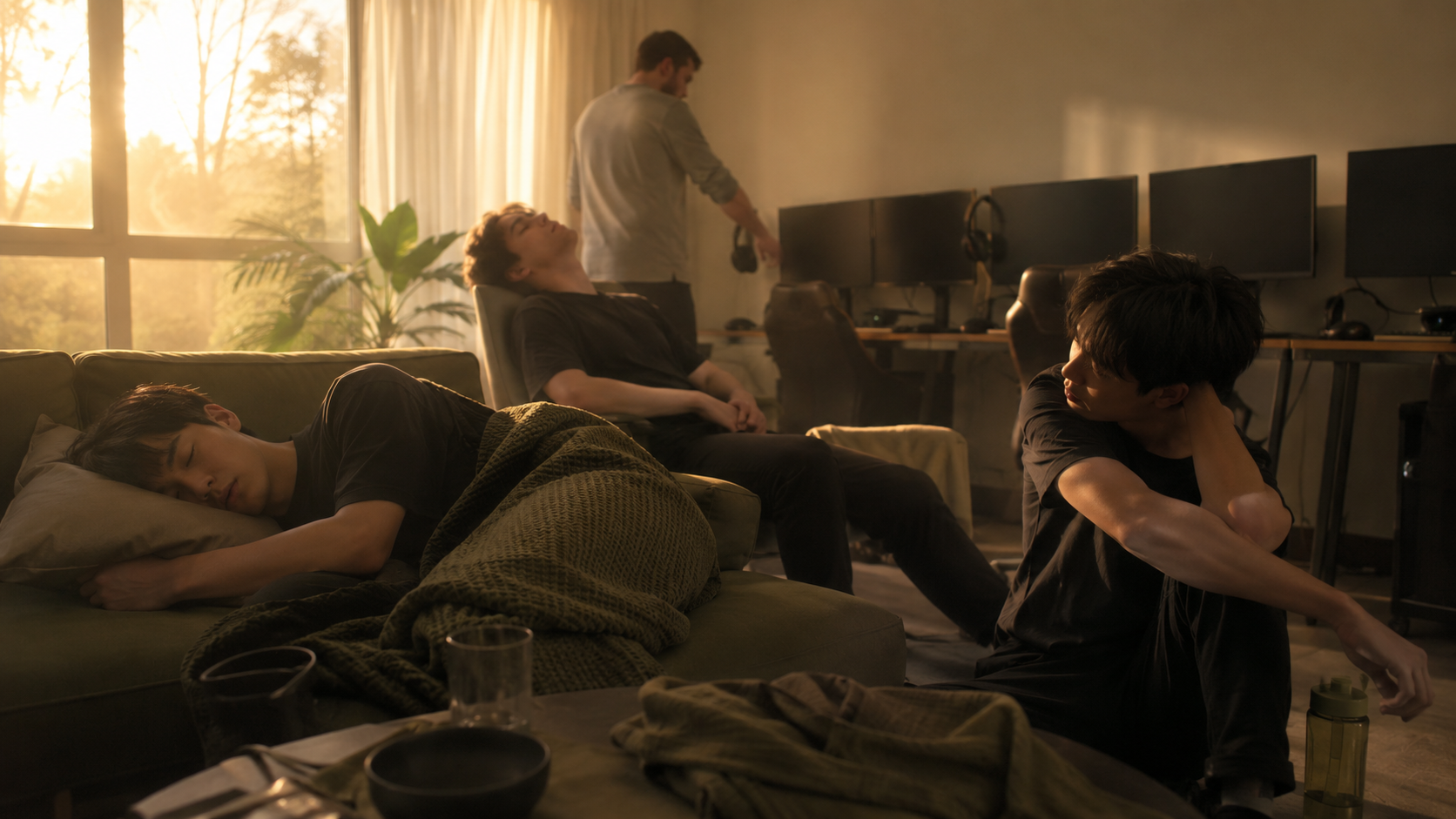
Some slumps are partly exhaustion wearing a tactical costume. Players get irritable, reviews get worse, late scrims become junk, and nobody wants to admit that another block will not help. Coaches and performance staff may cut practice, protect sleep, or move the hardest work earlier in the day. That is not soft. In a game decided by reaction time and fast judgment, tired players make expensive mistakes.
Scrims Stop Being About the Score
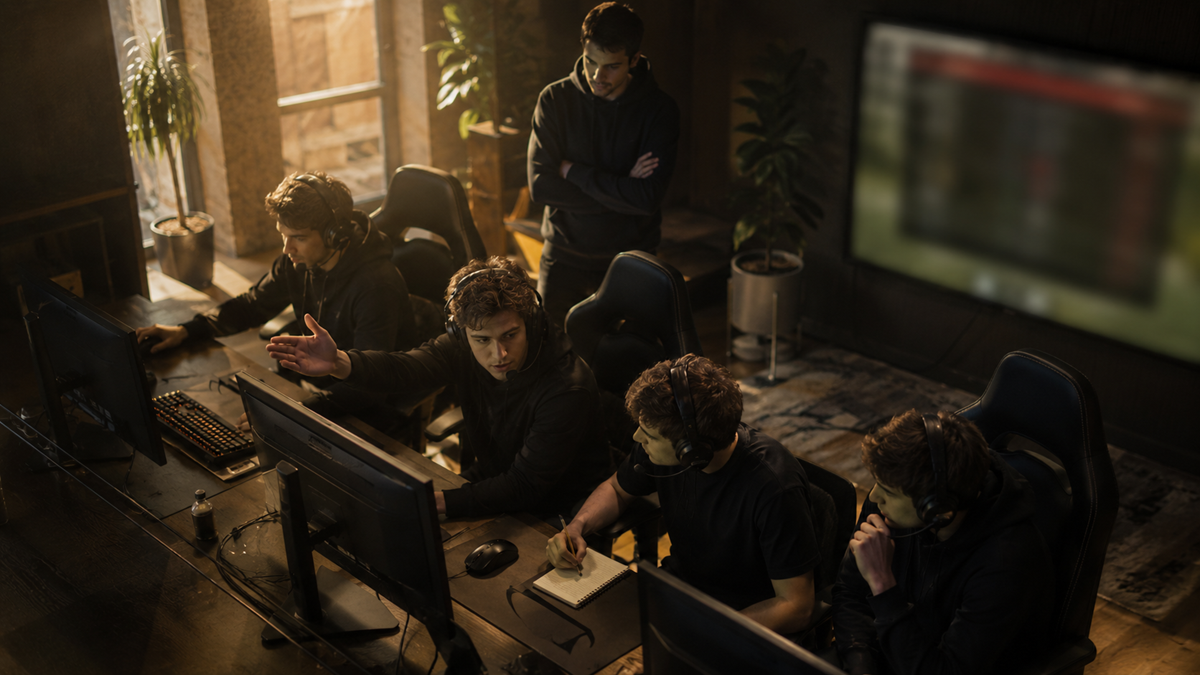
A team in bad form can start treating every scrim loss like public evidence. Coaches have to pull them away from that. If the team is testing a new defensive setup or forcing itself into weaker draft conditions, the scrim score might be ugly for a useful reason. The real question becomes whether the team practiced the thing it said it would practice. Winning a practice block while avoiding the problem is not progress.
Drafts and Agent Pools Get Cut Down
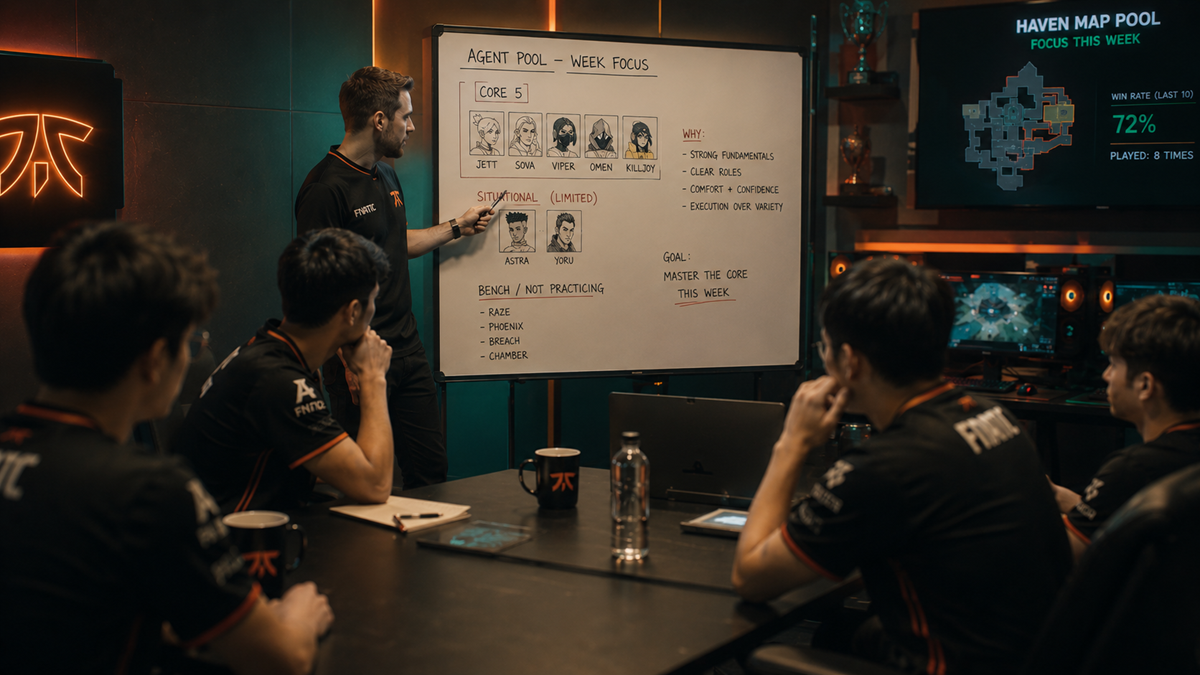
In Valorant, League, Dota, and Overwatch, panic often shows up before the game starts. Teams add too many looks, chase the last loss, and suddenly nobody is playing anything with conviction. A coach might narrow the pool for a week, not because variety is bad, but because the team needs stable ground. Fewer choices can be a relief when everyone is already thinking too much.
One-on-One Talks Find What Team Meetings Miss
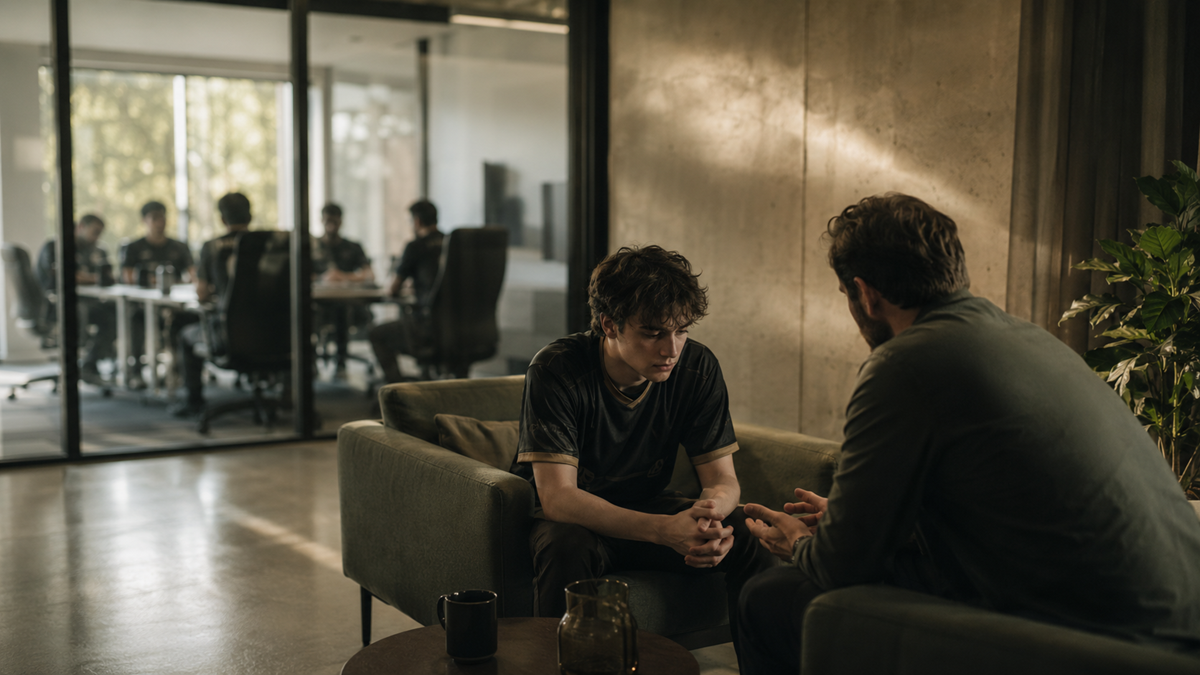
A full-room meeting has limits. The rookie may not say he is scared of losing his spot. The veteran may not say he has stopped trusting a call. The captain may not admit he is exhausted from holding the room together. Coaches use private conversations to find the real pressure points. Sometimes the tactical fix only works after that part is out in the open.
The Opening Minutes Get Rebuilt
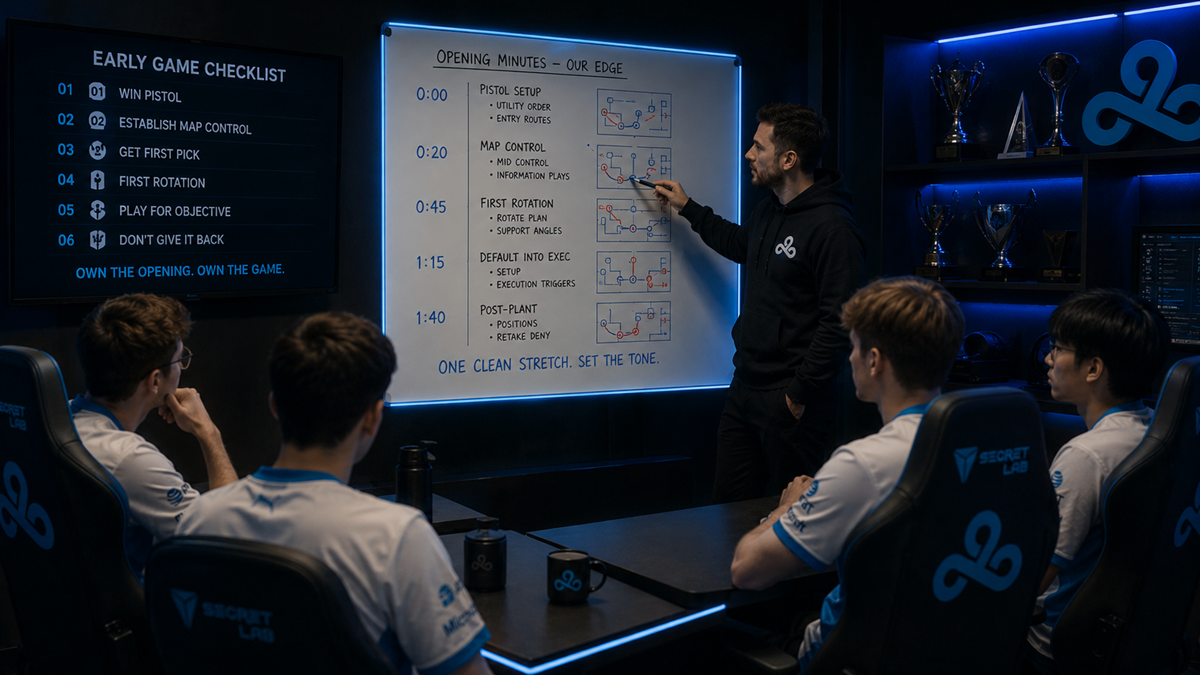
A lot of slumps feel worse because the team keeps starting badly. Lose the pistol, botch the first objective, fall behind in the lane swap, miss the first rotation, and the whole match starts to feel familiar in the worst way. Coaches often build rehearsed early sequences just to give the team one clean stretch. Not forever. Just long enough to stop every game from beginning with doubt.
Analysts Push Back Against the Feeling That Everything Is Broken
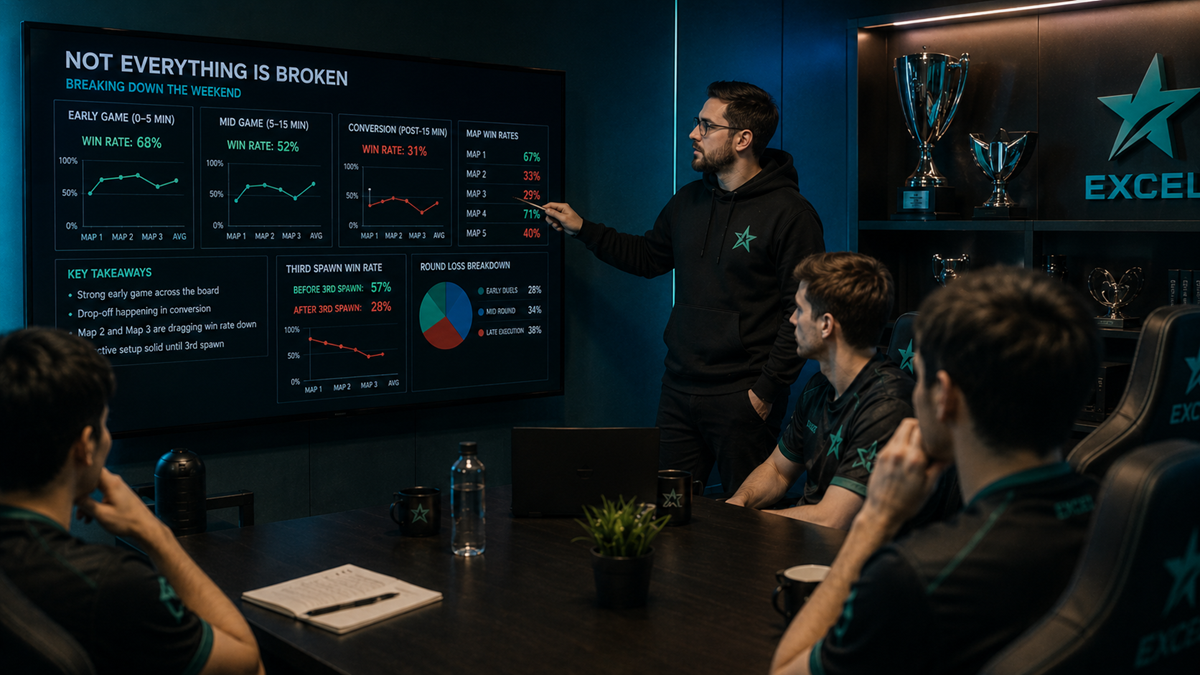
Players can come out of a bad weekend convinced the whole system is dead. Analysts are useful because they can make the mess smaller. Maybe the team is still winning early phases but throwing conversion rounds. Maybe one map is dragging the numbers down. Maybe the objective setup is fine until the third spawn. That kind of detail does not magically fix morale, but it can stop a team from throwing away things that still work.
Practice Opponents Are Chosen With a Purpose
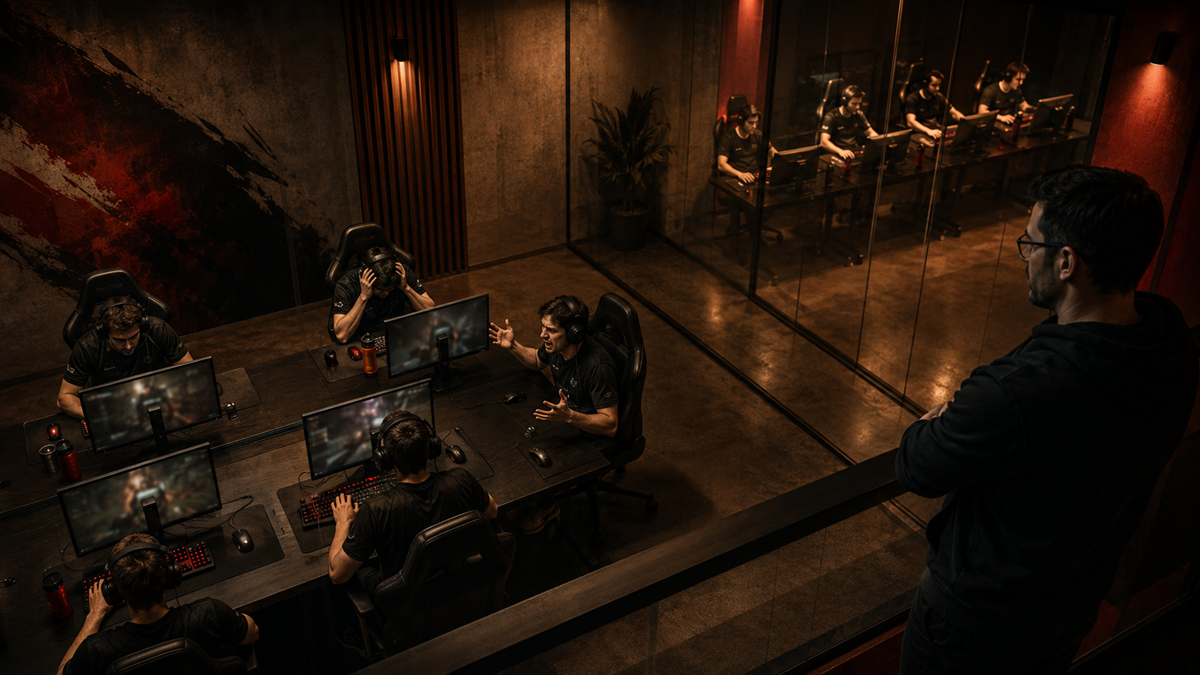
Coaches sometimes change scrim partners to attack one weakness. A slow team may need opponents who fight early and make every rotation uncomfortable. A team that overpeeks may need disciplined opponents who punish every loose duel. These blocks can feel rough, and they are supposed to. The point is not comfort, it is exposure.
Veterans Are Used as Stabilizers
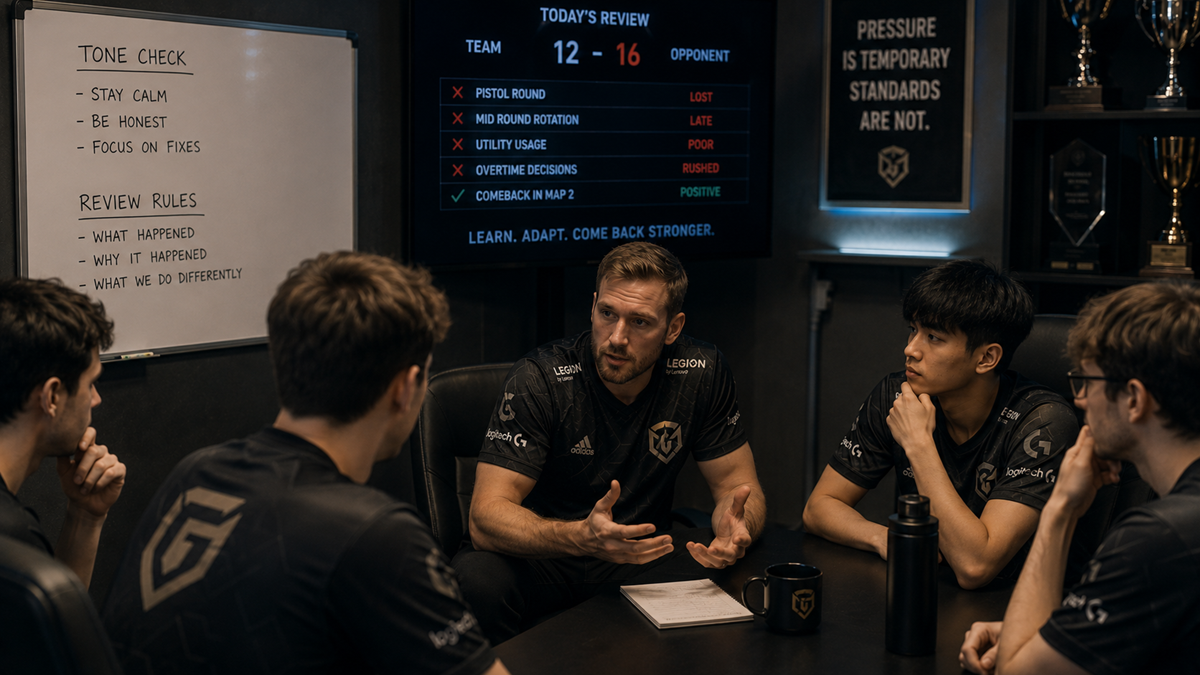
A veteran does not always fix a slump by carrying harder. Sometimes his job is to keep the room from becoming weird after one bad map. Coaches lean on those players because tone matters during a losing streak. A calm review can still be honest. A tense one usually turns every mistake into a character flaw.
Bench Time Is Sometimes a Reset
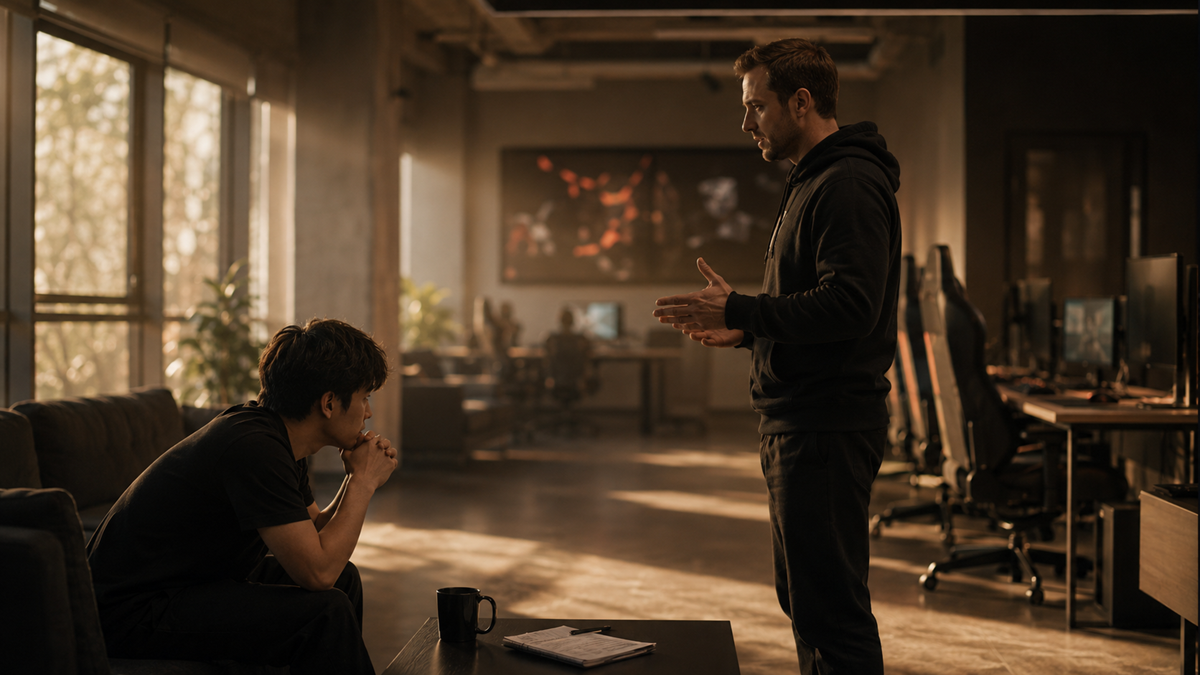
A short benching can look harsh from outside, and sometimes it is. But it can also be a reset if the team handles it clearly. The player needs to know what he is working on, what the staff expects, and what path gets him back into the lineup. Without that, benching just creates more uncertainty, which is the last thing a slumping team needs.
The Fix Is Usually Less Dramatic Than the Slump
Most teams do not escape poor form with one speech or one miracle strategy. They get out by making the game feel manageable again. Cleaner reviews, shorter practice goals, better sleep, simpler comms, fewer desperate changes. The first sign is not always a win. Sometimes it is just a loss that finally makes sense.
Continue Reading: 10 Esports Upsets That Nobody Saw Coming and Changed the Standings Forever