A good Game Over screen is supposed to sting for a second, then send you back to the title screen. Every so often, though, the failure message is the thing people remember, clip, quote, remix, or pass around years after the game itself has faded into the shelf. Some of these screens were scary by accident, some were funny on purpose, and a few feel like they slipped out of a stranger piece of media entirely. The games below are not all obscure, but in each case, the Game Over moment escaped its original context and became its own little artifact.
Total Distortion and the Song That Mocked You for Dying
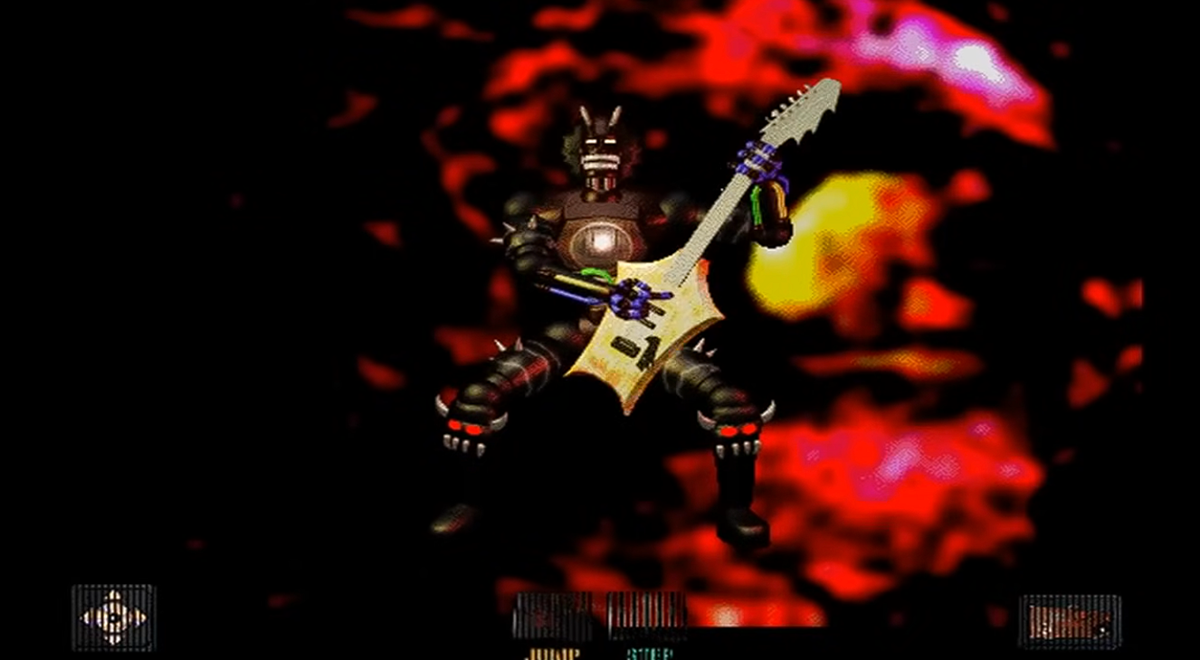
Most Game Over screens tell you that you failed. Total Distortion hired a fictional skeleton guitarist, more or less, to rub it in with a full song. Released in 1995, the CD-ROM oddity sent players into a bizarre media dimension where they produced music videos, but the part that outlived the game was the “You Are Dead” sequence, especially the version tied to the Guitar Warrior encounter. Know Your Meme identifies “You Are Dead, Dead, Dead” as the game’s viral Game Over music, with the clip circulating online years after the game’s commercial life had ended. It works because it is not just a failure screen, it is a heckler with a backing track. The song is stupid, catchy, weirdly well-produced for a joke, and mean in a way that feels more like a novelty single than a UI element.
Friday the 13th and the Cruelest Sentence on the NES
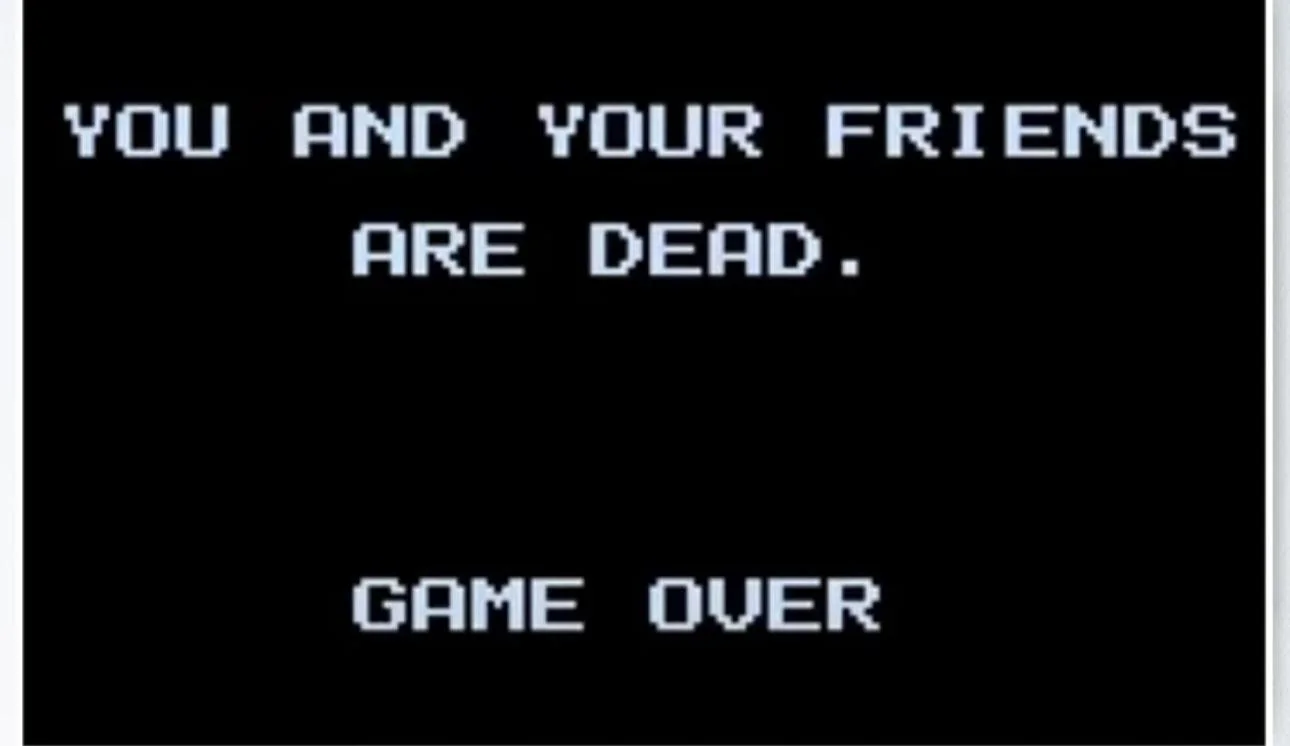
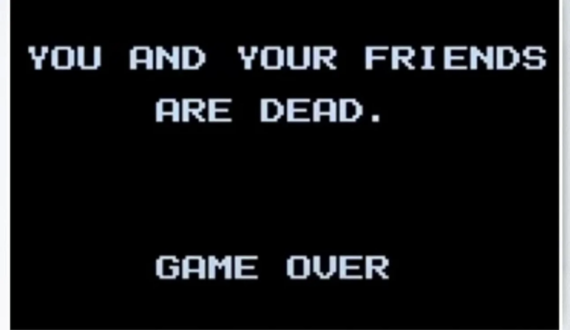
The NES Friday the 13th is not remembered as a polished horror adaptation. It is remembered for purple Jason, confusing objectives, and one very cold Game Over message. When the counselors are gone, the screen gives the player the line, “You and your friends are dead,” followed by “Game Over,” a blunt little epitaph that has been repeated in retro gaming circles for decades. There is no elaborate animation, no gothic illustration, no cinematic flourish. Just text on a dark screen, which somehow makes it harsher. A lot of 8-bit horror tried to scare players with monsters; this screen sounded like an adult calmly telling a kid the sleepover had ended very badly.
Ninja Gaiden Arcade and the Buzz Saw Countdown
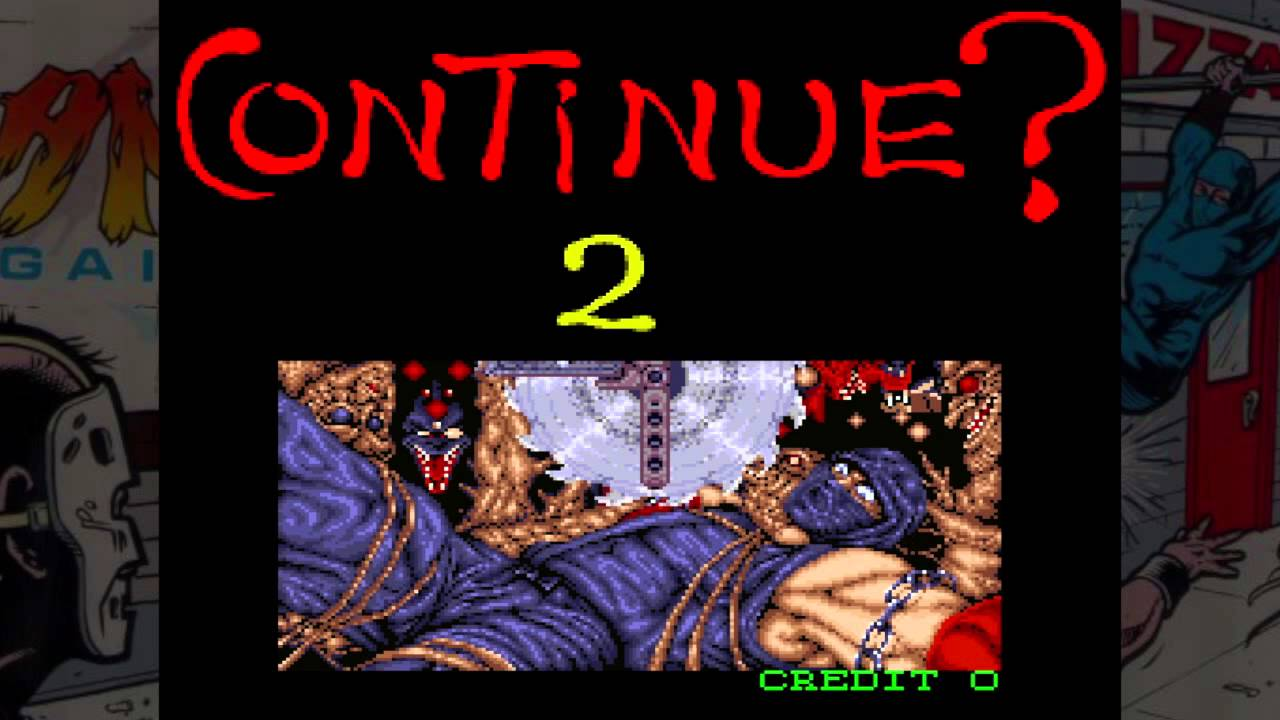
Before Ninja Gaiden became closely associated with precise NES action and later 3D difficulty, the 1988 arcade game had a continue screen that felt almost illegally stressful. Ryu is tied down while a circular saw lowers toward him, monsters look on, and the countdown gives the player a few seconds to decide whether another coin is worth it. Game Over Dex describes the scene as Ryu struggling while the saw comes down, with the “CONTINUE?” text and timer pressing the point. The screen later found a second life through the “GAME OVER YEAH!” meme, which paired grim failure imagery with an absurdly cheerful Sega Rally voice clip. That mismatch is why people who never played the arcade cabinet still recognize the scene’s energy, panic, horror, and then a punchline from somewhere else entirely.
Hong Kong 97 and the Screen People Wish Had Never Existed
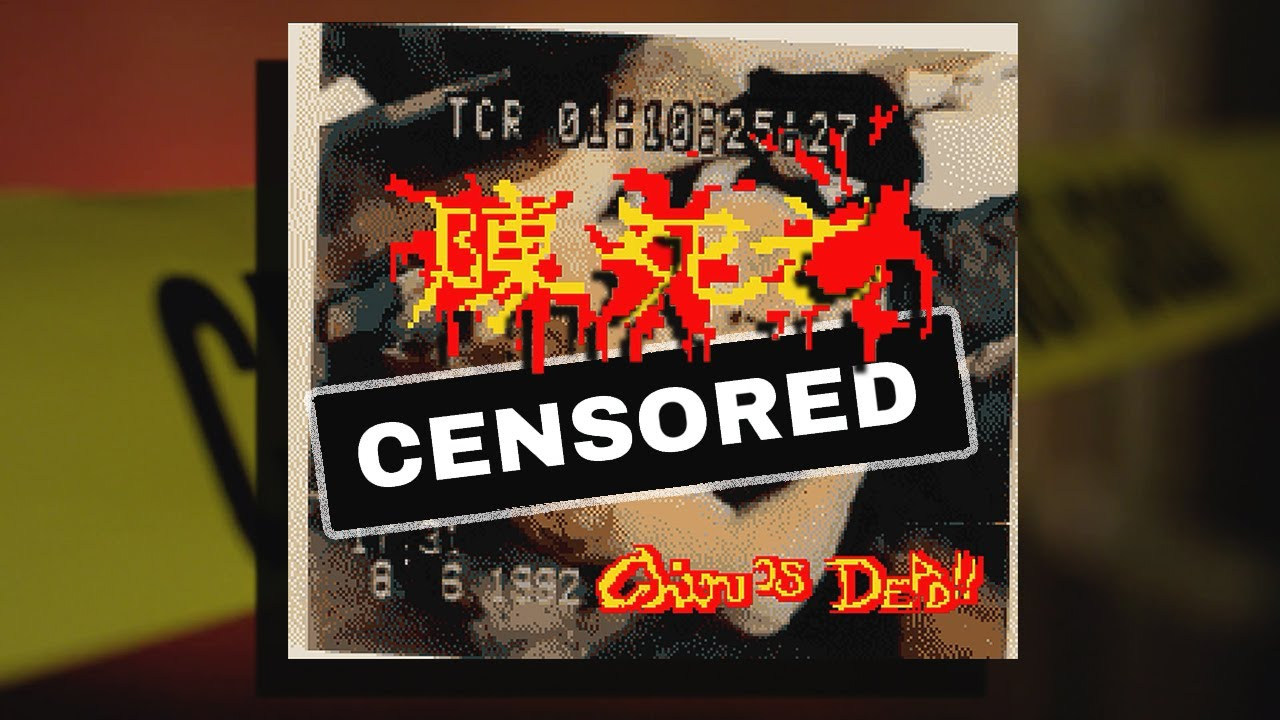
Hong Kong 97 is one of those games where “infamous” is more accurate than “popular.” The 1995 unlicensed Super Famicom title is crude, politically ugly, and mechanically thin, but its Game Over screen became notorious because it reportedly uses a real corpse image under the text “Chin IS DEAD!!” The game’s entry notes that the screen uses a still graphic image dated to the Bosnian War and that the game has no health system, one hit ends the run. Internet Archive uploads of longplays also warn viewers about the cadaver image before showing the game. This is not the fun kind of retro weirdness. It is remembered because it crosses a line, and because the rest of the game is so amateurish that the screen lands like a piece of shock material dropped into a bad joke.
Prize Fighter and the Empty Ring After the Beating
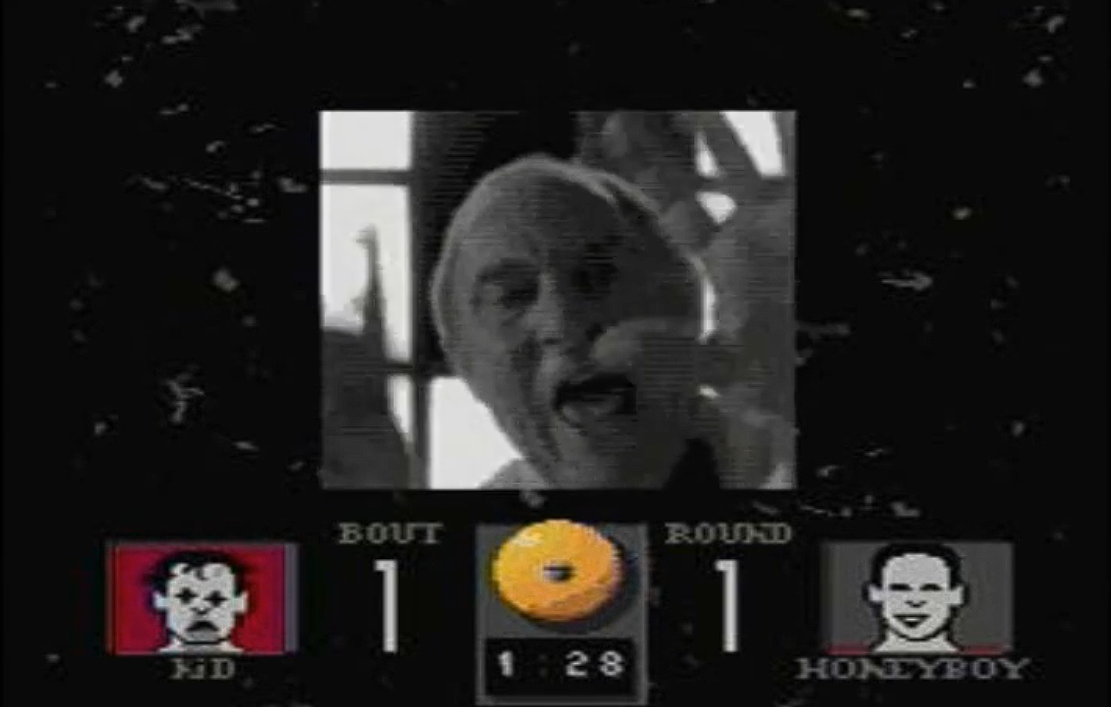
FMV games from the Sega CD era often promised cinema and delivered awkward button prompts, but Prize Fighter had one death scene that understood humiliation better than most. The game, developed by Digital Pictures and released for Sega CD in 1993, put players inside a black-and-white first-person boxing movie. Its most-discussed Game Over leaves the boxer flat on the canvas after repeated losses, looking up into an arena that has already moved on. Last Token Gaming singled it out as one of the great Game Over screens, partly because it turns defeat into abandonment rather than just damage. A knockout in a boxing game is expected. Waking up alone after the crowd has gone home is nastier.
Trending on realmoneygamer.com
Shadowgate and the Grim Reaper Who Became the Real Host
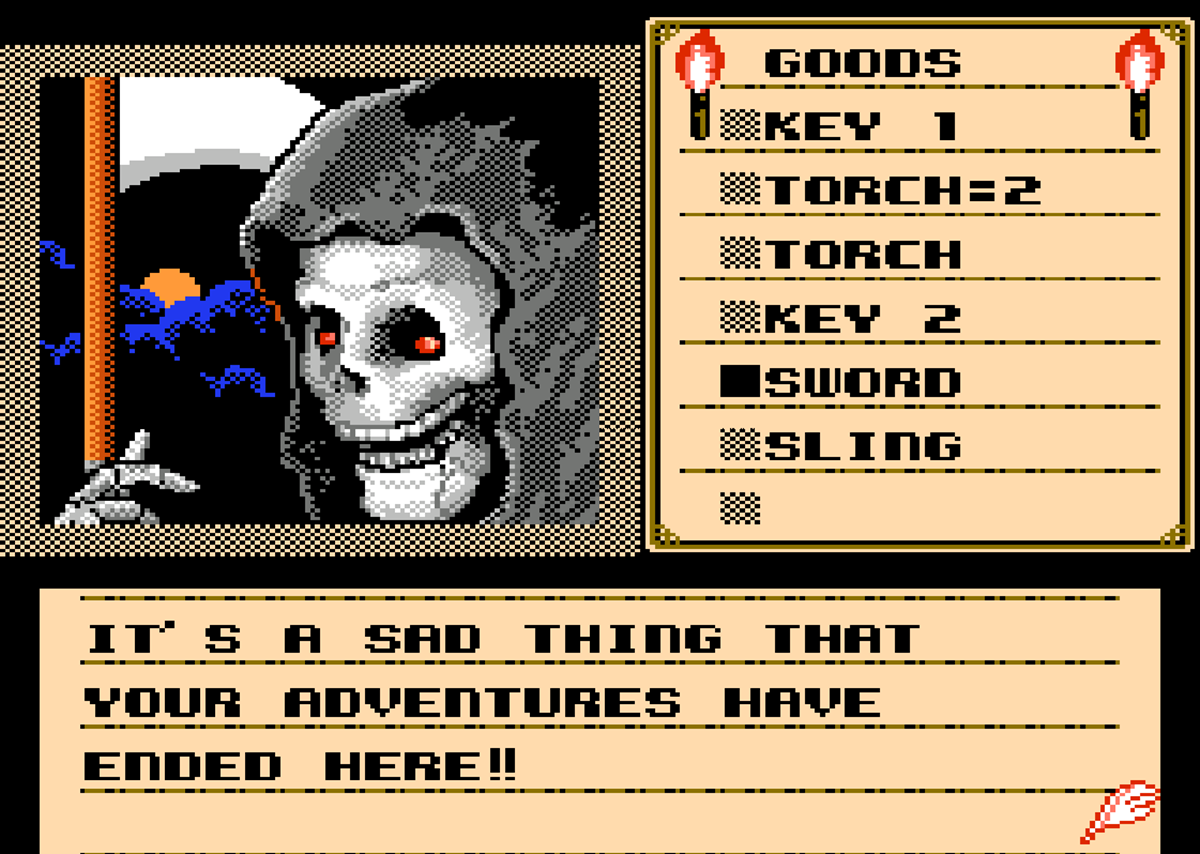
Shadowgate was already built around death. The 1987 MacVenture game, later famous on NES, killed players for touching the wrong thing, walking into danger, wasting time, or simply misunderstanding its dream-logic puzzles. What made the Game Over screen stick was the Grim Reaper, framed less like a monster and more like the castle’s customer service representative. The Shadowgate Wiki describes the Reaper as a figure who patiently waits because traps and dark denizens will claim many adventurers. The image and its death text circulated as GIFs and wallpapers long after many players forgot individual puzzle solutions. It is a funny kind of fame, the mascot of failure becoming warmer and more recognizable than most of the game’s living cast.
Takeshi’s Challenge and the Funeral for a Salaryman
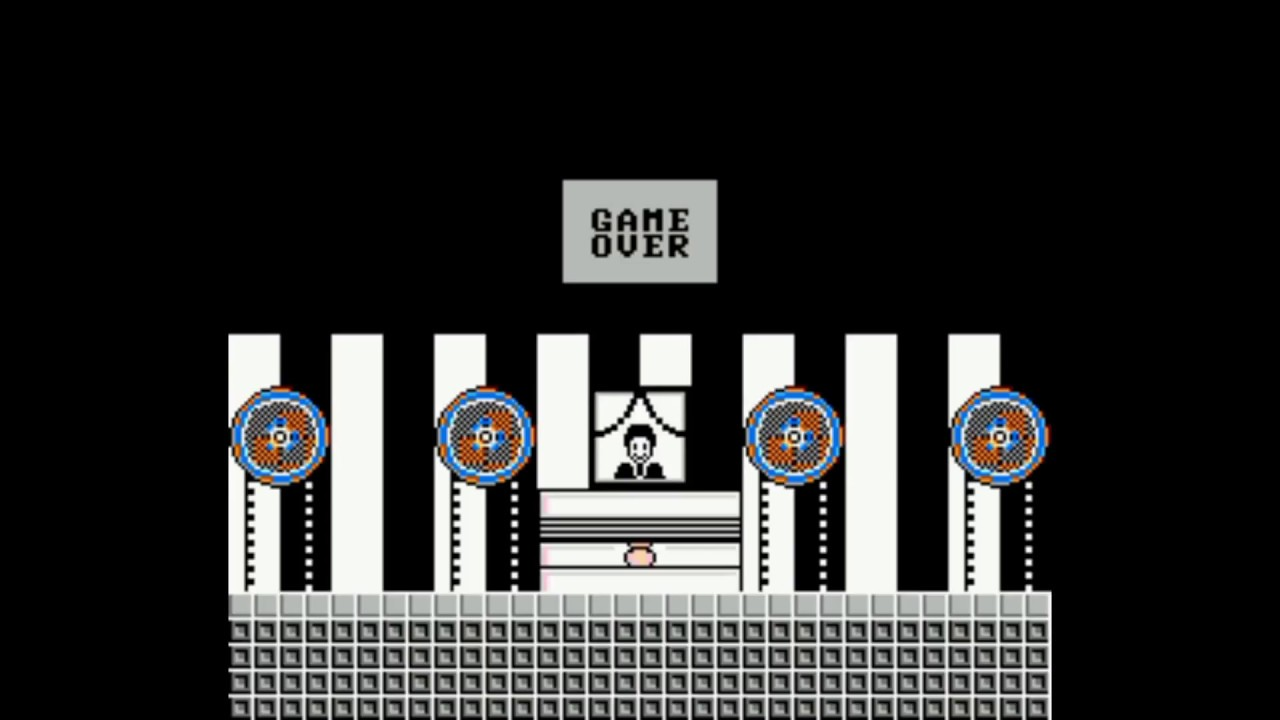
Takeshi’s Challenge did not treat Game Over as a minor reset. It treated it like the punchline to an anti-video game. Released for the Famicom in 1986 and associated with comedian Beat Takeshi, the game follows a miserable salaryman through a deliberately hostile series of strange tasks. Game Over Dex describes the funeral screen as black and white, with the salaryman’s picture and casket. It feels less like the character lost a game and more like the game finally got tired of him.
Zelda II and the Return of Ganon
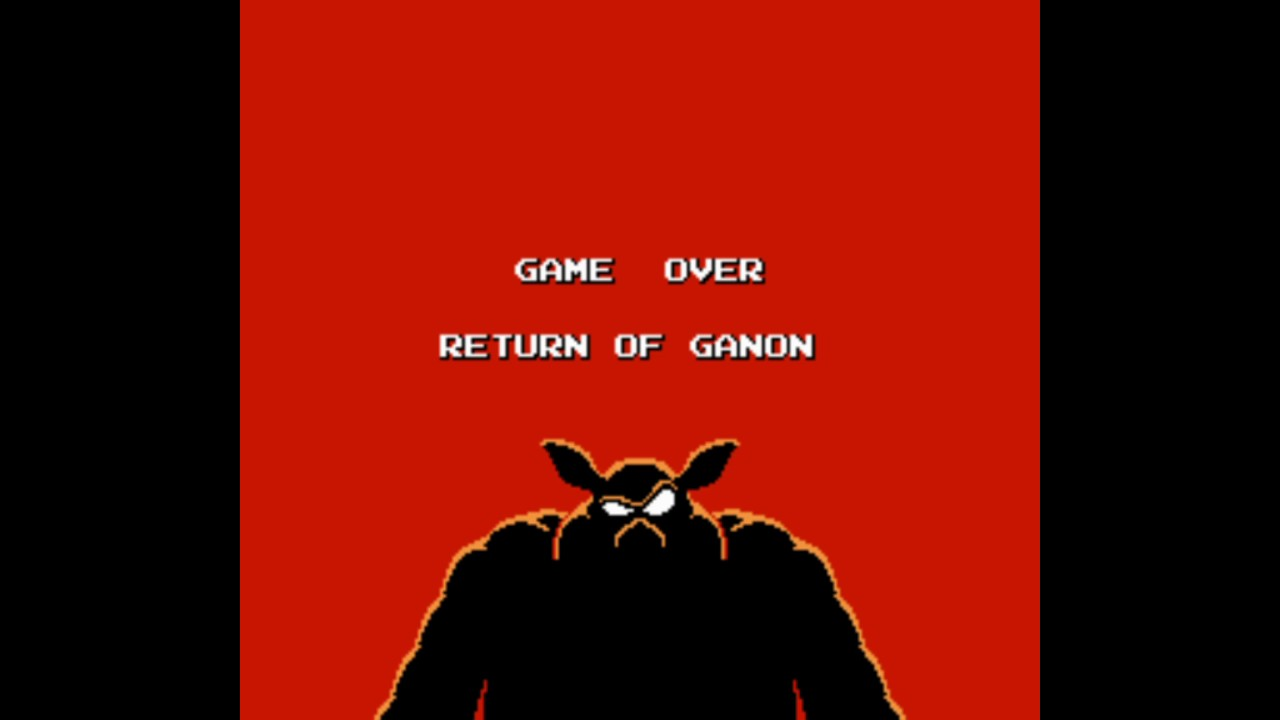
Zelda II: The Adventure of Link is not obscure, but its Game Over screen has a strange afterlife because it gives Ganon one of his most memorable appearances in a game where he otherwise barely appears. In the English version, losing brings up Ganon’s silhouette, glowing eyes, and the message “Return of Ganon.” That screen did a lot with very little. It told players that Link dying was not just a personal setback, it was a mythological disaster. For a sequel often discussed for its difficulty and side-scrolling weirdness, the Game Over image has become one of its cleanest pieces of storytelling.
Sonic CD and the Hero Who Simply Leaves
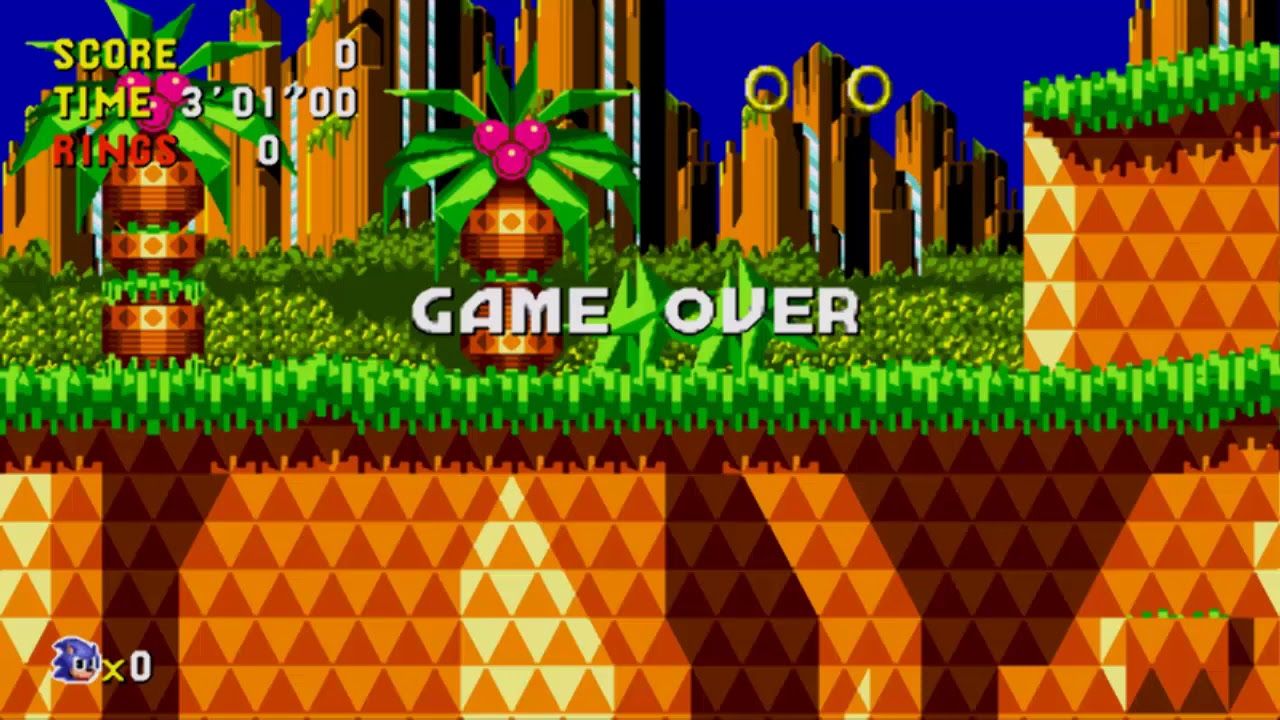
This one is technically an idle punishment that leads into Game Over, which is exactly why people still talk about it. In Sonic CD, leaving Sonic standing still for three minutes makes him lose patience, say “I’m outta here,” and jump off the screen, causing an immediate Game Over. The Sonic Wiki notes that this behavior became a popular meme among fans, and that it does not occur for other characters in later remasters. The gag works because Sonic is usually framed as impatient in attitude, not in mechanical terms. Here, the game turns that personality trait into a threat. Stop playing, and the mascot quits before you do.
Baldi’s Basics and the Cheap Screen That Understood Creepypasta Logic
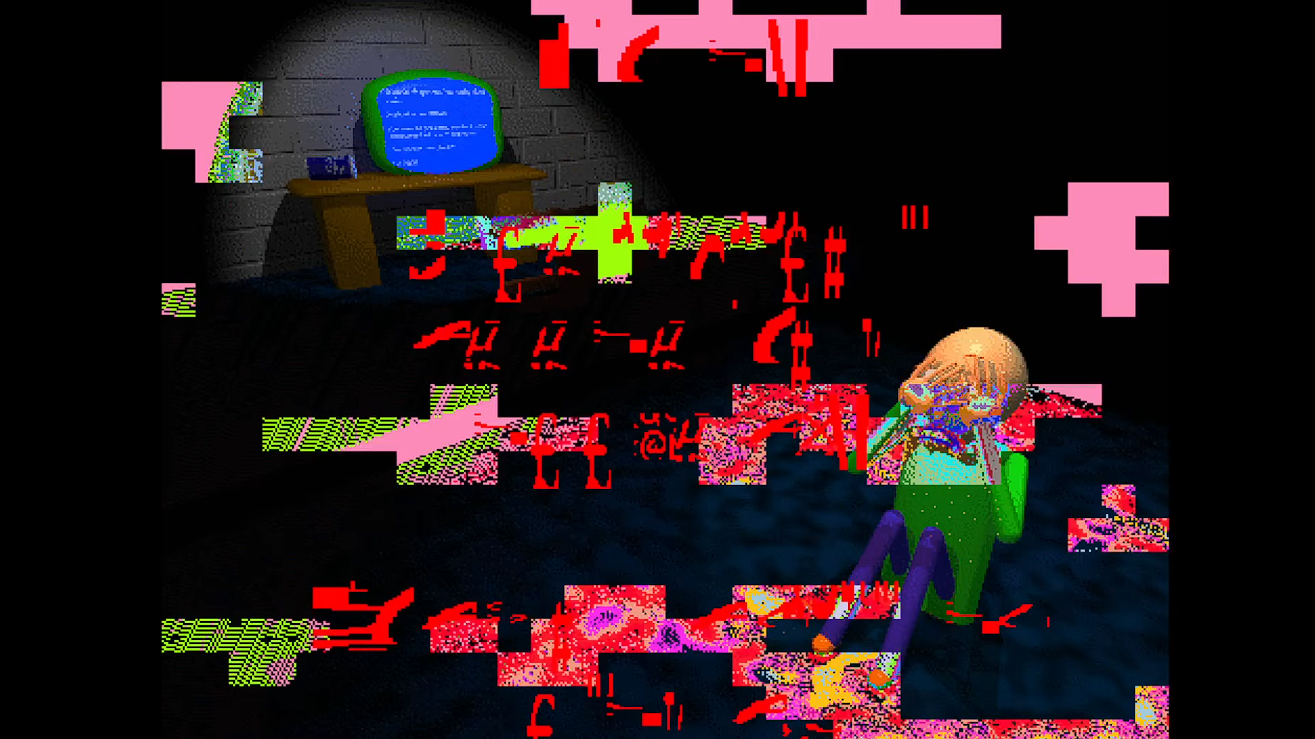
Baldi’s Basics in Education and Learning was always designed to look wrong, like an educational game recovered from a dusty school computer and then cursed by a forum thread. Its Game Over imagery fits that texture, low-resolution, abrupt, and just a little too direct. The Baldi’s Basics Wiki notes that the game over screens in Classic use objects with better quality than much of the rest of the game, and documents oddities such as rare jump-scare variants and crash-like behavior in later versions. In a more expensive horror game, that might feel like a polished scare. Here it feels like the software is breaking character, which is much more useful for a game built on fake nostalgia and discomfort.
The funny thing about Game Over screens is that they are usually designed for the moment when play stops. That should make them disposable. Instead, the best and strangest ones become souvenirs, little fragments of tone that survive outside the game. Sometimes all it takes is a sentence, a song, a corpse nobody should have used, or a hedgehog deciding he has better things to do.