The esports team house has always sounded cleaner from the outside than it feels from the inside. Put five players in one place, give them strong internet, coaches, scrim blocks, and a kitchen, and the theory says teamwork should improve. Sometimes it does. But living with the same people you practice with, lose with, argue with, and get compared against creates a kind of pressure that does not clock out when the match ends.
The House Makes Practice Hard to Escape
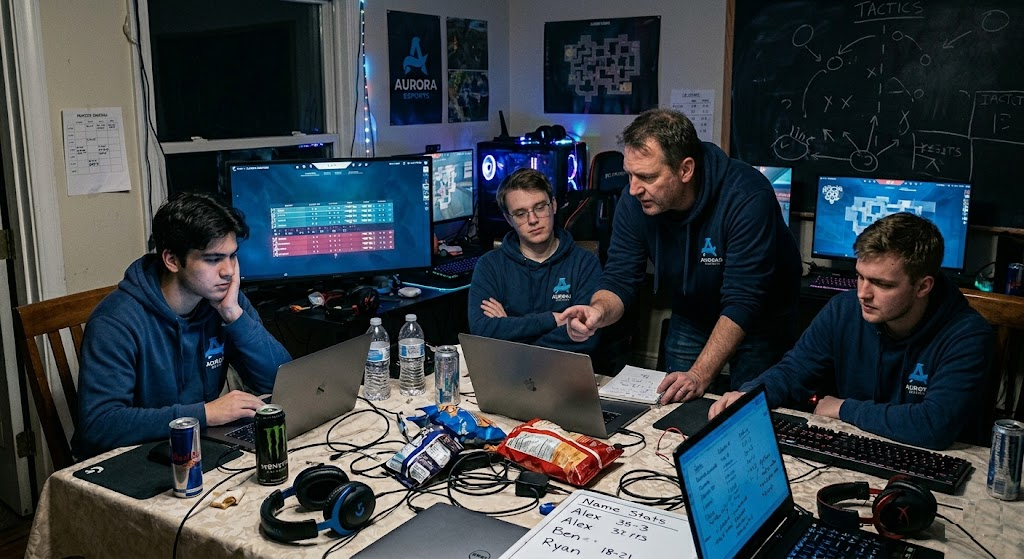
In a team house, practice is not just something written on a schedule. It leaks into breakfast, late-night solo queue, hallway conversations, and the quiet mood after a bad scrim block. That can be useful when a roster is trying to build habits fast, especially with young players who need structure. The problem is that nobody gets much distance from the game, and distance is often where people process criticism without turning it into resentment.
Cloud9 and the Early North American Template
Cloud9
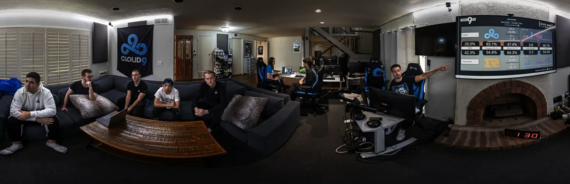
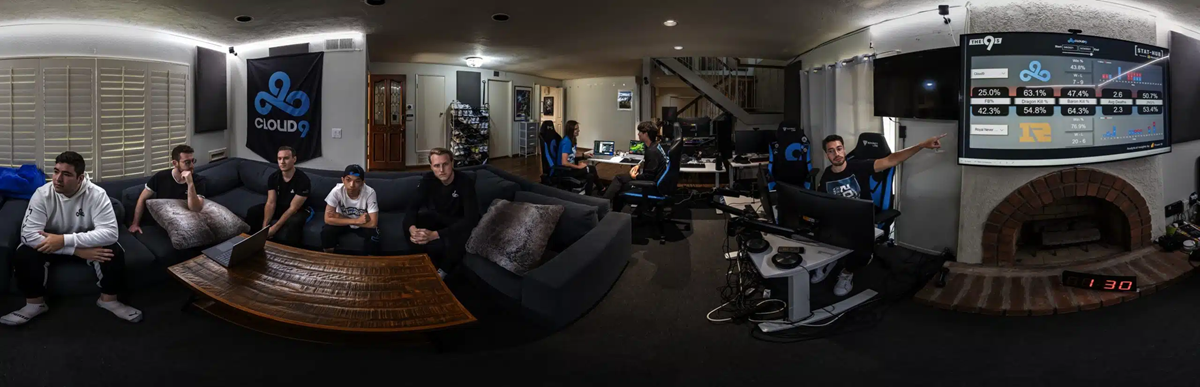
Cloud9’s old League of Legends house became one of those familiar images from early North American esports, a regular-looking home repurposed into a workplace for a roster trying to keep up with the Korean and Chinese scenes. It was not glamorous in the way later facilities would be. The appeal was the closeness, players living around the same routine, scrimming, reviewing, eating, and streaming under one roof. That closeness helped build identity, but it also meant a bad day at work could follow everyone into the living room.
T1 Shows How Serious the Model Can Get
T1
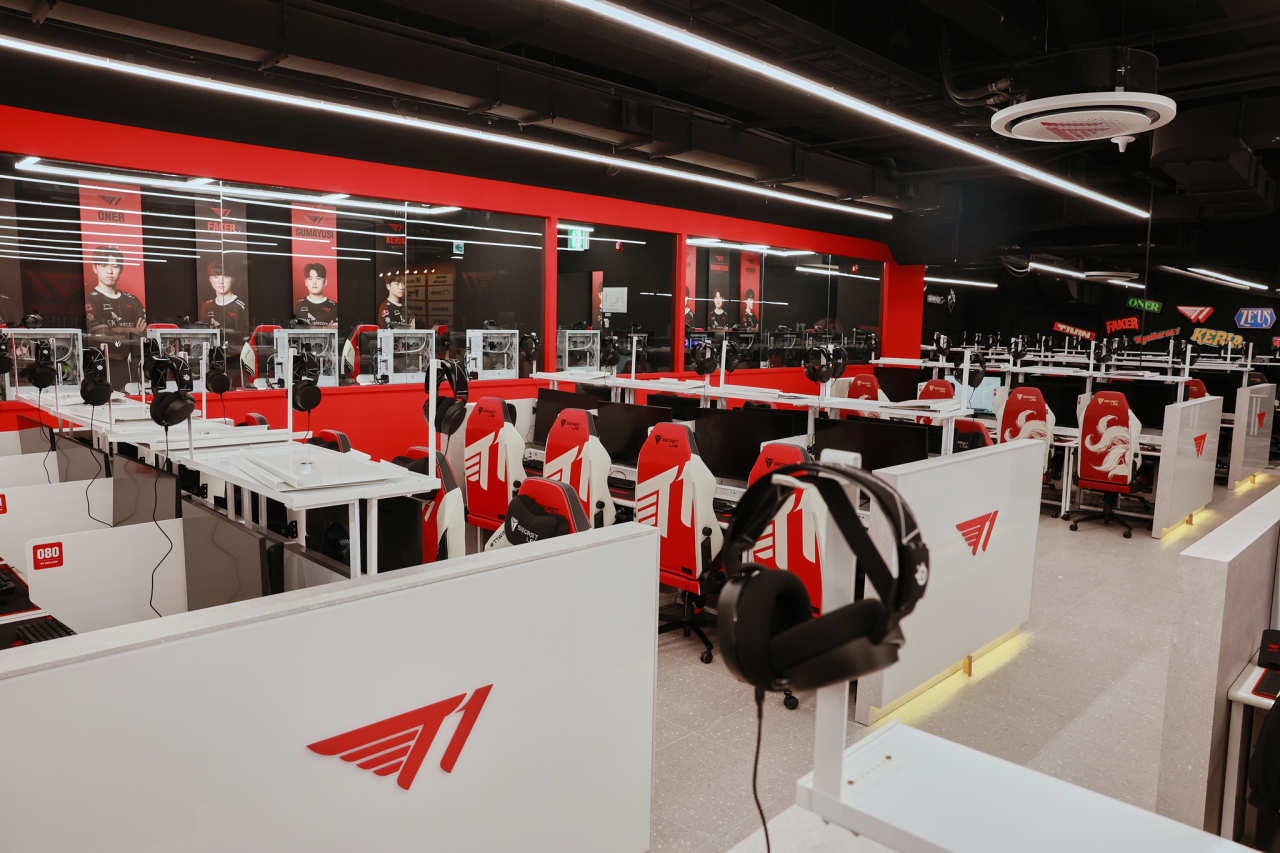
T1’s Seoul setup sits at the other end of the spectrum. By the time a team has a headquarters with practice rooms, staff, gym access, development players, and a full organizational ecosystem around it, the “house” is not really a house anymore. It becomes closer to a sports academy. For young players, that can be motivating, but it can also make every hour feel like part of a tryout.
Gen.G and the Esports Campus Idea
Esports Insider
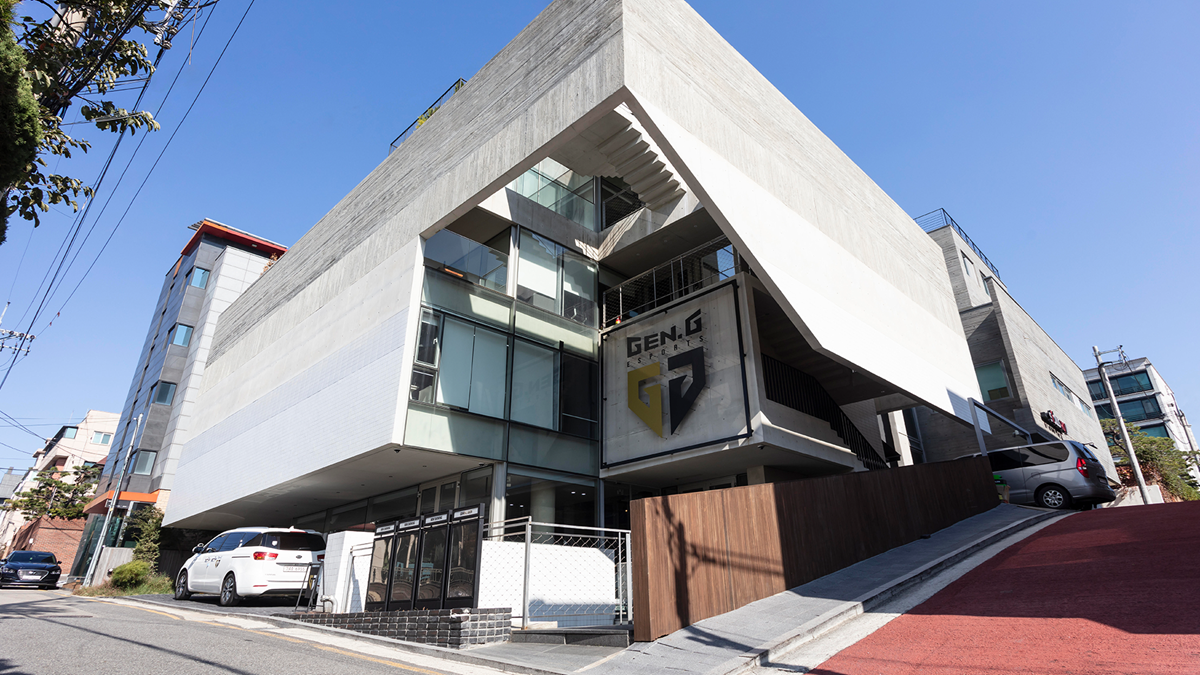
Gen.G’s Seoul headquarters shows how the team house gradually turned into something more polished and corporate. Practice areas, player spaces, content rooms, staff offices, and public-facing branding all start to blend together. The players are not just living near their teammates, they are living inside the organization’s idea of itself. That sounds efficient, but efficiency is not always the same thing as comfort.
Team Liquid’s São Paulo Facility Changes the Scale
r/esports
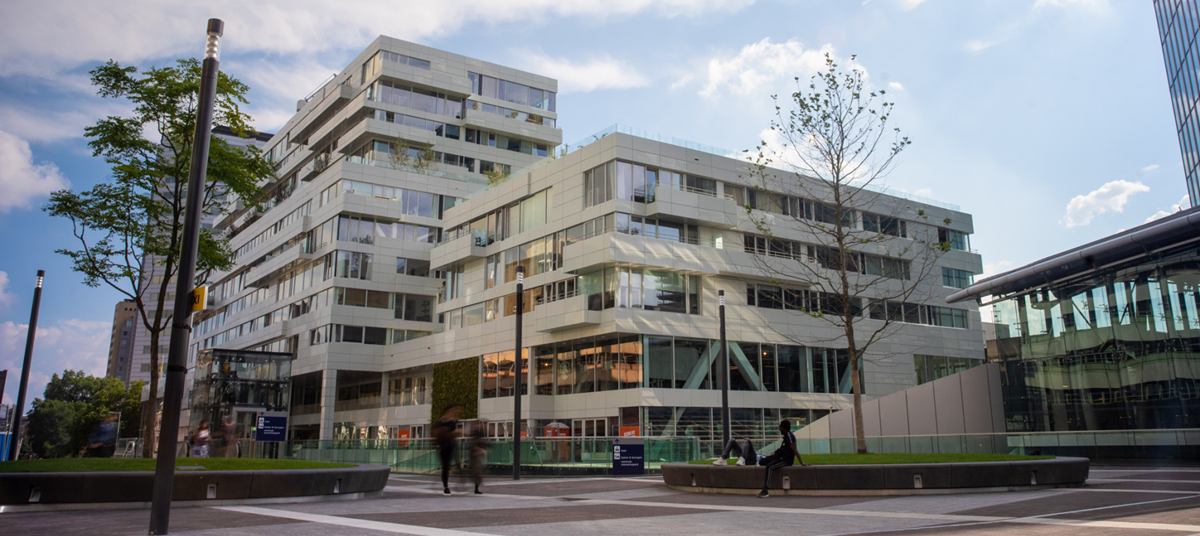
Team Liquid’s Alienware Training Facility in São Paulo pushed the concept into a much larger frame, with a building designed for training, work, events, and organizational life. Bigger facilities can solve some obvious problems from the old house model. Players can have more separation, better food, better support, and rooms that are not doing five jobs at once. Still, the basic question remains, when the place where you improve is also the place where you live, when does the day actually end?
Trending on realmoneygamer.com
The Scrim Room Has Its Own Social Order
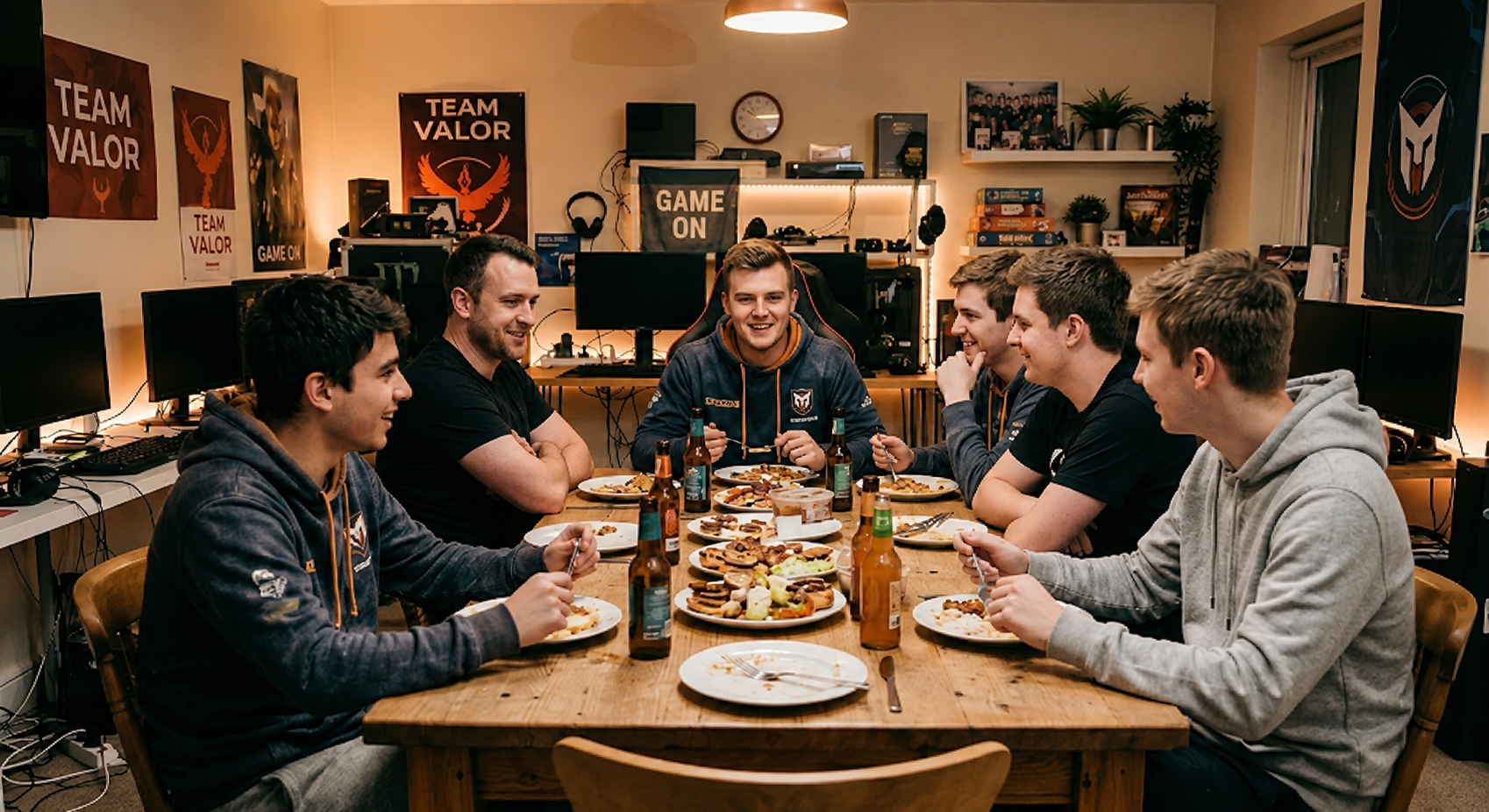
Every team house develops a hierarchy, even if nobody says it out loud. The star player gets treated differently from the substitute. The rookie who keeps making the same mistake feels the room shift before the coach even talks. A player can be liked socially and still be doubted competitively, which is a strange thing to carry into dinner.
100 Thieves and the House as a Media Space
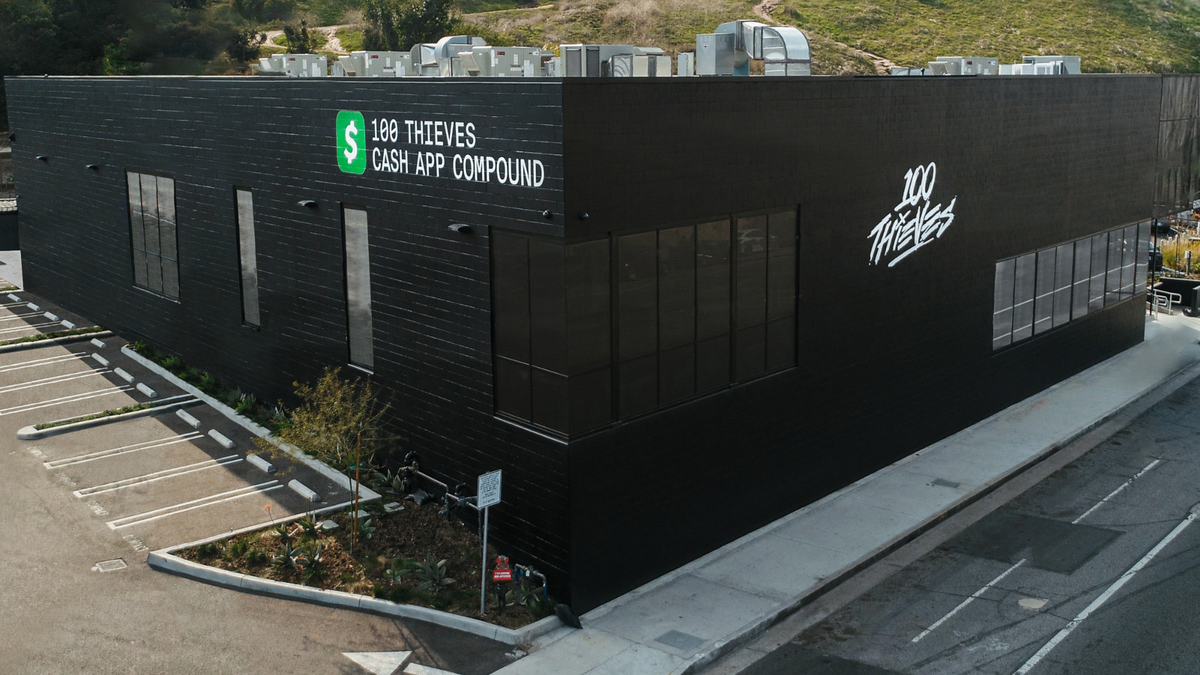
The 100 Thieves Compound in Los Angeles made it obvious that esports facilities were no longer just for practice. Training, streaming, apparel, business operations, content production, and sponsor work all sat inside the same brand world. That is smart business, especially for an organization built as much on culture as competition. For players, though, it adds another layer, because the building is not only watching performance, it is also producing personality.
Sleep Is Usually the First Boundary to Go
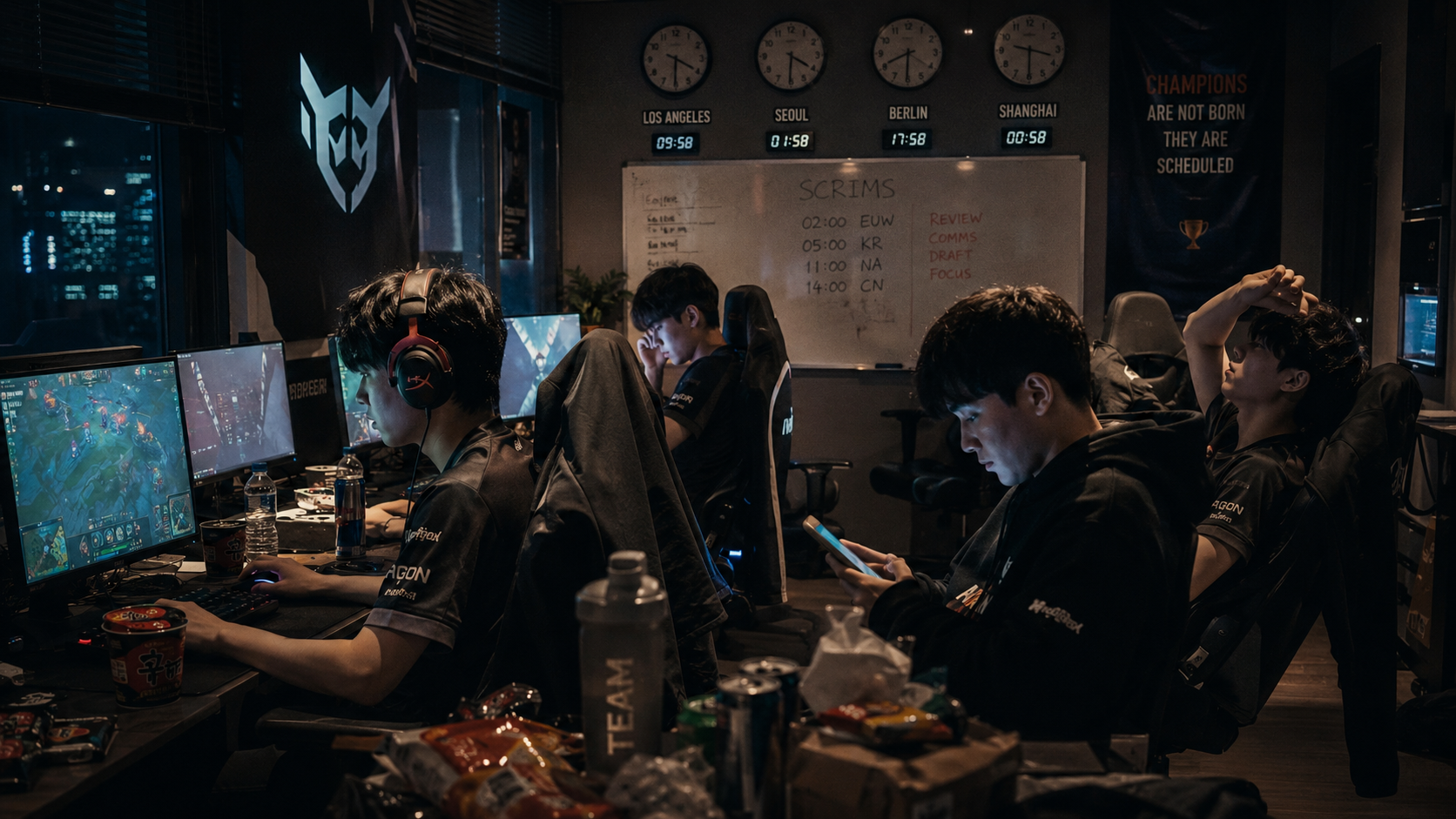
A gaming house can promise discipline and still end up with players grinding at strange hours. Solo queue runs late, scrims shift, international schedules interfere, and nobody wants to be the person who stops first. Over time, sleep becomes less like recovery and more like a negotiation. That is not a small detail in a profession where focus and reaction speed are part of the job.
The Teammate Can Also Be the Threat
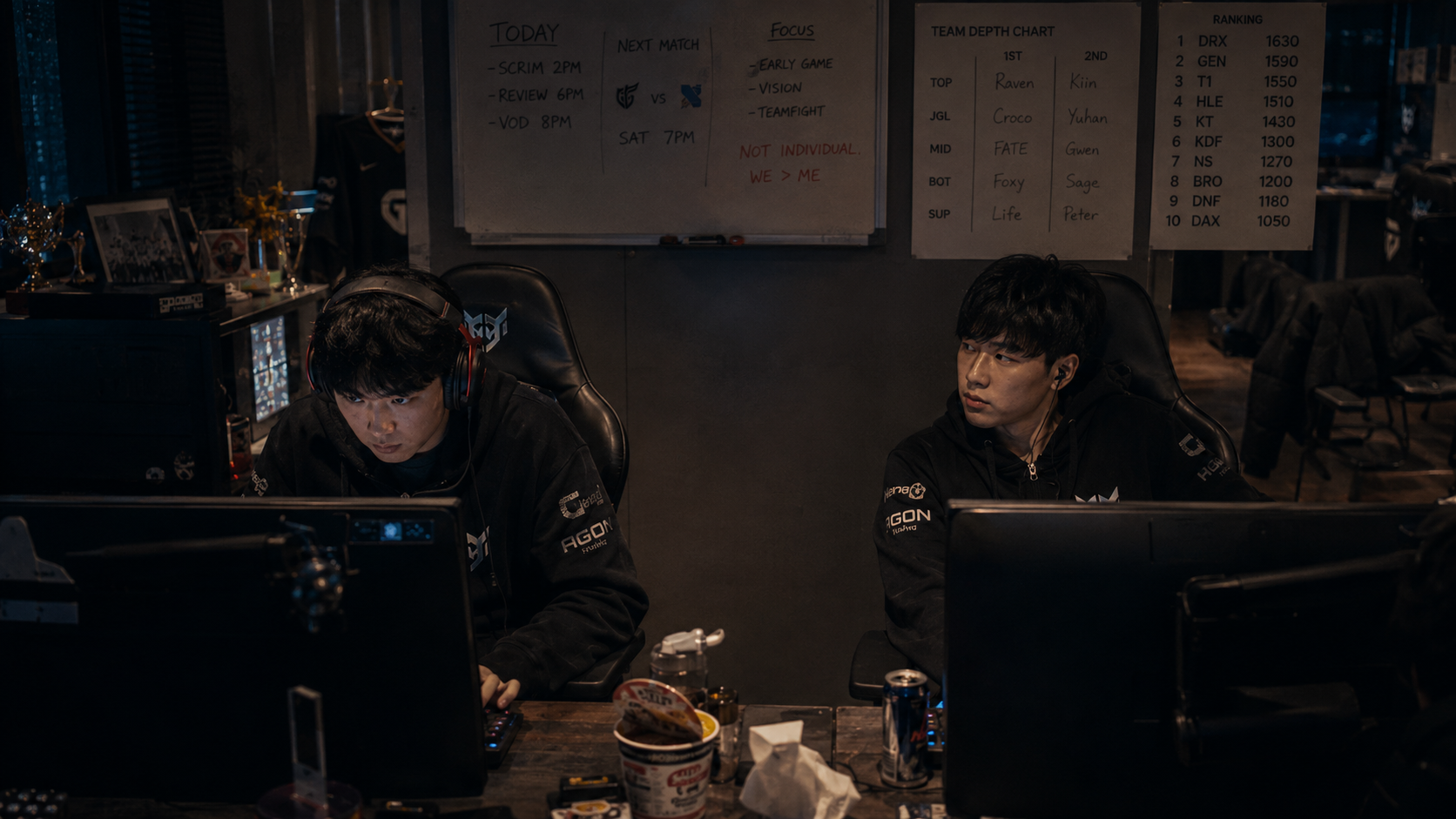
This is one of the more uncomfortable truths of team living. The person sitting next to you might be your closest friend on the roster, your duo partner, your roommate, and also the player most directly compared to you by coaches. In games with academy systems or deep benches, that tension is built into the structure. It does not mean the friendships are fake, but it does mean they exist under competitive pressure.
Burnout Often Looks Boring From the Outside
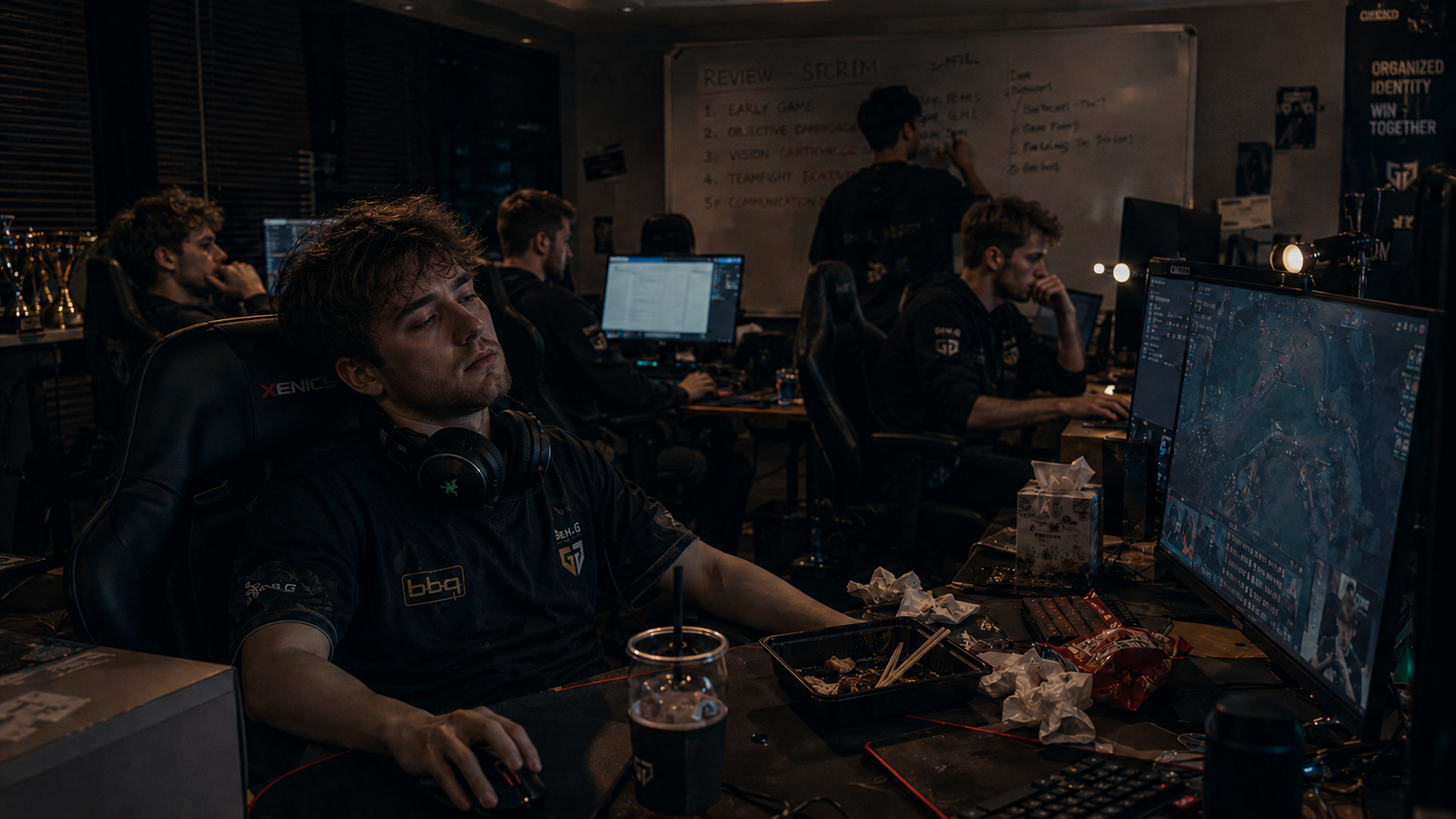
Burnout is not always a public breakdown or a dramatic benching. Sometimes it is a player getting quieter, skipping meals, playing more but caring less, or going through review like he is somewhere else. In a house, those signs can be easy to miss because everyone is tired anyway. The culture can mistake exhaustion for commitment until the player has very little left.
Chemistry Cannot Be Forced by a Floor Plan
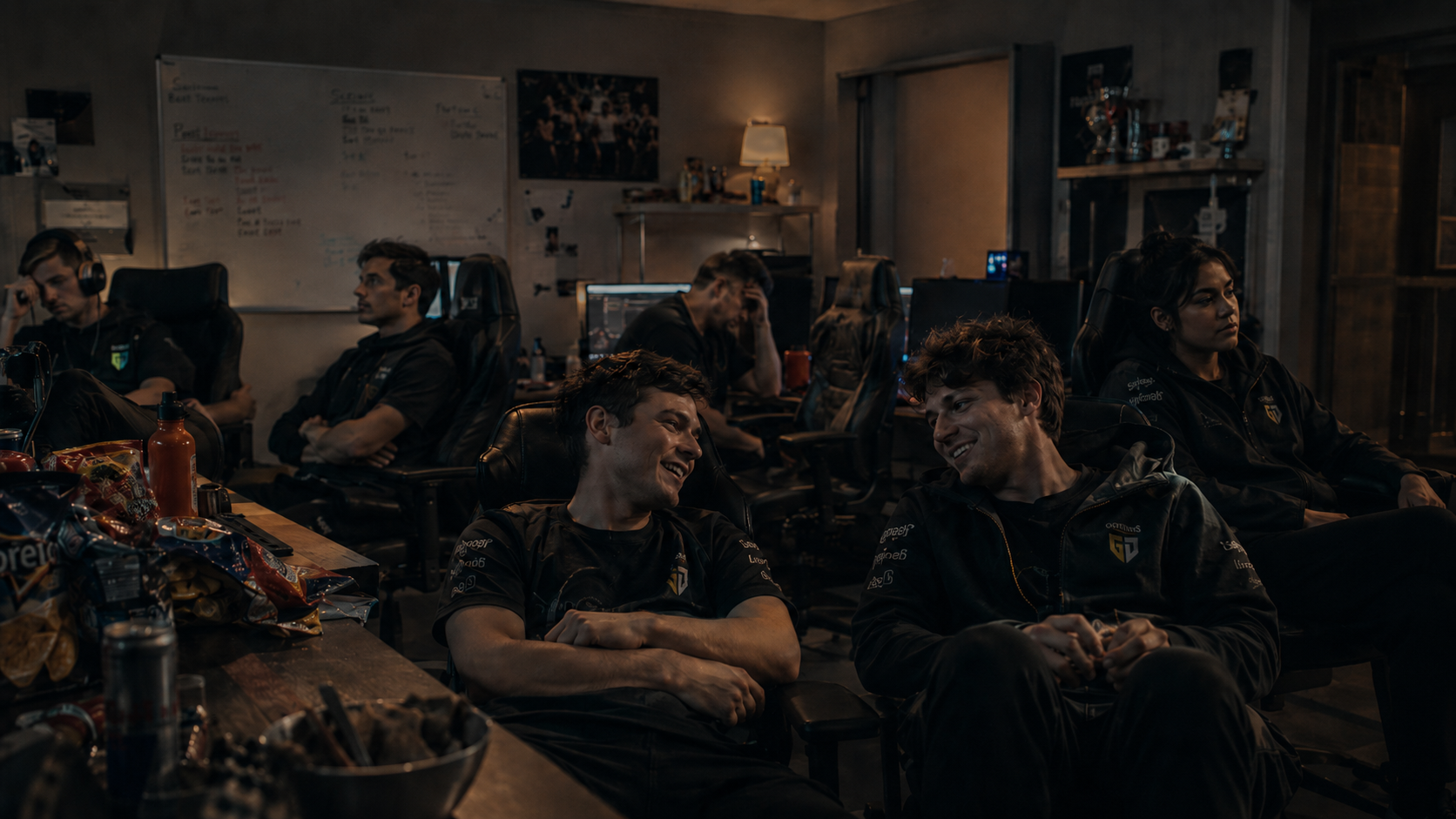
Teams like houses because proximity can build trust faster. Players learn each other’s humor, habits, tilt patterns, and communication style without needing a formal meeting for every little thing. But chemistry is not guaranteed by shared walls. Some rosters get closer from living together, while others just run out of patience in private.
Content Turns the House Into a Set
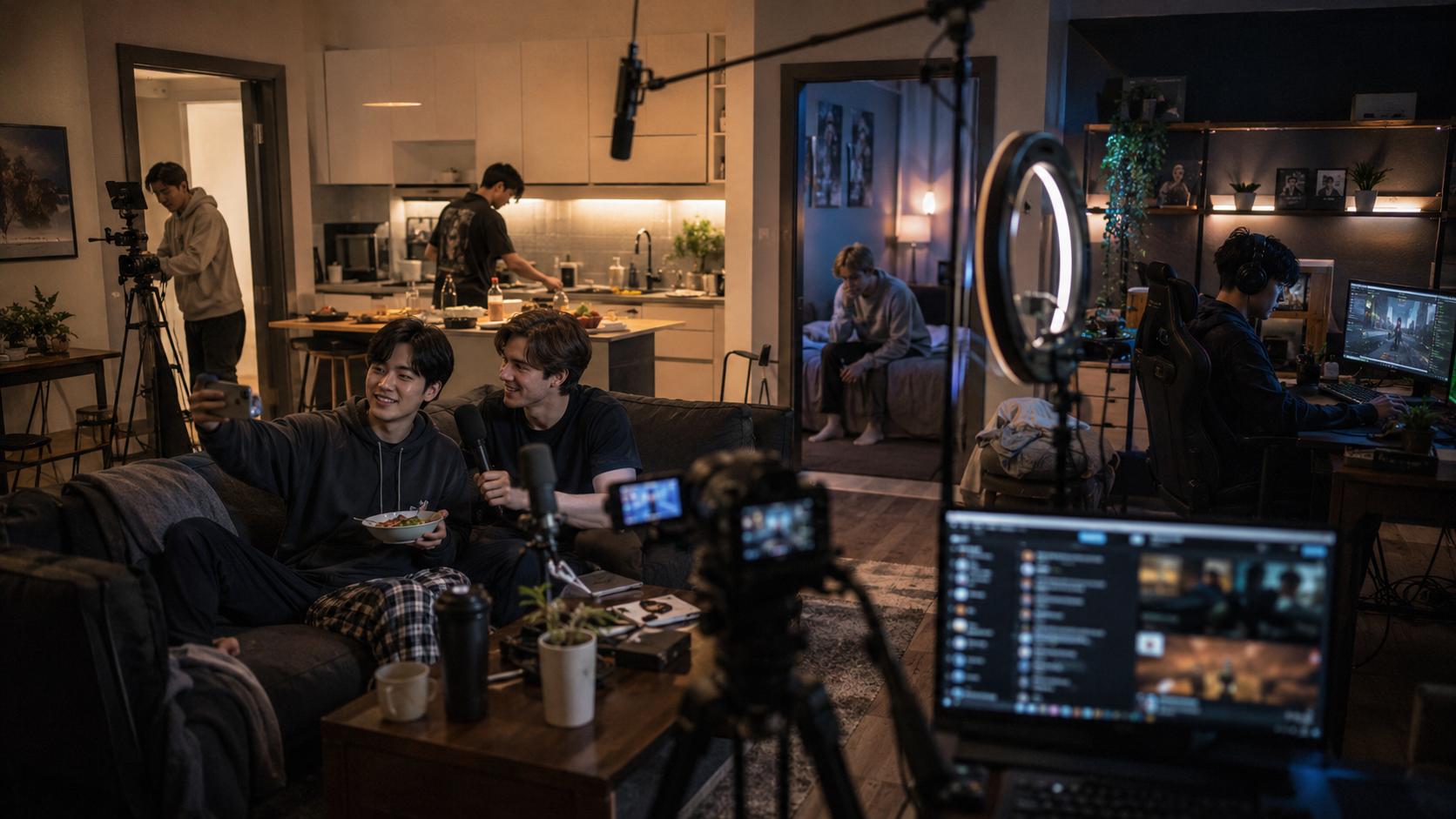
At some point, the team house also became a filming location. Room tours, cooking videos, bootcamp vlogs, sponsor shoots, and casual “day in the life” clips made fans feel closer to players. That access can be fun, and it helped esports grow a less distant kind of celebrity. It also means the private space is never fully private, especially for players who are already being judged every weekend.
Modern facilities are better than the cramped houses that defined earlier esports. More space, support staff, nutrition, gyms, and cleaner separation between work and rest all matter. But the emotional math is still messy. Living around competitors can build trust, sharpen a team, and make a season feel shared in a way remote practice never could. It can also turn ordinary stress into something that sits in the room all day. Most teams are still trying to find the line.
Continue Reading: 12 Most Successful Esports Teams of All Time