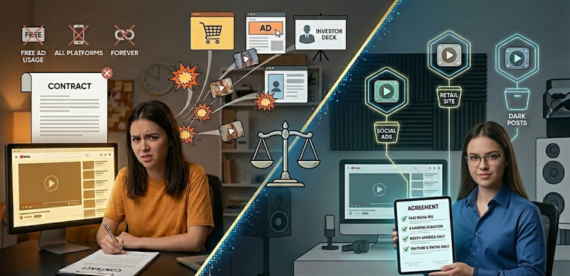
Gaming sponsorships rarely start with a clean rate card and a handshake. They usually begin with a messy mix of audience data, platform quirks, release calendars, deliverables, usage rights, and a creator’s instinct for whether a brand will feel natural on stream.
The best gaming influencers are not just negotiating money, they are negotiating control over how their community experiences the partnership. That is why the contract often matters more than the headline fee.
They Price the Deal Around Attention, Not Just Follower Count
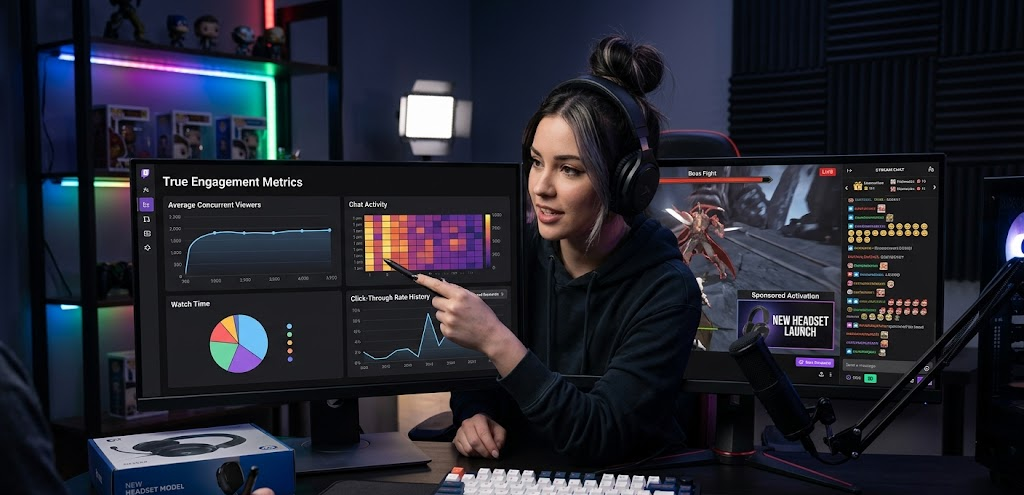
Gaming creators know that a million followers on TikTok does not equal a million people watching a sponsored boss fight, stream segment, or Discord activation. When they negotiate, they usually push brands to look at average concurrent viewers, watch time, chat activity, click-through history, and how their audience behaves during sponsored moments.
A Twitch streamer with 2,000 loyal live viewers may be more valuable for a headset launch than a broader lifestyle account with a larger but less focused audience. That is why experienced creators resist flat “influencer package” pricing and ask brands to pay for actual attention, not vanity metrics.
They Ask for Clear Deliverables Before Talking Final Price
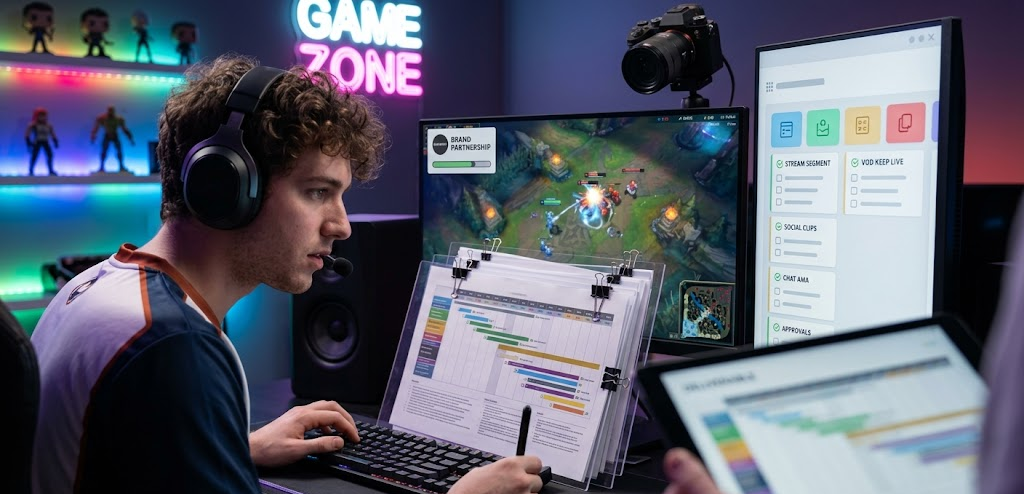
A “simple integration” can mean almost anything in gaming. Is the creator expected to play a sponsored title for two hours, mention a discount code once, post three edited clips, keep a VOD live, join a tournament, appear in brand social ads, and answer chat questions about the product?
Those are very different workloads. Influencers usually push for every deliverable to be written out plainly, including platform, length, format, posting window, approval process, and whether the brand can request edits. The more vague the brief, the more room there is for scope creep.
They Protect Their Streaming Style
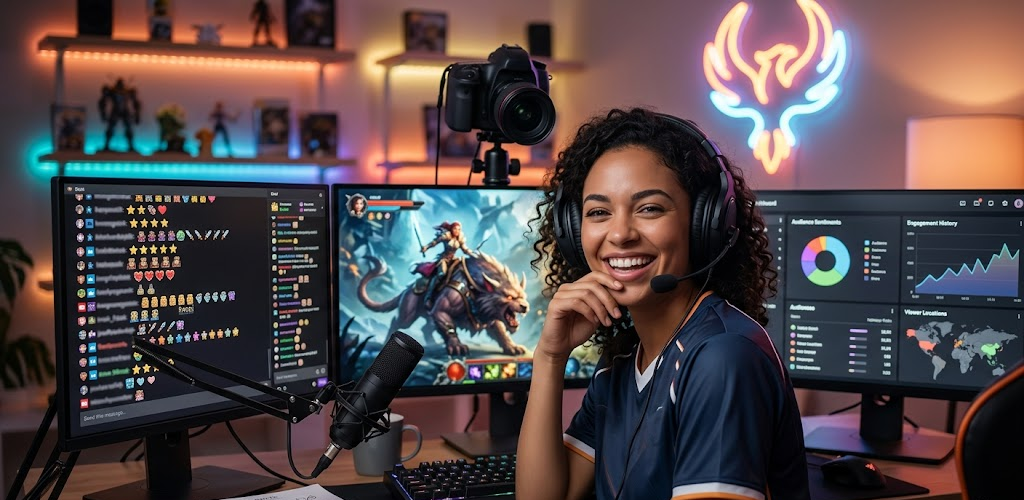
A good gaming sponsorship has to survive live chat. If a brand script sounds stiff, viewers will notice in seconds, and the creator will take the hit. Many streamers push for talking points instead of word-for-word copy, especially on Twitch or YouTube Live, where forced language can feel painful.
They also negotiate the right to explain the product in their own voice, including jokes, personal caveats, or honest framing. For some creators, that control is non-negotiable because their relationship with the audience is the asset being sold.
They Fight for Usage Rights Limits
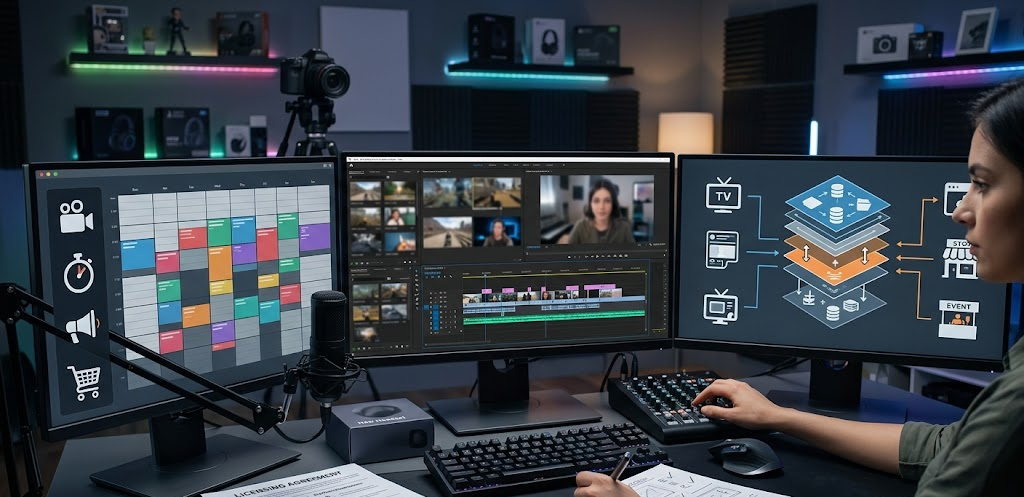
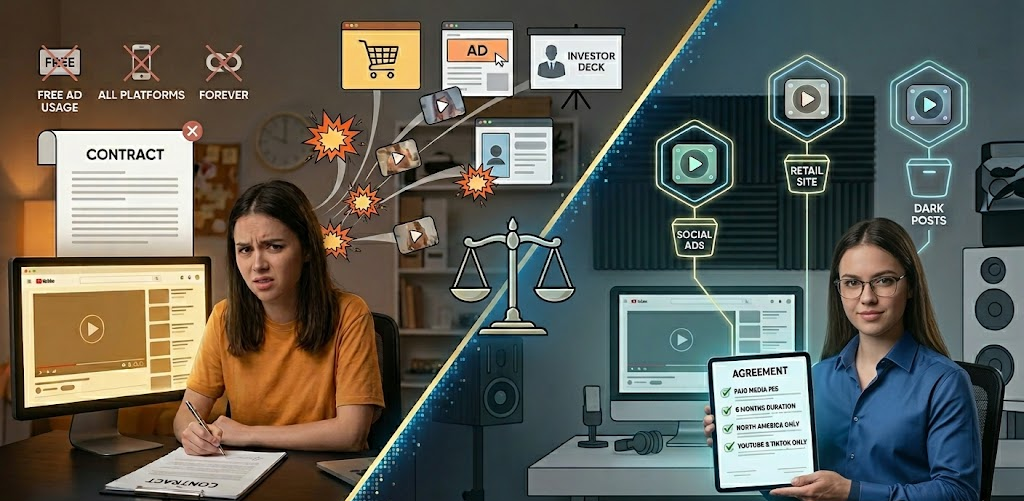
This is one of the places where newer creators get burned. A brand may pay for one sponsored stream, then ask for the right to use clips from that stream in paid ads, social posts, retail pages, event booths, or investor decks. Experienced influencers separate content creation from content licensing.
If a brand wants paid media rights, whitelisting, dark posts, or long-term usage, that costs more. They also push for limits on territory, duration, platform, and context, because a clip made for a casual stream can look very different when it becomes a polished ad months later.
They Negotiate Exclusivity Down to the Category
Exclusivity sounds simple until a creator realizes they have accidentally blocked themselves from working with half the gaming industry. A beverage brand might ask for “no competitors,” but does that include energy drinks, hydration powders, coffee, fast food, or gaming supplements?
A hardware sponsor might try to cover keyboards, mice, chairs, monitors, and headsets in one clause. Gaming influencers often narrow exclusivity by category, brand list, region, and time period. They also charge more for it, because exclusivity is not just a restriction, it is lost income.
Trending on realmoneygamer.com
They Push for Payment Terms That Do Not Drag On Forever

Creators talk about this more privately than publicly, but payment timing is a real point of negotiation. Net 30 is workable for many. Net 60 can be annoying. Net 90 is often treated as a red flag unless the fee is high enough to justify waiting.
Influencers with managers or agencies often ask for a deposit, milestone payments, or late-fee language, especially when a campaign involves multiple platforms and production days. A brand may see payment terms as admin, but for creators it affects cash flow, taxes, editors, moderators, and sometimes rent.
They Want FTC and Platform Disclosure Rules in Writing
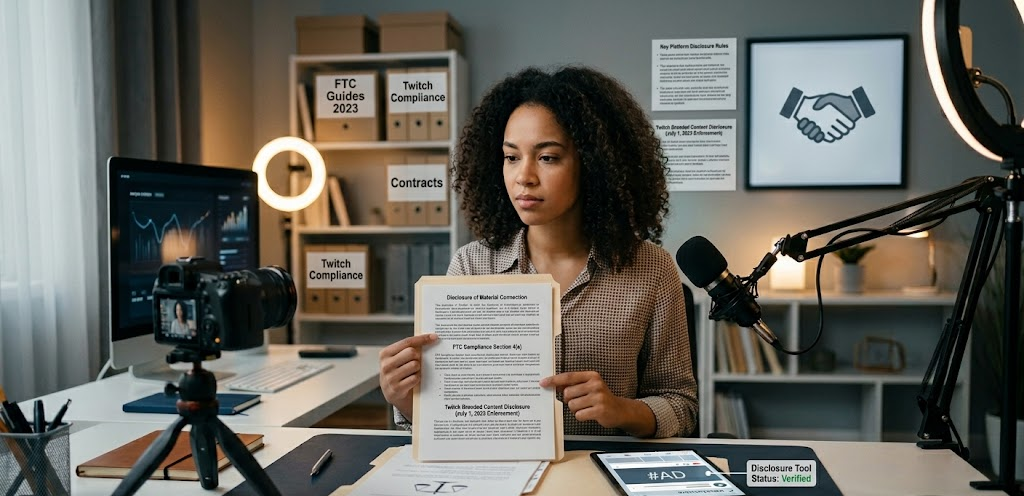
Disclosure is not just a moral issue, it is a contractual one. The FTC updated its Endorsement Guides in June 2023 with more guidance on influencer disclosures and material connections, while Twitch began enforcing use of its branded content disclosure tool on July 1, 2023.
Smart creators want the contract to say who is responsible for disclosure language, where it appears, and what happens if the brand requests something that conflicts with platform rules. Nobody wants to lose audience trust because a sponsor wanted the ad label buried.
They Keep Approval Windows Short
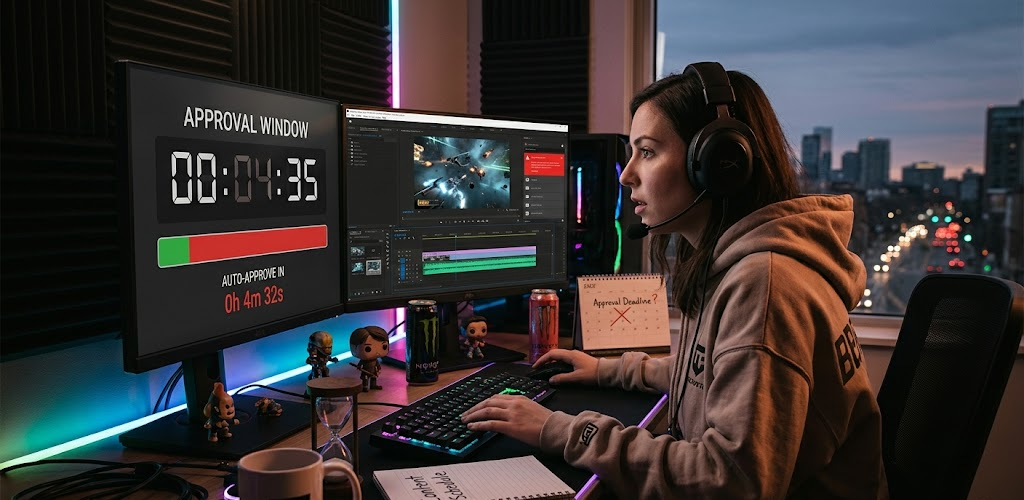
Gaming content moves quickly. A meme can age in a day, a patch can change a game overnight, and a sponsored segment built around a launch window can become useless if approvals sit in someone’s inbox. Creators often ask for approval deadlines, usually with language saying the content is considered approved if the brand does not respond in time. That protects the campaign from getting stuck and protects the creator from last-minute rewrite requests. It also forces the brand to decide what it actually needs to review.
They Push Back on Morality Clauses That Are Too Broad
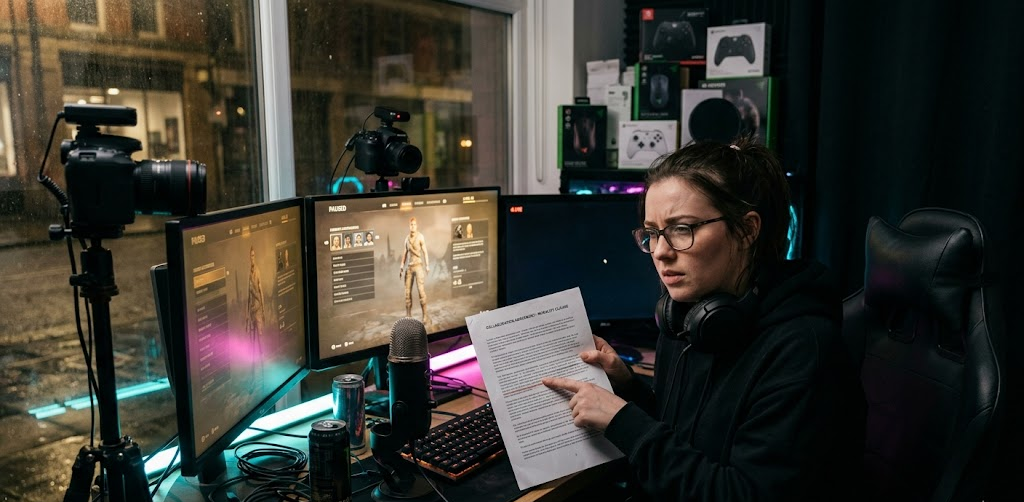
Brands want protection if a creator does something genuinely damaging. Creators understand that. The problem is when a morality clause is so broad that it lets the brand cancel over vague “reputational concerns,” old jokes, community drama, or a clip taken out of context.
Gaming creators, especially streamers, live in an environment where hours of unscripted footage exist online. They often negotiate for specific triggers, cure periods when possible, and payment protection for work already completed.
They Ask Who Owns the Campaign Data
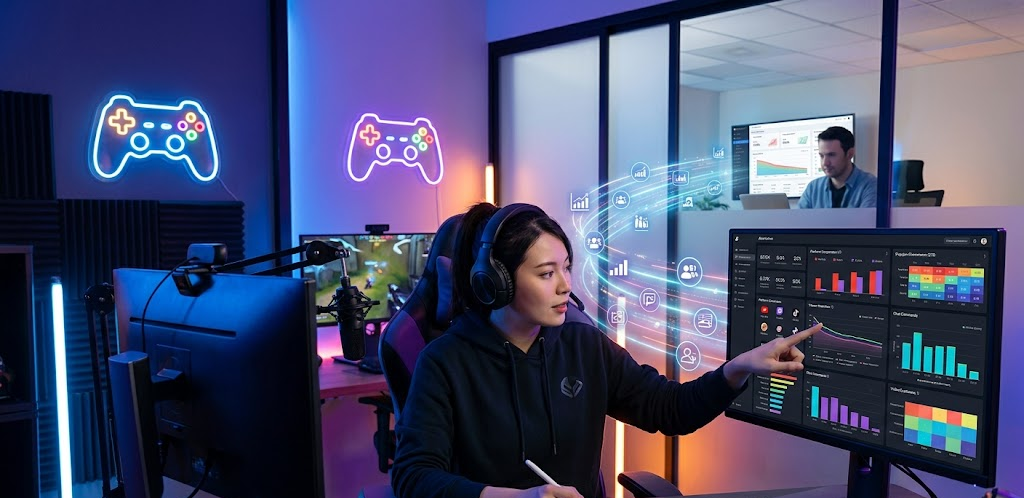
A gaming campaign can produce useful information, which hooks drove clicks, which segment kept viewers watching, which platform converted best, which chat commands performed, which creator cutdowns worked on Shorts or TikTok.
Influencers increasingly want access to that data, not just a thank-you email and a vague note that the campaign “performed well.” Some use it to improve future pricing. Others use it to prove that their audience buys, downloads, signs up, or shows up. When a brand owns all the reporting and shares almost nothing, the creator loses leverage for the next negotiation.
They Separate Organic Content From Paid Obligation
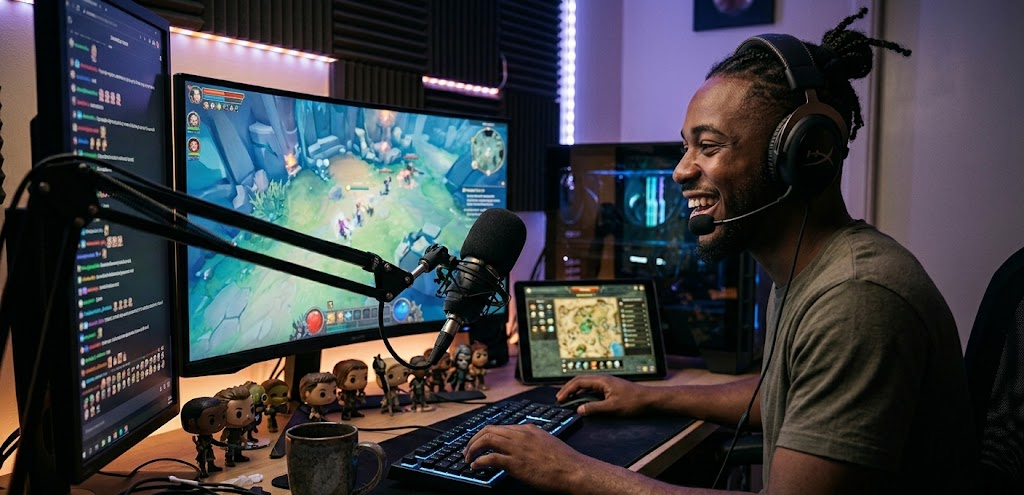
Gaming audiences can usually tell when a creator is genuinely into a game and when they are checking a box. That makes this clause more important than it sounds. Influencers often specify that paid deliverables do not require them to keep playing, posting, or recommending the product after the campaign ends.
If they do keep talking about it, that should be organic, not an unpaid extension of the sponsorship. This protects the creator’s taste, and in gaming, taste is a big part of the job.
They Make Cancellation Fees Part of the Deal
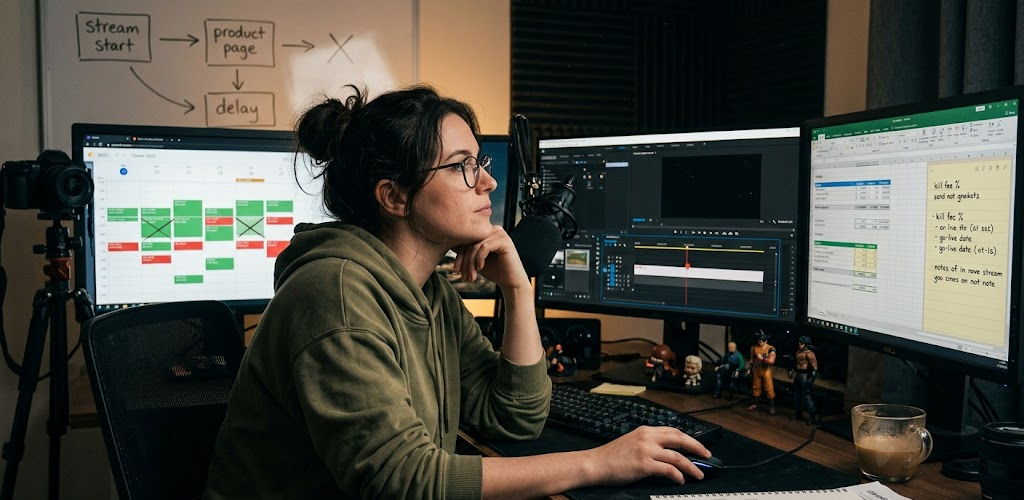
Launch dates shift. Game builds get delayed. Product pages break. Sometimes a brand pauses a campaign after the creator has already scheduled production, turned down another sponsor, booked an editor, or built a stream plan around the activation.
That is why cancellation language matters. Influencers often ask for kill fees tied to timing, with higher fees if the brand cancels close to the go-live date. It is not about being difficult, it is about not absorbing the brand’s planning risk for free.
They Treat Community Safety as a Contract Term
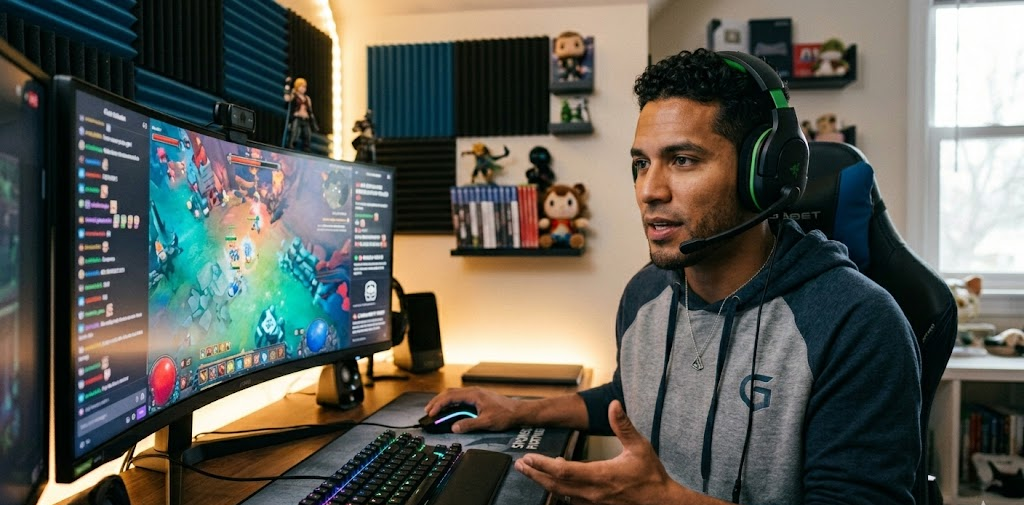
A gaming influencer is not only lending their face to a campaign. They are bringing the sponsor into a community with moderators, inside jokes, rivalries, sensitivities, and platform-specific behavior. Some creators now ask brands to avoid certain chat prompts, gambling-adjacent mechanics, misleading giveaways, or claims that will create moderation problems.
This is especially important when the audience includes younger viewers or when the campaign involves loot boxes, crypto, betting, or competitive rankings. The safest deal is not always the quietest deal, but it is usually the one where the creator has room to say no.