Absurd spending in video games has become one of the most fascinating parts of the industry. What used to be simple entertainment has turned into a marketplace where players willingly pay real money for items that often have no real-world value. From cosmetic upgrades to digital assets that only exist on a server, the line between entertainment and spending has blurred more than ever.
Here are 10 of the most absurd things gamers have spent money on.
1. A Skin Worth More Than a House
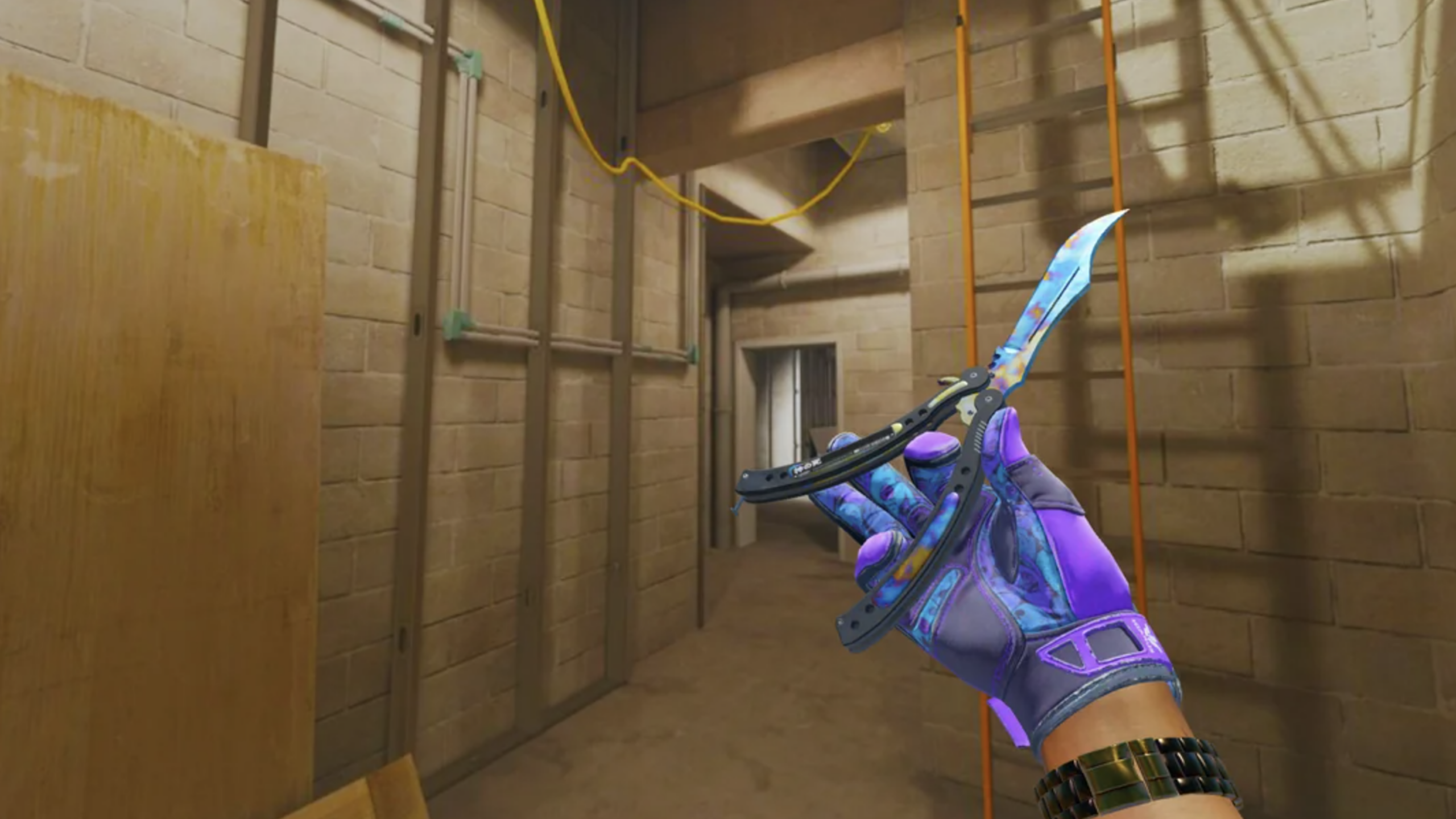
In Counter-Strike: Global Offensive, rare “Blue Gem” Karambit skins have been valued at over $1 million USD in private offers, with prices determined by extremely specific pattern indexes that make each item unique, turning them into digital collectibles where rarity and demand push values to levels comparable to real-world luxury assets.
2. Loot Boxes With No Guarantee
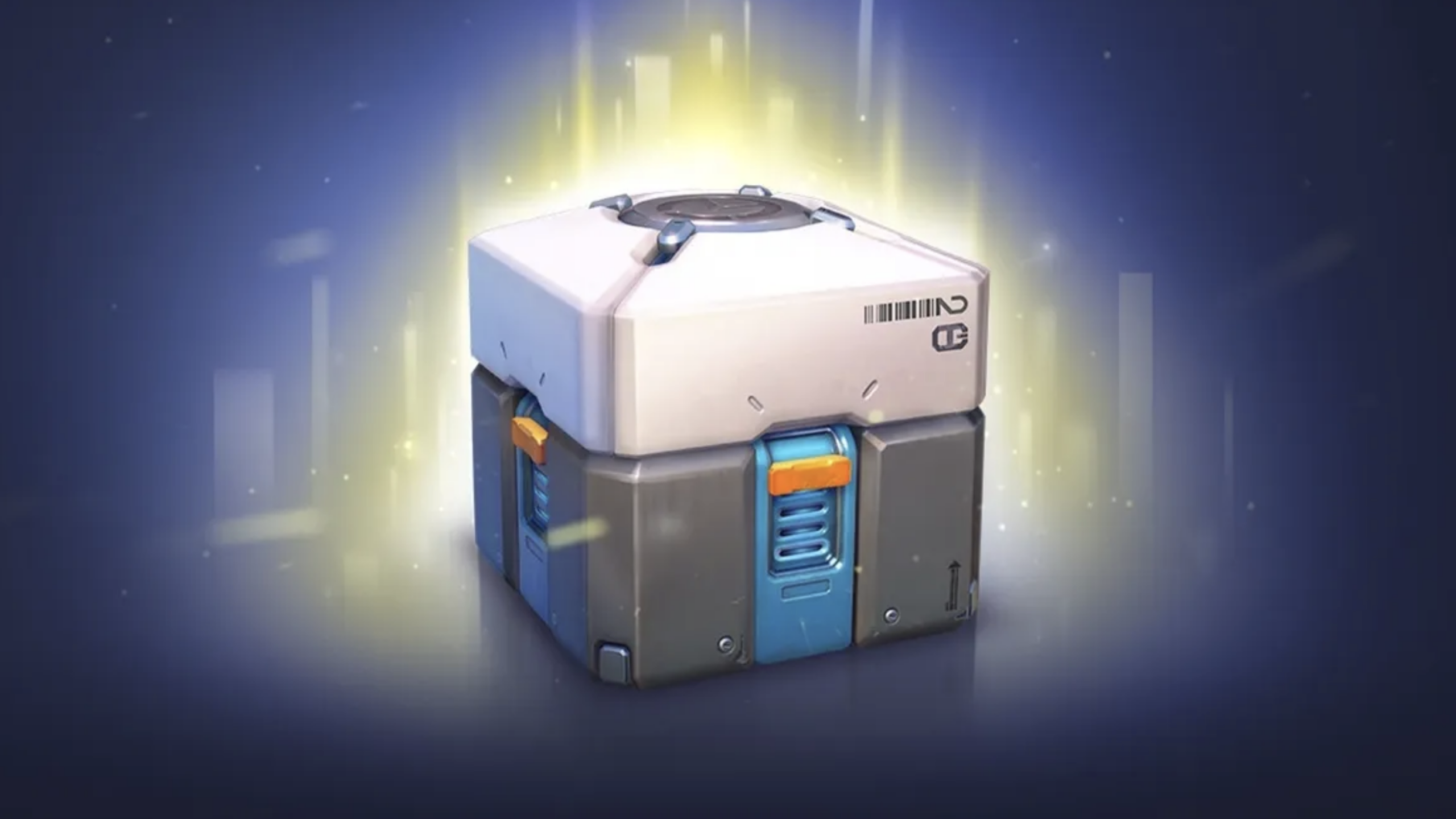
Players have spent more than $10,000 USD chasing a single rare item with drop rates often below 1%, and despite regulations forcing companies to reveal probabilities, the randomized reward system continues to drive repeated spending, functioning in a way that closely resembles gambling behavior.
3. A Virtual Hat Economy
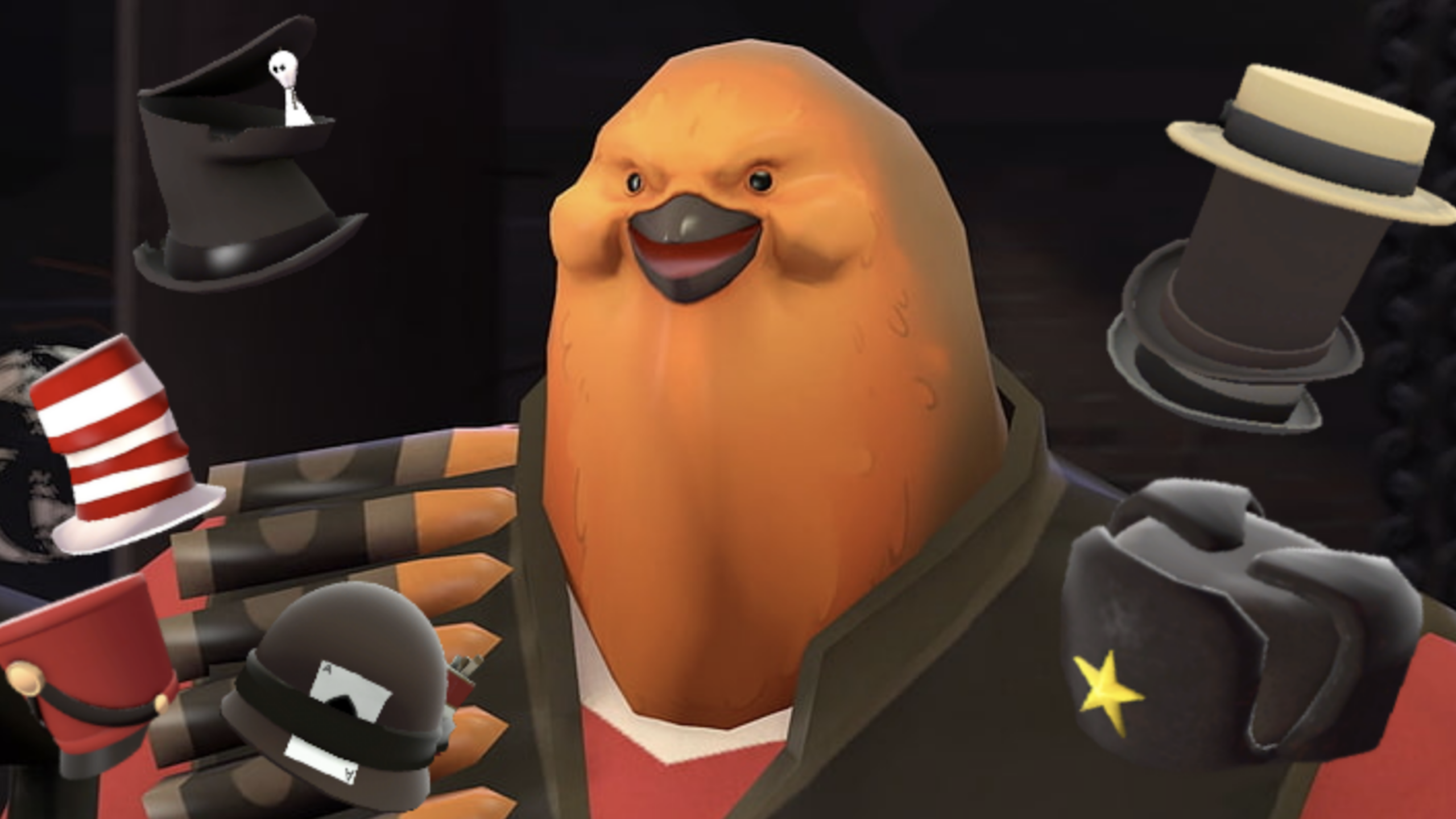
In Team Fortress 2, “Unusual” hats have sold for $5,000+ USD depending on effects. These items gained value due to limited drops and discontinued effects.
The in-game economy became so big it mirrored real-world trading markets.
4. Digital Land That Isn’t Real
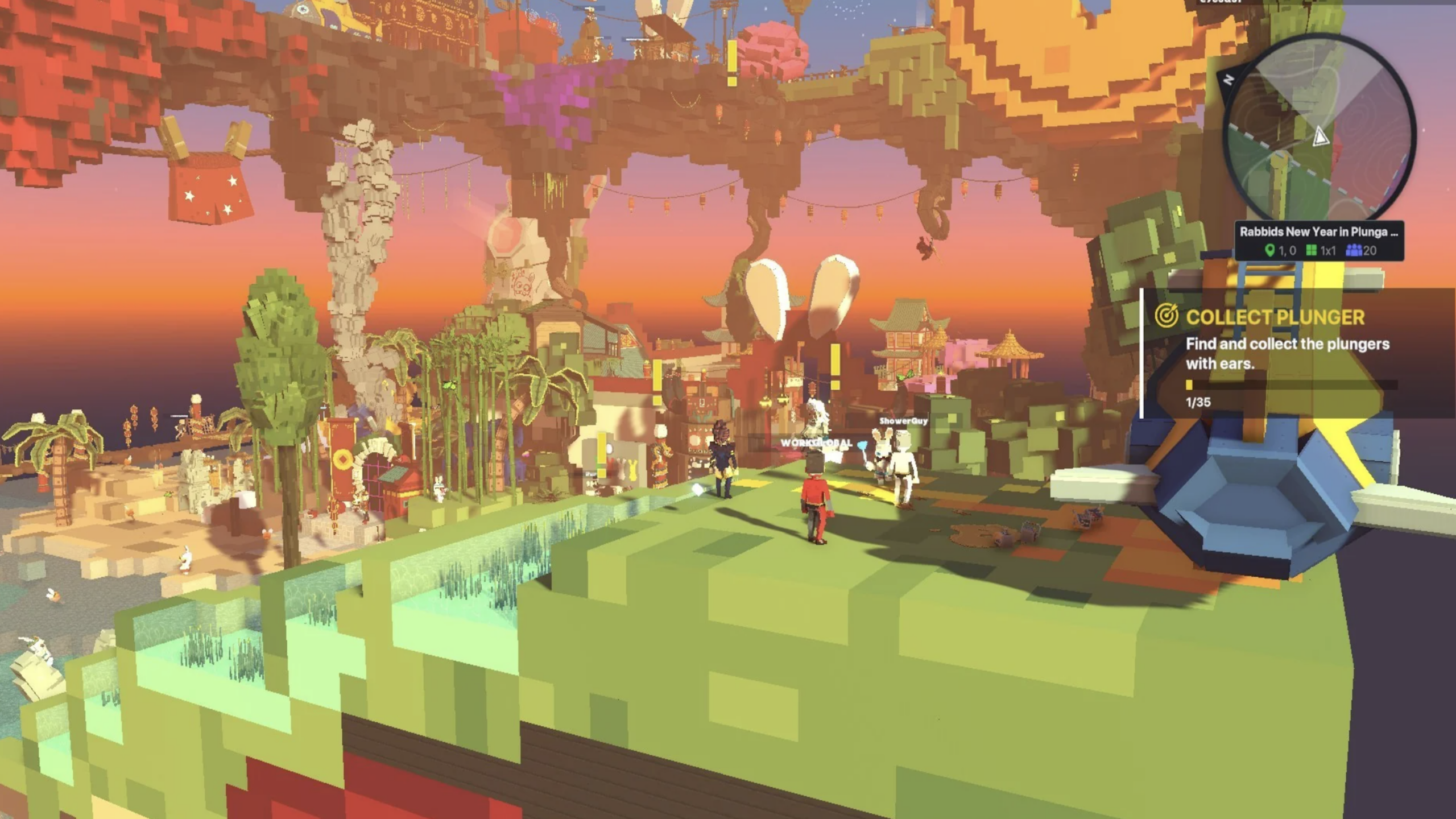
In The Sandbox, virtual land plots have been sold for more than $400,000 USD, with buyers treating them as long-term investments, even though their value depends entirely on player interest and the sustainability of the platform’s ecosystem.
5. Absurd Skins That Do Nothing
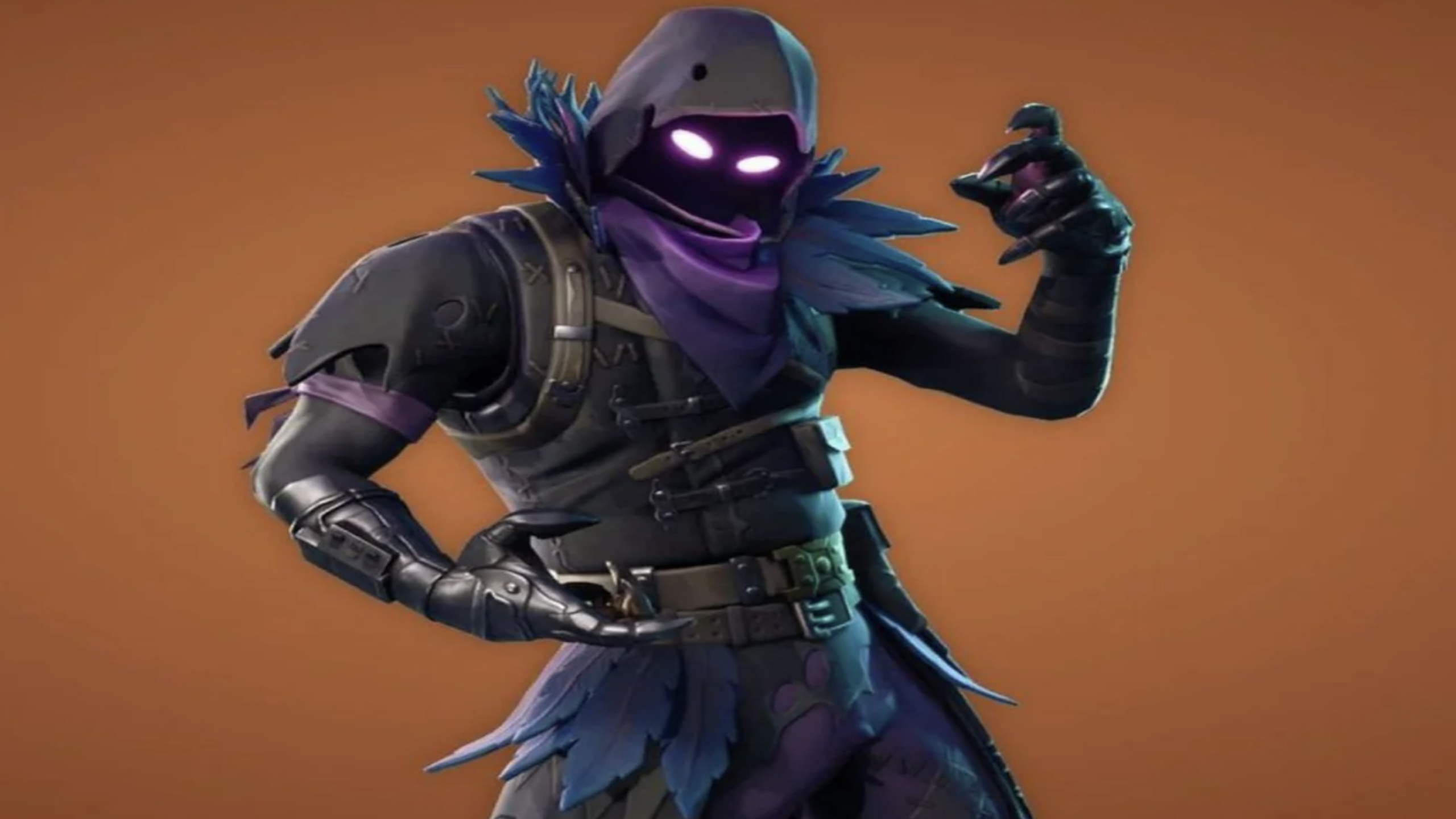
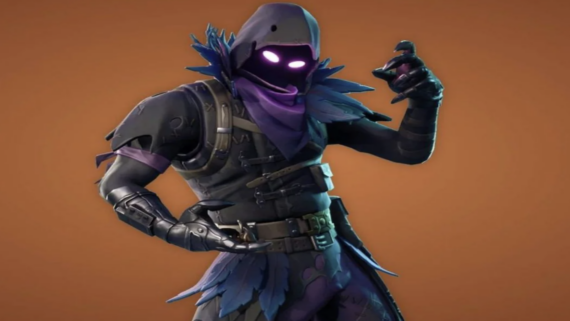
In Fortnite, players collectively spend billions every year on purely cosmetic skins, and individual users can easily invest between $500 and $2,000 USD over time on items that offer no gameplay advantage, serving only as a form of identity and social status within the game.
Trending on realmoneygamer.com

6. Paying to Fully Max a Character
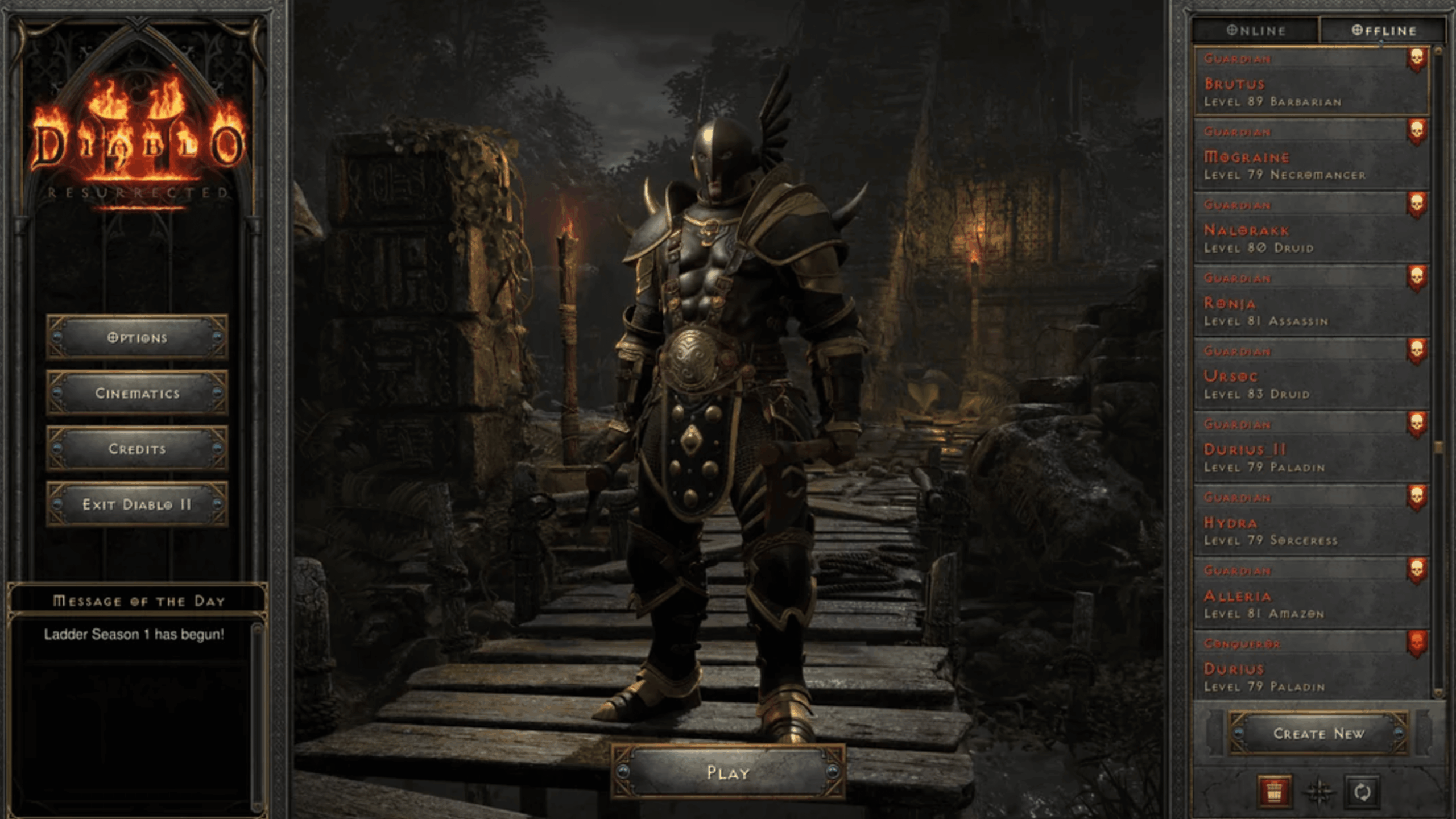
In Diablo Immortal, fully upgrading a character can cost over $100,000 USD due to the reliance on rare gem drops and upgrade systems, leading to widespread criticism and highlighting how monetization can directly impact gameplay progression.
7. NFTs That Became Worthless
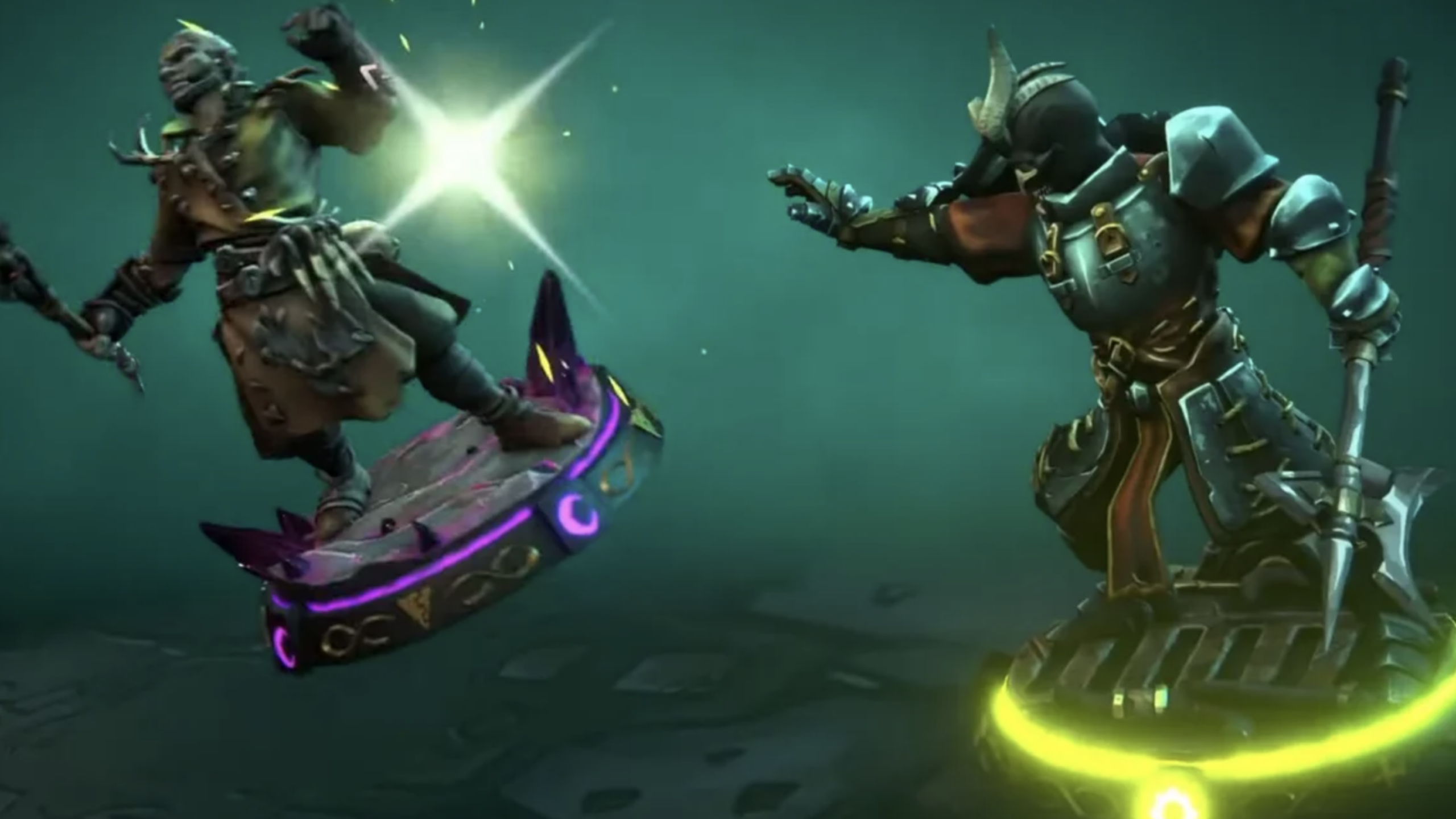
Some blockchain-based game assets were sold for more than $10,000 USD during peak hype cycles, only to lose over 90% of their value within months, exposing the volatility of these digital markets and leaving many players with assets that became effectively worthless.
8. Currency Packs That Force Overspending
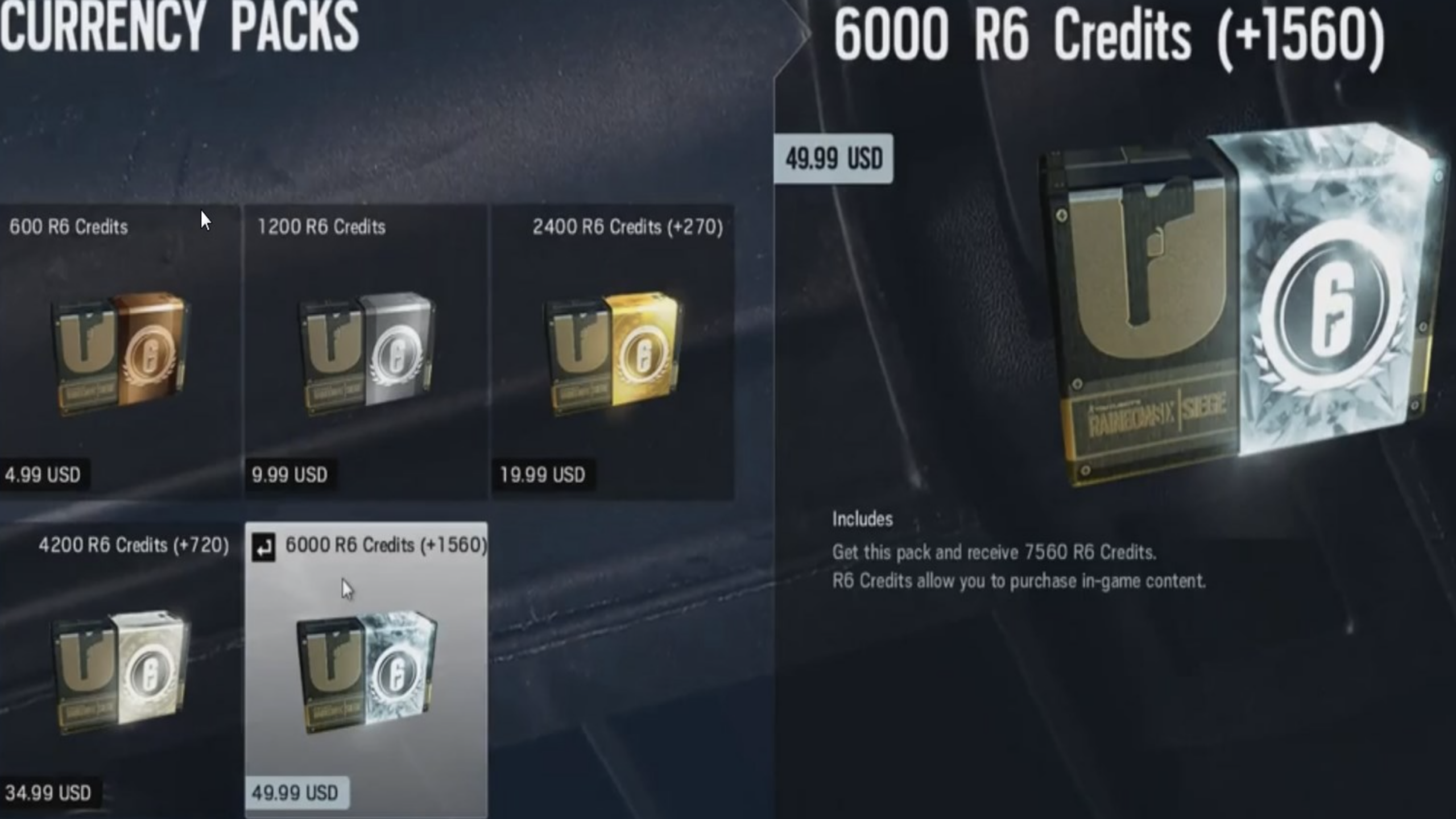
Many games intentionally design their pricing systems so items cost awkward amounts like 1,200 currency, forcing players to purchase bundles that exceed what they need, which results in consistent overspending across millions of transactions without players fully realizing it.
9. Buying Accounts Instead of Playing
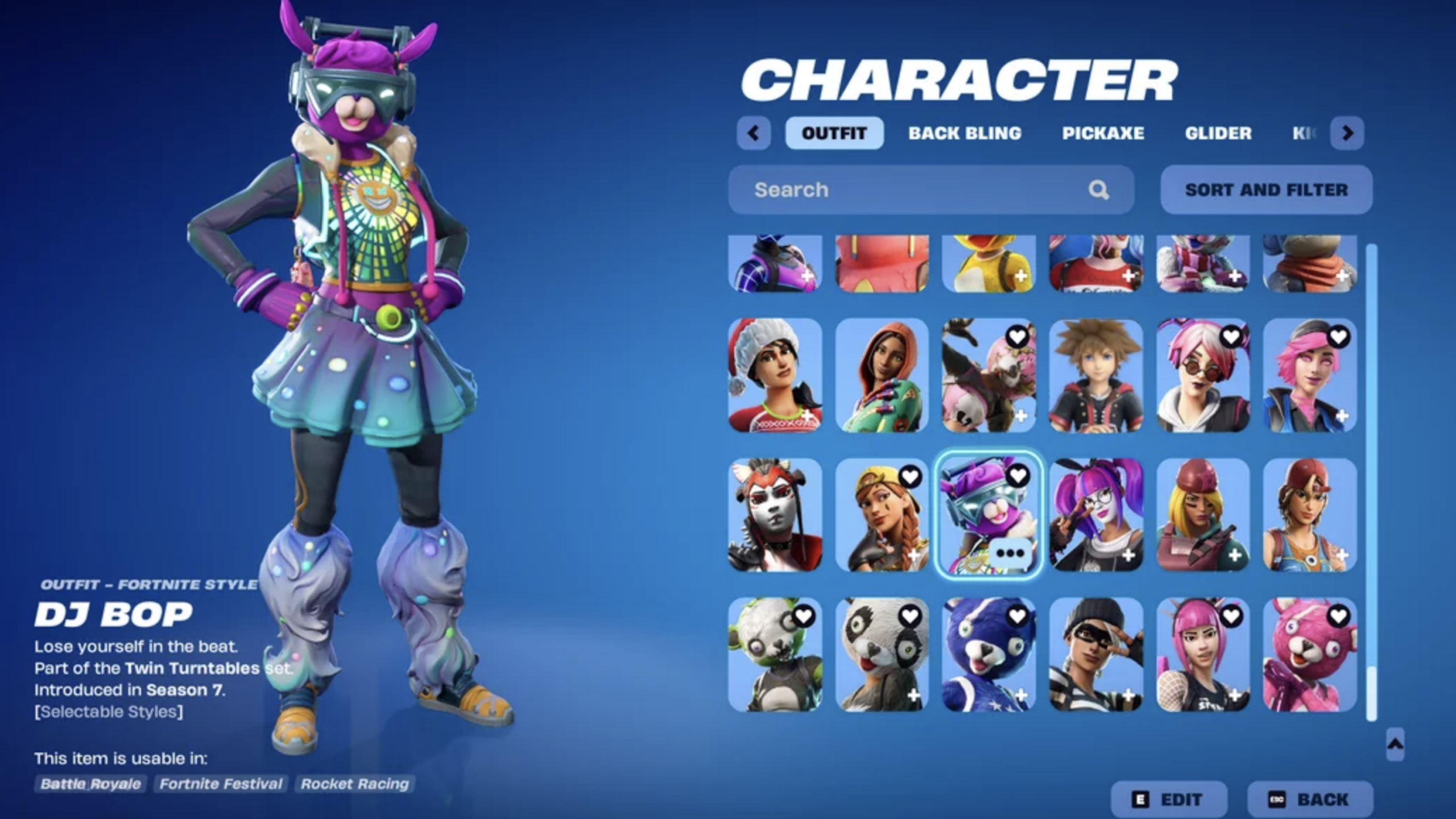
Gaming accounts featuring rare skins or high progression levels have been sold for anywhere between $1,000 and $10,000 USD, especially in games where certain items are no longer obtainable, creating a gray market that operates outside official systems and often violates platform rules.
10. Limited-Time Panic Purchases
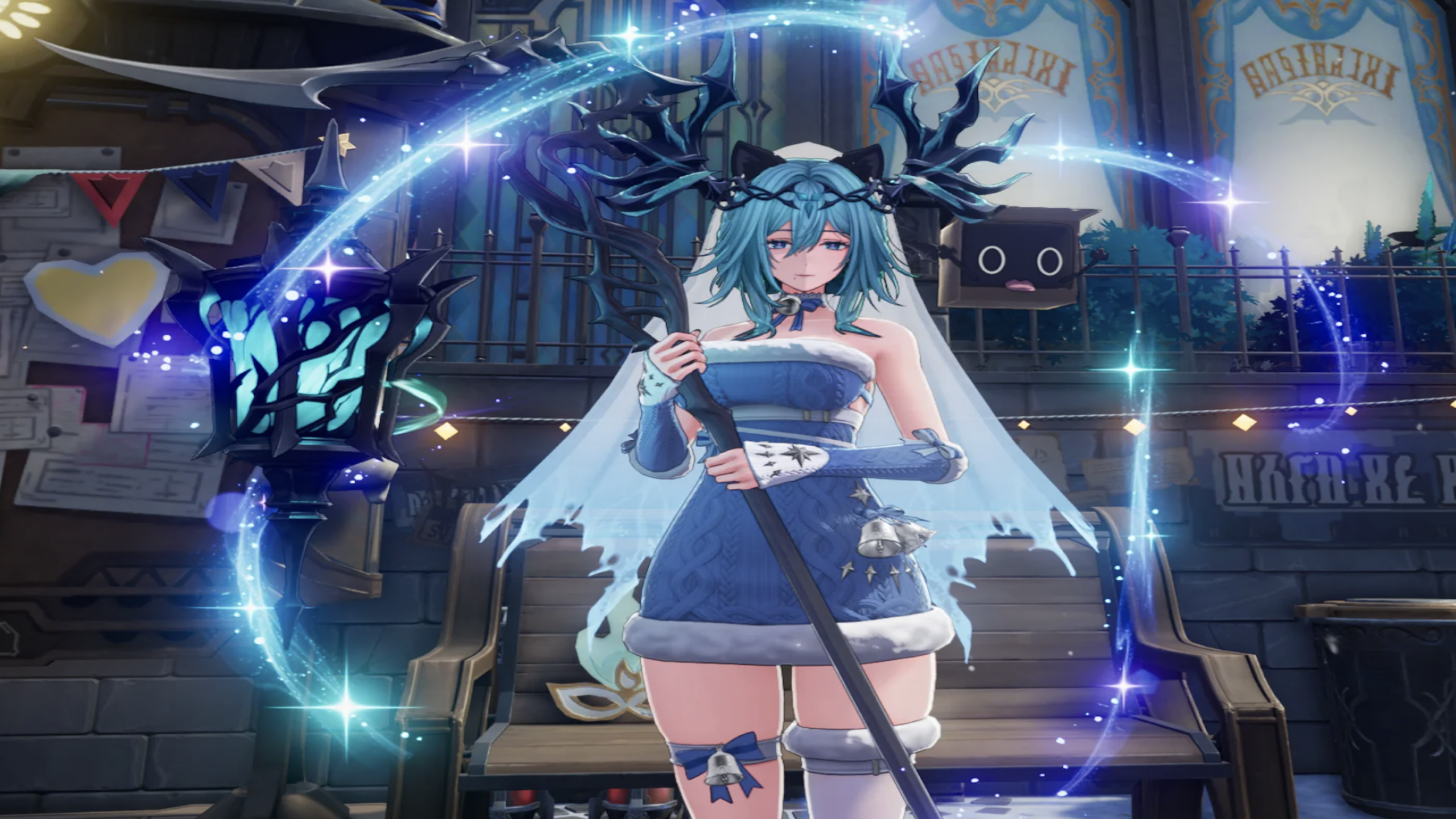
Limited-time items generate massive revenue in short periods due to fear of missing out, with some skins earning millions within hours of release, as players make impulsive purchases driven by exclusivity and the knowledge that the item may never return.