There is still a certain prestige attached to the big $70 release. It gets the showcase trailer, the collector’s edition, the review embargo drama, the launch-week discourse. But in pure revenue terms, that part of the industry is often playing catch-up to games that cost nothing to install. The biggest free-to-play hits do not need everyone to buy in on day one, they just need enough players to keep coming back.
Honor of Kings
r/games
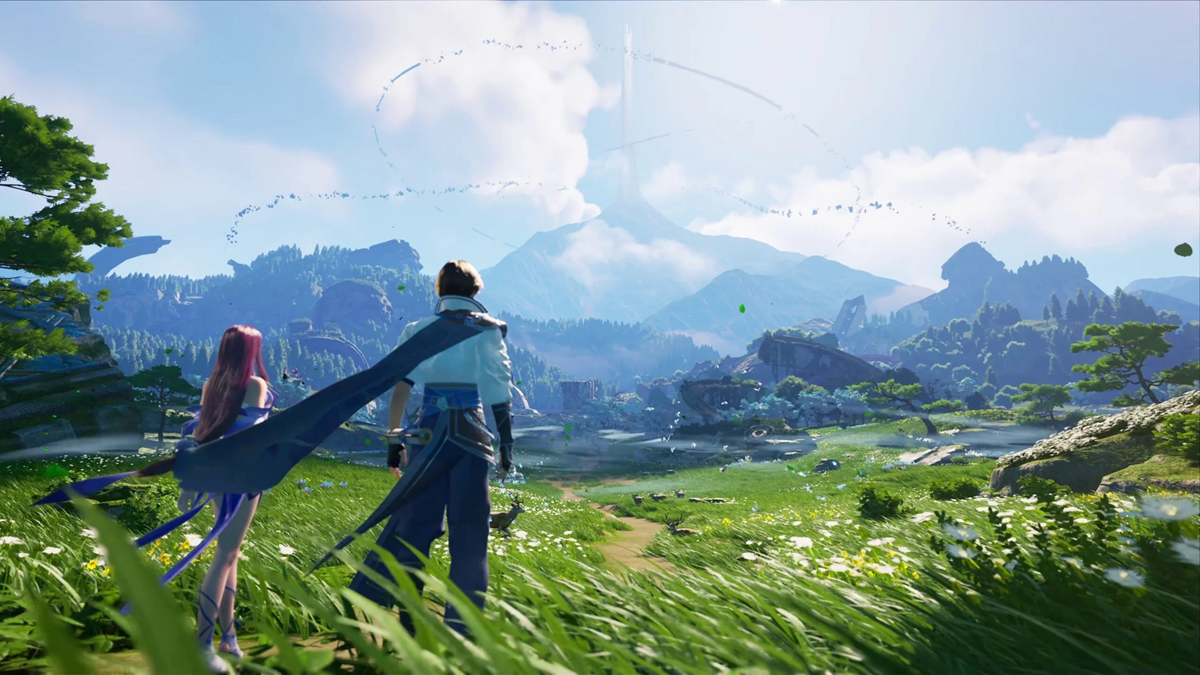
Honor of Kings is the kind of game that can make Western coverage of the industry look oddly narrow. Outside China, it does not always get discussed with the same casual familiarity as Fortnite, Call of Duty, or Minecraft, but its revenue has been operating on a different plane for years. In 2024, AppMagic estimates cited by PocketGamer.biz placed Tencent’s mobile MOBA at around $2.6 billion in App Store and Google Play player spending. That is not just “good for mobile.” That is the sort of yearly total that makes most premium launches, even very successful ones, look modest by comparison.
Monopoly Go
r/twobestfriendsplay
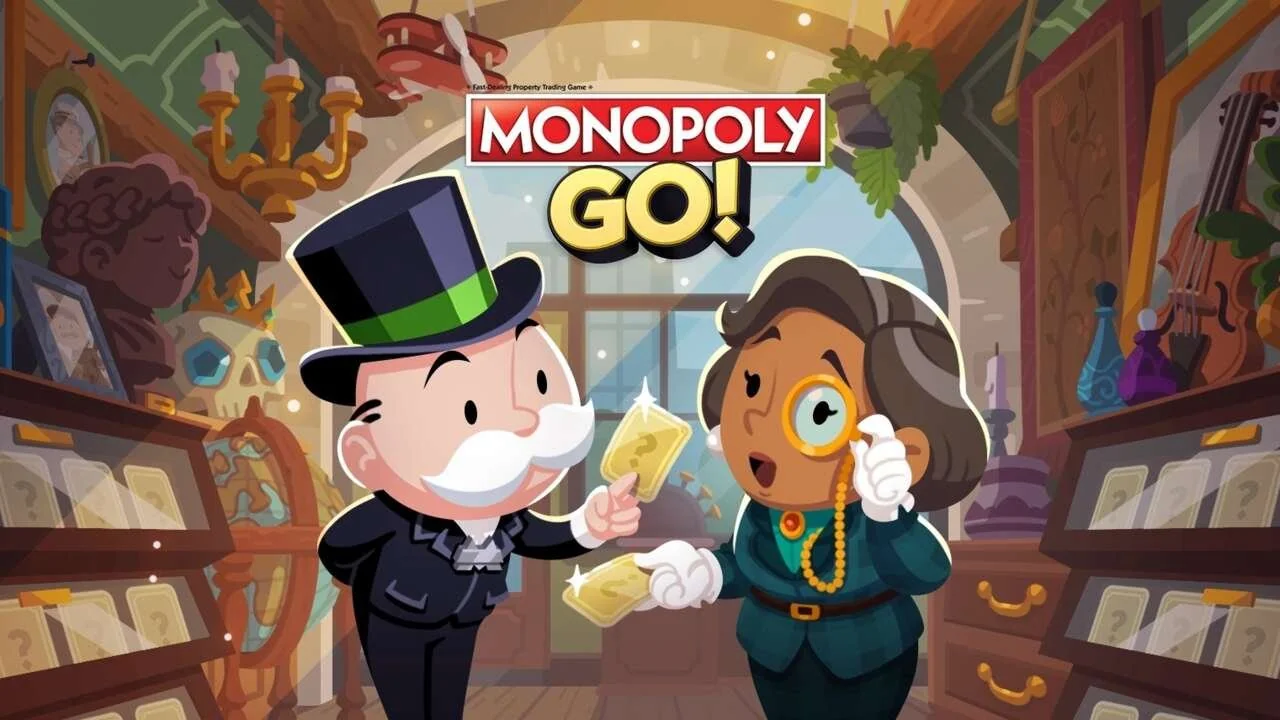
Monopoly Go sounds almost too obvious, which is probably why a lot of traditional players underestimated it. Take a famous board game, turn it into a fast mobile loop, add social pressure, rolls, stickers, timed events, and a lot of bright friction. Scopely’s version became one of the biggest games in the world in 2024, with AppMagic-based reporting putting its annual player spending somewhere around the $2 billion mark, depending on whether the estimate counts gross consumer spend or publisher revenue after platform cuts. A $70 release has one major sale to make. Monopoly Go kept making smaller ones, over and over.
Royal Match
r/games
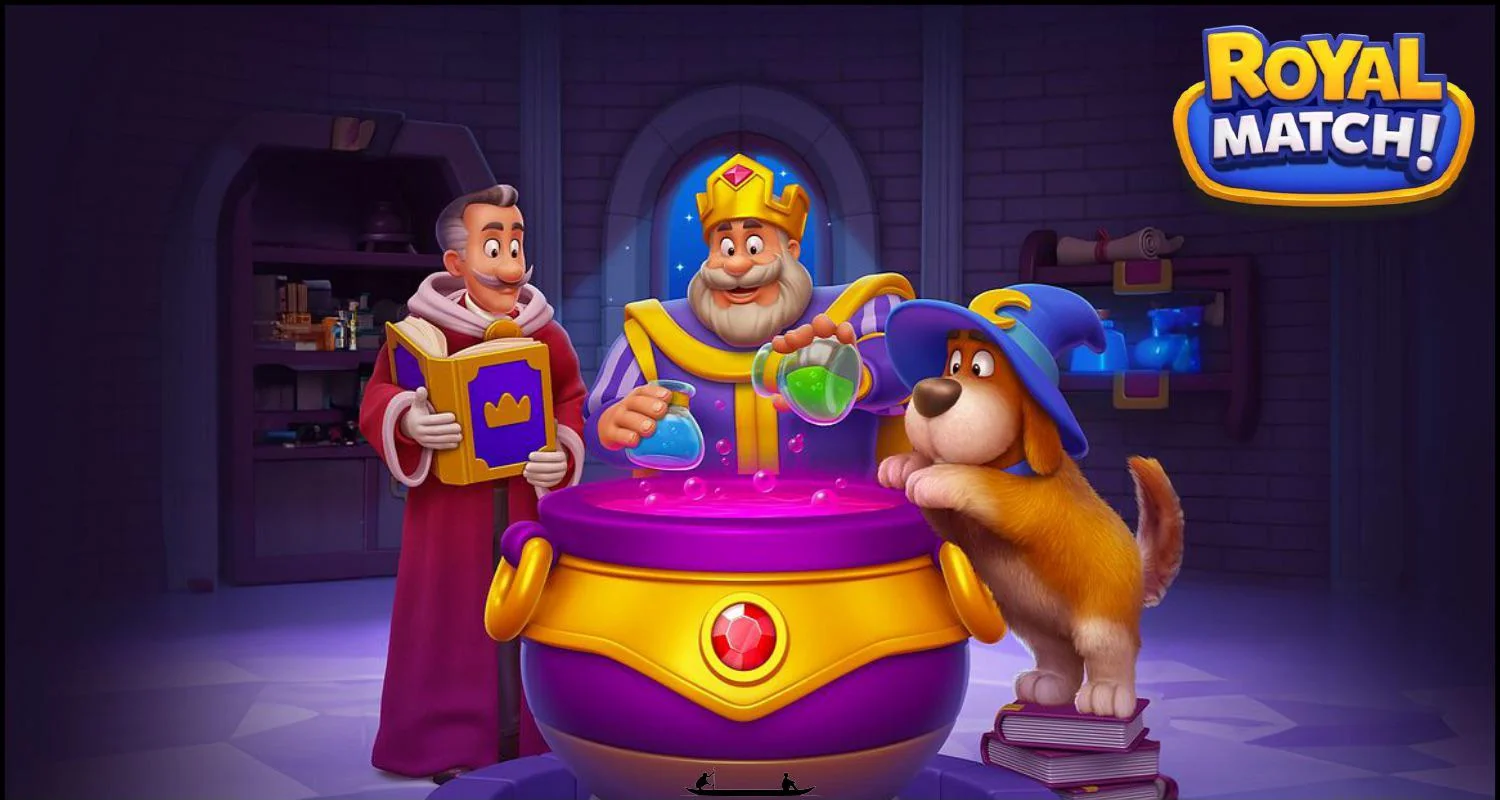
Royal Match did not need to look expensive. It did not need a famous actor walking through a cinematic trailer, either. Dream Games built a clean, sticky puzzle game and then pushed it with the kind of marketing consistency that only makes sense when the numbers are already working. By 2024, AppMagic estimates reported by PocketGamer.biz had Royal Match near $2 billion in annual player spending. Plenty of players probably never thought of it as one of the biggest games on Earth, which is part of why the free-to-play market can feel so disconnected from the console conversation.
PUBG Mobile
r/pubgmobile
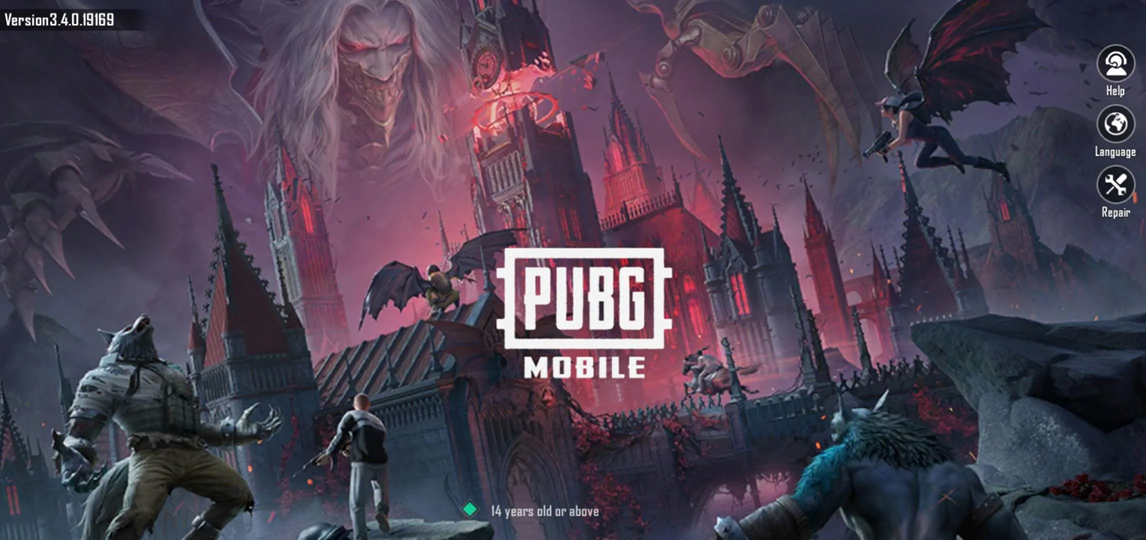
PUBG Mobile had already proved its point before 2024. Back in 2020, Sensor Tower data put it at roughly $2.6 billion in mobile revenue, making it one of that year’s highest-grossing games anywhere. Even later, after the battle royale genre had become less novel, it was still generating enormous annual totals. The original PUBG may have started as a premium PC phenomenon, but the mobile version showed where the broader business was going.
Roblox
r/roblox
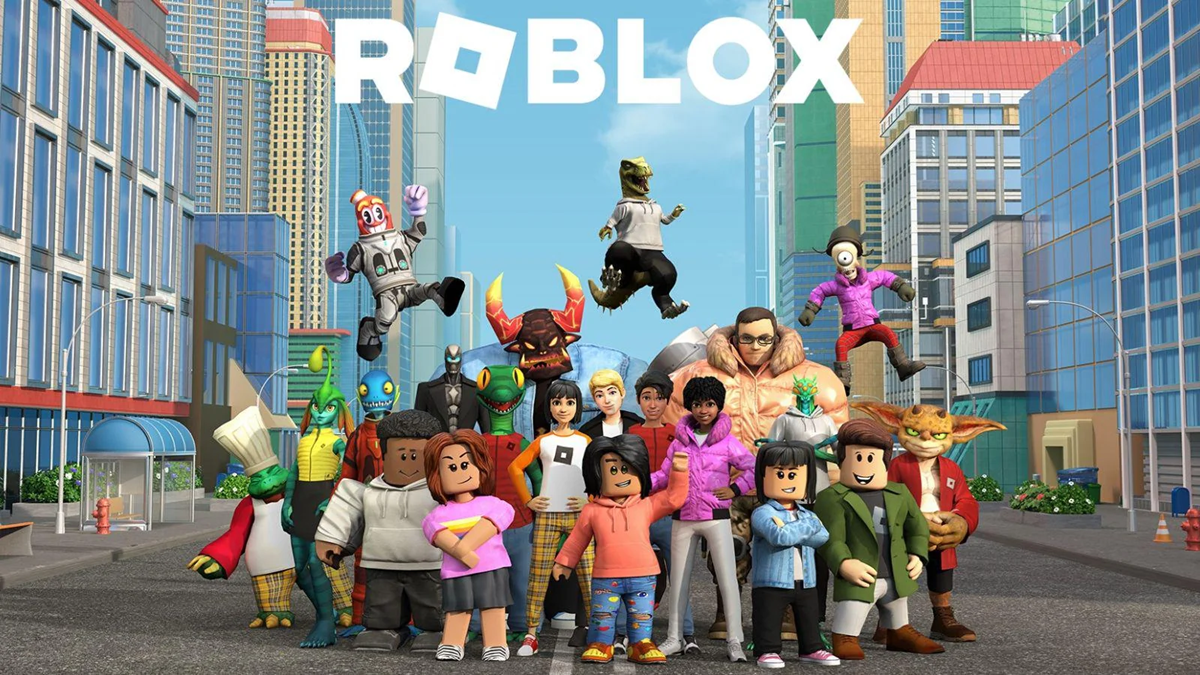
Roblox is awkward to compare with a single $70 game because it is not really one thing. It is a platform, a storefront, a creation tool, a hangout space, and, for younger players especially, a default place to spend time. In 2024, mobile estimates alone put Roblox around $1.6 billion in player spending. That does not fully capture PC, console, or web activity, but it does show why the comparison is so lopsided. Most premium games sell a finished product. Roblox sells access to a moving target.
Trending on realmoneygamer.com


Last War: Survival
r/cashiverse
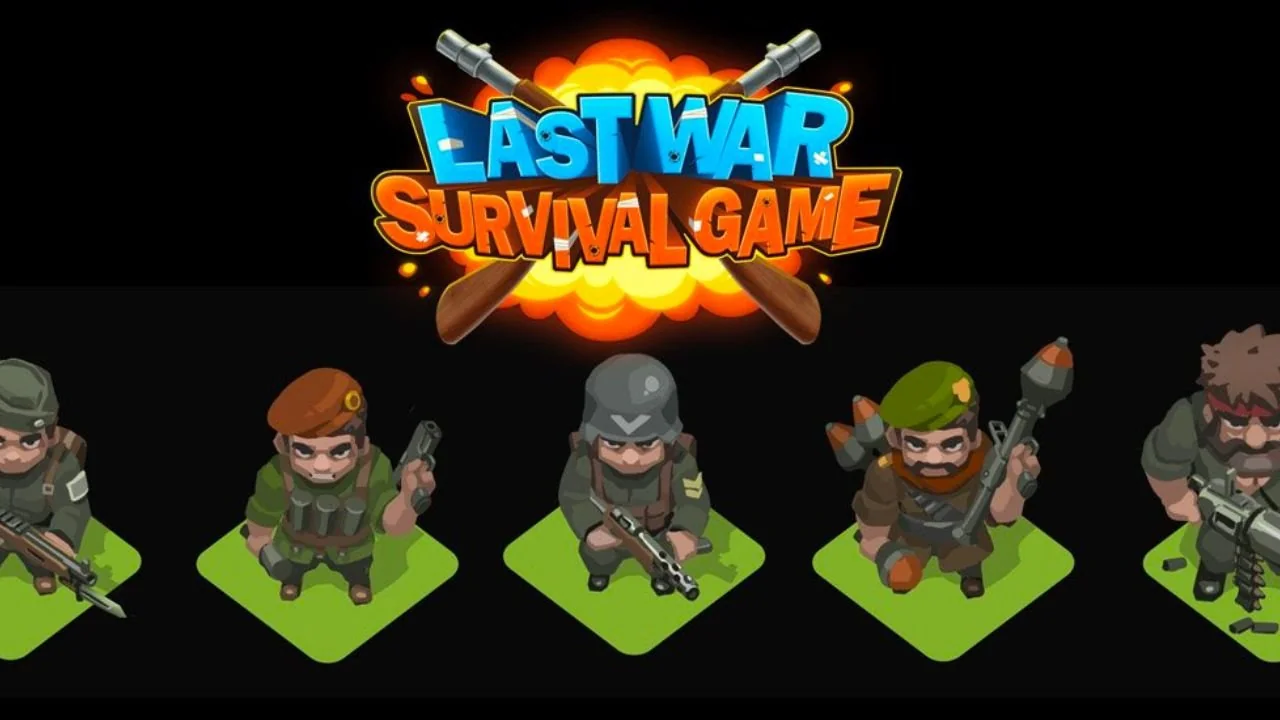
Last War: Survival is one of those games people first recognize from ads before they realize how big it became. The fake-looking puzzle combat, the base building, the strategy layer, the endless upgrade treadmill, it all blended into a very effective package. In 2024, AppMagic estimates cited in mobile industry reporting put the game at around $1.5 billion in player spending. Not every giant hit arrives with prestige. Some arrive as a phone ad you saw three times before lunch.
Candy Crush Saga
r/xbox
Candy Crush Saga should probably feel old by now. It launched in 2012, which in mobile game years is practically another civilization, and yet it kept producing numbers that newer games would envy. In 2024, industry estimates still placed its annual player spending around the $1.5 billion range. That is the strange power of a habit game. Nobody needs to talk about it every week for it to keep making money.
Genshin Impact
r/writingscalling
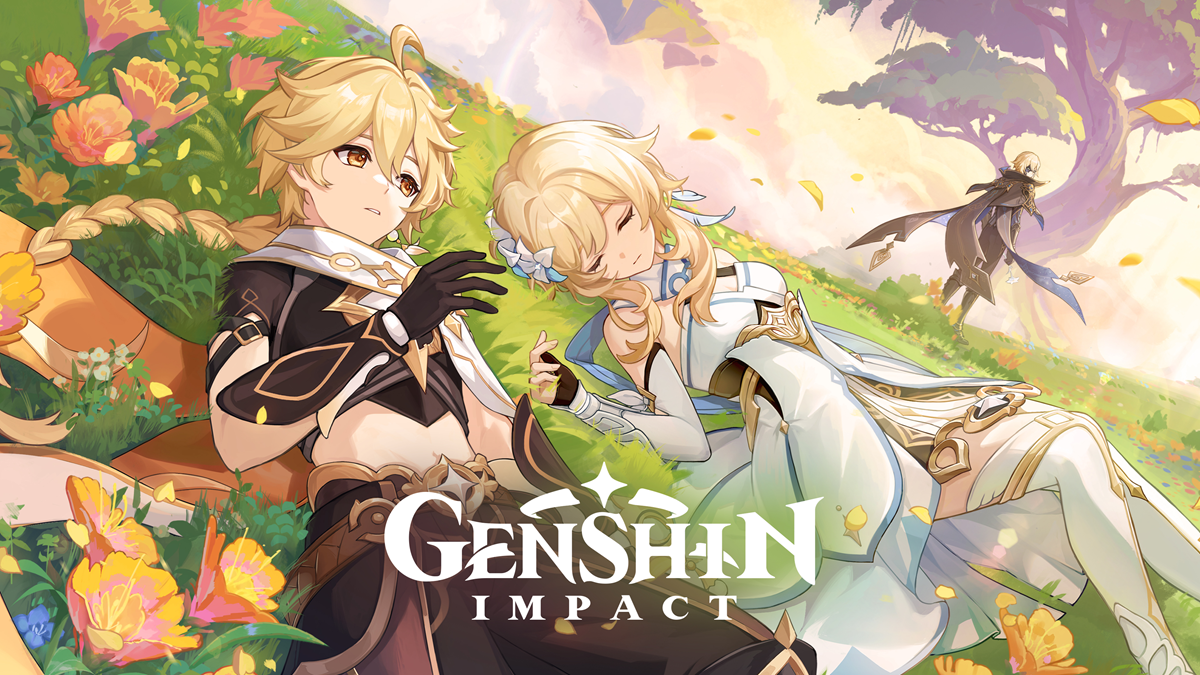
When Genshin Impact launched in 2020, part of the shock was visual. It looked closer to a console RPG than many people expected from a free mobile-first gacha game, and it arrived with enough polish to make the “free” part feel almost suspicious. By 2021, Sensor Tower figures cited in industry coverage put its mobile revenue at roughly $1.8 billion for the year. It did not just beat most premium games financially, it made a lot of publishers rethink what a free-to-play RPG could look like when backed by serious production values.
Coin Master
r/games
Coin Master is not usually the game people bring up when they want to talk about design elegance. It is loud, repetitive, and built around a loop that is very easy to understand. That loop, though, worked. In 2021, mobile revenue estimates placed it around $1.3 billion, putting it in the same broad financial conversation as games with far more visibility among core gaming audiences.
Pokémon Go
r/asktheworld
Pokémon Go’s first summer was the part everyone remembers, parks full of players, people stopping near landmarks, local news stations trying to explain what was happening. The more impressive part is that it did not disappear after the novelty faded. In 2021, estimates still had Pokémon Go at about $1.2 billion in mobile revenue, years after launch. Most premium games are lucky if their commercial life stretches cleanly beyond a few big sales windows. Pokémon Go turned the real world into its retention system.
Garena Free Fire
r/pctabletin
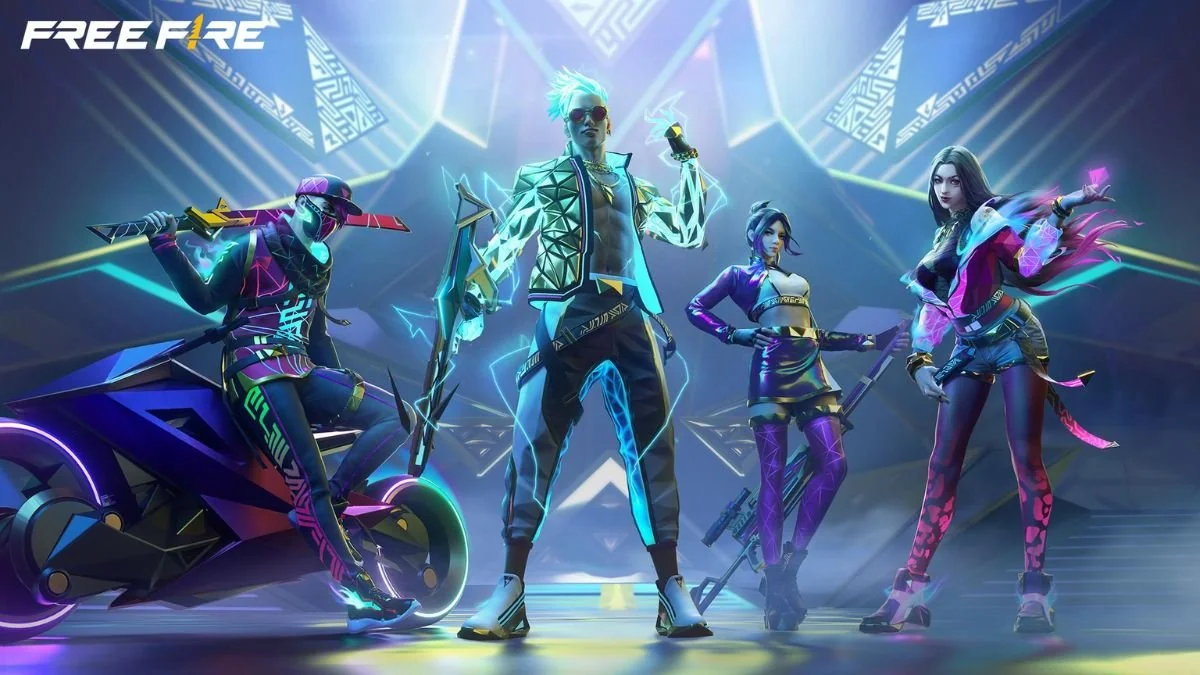
Garena Free Fire did not need the most powerful phones or the loudest North American media cycle to become huge. It found massive audiences in mobile-first markets, especially where accessibility mattered more than graphical muscle. In 2021, Sensor Tower-linked reporting put its mobile revenue at around $1.1 billion. That number says a lot about how global the games business had become, even when the conversation around it was still too centered on consoles and PC.
Dungeon & Fighter Mobile
r/dfo
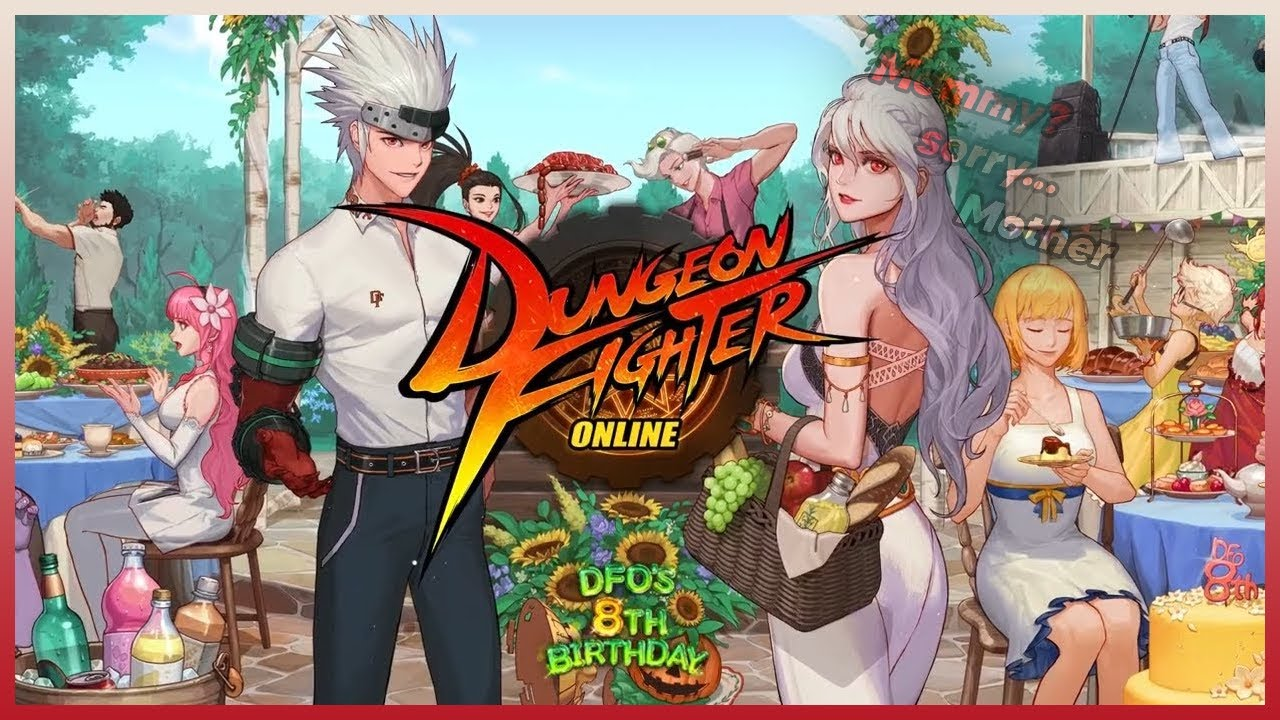
Dungeon & Fighter Mobile is a good reminder that the biggest release of a year may barely register in some parts of the games press. Tencent launched it in China in May 2024, and PocketGamer.biz reported that it made around $1.1 billion on China’s App Store alone that year. That figure did not even include third-party Android stores, which are a major part of the Chinese mobile market. For a free-to-play game tied to a long-running franchise, that is a very different kind of launch window.
The $70 game is not going away. Big premium releases still shape taste, win awards, and give the industry a lot of its public-facing identity. But the money often sits elsewhere now, in games that turn time, routine, cosmetics, energy systems, and social pressure into recurring revenue. Some of those games are brilliant. Some are merely efficient. Either way, they changed what “biggest game of the year” can mean.
Continue Reading: 11 Indie Studios That Outperformed AAA Publishers in Revenue Without a Big Budget