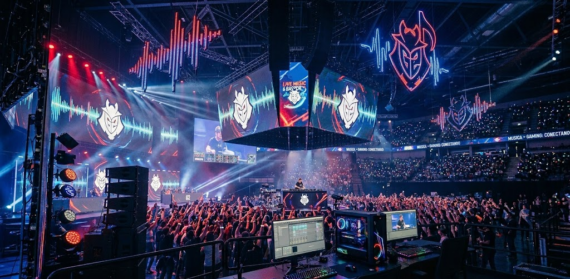
For a long time, esports teams were easy to describe: they signed players, entered tournaments, chased trophies, and tried to keep sponsors happy. That version still exists, but it no longer tells the whole story. Many organizations now behave more like small media companies, with competitive teams sitting alongside creators, apparel drops, live events, podcasts, music projects, and branded content. In some cases, the match is still the center of the business. In others, it is one piece of a much wider entertainment machine.
Signing Creators, Not Just Competitors
One of the clearest changes has been the move from player-first rosters to personality-first rosters. A strong competitive lineup can win a weekend, but a streamer with a loyal audience can keep fans engaged every day of the week. FaZe Clan helped push this idea into the mainstream, long before the rest of the industry had settled on what an esports organization was supposed to be. The model has had rough patches, especially when creator hype, public markets, and team economics started pulling in different directions, but the basic lesson stuck. Esports fans often follow people before they follow institutions.
Treating Apparel Like a Real Brand
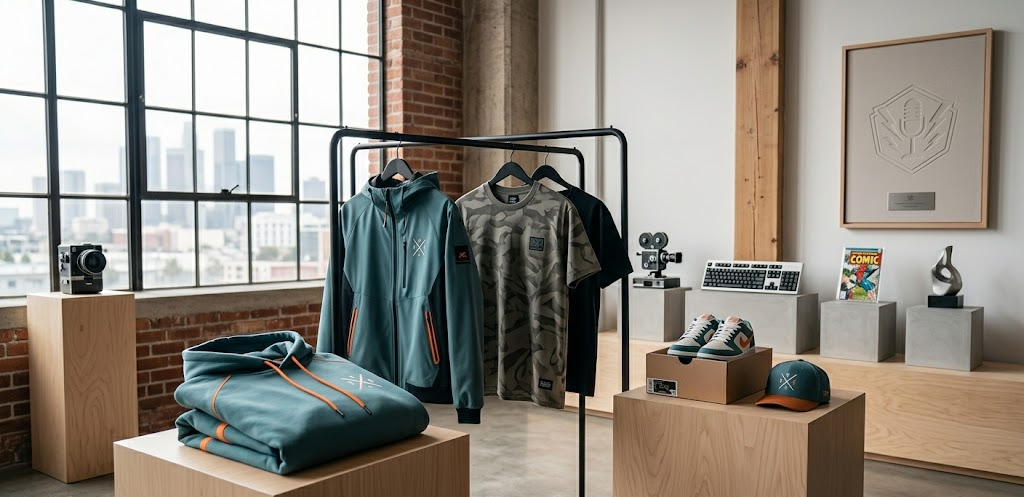
There is a difference between selling a team jersey and building a clothing line people would wear without checking the standings first. 100 Thieves understood that early, leaning into streetwear drops, limited releases, and a cleaner visual identity than the average esports shop. The clothes were not just souvenirs. They became part of how the organization explained itself, somewhere between gaming, Los Angeles fashion culture, and internet celebrity. Other teams have tried to copy the formula, but the harder part is making the clothing feel like it has a reason to exist beyond the logo.
Building Content Studios Inside the Organization
Some esports companies eventually realized they were producing so much video, social content, and sponsor work that they had almost built agencies by accident. Team Liquid’s Liquid Media and G2’s Media House 62 both reflect that shift. The pitch is fairly simple: these organizations know how gaming audiences behave because they have spent years trying to keep their own fans interested. For brands that want to enter the space without sounding painfully out of place, that experience has value. It also gives teams a business line that is not completely tied to whether a roster performs well in a given split.
Moving Into Music
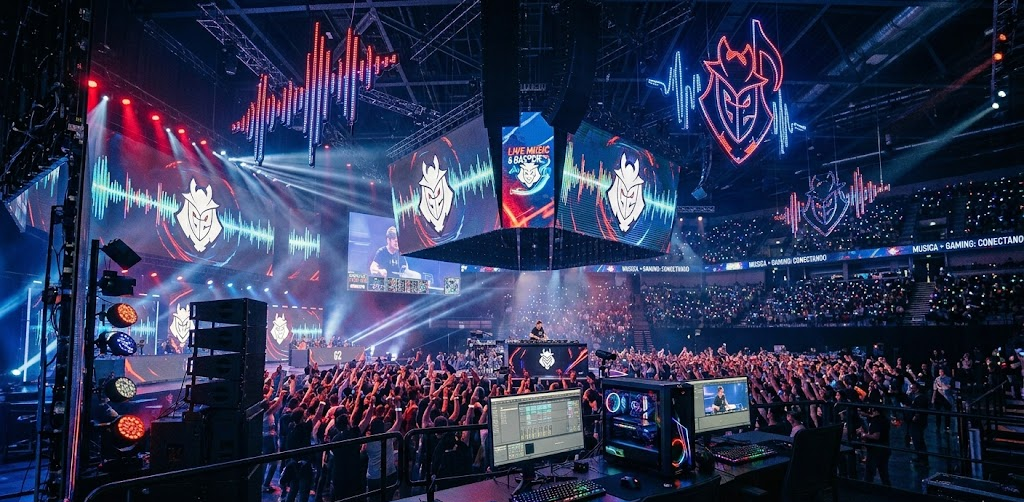
Music fits gaming culture more naturally than it might seem from the outside. Players use songs for walkouts, creators build edits around them, and fan communities turn tracks into part of a team’s mood. G2 Esports has been one of the more visible organizations in this lane, releasing songs and working with music industry partners rather than treating music as a one-off stunt. Not every esports song needs to be taken too seriously. The point is that a track can travel through playlists, streams, and social clips in ways a post-match interview usually cannot.
Opening Spaces Fans Can Visit
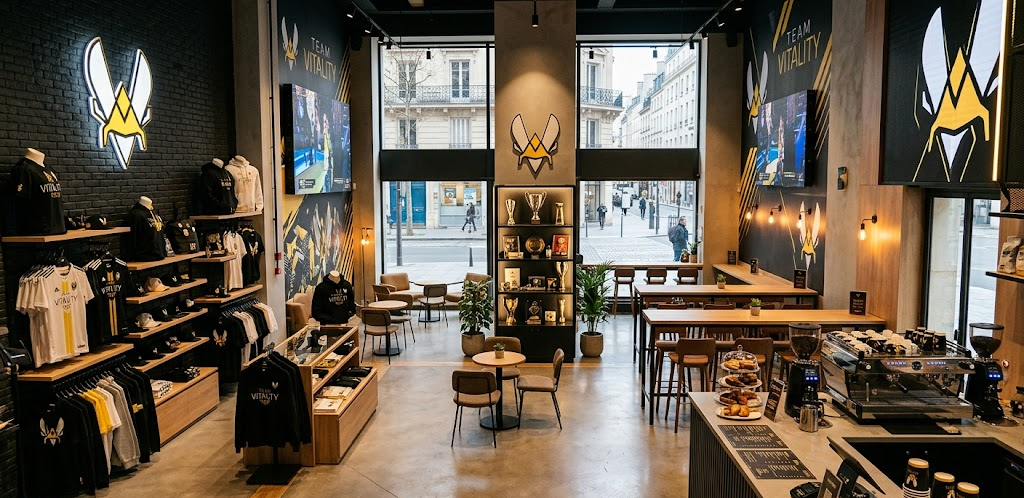
Digital fandom can still benefit from a physical address. Team Vitality’s V.Hive in Paris is a good example, part café, part store, part community space. It gives fans somewhere to go that is not a tournament arena and not just a comment section. That sounds simple, but in esports it is still fairly unusual. Most teams live online, so a real-world location can make the brand feel less temporary.
Trending on realmoneygamer.com
Making Live Events Bigger Than the Match
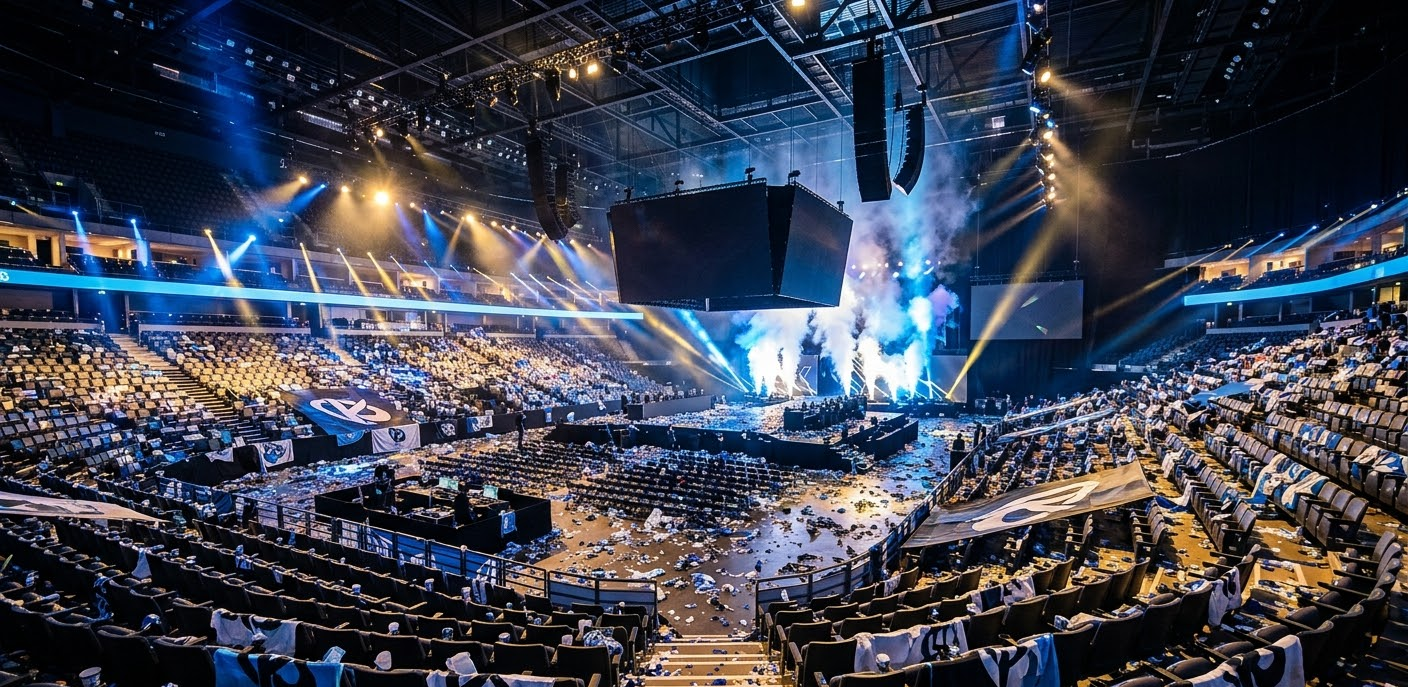
Karmine Corp has shown how much appetite there can be for esports as an in-person fan culture. Its events in France often feel closer to football support than the polite, sponsor-heavy atmosphere people sometimes associate with competitive gaming. The organization has used arenas, watch parties, and large community gatherings to make the team feel like something people belong to, not just something they watch. That kind of energy is difficult to manufacture. It usually comes from a mix of timing, local pride, creator presence, and fans who want to be loud together.
Letting Influencers Shape the Team Identity
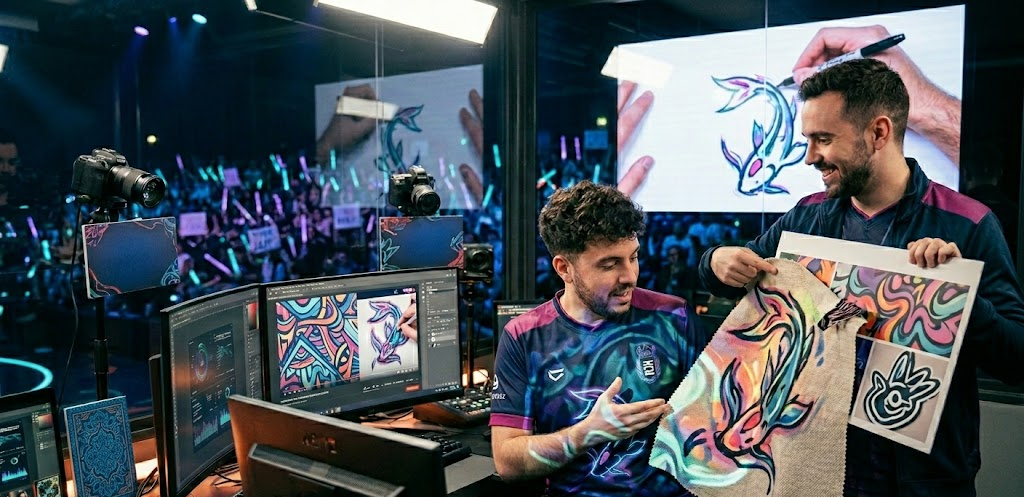
Some organizations are built around creators so strongly that separating the team from the personality behind it almost misses the point. KOI, tied closely to Ibai Llanos and Gerard Piqué, is a useful example from Spain. The competitive side matters, but the wider attention often comes from streams, co-streams, reactions, and the feeling that the audience is watching with someone they already trust. In that setup, the creator is not just a marketing channel. They are part of the architecture of the club.
Turning YouTube and TikTok Into Core Platforms
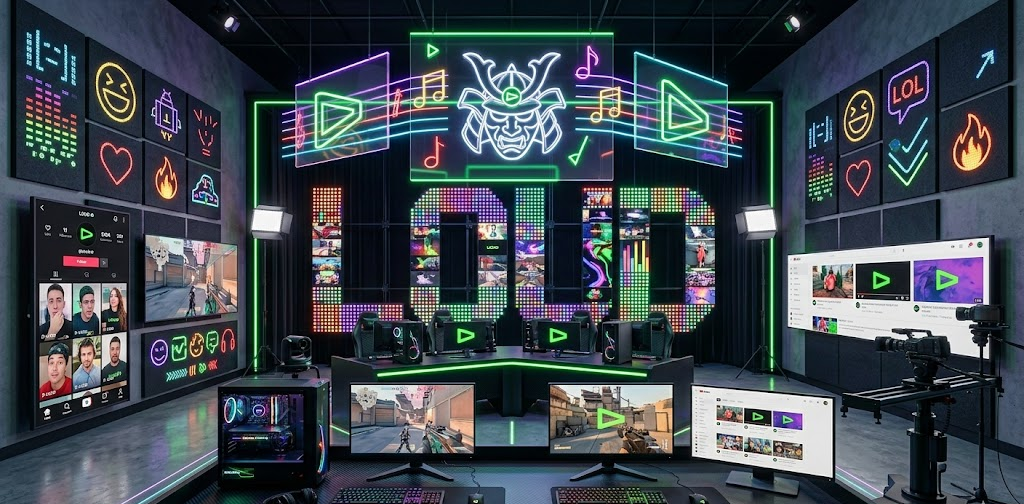
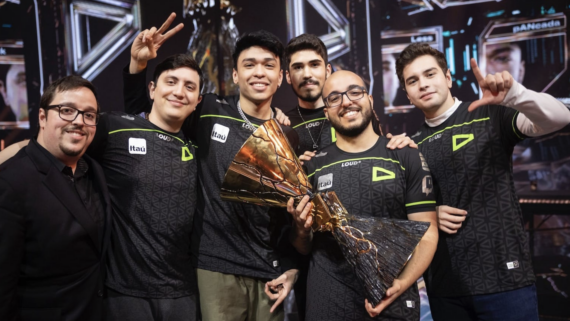
A team can win a tournament and still struggle to hold attention if its content is dull. LOUD in Brazil went in the opposite direction, building a huge audience through YouTube, short-form video, influencers, and a style that felt closer to internet entertainment than traditional sports media. Competitive success helped the brand grow, especially in games like VALORANT and Free Fire, but the content engine was already central. The organization understood that fans wanted rhythm, familiarity, jokes, and faces they could return to. Highlights alone were not enough.
Running Academies and Education Programs
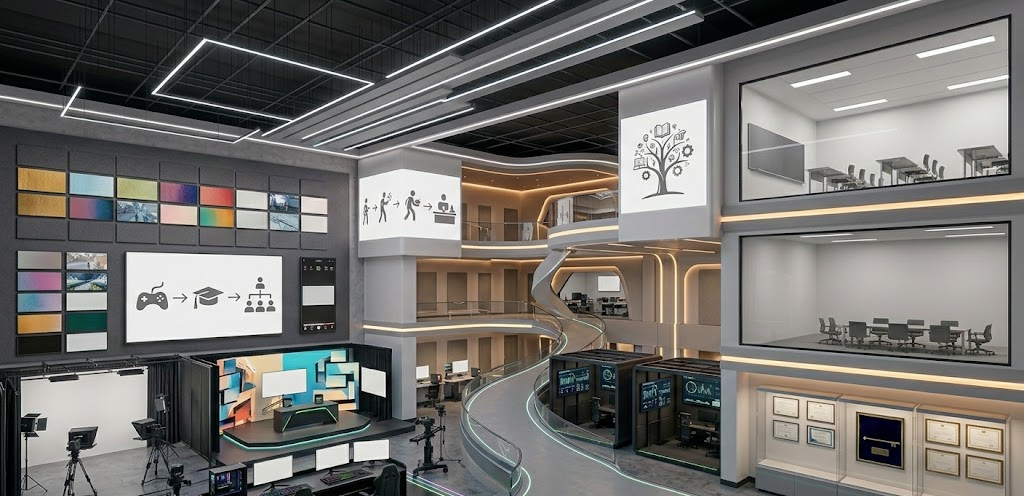
Not every expansion has to look like entertainment. Gen.G has put real effort into education through its Global Academy, offering training and development for students who see esports as more than a hobby. This kind of work speaks to a different audience: parents, schools, young players, and people who want a more structured path into the industry. It also helps normalize esports in places where it still needs explaining. A trophy can impress fans, but a program connected to education can open doors in a different way.
Selling Membership Instead of Just Merchandise
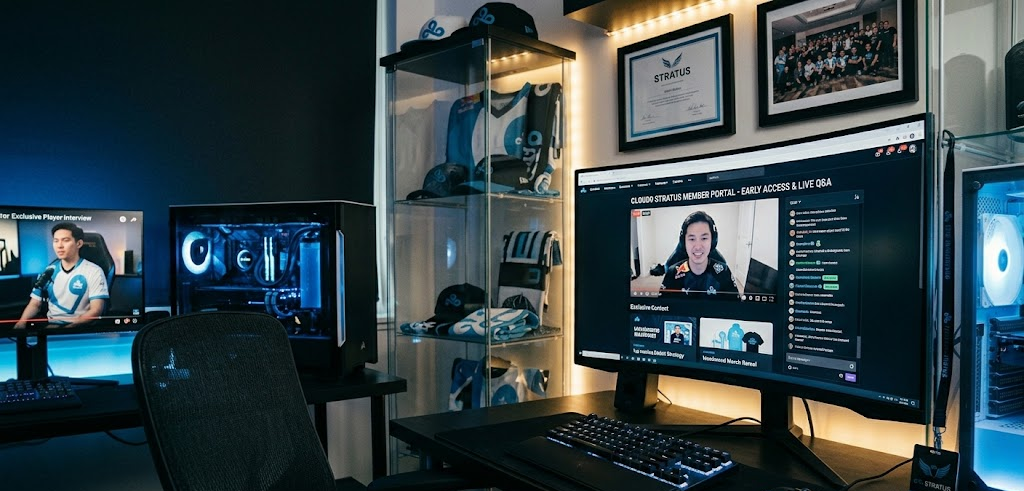
Cloud9’s Stratus program points to another small but interesting shift. Some fans want more than a hoodie or a jersey, they want access, early information, exclusive content, and the feeling that they are closer to the team than everyone else. Paid memberships are not new in sports, but esports has had to figure out what that looks like when most of the relationship already happens online. The challenge is making the membership feel useful without turning basic fandom into a paywall. When it works, it gives the most committed fans a place to gather.
Making Sponsorships Feel Like Shows
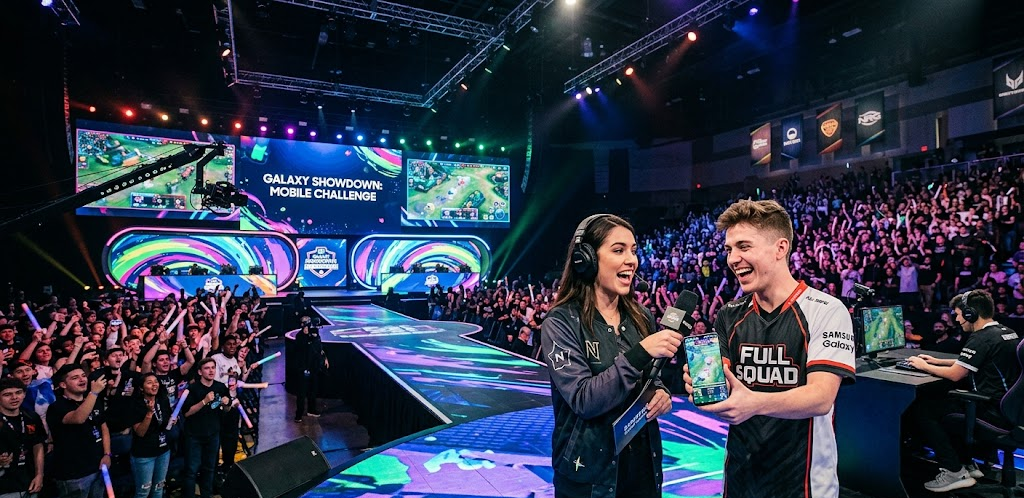
The old esports sponsorship playbook was often not very subtle. Put a logo on the jersey, mention the brand during a stream, maybe run a giveaway. More organizations are now trying to package brand deals as content people might actually choose to watch. NRG and Full Squad Gaming’s work with Samsung Galaxy is one example, mixing mobile gaming, creator-led shows, and college events rather than relying only on ad placement. It is still advertising, of course. The better versions just understand that gaming audiences can smell lazy marketing very quickly.
Becoming Broader Culture Brands
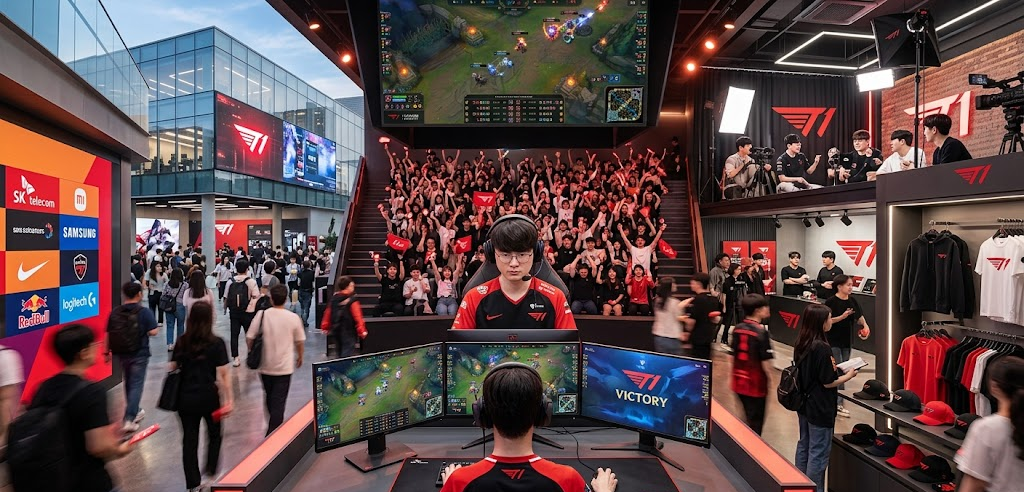
T1 is still, first of all, a competitive powerhouse, especially because of its long connection to League of Legends and Faker. But the organization’s reach now sits in a much wider space: content, global fandom, sponsor storytelling, merchandise, and the kind of player mythology that entertainment companies understand very well. T1 does not need to stop being an esports team to become something larger. That is the point. The strongest brands in the space are learning how to let competition feed media, and media feed competition, without pretending they are separate worlds.
Esports organizations are not all moving in the same direction, and some of these experiments will age better than others. A clothing drop can miss, a creator roster can lose momentum, and a media studio can become expensive if the audience is not there. Still, the trend is hard to ignore. The teams that last are increasingly the ones that know what to offer fans when there is no match on.
Continue Reading: 12 Most Successful Esports Teams of All Time