Video game marketing has never been a quiet business. Publishers have faked protests, staged crime scenes, mailed suspicious packages, and generally treated public attention like something you can trap if you make enough noise. Sometimes the stunt helps. Sometimes it becomes the only thing people remember, which is not always the same as success. These campaigns crossed that line in different ways, and the aftermath was often messier than the pitch probably sounded.
Sony’s fake PSP fan blog was caught almost immediately
r/psp
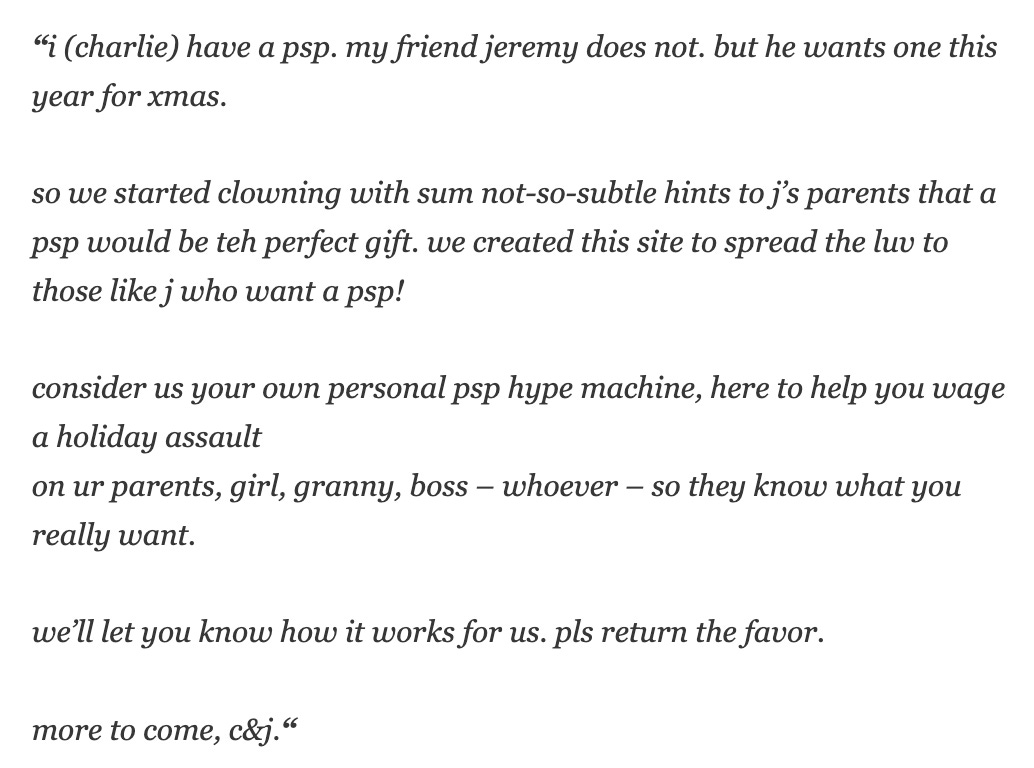
Sony wanted the PSP to feel like the thing kids were begging for in late 2006, so a site called “All I Want for Xmas is a PSP” appeared online. It was presented as a homemade blog by two friends, complete with an awkward rap video and painfully forced slang, but readers quickly noticed that nothing about it felt homemade. The site was traced back to Zipatoni, an agency working with Sony, and the company eventually admitted the whole thing with a jokey “Busted” message. Instead of making the PSP look cool, it made Sony look like it had underestimated the internet by several miles.
The white PSP ad carried the wrong message
r/nostupidquestions
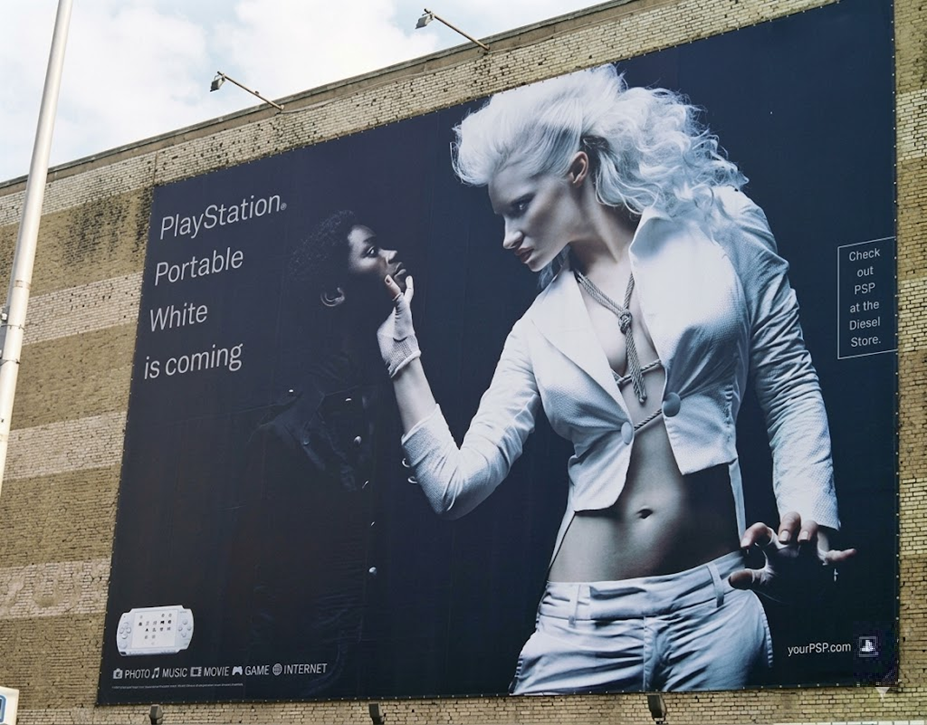
The concept was simple enough on paper, a white PSP model replacing the older black one. The execution, used in the Netherlands in 2006, showed a white woman gripping the face of a Black woman in a way that turned the product contrast into something far uglier. Sony said the campaign was about color, not race, but that explanation did not land well once the image started circulating. The ads were pulled, and the incident stayed attached to the PSP as one of those examples of a visual metaphor that should have been killed in the first review meeting.
God of War II had a launch party nobody wanted to defend
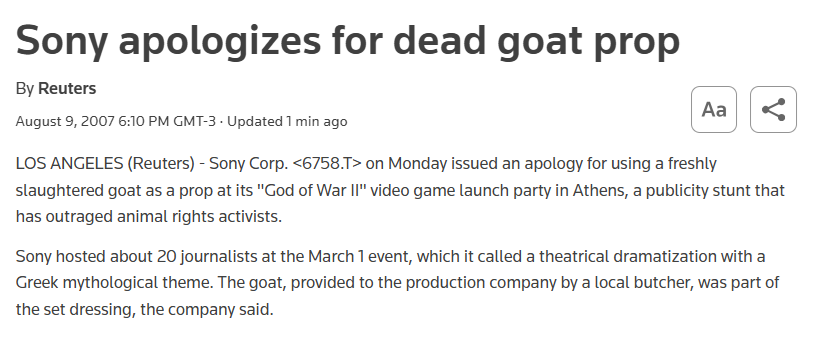
For God of War II, Sony tried to give the European launch a bit of ancient Greek excess. At an event in Athens, that included a dead, decapitated goat used as part of the atmosphere. Photos later appeared in Official PlayStation Magazine, animal-rights criticism followed, and Sony apologized. The magazine issue was recalled and reprinted without the images, which says plenty about how the stunt aged after people outside the room saw it.
Dante’s Inferno turned fake outrage into real irritation
r/todayilearned
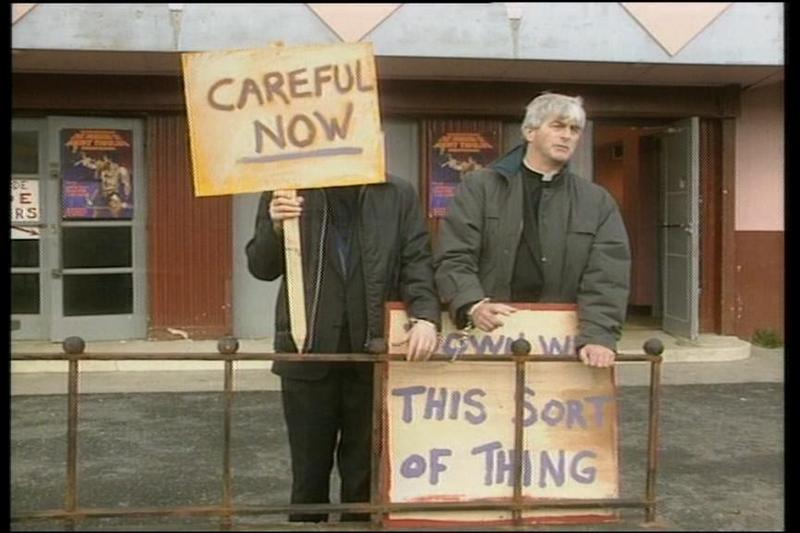
EA’s Dante’s Inferno campaign seemed convinced that controversy could be managed like a checklist. First there was a fake religious protest at E3 2009, staged to look like moral panic over the game. Then came the “Sin to Win” contest at San Diego Comic-Con, where attendees were encouraged to commit acts of “lust” with booth models for a chance to win. The backlash was quick, especially because the whole thing felt less like satire and more like a publisher trying to borrow edginess from everyone around it. EA apologized, but the campaign kept following the game around longer than many of its actual design ideas did.
Ubisoft sent a safe, and Australia called the bomb squad
The Guardian
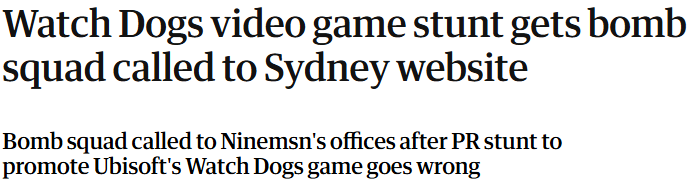
The Watch Dogs press kit had the kind of logic that only works if everything goes perfectly. Ubisoft sent a black safe to Ninemsn in Australia, tied to a voicemail clue and the game’s hacking theme. Inside an office, though, a mysterious safe is not a playful puzzle, it is a security problem. Staff were evacuated, police were called, and the bomb squad handled the package. Ubisoft apologized afterward, which was about the only available move once the marketing beat had turned into an emergency response.
Trending on realmoneygamer.com

Splinter Cell’s fake gun stunt became a real police incident
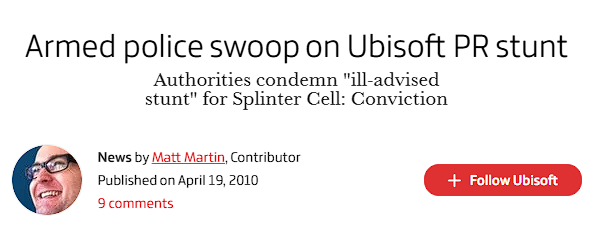
A promotion for Splinter Cell: Conviction in New Zealand put an actor with a fake gun near Auckland’s Viaduct Basin. People nearby did not interpret it as a bit of spy-game theater. Armed police responded, the stunt was stopped, and the campaign instantly became a local news story for the wrong reason. It is a strange kind of failure when the public reacts realistically and that is exactly what ruins the idea.
Homefront’s balloons ended up in the bay
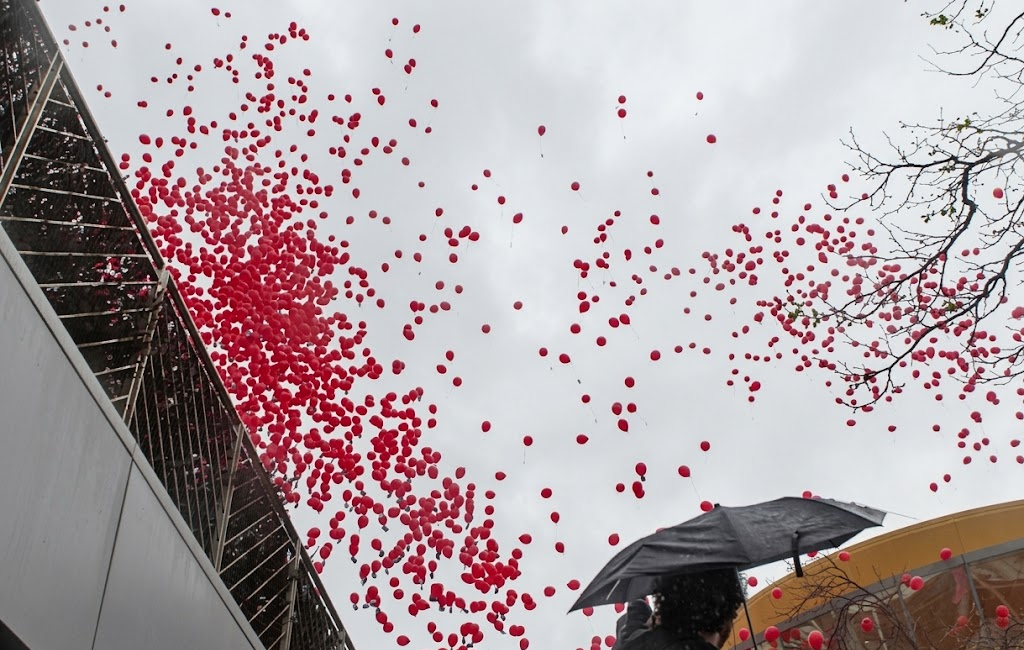
THQ tried to make Homefront feel political and urgent during GDC 2011 by releasing thousands of red balloons over San Francisco. The visual was meant to connect to the game’s Korean invasion premise, but many of the balloons drifted into San Francisco Bay, where environmental concerns quickly overtook whatever message the company had in mind. GameStop distanced itself from the stunt, and the agency behind it was later fined. For a campaign about occupation and resistance, the takeaway somehow became litter.
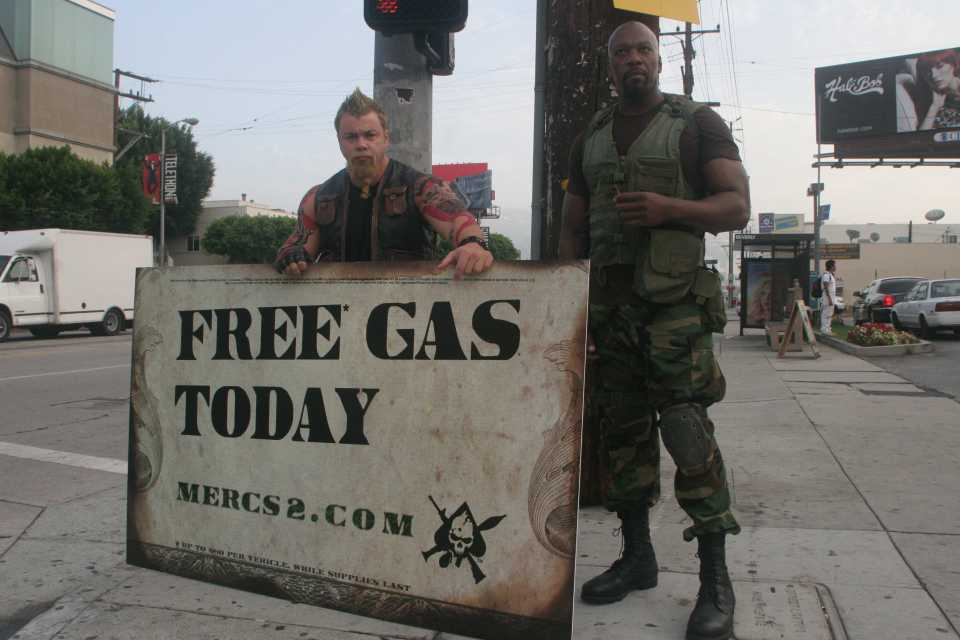
Mercenaries 2 gave away petrol and jammed London traffic
Game Revolution
EA’s Mercenaries 2 promotion had a blunt hook, the game involved oil, so the publisher gave away free petrol in London. Drivers showed up in large numbers, traffic built up around the station, and the whole thing was shut down after only a few hours. Local officials were not amused. As a piece of marketing, it was easy to understand, which may have been the problem, because everybody else understood the offer too.
Hitman: Absolution made assassination social, briefly
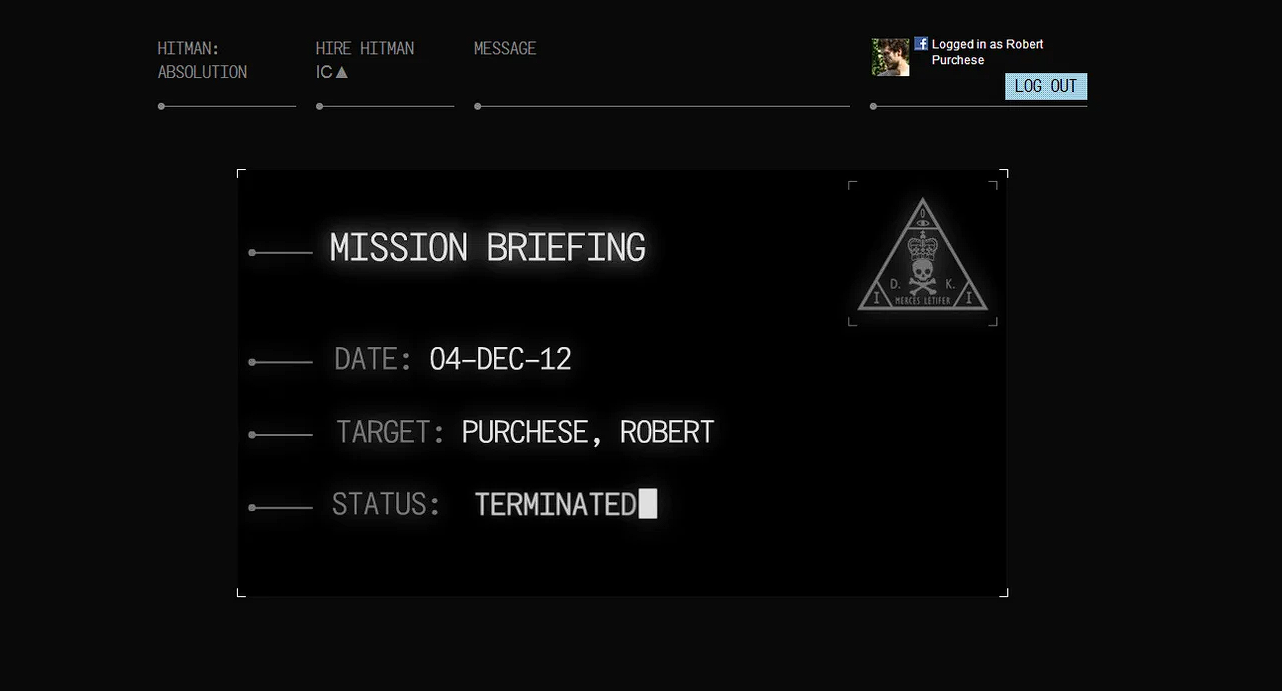
Square Enix’s Facebook app for Hitman: Absolution let users place fake hits on friends. That already sounds risky, but the app also added personal insults based on traits like appearance or habits. It was pulled the same day after criticism that it felt more like harassment than promotion. The apology admitted the campaign had missed the mark, and for once the PR wording was hard to improve on.
Acclaim offered to pay speeding tickets for Burnout 2
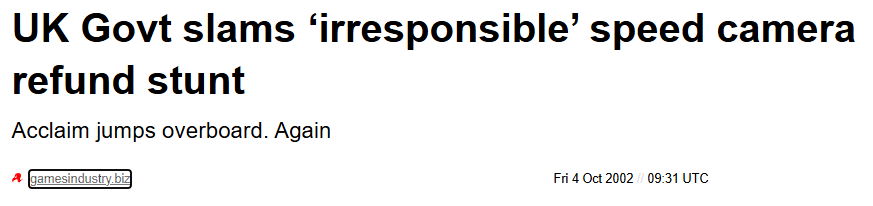
Acclaim had a long history of marketing ideas that sounded designed to annoy somebody. For Burnout 2: Point of Impact, the company said it would pay UK speeding fines issued on launch day. Road-safety groups and officials objected, because rewarding real speeding to promote an arcade racer was not exactly a subtle ethical puzzle. Acclaim withdrew the offer, but the headline had already done its job, for better or worse.
Shadow Man: 2econd Coming tried advertising on gravestones
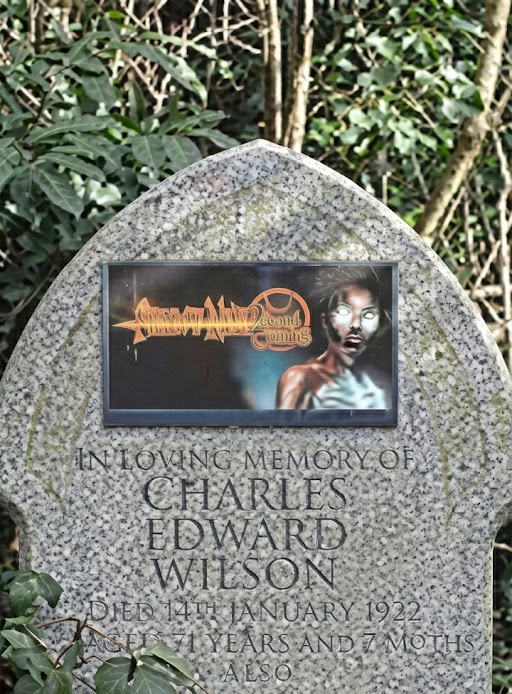
The phrase “Deadvertising” probably should have been warning enough. To promote Shadow Man: 2econd Coming, Acclaim floated the idea of paying people to put ads on real gravestones. It matched the game’s death-soaked subject matter in the most literal possible way, but that did not make it any less grim. The plan drew criticism and became another entry in Acclaim’s strange catalogue of stunts that seemed to confuse shock with persuasion.
BMX XXX confused controversy with demand
r/giantbomb
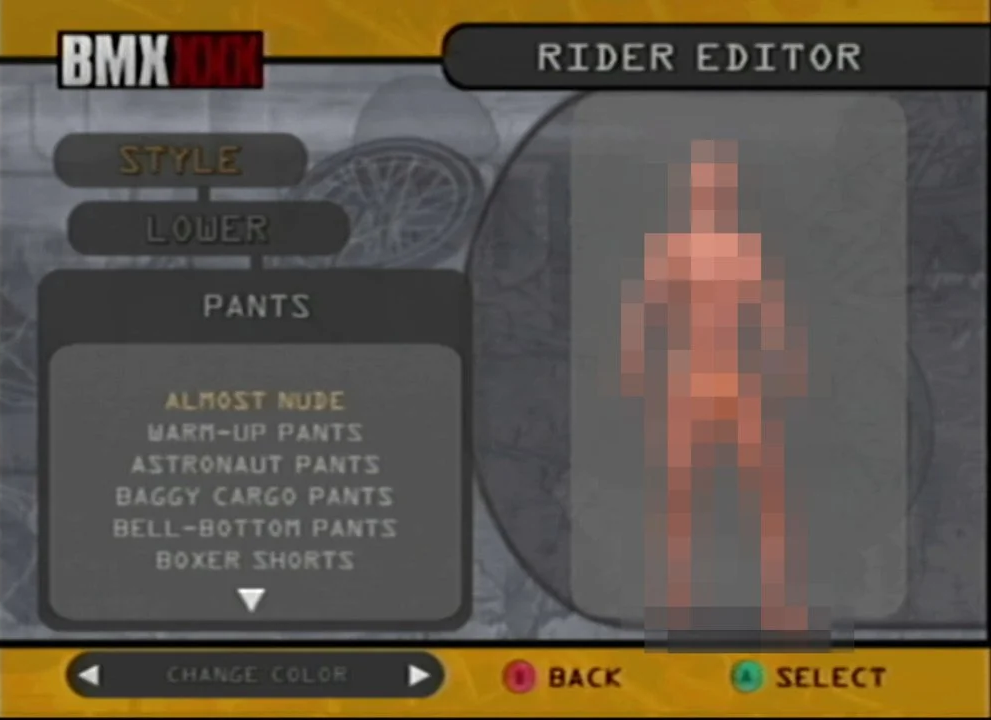
BMX XXX was marketed like a dare. Acclaim leaned into nudity, crude humor, and the idea that being banned or rejected would somehow make the game more desirable. Major retailers, including Wal-Mart and Toys “R” Us, refused to stock it, and the PlayStation 2 version had to deal with content changes. Dave Mirra, whose name had been connected to the project earlier in development, later sued over the association. The game sold poorly, which made the whole campaign feel less rebellious in retrospect and more like a business plan built around people getting offended.
Resident Evil 6 opened a fake human butcher shop
r/gaming
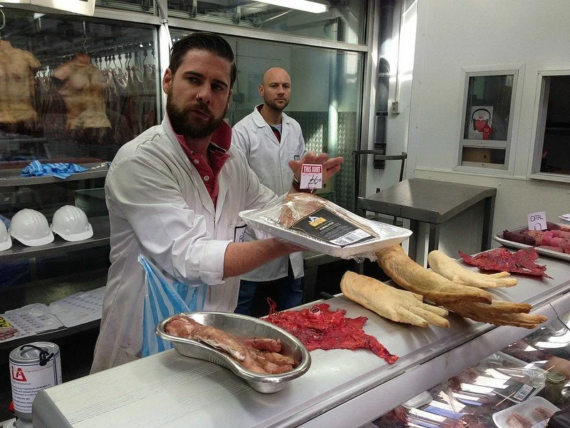
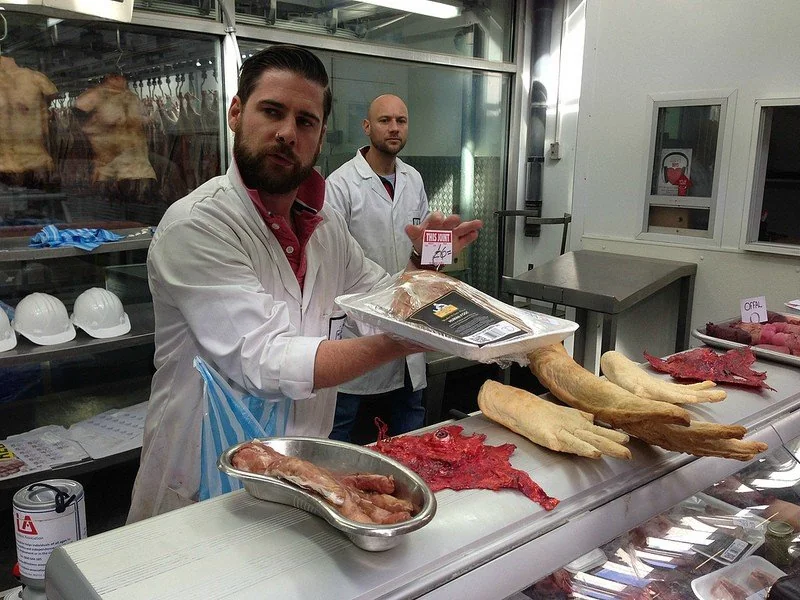
Capcom’s UK team promoted Resident Evil 6 with the Wesker & Son “Human Butchery” pop-up in London’s Smithfield Market. It displayed meat shaped like human limbs and organs, which was on-theme for a horror franchise but still a lot to drop into a public market. Some fans appreciated the craft of it, others saw it as a gross-out stunt first and a game ad second. That ambiguity was probably part of the point, although it did not make the display any easier to explain to someone just trying to walk through London.
Not all of these campaigns failed in the same way. A few got attention, and some may even have helped their games stay in the conversation for a little longer. But there is a difference between being talked about and being remembered kindly. Game marketing often wants to feel fearless, but the bad stunts usually share the same problem, they forget that the audience is not trapped inside the campaign.
Continue Reading: 10 Times Players Organized and Actually Forced a Game Company to Change Course