For a long time, women in esports were treated like exceptions before they were treated like competitors. That meant every good result was questioned, every bad result was overread, and every appearance on a major stage somehow turned into a debate about whether they belonged there in the first place. Still, some players pushed through anyway, not by fitting neatly into the scene, but by forcing it to adjust to them. These are ten of the players who kept doing exactly that.
Sasha “Scarlett” Hostyn
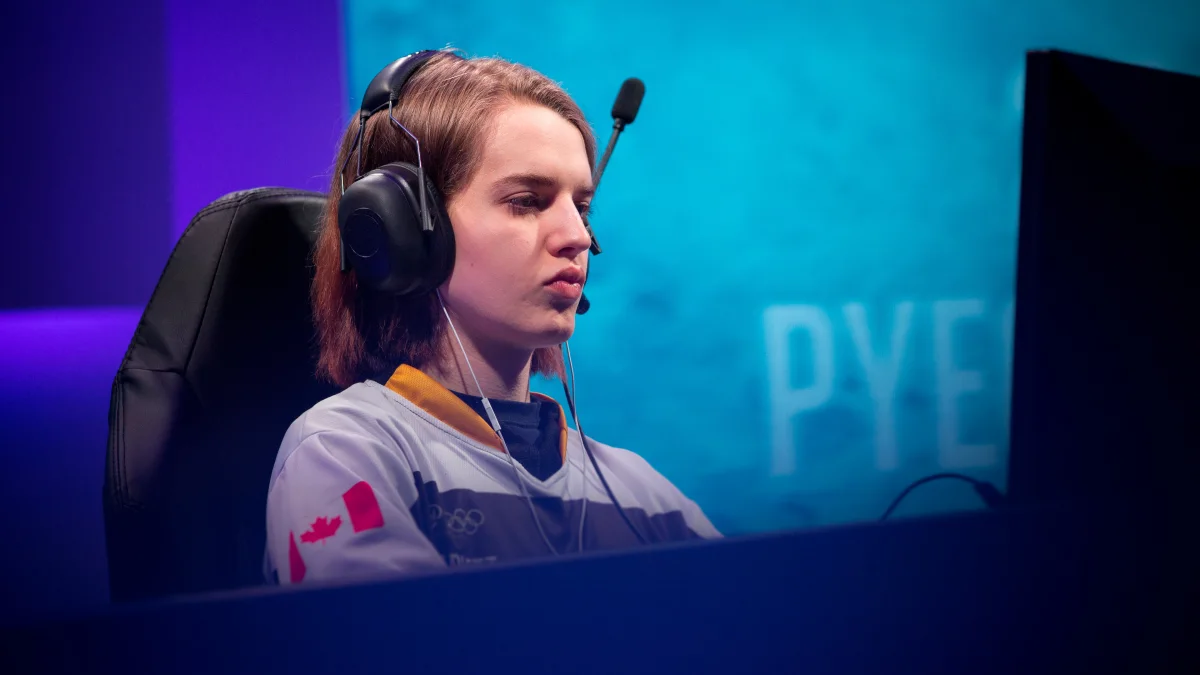
Scarlett never really arrived as a novelty act, and that is part of why her run mattered so much. In StarCraft II, one of the most demanding and relentlessly scrutinized esports in the world, she built a career on beating elite opposition over and over, then made the larger point impossible to dodge when she won IEM PyeongChang in 2018, becoming the first woman to win a Premier-tier StarCraft II event. Before that, she had already stacked up major wins in North America and made her name in Korea-facing competition, which is usually where reputations in that game are either confirmed or exposed. With Scarlett, the old assumption that women could maybe participate but not truly contend just stopped making sense.
Kim “Geguri” Se-yeon
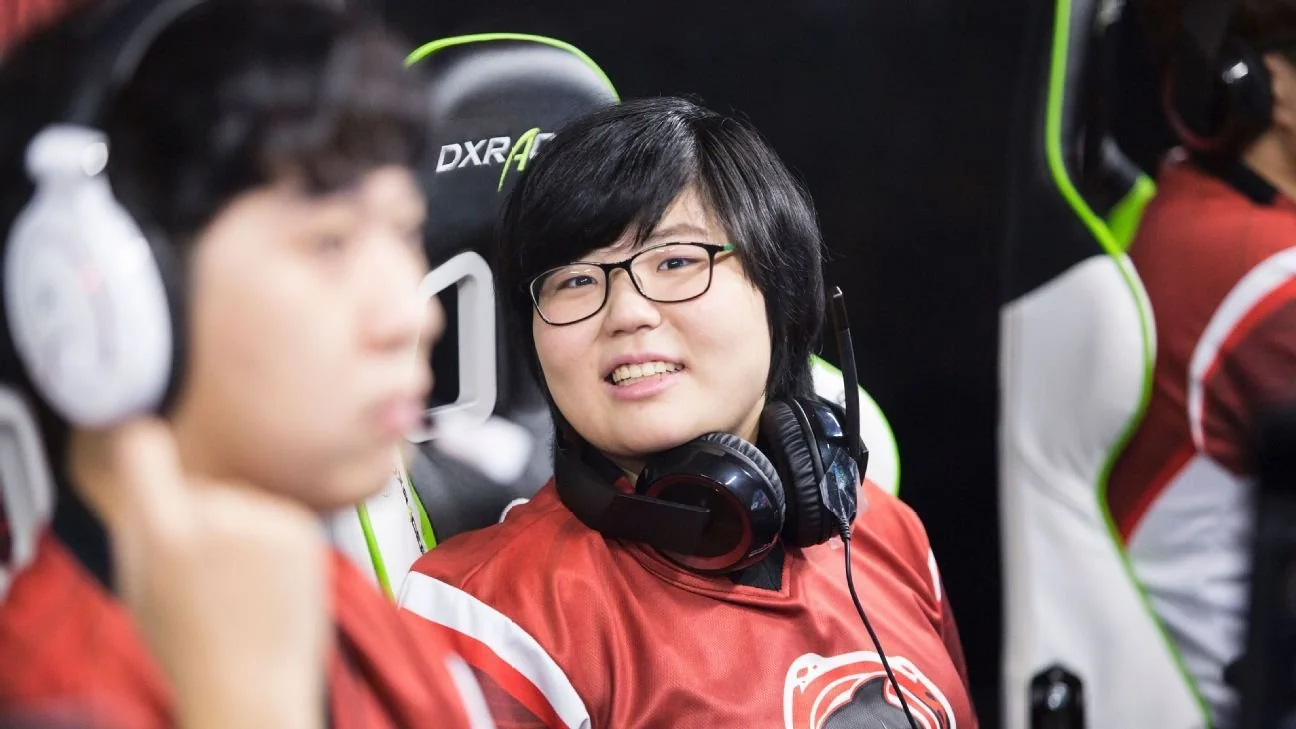
Geguri’s story is remembered for the wrong reason first, which tells you a lot about the scene she came up in. She was so good with Zarya that some players accused her of cheating, only for her to prove herself in a monitored setting with cameras trained on her hands, a humiliating ending for the people who decided a woman playing at that level had to be illegitimate. Then she did something even more important, she kept going, became the first female player in Korea’s APEX competition, and later the first woman to play in the Overwatch League with the Shanghai Dragons.
Xiaomeng “Liooon” Li
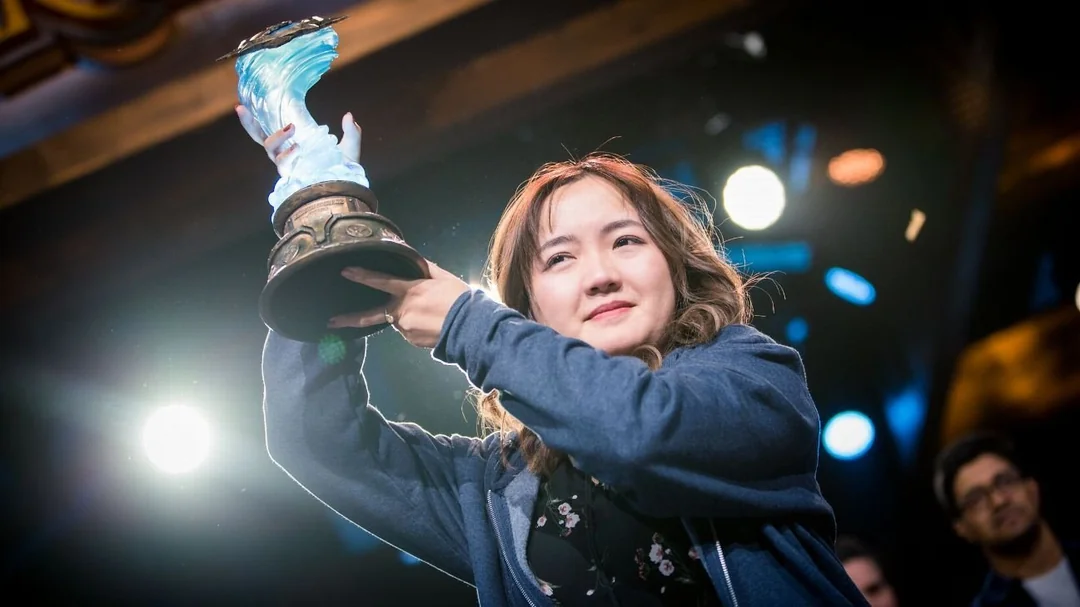
There are esports victories that feel big in the moment, then there are victories that instantly change the way a whole title gets discussed. When Liooon won the 2019 Hearthstone Grandmasters Global Finals, she became the first woman to win a Hearthstone world championship level title, and she did it on one of the game’s biggest stages, not in a side bracket or a symbolic event. Her winner’s speech landed because it was blunt and earned, especially the part about striking back at people who doubted her only because she was a girl.
Katherine “Mystik” Gunn

The early 2010s esports scene could be strangely selective about what counted as “real” competition, and women usually ended up on the wrong side of that gatekeeping. Mystik pushed through that era by being visible, successful, and hard to dismiss, especially after her run on the second season of WCG Ultimate Gamer and the years that followed. By 2016, Guinness had recognized her as the highest-earning female gamer, a record that said as much about the small number of women who had been allowed to thrive as it did about her own results. She was one of the first players whose career made mainstream audiences realize there was money, pressure, and real professional structure in gaming, and that women were part of that picture whether people were ready for it or not.
Rumay “Hafu” Wang
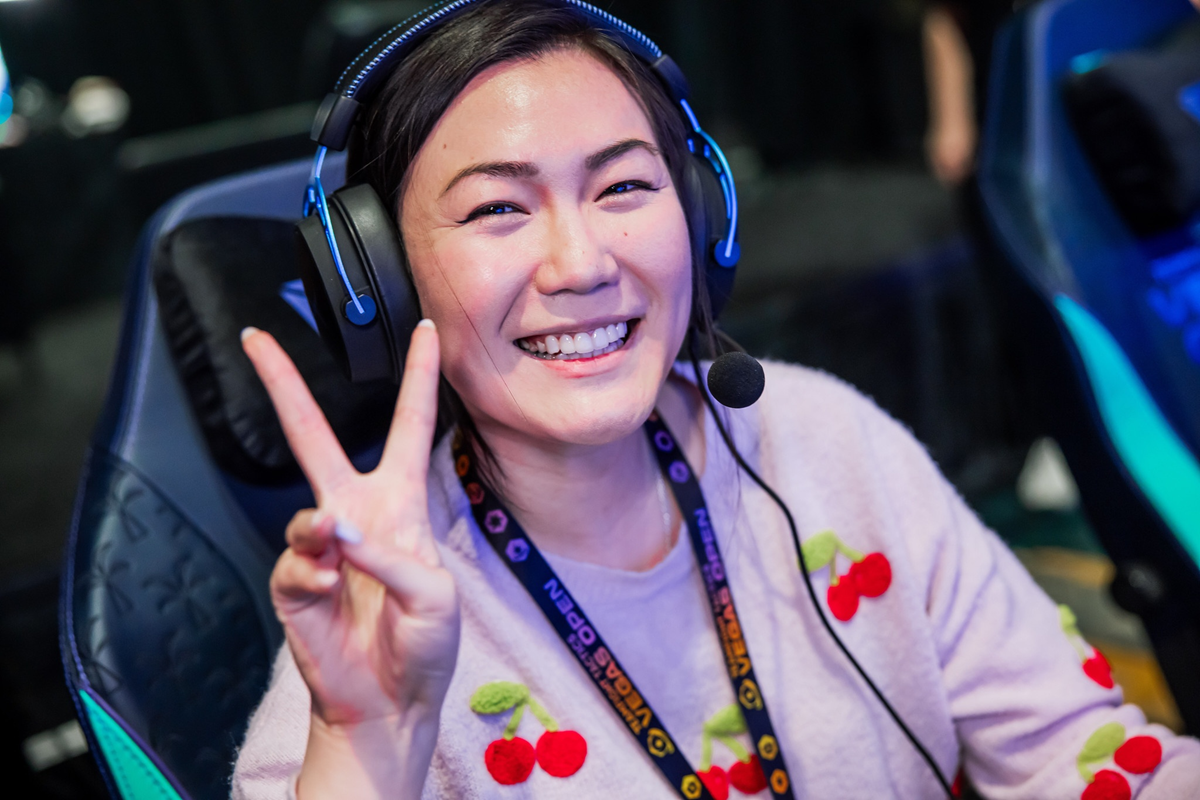
Hafu mattered before a lot of people knew how to talk about that kind of influence. She came up through World of Warcraft, won at BlizzCon in 3v3 Arena, added a DreamHack title in Bloodline Champions, and later became one of the most recognizable names around Hearthstone and auto-battlers, which meant she kept surviving genre shifts that wash out most players. What made her barrier-breaking was not one isolated first, but the fact that for years she was simply there, in competitive spaces that were overwhelmingly male, playing at a high level and building an audience that treated skill as the least surprising thing about her.
Trending on realmoneygamer.com


Stephanie “missharvey” Harvey
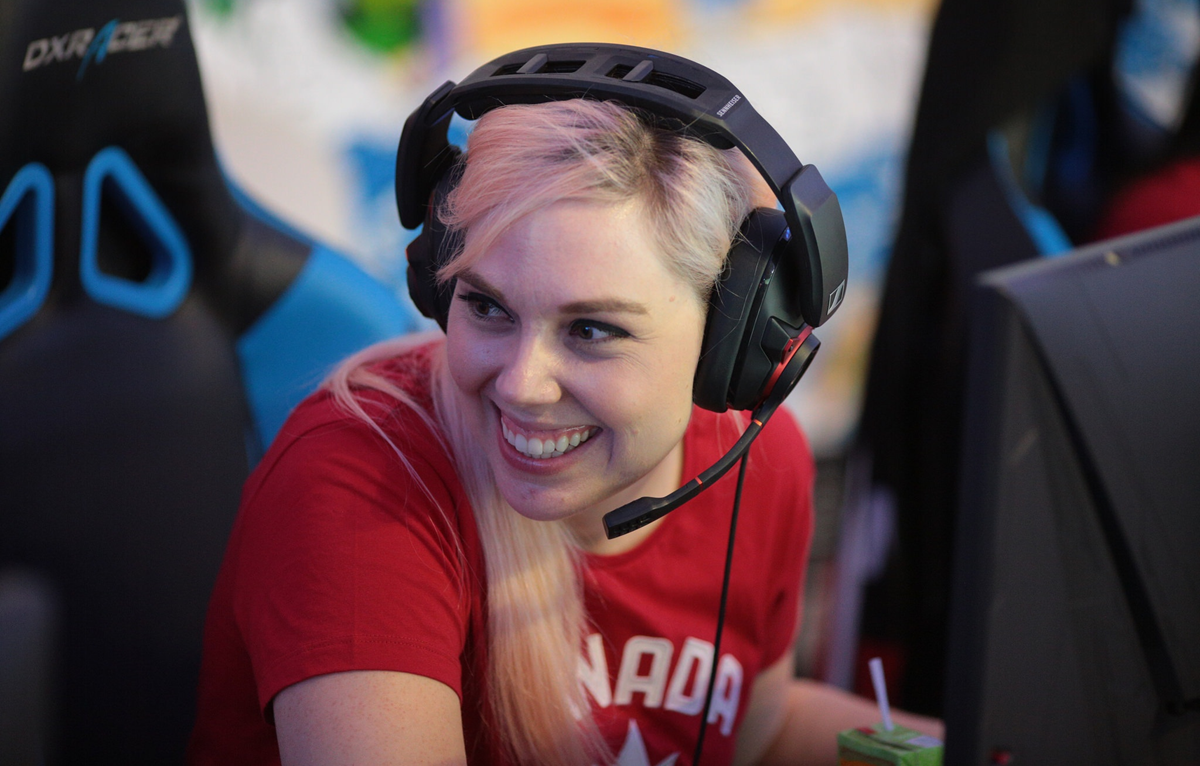
Counter-Strike has never been especially generous to women who wanted a full place in its culture. Missharvey still carved out one anyway, first through years of competition across Counter-Strike eras, then by becoming one of the most familiar women attached to the scene in any role, player, coach, broadcaster, executive. Her playing career included multiple women’s world titles, but what made her hard to ignore was her longevity and the way she kept reappearing in meaningful positions inside a game that has a habit of reducing women to temporary stories. She helped make it normal to imagine women not just in women’s events, but in the broader architecture of top-level Counter-Strike.
Ricki Ortiz
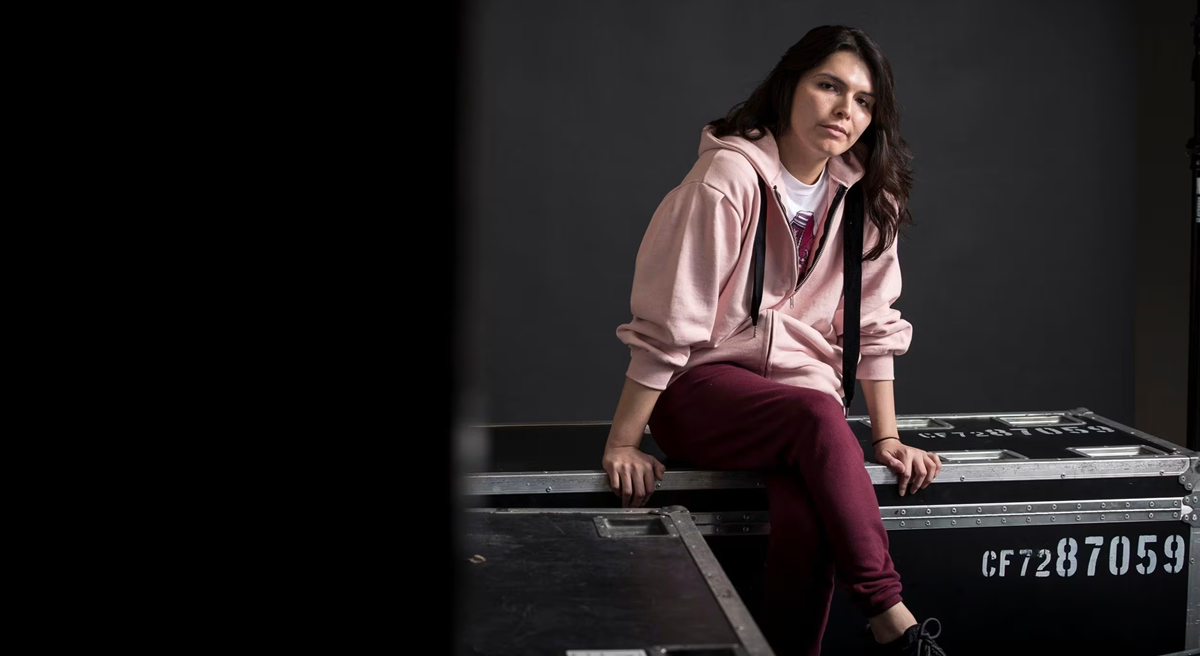
Fighting games have always liked to tell themselves they are pure meritocracies, open bracket, no excuses, just show up and win. That idea sounds cleaner than the actual culture has often been, and Ricki Ortiz’s career is one of the clearest examples of a player succeeding in spite of that gap. Across the 2000s and well beyond, she kept placing at Evo and other major events in multiple games, piling up top eights and runner-up finishes at a time when there were very few women with any real visibility in the FGC. Ricki did not need a manifesto to make a point, her results made it every time she sat down on stage next to another player who assumed the room would naturally be on his side.
Kelsie “Kels” Grieg
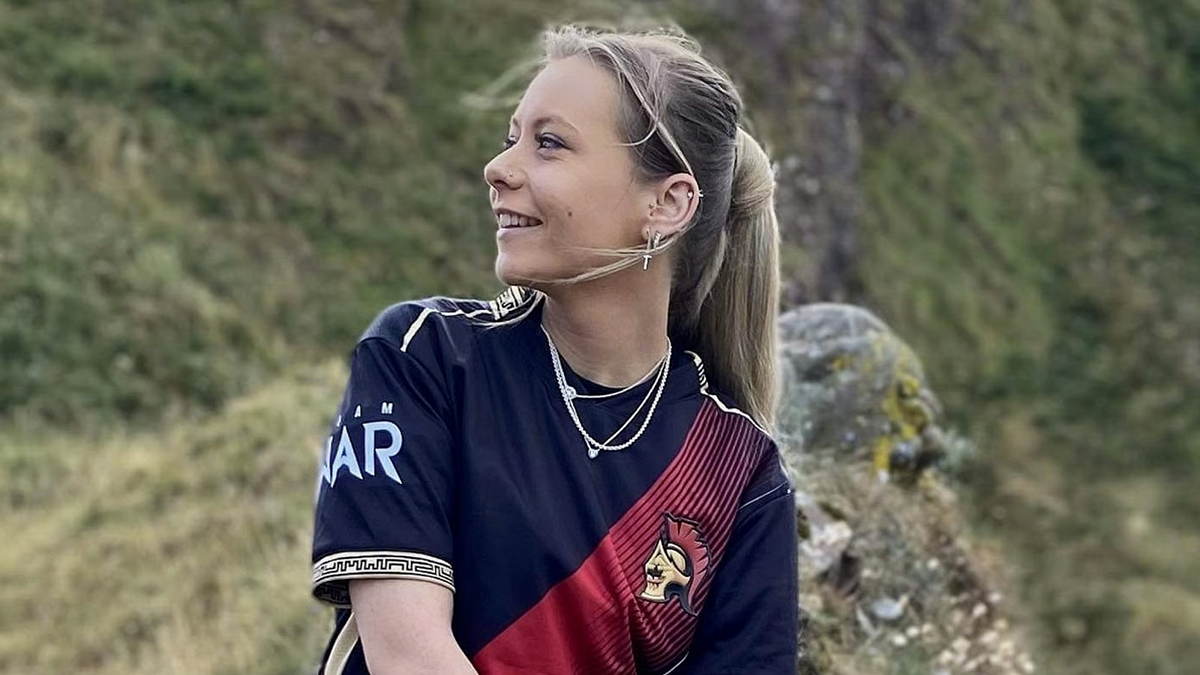
Call of Duty took its time getting here. In 2022, Kels became the first woman to qualify for a Call of Duty Challengers Elite stage, something neither North America nor Europe had seen before. That is a small sentence, but in a scene that had spent years without a single woman breaking into that level, it landed like a spotlight on how overdue the moment was.
Jeannail “Cuddle_Core” Carter
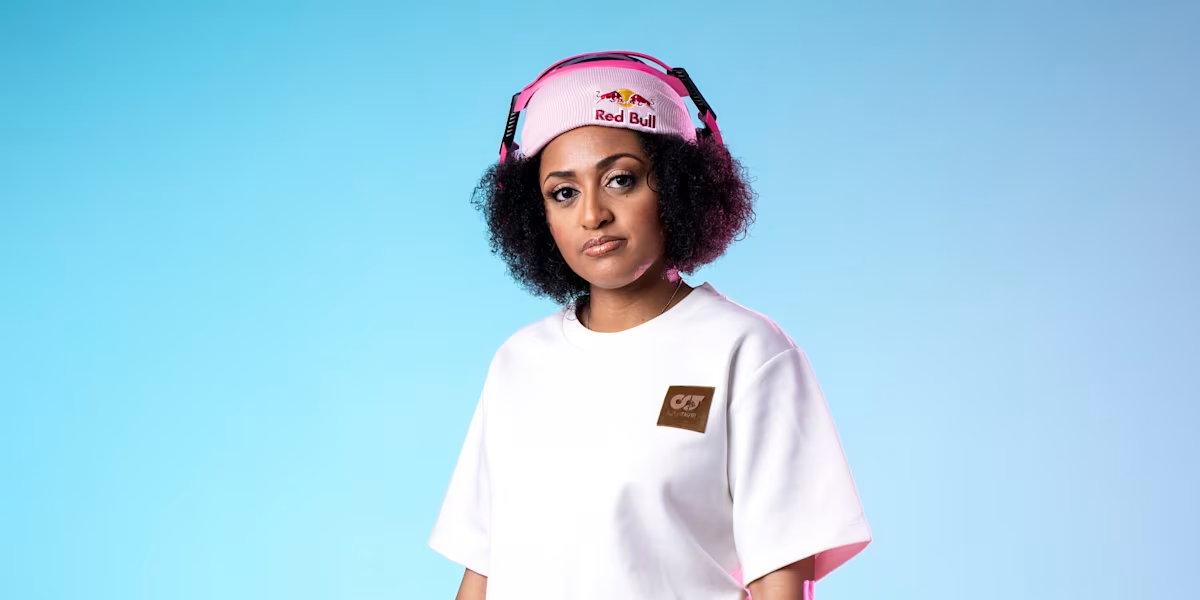
Some players change the look of a scene just by refusing to stay in the background it quietly assigned them. Cuddle_Core has done that in Tekken, where her rise from smaller events to a major name on the tournament circuit turned her into one of the clearest examples of how much talent the fighting game community leaves under-celebrated until somebody forces the issue. Red Bull described her as a pioneer, and that feels fair, not because she was asking for symbolic recognition, but because she kept producing enough presence, enough talk value, and enough tournament credibility that representation stopped being an abstract panel discussion and started looking like an actual competitor with matchup knowledge and stage composure.
Ana “ANa” Dumbravă
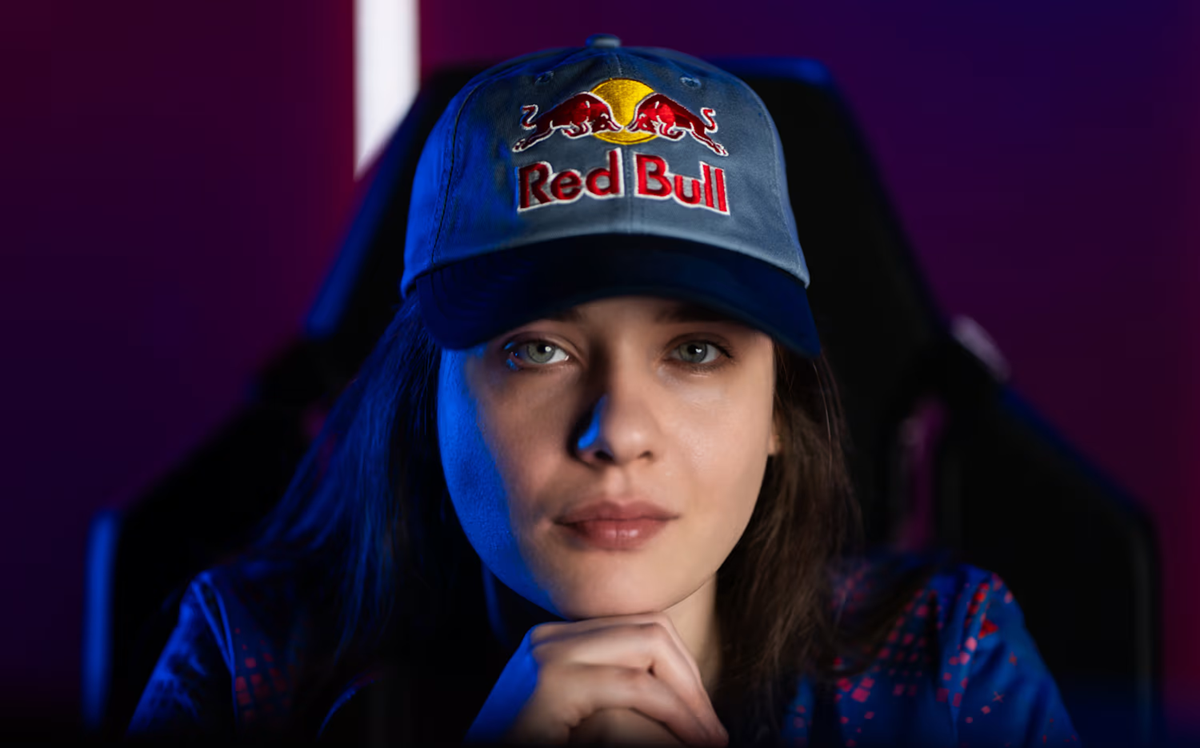
ANa represents a newer kind of barrier-breaker, the player who arrives after earlier pioneers and still finds that the wall is very much there. She became HLTV’s Women’s Player of the Year in 2022, 2023, and 2024, and has been open about wanting to narrow the gap between women’s Counter-Strike and the wider scene instead of pretending the divide is natural or permanent. In other words, her career is not just about winning inside the structure available to her, it is about questioning why that structure is still so limited.
Ksenia “vilga” Klyuenkova
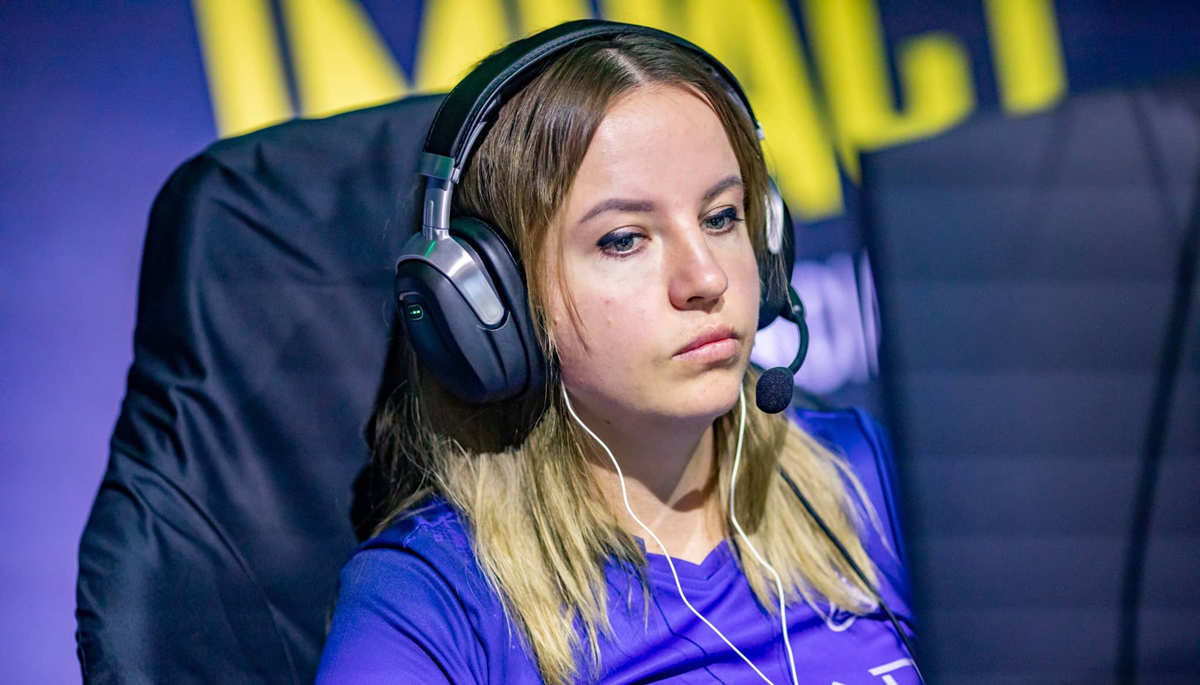
Vilga’s version of persistence looks different, and maybe that is why it stands out. She stayed relevant across versions of Counter-Strike, remained a central figure in women’s CS for years, and helped lead teams in a scene where female players were often expected to be marketable first and tactically respected second. By the time Nigma Galaxy were sweeping major women’s LANs in 2023, vilga was still there as the in-game leader, which is a good reminder that one of the hardest barriers in esports is not getting in, it is staying in long enough to shape what comes next.
That list could have been longer, and in a better scene it probably would have been harder to narrow down because these stories would feel less rare. What ties these players together is not that they all followed the same path, because they clearly did not. It is that each of them had to deal with an extra layer of scrutiny, and kept competing anyway.
Continue Reading: 15 Video Game Characters Who Were Based on Real People