There are the obvious signs, the console under the TV, the Steam library with an alarming number of entries, the habit of saying “one more match” and meaning forty minutes. But a lot of the clearest tells are invisible to people who do not play games at all. They show up in small reactions, weird bits of vocabulary, and instincts that make no sense outside gaming culture. If you know them, you spot them immediately.
You instinctively check corners, rooftops, and odd little side paths
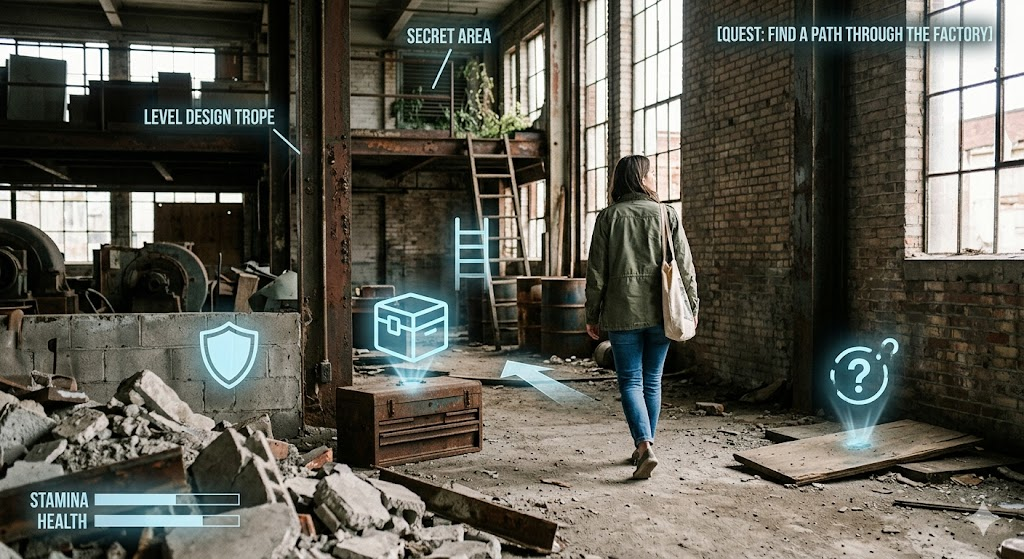
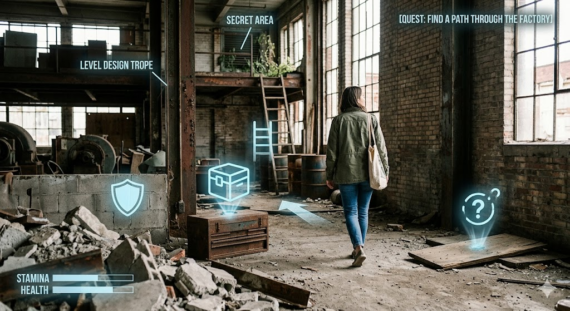
A non-player walks through a room and sees a room. A gamer sees possible loot placement, a hidden collectible, maybe a ladder tucked behind some debris. Years of level design have trained players to notice the geometry of spaces in a very specific way, and it tends to spill over into real life, even if only as a joke. If you are the kind of person who automatically wonders what the developers wanted you to notice, that is a sign.
You understand patch notes like other people understand sports scores
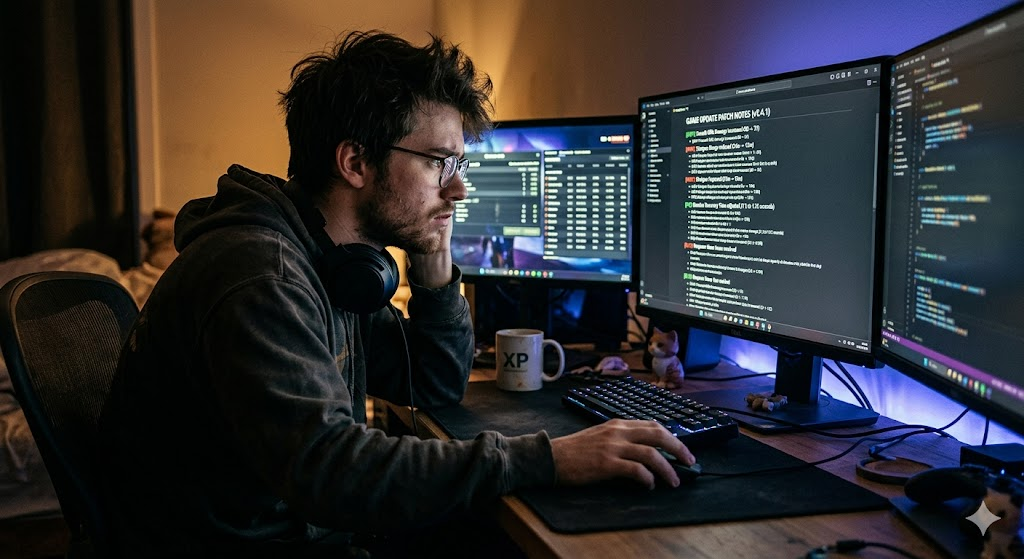
Most people hear that a game got an update and stop there. Gamers want the details, what got buffed, what got nerfed, whether a broken weapon was finally fixed, whether the patch somehow made three other things worse. Reading a line like “adjusted stamina recovery from 1.2 to 1.35 seconds” actually means something to you, and sometimes it can change your whole week.
You can tell when someone says “graphics” but really means art direction
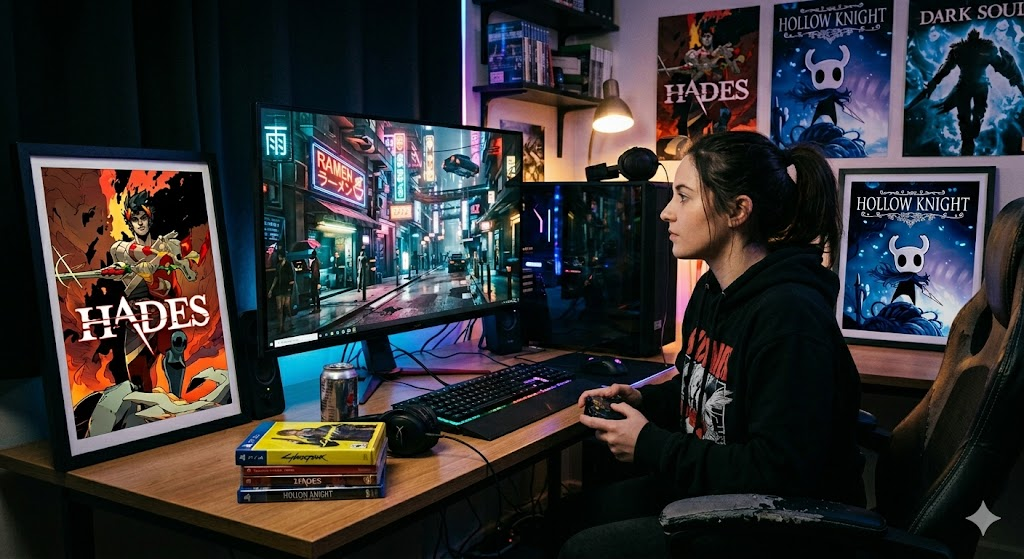
This is one of those things non-players almost never separate. Gamers do. They know the difference between technical fidelity and visual style, which is why a person can admire the lighting in Cyberpunk 2077 and still argue that Hades or Hollow Knight has a stronger overall look. That distinction usually comes from playing enough games to realize that realism is only one lane, not the finish line.
Button prompts stay in your brain longer than they should
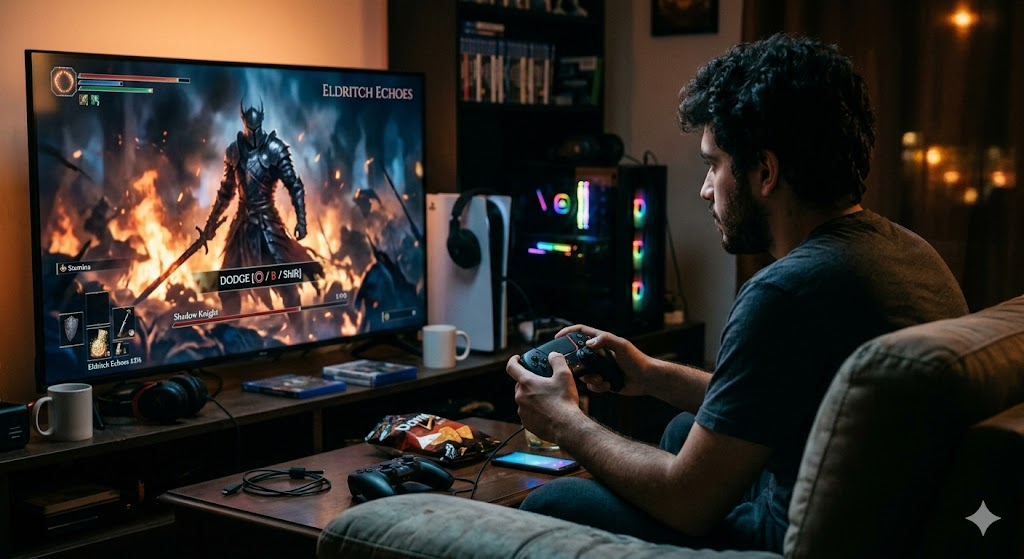
You do not just remember that a game had a dodge move, you remember it was on Circle, or B, or Shift, and that changing it felt morally wrong. That kind of muscle-memory loyalty is hard to explain to people who do not play. It is even stranger when you return to a game after months away and your hands remember before your conscious mind does.
You recognize the sound of a menu cursor immediately
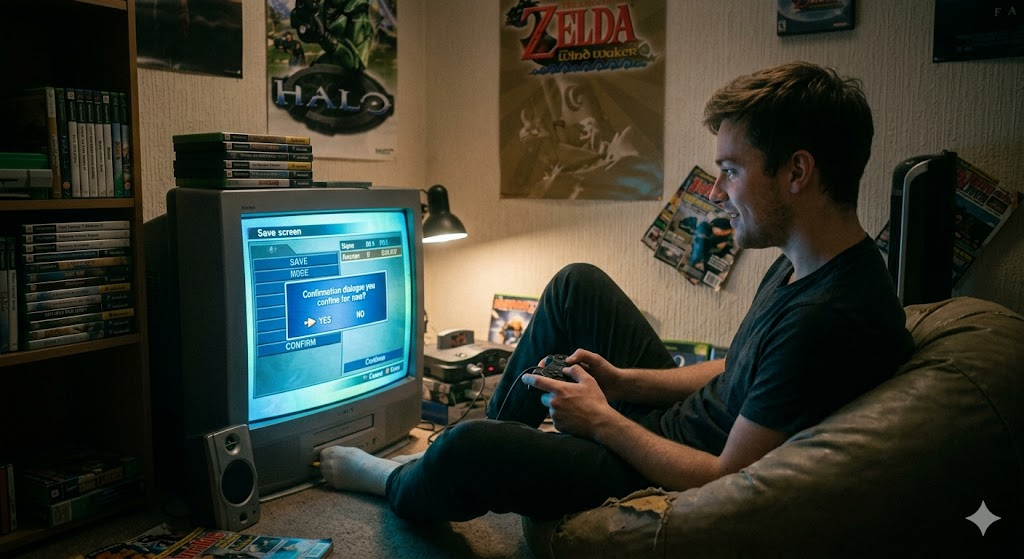
Not music, not a famous line of dialogue, a menu sound. A specific click, chime, or confirm tone can be enough to trigger instant recognition, especially if you grew up in the PlayStation 2, GameCube, or Xbox 360 era. Non-players tend to remember stories or characters, gamers also remember the tiny sounds attached to save screens and inventory tabs.
Trending on realmoneygamer.com
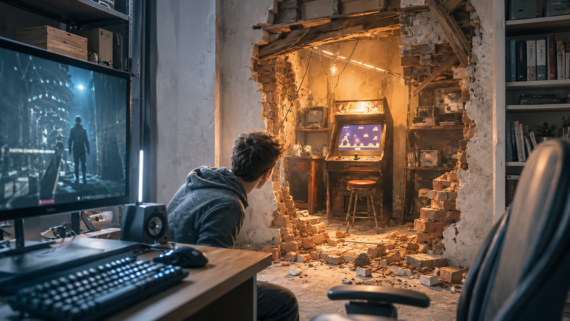
You compare real-world tasks to side quests without thinking
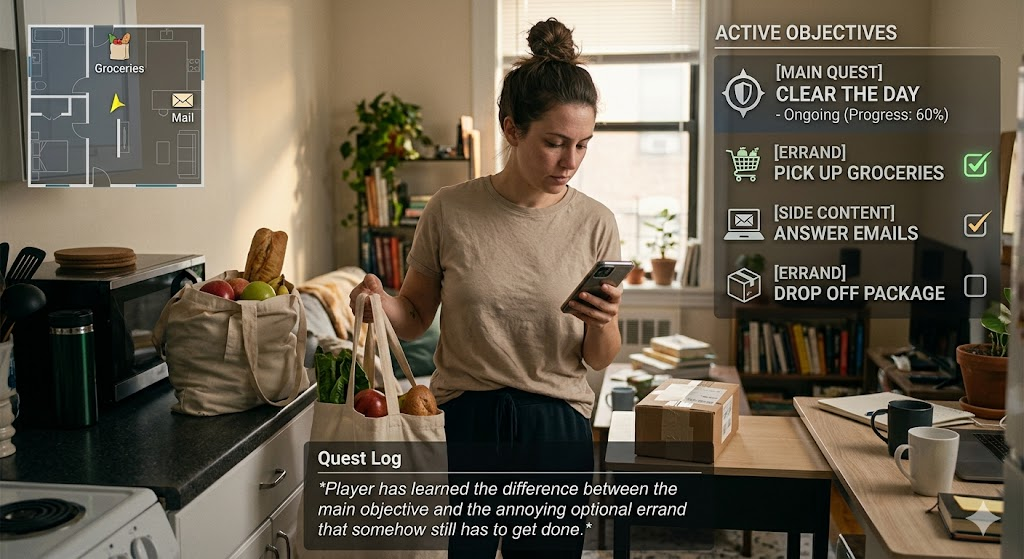
If you have ever described picking up groceries, answering emails, and dropping off a package as “clearing side content,” that is not just a joke, it is a worldview. Games have a way of turning messy daily life into categories that feel oddly manageable. Players know the difference between the main objective and the annoying optional errand that somehow still has to get done.
You know exactly what “this boss has a second phase” feels like
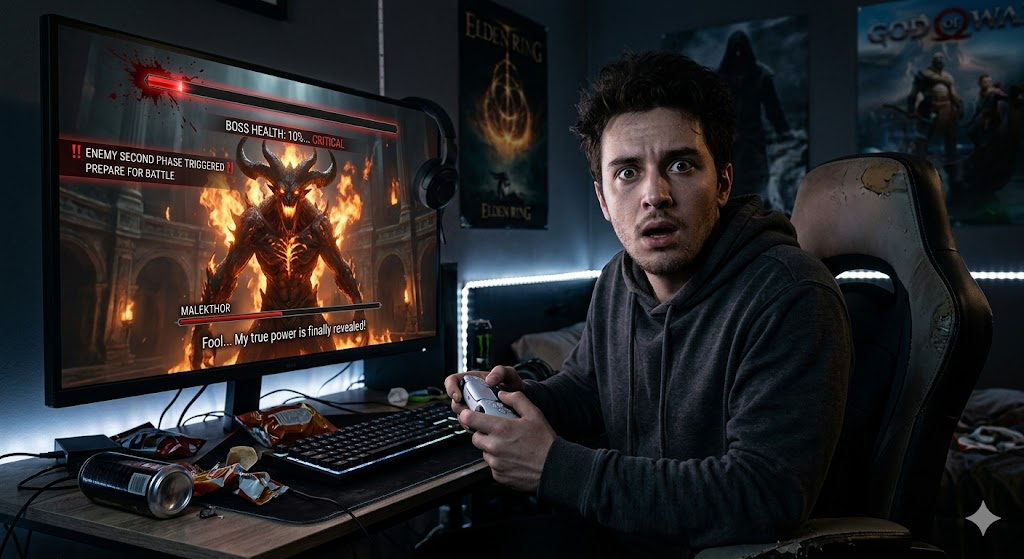
There is a special kind of dread in that sentence, and gamers can sense it before it happens. A health bar drains, the music changes, the cutscene kicks in, and your mood shifts from relief to survival mode in about half a second. People who do not play games understand twists in theory, but they do not have that specific conditioned panic.
You watch hands in movie or TV scenes where someone is “playing”
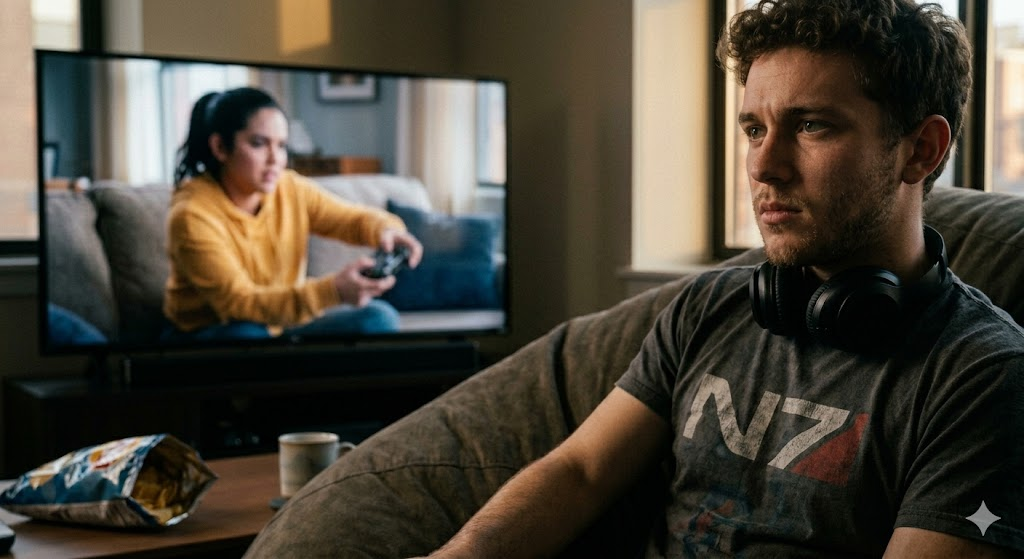
Gamers notice fake gameplay instantly. The wrong grip, random button mashing during a calm scene, a character somehow playing a fighting game with no urgency at all, it stands out right away. Once you have spent enough time with controllers, keyboards, or handhelds, bad screen acting around games becomes impossible to ignore.
You are weirdly patient with repetition when skill is involved
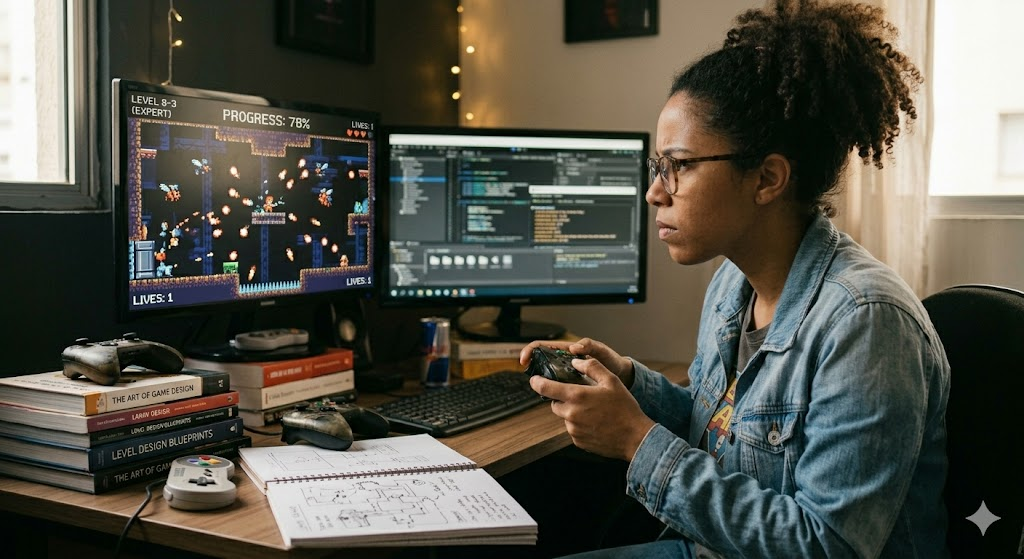
A non-player might look at someone attempting the same level, boss, or run twenty times and see frustration without purpose. A gamer often sees progress hidden inside failure, a better read on timing, cleaner movement, less panic. That mindset has been shaped by everything from old-school platformers to modern roguelikes, and it is one of the clearest signs because it shows up outside games too.
You treat maps as something to read, not just follow
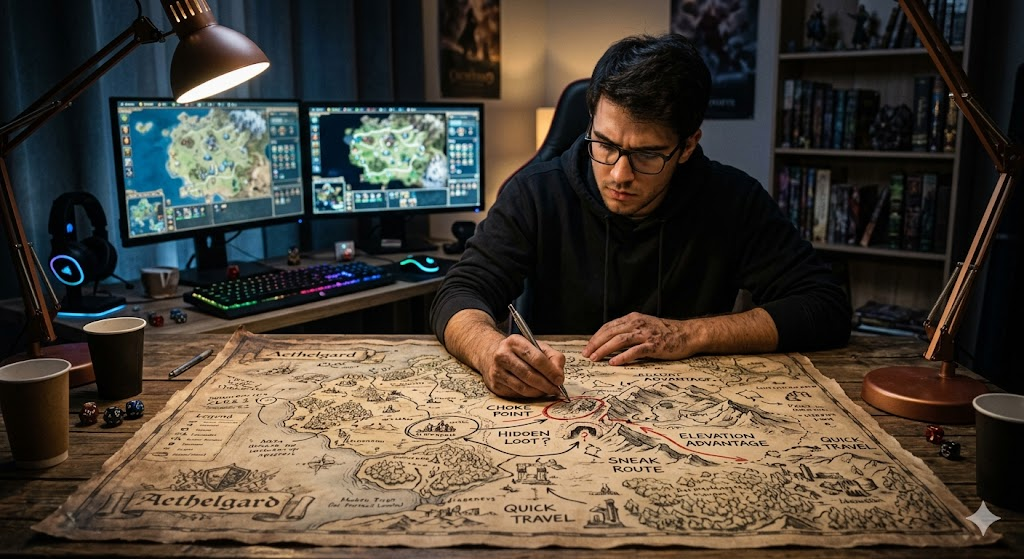
Plenty of people use maps. Gamers tend to interpret them differently. They look for routes, shortcuts, choke points, elevation advantages, and places where somebody definitely hid something useful. Open-world design, strategy games, and years of mini-maps have a way of teaching spatial habits that non-players usually never develop.
You have strong opinions about tutorials
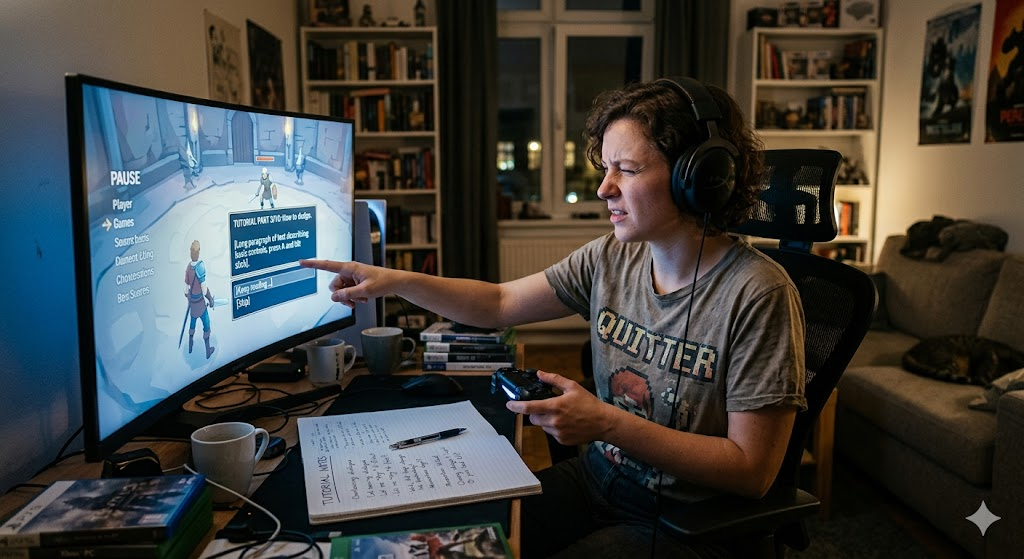
Not just whether a game has one, but how it introduces systems, when it talks too much, and whether it trusts the player enough. Gamers can tell almost immediately when a tutorial is elegant, when it is overbearing, and when it is quietly covering for clumsy design. That kind of sensitivity usually comes from having played through enough openings to know how hard it is to teach mechanics without killing momentum.
You notice frame rate drops even when nobody else in the room does
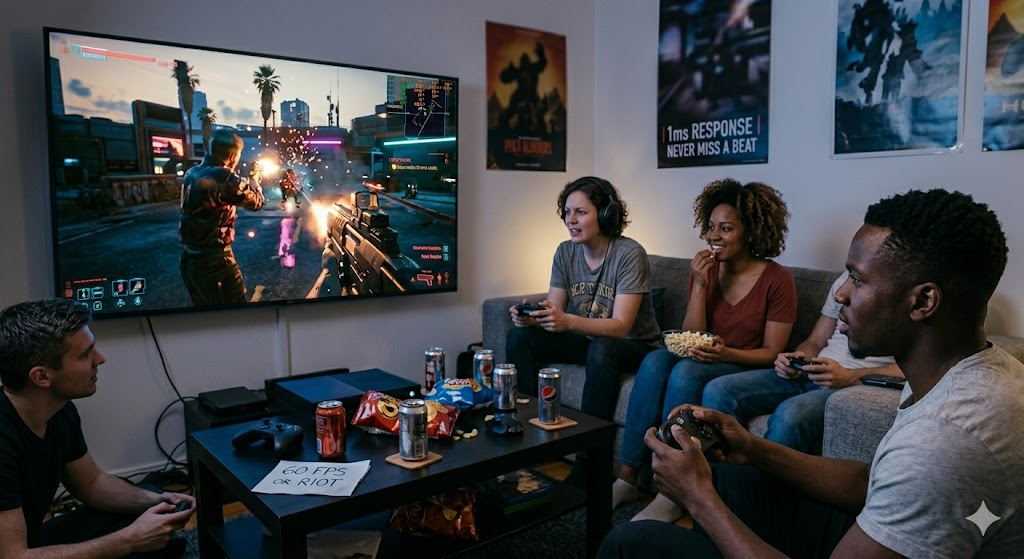
Sometimes it is obvious. Sometimes it is a tiny hitch when the camera swings or a momentary stutter during a crowded fight. Non-players may not register it at all, but gamers often feel it before they can even explain it, especially if they play competitive shooters, racing games, or anything where timing matters. Once your brain locks onto performance, it becomes difficult to turn that awareness off.
You can read gaming body language from across a room
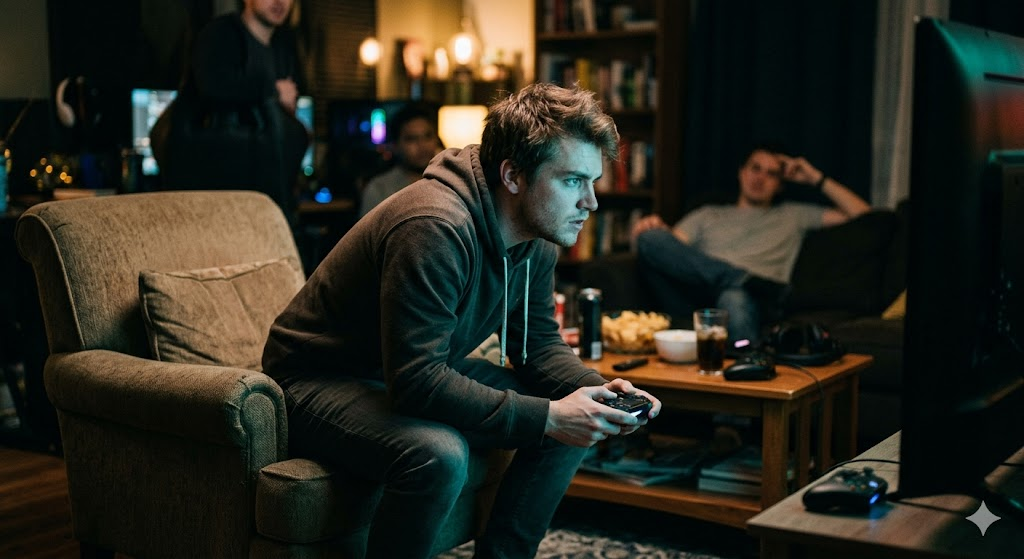
A person leaning forward during a tight section, sitting back during a cutscene, freezing for a second because they are deciding between aggression and healing, these things are legible to other players. It is almost its own social shorthand. You do not need to see the screen to know whether somebody is winning, grinding, lost, or about to blame the camera.
You remember where save points used to be
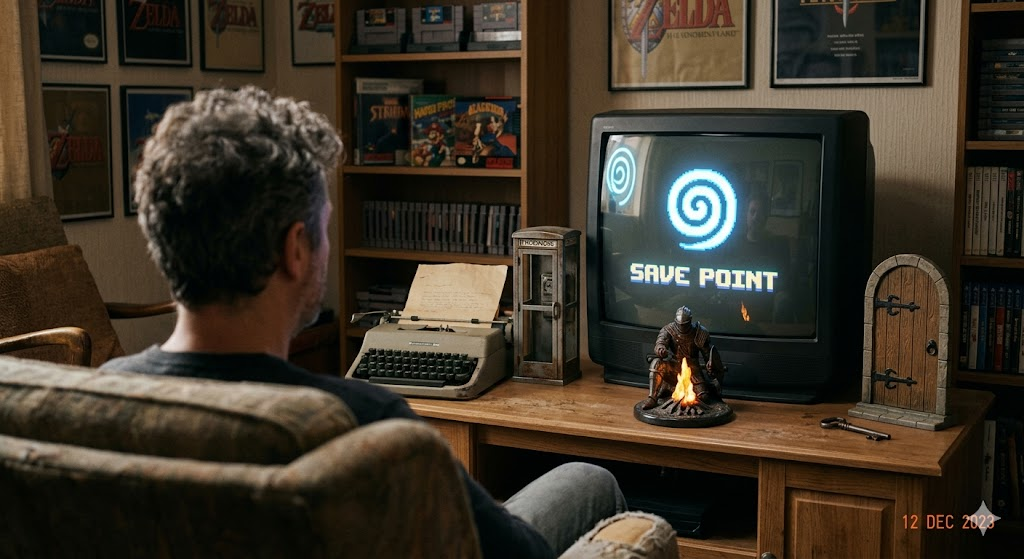
That sounds minor until you realize how old some of those memories are. Players can forget names, plot details, even whole stretches of a game, but still remember the exact room with the typewriter, the glowing statue, the bonfire, the phone booth, the checkpoint door. The emotional relief of finally reaching one tends to burn the location into memory.
You understand that “balanced” and “fun” are not always the same thing
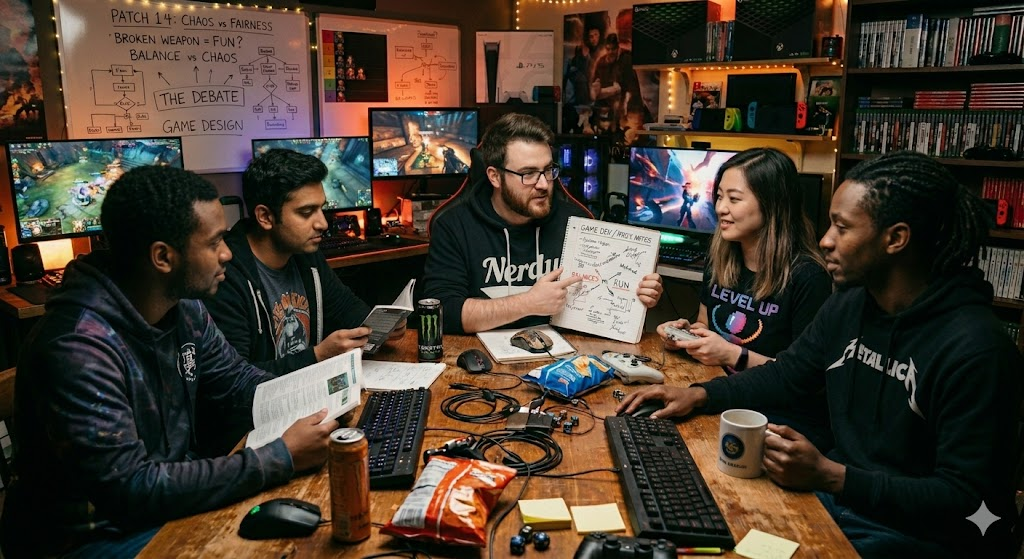
This is a very gamer argument, and it comes up constantly. Sometimes the broken weapon is the reason people love the game. Sometimes a perfectly fair system feels sterile. Players who have spent years around multiplayer patches, character tiers, sandbox chaos, and community debates know that design is rarely as simple as making everything equal.
You keep mental tabs on imaginary economies
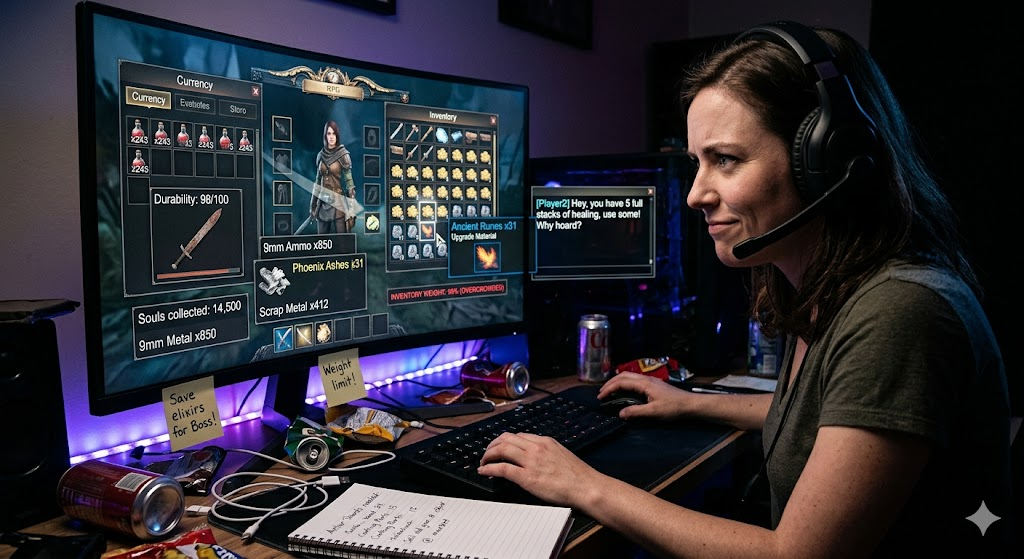
Gold, souls, ammo, crafting parts, consumables, inventory weight, durability, upgrade materials, once you play enough games, resource tracking becomes second nature. Some gamers barely notice they are doing it until someone else sees them hoarding healing items “for later” and asks why they never use the good stuff. There is no fully rational answer, and that is part of the joke.
You hear terms like “meta,” “aggro,” or “cooldown” outside games and instantly translate them

A lot of gaming language escaped into the wider internet years ago, but players still tend to hear the original meaning first. “Meta” is not just a trend, it is strategy shaped by systems. “Aggro” is not just anger, it is threat management. Even when the vocabulary goes mainstream, gamers usually carry a more precise version of it in their heads.
You respect pause as a sacred concept
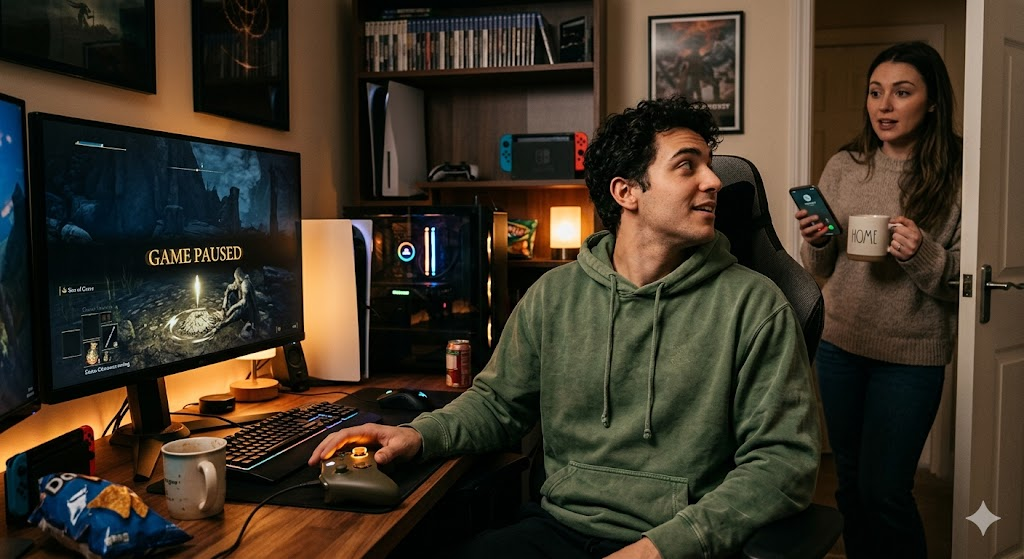
Anyone can enjoy free time, but gamers have a particular appreciation for systems that truly stop when they ask them to stop. That is probably why games that refuse to pause, or hide behind technical excuses, annoy players so much. Once you have had to abandon a meal, a call, or a real-life interruption because a game would not give you ten seconds of mercy, you do not forget it.
You know that not all frustration means a game is bad
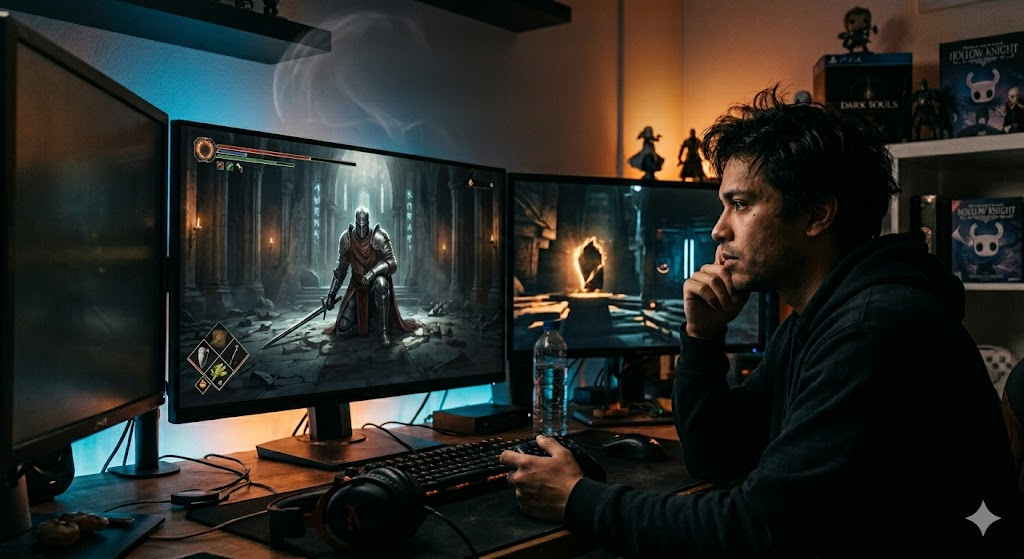
Sometimes a game is unfair, messy, or poorly explained. Sometimes it is just asking you to meet it halfway. Players learn that distinction over time, and it changes how they talk about difficulty. They do not always want games to be easier, they want the challenge to feel intentional, readable, and worth pushing through.
You can spot another gamer from one oddly specific comment

It might be a complaint about escort missions. It might be somebody saying they always reload after missing one line of dialogue. It might be an unprompted defense of motion blur settings. The point is that gaming leaves behind little traces in the way people think and talk, and other players usually catch them fast.
There is no single perfect sign, which is probably why the real ones are so easy to miss if you have never played. But once you know the habits, the vocabulary, and the tiny reflexes games create, they start showing up everywhere. Usually in the smallest possible moments.
Continue Reading: 15 Video Games That Changed Online Gaming Forever