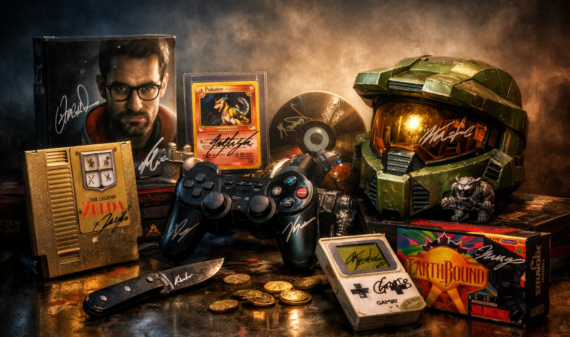
Signed gaming memorabilia usually sits in a pretty normal lane. It is cool, it is collectible, and for the right person it is worth a little more than the unsigned version. Then something shifts, a player retires, a studio fractures, a game disappears, a whole era suddenly starts feeling closed off, and the same object looks completely different. That is when a signed item stops being merch and starts feeling like evidence.
N64 cartridges signed by the original Nintendo 64 launch team
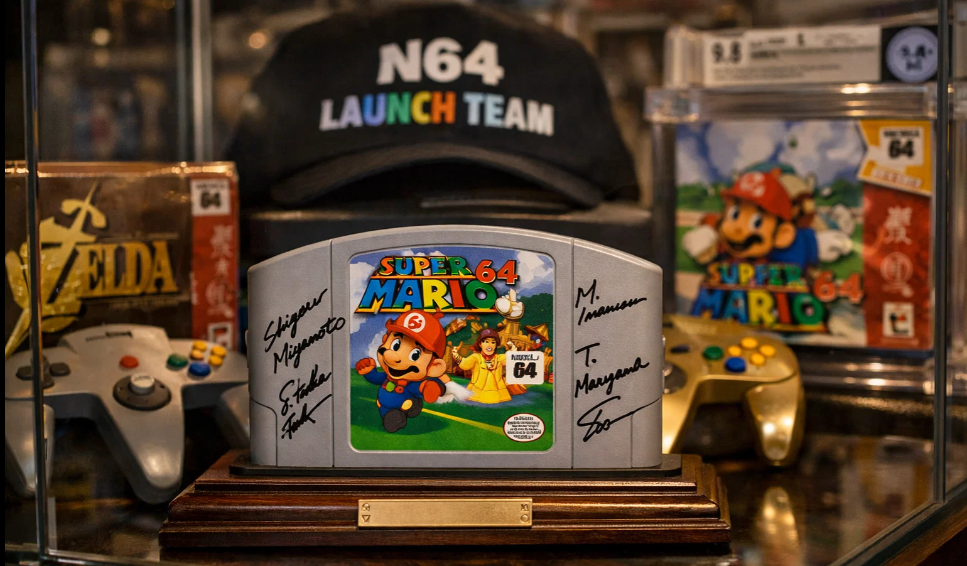
A plain N64 cartridge can still be found without too much drama, and the broader N64 market remains active enough that base prices feel familiar. The signed launch-team stuff is a different animal. Once collectors started caring more about who handled an item and when than whether the box corners were perfect, those early signatures stopped feeling like a novelty and started reading like they belonged in a display case, not a game room.
A Halo 2 copy signed by Bungie before the split from Microsoft
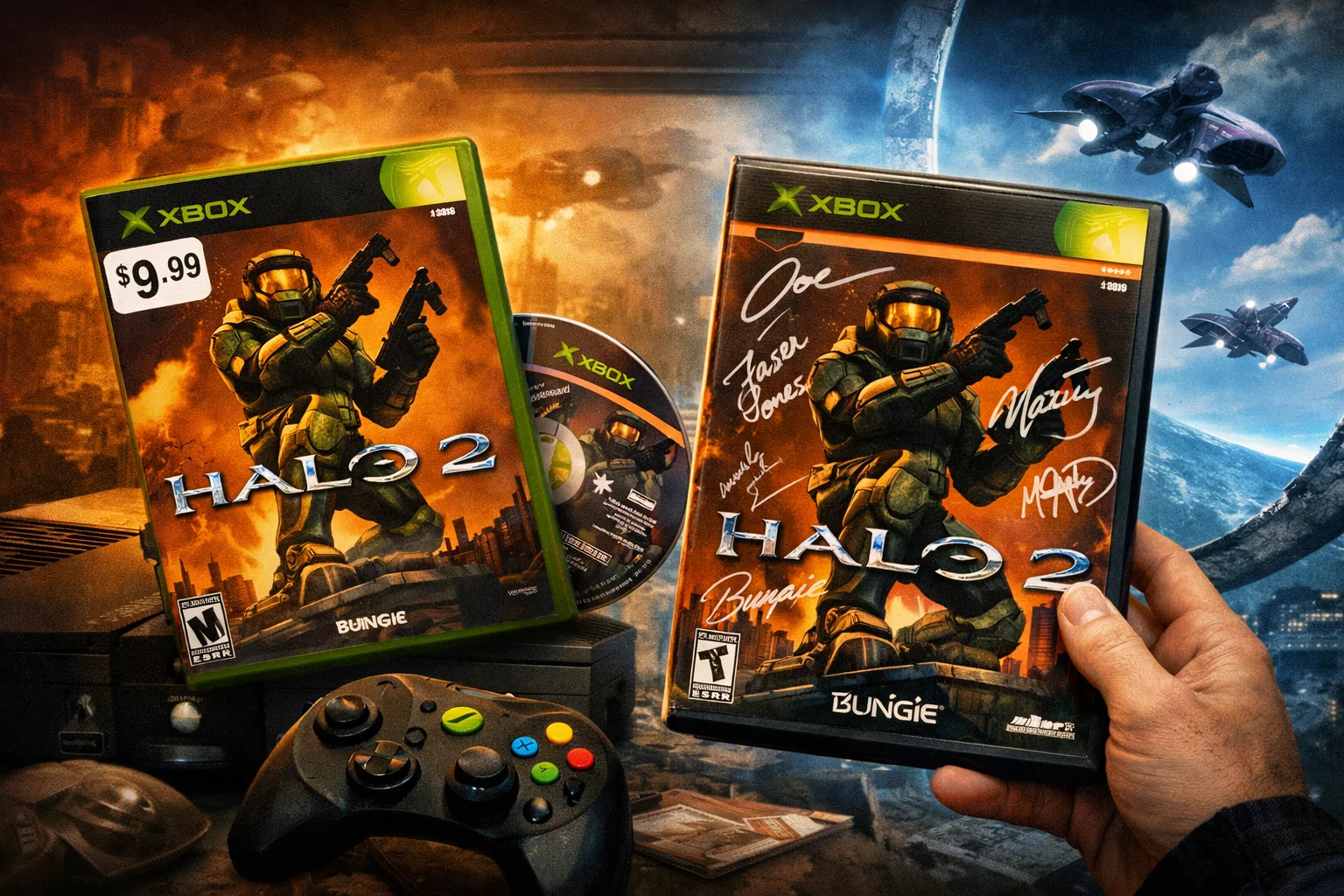
The funny thing about Halo 2 is that the base game is still cheap enough to feel ordinary, roughly in the ten-dollar range complete, which almost makes the signed copies feel stranger. A pre-split Bungie signature changes the mood immediately because it ties the game to a version of Halo that people still talk about in a different tense. At that point, nobody is thinking about the resale value of a standard Xbox disc anymore.
A Dreamcast signed by Yu Suzuki at launch-era events
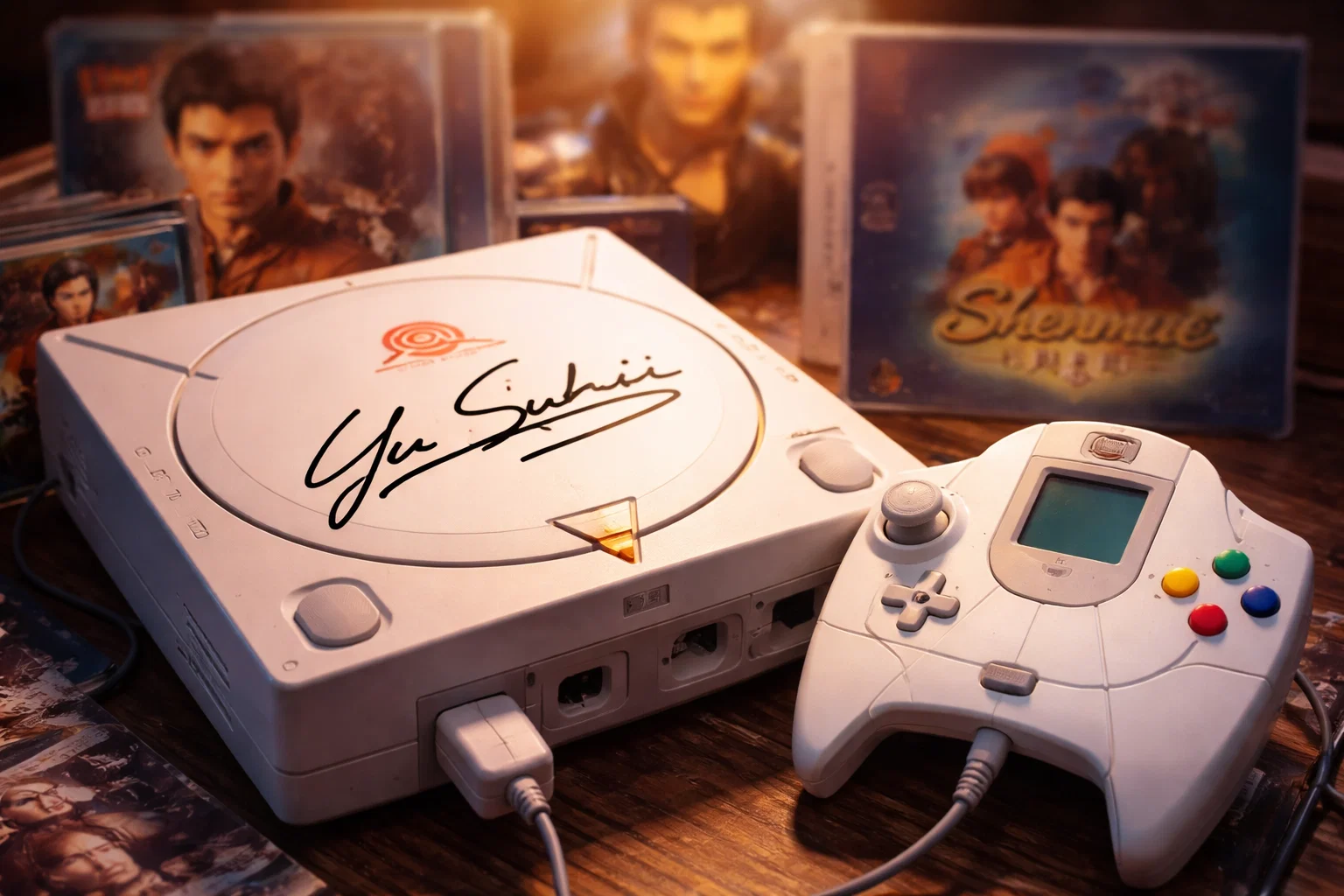
Dreamcast pieces already come with a built-in ache. Add Yu Suzuki to one of them and it stops being just another Sega collectible, especially if the item is tied to Shenmue or the console’s launch window. There are public listings for Yu Suzuki-signed memorabilia in the few-hundred-dollar range, but on a signed Dreamcast itself the number tends to drift upward fast, mostly because the thing almost never shows up in a clean, straightforward way.
A League of Legends Worlds mousepad signed by the 2013 SK Telecom T1 roster
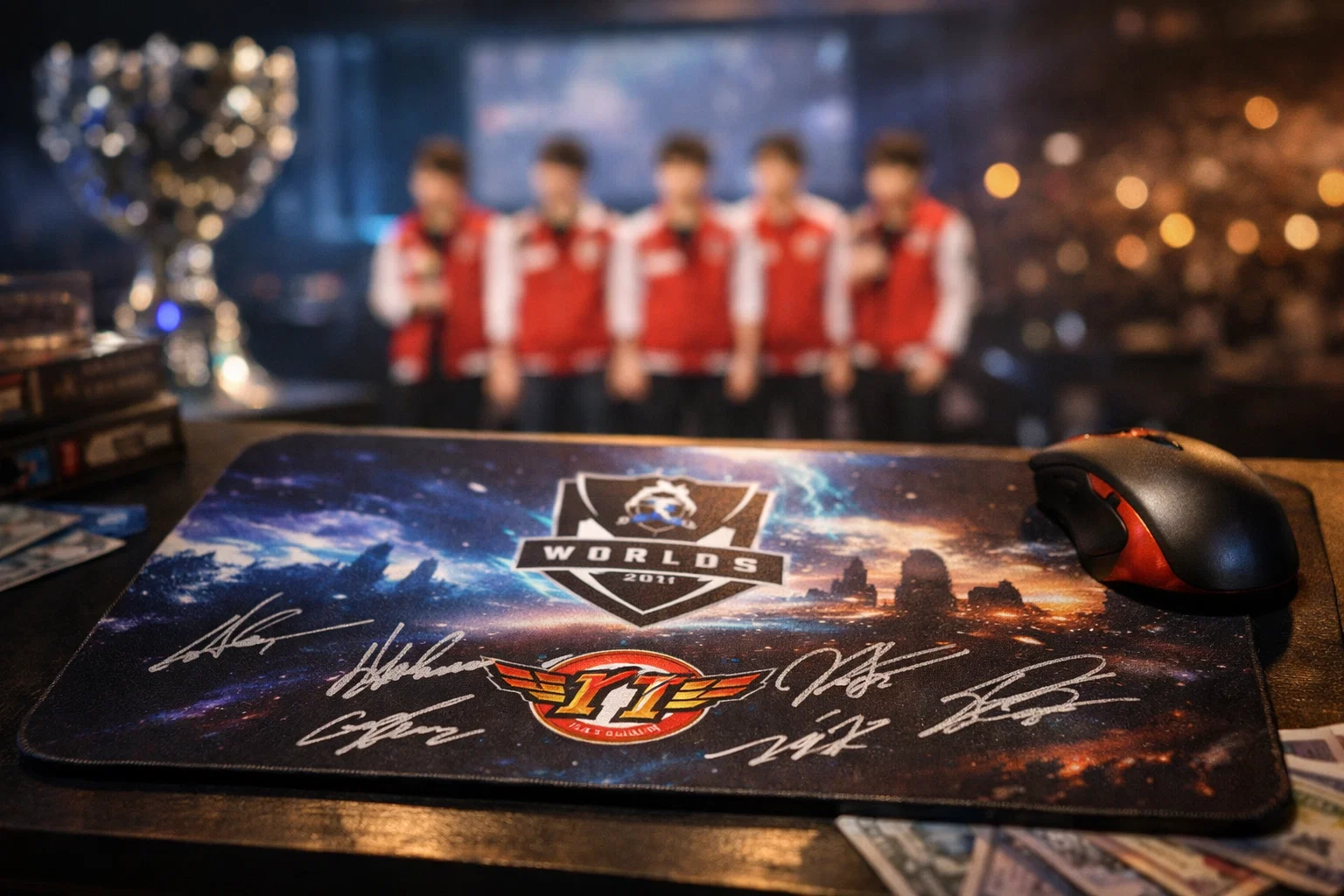
Back in 2013, a Worlds mousepad was the sort of freebie or side purchase people actually used. That is part of the reason a clean one, signed by the full first-title SKT lineup, feels so much rarer now than it sounds on paper. Even the unsigned version can still turn up around the sixty-dollar mark in collector listings, which only makes it more obvious how much of the real value is tied to that exact roster and that exact year.
A Counter-Strike 1.6 jersey signed by the old Ninjas in Pyjamas core
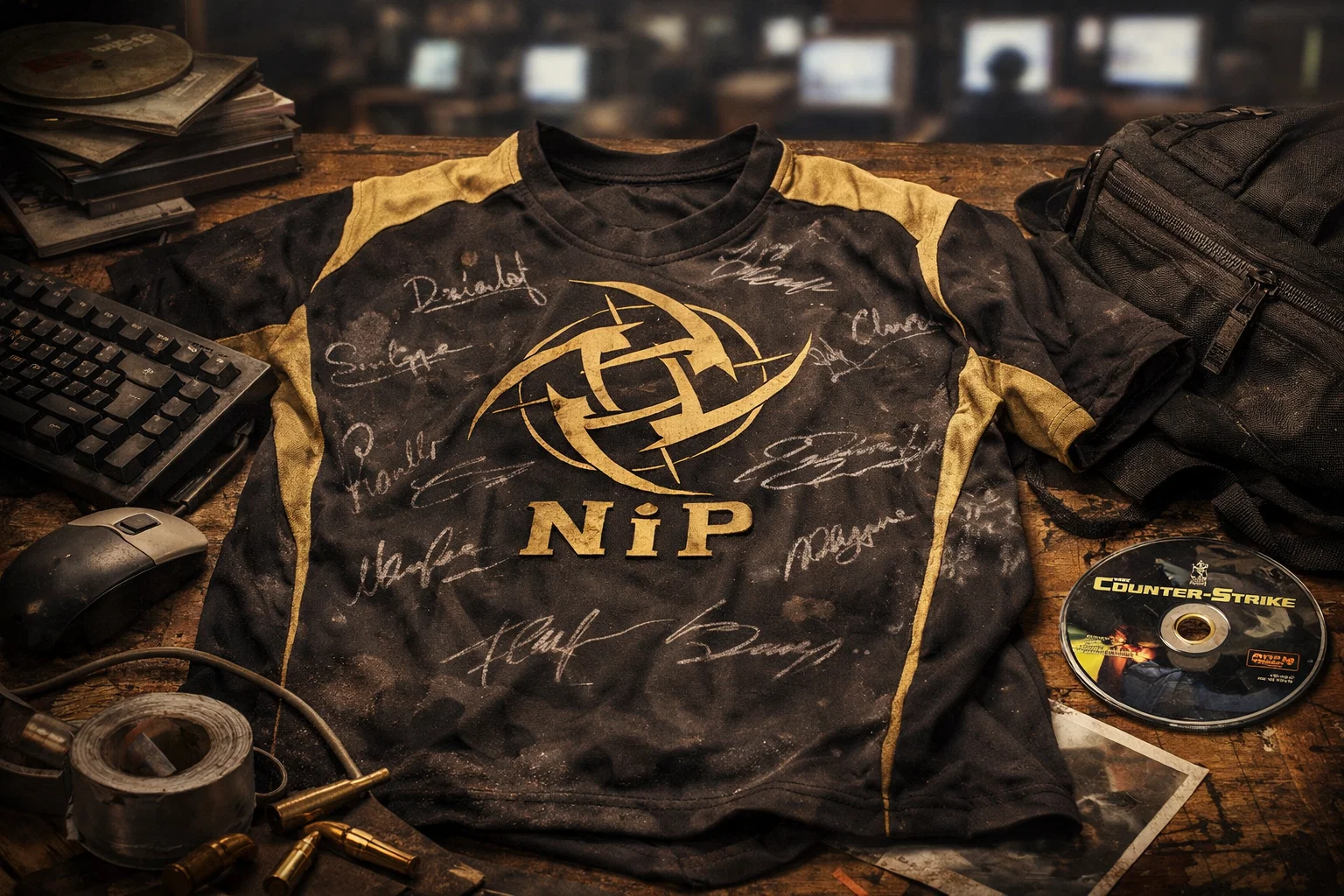
Early Counter-Strike team gear was not built for archive culture. It was worn, traded, stuffed into bags, forgotten after LANs, or signed in the worst possible marker on the worst possible fabric. That is why an authentic 1.6-era NiP jersey with the right names on it does not really behave like normal apparel anymore, it sits in that awkward space where the market is thin, the demand is real, and one private buyer can make the whole thing jump.
Trending on realmoneygamer.com
A Pokémon Game Boy signed by Satoshi Tajiri
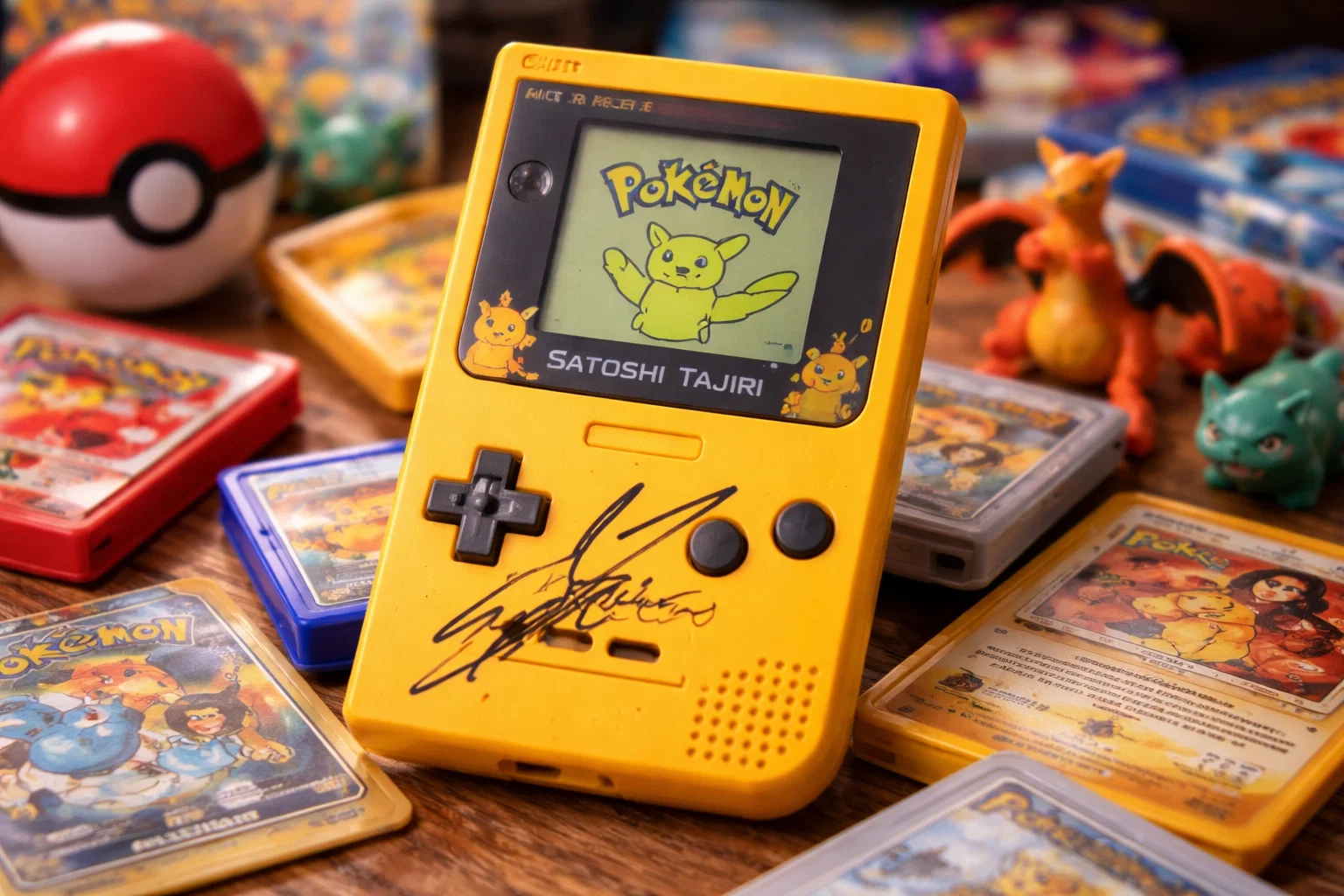
This one barely needs dramatic writing. A Game Boy linked to Pokémon and signed by Satoshi Tajiri is the kind of piece that instantly leaves the normal retro lane and moves into collector shorthand, the sort of item people mention in one sentence and everybody in the room already understands why it would cost a small fortune. Pokémon got too big, too permanent, and too culturally fixed for that kind of early creator-signed hardware to stay remotely modest.
A signed copy of Silent Hill 2 after the Team Silent years started feeling unreachable
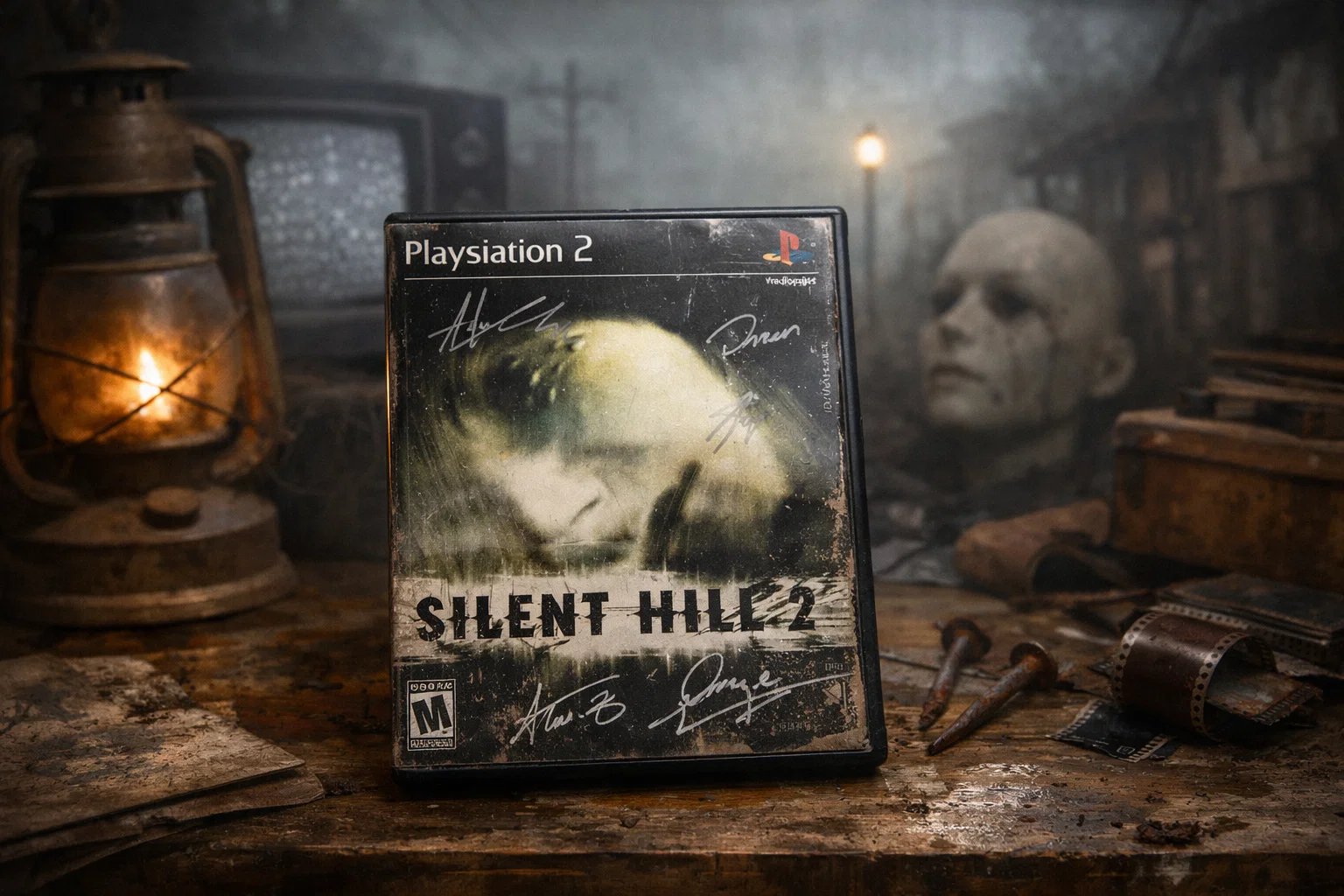
Silent Hill 2 was already expensive emotionally before it became expensive in collector terms. What changed over time was the realization that the original Team Silent period was not just a good run, it was a very specific mood that nobody ever really reproduced. So when a signed copy surfaces, it carries the usual horror-game scarcity plus that extra weight people attach to things they no longer believe the industry can make again.
A Wii signed by Satoru Iwata
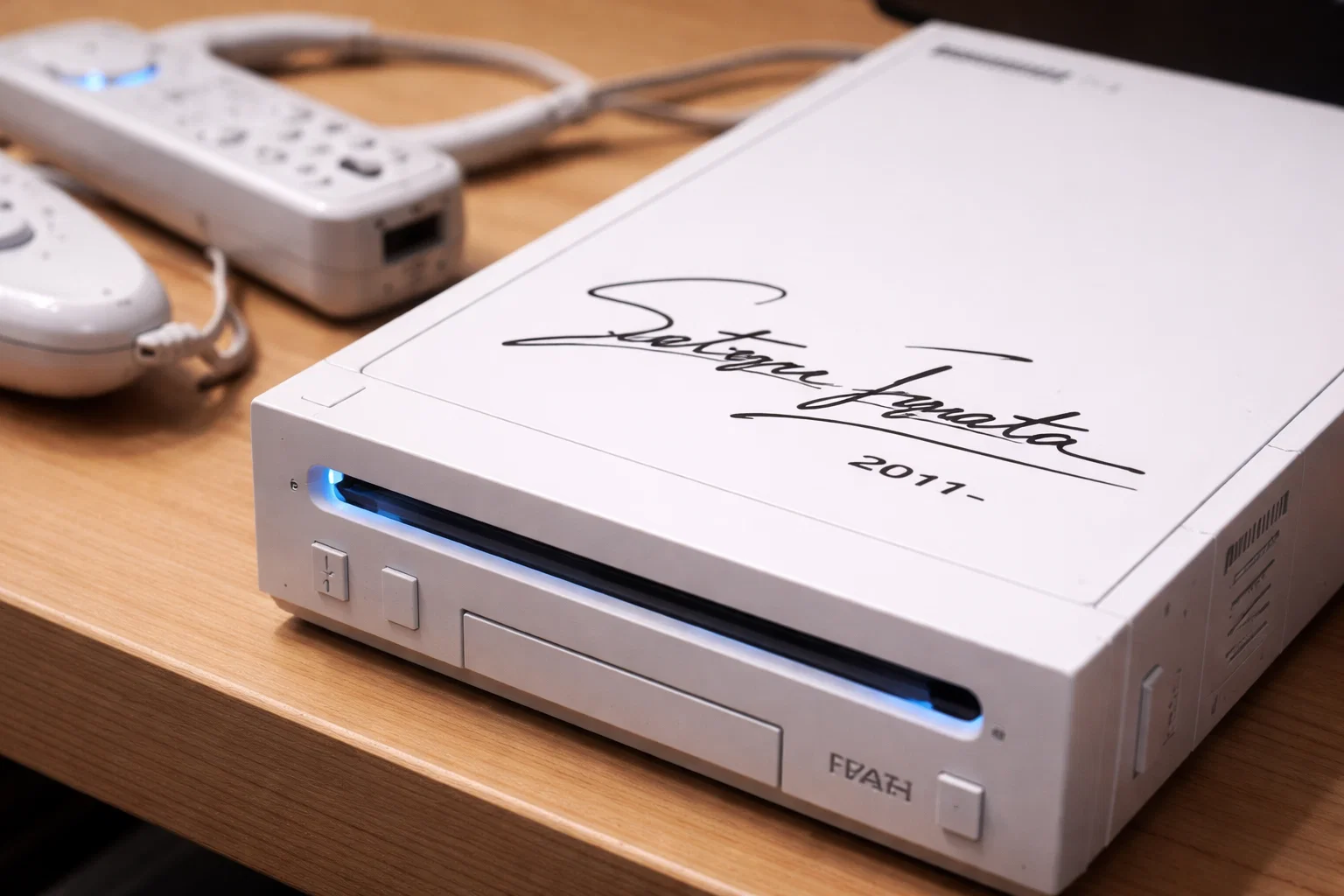
The unsigned Wii market is still very public and very trackable, the hardware itself is hardly impossible to find. But an Iwata signature changes the whole temperature of the object. After 2015, those pieces stopped being lucky event souvenirs and started being treated with a kind of quiet caution, because nobody wants to pretend they are just looking at another white Nintendo console.
An Overwatch launch poster signed by the original Dallas Fuel roster, or the old EnVyUs core just before the franchise era swallowed everything
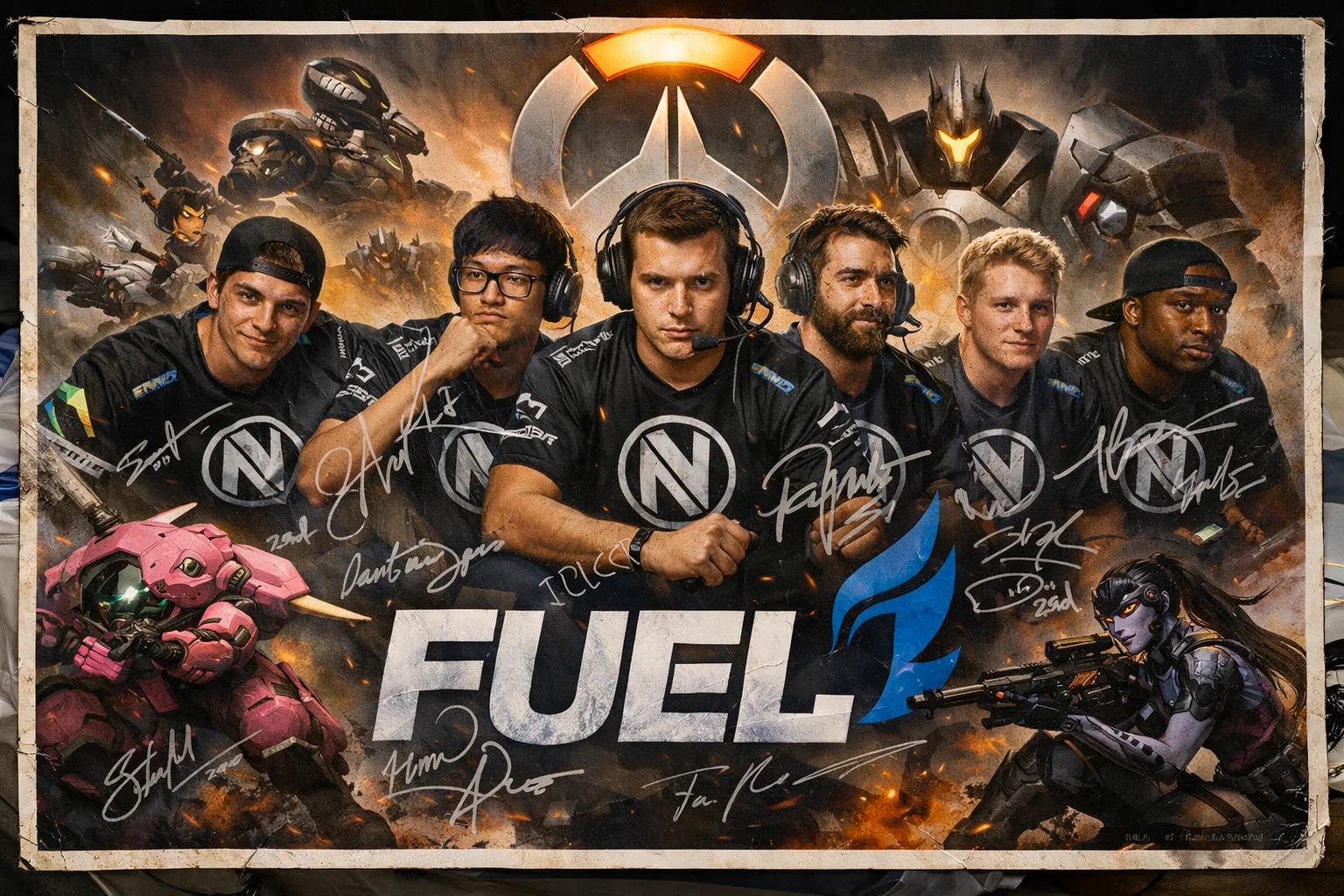
Early Overwatch League memorabilia has aged in a strangely fast way. It is recent, but it already feels like it belongs to a version of esports that was trying very hard to look polished while still carrying remnants of the messier pre-franchise world underneath. Signed launch-era Fuel material, especially anything that still points back to EnVyUs, lives in that weird sweet spot where it is too new to be vintage and too specific to ever really be replaceable.
A Super Smash Bros. Melee copy signed by Masahiro Sakurai and tournament-era gods
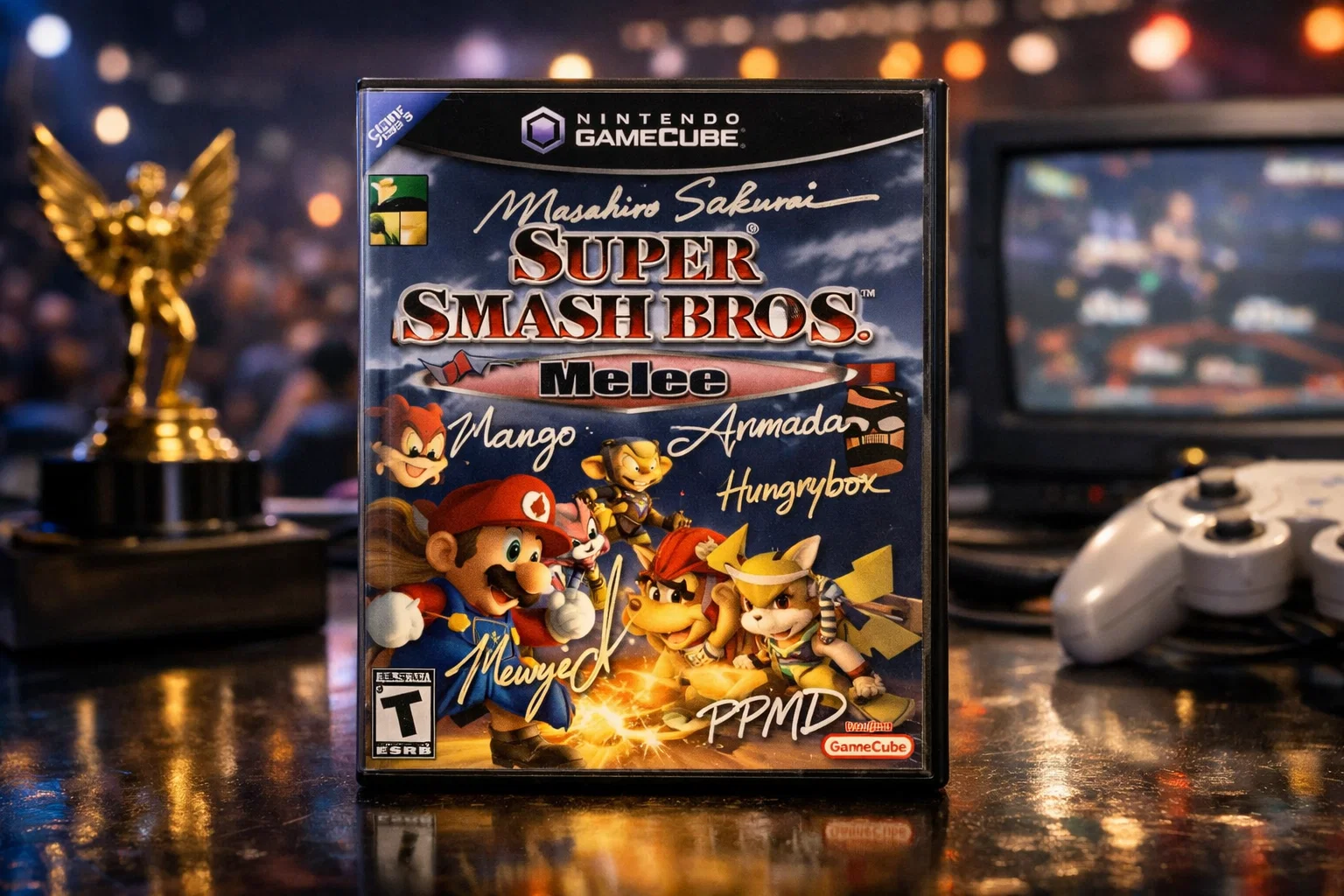
On the base market, Melee is not exactly cheap anymore. Complete copies commonly land around the sixty to seventy-five dollar range, while sealed examples can move well past a thousand. Once Sakurai’s name is on the case and you add signatures from the players who kept the game alive for two straight decades, the price starts feeling almost secondary. It becomes one of those objects that says more about the game’s second life than its original release ever could.
A StarCraft: Brood War keyboard signed by BoxeR
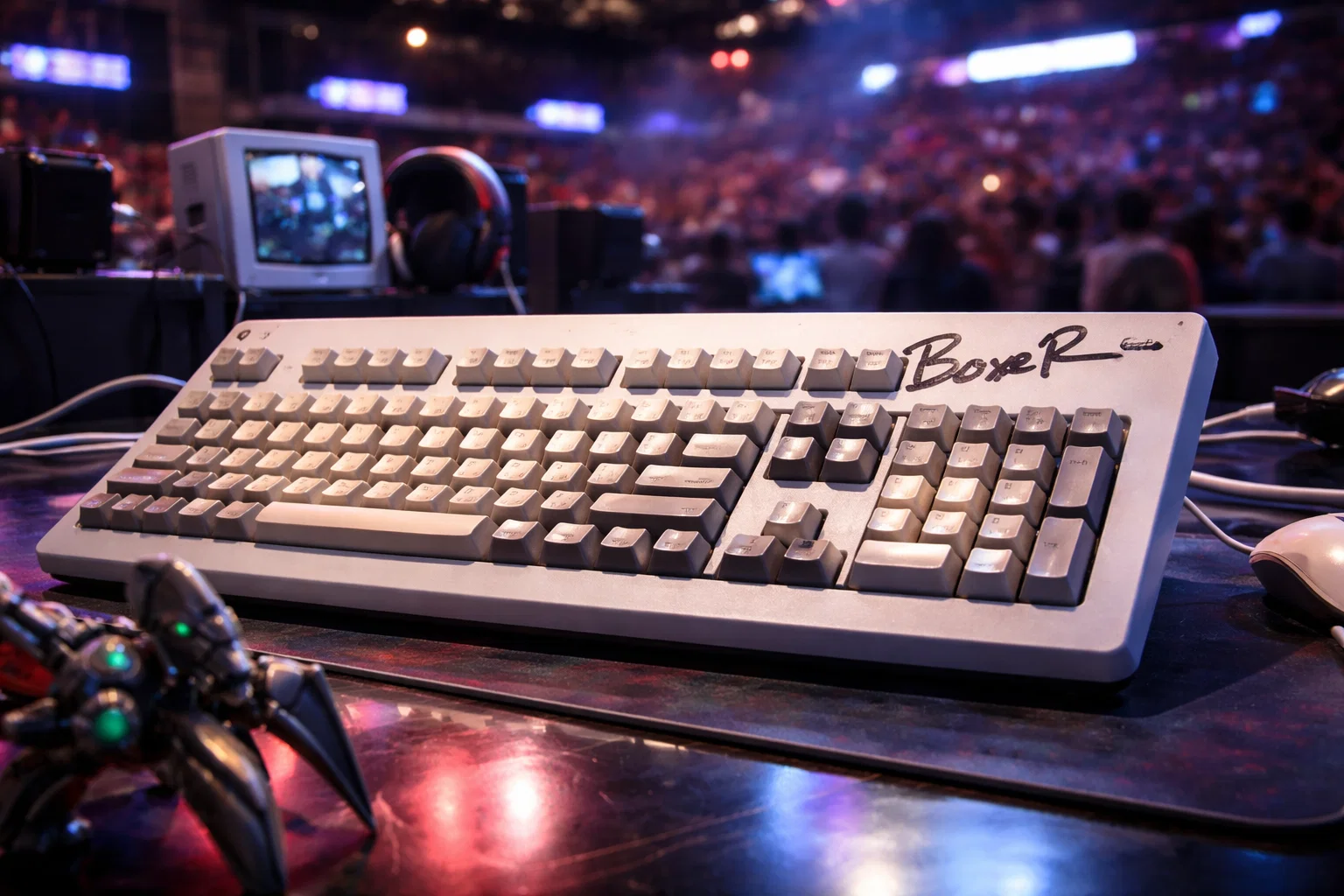
People who missed early Korean esports sometimes underestimate how little of that world survives in a collectible form that still feels tangible. A signed keyboard, of all things, ends up making sense because it feels close to the actual rituals of the scene, the booths, the PC bangs, the televised matches, the whole mythology around mechanical skill before esports learned how to brand itself globally. With BoxeR’s name on it, you are not buying a peripheral anymore, you are buying a shortcut back to the first time competitive gaming looked huge.
A signed Cyberpunk 2077 collector’s edition from the pre-release hype cycle
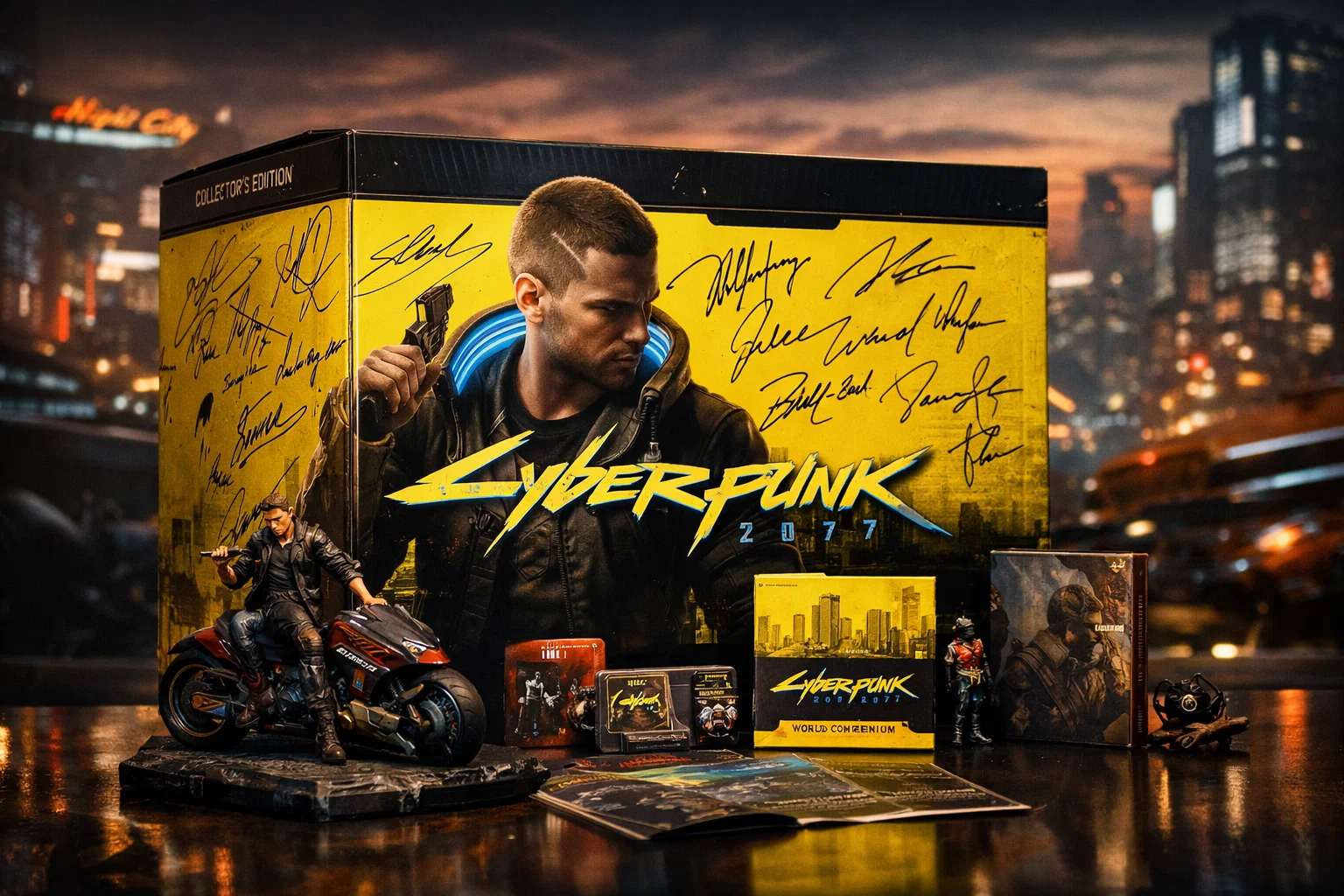
This one has a different kind of charge because the story around it broke so suddenly. The collector’s edition still has a visible market, with listings ranging from the low hundreds into the mid-hundreds depending on condition and platform. Add signatures from that pre-launch period and the object becomes a time capsule from the exact week before everybody started arguing instead of dreaming. That tension is part of the value now, not a distraction from it.
A World of Warcraft collector’s box signed by the original Blizzard leads
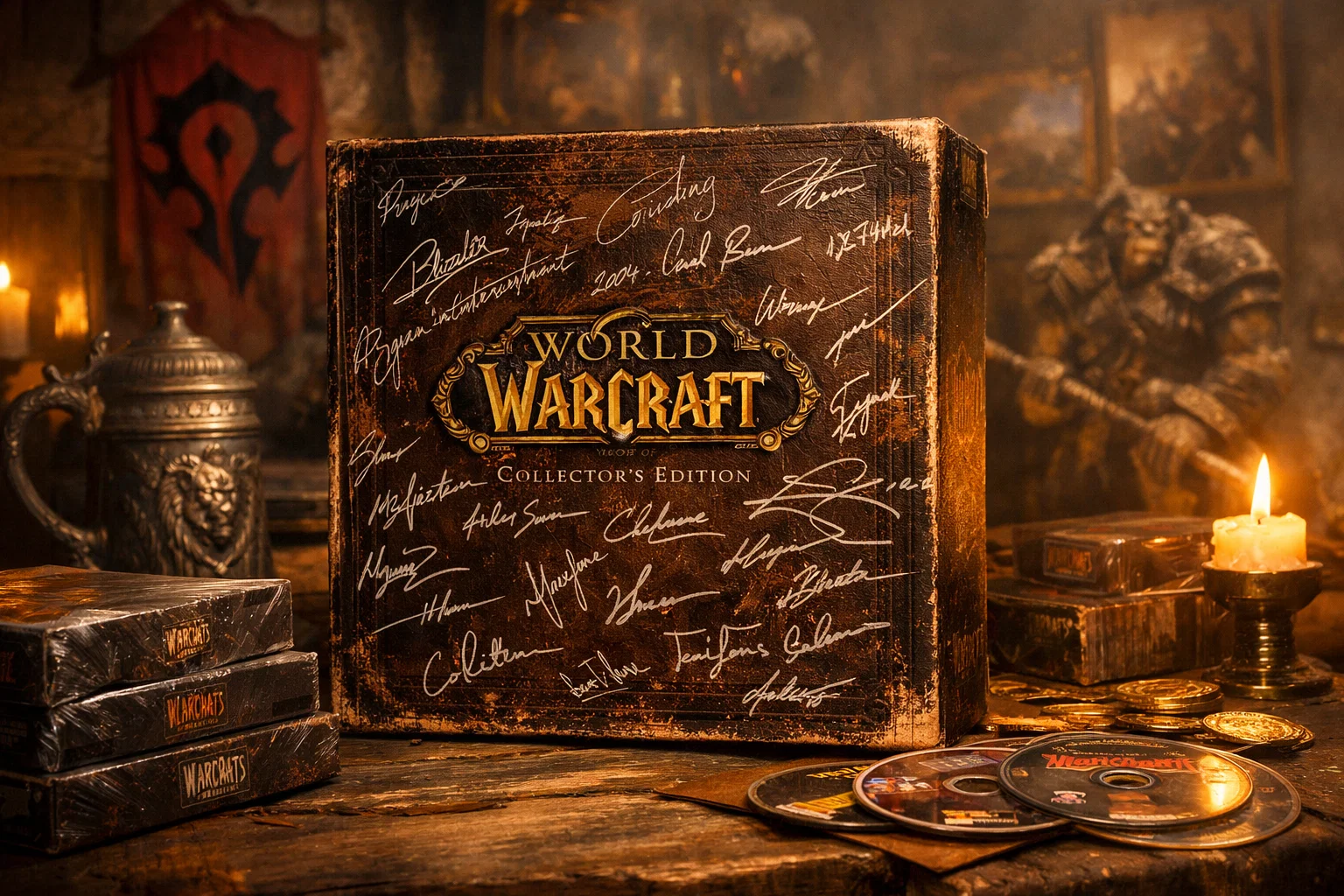
Unsigned WoW collector’s boxes already live in pricey territory, with sealed listings stretching from roughly the high hundreds into four figures depending on edition and condition. A signed one from the original Blizzard era pushes past normal collector logic pretty quickly, partly because vanilla WoW still carries enormous weight and partly because the old image of Blizzard has become its own collectible idea. You are buying the box, sure, but you are also buying a version of the company that a lot of players think is gone for good.
A Hideo Kojima-signed P.T. promo item
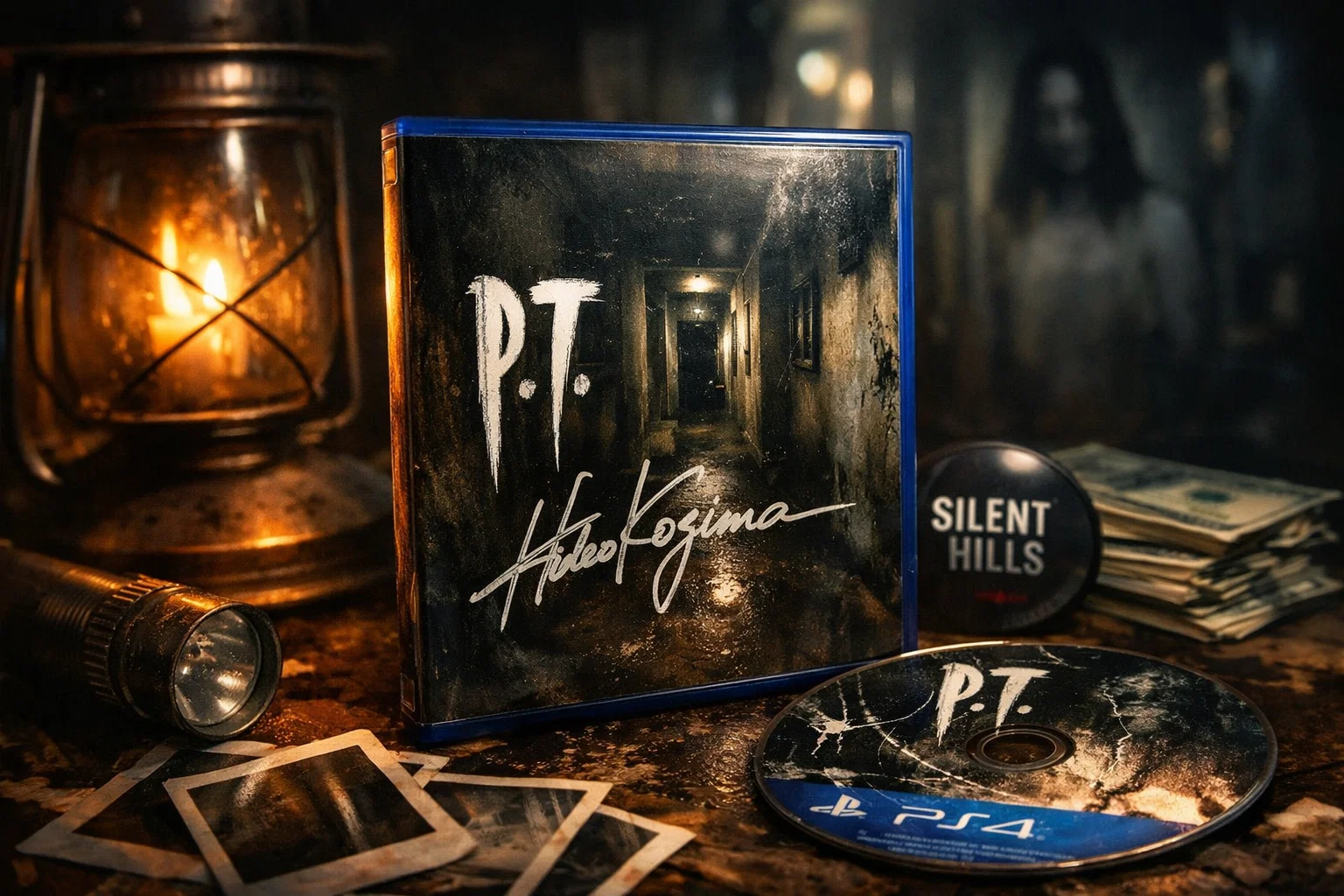
Some collectibles slowly become rare. P.T. basically did it in public. Once the teaser vanished from storefronts and turned into one of gaming’s favorite ghost stories, anything physical attached to it picked up instant electricity. Kojima-signed items already roam from the mid-hundreds into the multi-thousand-dollar zone depending on what exactly is signed, so if that signature lands on a real P.T. promo piece, the price tends to stop behaving rationally in a hurry.
What makes these things expensive is not just scarcity, even though scarcity helps. It is the feeling that the moment around the object is over, and that nobody can really make another one that means the same thing. In gaming, that shift can happen a lot faster than people expect. One week it is a signed item, and the next it is the sort of thing collectors stop talking about casually.
Continue Reading: 15 Video Game Characters Who Were Based on Real People
Images generated by AI